


Cat breeds
Every cat breed
There are dozens of cat breeds, from the long-haired Maine Coon to the hairless Sphynx, each with its own personality, size, needs and health predispositions. Choosing the right one means finding the cat that fits your lifestyle, not just the one that looks cute in photos.
Every profile is fact-checked and written by people who live with cats: real personality, documented health (including the genetic tests to ask the breeder for), honest prices, and the coats each breed comes in. No stereotypes, no made-up numbers.
Fact-checked profiles, sources cited, no stereotypes
Our breed profiles
Click a breed for its full profile: personality, health, price, coat colors and the health issues to know about.
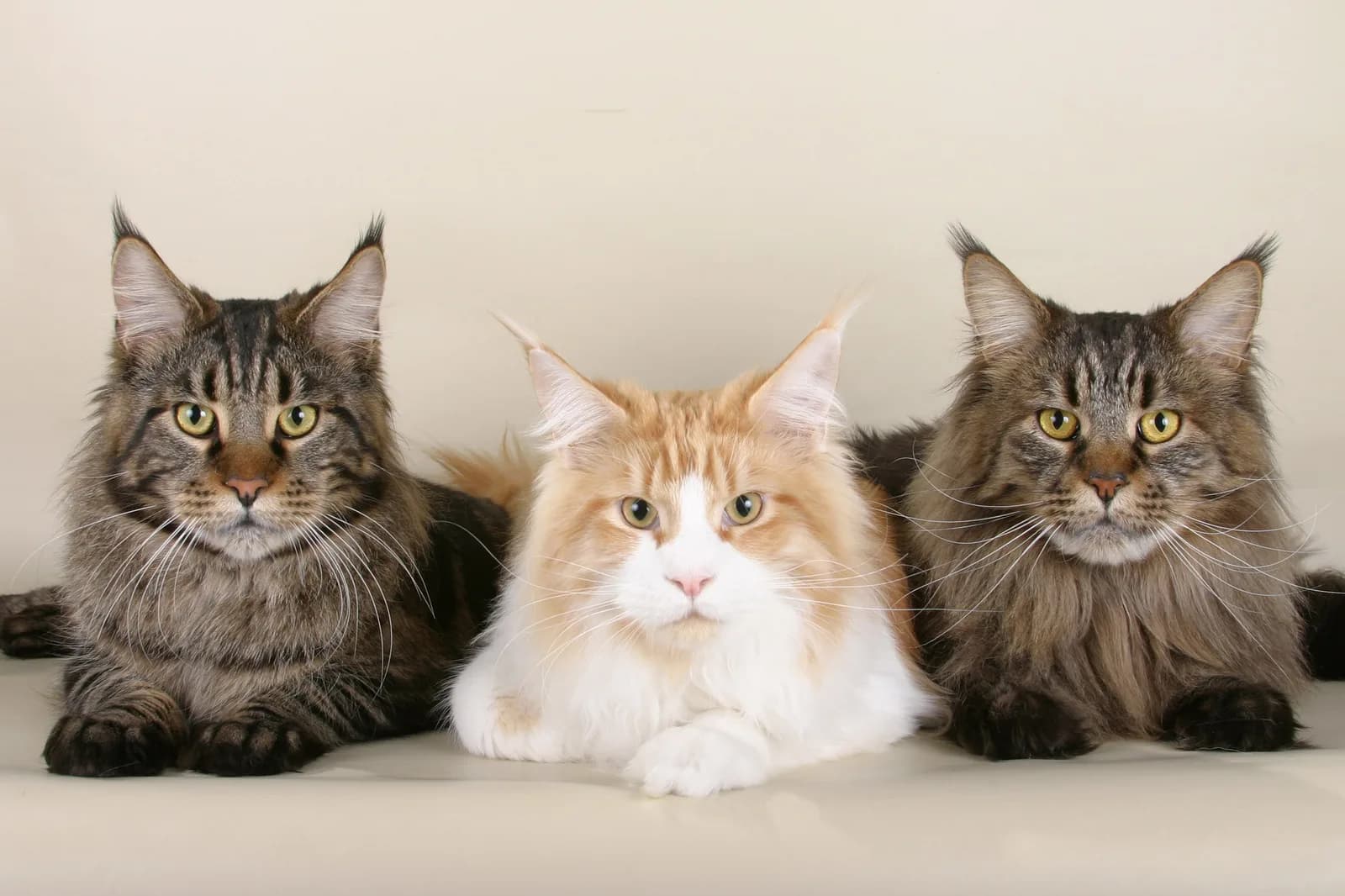
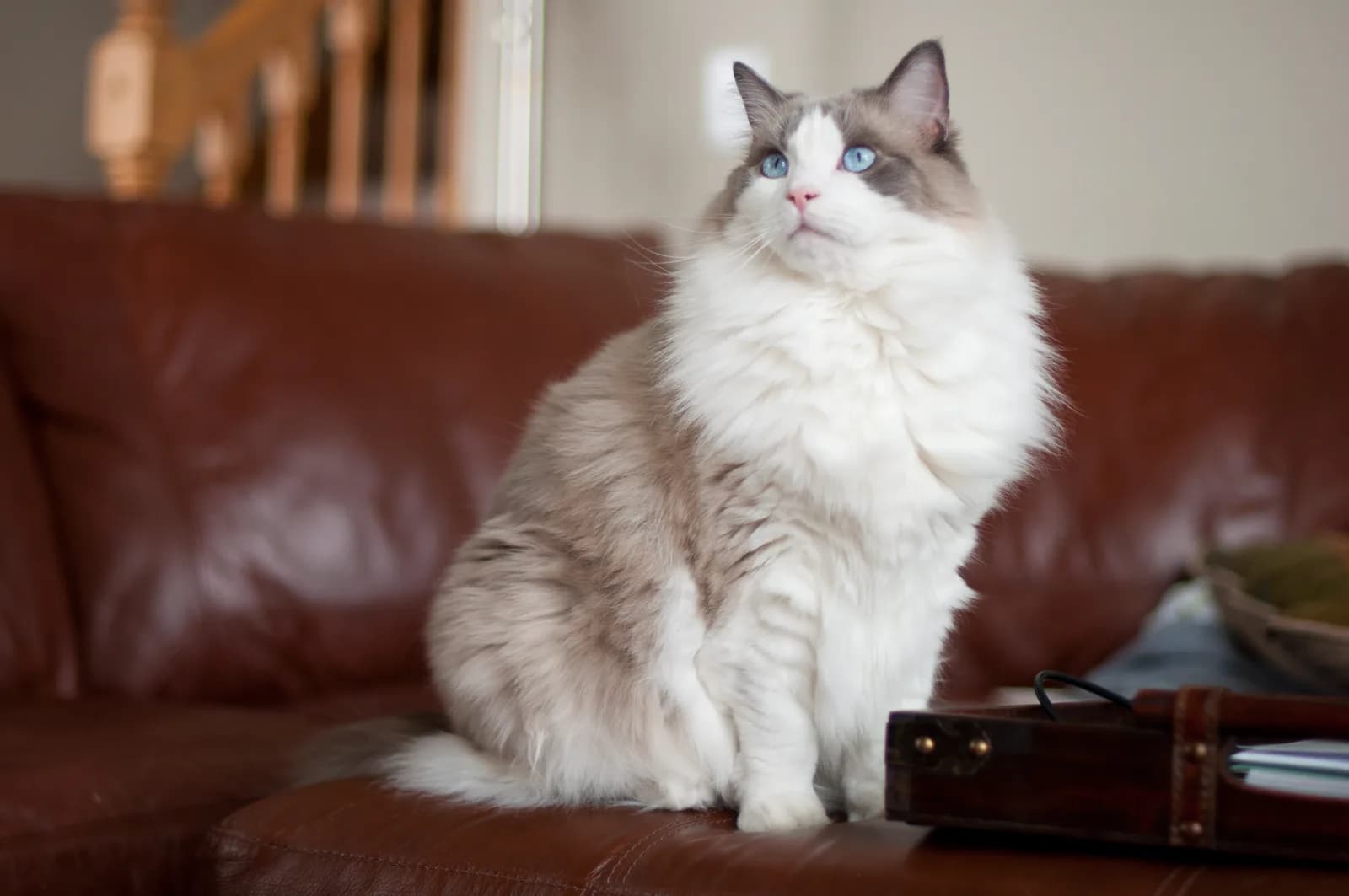
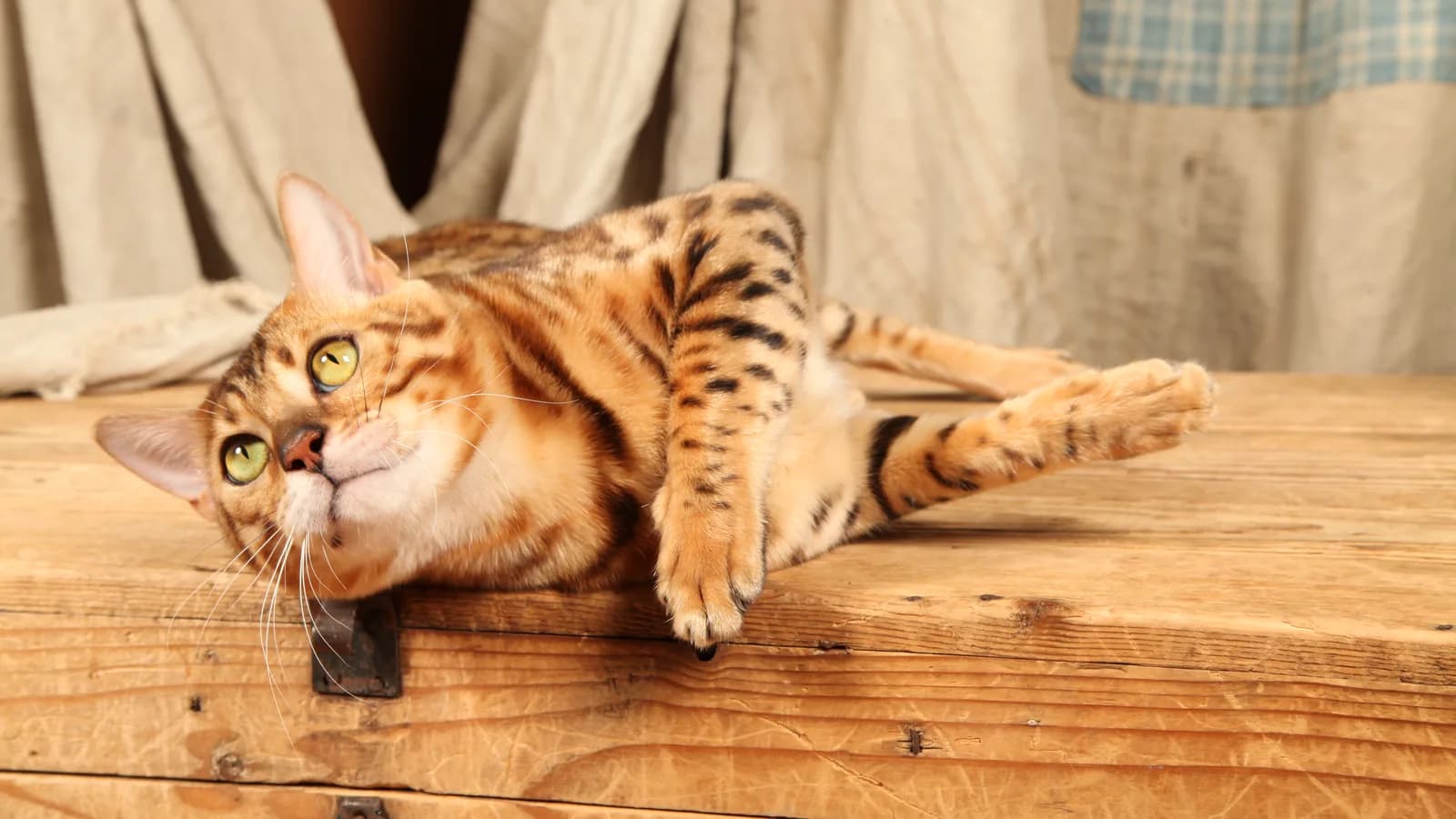
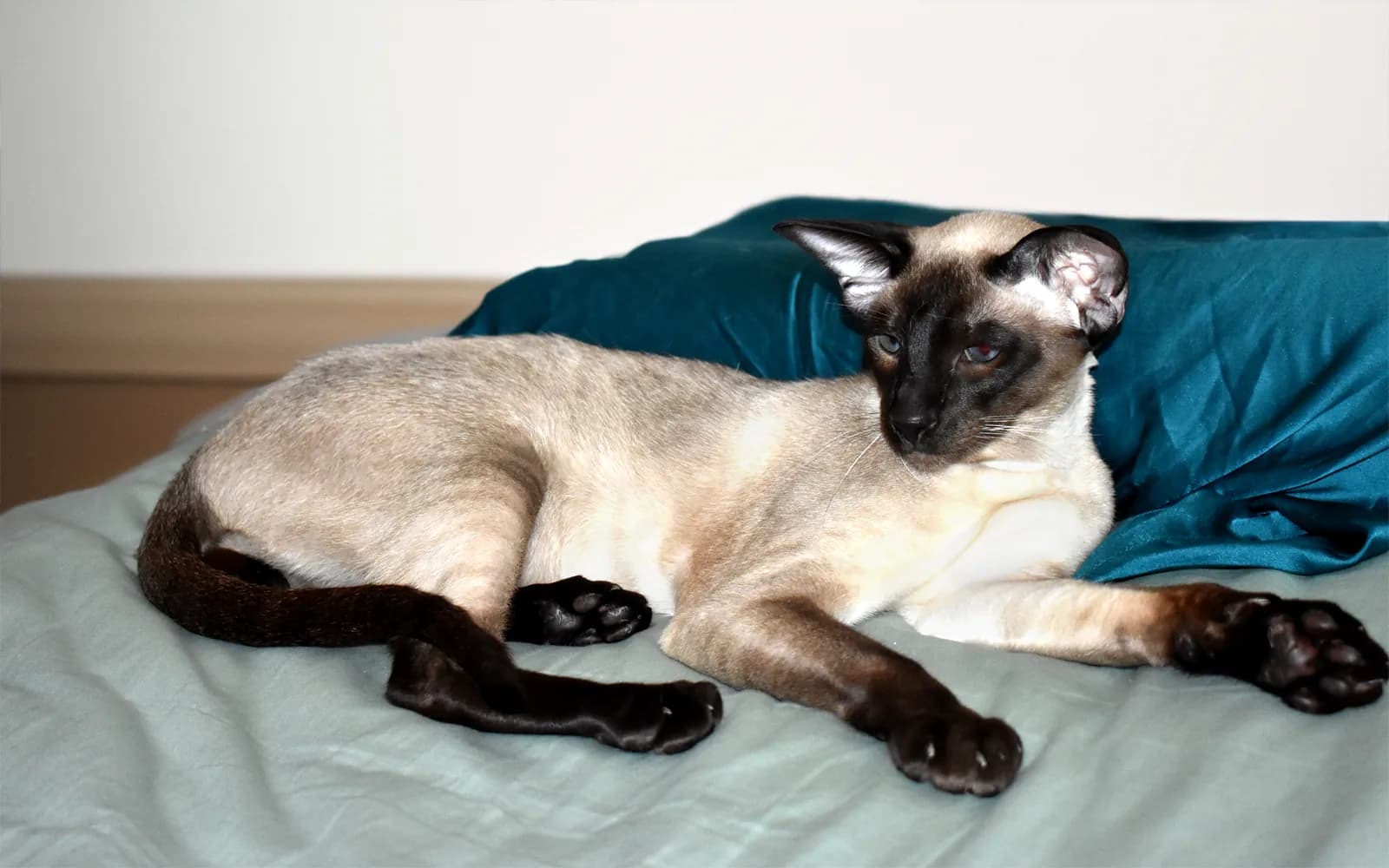
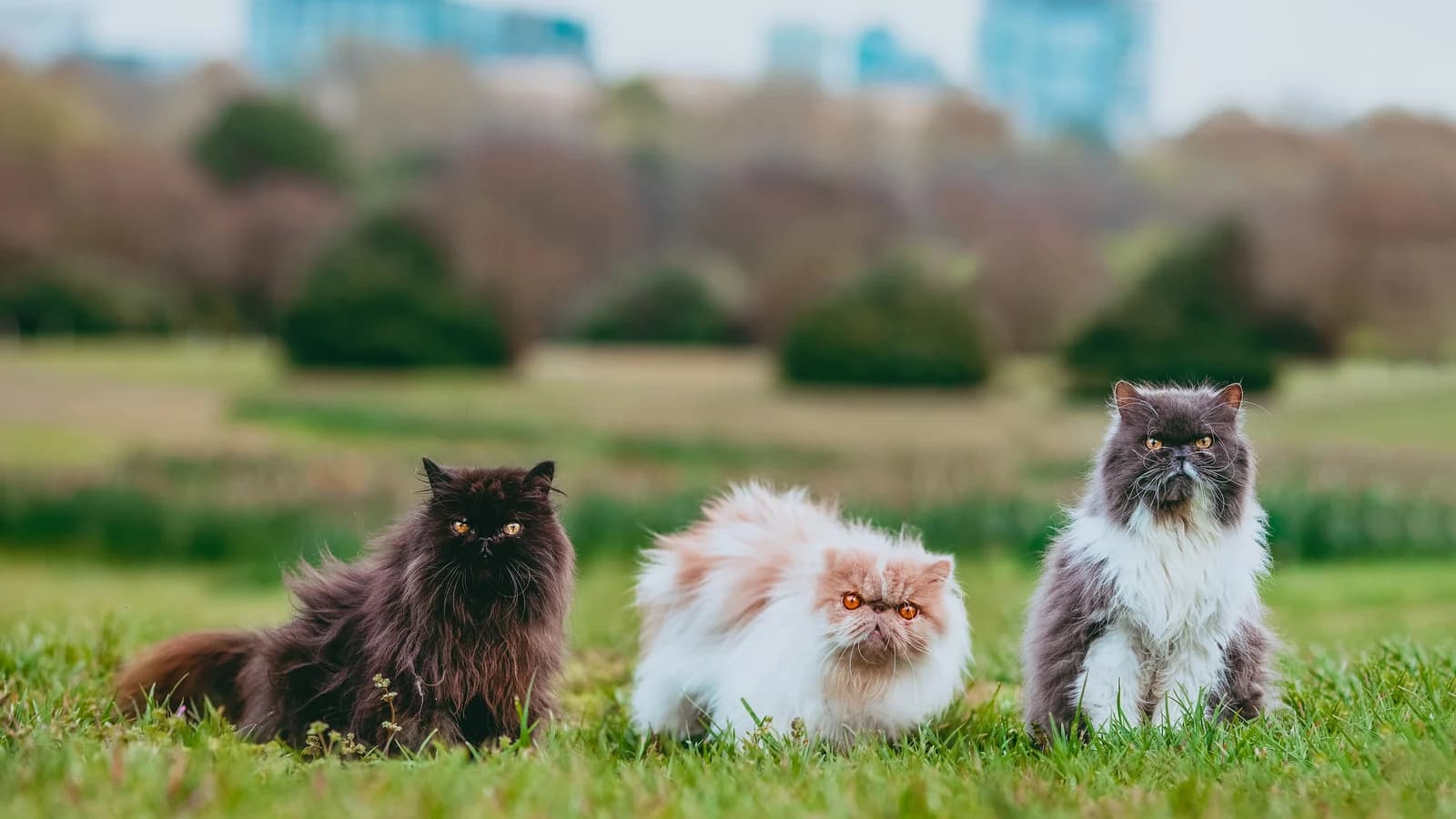
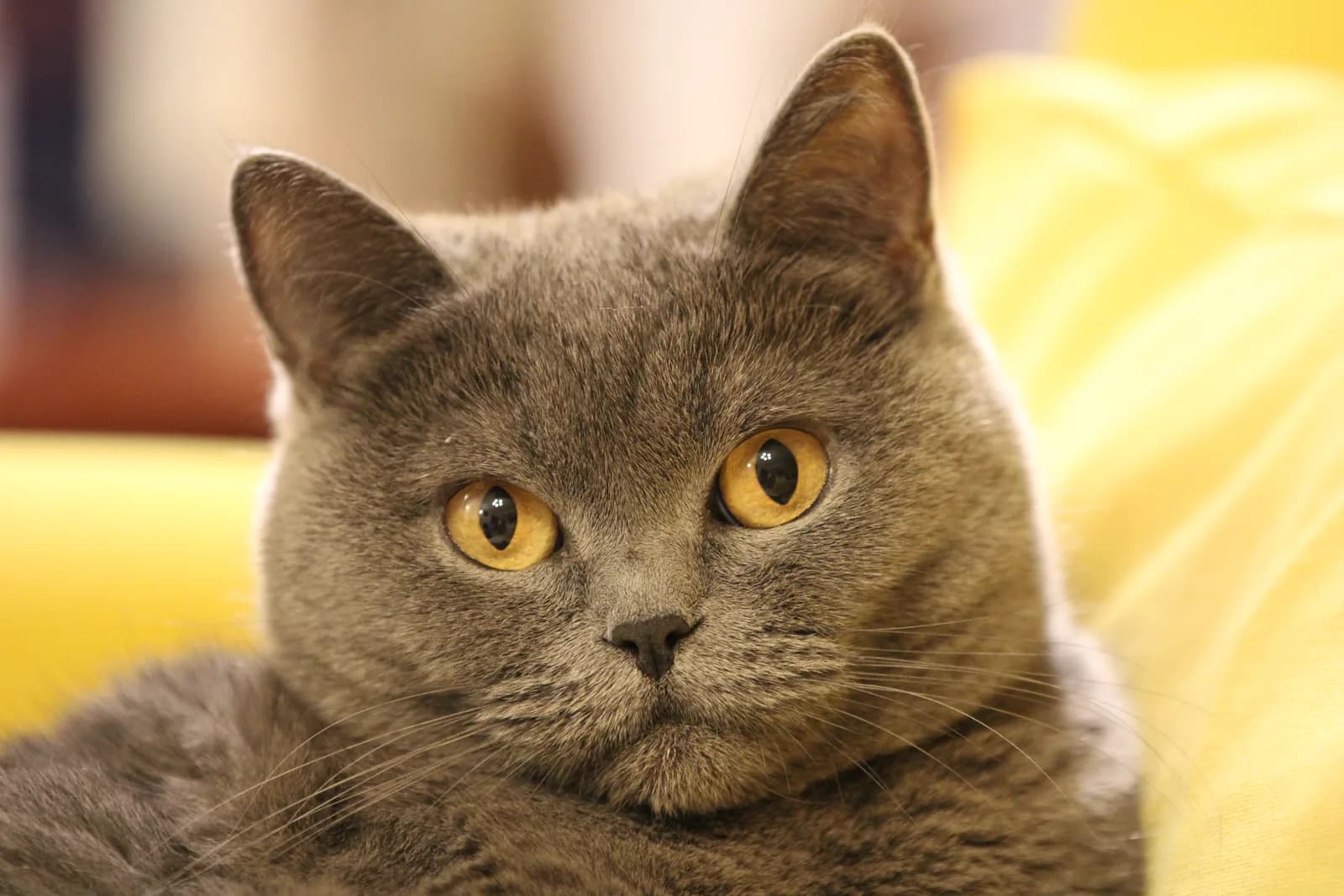
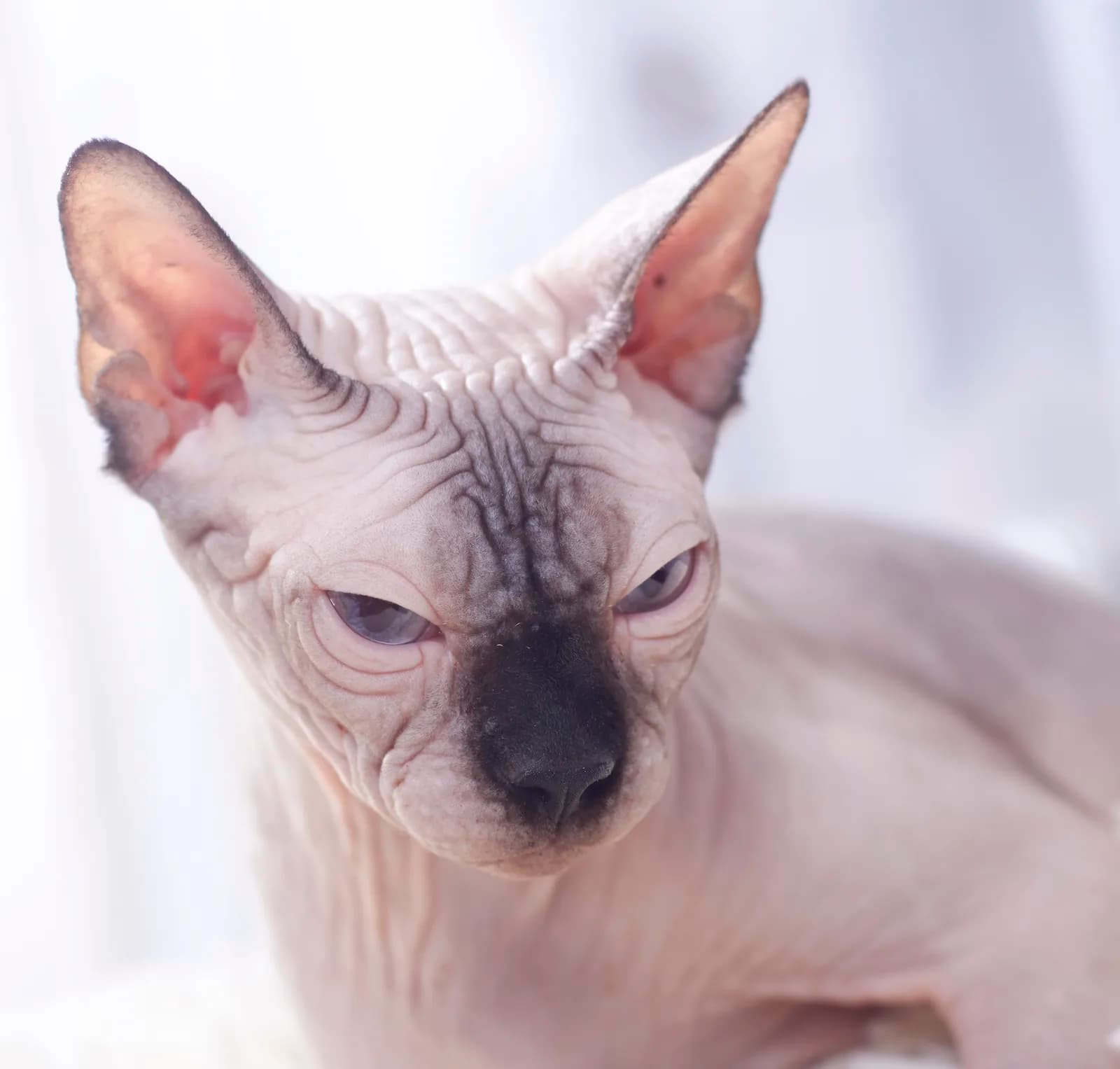
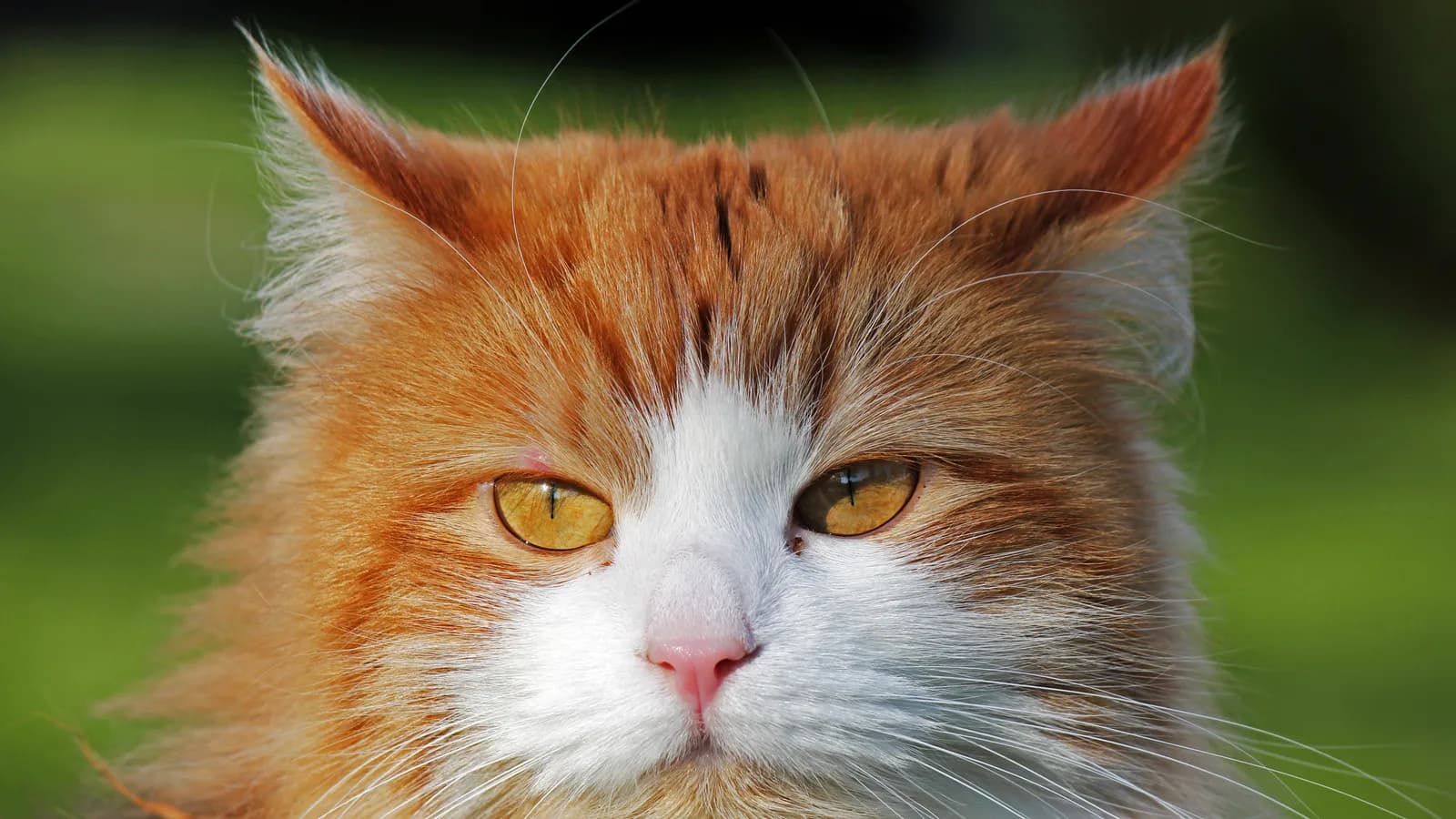
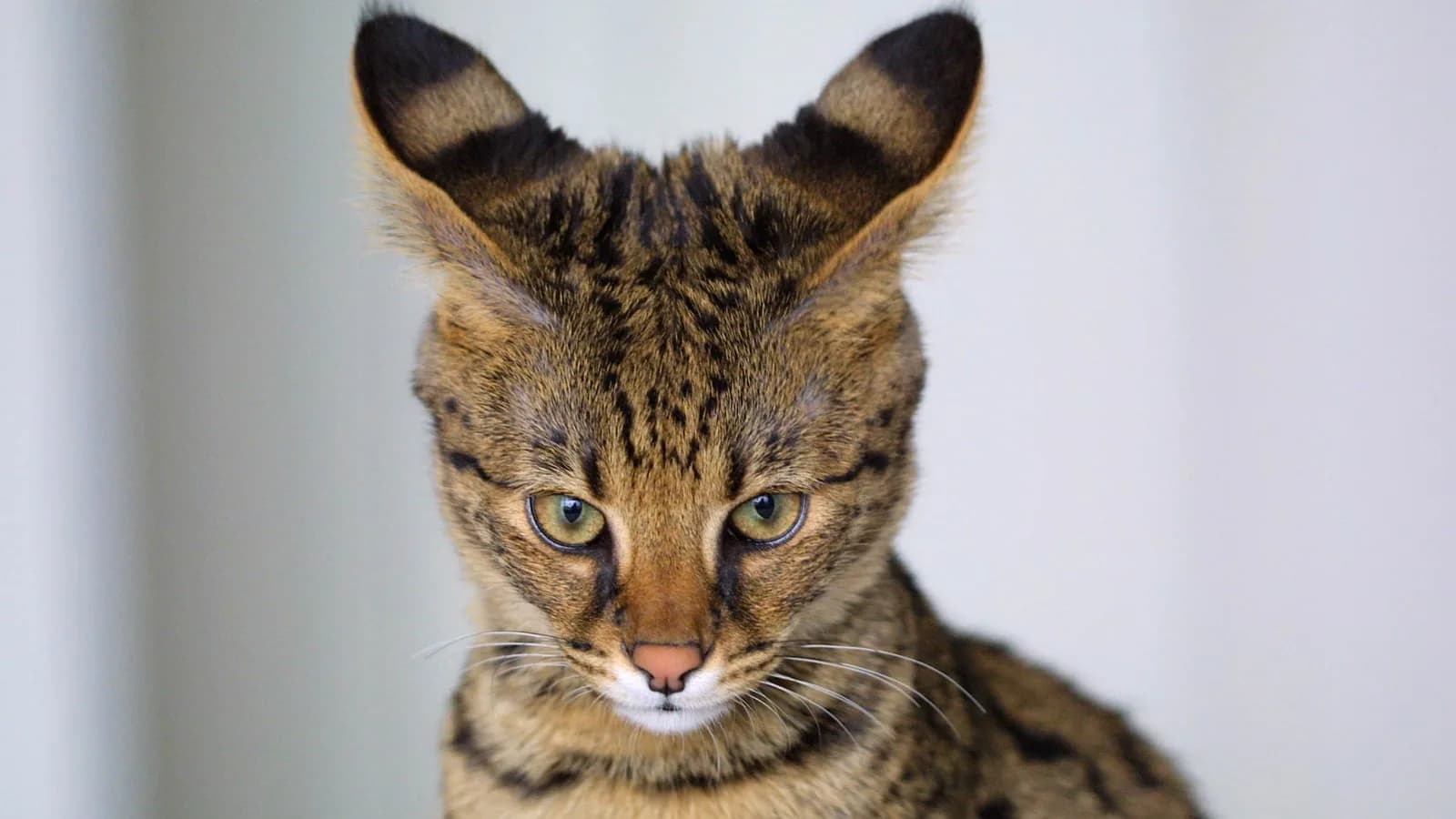
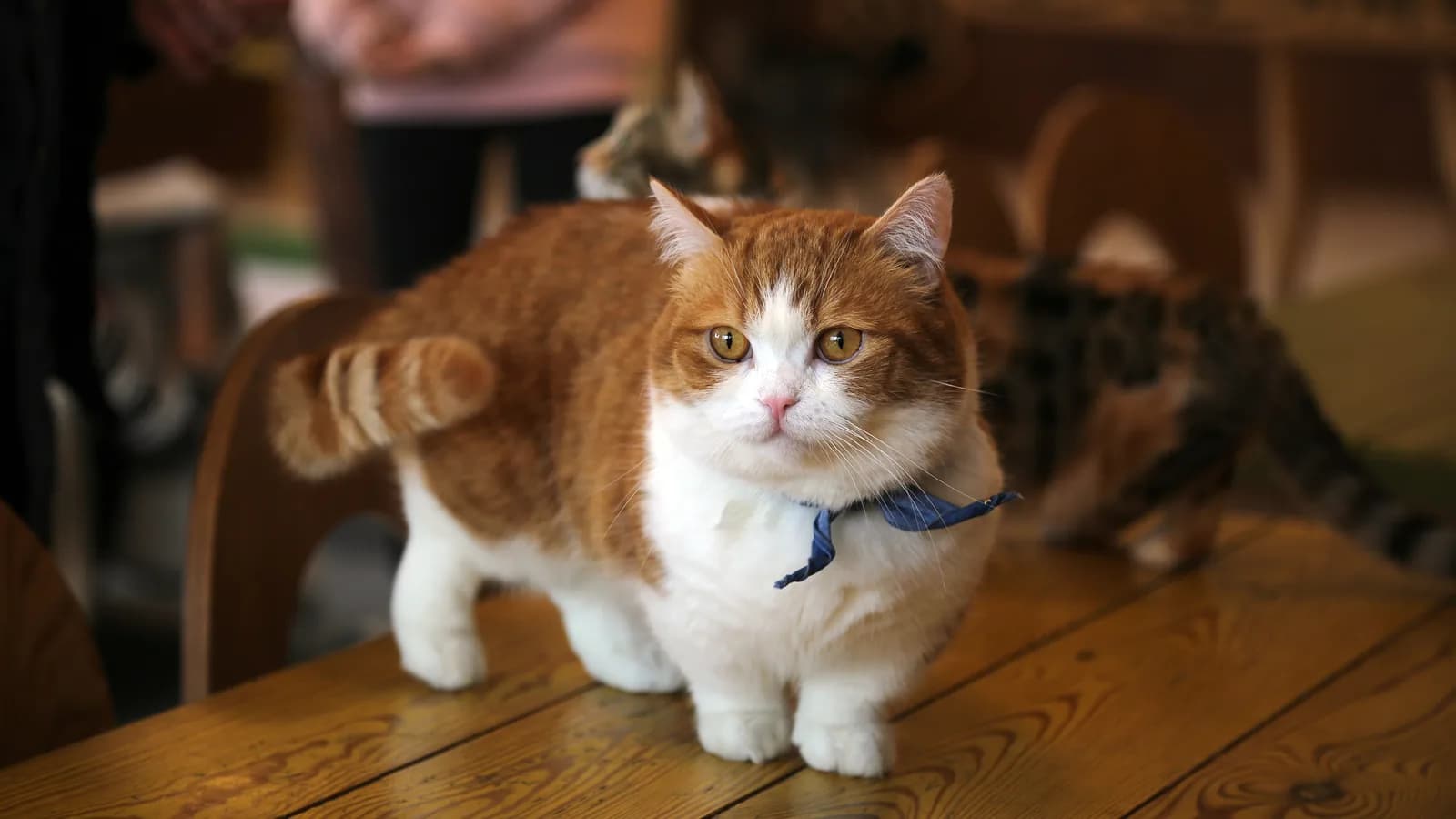
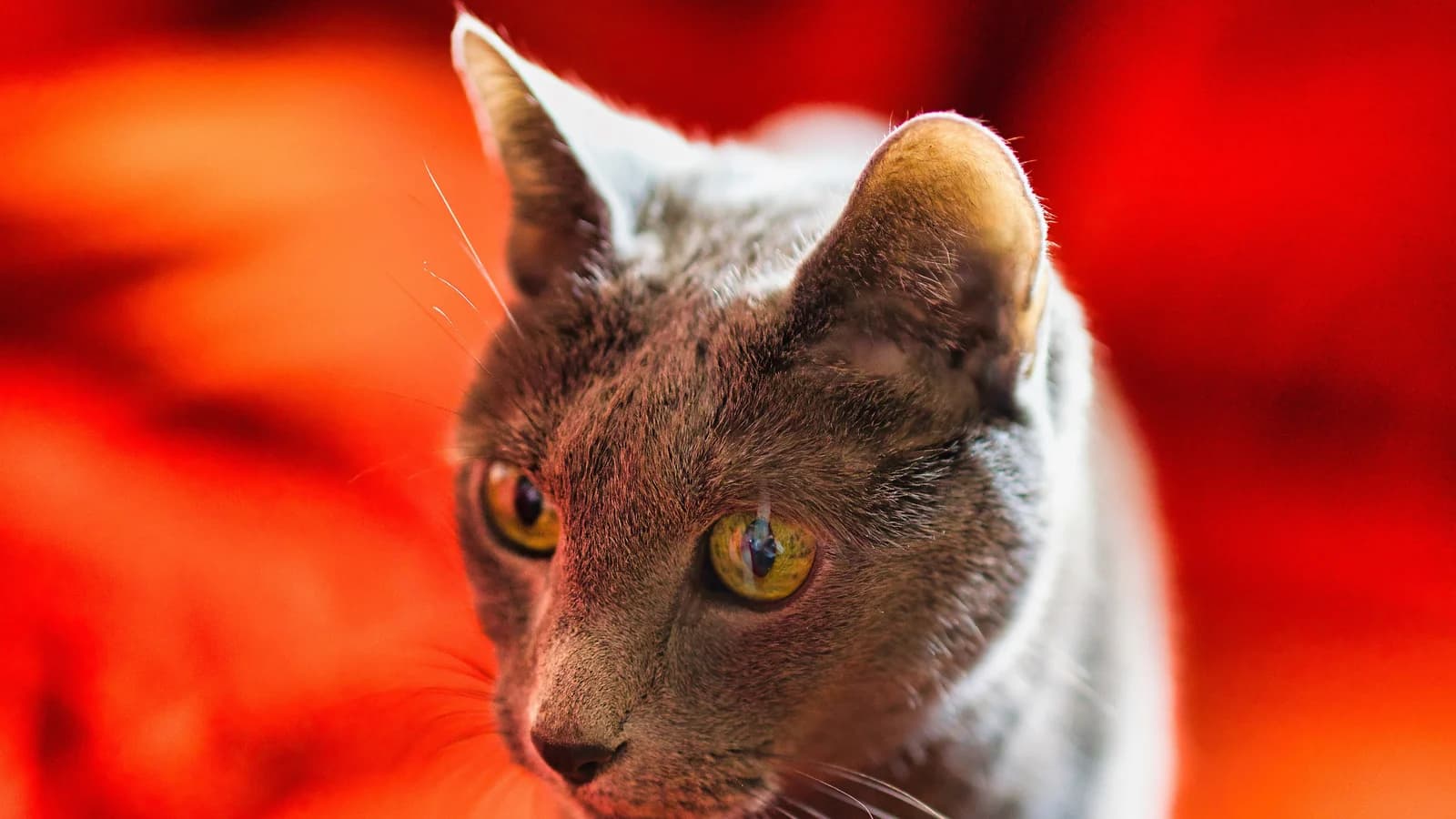
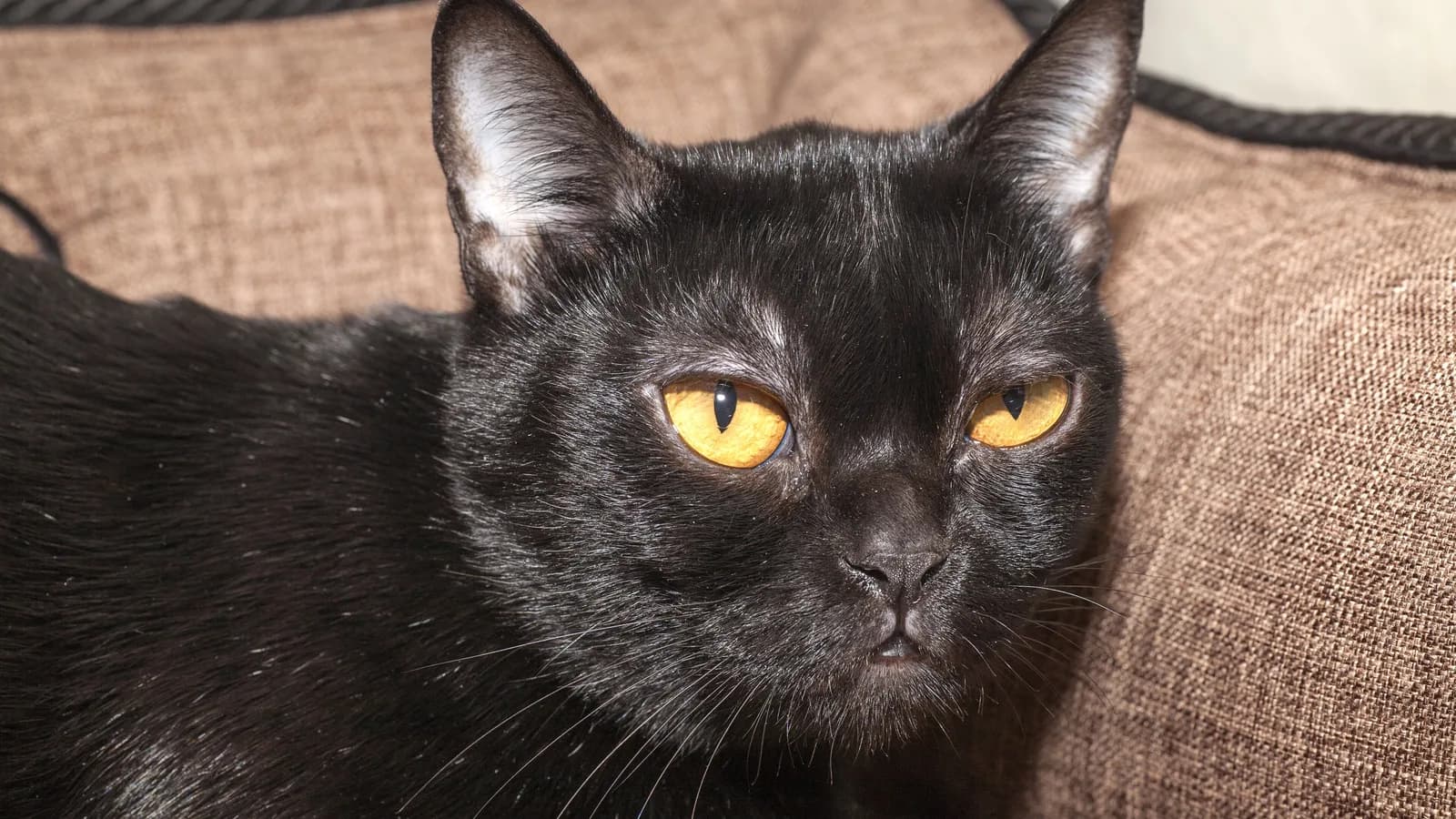
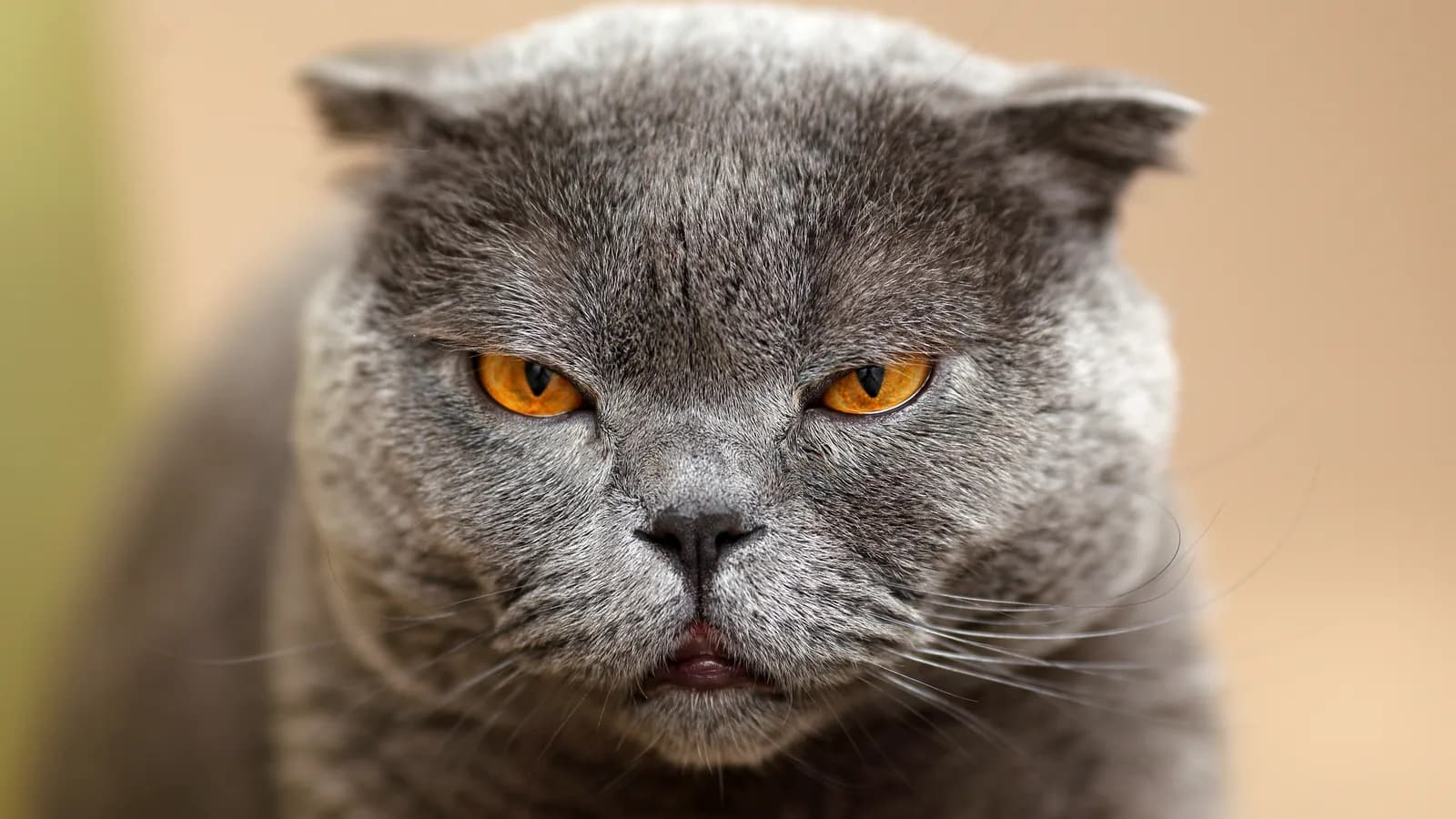
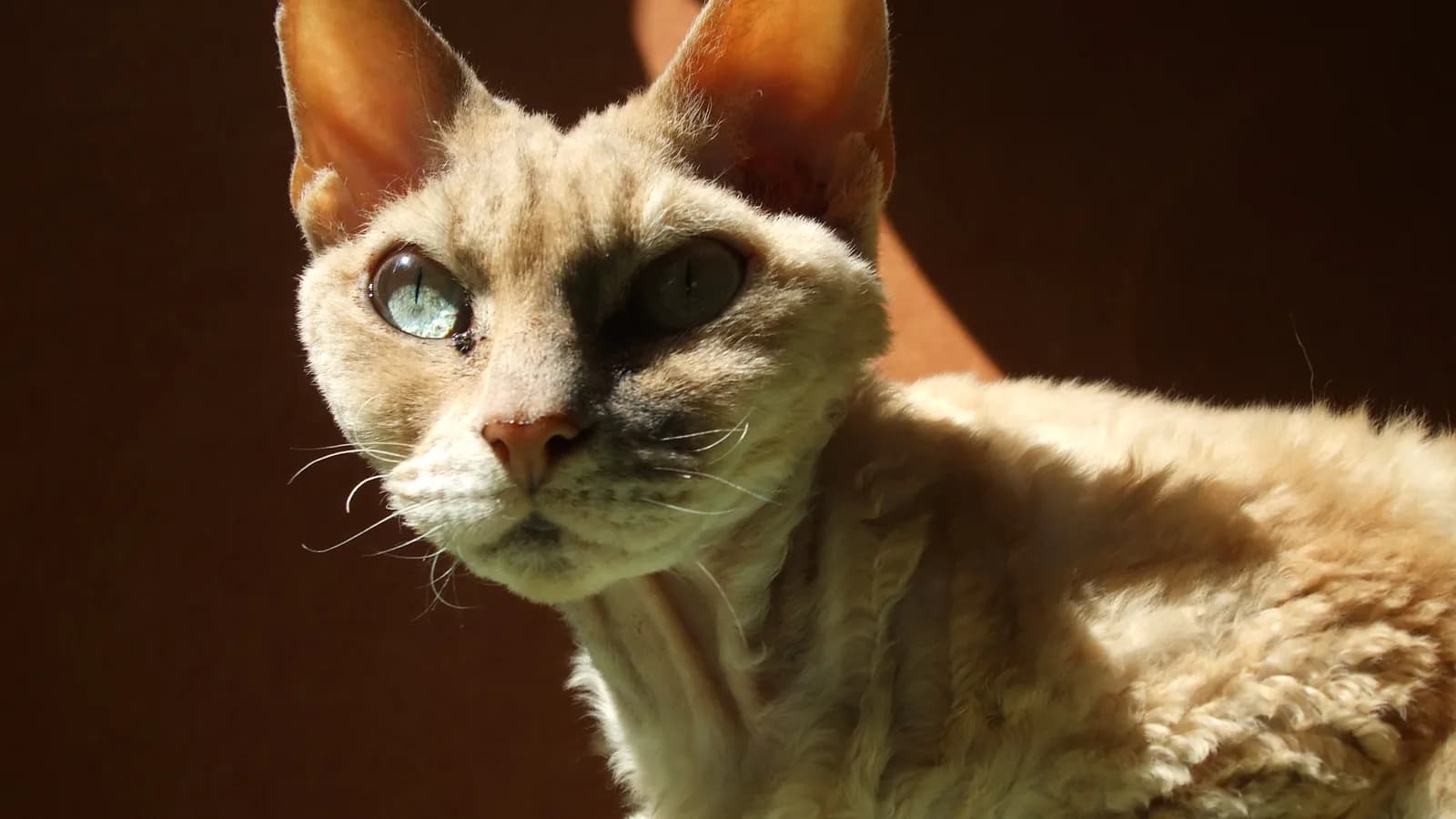
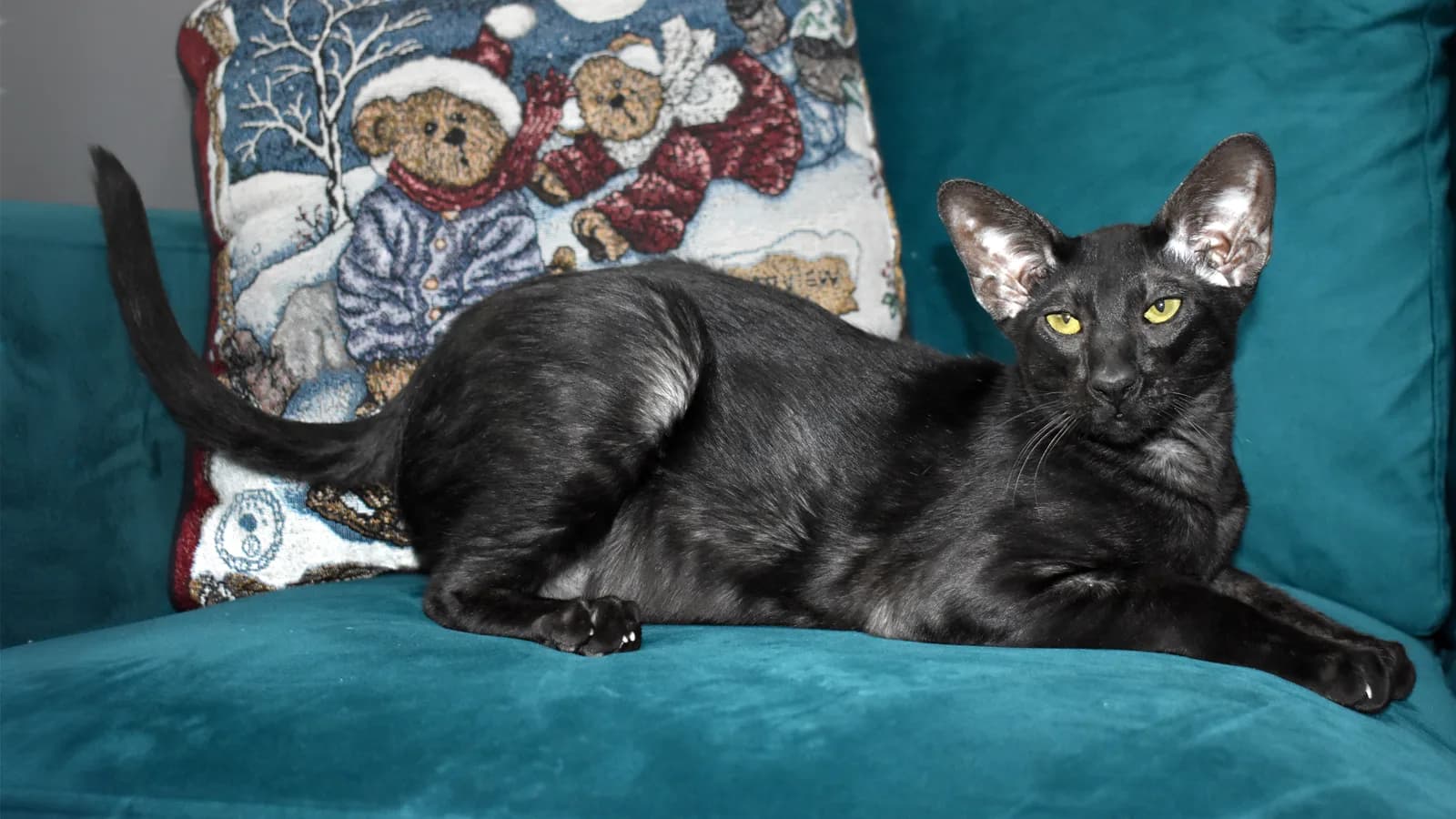

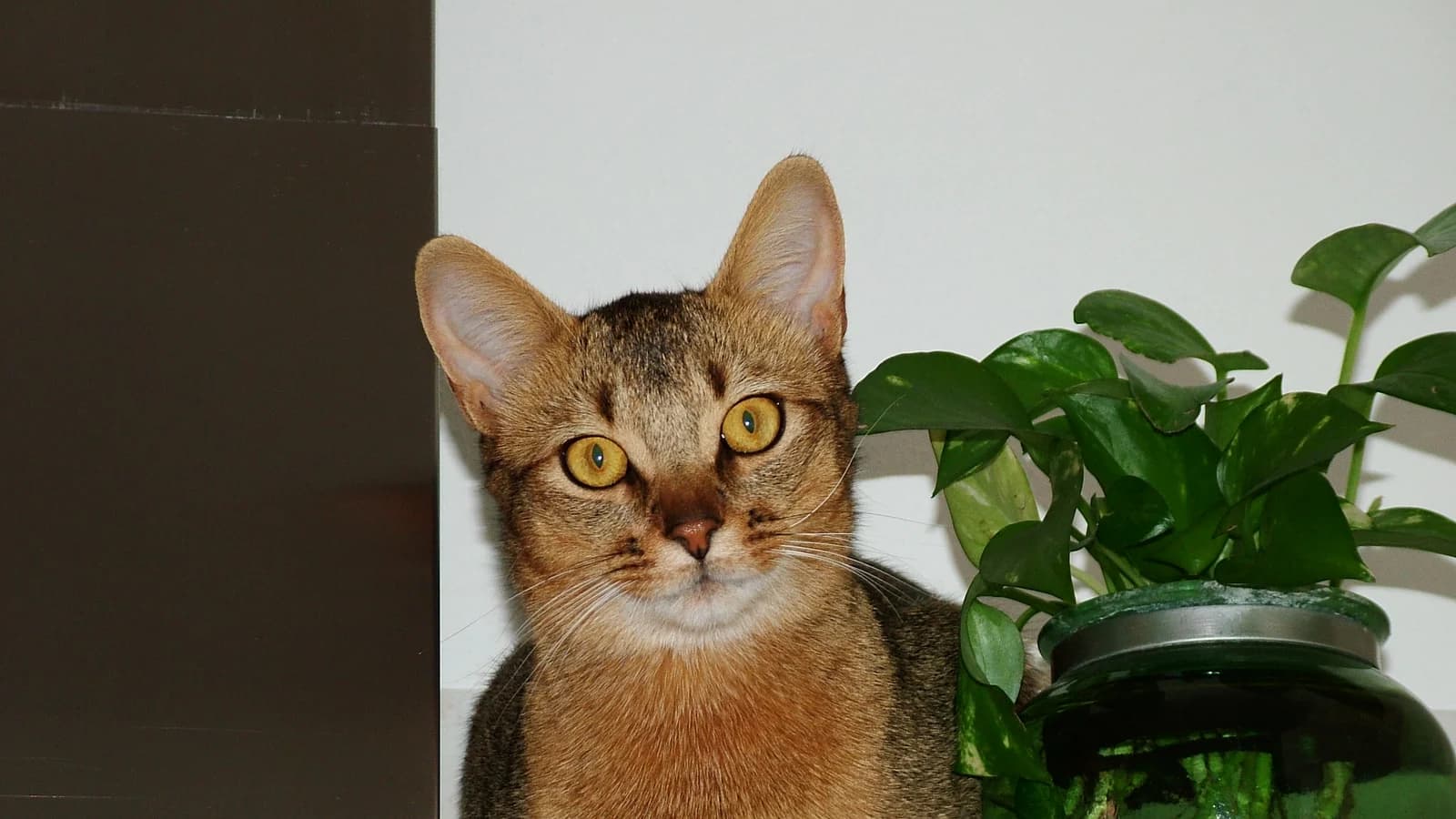
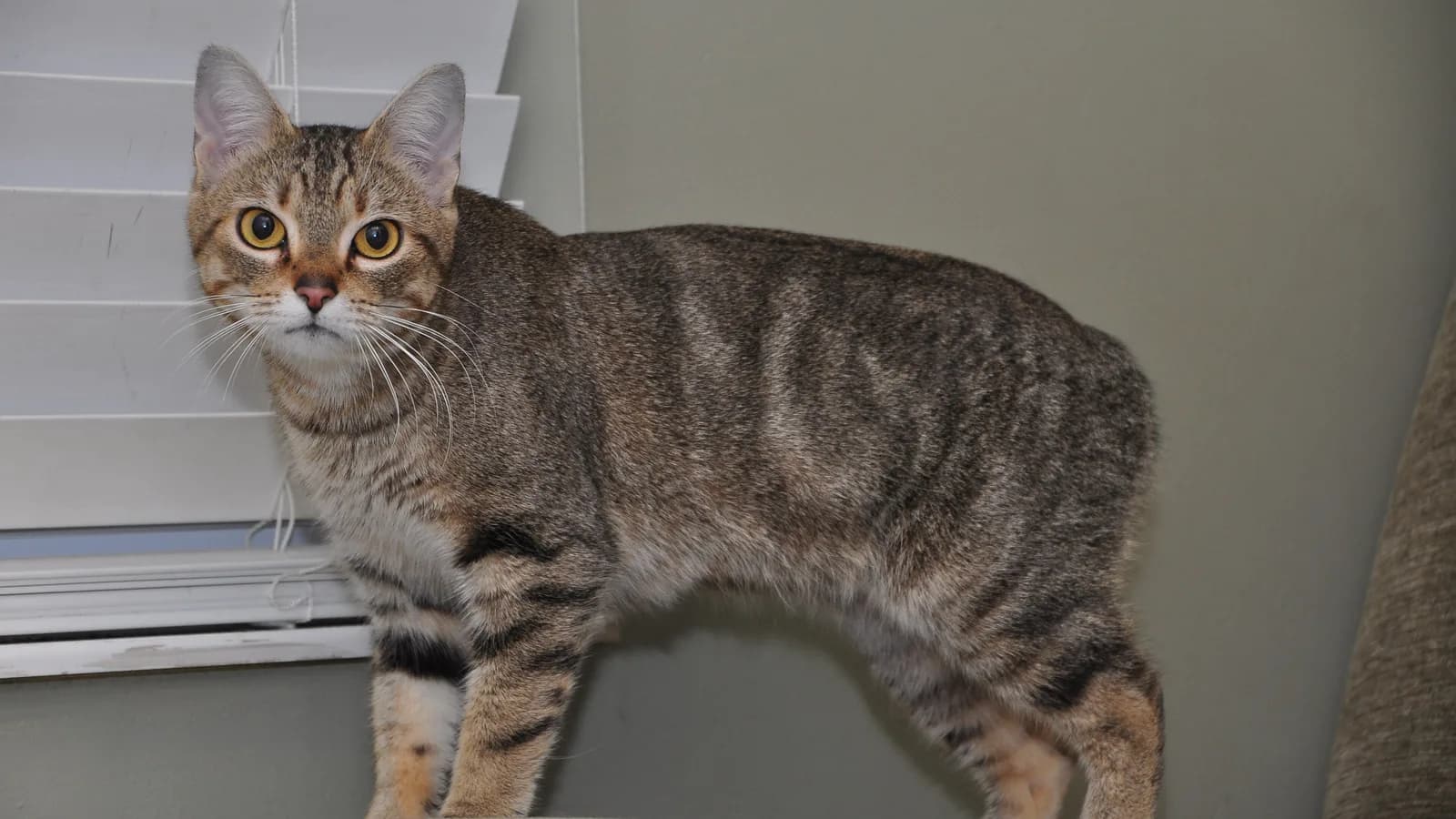
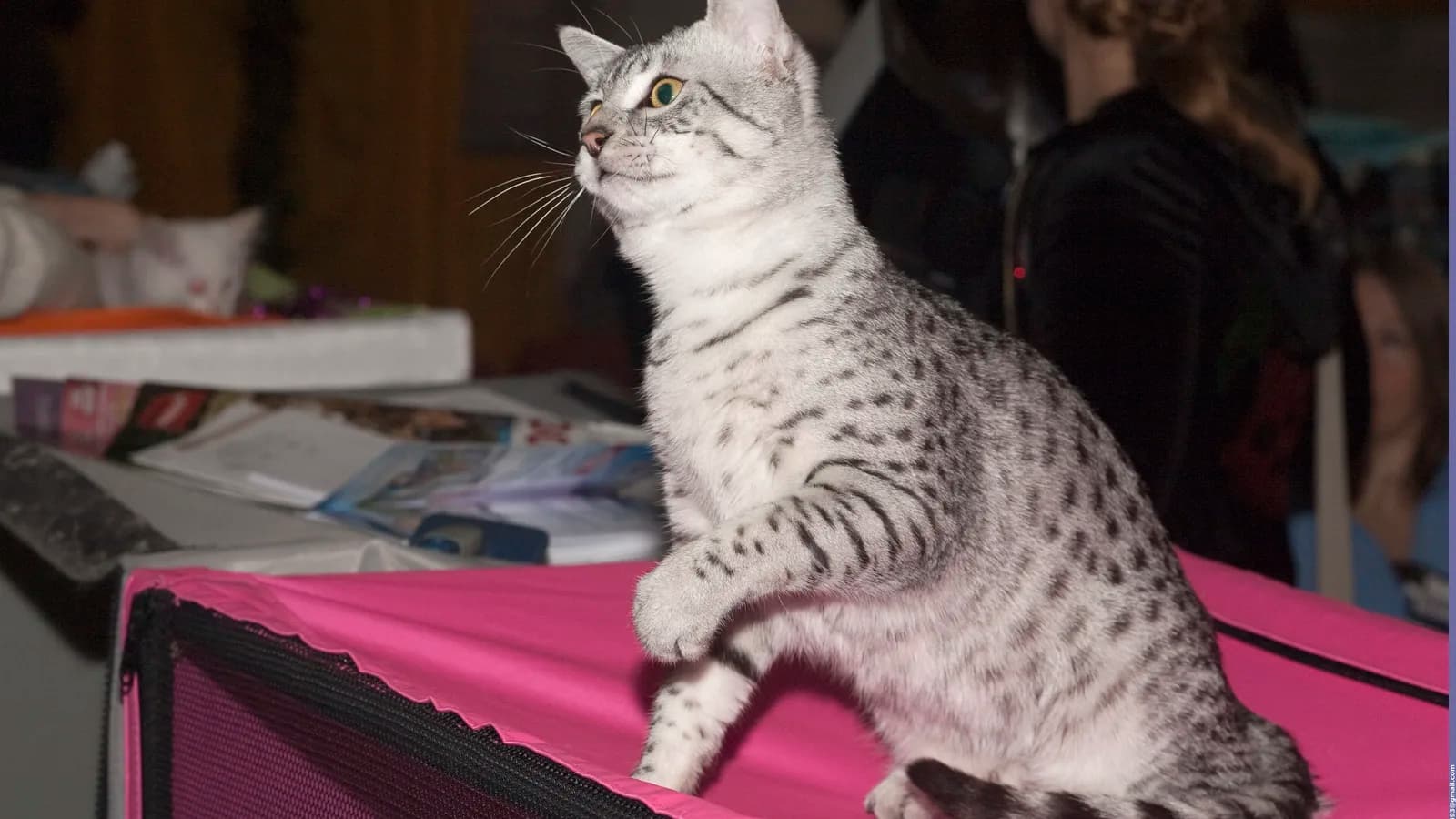
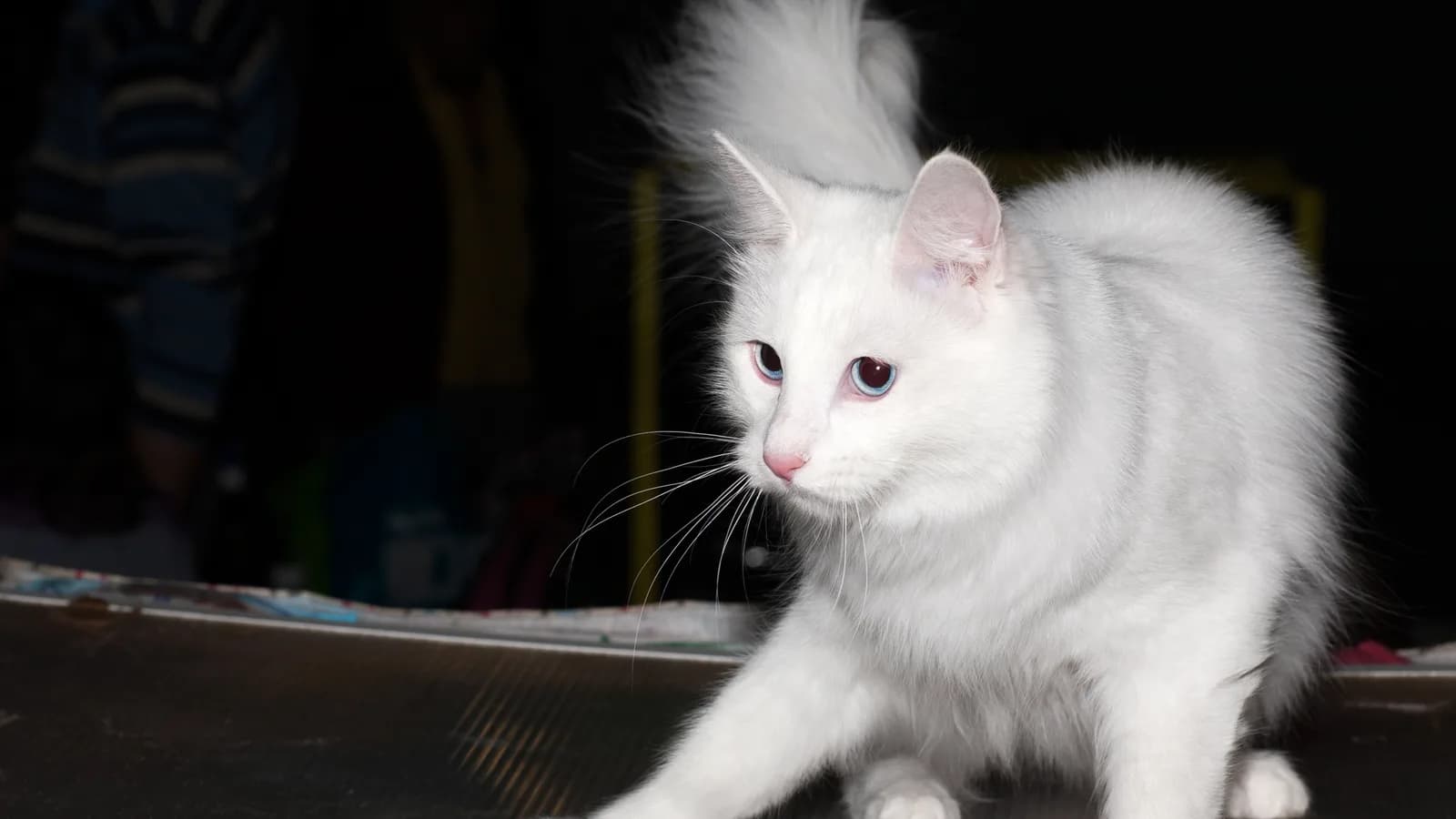
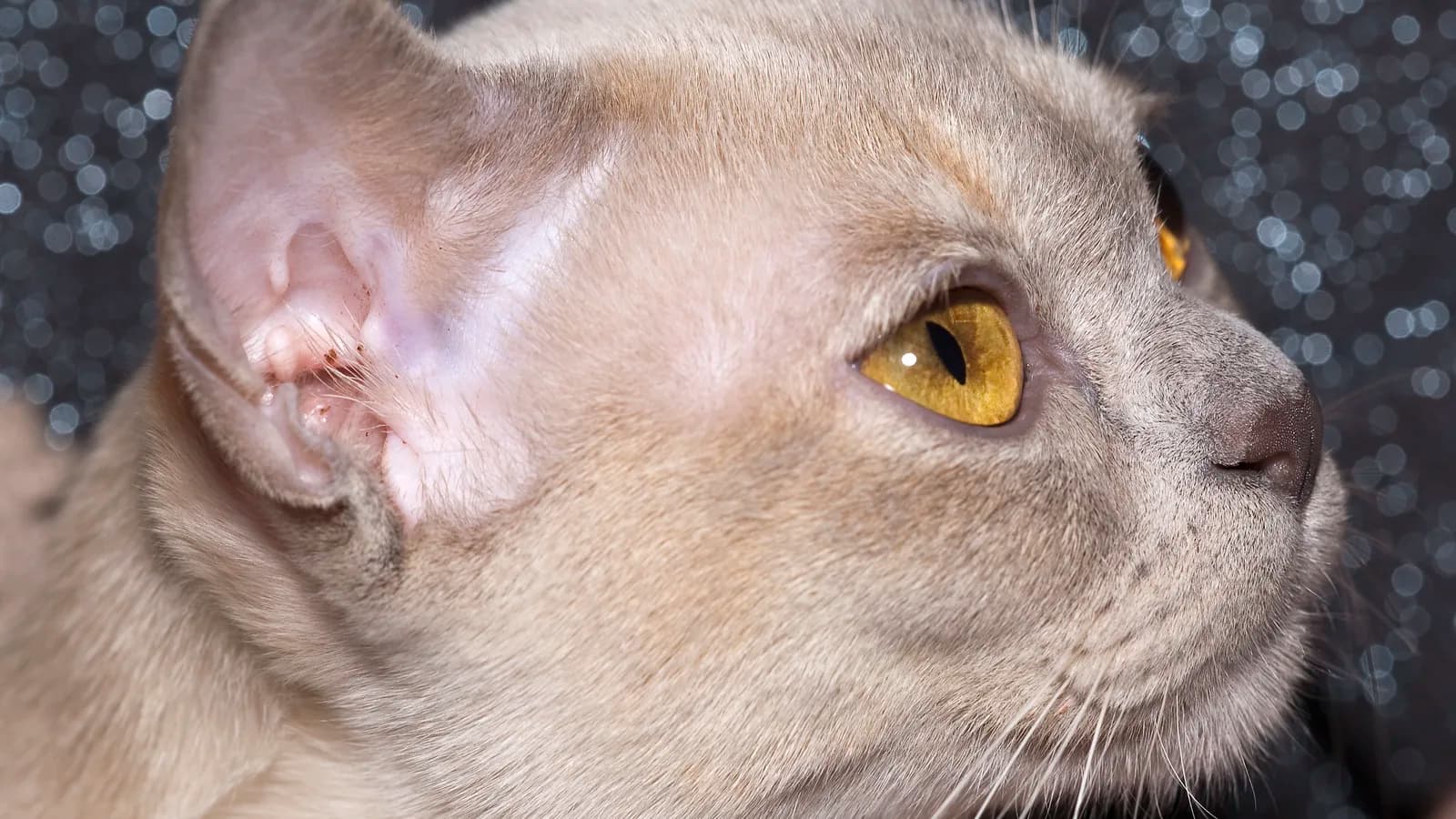
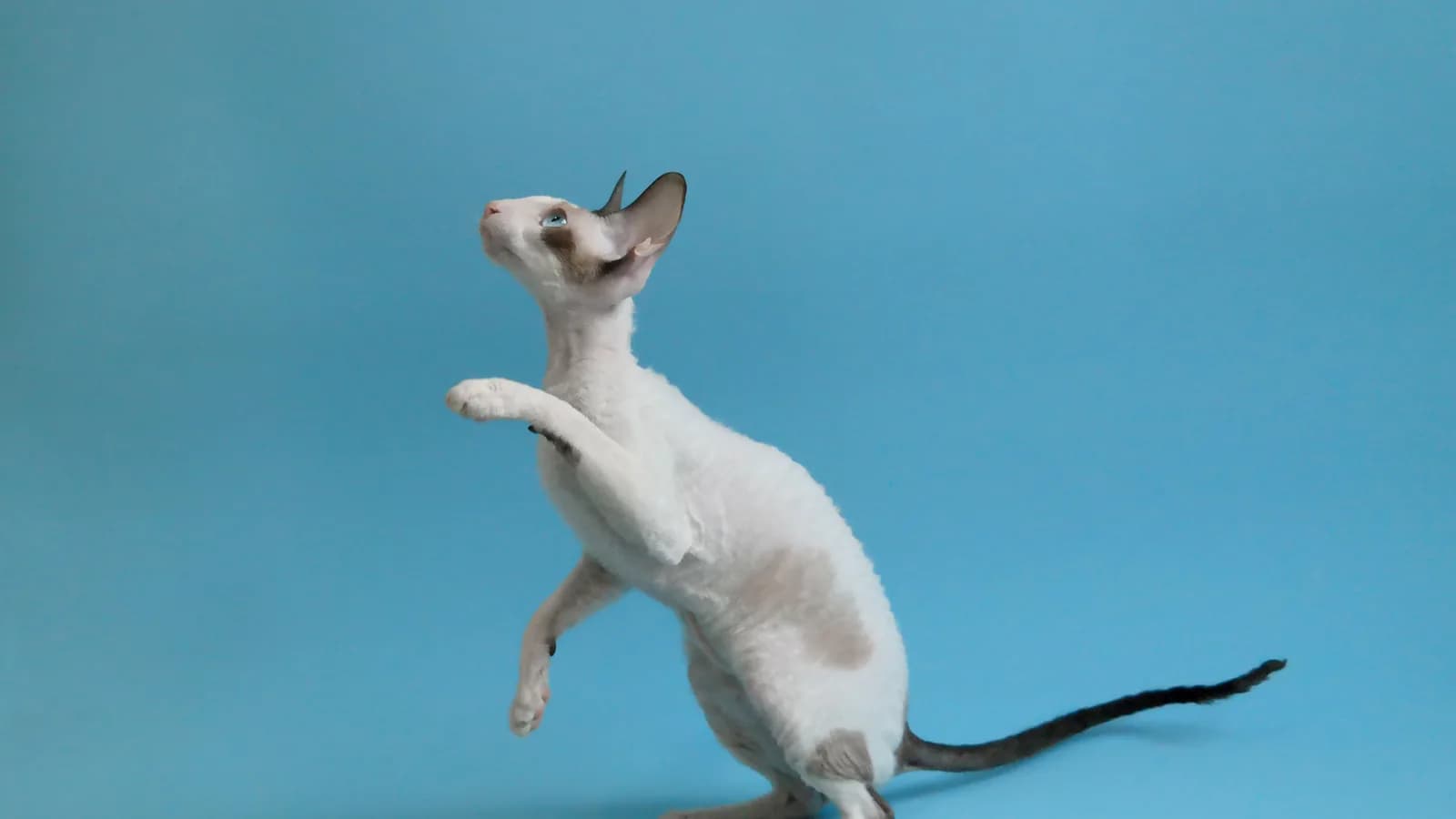
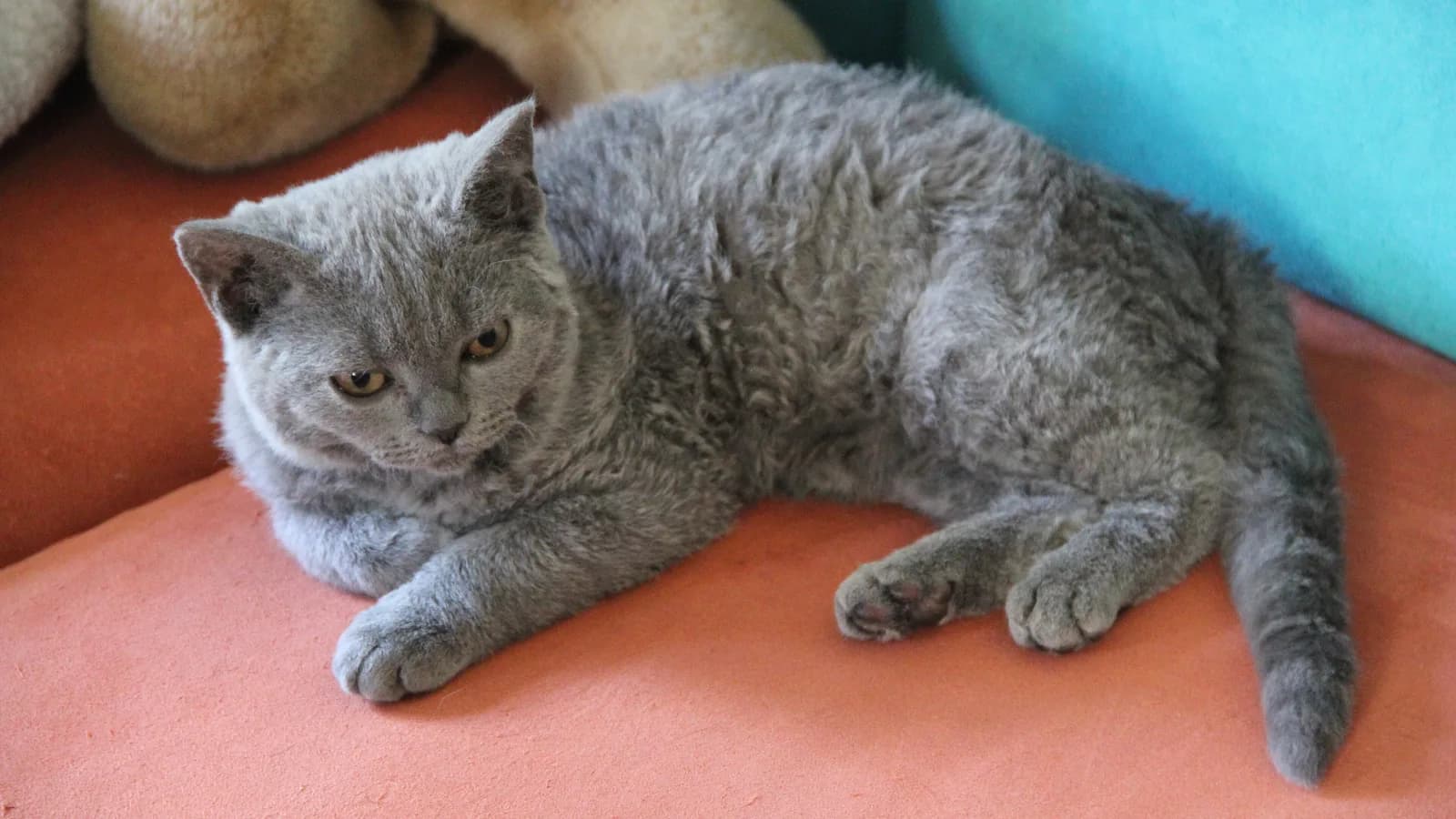

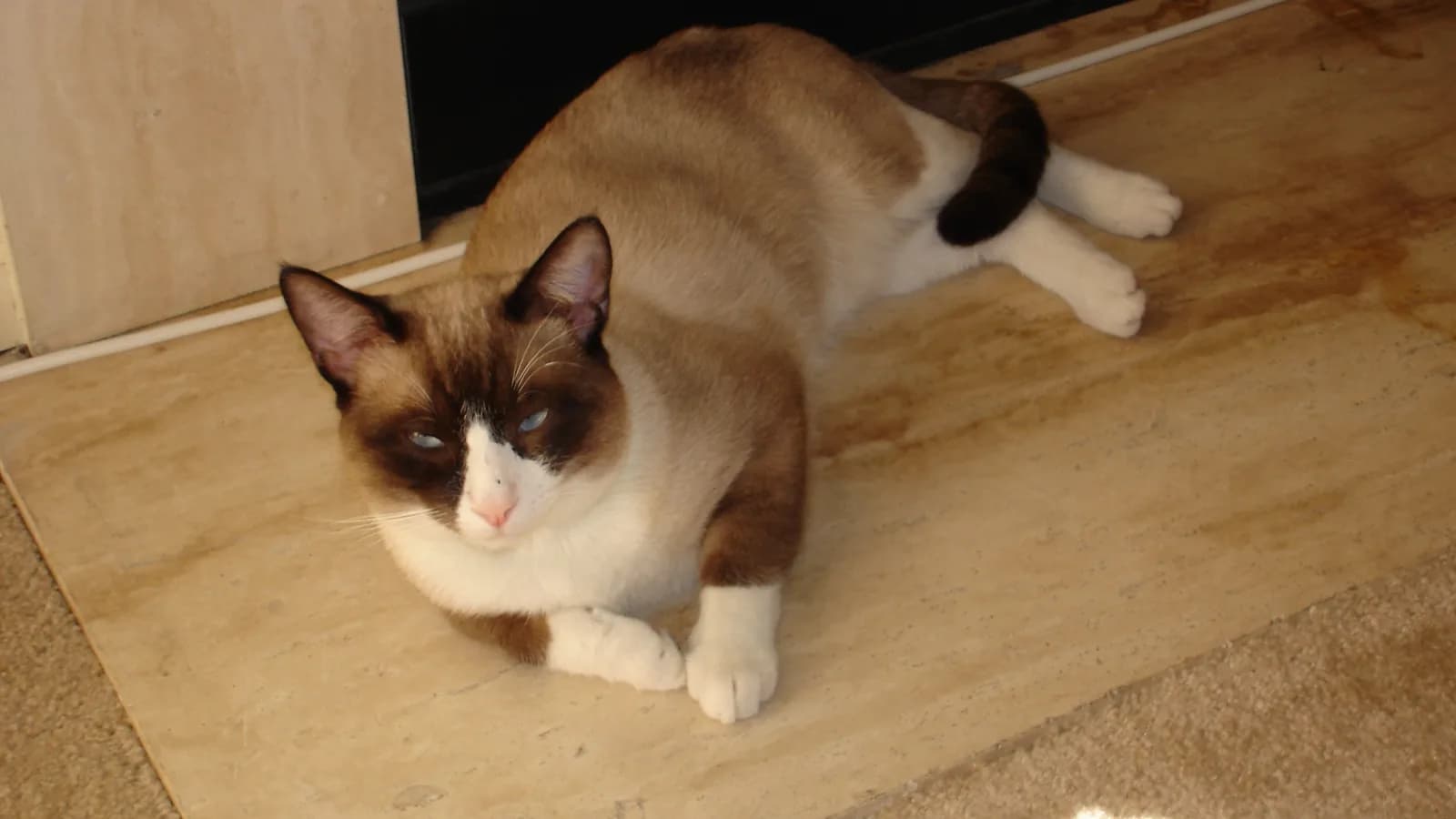
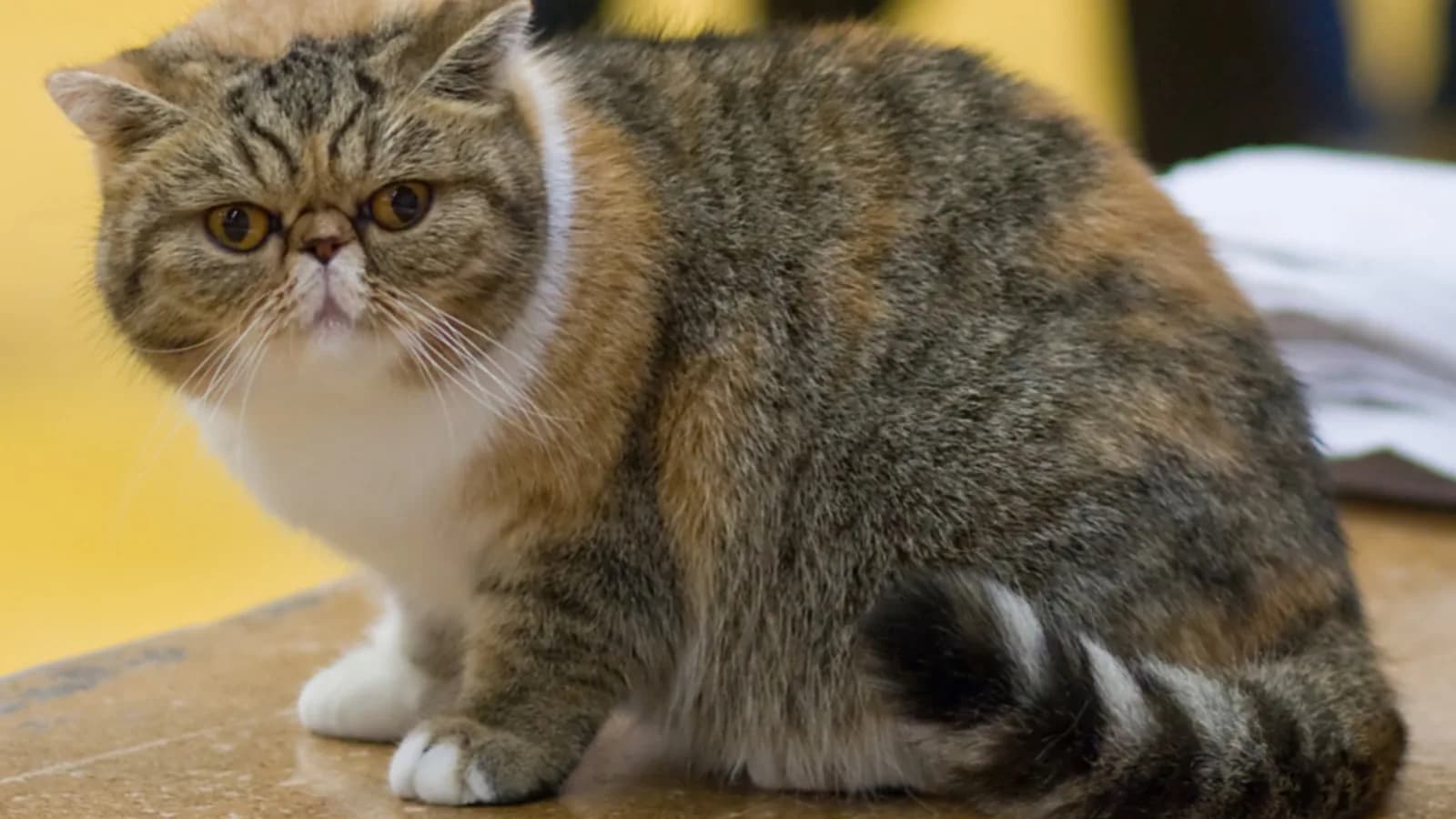

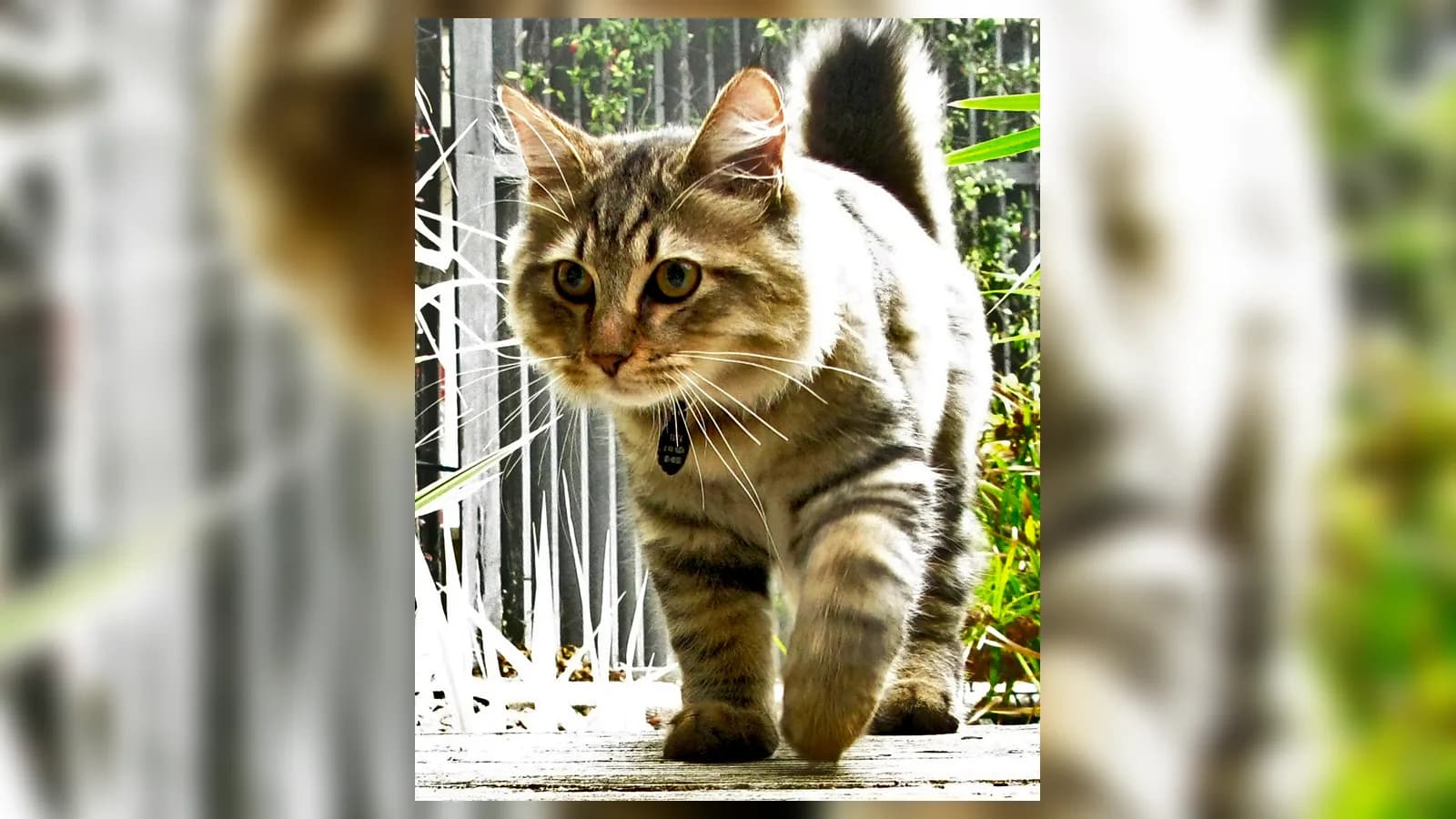
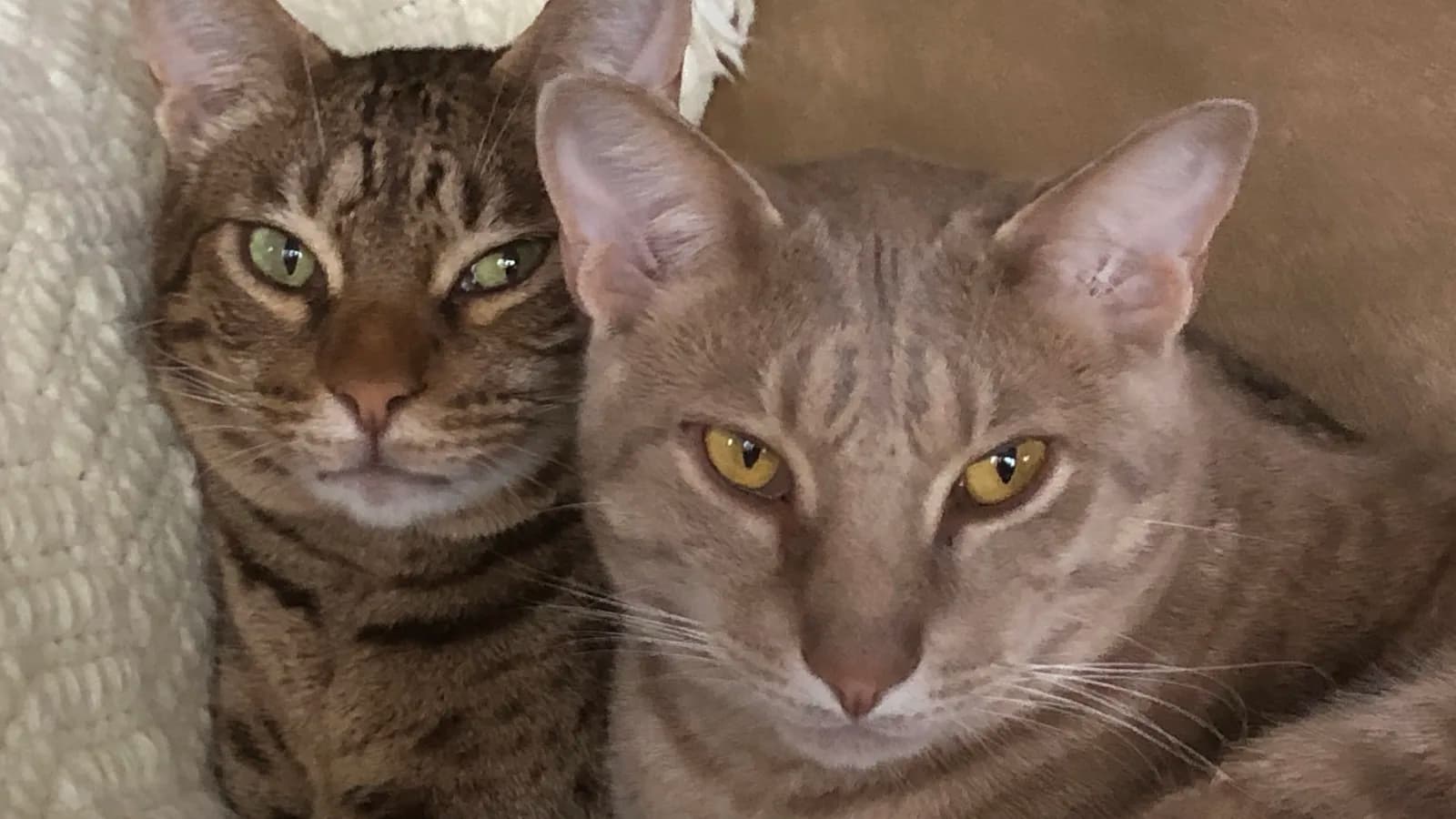
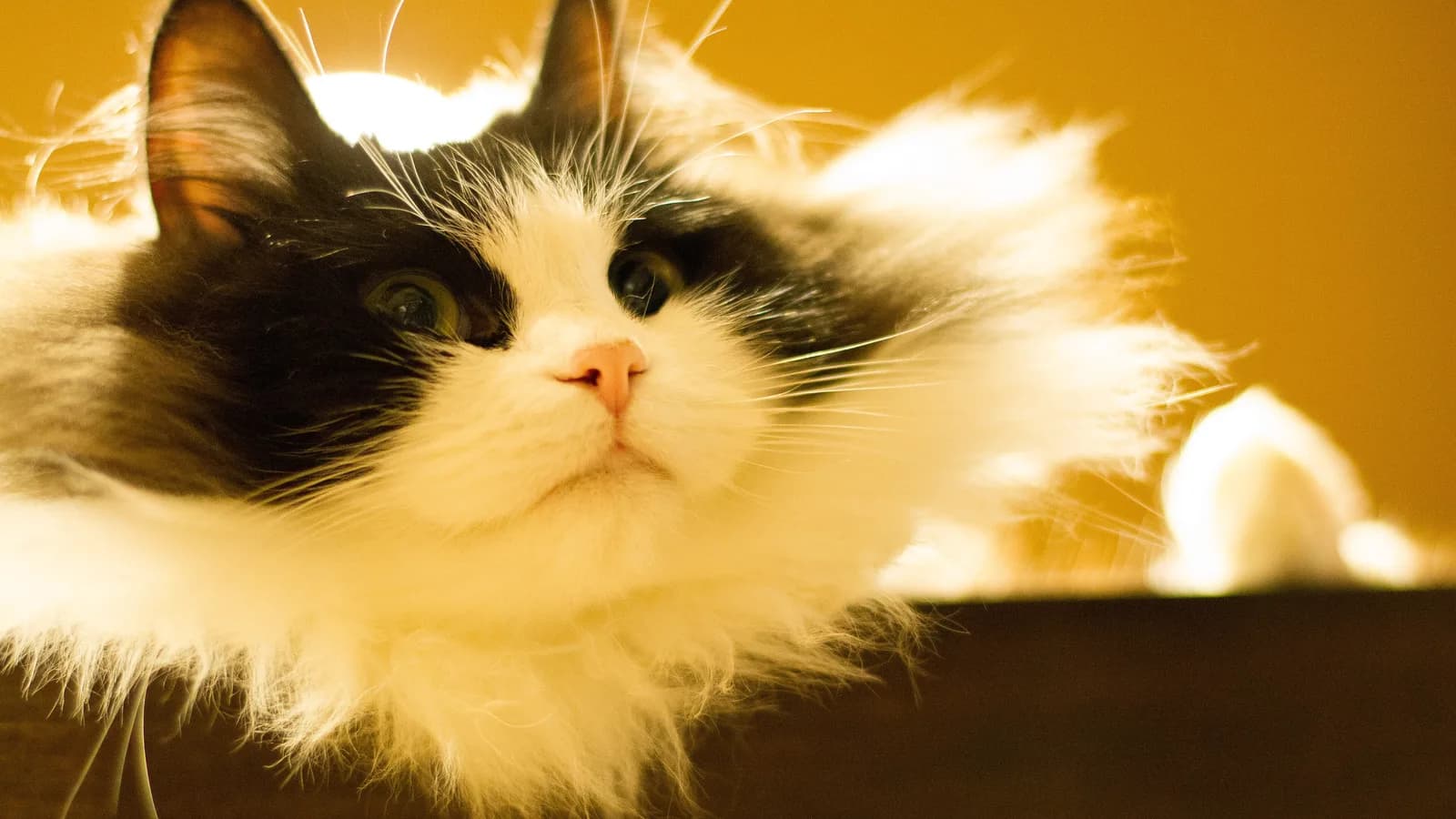
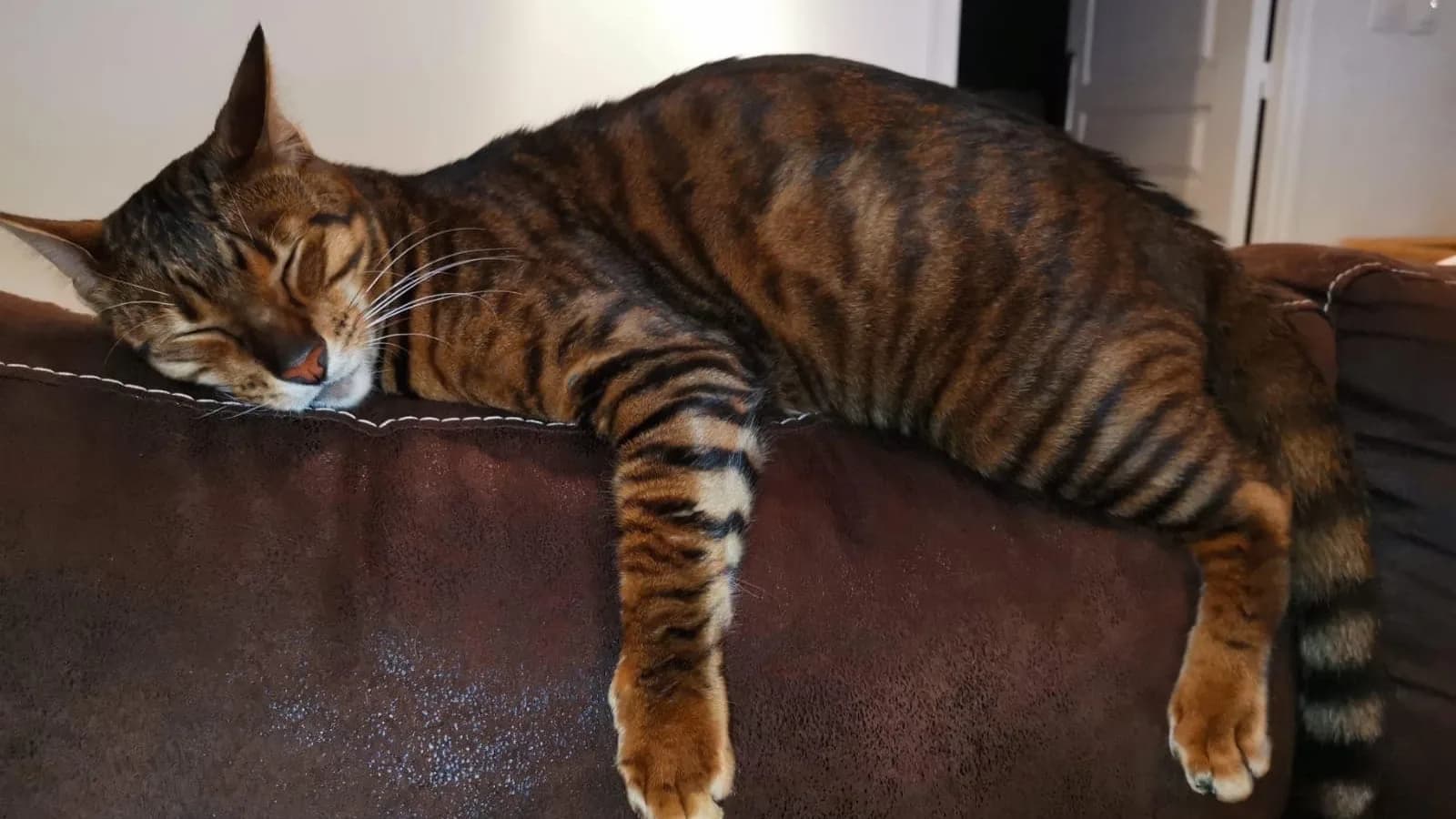
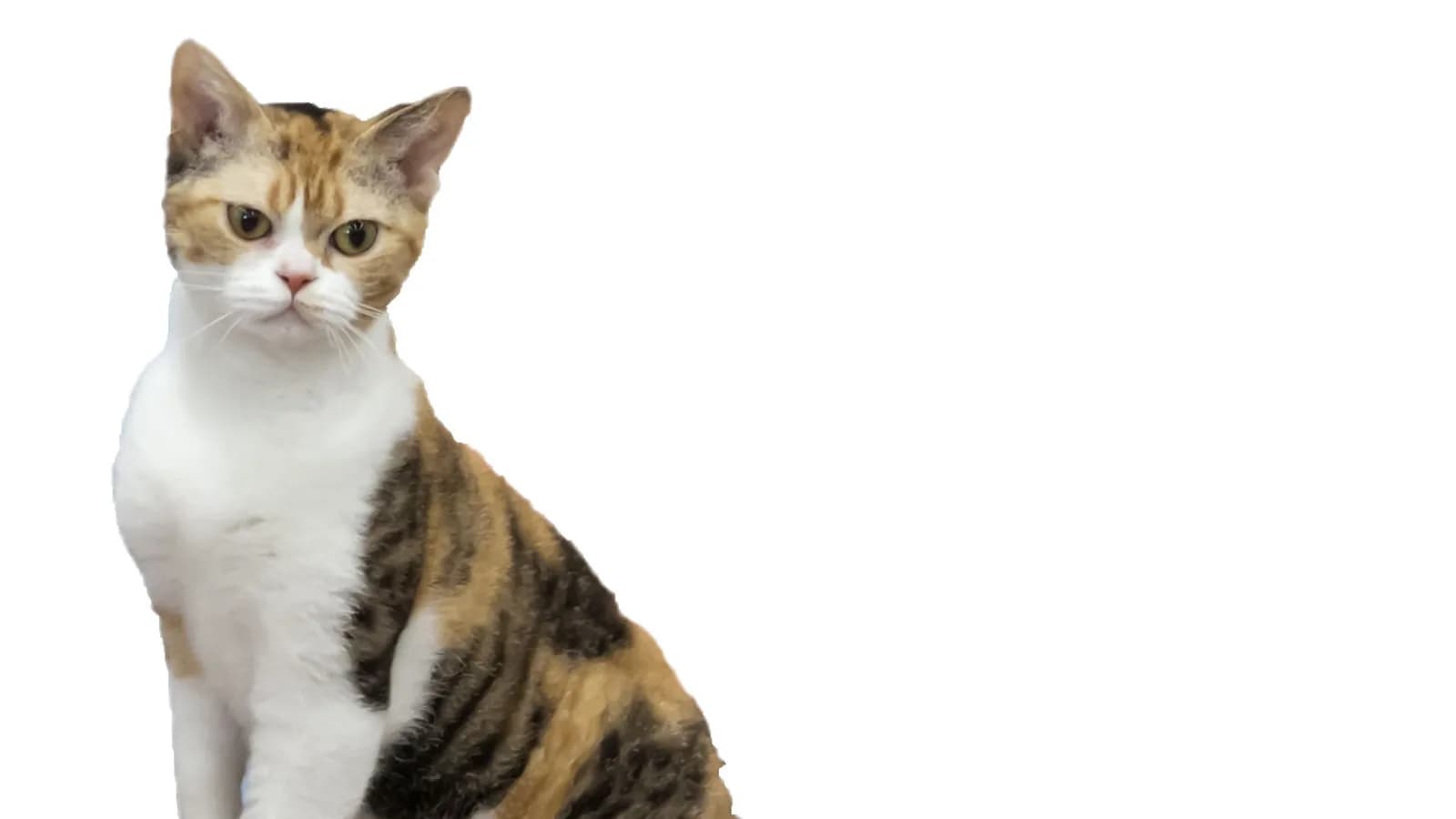
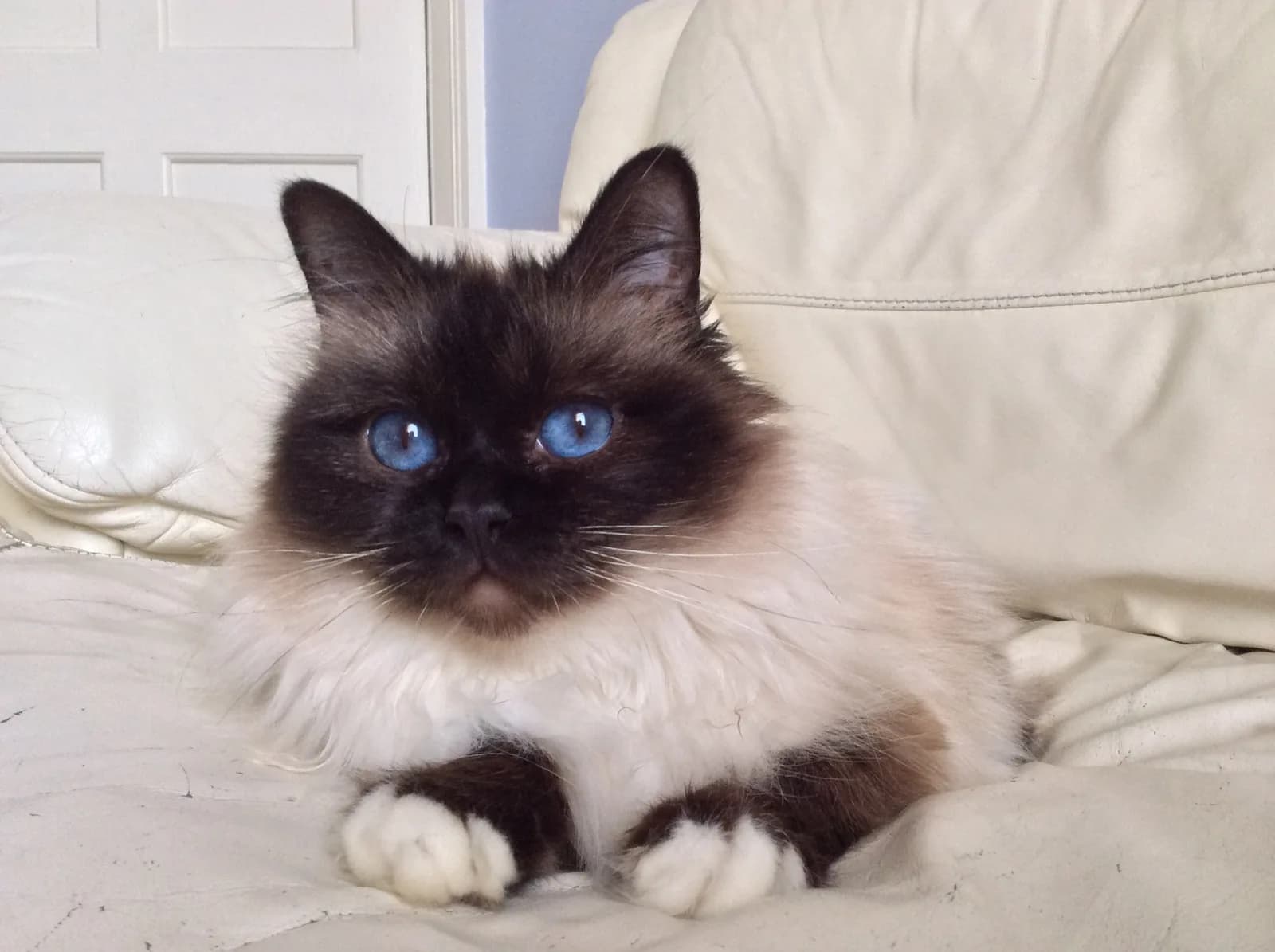
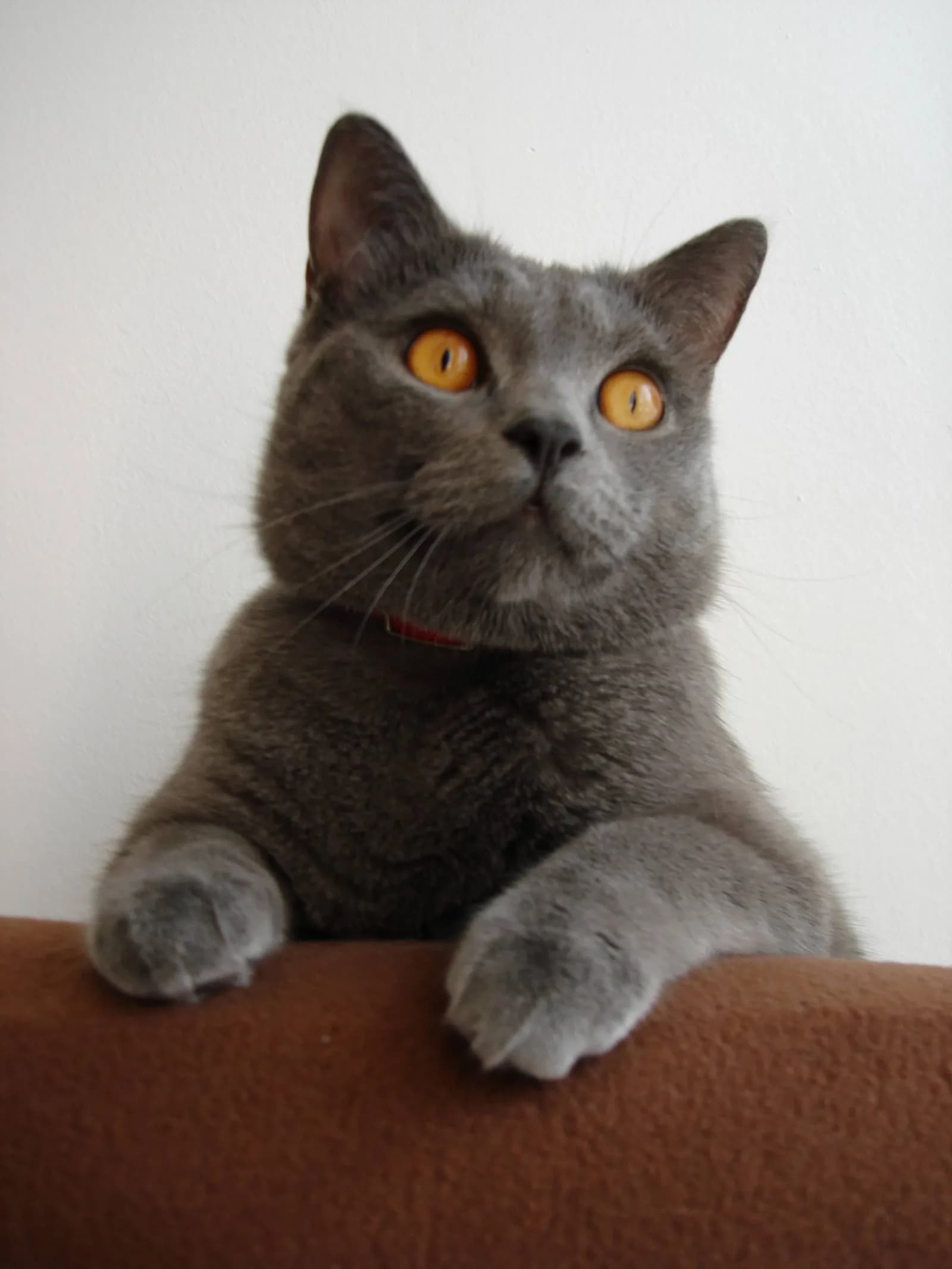
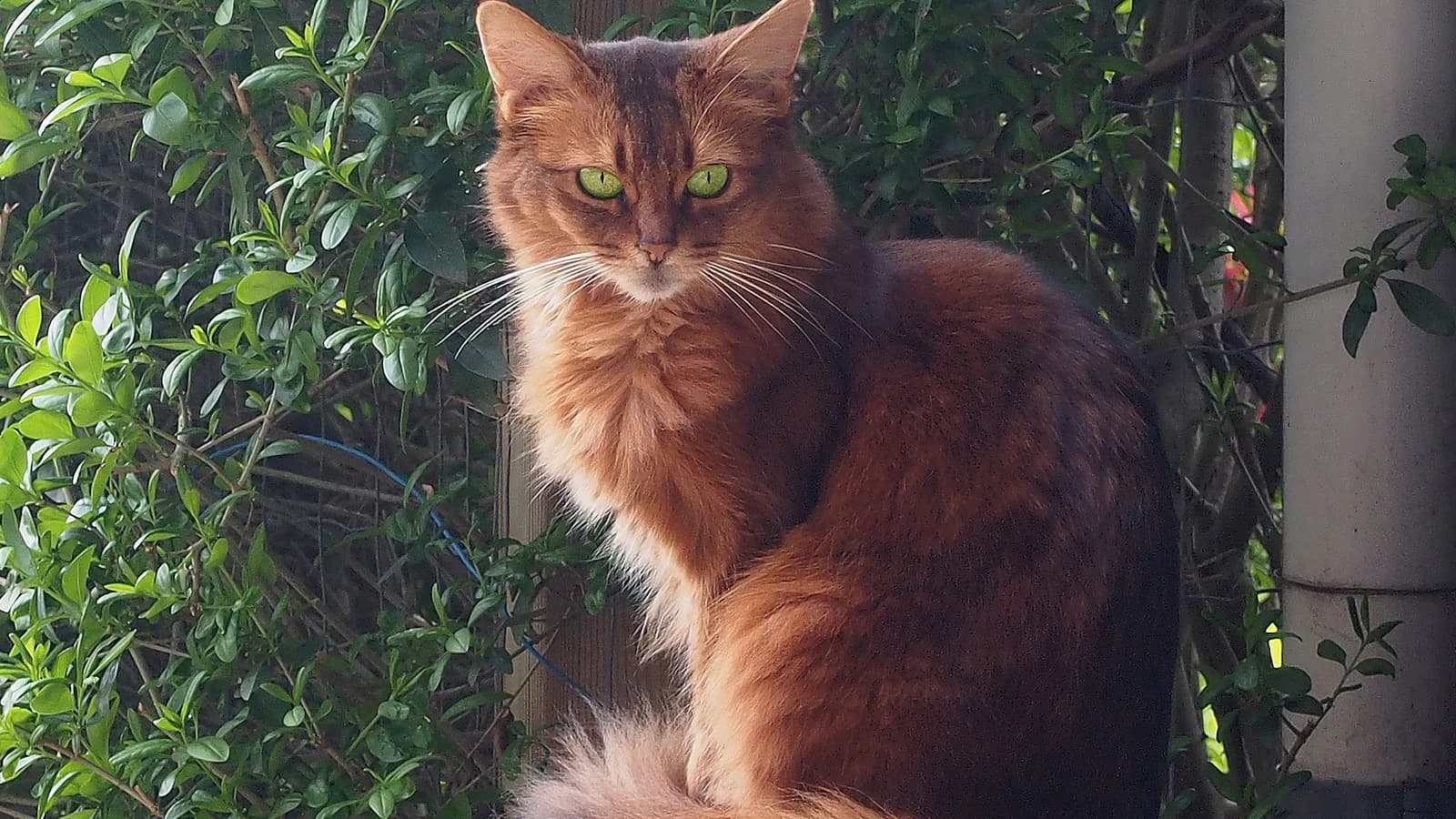
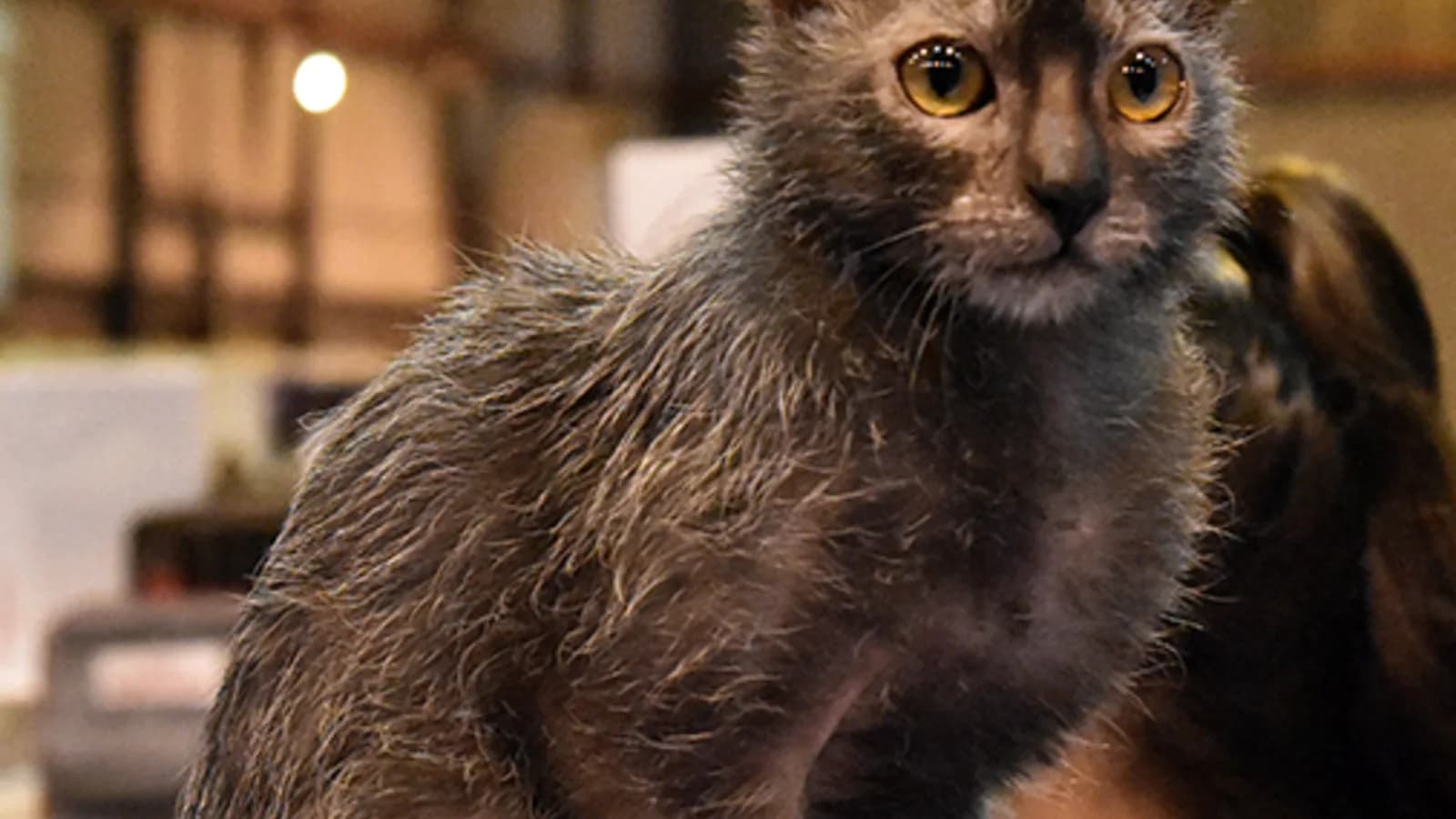
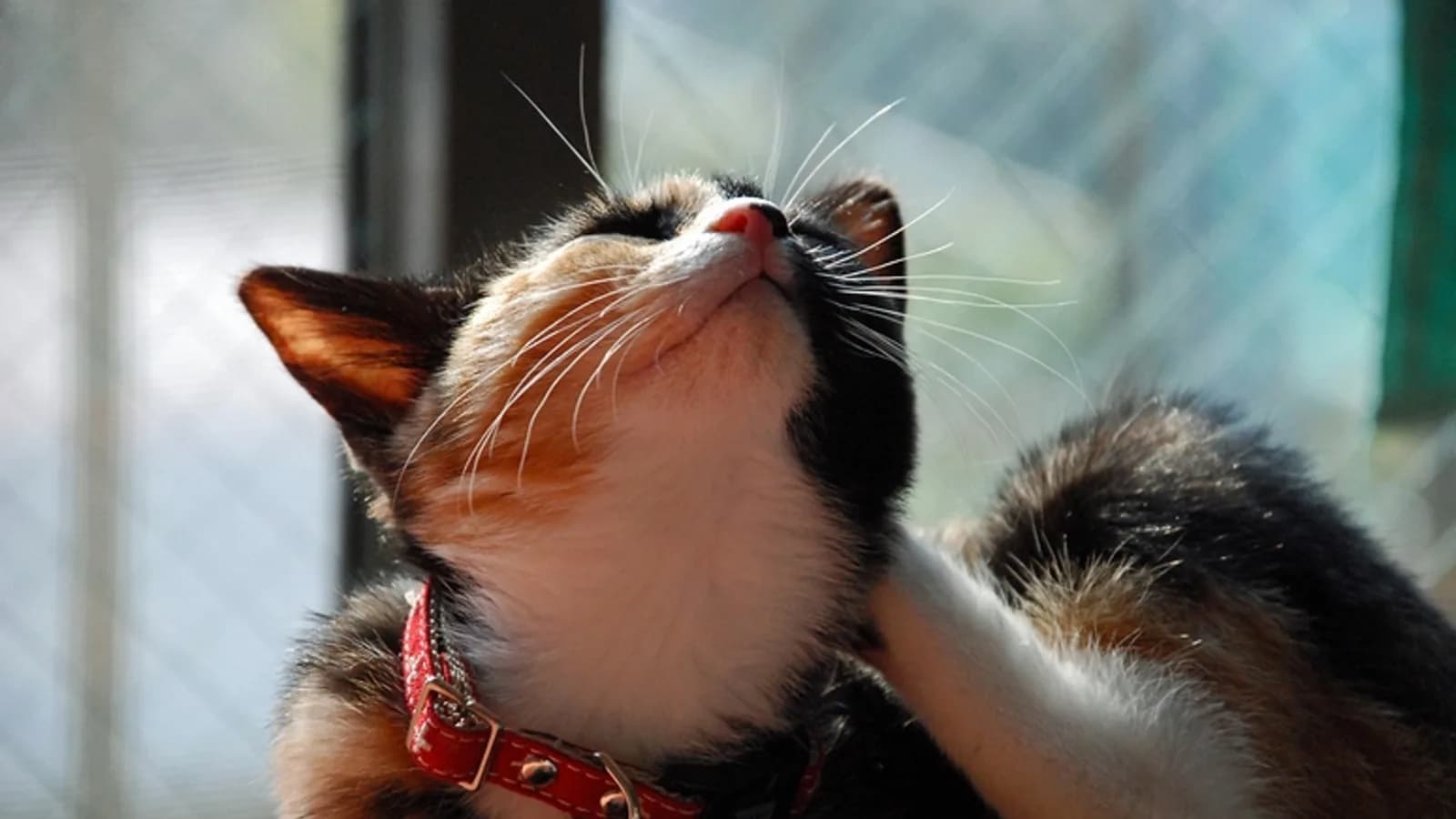




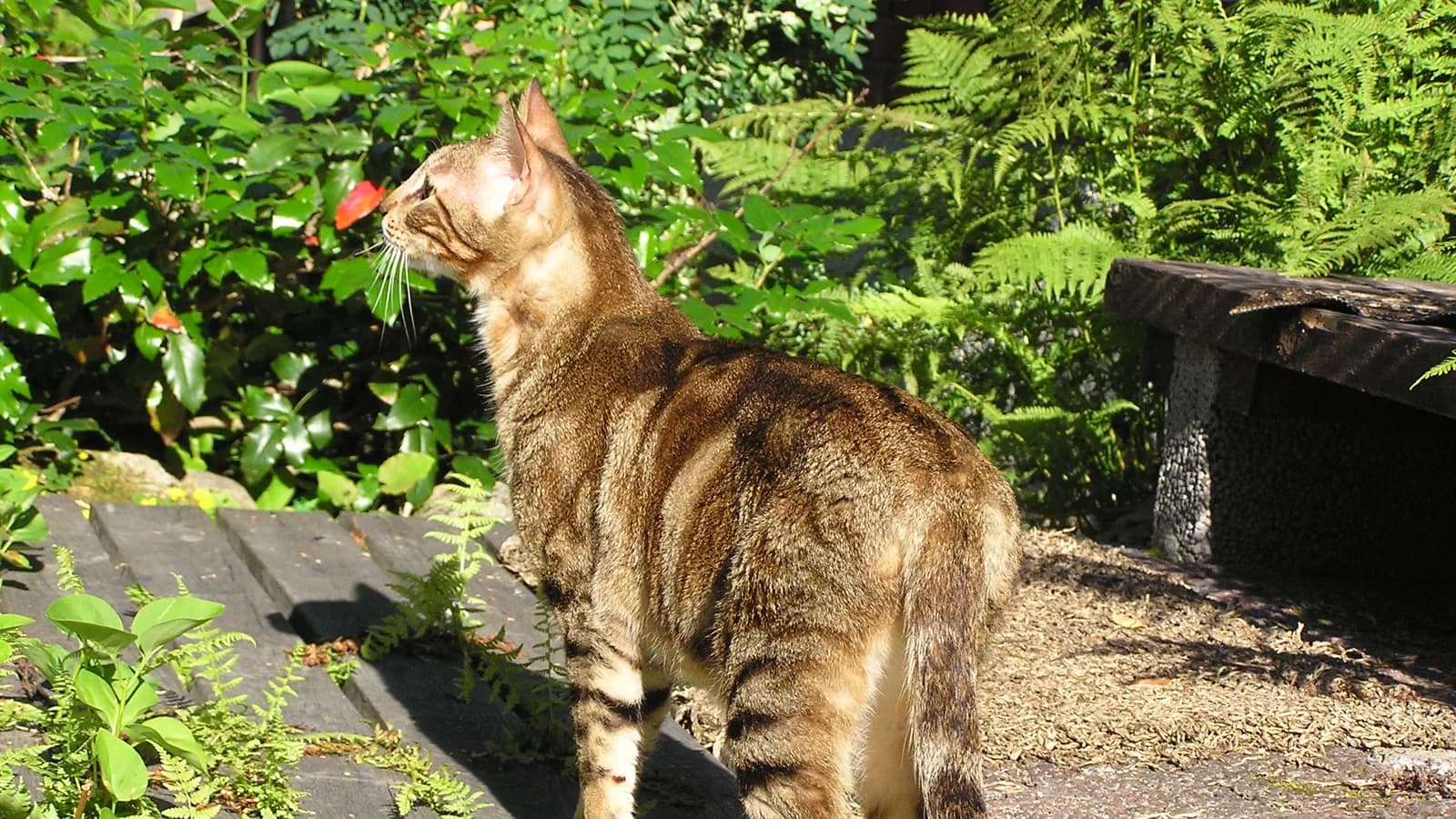
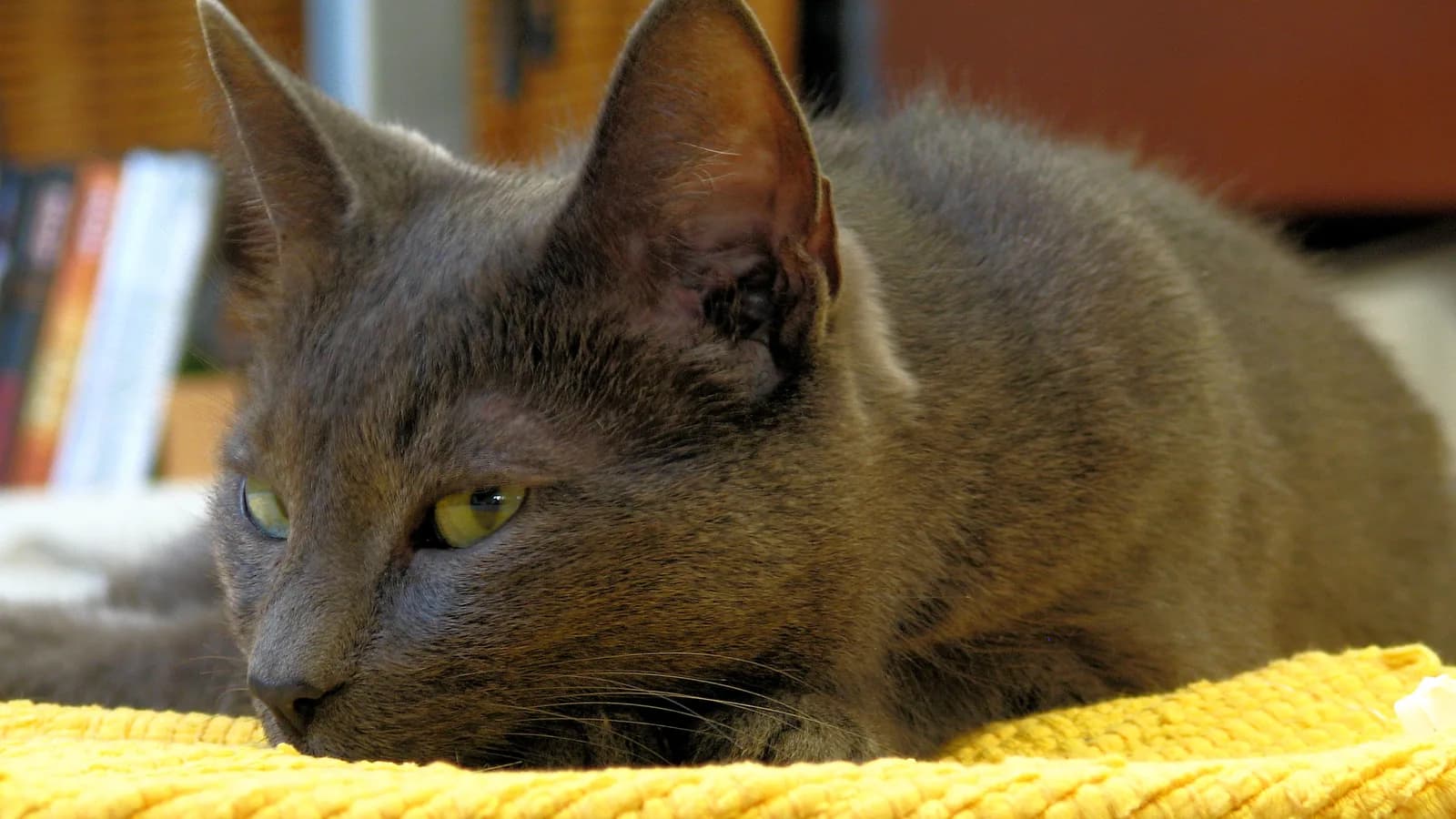
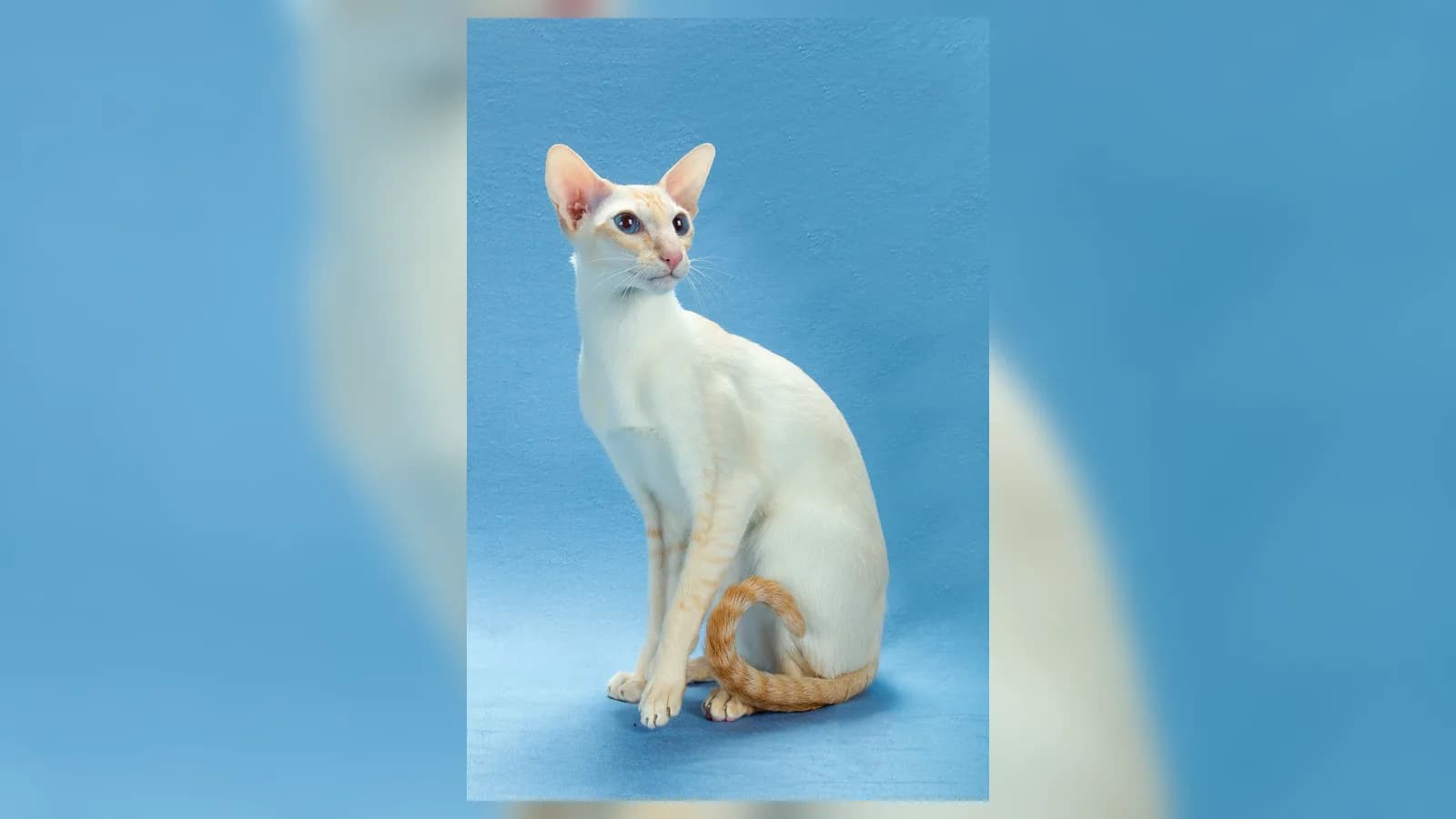
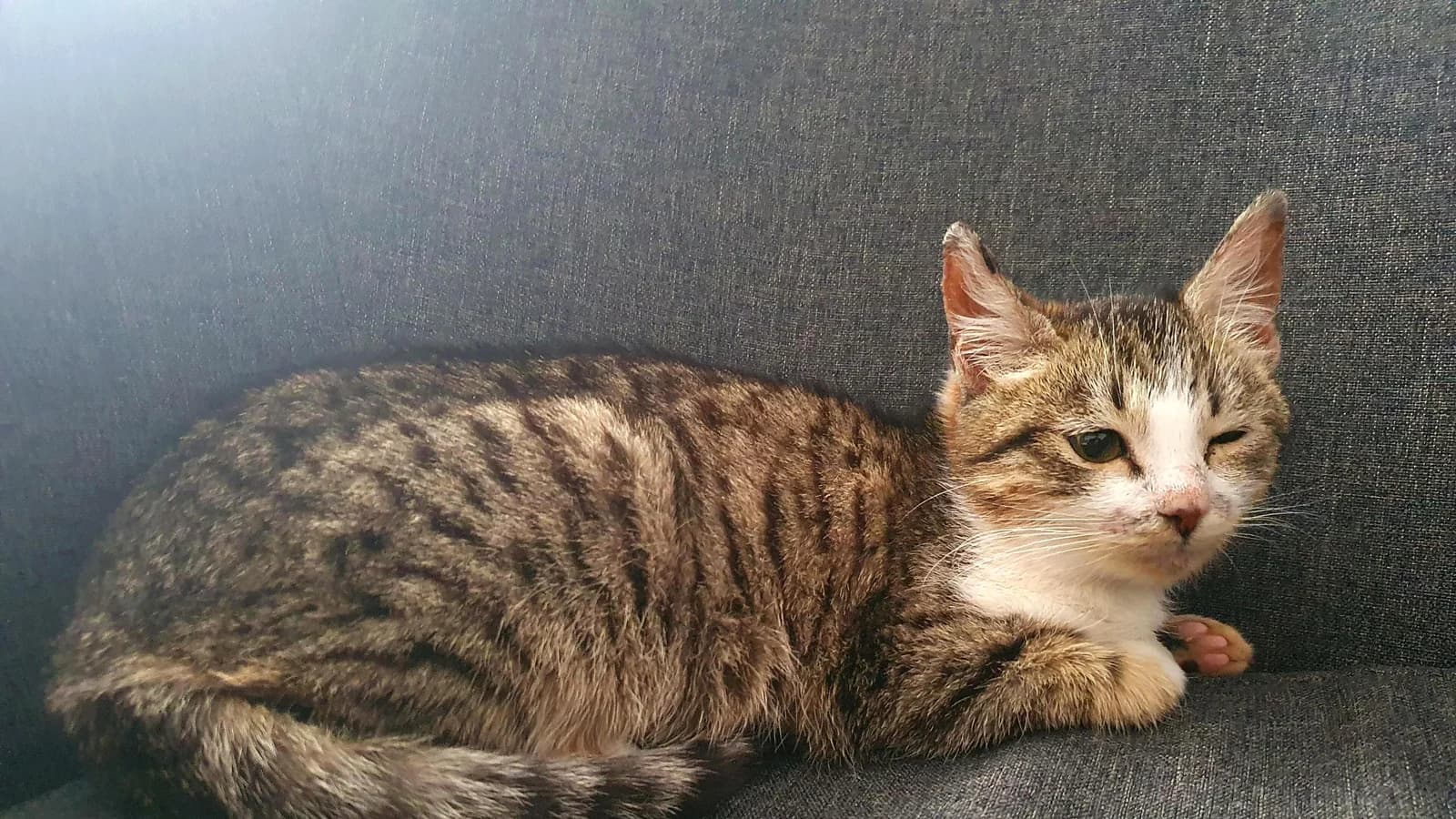
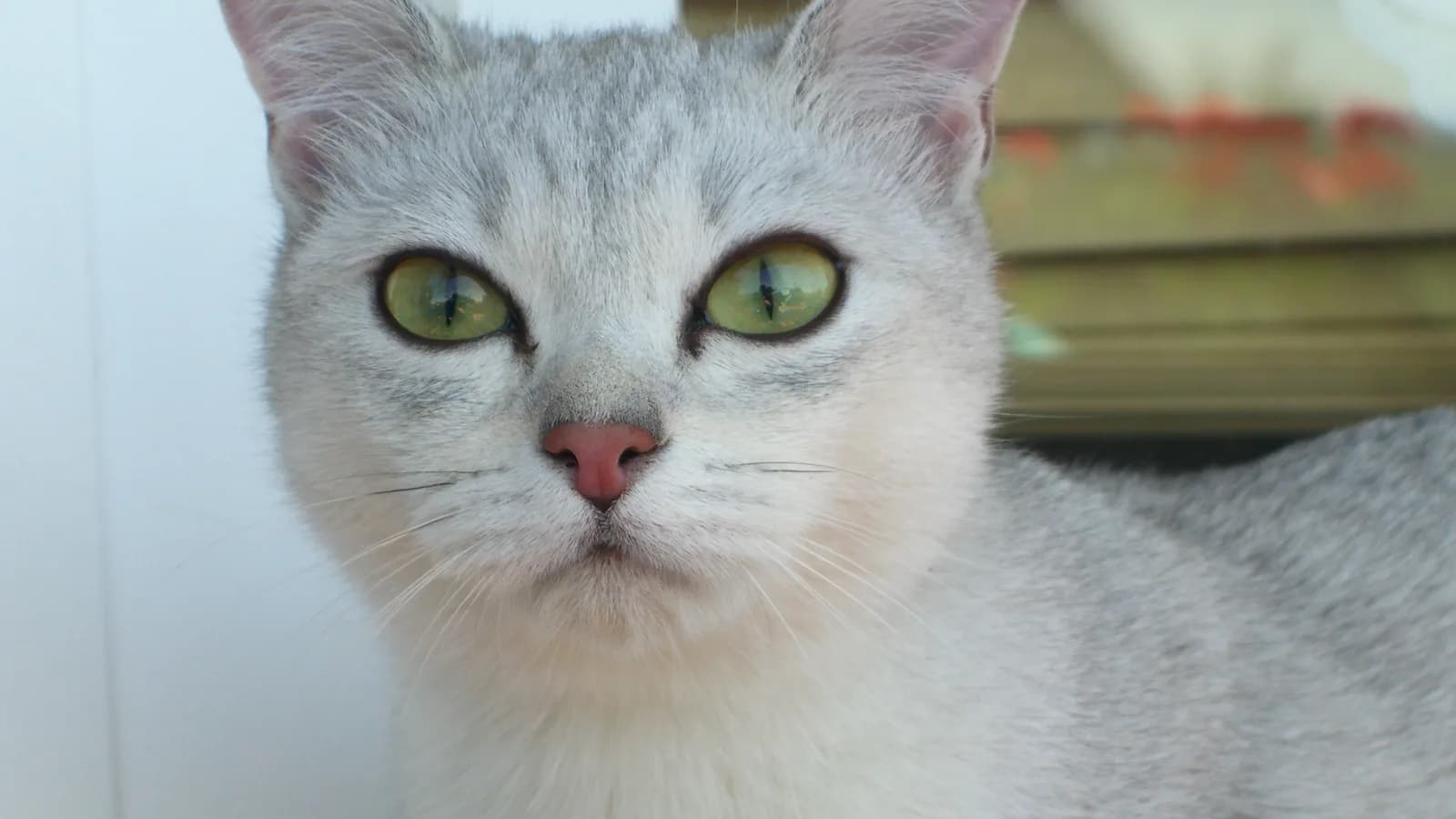
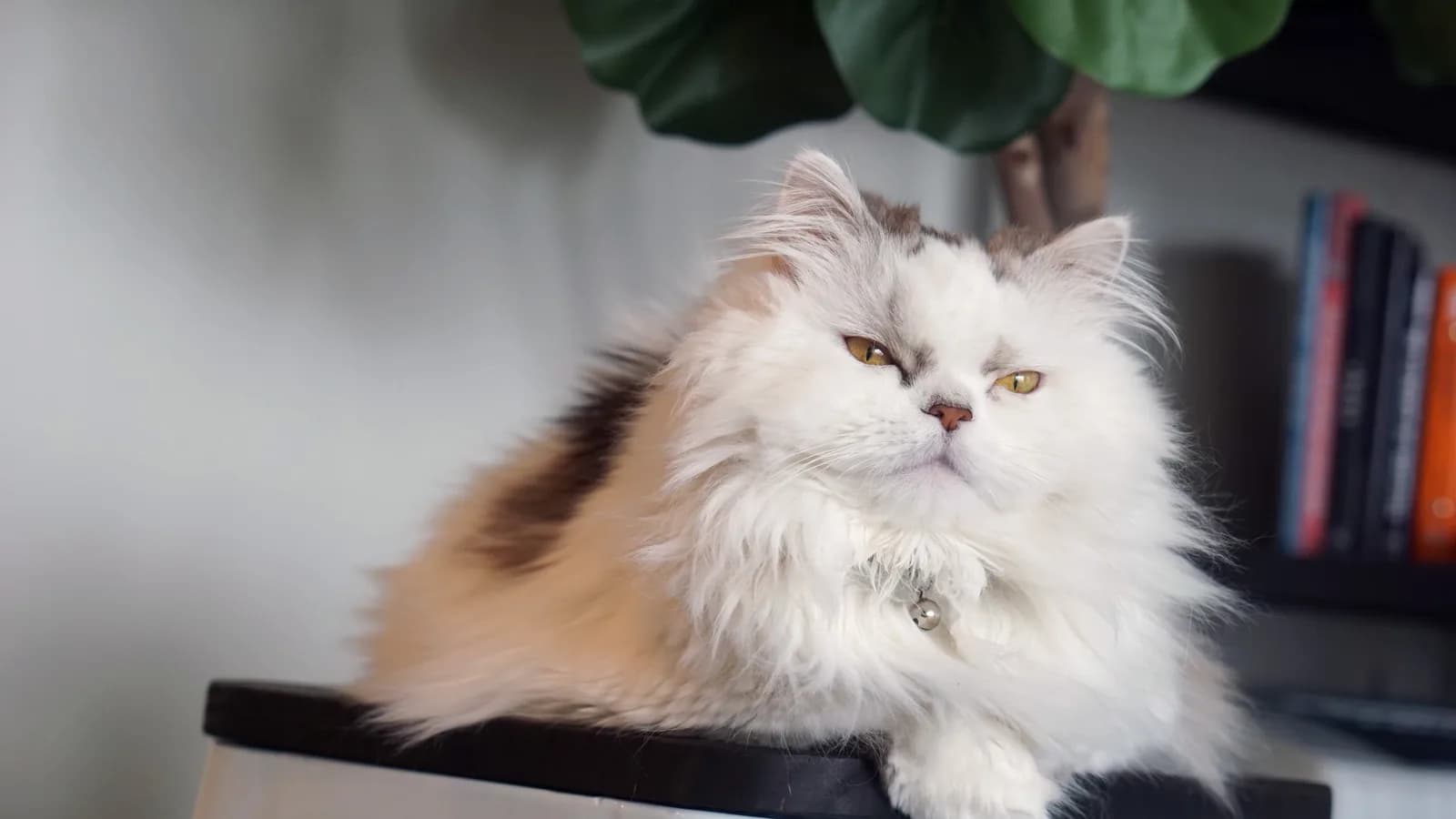
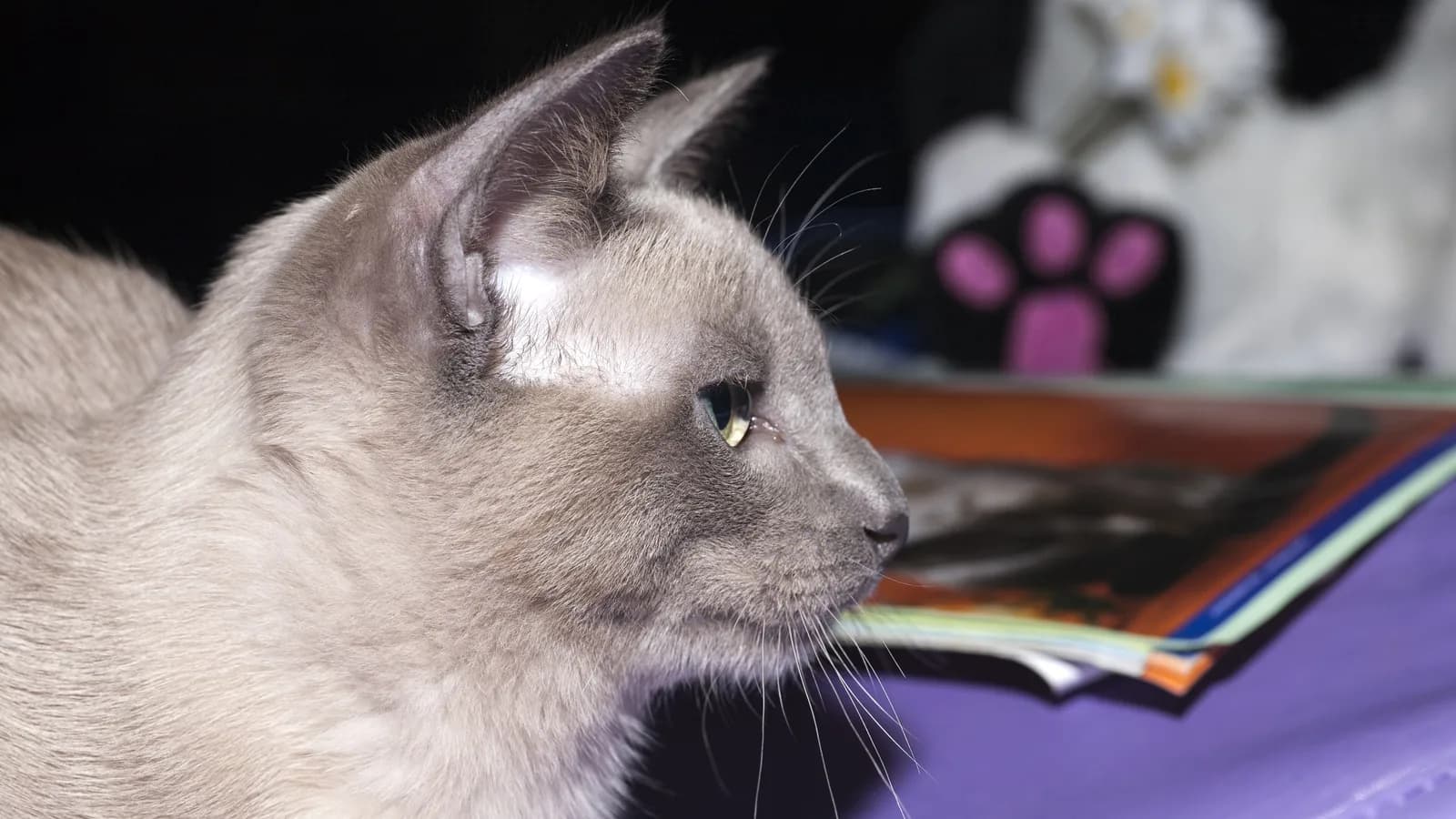
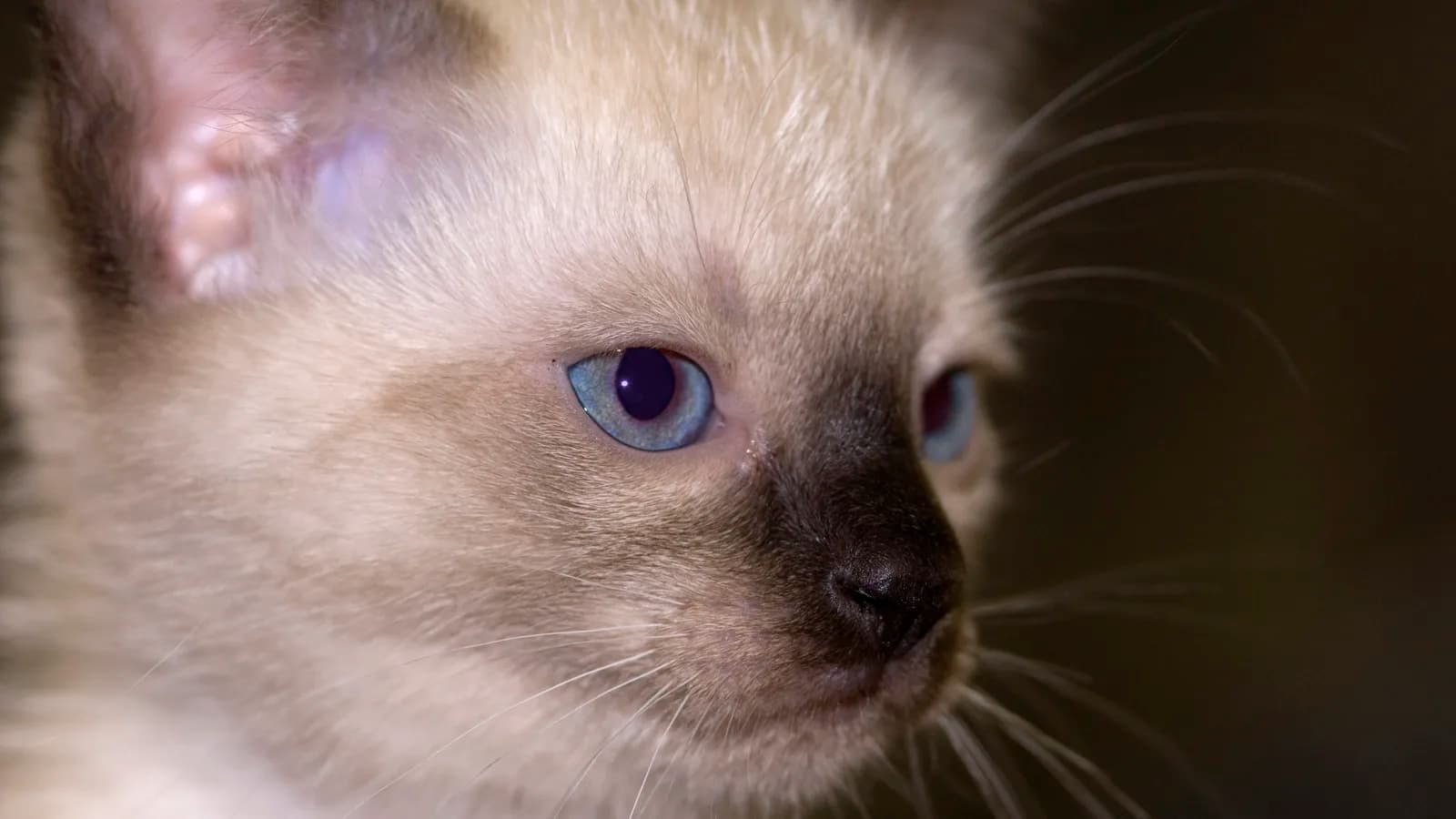
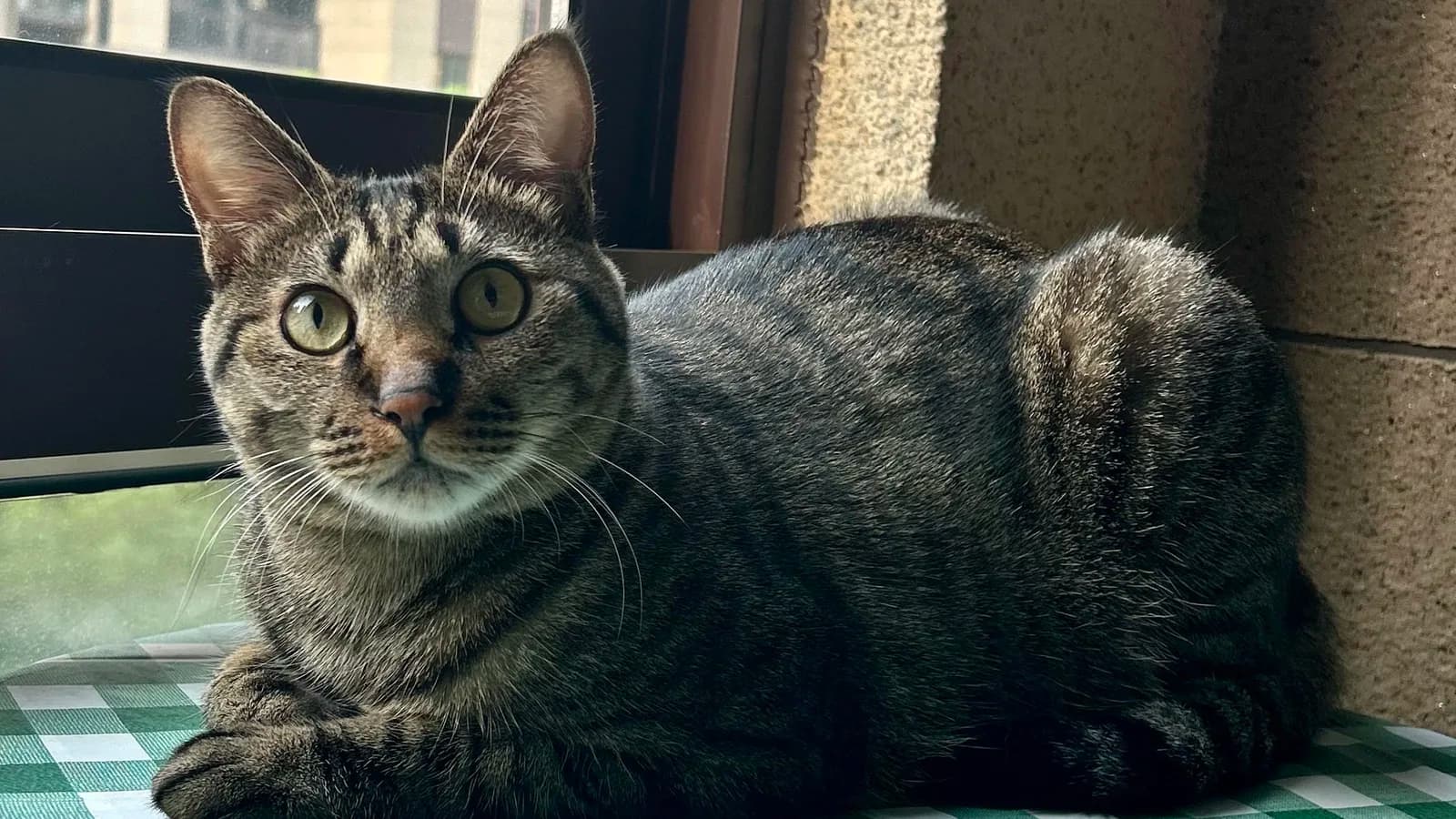


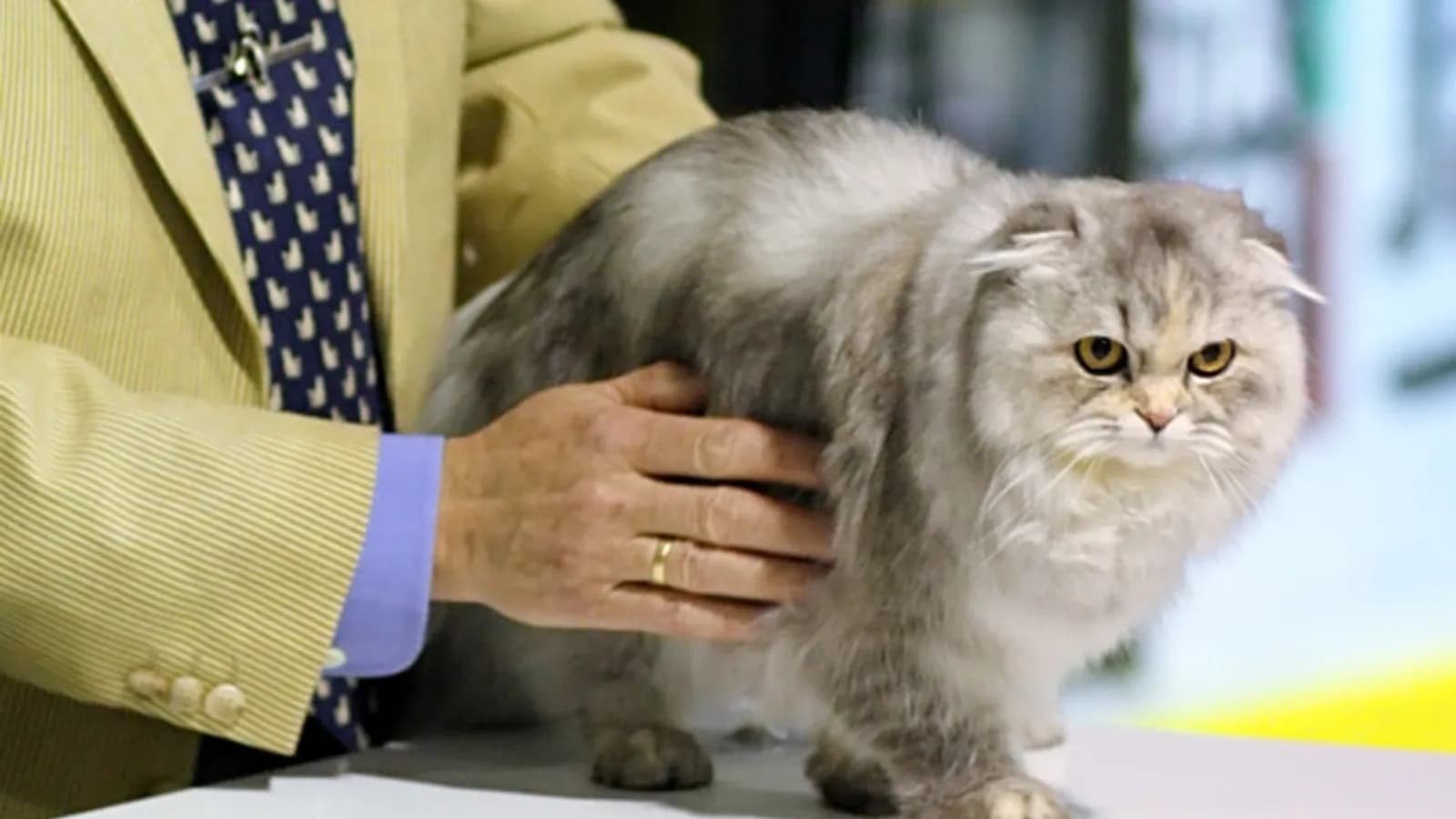
Find a cat by what matters to you
Our cross-breed guides answer the most common questions, sources included.
How to choose the right cat breed
Before looks, consider the temperament and the lifestyle it calls for. A very active cat like the Bengal or Abyssinian gets bored and can turn destructive without stimulation; a calm cat like the Chartreux or British Shorthair settles more easily into a quiet life. How much company a cat needs matters a lot: some breeds do badly on their own.
Also think about grooming (a long coat like the Persian's or Maine Coon's means regular brushing), the real budget (purchase plus yearly upkeep), and above all health: every breed has its known health issues, and a reputable breeder tests the parents. Insisting on those tests is the best guarantee you can get.
Frequently asked questions about cat breeds
Which cat breed should I choose?
It all comes down to your lifestyle. If you're often away, look at the more independent breeds; a family with kids wants a sociable, patient breed like the Maine Coon or Ragdoll; an apartment suits a calm, easygoing cat. Beyond looks, temperament, activity level, how much company the cat needs and budget (purchase plus upkeep) should drive the choice. Our profiles break down each of these points, sources included.
Which cat breed is best for an apartment?
A happy apartment cat is above all a well-stimulated cat. Breeds known for being calm and affectionate adapt well (Ragdoll, Birman, British Shorthair, Chartreux, Persian), as long as you enrich their environment (cat tree, play, high perches). Very active breeds like the Bengal or Abyssinian can live in an apartment, but they need far more to keep them busy.
What is the most affectionate cat breed?
Several breeds have a reputation as velcro cats: the Ragdoll, the Maine Coon (often called the dog of the cat world), the Birman and the Sphynx actively seek out human contact. Keep in mind, though, that individual personality and socialization matter as much as breed. A mixed-breed cat can be every bit as cuddly.
How much does a purebred cat cost?
From a reputable breeder, the price depends on the breed, the bloodline, the parents' health testing and the market: the US, the UK, Canada and Australia differ a lot. Our breed profiles give the range per breed and per market. An unusually low price is a red flag (untested parents, questionable conditions). On top of the purchase comes the yearly upkeep (food, vet, insurance), which is easy to underestimate.
Purebred or mixed-breed cat?
A purebred cat offers a more predictable look and temperament, but can carry inherited health issues and costs more. A domestic shorthair (a mixed-breed cat) benefits from broad genetic diversity that often makes it hardy and affordable. Neither one is "better": it all depends on what you're looking for.
A cat's personality depends on its breed, but also on its history and socialization. Our profiles describe tendencies, not guarantees: every cat is one of a kind.