


Behavior hub
Cat behavior
A cat never acts “out of spite”. Behind every meow, every scratch and every bit of mischief, there's a need, an emotion or a signal to decode. Understand it and you'll solve most everyday troubles without conflict.
Our guides cover cat body language, everyday life with a cat, and practical fixes for the common problems (litter box issues, scratching, stress), always with respect for the animal and never with old-school discipline.
Practical, verified advice, zero guilt trips
Explore by topic
Our behavior guides
Cat body language


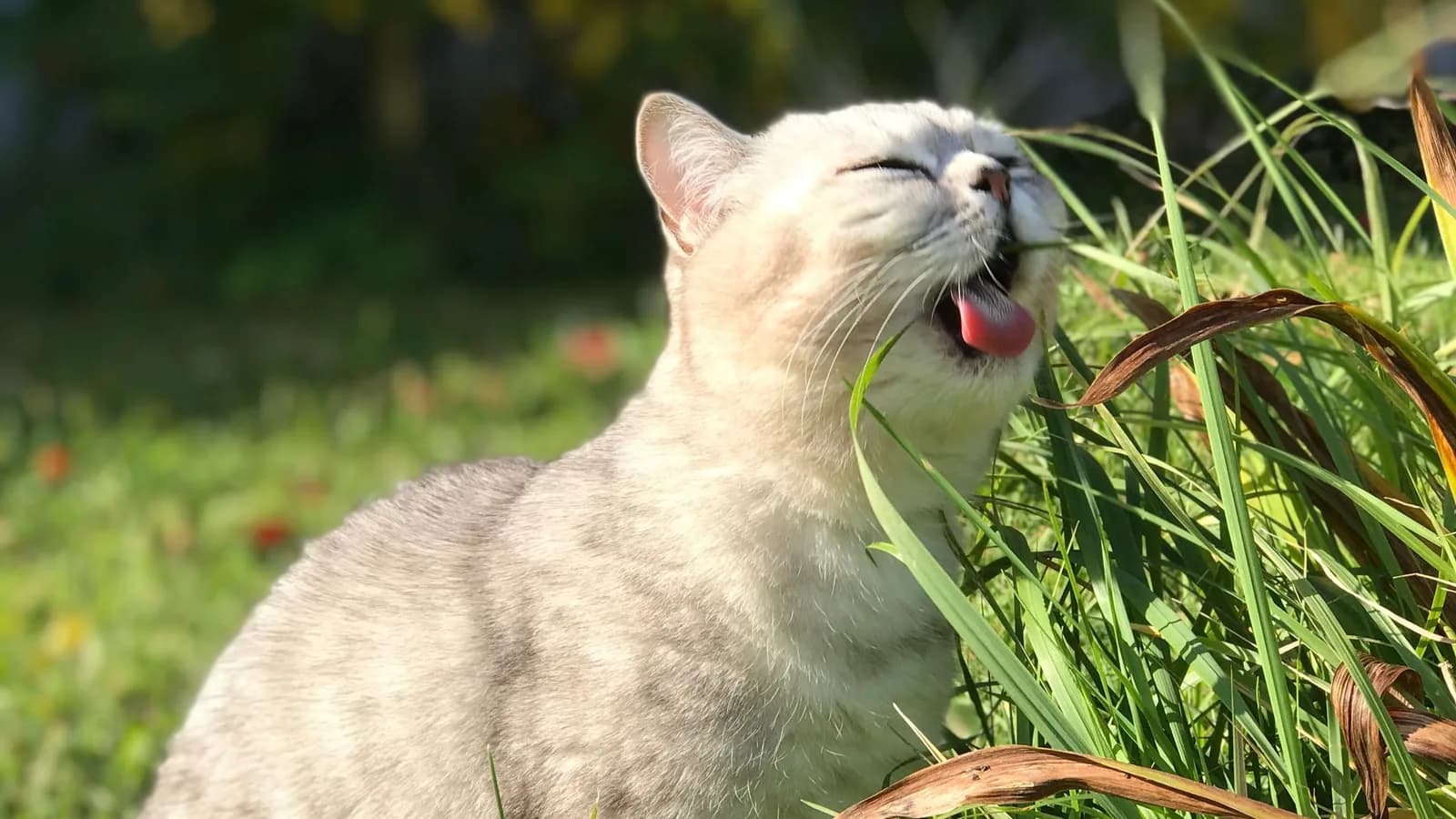
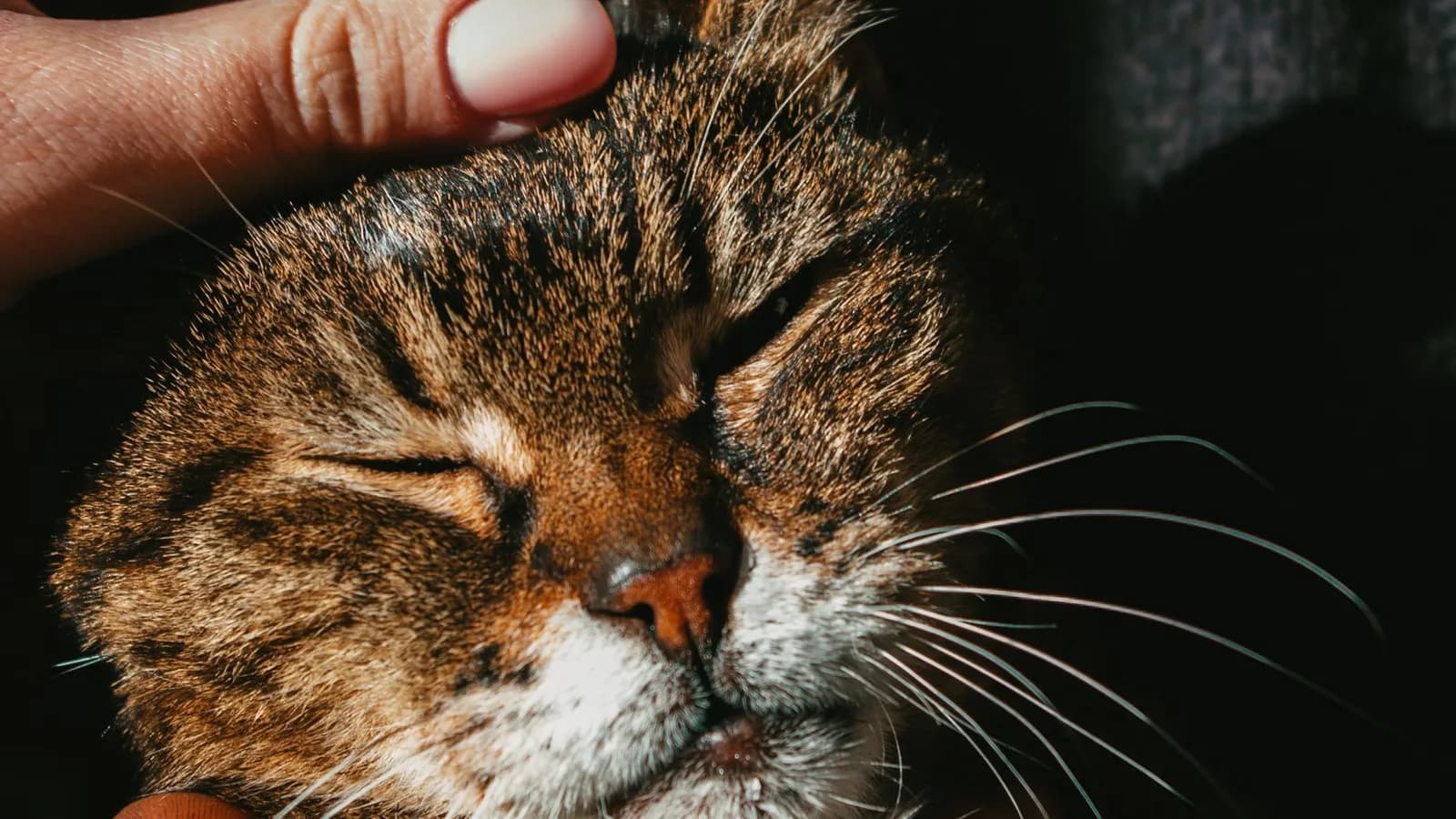
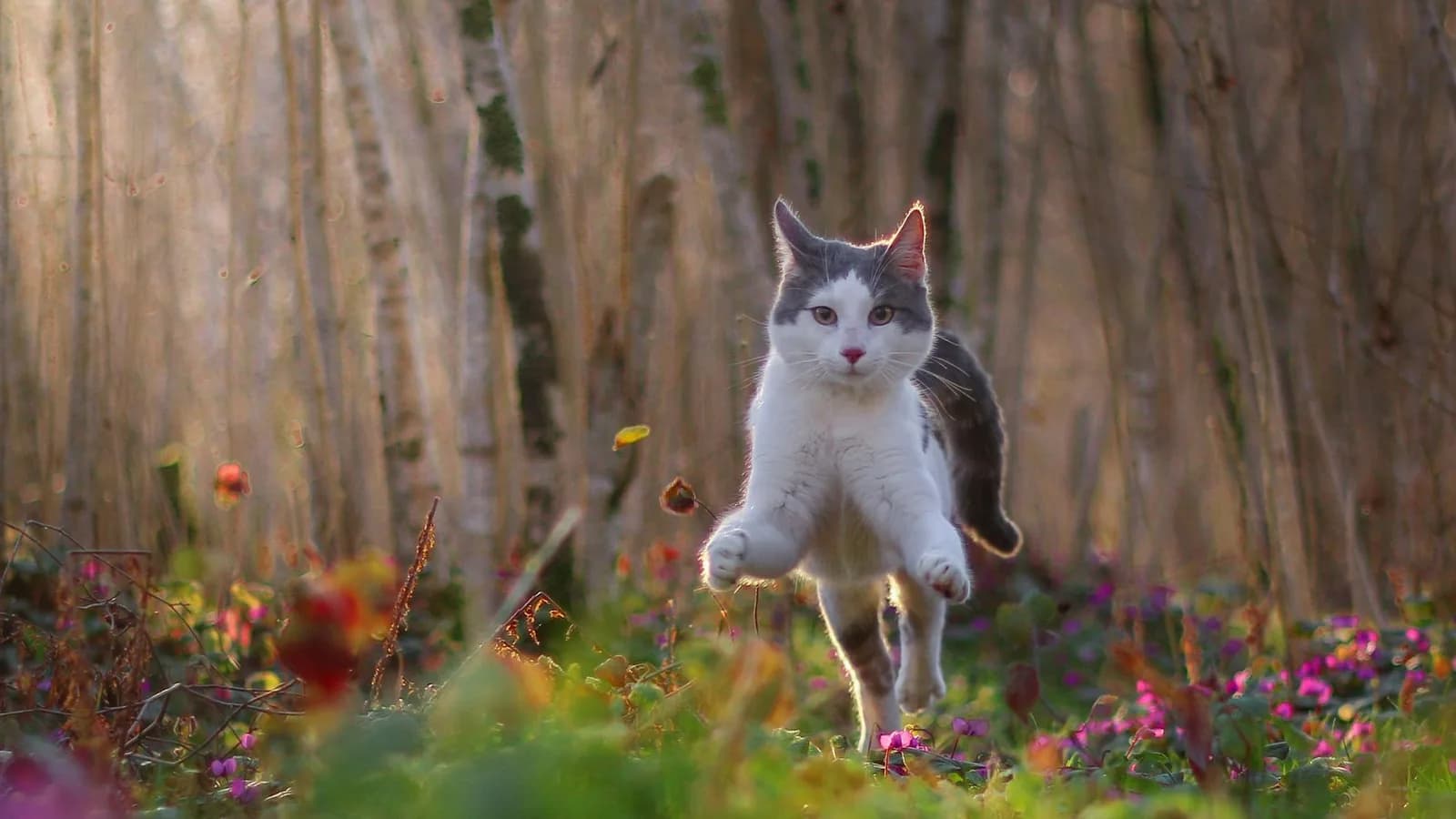
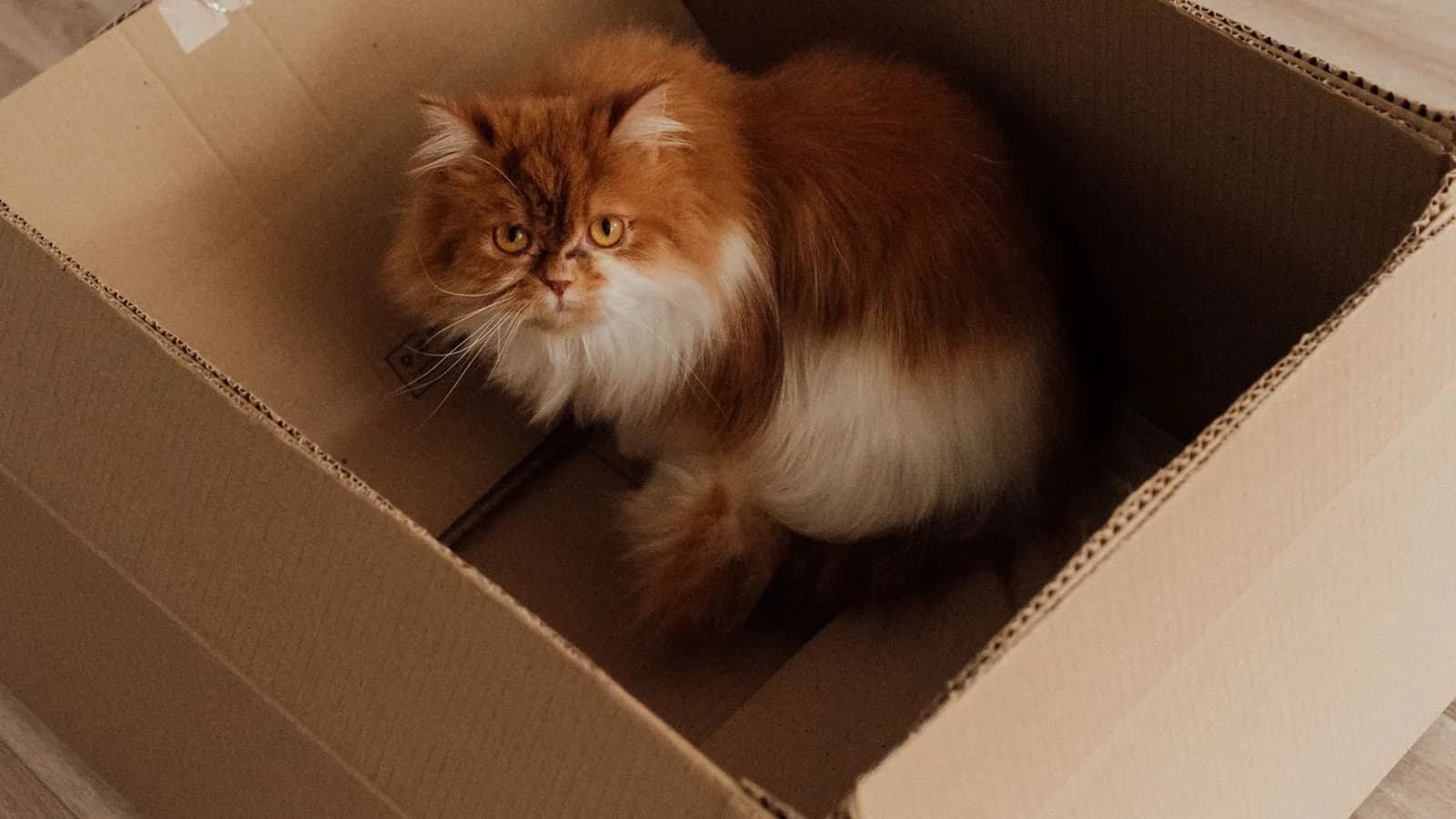



Behavior problems
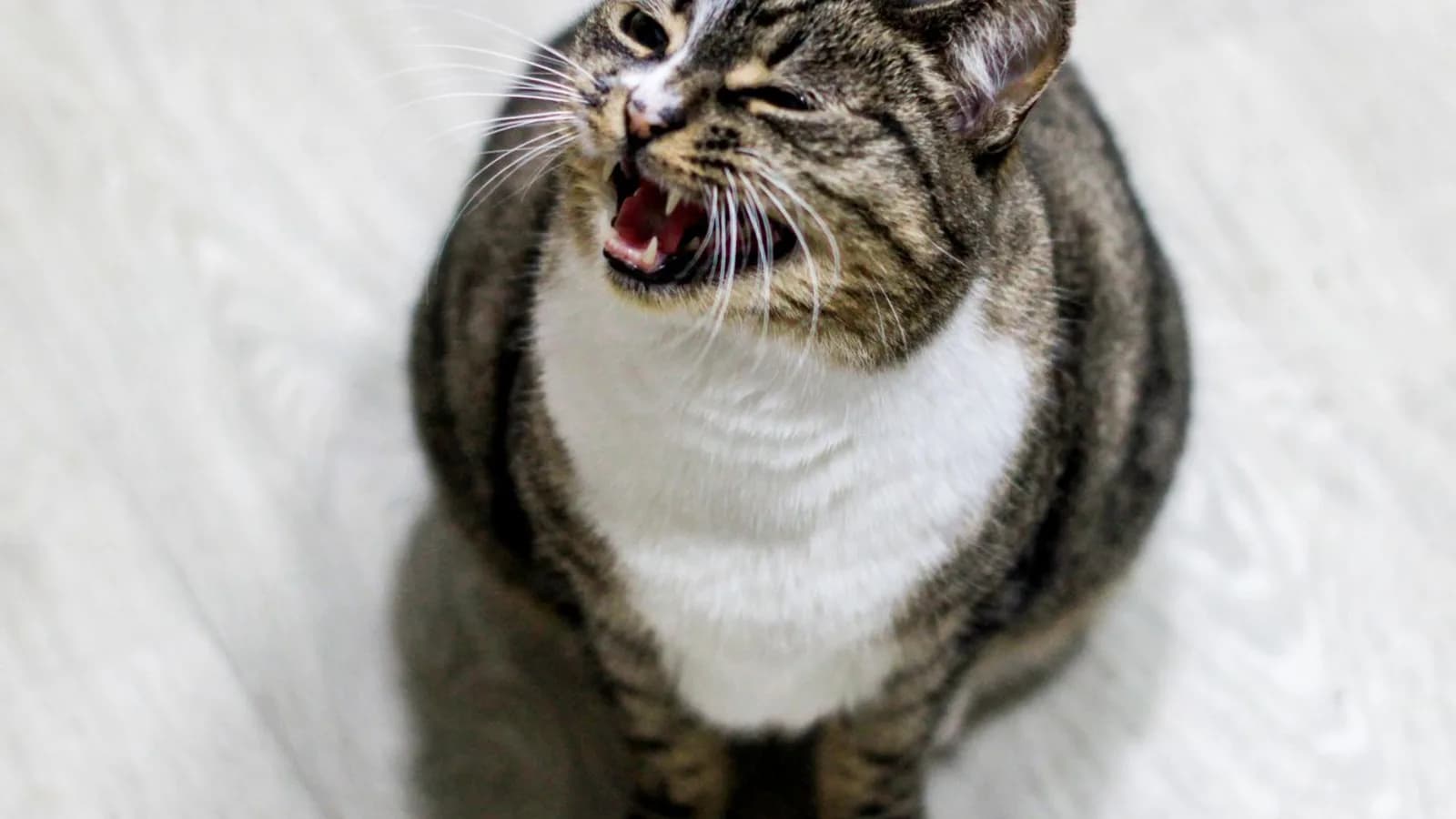
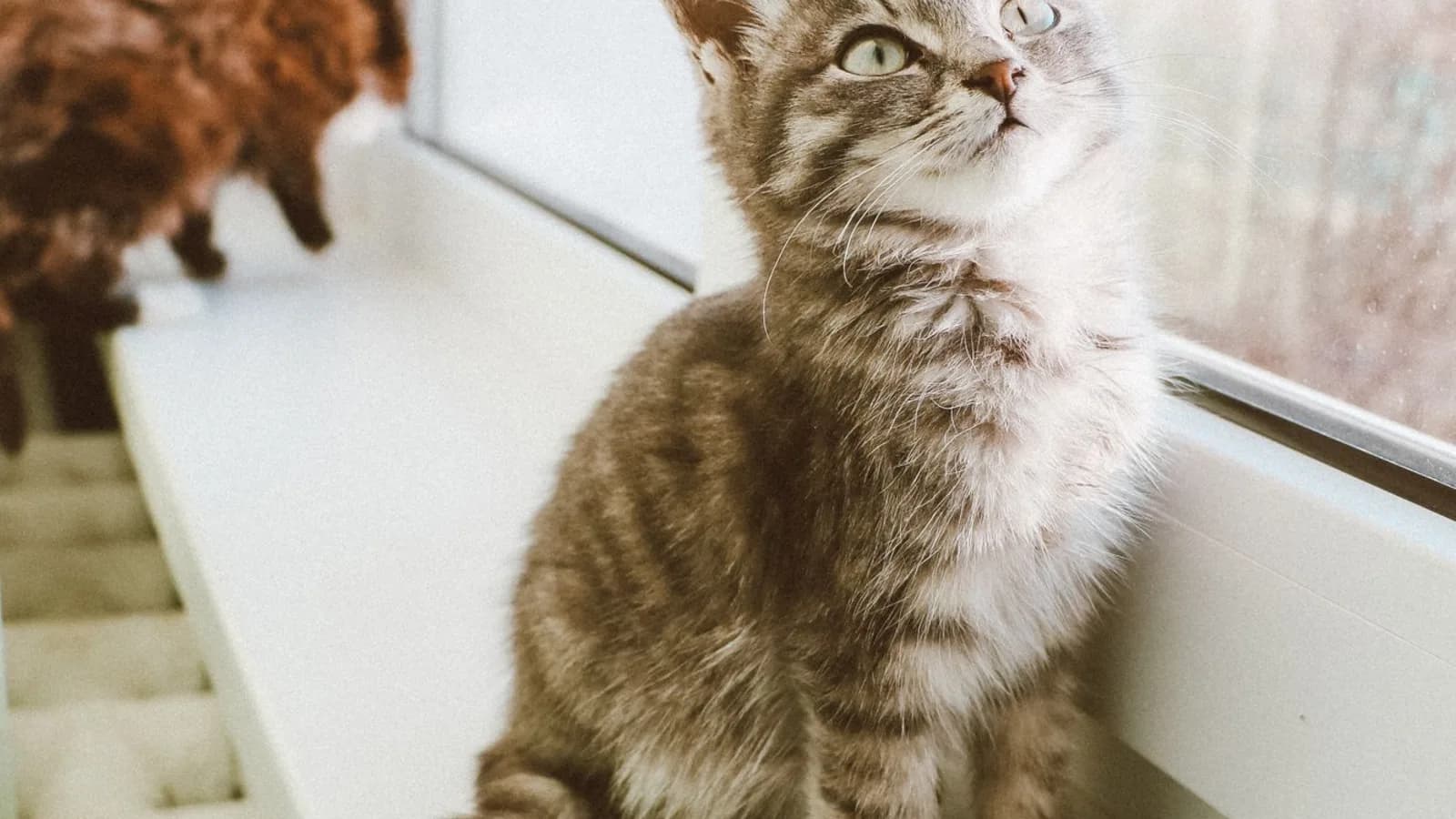
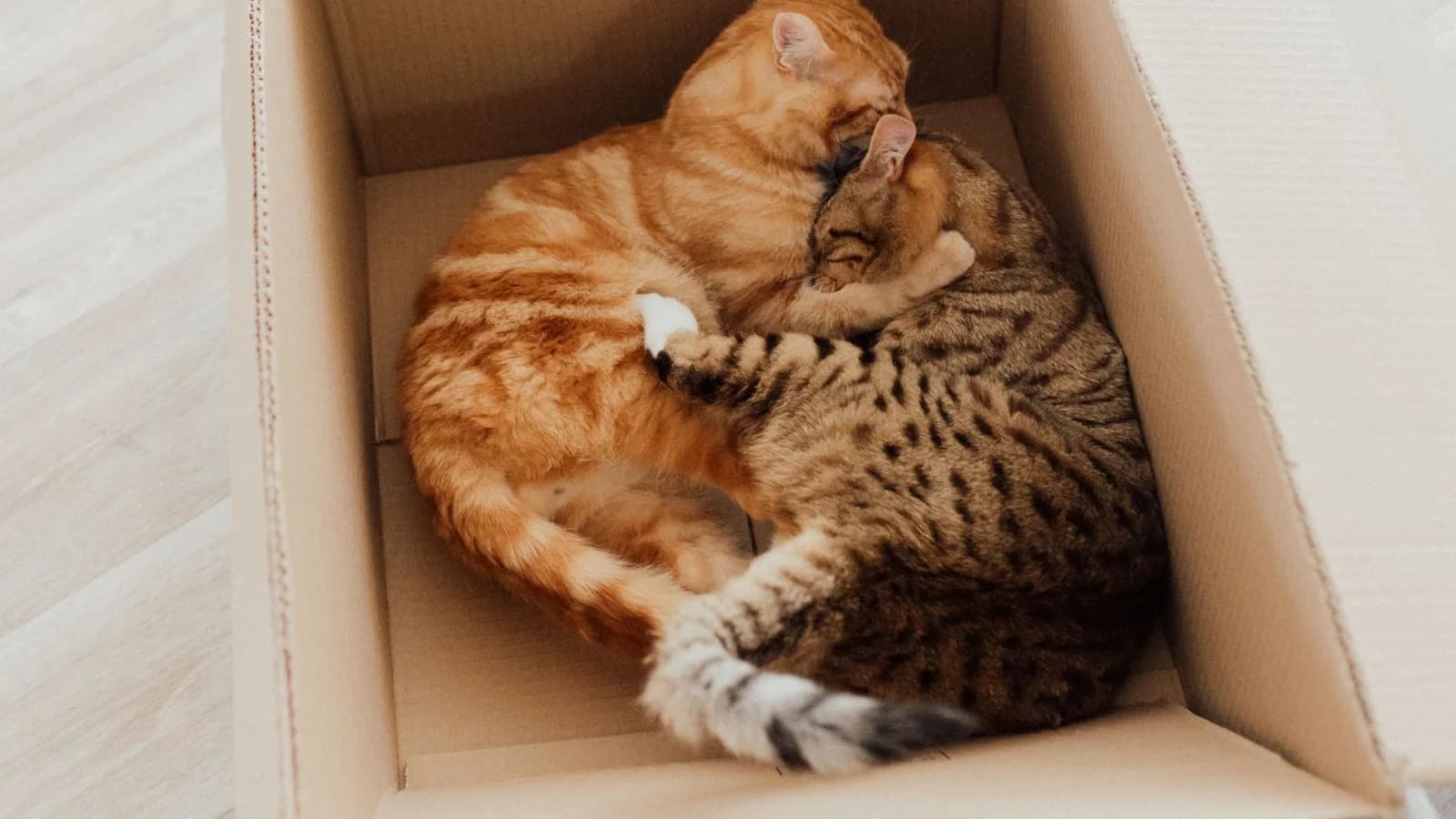

Stress & anxiety

Training & learning

Frequently asked questions about cat behavior
My cat is going outside the litter box, what should I do?
First rule out a medical cause with your vet (cystitis, pain and diabetes all cause accidents). Then rethink the litter setup: one more box than the number of cats, kept clean, in a quiet spot away from food bowls. Cut down on stress, and clean any accidents with an enzymatic cleaner so the spot stops smelling like a bathroom. Never punish, it makes the problem worse.
Why does my cat wake me up at night?
Cats are most active at dawn and dusk. Nighttime wake-ups usually mean hunger, boredom or a bid for attention. A good play session in the evening followed by a meal, an enriched environment during the day, and not responding to nighttime demands all help shift their rhythm.
How do I know if my cat is happy?
A few good signs: slow blinks in your direction, eating and playing with enthusiasm, exploring, sleeping peacefully, seeking contact without being clingy. Purring alone proves nothing, cats also purr in pain, so read it with the rest of the body. A cat that hides constantly, eats less or licks itself until the fur comes out is expressing distress instead.
Can you train a cat?
Yes, but with positive reinforcement (rewards, play), never punishment. Cats pick up litter habits, coming when called, using the scratching post or getting into the carrier very well when the right behavior is made pleasant and the wrong one pointless. Coercion only breeds stress and mistrust.
A sudden change in behavior or a severe issue deserves a veterinarian's opinion, to rule out a medical cause and, if needed, refer you to a veterinary behaviorist.