


Health hub
Cat health
A healthy cat starts with an owner who pays attention. Most feline diseases progress in silence: cats mask pain, compensate, and the first signs often go unnoticed. Knowing what's normal, what should worry you and what counts as an emergency genuinely changes outcomes.
Our guides cover prevention (vaccination, spay/neuter, parasites), the most common diseases and their breed predispositions, the symptoms that should send you to the vet, and the cost of care. Every piece is researched, cross-checked against multiple reliable sources, and published with its sources clearly cited.
Researched, cross-checked and sourced
Explore by topic
Our health guides
Diseases & predispositions









Prevention & care








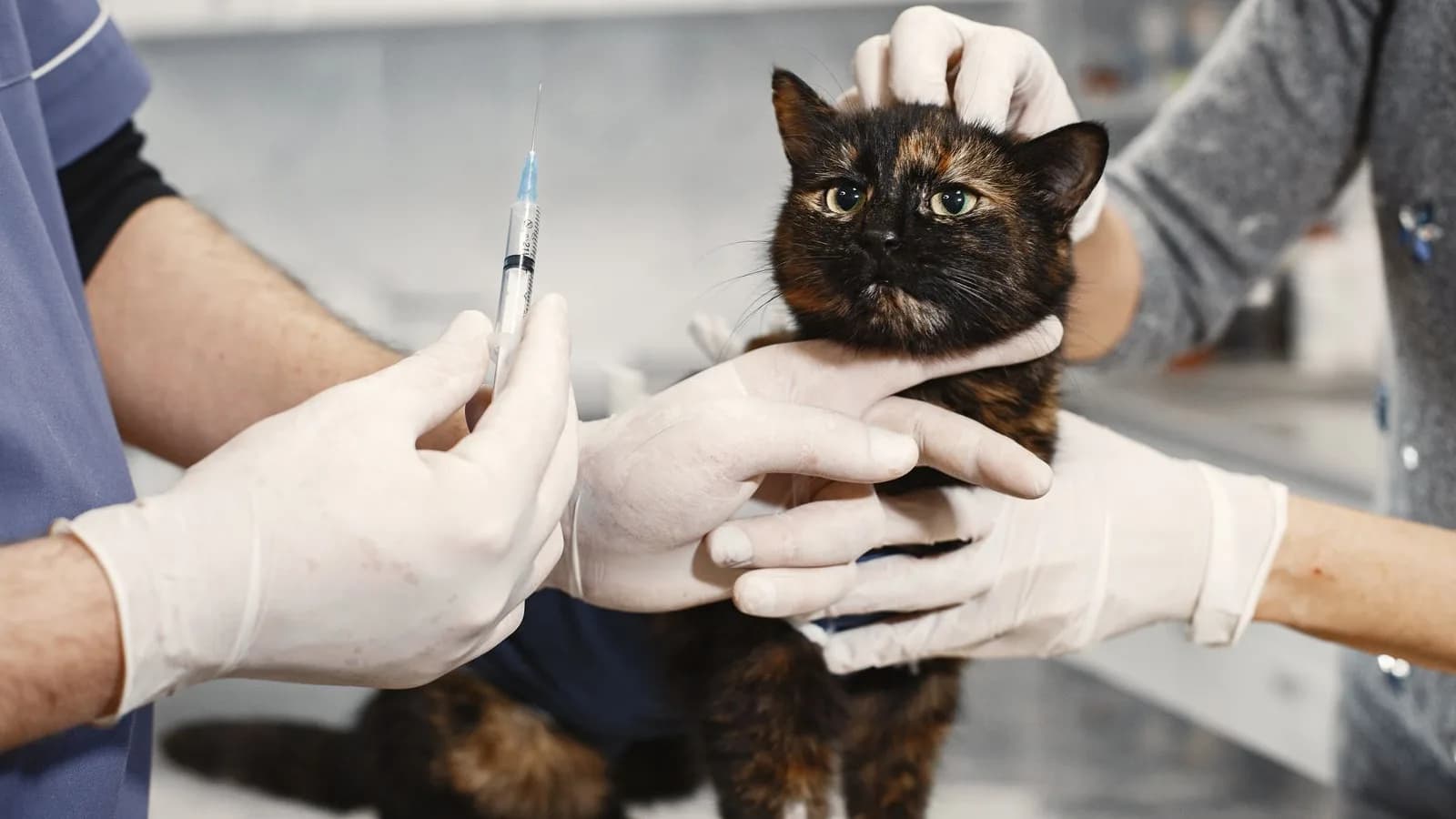
Symptoms & emergencies












Costs & pet insurance


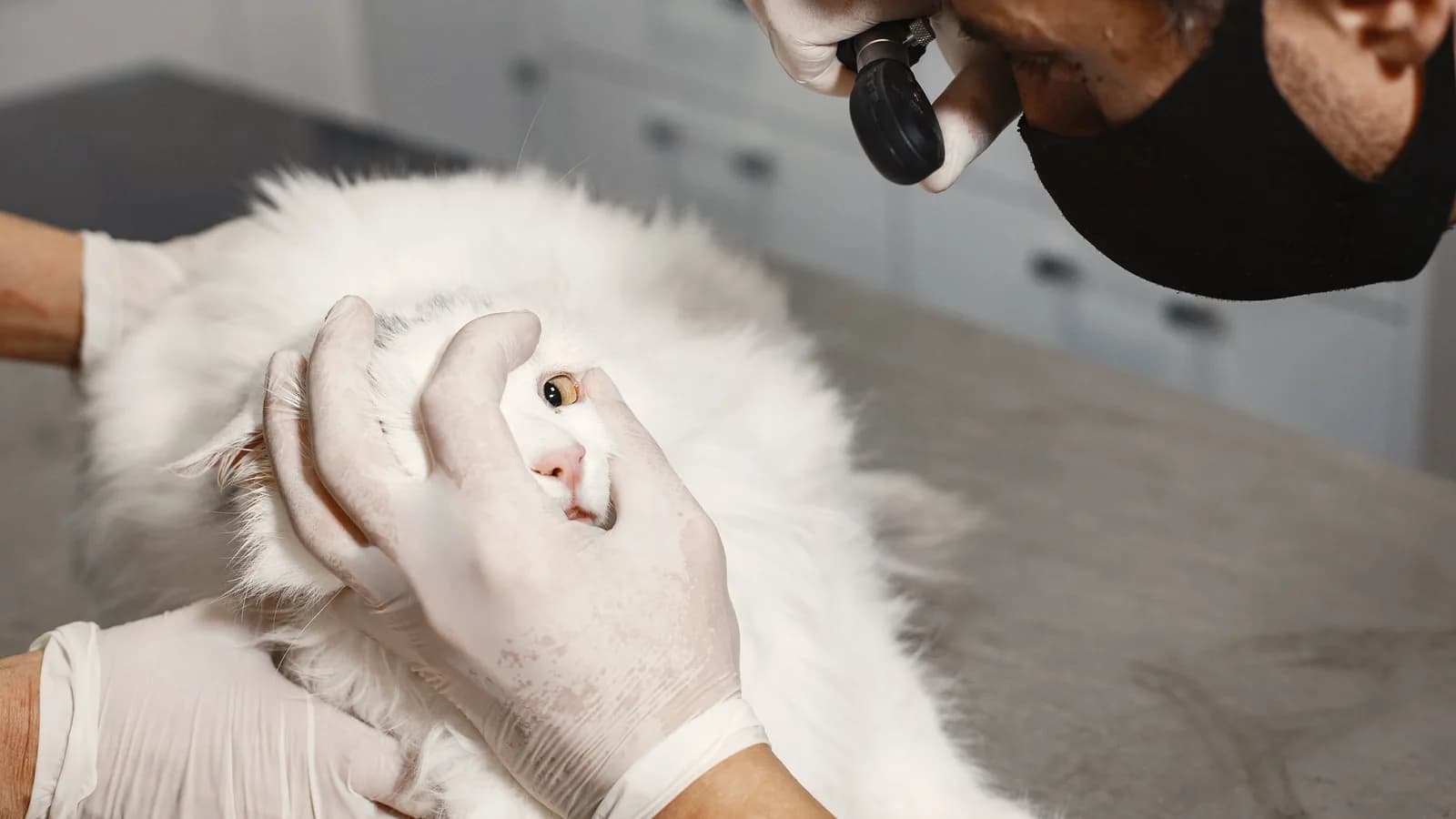
Pregnancy & heat





How our health content is checked
We do not claim to replace veterinary expertise. Before publication, every piece is researched, cross-checked against multiple reliable sources, and published with its sources clearly cited. We also encourage veterinarians and other qualified professionals to examine our content publicly and to send us their observations.
When a qualified professional identifies an error, an imprecision, or something that needs qualifying, we re-examine the subject and the sources available. Where the correction is warranted, the article is updated and the change is documented on the page itself.
Where you see The Vet's Take on a page and it is empty, that is deliberate rather than an oversight. Nothing is signed as a veterinarian's opinion here until a verified veterinarian has written or reviewed it.
Frequently asked questions about cat health
When should I take my cat to the vet urgently?
Some signs should never wait: rapid or labored breathing at rest, open-mouth breathing, sudden paralysis of the hind legs, inability to urinate (especially in males), sudden lethargy, seizures or bleeding that won't stop. In those cases, get to a vet or an emergency clinic right away.
How often should my cat get a checkup?
A yearly visit is recommended for a healthy adult cat (vaccines, general exam, weight, teeth), and twice a year from 7 to 10 years old, the age when chronic diseases (kidneys, heart, thyroid) become more common. A kitten sees the vet several times in its first year.
How do I know if my cat is in pain?
Cats are very good at hiding pain. The signals to watch for: hiding, moving and jumping less, grooming less, or the opposite, licking one spot nonstop, eating less, getting grumpy when touched, purring unusually or changing posture. A lasting change in behavior deserves a vet's opinion.
Does this apply outside the US?
The medical facts do. Prices, legal requirements (microchipping, spay/neuter) and the organizations we cite differ between the US, the UK, Canada and Australia, and often within them: US federal versus state, the UK nations, Canadian provinces, Australian states. Where a rule differs, we say which country or state it applies to, and we give the four-market comparison where it changes the answer.
This is information, not veterinary advice, and it cannot tell you what is wrong with your cat. Our rule is a simple one: if something is wrong with your cat, call your vet, and call an emergency clinic if it is out of hours. Nothing you read here is a reason to wait.