


Cat safety
Plants toxic to cats
Your cat has chewed a leaf and you do not know whether it is serious. This page answers the only question that matters right now: which plant is it, and do you need to call someone.
Both lists are here, the ones that are dangerous and the ones you can keep without worrying, with photos so you can recognize yours. Every verdict comes from the ASPCA and the veterinary literature, cited plant by plant.
What to do right now
9
can kill a cat
3
can kill, more rarely
12
irritating only
4
listed as non-toxic
Find your plant
Search by the name you know it by, including the name printed on the label in the pot: shop names and botanical names disagree more often than they agree.
28 plants shown
 Can kill a cat
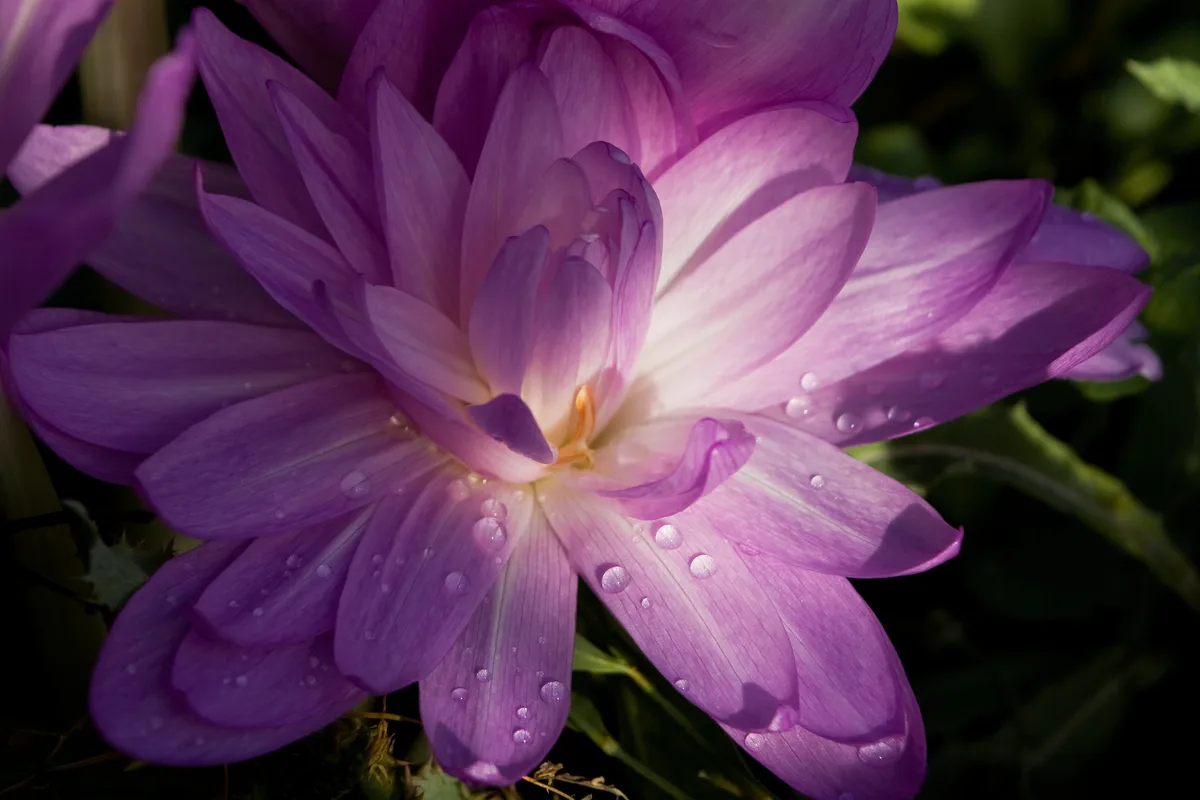
Autumn crocus
Colchicum autumnale
One of the few plants that damages the bone marrow. Signs can be delayed by days, which makes an early call more important, not less. Every species in the genus Colchicum is toxic, not just this one.
 Can kill a cat
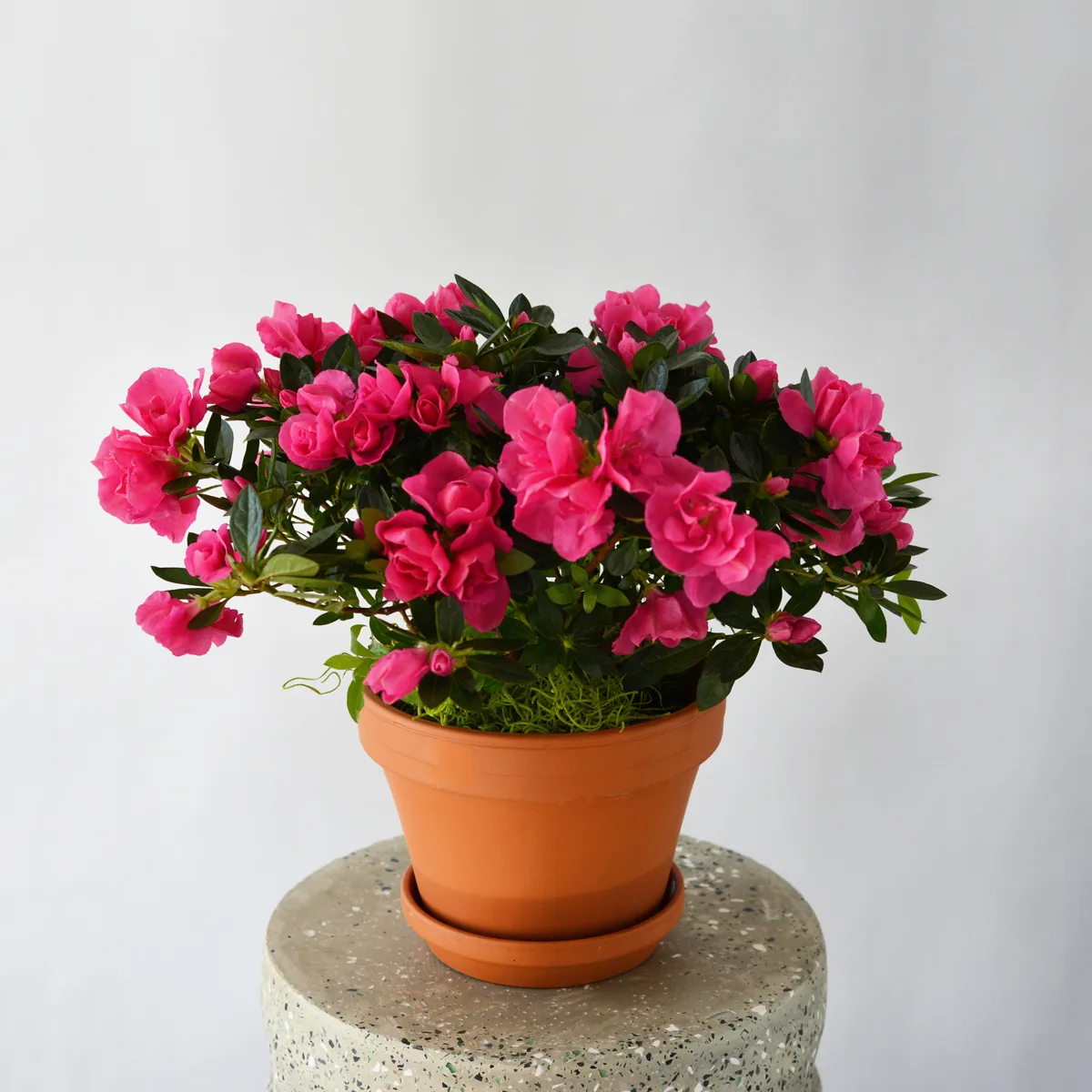
Azalea and rhododendron
Rhododendron spp.
A garden shrub on three of our four markets, and the ASPCA's own signs list ends in cardiac failure.
 Can kill a cat
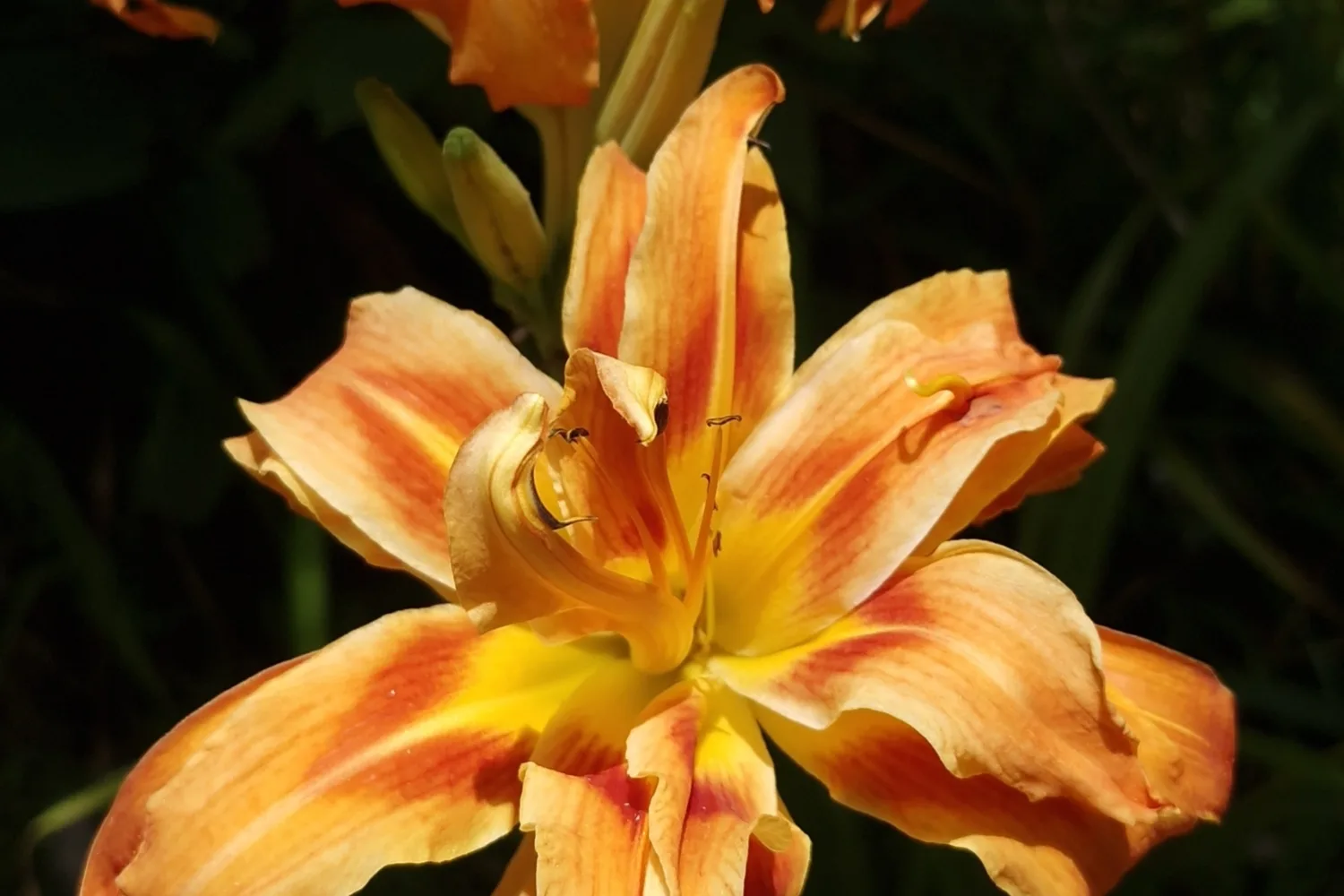
Daylily
Hemerocallis spp.
A different genus from the true lily and just as lethal to a cat's kidneys.
 Can kill a cat
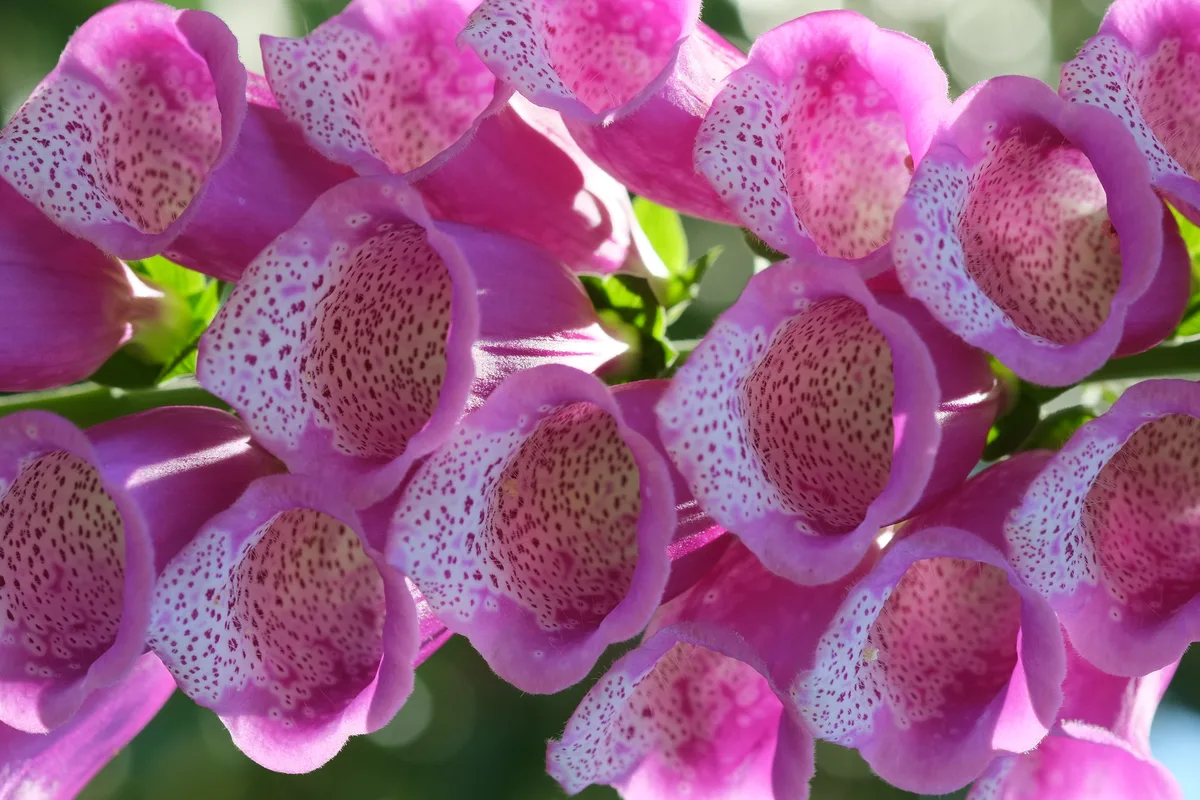
Foxglove
Digitalis purpurea
The plant behind the heart drug digitalis, which is exactly why it disturbs the heart's rhythm.
 Can kill a cat
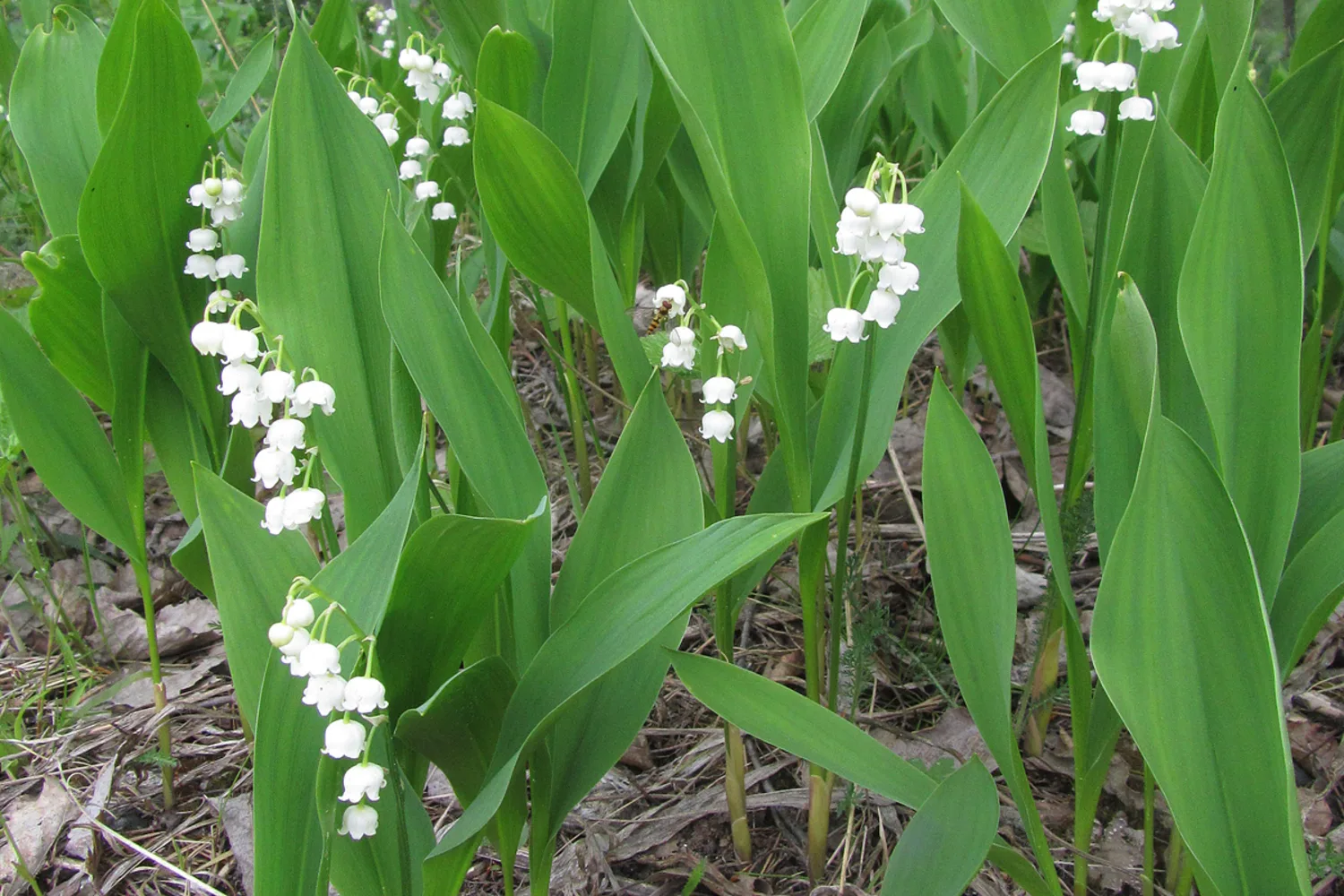
Lily of the valley
Convallaria majalis
Another heart plant, and not a lily: it does not touch the kidneys, it disturbs the heart's rhythm.
 Can kill a cat
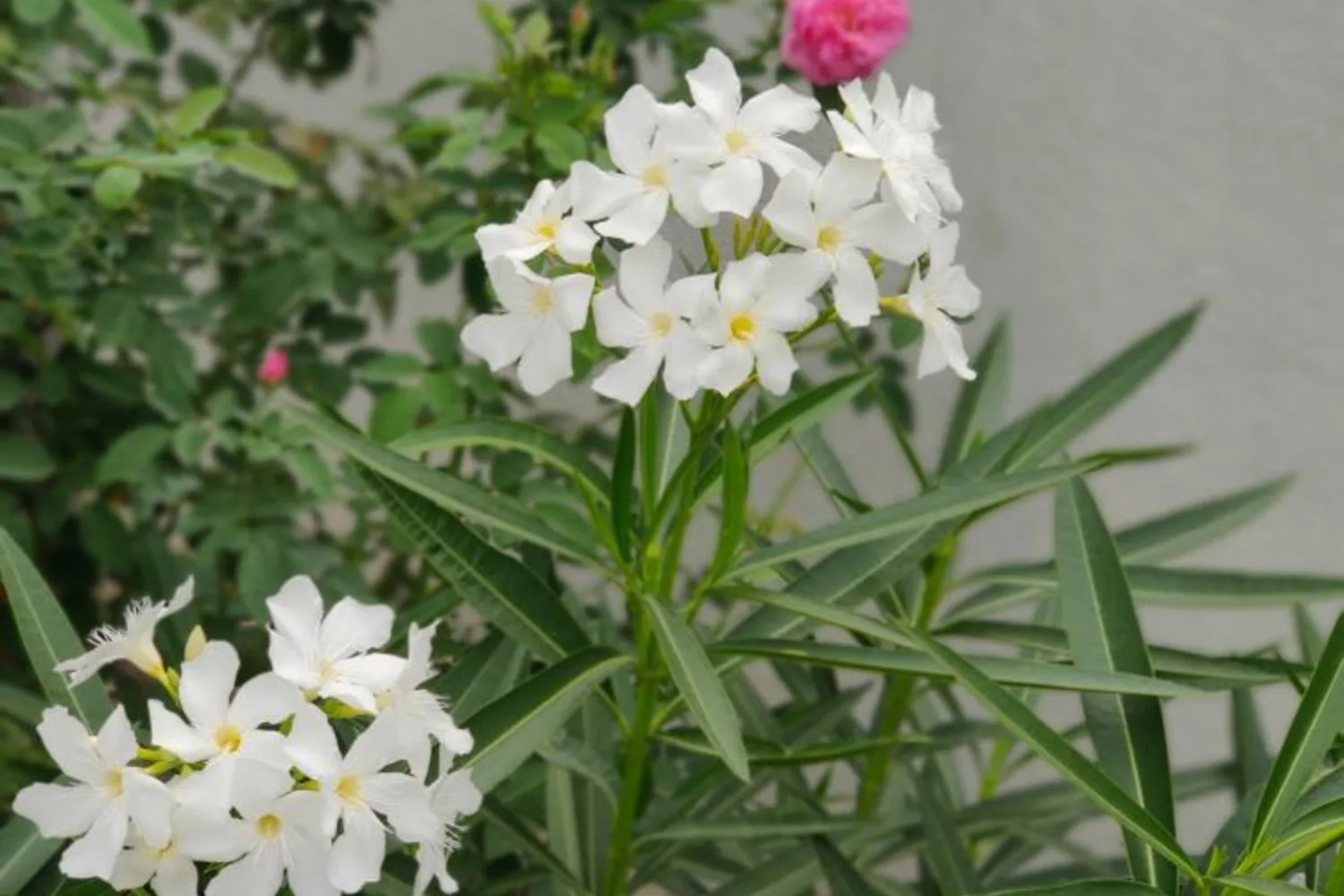
Oleander
Nerium oleander
Attacks the heart rhythm. Common as a hedge across the southern US, the Mediterranean and Australia.
 Can kill a cat
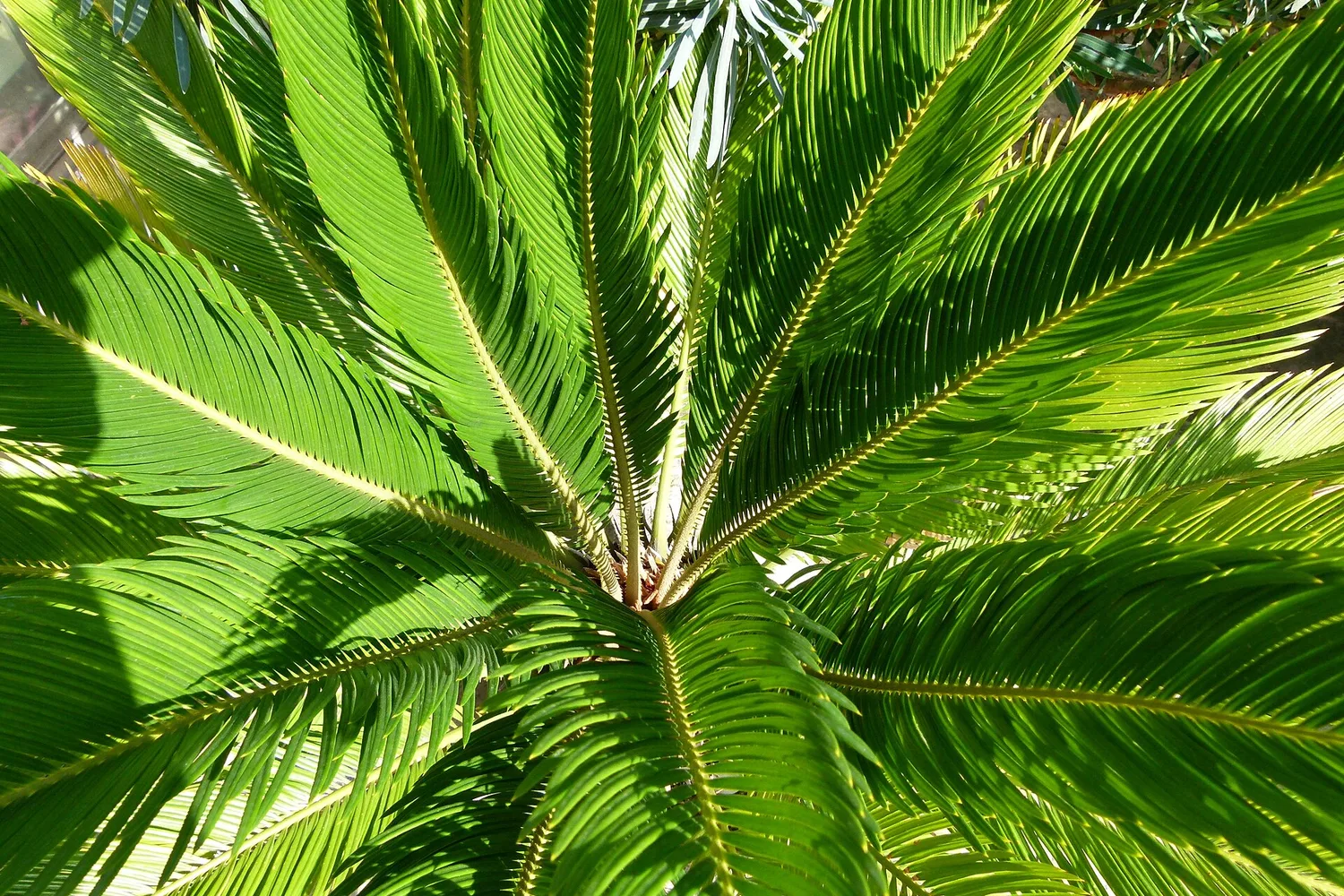
Sago palm
Cycas revoluta
It attacks the liver, not the kidneys, and both the ASPCA and Pet Poison Helpline name death outright.
 Can kill a cat
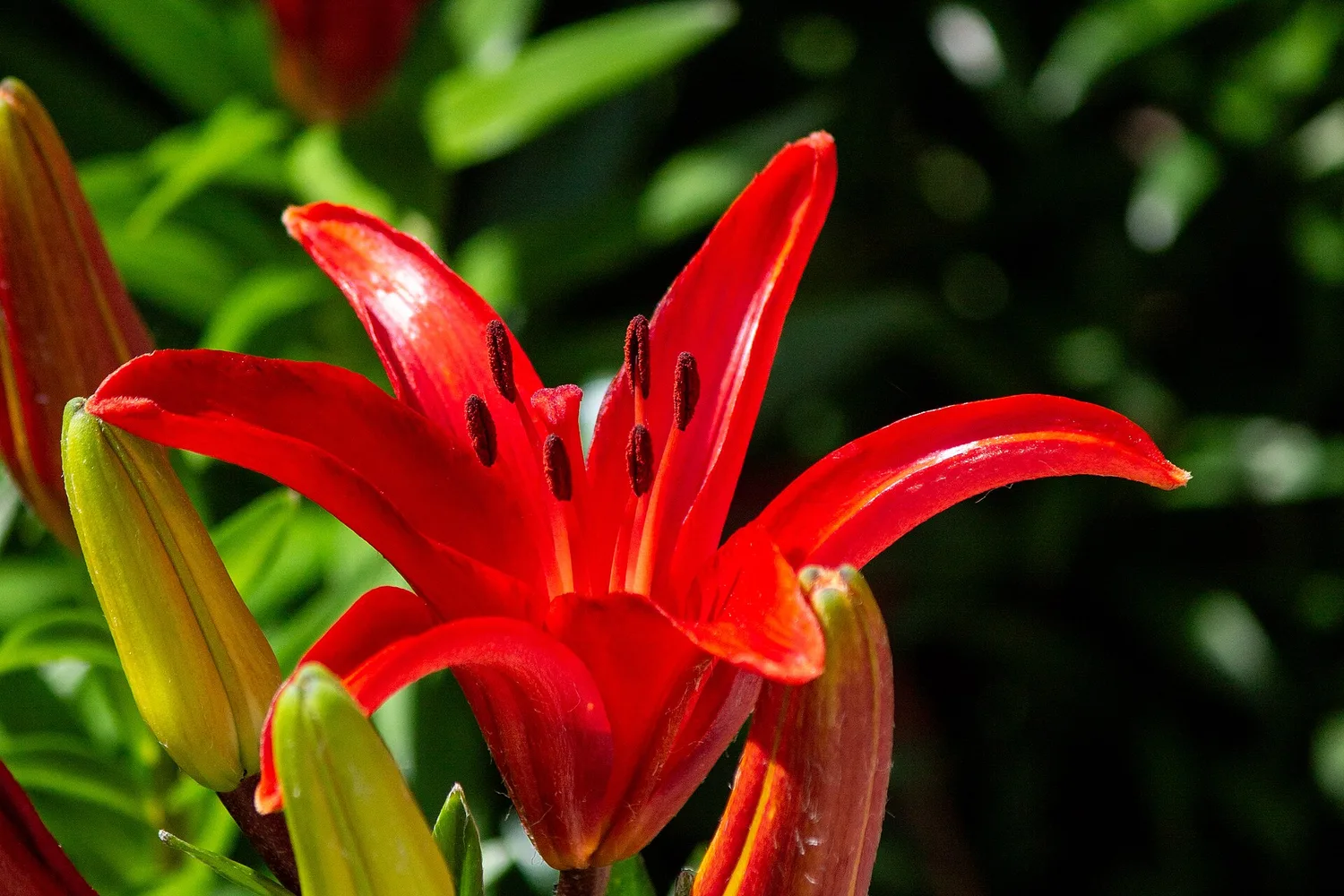
True lily
Lilium spp.
The single most dangerous common plant for a cat, and cats are the only species known to be affected.
 Can kill a cat
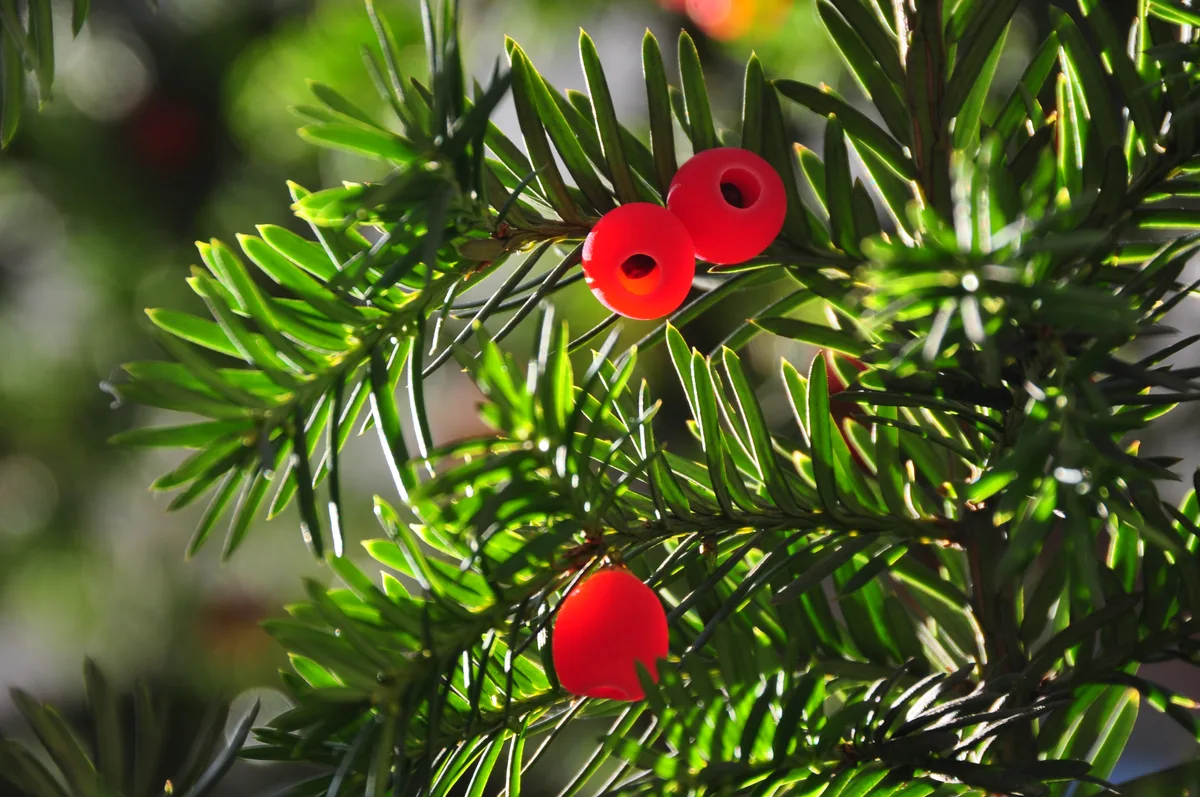
Yew
Taxus spp.
The ASPCA's clinical-signs line opens with sudden death rather than ending with it, which tells you the order events can take.
 Can kill, more rarely
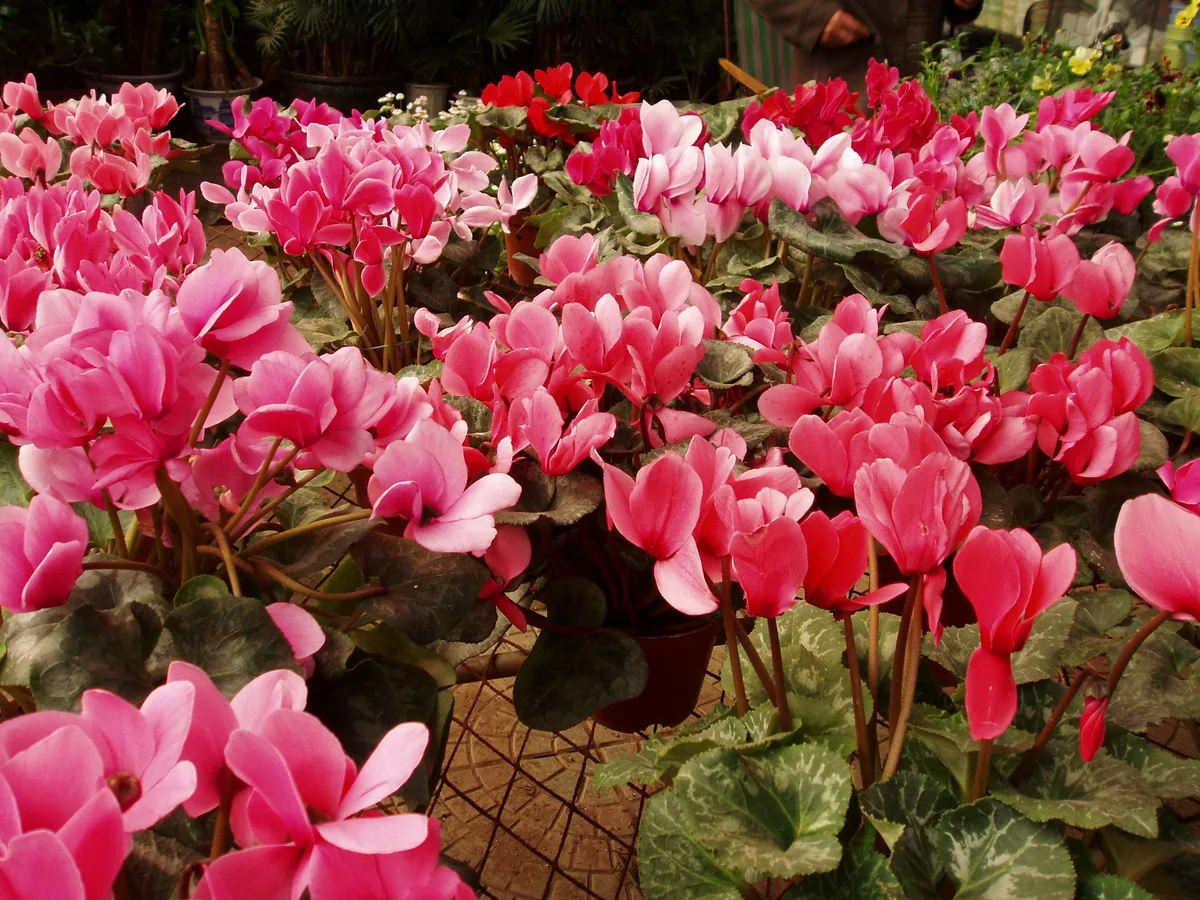
Cyclamen
Cyclamen spp.
Mild from the leaves, dangerous from the tuber. The pot is the risk, not the flower.
 Can kill, more rarely
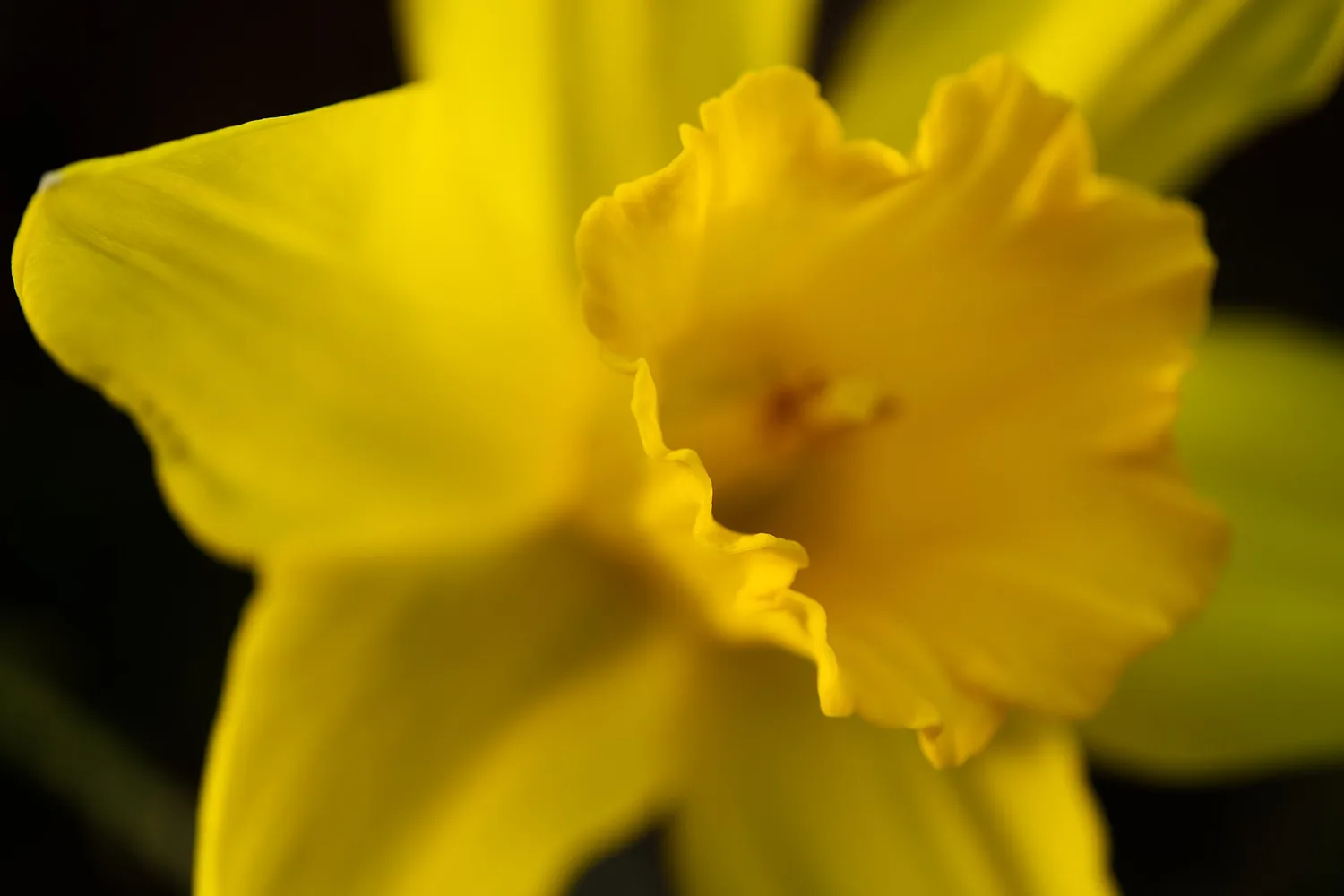
Daffodil
Narcissus spp.
The ASPCA's list does not name death, but convulsions and heart-rhythm changes after a large ingestion put this well past an upset stomach.
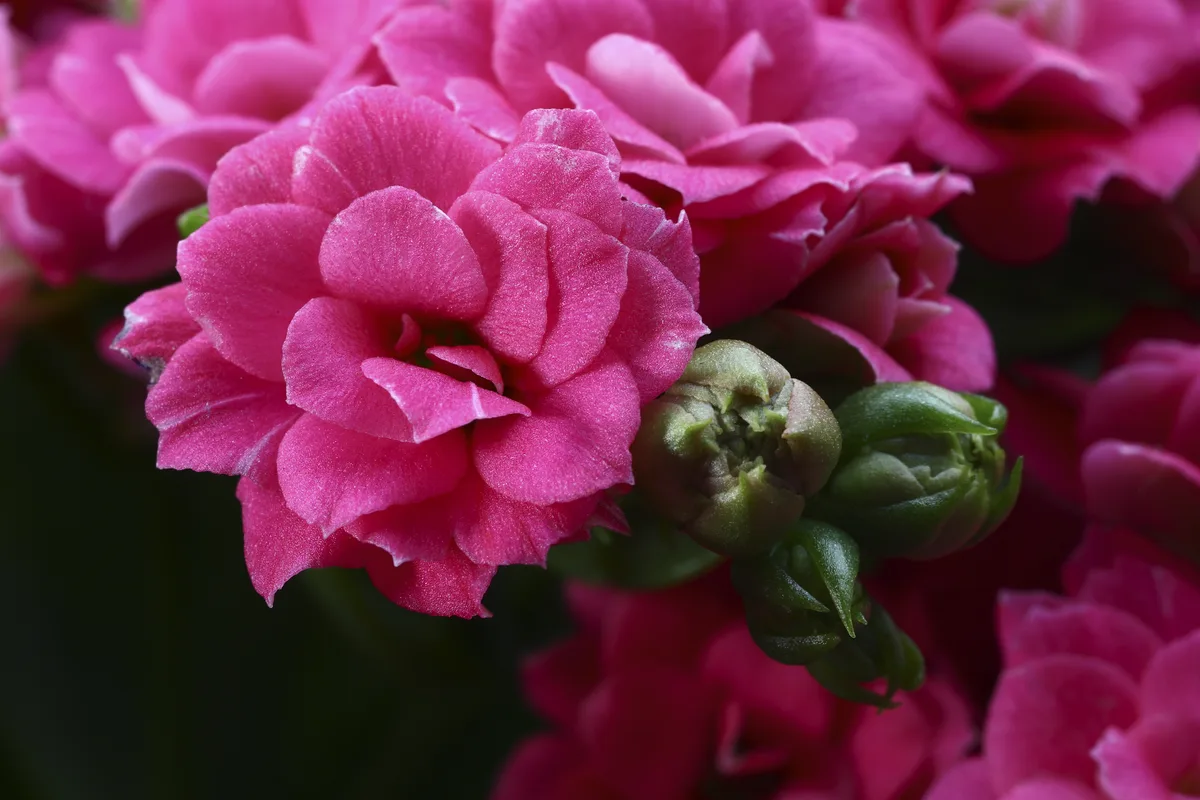 Can kill, more rarely
Kalanchoe
Kalanchoe spp.
A supermarket succulent that carries a heart-active toxin. The rhythm problem is rare, which is not the same as absent.
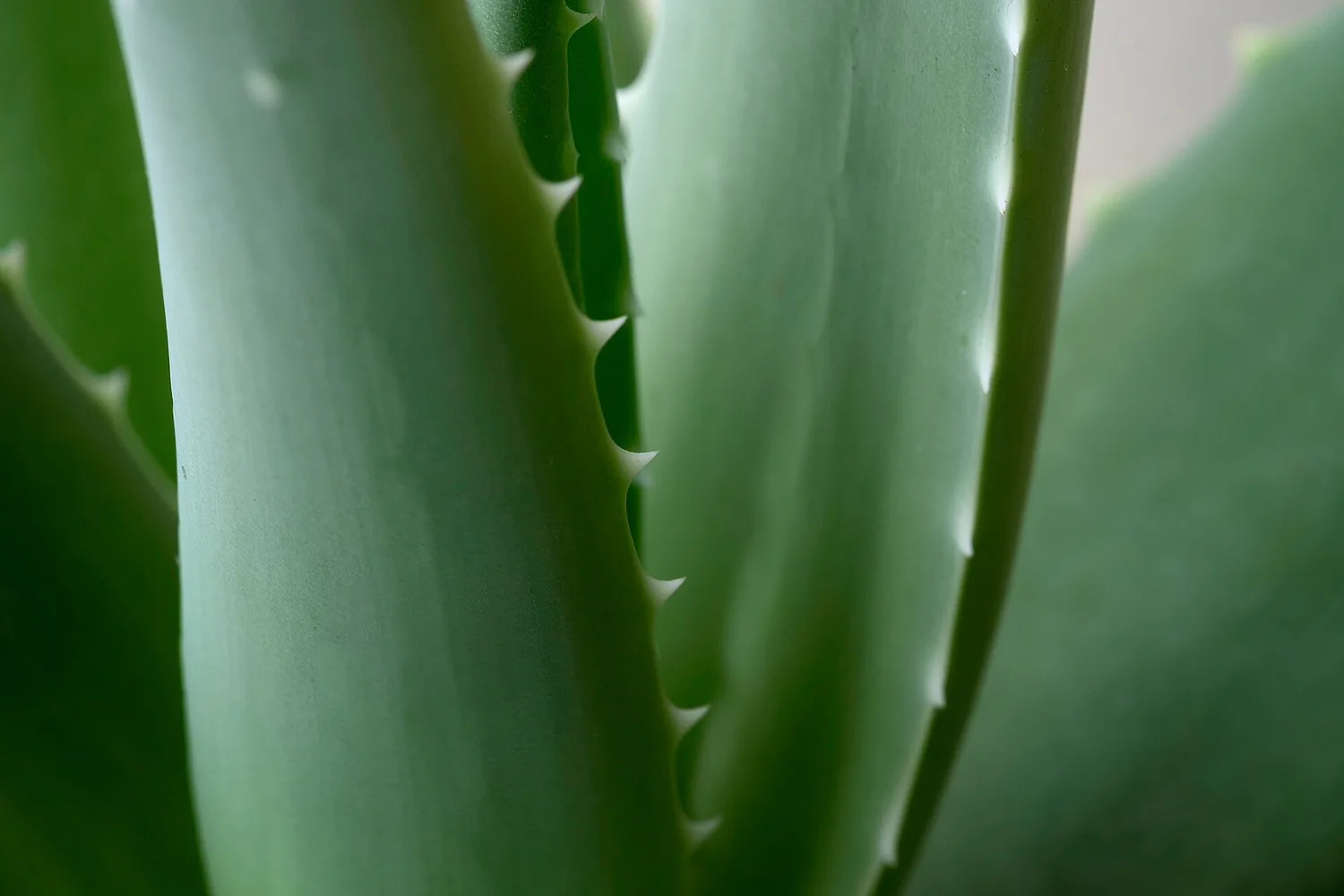 Irritating only
Aloe vera
Aloe barbadensis
The red urine is alarming and is not blood: it is a pigment from the plant. Worth knowing before a panic.
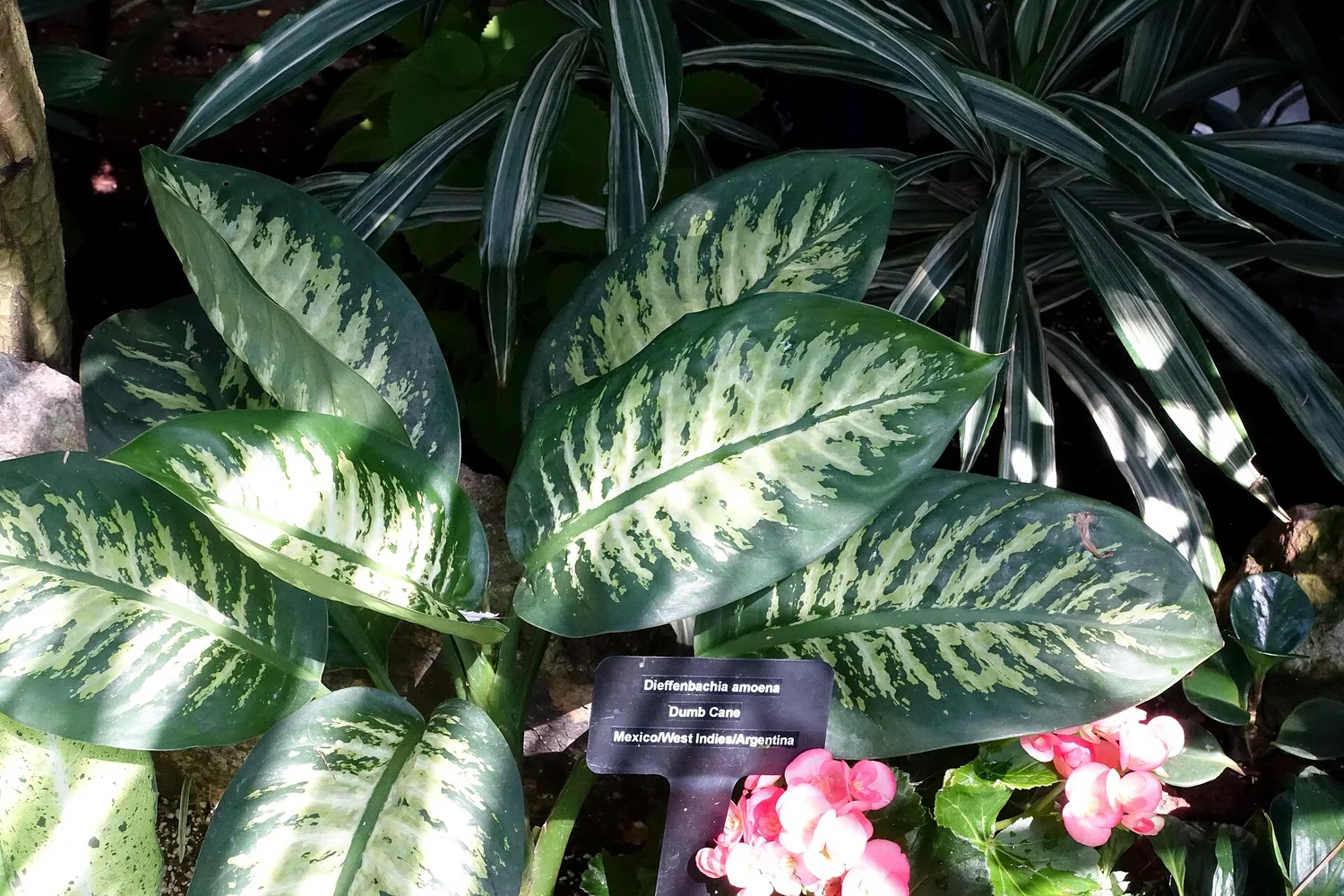 Irritating only
Dieffenbachia
Dieffenbachia spp.
Mild by default and an emergency the moment swallowing or breathing is affected: the swelling is the danger, not the poison.
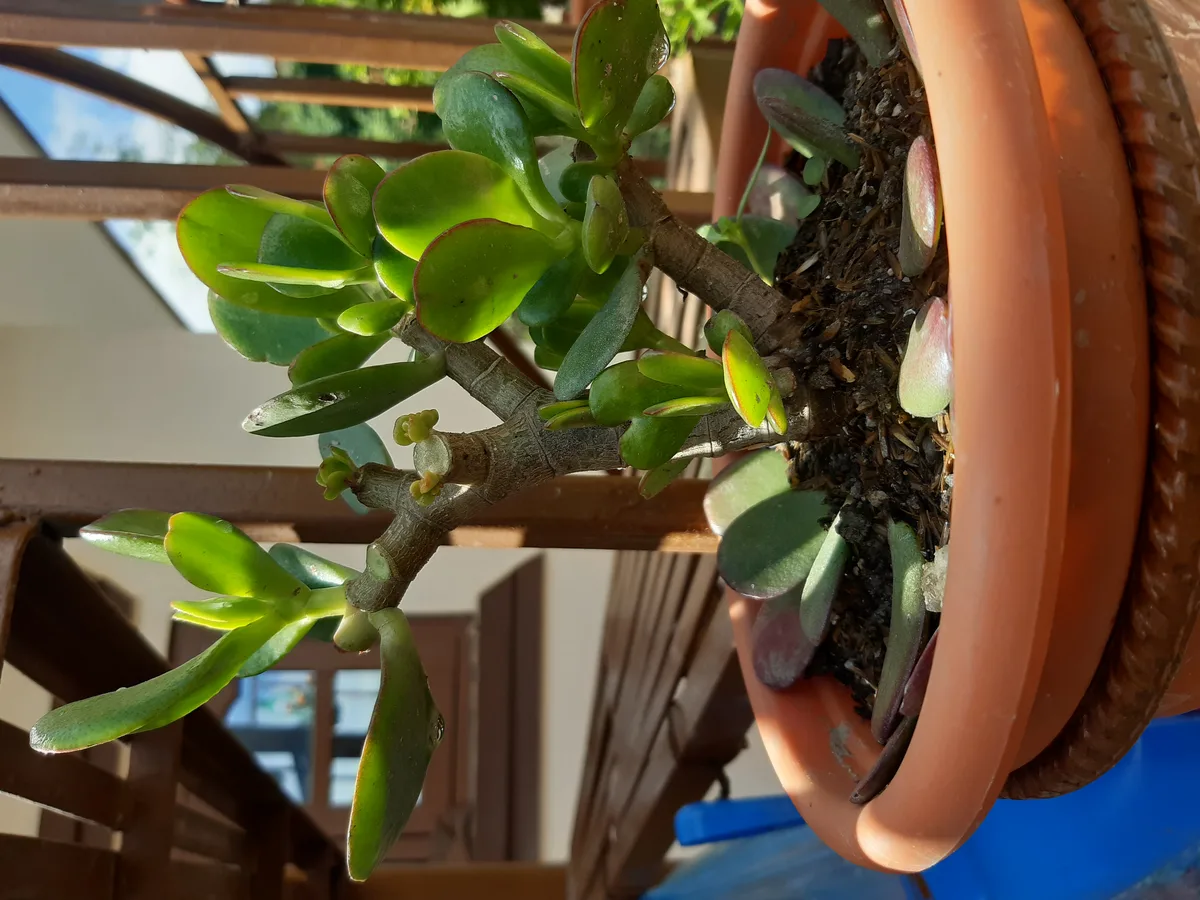 Irritating only
Jade plant
Crassula argentea
The loss of coordination is what sets it apart from a simple stomach upset, and the ASPCA lists the responsible substance as unknown.
 Irritating only
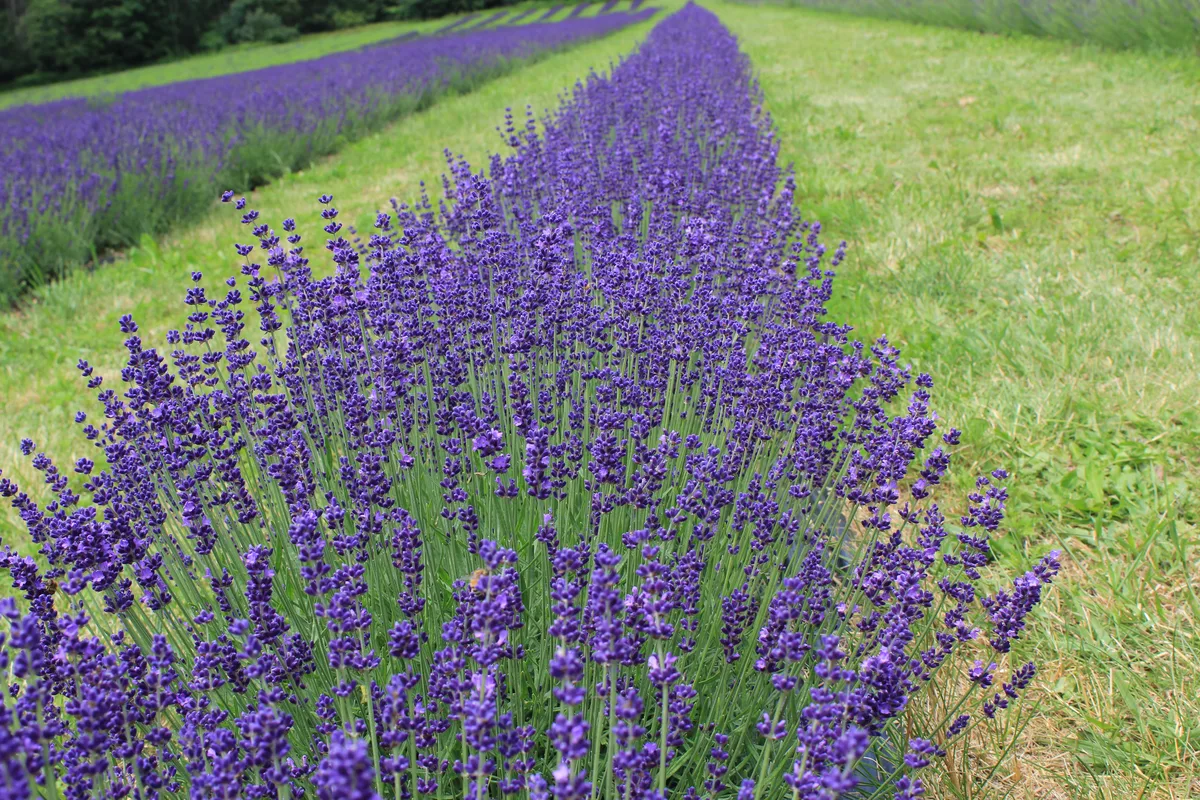
Lavender
Lavandula angustifolia
The plant on a windowsill is a minor problem. The oil in a diffuser is the one to think about, and it is not the same question.
 Irritating only
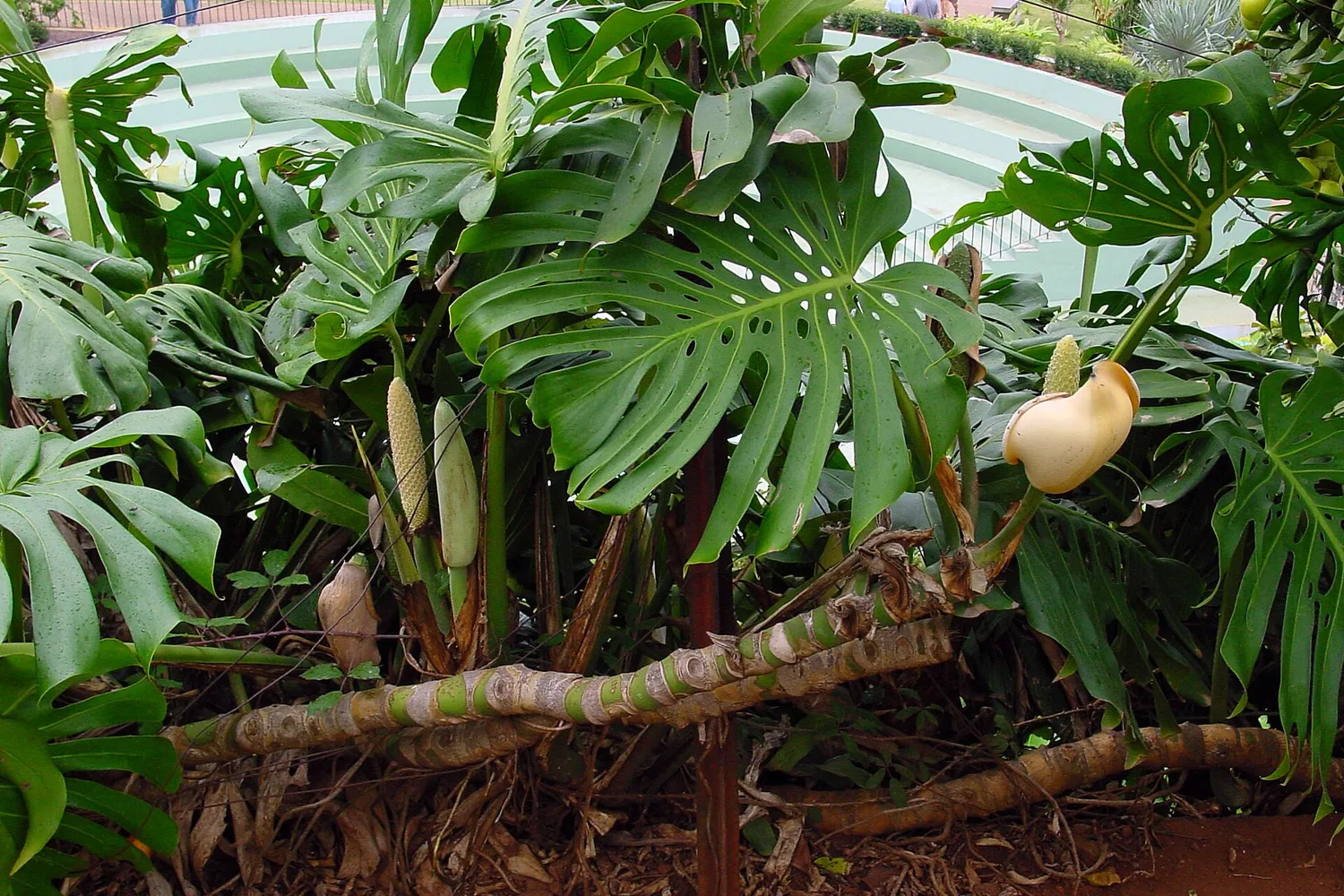
Monstera
Monstera deliciosa
Mild by default, and an emergency the moment swallowing or breathing is affected.
 Irritating only
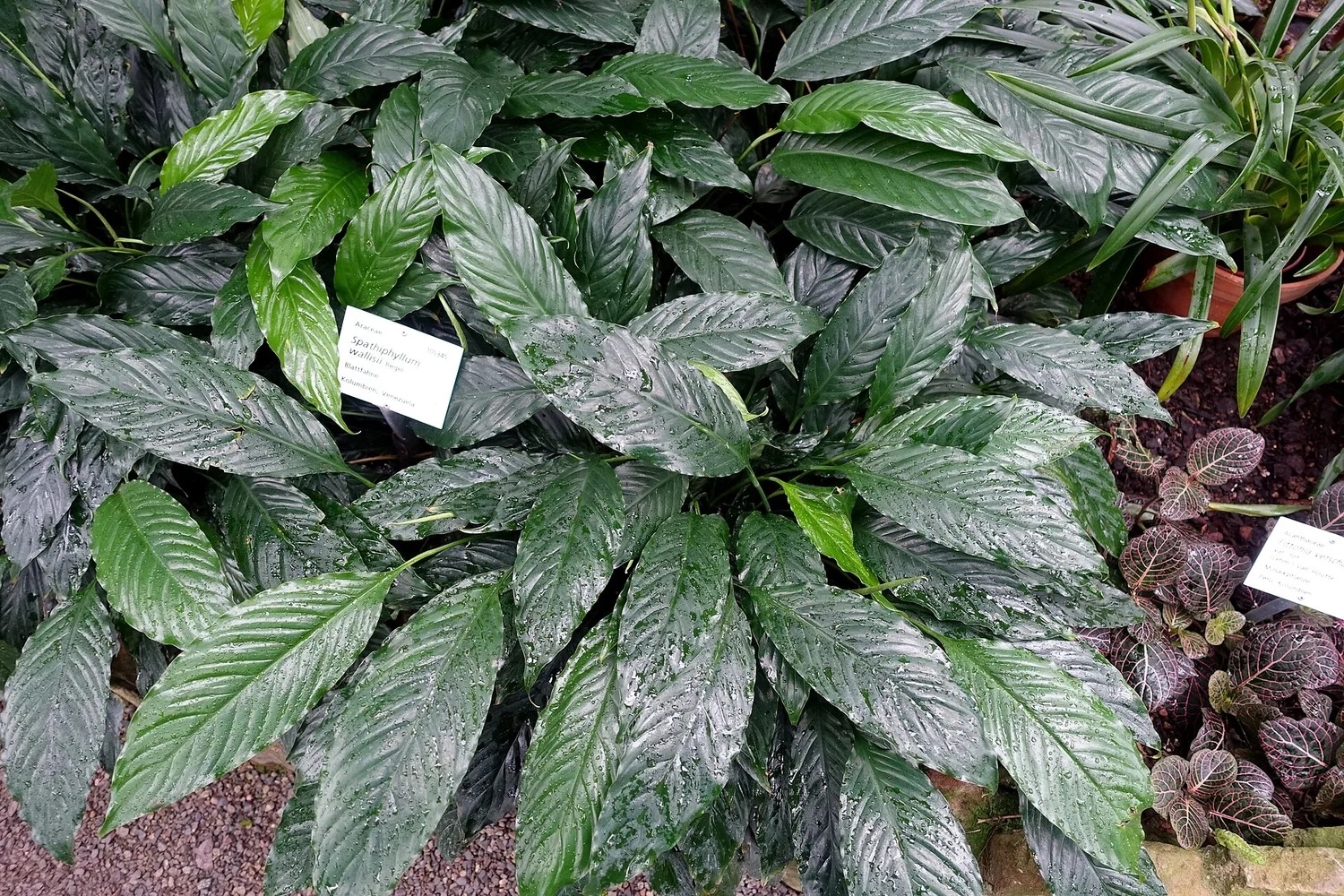
Peace lily
Spathiphyllum spp.
Not a lily, and the distinction is the whole page: it irritates the mouth and does not touch the kidneys.
 Irritating only
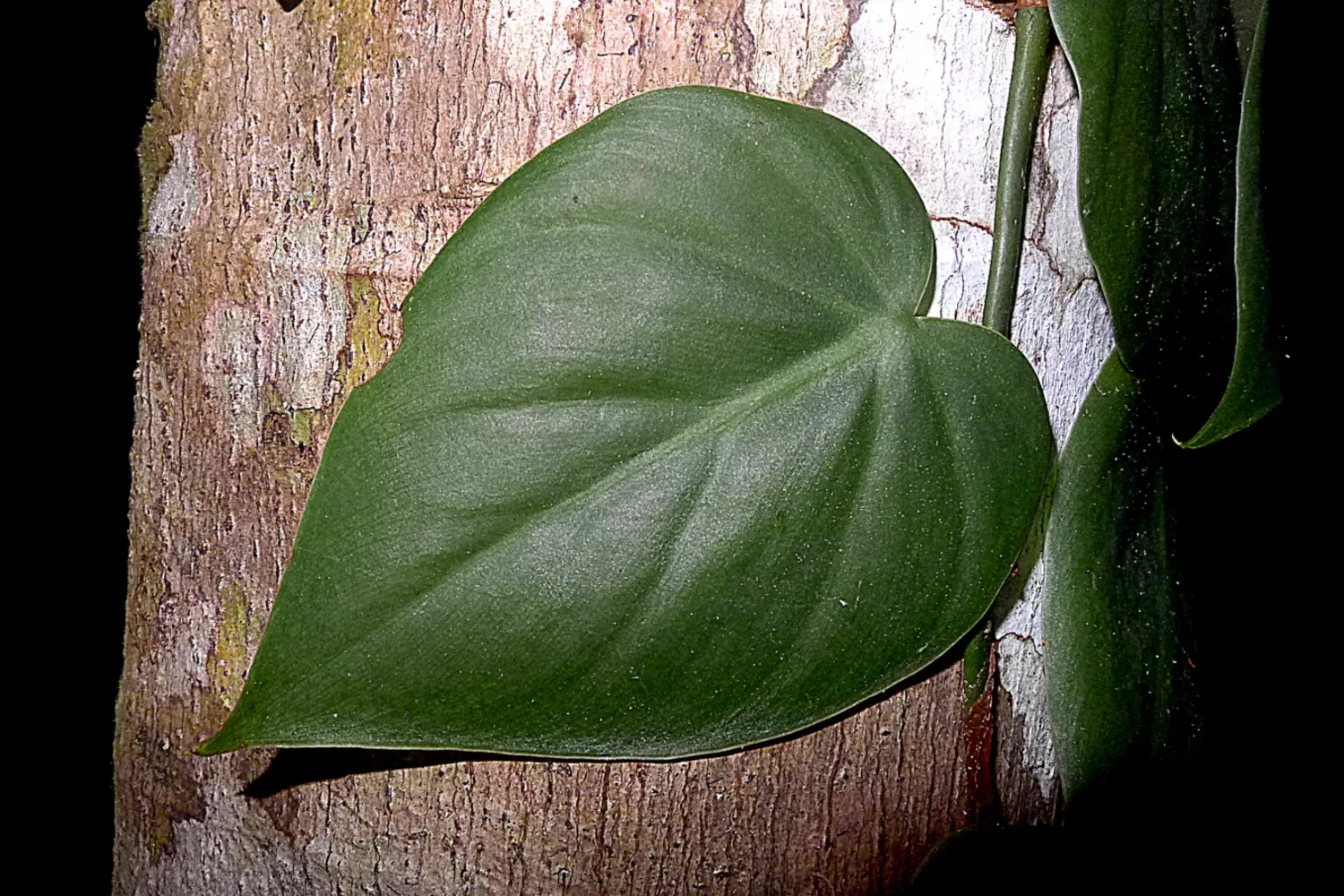
Philodendron
Philodendron hederaceum
Mild by default, and an emergency the moment swallowing or breathing is affected.
 Irritating only
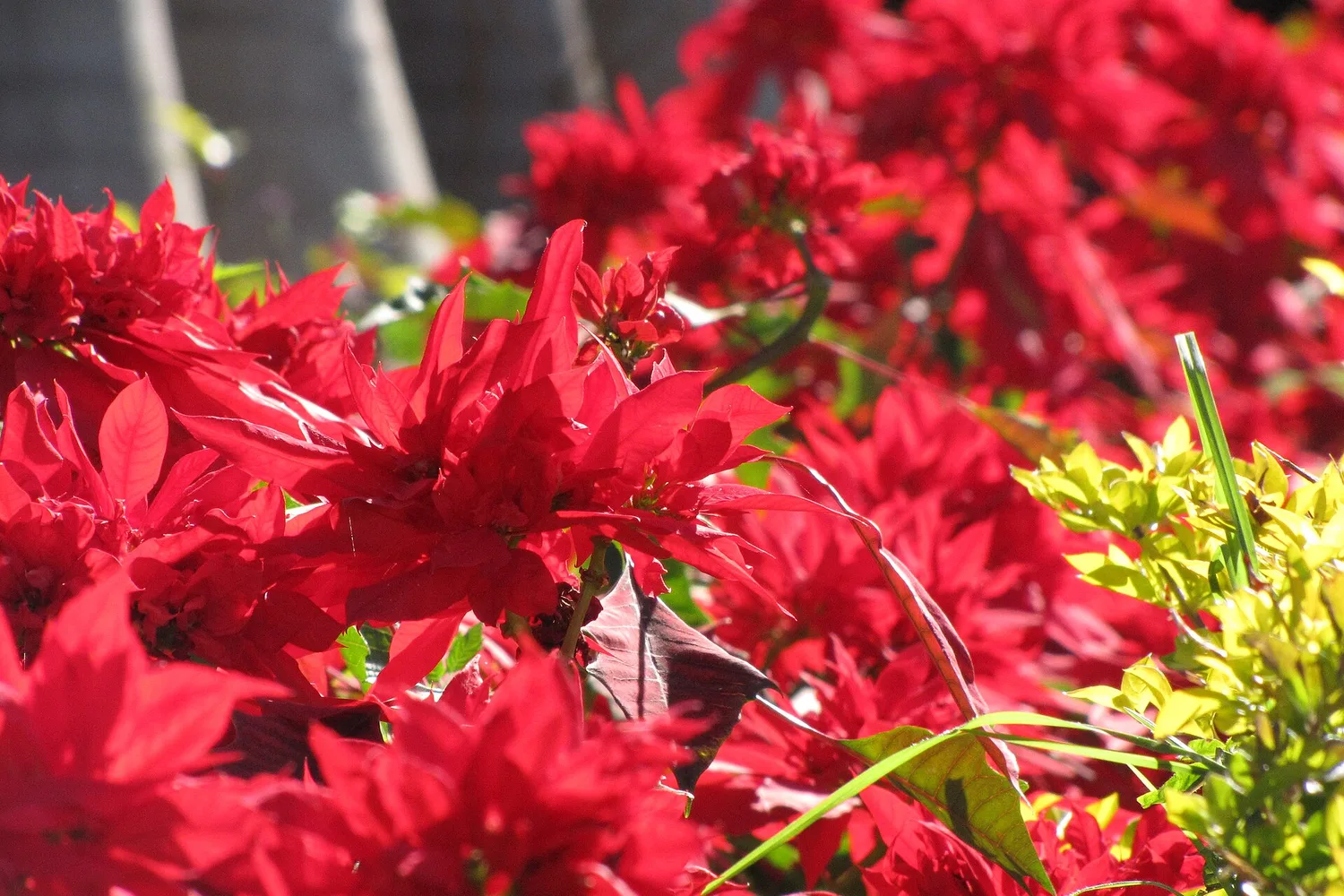
Poinsettia
Euphorbia pulcherrima
The ASPCA's own entry calls its toxicity generally over-rated, which is unusually blunt for a poison-control database and worth quoting.
 Irritating only
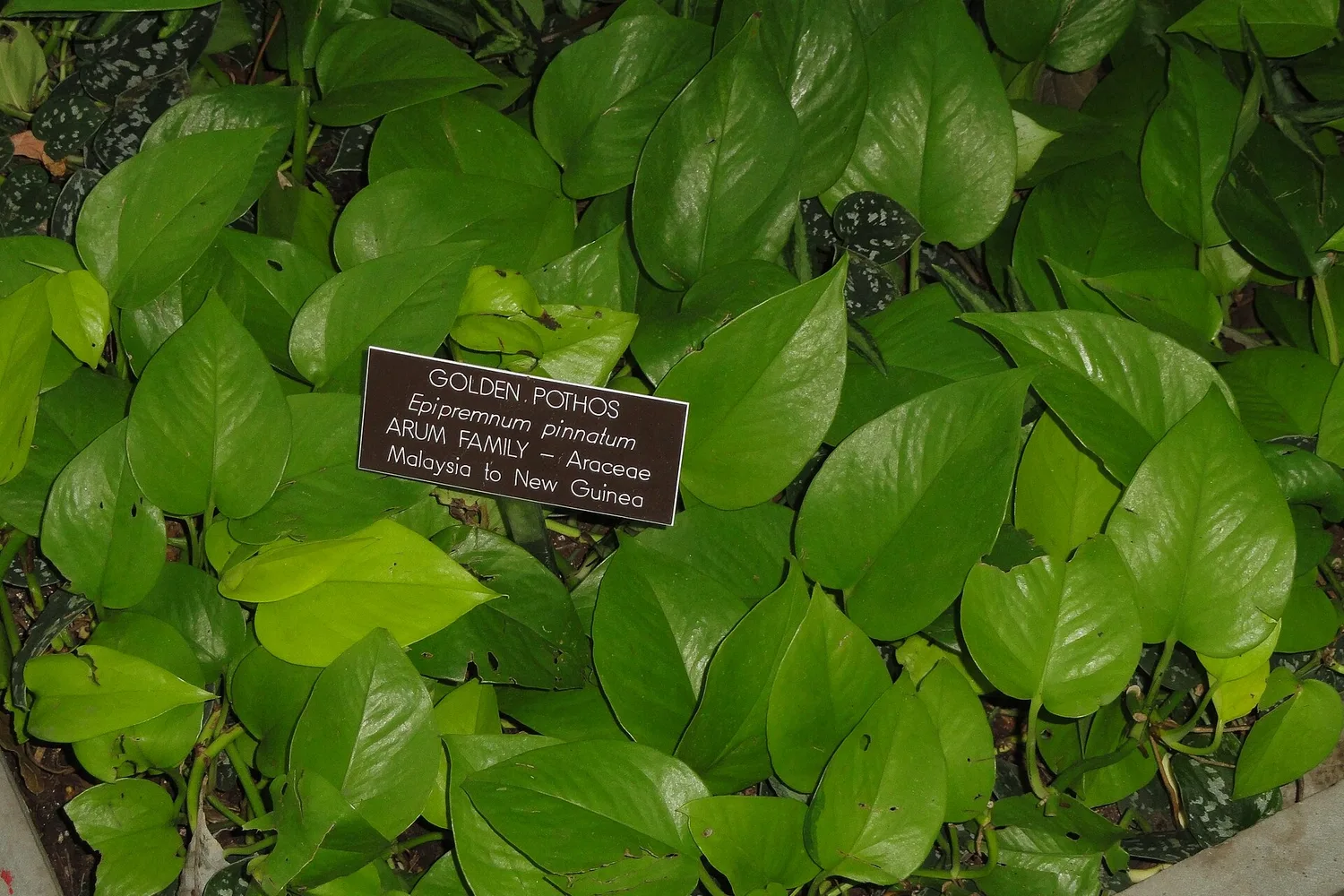
Pothos
Epipremnum aureum
Mild by default, and an emergency the moment swallowing or breathing is affected.
 Irritating only
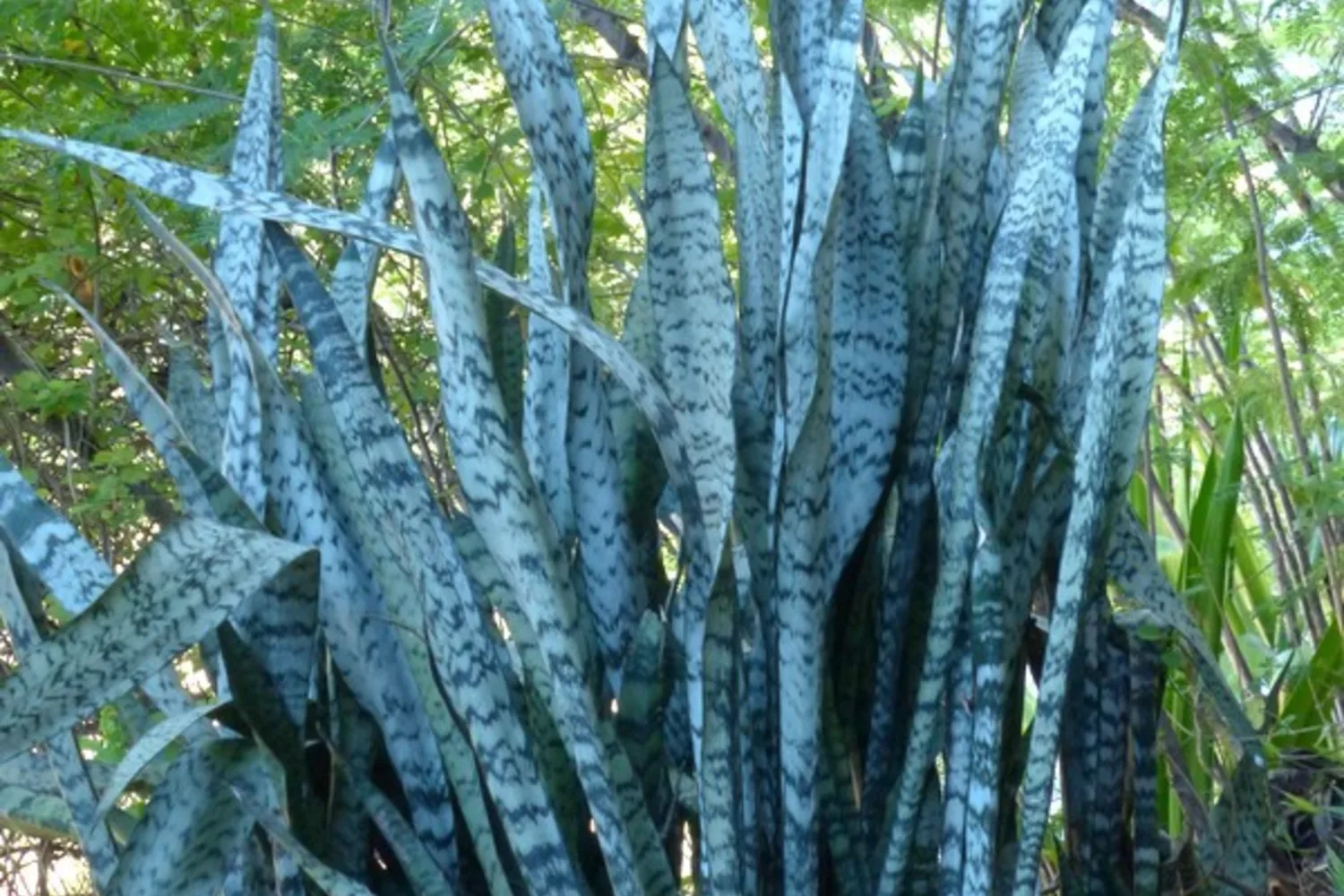
Snake plant
Sansevieria trifasciata
The ASPCA still files it under its old name, Sansevieria; botanists now call it Dracaena trifasciata. Same plant, same verdict.
 Irritating only
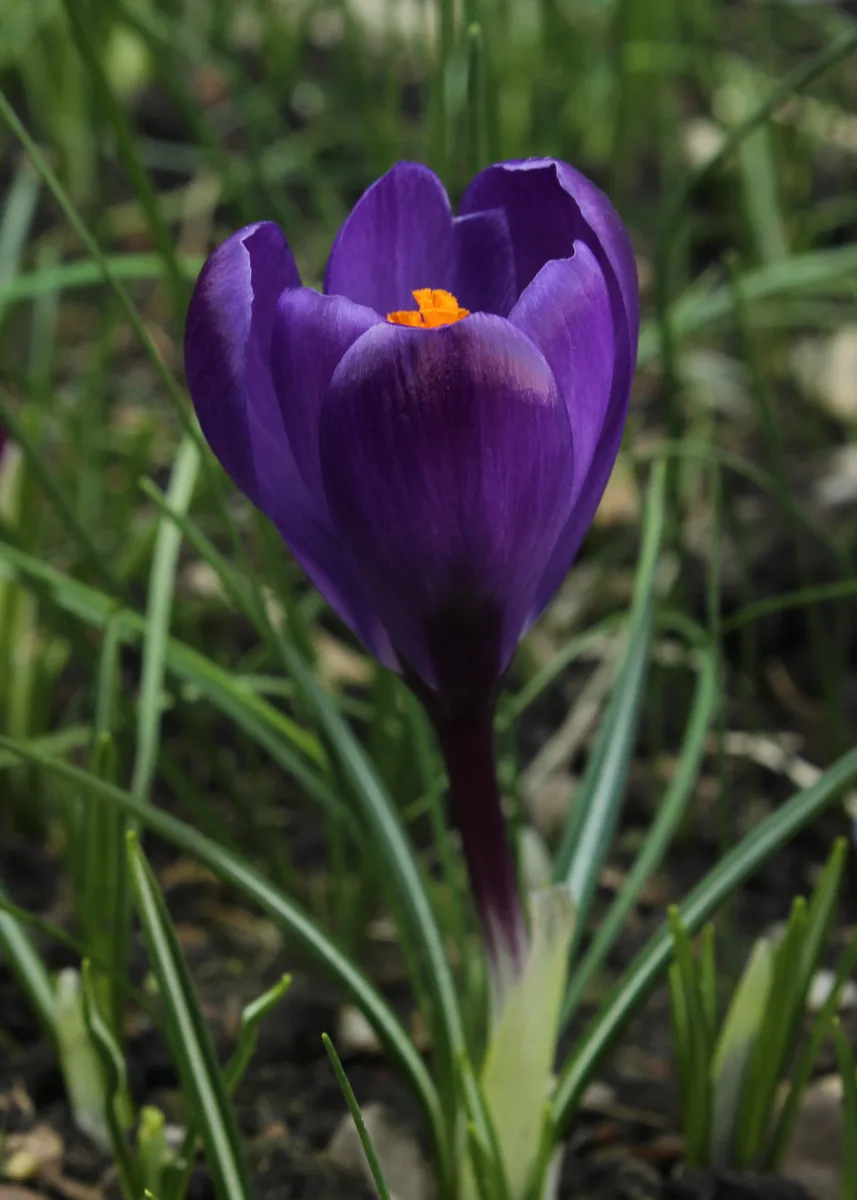
Spring crocus
Crocus spp.
A stomach upset, not an emergency, and not on the non-toxic list either. Both halves of that sentence matter, because this plant is usually described as one or the other and it is neither.
 Irritating only
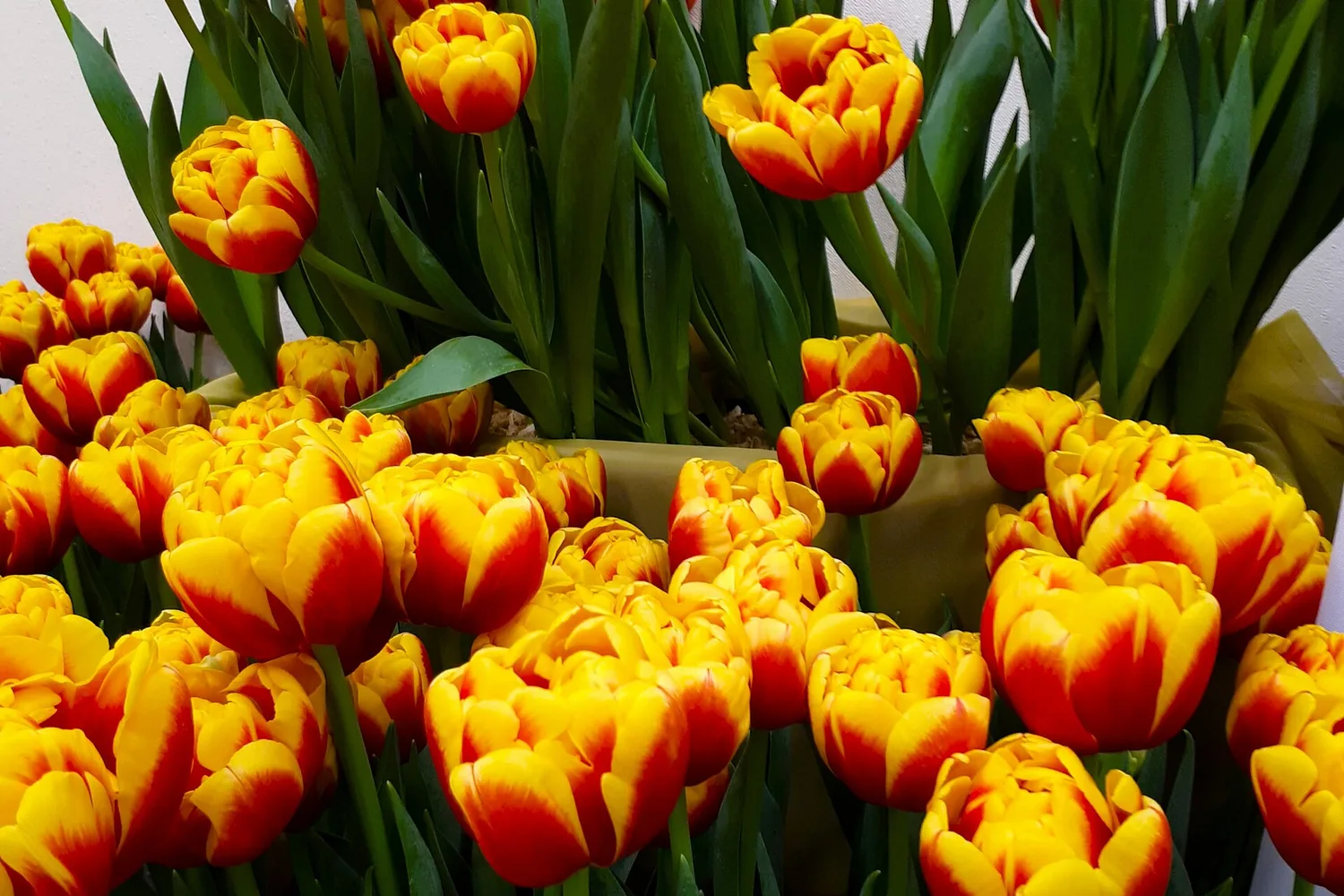
Tulip
Tulipa spp.
A chewed petal is an upset stomach. A dug-up bulb is a different conversation, and bulbs are stored in garages and cupboards where cats go.
 Listed as non-toxic
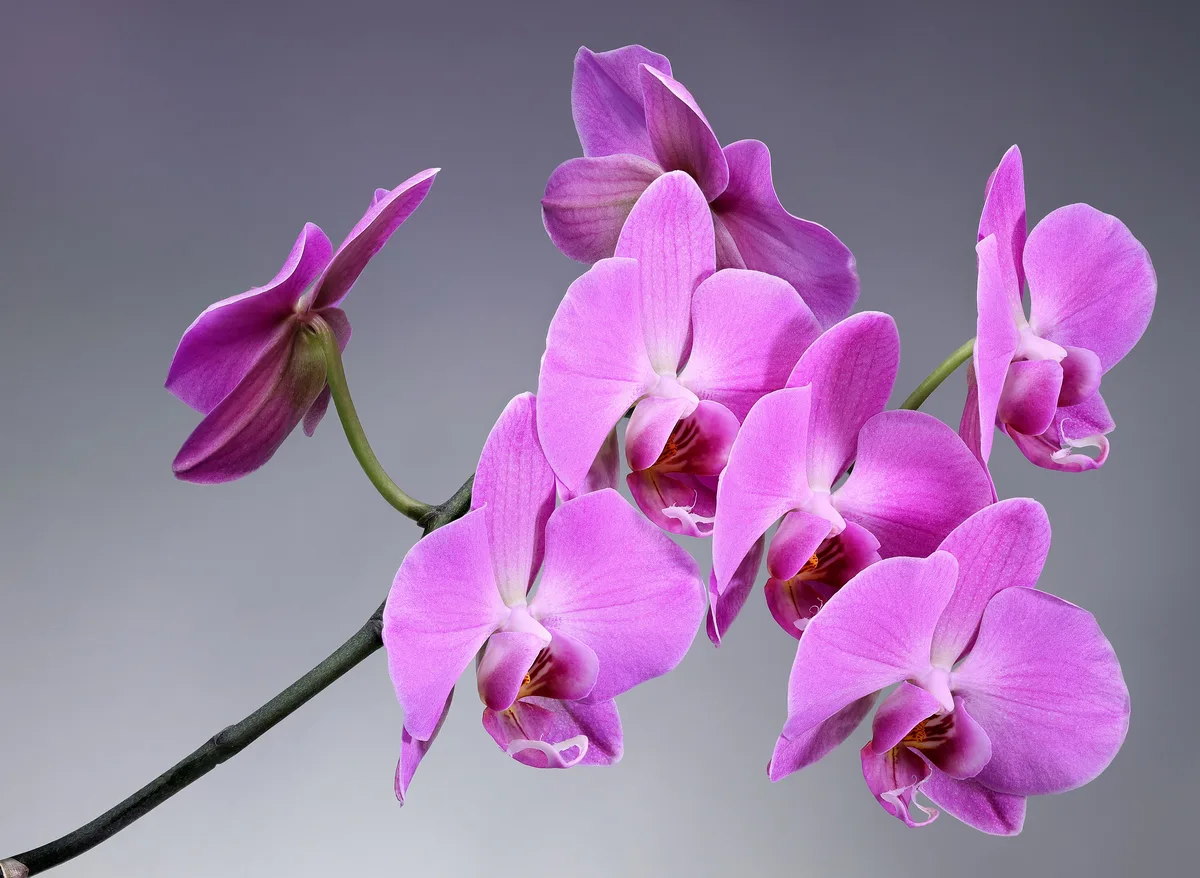
Orchid
Phalaenopsis spp.
The commonest houseplant orchid is listed as non-toxic. The bark, moss and fertiliser in the pot are a separate question.
 Listed as non-toxic
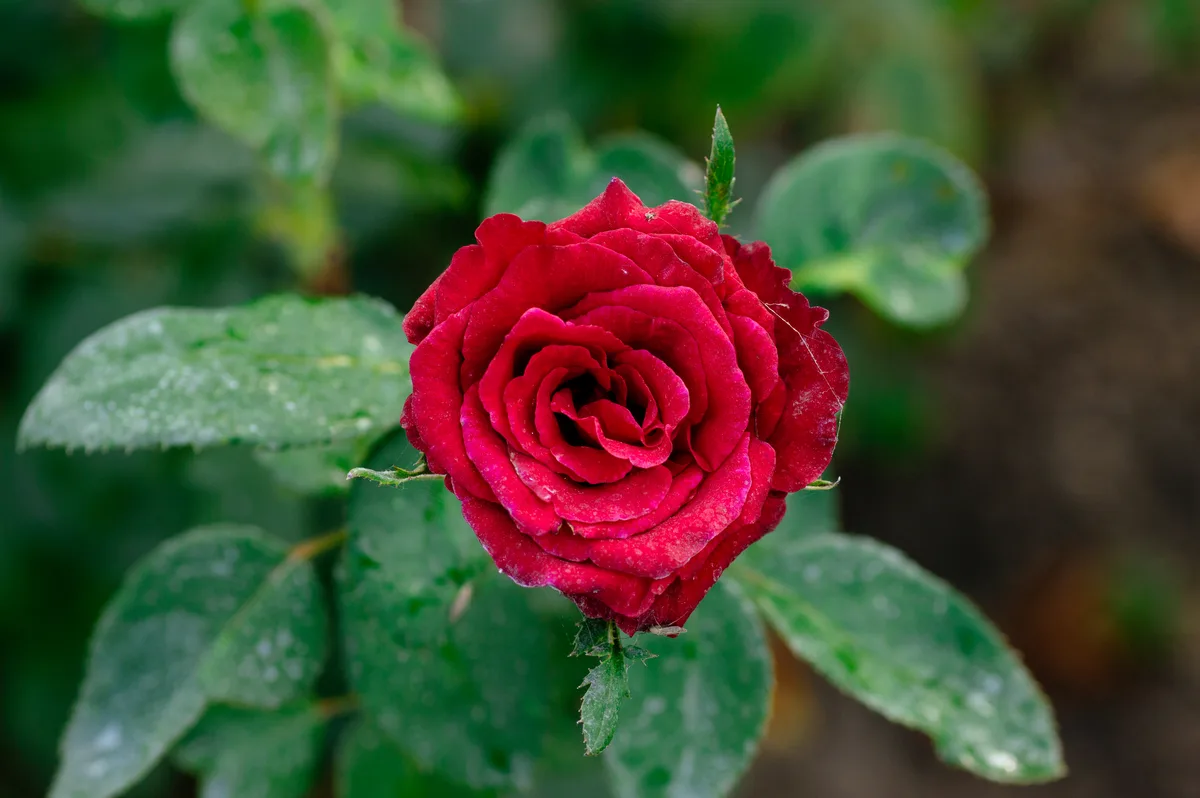
Rose
Rosa spp.
The thorns and whatever was sprayed on a florist's bouquet are the real hazards, and neither is a poisoning.
 Listed as non-toxic
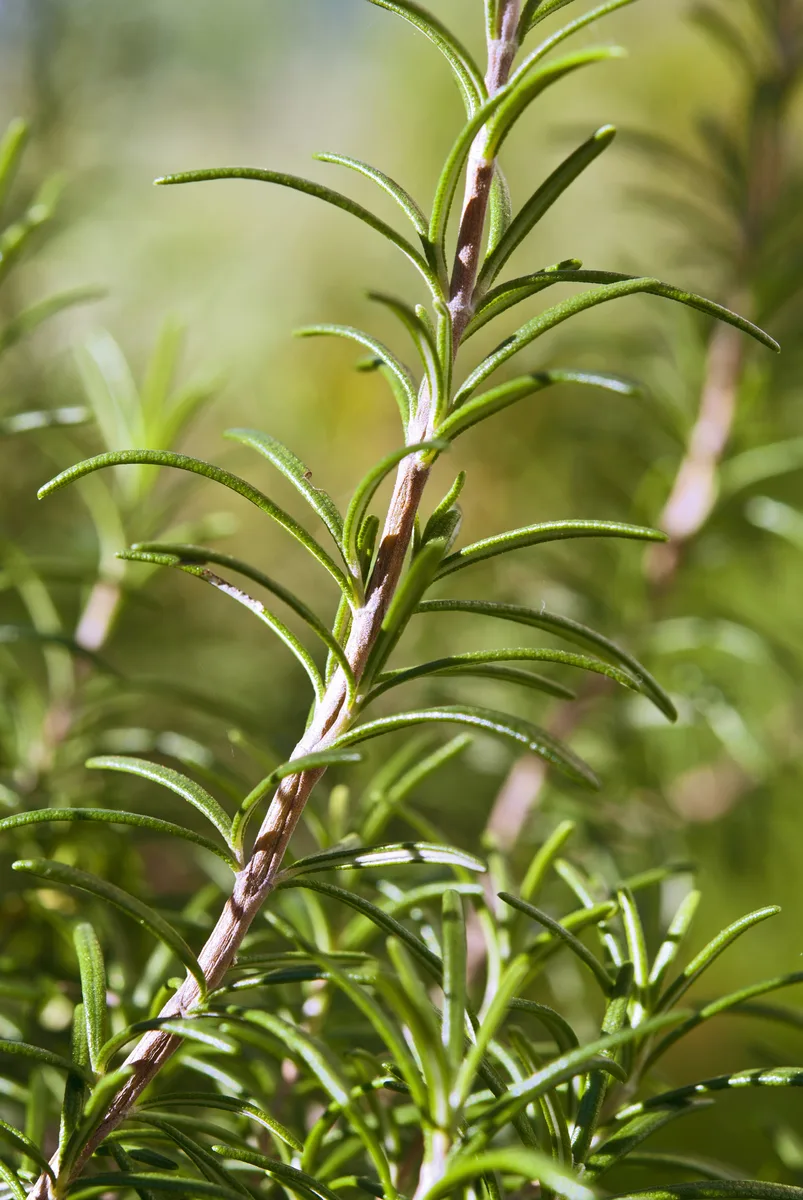
Rosemary
Rosmarinus officinalis
Listed non-toxic to cats, dogs and horses. As with lavender, the essential oil is a different and far more concentrated question.
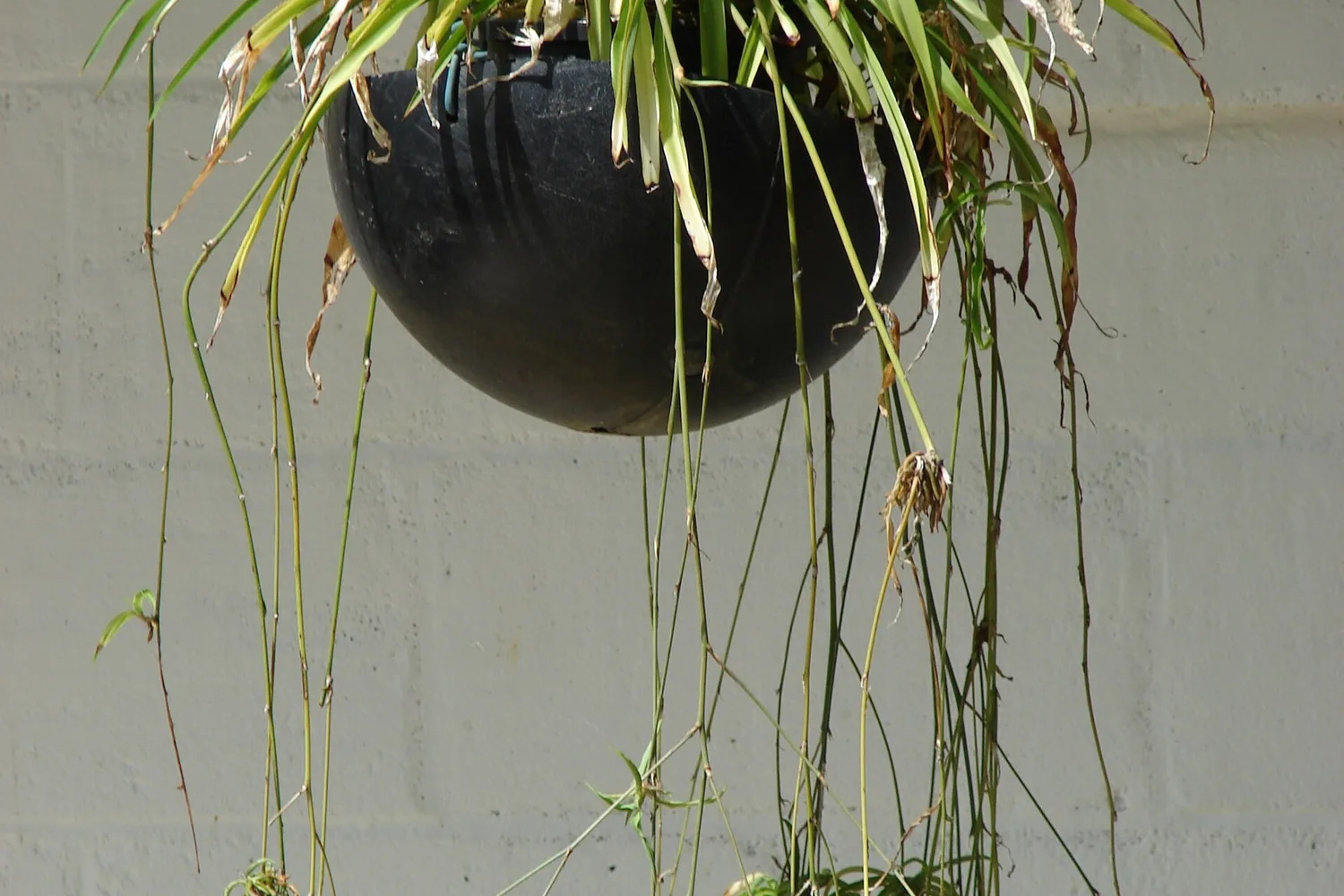 Listed as non-toxic
Spider plant
Chlorophytum comosum
Non-toxic, and cats are famously drawn to it. Eating a lot of any plant can still cause vomiting, which is a stomach matter rather than a poisoning.
In detail
Four plants that come up constantly, in full: what happens, how fast, and what they are mistaken for.
Cyclamen and cats: what the danger is
Cyclamen spp. · Primulaceae
Can kill, more rarely
For a cat
Serious
For a person
Serious
Mild from the leaves, dangerous from the tuber. The pot is the risk, not the flower.
Call your vet and describe what was eaten, how much, and when.
What actually happens
Terpenoid saponins are detergents. They break down cell membranes on contact, which irritates everything from the mouth down, and the tuber holds far more of them than the leaves and flowers do. That single fact is the whole risk assessment for this plant: a nibbled petal and a dug-up tuber are not the same event.
Toxic principle: Terpenoid saponins
Which parts: All parts, concentrated in the tuber.
The signs, in the order they appear
- Salivation
- Vomiting
- Diarrhea
- Heart rhythm abnormalities after large ingestions of the tuber
- Seizures
- Death
How fast: Drooling and stomach signs are the usual course. Heart rhythm abnormalities and seizures are documented after large quantities of tuber, and are described as uncommon.
How to recognize it
Flowers with petals swept sharply upwards, as though caught in the wind, on bare stalks above heart-shaped or kidney-shaped leaves that are usually marbled with silver. A winter pot plant across all four of our markets.
And for a person?
The same saponins irritate people, and the tuber is again the concentrated part. Reported human cases are largely a matter of handling and of accidental ingestion rather than serious poisoning.
Sources: ASPCA, Cyclamen · Indoor Companion Animal Poisoning by Plants in Europe, Frontiers in Veterinary Science · Pet Poison Helpline, Cyclamen
Daffodil and cats: what the danger is
Narcissus spp. · Amaryllidaceae
Also sold as Narcissus, Jonquil, Paper white.
Can kill, more rarely
For a cat
Serious
For a person
Serious
The ASPCA's list does not name death, but convulsions and heart-rhythm changes after a large ingestion put this well past an upset stomach.
Call your vet and describe what was eaten, how much, and when.
What actually happens
Lycorine is an emetic: it makes an animal sick, and in small exposures that is most of what happens. The bulb is a different proposition, holding the alkaloids in concentration alongside crystals that irritate on contact. Bulbs are the part stored in a garage or a cupboard over winter, which is exactly where a cat can find one loose.
Toxic principle: Lycorine and other alkaloids
Which parts: All parts. The bulb is the most poisonous, which matters because bulbs are stored where a cat can reach them.
The signs, in the order they appear
- Vomiting
- Salivation
- Diarrhea
- Convulsions after large ingestions
- Low blood pressure
- Tremors
- Cardiac arrhythmias
How fast: Vomiting, drooling and retching are the usual picture. Pet Poison Helpline notes that large amounts, and bulbs in particular, can bring on low blood pressure and weakness.
How to recognize it
Six petals behind a protruding central trumpet, one flower to a stem, above flat strap-shaped leaves. Yellow is the familiar form, but white and cream are just as common and just as toxic.
Sources: ASPCA, Daffodil · Pet Poison Helpline, Narcissus
Kalanchoe and cats: what the danger is
Kalanchoe spp. · Crassulaceae
Also sold as Mother of millions, Devil's backbone, Chandelier plant.
Can kill, more rarely
For a cat
Serious
For a person
Nobody has documented the risk to a person. That is not the same as safe.
A supermarket succulent that carries a heart-active toxin. The rhythm problem is rare, which is not the same as absent.
Call your vet and describe what was eaten, how much, and when.
What actually happens
Bufadienolides are heart-active molecules, chemically close to the toxin a toad secretes, and that sounds far worse than the usual outcome. Pet Poison Helpline is clear that in cats and dogs the result is most often an upset stomach, with rhythm changes, weakness and collapse reserved for a large ingestion. Both halves of that sentence matter: the risk is real and it is not the likely case.
Toxic principle: Bufodienolides
Which parts: All parts.
The signs, in the order they appear
- Vomiting
- Diarrhea
- Abnormal heart rhythm, rarely
How to recognize it
A compact succulent with thick, scalloped, glossy leaves and dense flat-topped heads of small flowers in yellow, orange, pink or red. Sold everywhere as a supermarket pot plant in winter.
What it gets confused with
Mother of thousands and mother of millions
Different Kalanchoe species, sold under those names, which grow plantlets along the leaf edges.
Why it matters: Pet Poison Helpline lists them under the same entry. Those dropped plantlets root everywhere, which spreads the plant into places nobody chose to put it.
Sources: ASPCA, Kalanchoe · Pet Poison Helpline, Kalanchoe
Dieffenbachia and cats: what the danger is
Dieffenbachia spp. · Araceae
Also sold as Dumb cane, Tropic snow, Exotica.
Irritating only
For a cat
Irritating
For a person
Irritating
Mild by default and an emergency the moment swallowing or breathing is affected: the swelling is the danger, not the poison.
Call your vet and describe what was eaten, how much, and when.
What actually happens
The name calcium oxalate suggests a chemical burn. It is closer to a mechanical one. The leaves carry specialised cells called idioblasts, packed with bundles of needle-sharp crystals held in a gel. Chewing bursts those cells, the gel swells, and the pressure fires the needles out with real force. They go on firing after the bite, down the throat and into the stomach, which is why the pain does not stop when the mouthful does. A proteolytic enzyme in the same sap then triggers a histamine release, so the tissue swells as well as being punctured. That swelling, and not the toxin, is what can turn this from painful into dangerous.
Toxic principle: Insoluble calcium oxalates, proteolytic enzyme
Which parts: Sap and leaves.
The signs, in the order they appear
- Oral irritation
- Intense burning of mouth, tongue and lips
- Excessive drooling
- Vomiting
- Difficulty swallowing
How fast: Fast. Drooling and trouble swallowing come on rapidly, which is the one mercy here: the pain is immediate, so a cat almost always spits the mouthful out before swallowing much of it. Watch the swallowing and the breathing over the next few hours, and call your vet if either changes.
How to recognize it
Large oval leaves, dark green with broad cream or yellow markings down the center, growing from thick upright canes. One of the commonest office and living-room plants.
What it gets confused with
Both are aroids with the same crystals, and young plants of each are sold in similar pots.
Why it matters: Here the confusion is harmless: same mechanism, same verdict, same advice. Not every look-alike pair is a trap, and saying so is part of the job.
And for a person?
The same crystals fire in a human mouth, and the effect is the same burning and swelling. The old name for dieffenbachia, dumb cane, comes from exactly this: a swollen tongue that cannot form words.
Sources: ASPCA, Dieffenbachia · Indoor Companion Animal Poisoning by Plants in Europe, Frontiers in Veterinary Science
Spring crocus and cats: what the danger is
Crocus spp. · Iridaceae
Also sold as Dutch crocus, Snow crocus, Giant crocus, Crocus vernus, Crocus chrysanthus, Crocus tommasinianus.
Irritating only
For a cat
Irritating
For a person
Nobody has documented the risk to a person. That is not the same as safe.
A stomach upset, not an emergency, and not on the non-toxic list either. Both halves of that sentence matter, because this plant is usually described as one or the other and it is neither.
Call your vet and describe what was eaten, how much, and when.
What actually happens
The whole difficulty with this plant is its name. Pet Poison Helpline, the one poison service that publishes a dedicated entry for the true crocus, records drooling, vomiting, loss of appetite and diarrhea, and goes out of its way to say that spring-blooming crocuses are not to be confused with the autumn crocus, which causes severe kidney and liver injury. The ASPCA's plant database has no entry for the true crocus at all, which is a silence and not a verdict, so this page rests on a single named source and says so. What is not in doubt is the botany: Crocus belongs to the iris family, Colchicum to a different family entirely, and the saffron of cooking comes from a true crocus.
Toxic principle: Not named by the sources we accept. Pet Poison Helpline describes the effects without identifying the compound.
Which parts: Not broken down by part in the source. Bulbs are the part left within reach in sheds and cupboards over winter, as with any garden bulb.
The signs, in the order they appear
- Drooling
- Vomiting
- Loss of appetite
- Diarrhea
How fast: Stomach signs. If your cat is unwell after eating any plant, describe what it was and when, and let your vet decide whether it matters. The urgent question with a crocus-shaped flower is which plant it actually was.
How to recognize it
Count the stamens. A true crocus has THREE, a colchicum has SIX with orange anthers. That is the one test that works, and it works in any season. The second tell is the leaves: crocus leaves, narrow and grass-like with a pale central stripe, are present while the flower is open, whereas a colchicum flowers out of bare ground with no leaves at all, which is where its name naked ladies comes from. Both grow from corms and both hold their flower stem underground.
What it gets confused with
They look alike, share the word crocus, and both push a goblet-shaped flower straight out of the ground. They are not related: different families, different chemistry.
Why it matters: This is the confusion that kills, and it runs the dangerous way round. Mistaking a colchicum for a crocus turns a lethal plant into a reassurance. Count the stamens: three is a crocus, six is a colchicum.
Saffron crocus
Crocus sativus is a genuine crocus that flowers in AUTUMN, and it is also sometimes called autumn crocus. Meanwhile the deadly Colchicum autumnale is commonly called meadow saffron and is not the source of saffron at all.
Why it matters: The season rule that most lists give you, autumn means deadly, is not safe. Two harmless true crocuses bloom in autumn and one lethal colchicum is named after saffron. The names have been swapped in every direction; the stamens have not.
And for a person?
Not documented as a significant hazard to people. The genus is the source of saffron, harvested from the stigmas of Crocus sativus, which is eaten worldwide. That says nothing about the ornamental garden species, but it does place the genus a long way from the colchicine family.
Sources: Pet Poison Helpline, Crocus (Crocus spp.) · Crocus, genus description, family Iridaceae, Wikipedia · Colchicum autumnale, six tepals and six stamens, family Colchicaceae, Wikipedia
Would you have spotted it?
One photograph at a time, one question each. No names until you have answered, because recognising a plant is the part that actually protects a cat. Every plant that can kill is in the test, so it runs a little longer than a round number, and the ones people get wrong are almost never the ones they expect.
Twdragon · CC BY-SA 3.0 · Wikimedia Commons
Your cat is nibbling this plant. Should you worry?
Frequently asked questions
- Which plant is the most dangerous for a cat?
- True lilies (Lilium) and daylilies (Hemerocallis). They cause acute kidney failure, cats are the only species known to be affected, and every part counts including the pollen and the water in the vase. If your cat may have touched one, call a vet now rather than waiting for a symptom.
- Is a peace lily a lily?
- No, and the difference matters more than the name. A peace lily (Spathiphyllum) irritates the mouth and throat through calcium oxalates. A true lily attacks the kidneys. Same word on the label, two completely different emergencies.
- My cat chewed a leaf but seems fine. Should I wait?
- Not for the plants on this page marked as able to kill. With a true lily, a cat can look perfectly normal while the kidneys are already being damaged, and treatment works far better before the signs appear than after. For anything else, call your vet and describe what was eaten, how much, and when.
- Are the plants sold as cat-safe actually safe?
- A label is a trade name, not a botanical one, and the two often disagree. Two very different plants can be sold under the same word, and one of them may be the dangerous one. When it matters, check the scientific name on this page rather than the tag on the pot.
This is information, not veterinary advice, and it cannot tell you what is wrong with your cat. Our rule is a simple one: if something is wrong with your cat, call your vet, and call an emergency clinic if it is out of hours. Nothing you read here is a reason to wait.

Worth keeping a paw on
Pin this list
To have it at hand the day your cat sniffs a plant you cannot name. One click and it sits in your board.
Pin it on Pinterest