

Cat food hub
Feeding your cat right
Cats are strict carnivores: they need a diet rich in animal protein, not one designed for humans or dogs. Feed them right and you head off a lot of weight, urinary and digestive problems.
Our guides explain how to choose dry and wet food, how much to serve, how often, and which foods are dangerous. All fact-checked, without pushing any brand: we give you the criteria so you can decide for yourself.
Verified, neutral guidance, marketing-free
Explore by topic
Our cat food guides
The basics

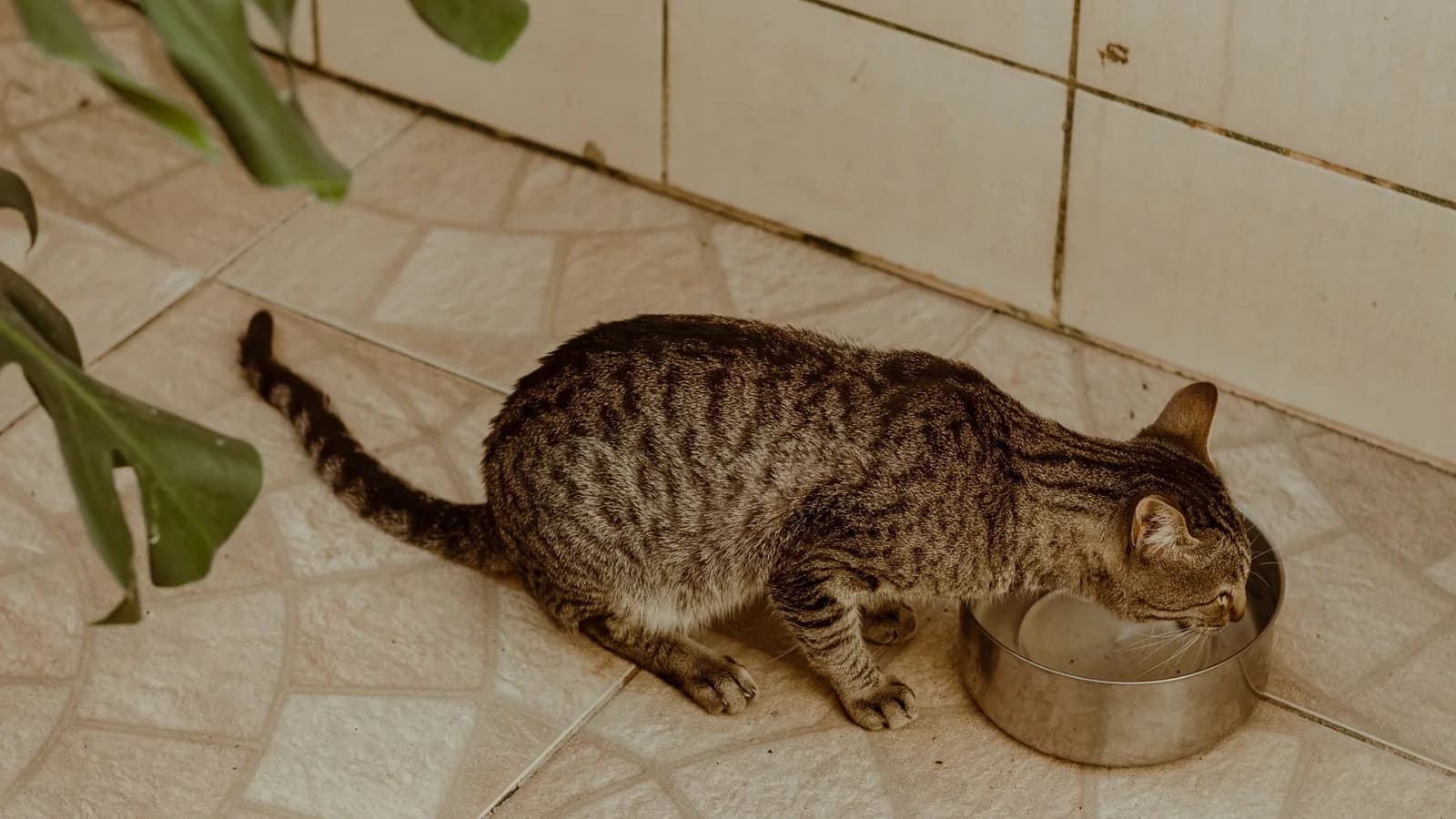
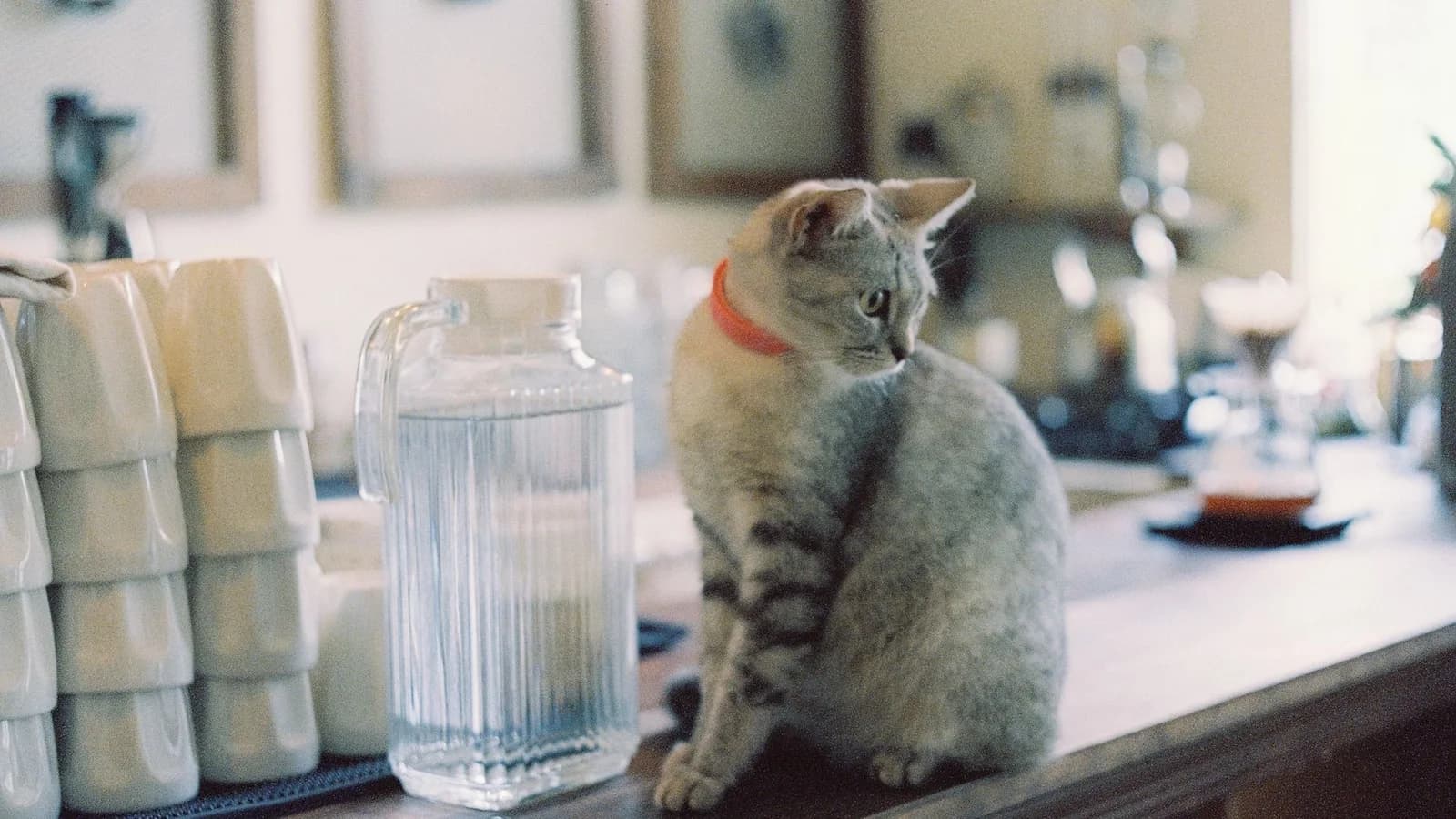
What cats can't eat


Frequently asked questions about cat food
Dry food or wet food: which should I choose?
Both have their place. Dry food is convenient and energy-dense but low in water; wet food brings plenty of moisture, a real plus for a cat that doesn't drink much and for urinary and kidney health. Combining the two is often the best compromise. Either way, look for a food labeled complete and balanced, with a good ingredient list and plenty of animal protein.
How often should I feed my cat?
Cats naturally eat many small meals. Splitting the day's food into several small meals (or using a feeder or a puzzle bowl) fits their rhythm better. Adjust the total amount to weight, age, activity and spay/neuter status, and keep a regular eye on their weight.
Can I leave food out all day?
Permanent free-feeding suits the rare cats that self-regulate, but it drives weight gain in most. Better to measure the daily amount, even if you split it into several small meals. A cat that's gaining weight should switch to measured portions.
Which foods are dangerous for cats?
Among the most toxic: onion, garlic and leek, chocolate, grapes and raisins, alcohol, caffeine, plus cooked bones and raw bread dough. Xylitol is a proven danger for dogs; the cat evidence is thin, so we still say avoid it. Milk often causes diarrhea in adults. If your cat swallows any of these, call your vet, ASPCA Animal Poison Control or the Pet Poison Helpline right away (in the UK, your vet or the Animal PoisonLine).
Our advice is general and verified. For a sick, overweight or special-needs cat, diet is a decision to make with your veterinarian.