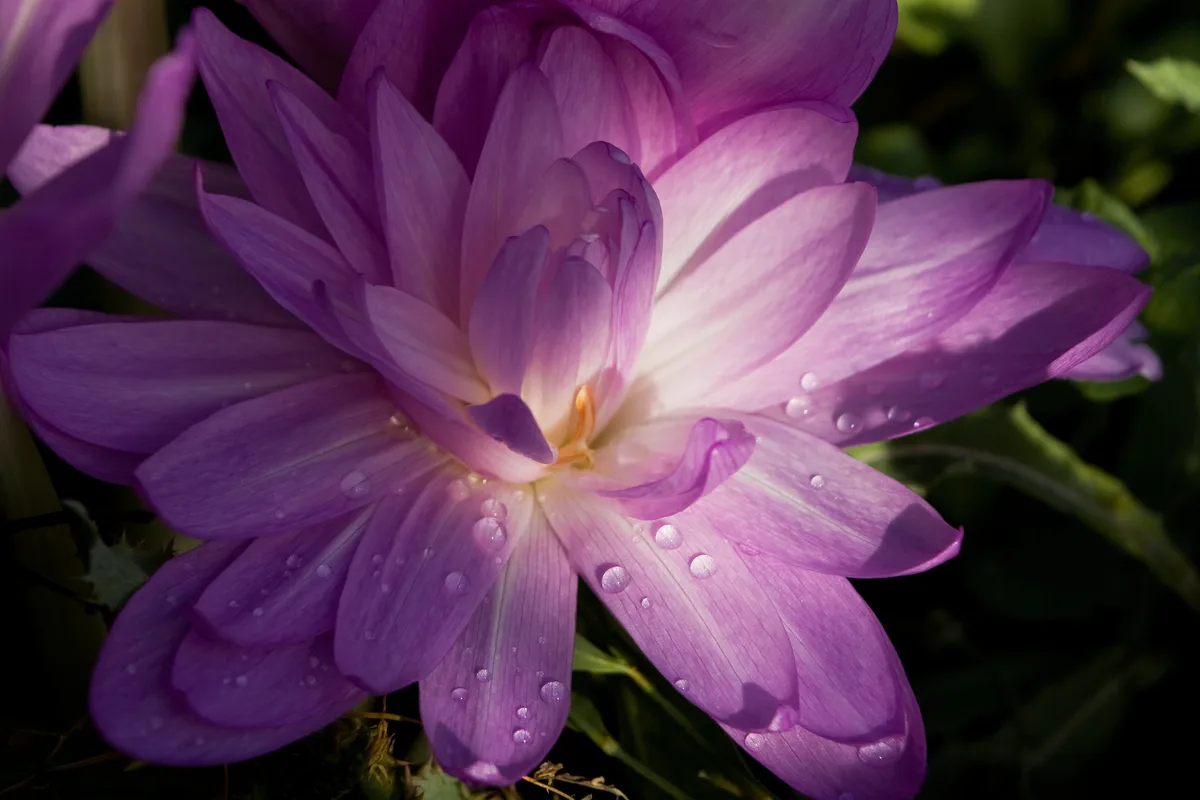


Is True lily toxic to cats?
Lilium spp. · Liliaceae
Yes. Can kill a cat.
The single most dangerous common plant for a cat, and cats are the only species known to be affected.
For a cat
Can kill
For a person
Irritating
What to watch for
- Vomiting
- Loss of appetite
- Lethargy
- Kidney failure
- Death is possible
First signs one to six hours after exposure, usually loss of appetite, lethargy, drooling and vomiting. Kidney injury develops within twelve to seventy-two hours. The gap between the two is the reason to call early: a cat can look like it has recovered while the damage is under way.
The numbers
1 to 2 leaves, or one flower
How little it takes
Bertero et al. 2020, reporting cases
12 to 72 hours
Window for kidney injury
Bertero et al. 2020
5 to 100 percent, depending on treatment
Reported mortality
Bertero et al. 2020
Why, and which parts
Every part, and this is the sentence that saves cats: petals, leaves, stamens, the pollen that lands on a coat and is then groomed off, and the water in the vase.
Toxic principle: Unknown. No paper has yet named the molecule, and one experimental study narrowed it only to the water-soluble fraction of the leaves and flowers.
Nobody has named the molecule, and that is a finding rather than a gap: the poisoning is one of the best described in feline medicine while its cause remains unidentified. What is documented is the course. The kidney's filtering tubules die off, and the failure arrives in two stages: a phase of heavy urination in the first twelve to twenty-four hours, then severe dehydration, and then a phase where the cat stops producing urine at all. Cats are the only species this happens to. Dogs eating the same flower get an upset stomach.
How to recognize it
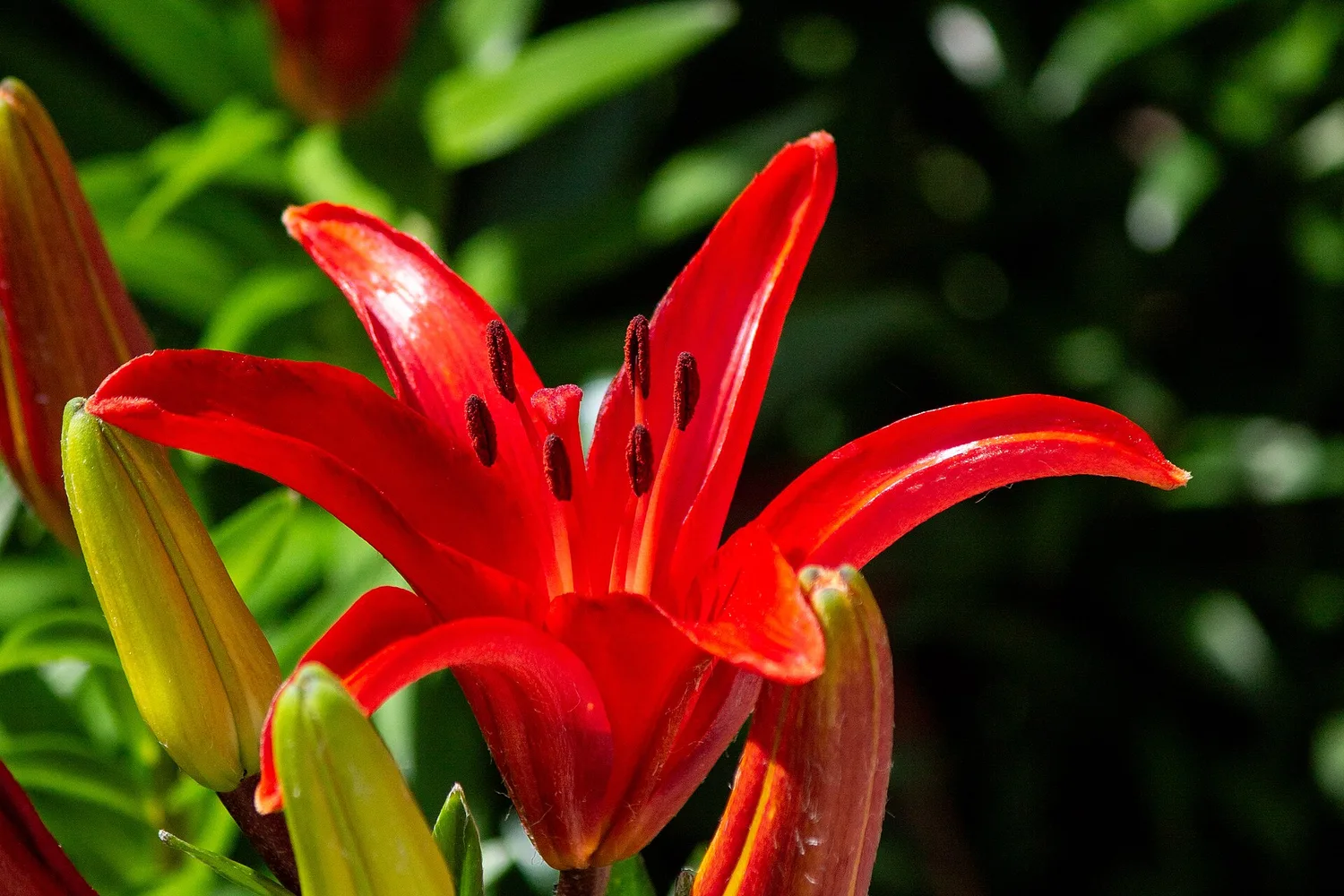
Large trumpet-shaped flowers on a single tall stem, six petals, and long stamens loaded with rust-colored pollen that marks everything it touches. That pollen is the giveaway and the hazard at once. Bouquet lilies are usually sold with the stamens still in place.
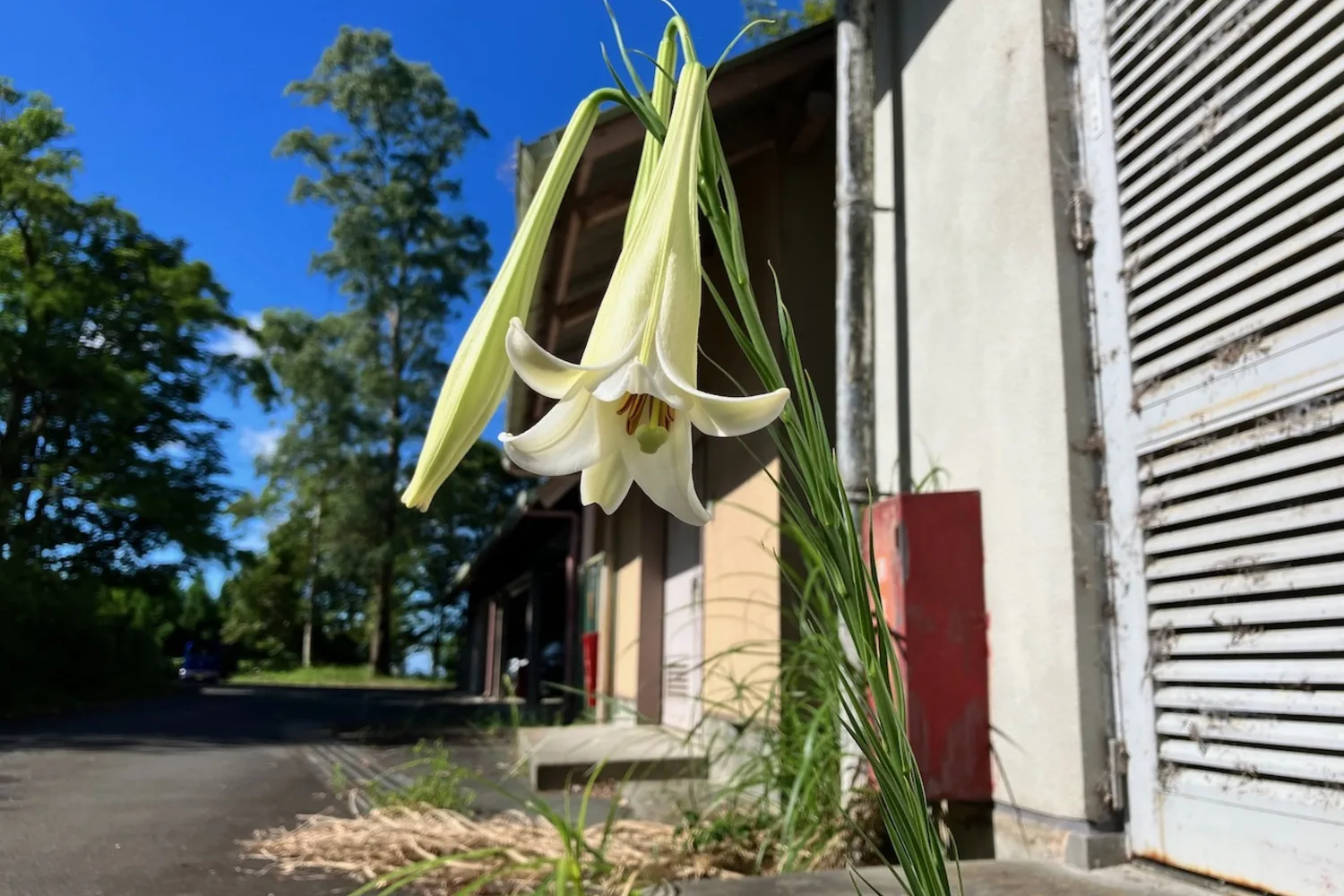
Sold as: Easter lily, Tiger lily, Stargazer lily, Asiatic lily, Japanese show lily. A label on a pot is a trade name, not a botanical one, and the two often disagree.
Plants it gets confused with
Sold under the word lily, with a single white sail-shaped bract rather than a trumpet of petals.
Why it matters: It is not a lily at all and does not touch the kidneys. Mistaking one for the other means either needless panic or a missed emergency.
A different genus, Hemerocallis, with flowers that last a single day and strap-like leaves rising from the ground.
Why it matters: Just as dangerous to the kidneys as a true lily, so this confusion is harmless in the direction that matters.
And for a person?
Mildly irritating to a person
Of no particular concern to an adult, which is exactly why this plant is in so many homes. A status never transfers between species, and the lily is the proof.
A plant's danger to a cat says nothing about its danger to you, and the reverse is just as true. This is a separate question with a separate answer.
This is information, not veterinary advice, and it cannot tell you what is wrong with your cat. Our rule is a simple one: if something is wrong with your cat, call your vet, and call an emergency clinic if it is out of hours. Nothing you read here is a reason to wait.

Worth keeping a paw on
Pin this profile
To recognize the plant the day you come across it, and warn the friends whose cat goes outside. One click and it sits in your board.
Pin it on PinterestOur sources
- ASPCA, Easter Lily
- ASPCA, Tiger Lily
- Pet Poison Helpline, Lilies
- FDA, Lovely Lilies and Curious Cats
- Bennett and Reineke, outcome after decontamination and fluid diuresis, 25 cases (2013)
- Slater and Gwaltney-Brant, exposure circumstances in 48 households (2011)
- Indoor Companion Animal Poisoning by Plants in Europe, Frontiers in Veterinary Science, Bertero, Colombo, Davanzo and Caloni (2020)
Other plants at the same level
Same verdict for a cat as True lily. The ones sharing its exact toxic principle come first.