

Why Do Cats Like Boxes? The Science of Sitting in Cardboard
Boxes cut shelter-cat stress in randomized trials, warm a home that runs cold by cat standards, and serve the ambush instinct. The science of sitting in cardboard, told from inside one.
Published August 28, 2026Updated September 8, 2026 6 min read
Contents
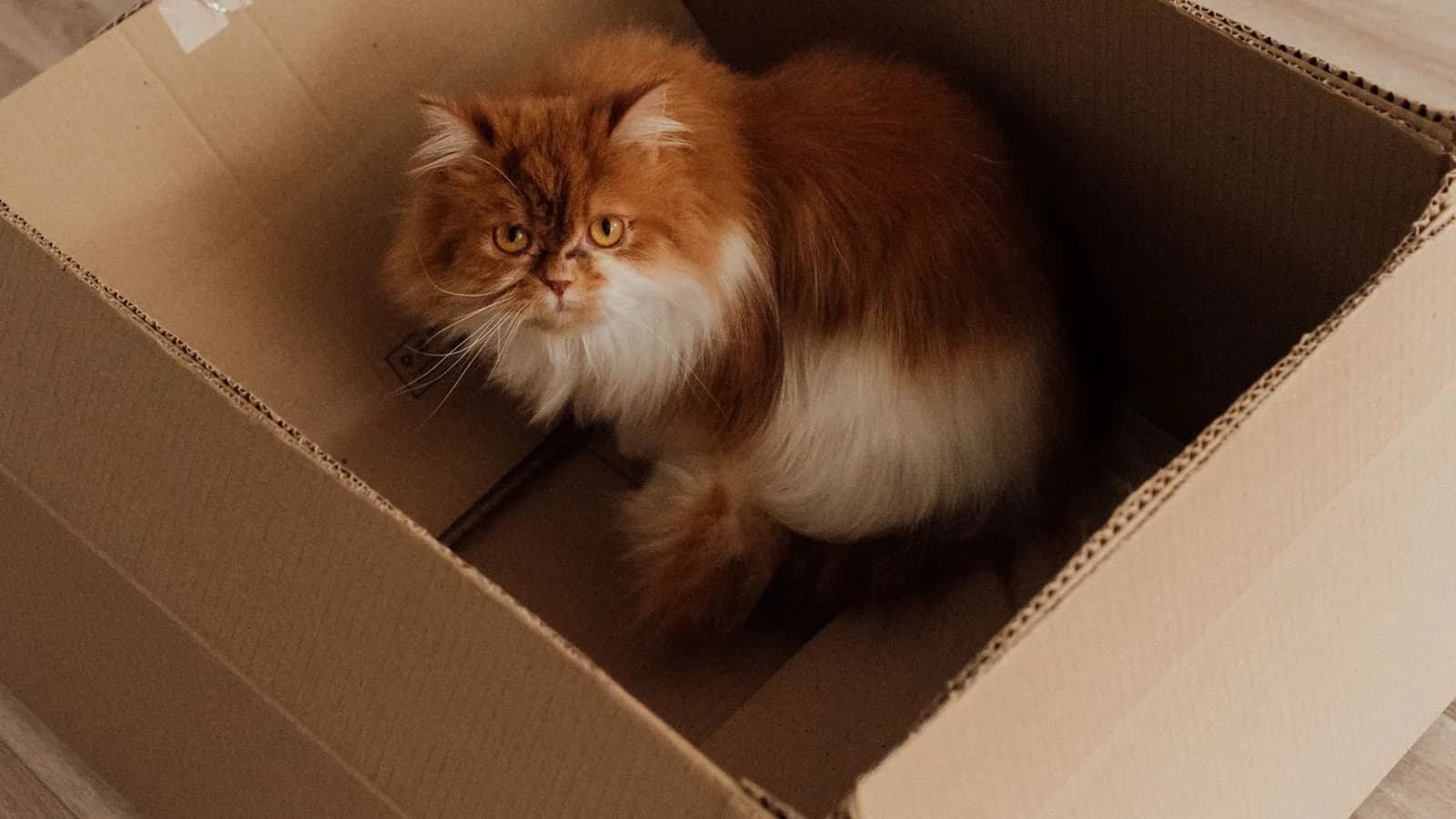
I am dictating this from inside a box. It arrived on Tuesday carrying something forgettable for the humans, and it now carries me, which is a promotion for the box. You want to know why cats sit in cardboard, and for once your species asked a question science has actually answered. There are three real reasons, all of them flattering to cats: boxes are measurably calming, your home is too cold for our refined standards, and we are ambush predators who appreciate good architecture. There is also a fourth study where cats sat in boxes that did not exist, which I will get to, because it proves our commitment to the genre.
A box is stress relief with a measured number behind it
Researchers at Utrecht University in the Netherlands tested this properly, twice, on cats newly arrived in a shelter, which is the most stressful address a cat can have. In the first study, 19 cats were split into two groups, and only one group got a hiding box. By days three and four, the cats with boxes already scored measurably calmer, and the whole box group settled as one, while the boxless group scattered from zen to frazzled. The follow-up trial ran the same idea on 23 cats and found the box group reached a stable, settled stress level by day two. The cats without a box took until day nine. Same shelter, same food, same everything. A piece of cardboard gave those cats their week back, a trick our settling-in guide already puts to work on new adopters.

Tess · Behavior desk
Quick precision before this gets framed wrong: those are two different Dutch studies. The 2014 one had 19 cats and showed lower stress scores by days three and four. The day-two-versus-day-nine result comes from the 2019 follow-up with 23 cats. And both measured the , a validated posture scale. Nobody drew blood for hormone tests.
Cookie · Editor-in-chief
I was about to say all of that, in fewer words, from inside the study material itself. Field research. My invoice says two studies, so that will be two servings of tuna.

Your living room is colder than you think. Ask a cat
Here is the part humans never suspect: your thermostat is set for you, and you are the wrong species. The published comfort range for cats, the , sits at roughly 86 to 100°F (30 to 38°C) per a 2016 peer-reviewed welfare review citing the National Research Council. Most homes idle around 72°F (22°C). One veterinary journal put the gap in human terms: a cat in a typical house is living the way you would at something like 46°F (8°C). Suddenly the sunbeam obsession, the radiator loyalty and the laundry-pile naps all make sense.
A small cardboard space that traps a cat's own warmth fits the same logic. You will read that cardboard is a special insulator; that one is often repeated, rarely sourced. What is sourced is simpler: we run warmer than your rooms, and small enclosed spaces help us keep it that way.
The ambush predator finally gets a proper blind
Cats are ambush hunters. Veterinary behaviorist Dr. Alison Gerken puts it plainly: cats hide until their prey passes by. A box is a hunting blind delivered free to your kitchen. Feline researcher Mikel Delgado of Purdue University describes a natural gravitation toward covered, secretive spots, and points out that indoor cats live in a world where they control very little; a box is a rare piece of territory that is entirely, unarguably ours. Danielle Gunn-Moore, professor of feline medicine at Edinburgh, traces it back further: a kitten's first experience of the world is a safe, enclosed den. To be fair to the experts, none of this comes from one single boxes-study; it is the consensus reading of people who have watched cats professionally for decades. They watched. We sat. Everyone did their job.
If I fits, I sits: cats also claim boxes that do not exist
In 2020, researchers ran a citizen-science experiment in living rooms across the world. Owners taped shapes to the floor: a real square, a visual illusion called a that only suggests a square, and a control shape that suggests nothing. Over 500 households signed up; 30 cats finished all six days, and 9 of those cats ever sat in any shape at all. Those nine chose the illusory square five times and the do-nothing control zero times, and they treated the illusion about the same as the real square. The authors themselves call it a small first probe, so nobody should expect their own cat to perform floor geometry on command. Mine would not. Not because I fail illusions, but because I do not work for free.
How to serve a box properly
The professional advice on boxes is delightfully cheap. Ohio State's veterinary indoor-cat program recommends exactly the things you were about to recycle: cardboard boxes, paper bags, simple tents and cubes, somewhere the cat can retreat and feel safe without interruption, ideally with extra hiding options up high with a good view. International Cat Care's serving rule for any key resource, hiding places included, is one per cat plus one extra, in different spots around the home. The rest is table manners:
- Step 1: Leave the box where the cat already likes to be, not where it looks tidiest.
- Step 2: Remove tape, staples, handles a head could catch in, and anything scented.
- Step 3: Do not force anyone inside. A box is claimed, never assigned.
- Step 4: Rotate boxes when the novelty wears off. New box, new empire.

Zoe · Community desk
Community desk here. If your cat has claimed a box this ridiculous, we want to see it: post the photo in our community gallery and make my day.
Cookie · Editor-in-chief
Submissions will be judged on box quality, sitting technique, and whether the cat looks sufficiently unimpressed. I am the judge. The judge accepts bribes in biscuit form.
When box love is actually hiding
One honest line before the closing credits, because even a box column earns one. A cat that enjoys a box is normal; a cat that lives in one is telling you something. Gunn-Moore's warning is blunt: for a cat to be hiding all the time is really not good. International Cat Care lists hiding among the signs of a stressed cat, alongside changes in eating and grooming. So enjoy the loafing, but if the box has become a bunker, read the rest of the signals with our body language guide and the drift checklist in our cat anxiety guide, and let your vet rule on anything that has changed. Boxes are furniture, not medicine.
What to take away
- In a randomized trial of 23 shelter cats, the cats given a hiding box reached a stable stress level by day two; the cats without one took until day nine.
- An earlier study of 19 shelter cats found the box group measurably calmer by days three and four, with the whole group settling together; both studies used the validated posture scale.
- A cat's published comfort range is roughly 86 to 100°F (30 to 38°C), while most homes sit near 72°F (22°C), which is why cats seek sunbeams, radiators and enclosed spaces.
- The ambush-predator explanation for box love is expert consensus among veterinary behaviorists, not a single study's finding: a box works as cover, warmth and controlled territory at once.
- In the "If I fits I sits" study (published 2021), the 9 participating cats chose an illusory taped square 5 times and the control shape 0 times, treating a suggested square like a real one.
- The serving suggestion from International Cat Care: one hiding place per cat plus one extra, in different locations; a cat that hides all the time, though, is showing a stress sign worth a vet conversation.
 The vet's take

Veterinary review
Are you a vet?
Your professional read belongs here: every verified practitioner can leave a note, published once our editors have reviewed it.
Sign in and get your license number verified. We check it in the public register, we never ask for or keep a copy of your diploma, and your number is never published.
Frequently asked questions
Why do cats like boxes so much?
Three sourced reasons: enclosed spaces measurably lower stress, shown in two shelter studies where boxed cats settled up to a week faster; homes are cold by cat standards, and a small space holds warmth; and cats are ambush predators that feel safest with cover. A box delivers all three at once, for free.
Do boxes really reduce stress in cats?
Yes, and it has been measured. In a randomized shelter trial of 23 cats, the group with hiding boxes reached a stable stress level by day two, versus day nine without. The researchers scored stress with the Cat-Stress-Score, a validated posture-based scale used in welfare science.
Is it bad if my cat sits in a box all day?
Enjoying a box is normal. Living in one is different: feline specialists warn that a cat hiding all the time is a welfare concern, and hiding appears on stress-sign checklists alongside changes in appetite and grooming. If box time has replaced eating, playing or grooming, or the habit changed suddenly, talk to your vet.
Why do cats sit in taped squares on the floor?
A 2021 citizen-science study found that cats susceptible to a visual illusion treated a suggested square roughly like a real one, choosing it over a control shape. The sample was small, 9 cats out of 30 finishers, so it is a first probe rather than a law of nature. Many cats will ignore your tape entirely.
Should I buy my cat a bed or just keep the box?
Keep at least the box. Veterinary indoor-cat programs recommend cardboard boxes and paper bags as legitimate enrichment, and the working rule for hiding spots is one per cat plus one extra, in separate places. If the cat also gets a bed, wonderful; the cat will decide which one counts.
Do cats prefer small boxes or big boxes?
No study retrieved here has measured box-size preference, so the honest answer is: whatever your cat keeps choosing. Behaviorists note cats favor snug, enclosed spots that let them stay hidden with a view, which is why a box the size of the cat often beats a box the size of a dog.
 Community questions
Got a question this page doesn't cover? Ask it: the best ones get published here with their answer.
This is information, not veterinary advice, and it cannot tell you what is wrong with your cat. Our rule is a simple one: if something is wrong with your cat, call your vet, and call an emergency clinic if it is out of hours. Nothing you read here is a reason to wait.
Medical information applies to every reader. Prices, legal duties and common practice do not: unless stated otherwise, they are given for the United States, and they differ in the UK, Canada and Australia, and often between states or provinces. Check with your own vet and your own local authority.
Our sources
- Vinke, Godijn & van der Leij 2014, will a hiding box provide stress reduction for shelter cats? (Applied Animal Behaviour Science 160, the 19-cat study)
- van der Leij et al 2019, the effect of a hiding box on stress levels and body weight in Dutch shelter cats: a randomized controlled trial (PLOS ONE, the 23-cat day-two/day-nine study)
- Smith, Chouinard & Byosiere 2021, if I fits I sits: a citizen science investigation into illusory contour susceptibility in domestic cats (Applied Animal Behaviour Science 240)
- Stella & Croney 2016, environmental aspects of domestic cat care and management (The Scientific World Journal; the peer-reviewed citation of the NRC 2006 thermoneutral zone)
- International Cat Care, stress in cats (hiding as both resource and stress sign; the one-per-cat-plus-one rule)
- The Ohio State University Indoor Pet Initiative, hiding instinct (boxes, bags and refuges as enrichment)
- PetMD, why do cats like boxes? (Dr. Alison Gerken, DVM, DACVB: the ambush-predator explanation)
- Popular Science 2025, why do cats love boxes? (quotes from Mikel Delgado and Danielle Gunn-Moore)
- Veterinary Ireland Journal, the heat is on: the feline TNZ (the human-at-46°F comparison)

Worth keeping a paw on
Pin this guide
So you can find it the day you need it, and share it with someone whose cat does the same thing. One click and it sits in your board.
Pin it on PinterestAlso worth reading
All behavior →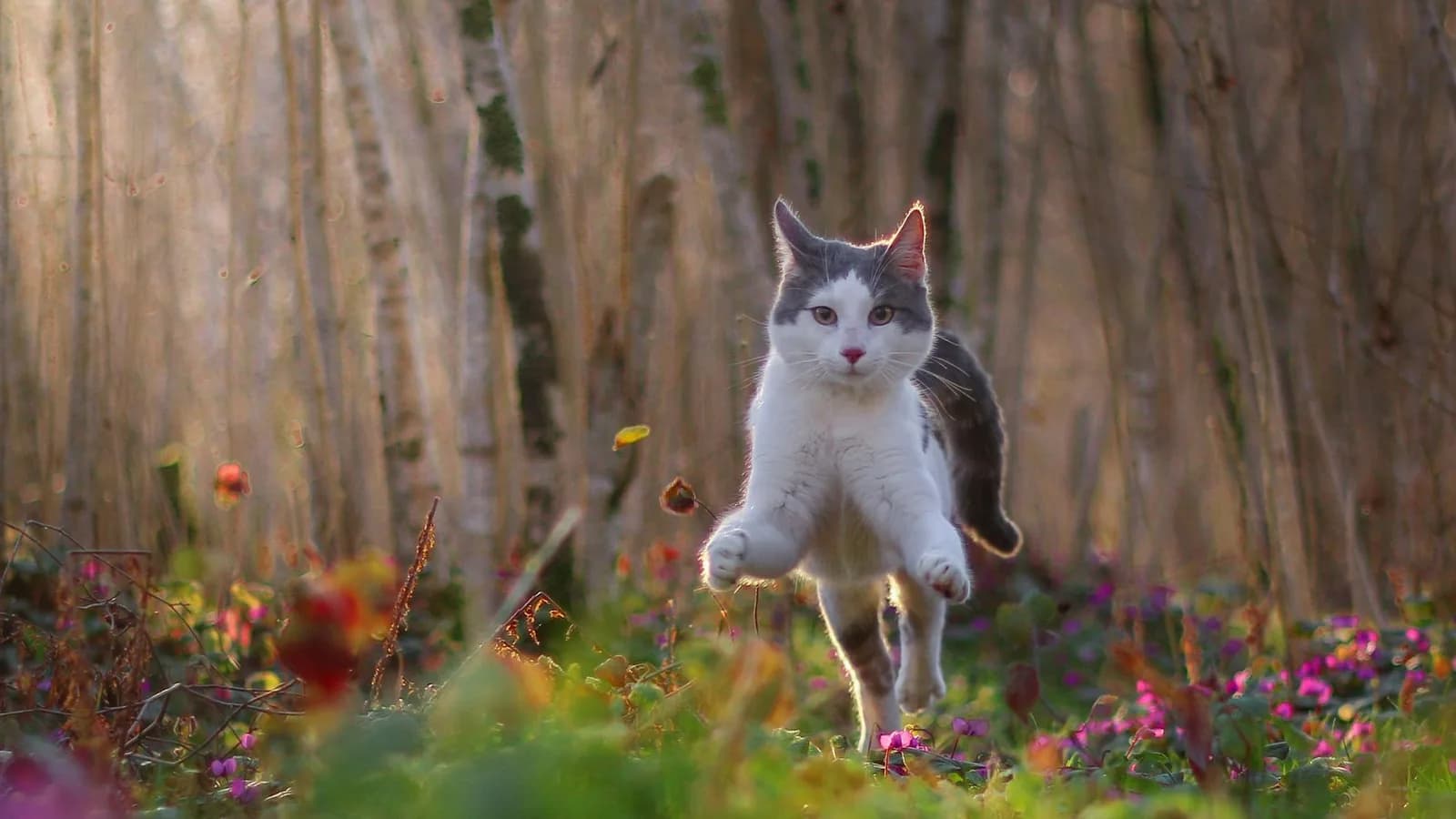
Article
Why Do Cats Get the Zoomies? The Truth About the 3 a.m. Grand Prix
Zoomies are normal cat physics: pent-up energy, twilight biology, the litter box victory lap. What science actually knows, what is still theory, and the one change that means a vet visit.
Read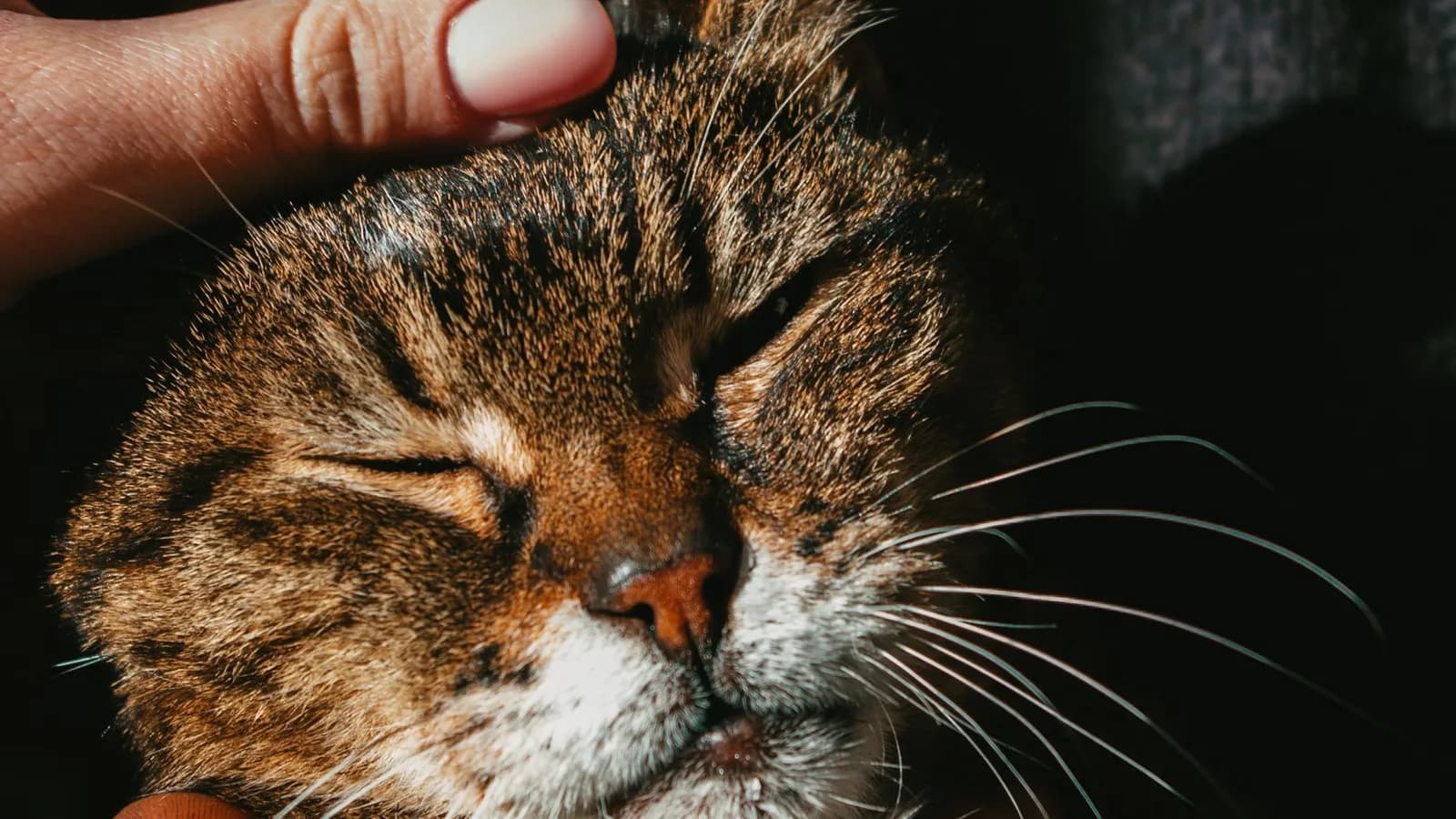
Article
Why Do Cats Drool? Bliss, Mostly. Sometimes a Message
Some cats drool when they are blissed out on your lap, and that is harmless. New, heavy or constant drooling is a symptom with named causes. The full sorting guide, tier by tier.
Read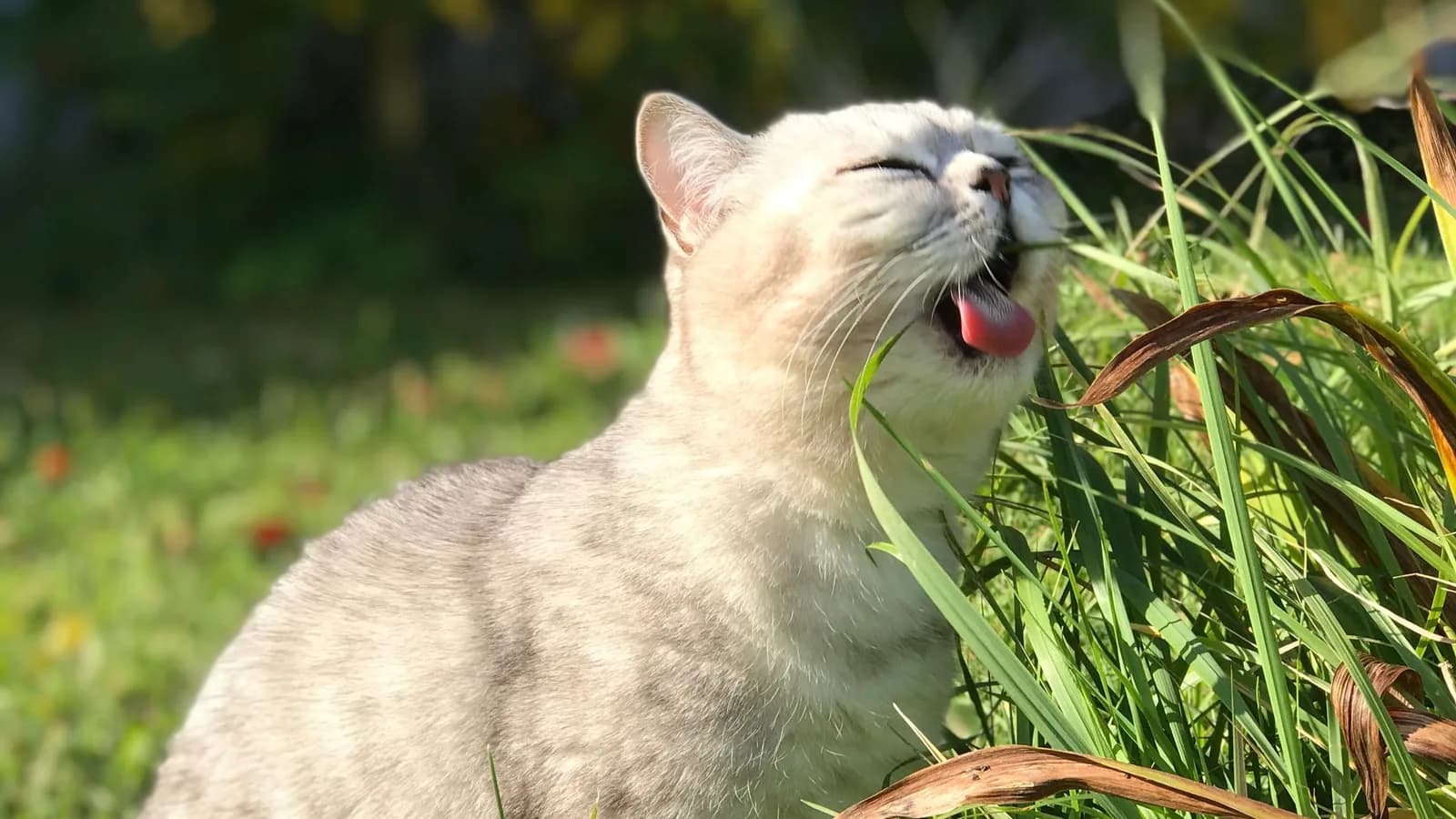
Article
Why Do Cats Eat Grass? The Salad Course, Explained
Two UC Davis surveys found grass eating is normal cat behavior, rarely about illness, and probably inherited from wild ancestors. The science, the myths that lost, and the one real danger.
Read
The floor belongs to our members. Keep it kind, links are not allowed, and images go through moderation before anyone else sees them.