


Coat colors
White Cats: The Breeds That Wear All White, and the Deafness Question
A solid white cat is not one thing, genetically. White is what you see when a gene stops pigment from reaching the coat at all, and two different genes can do it. Which one a cat carries decides everything interesting about her, including the famous deafness question.
This page covers both: the breeds that wear all white, from the one breed that is ONLY ever white to the UK's curious "Foreign White" case, and the honest, numbered answer to "are white cats deaf?", which is genuinely not "yes" and genuinely not "no".
 By Nora · The storyteller
Contents
Breeds worth knowing
Tap a breed for the full profile: temperament, health, price and coat colors, all fact-checked.
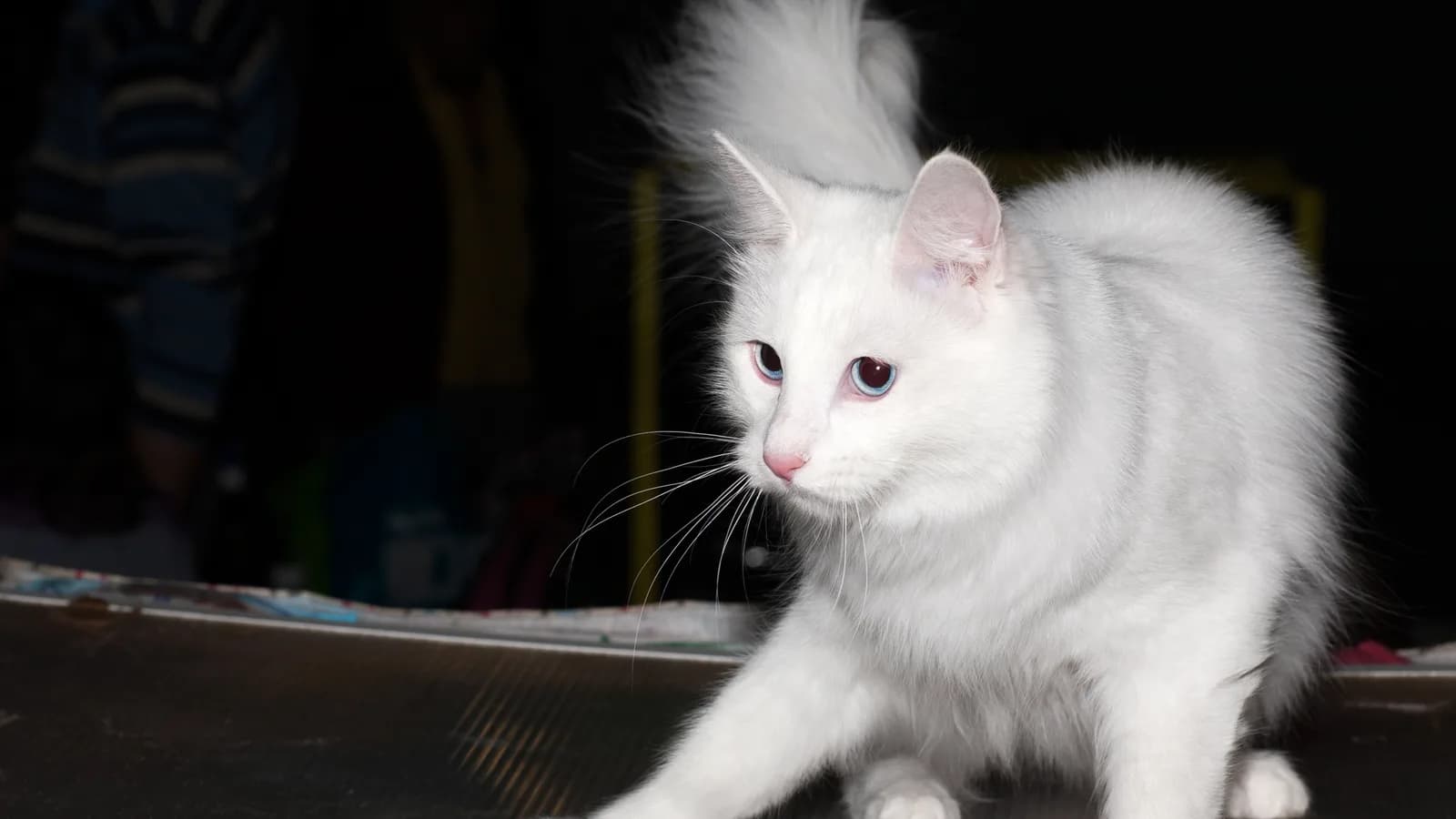
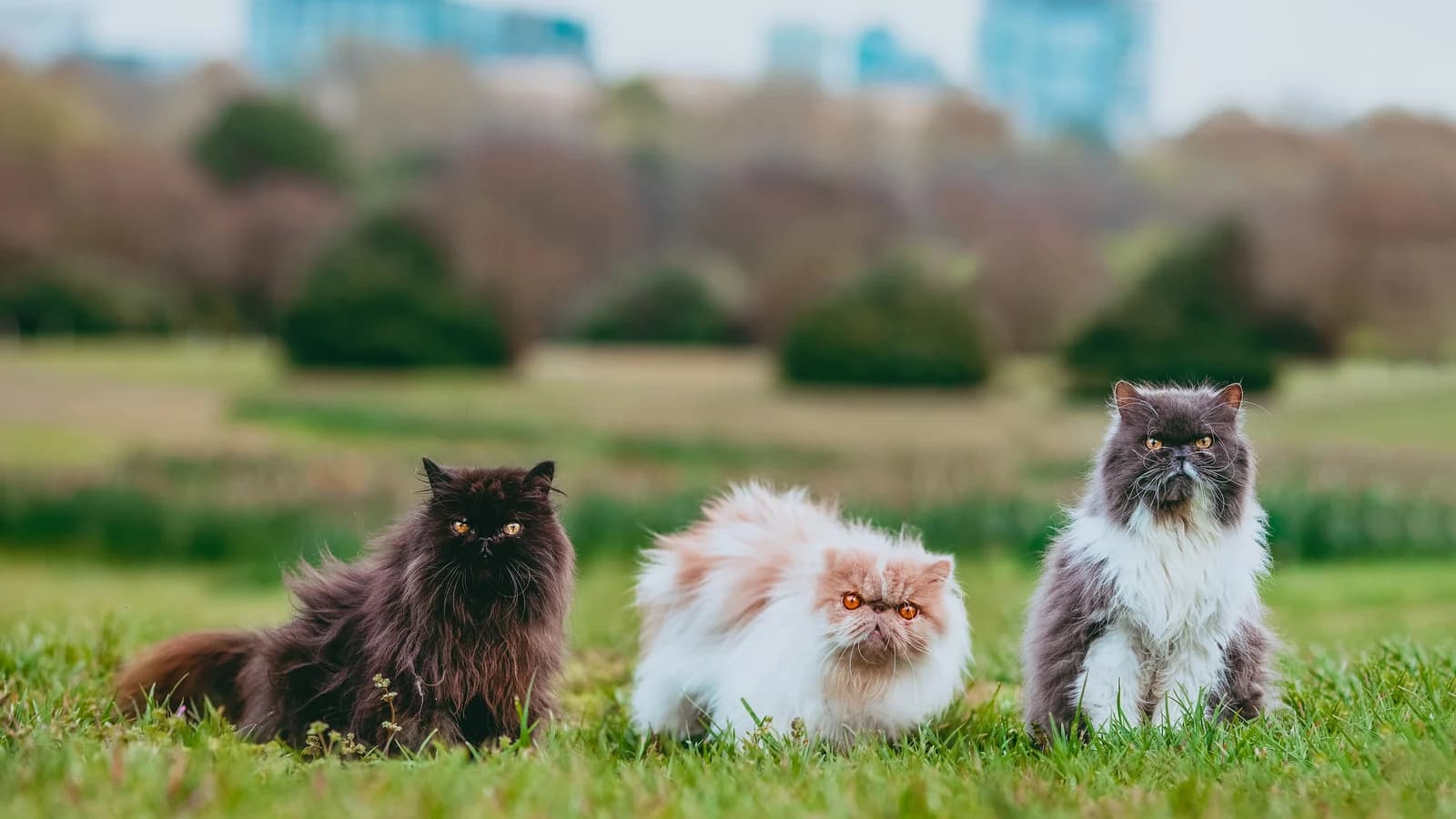
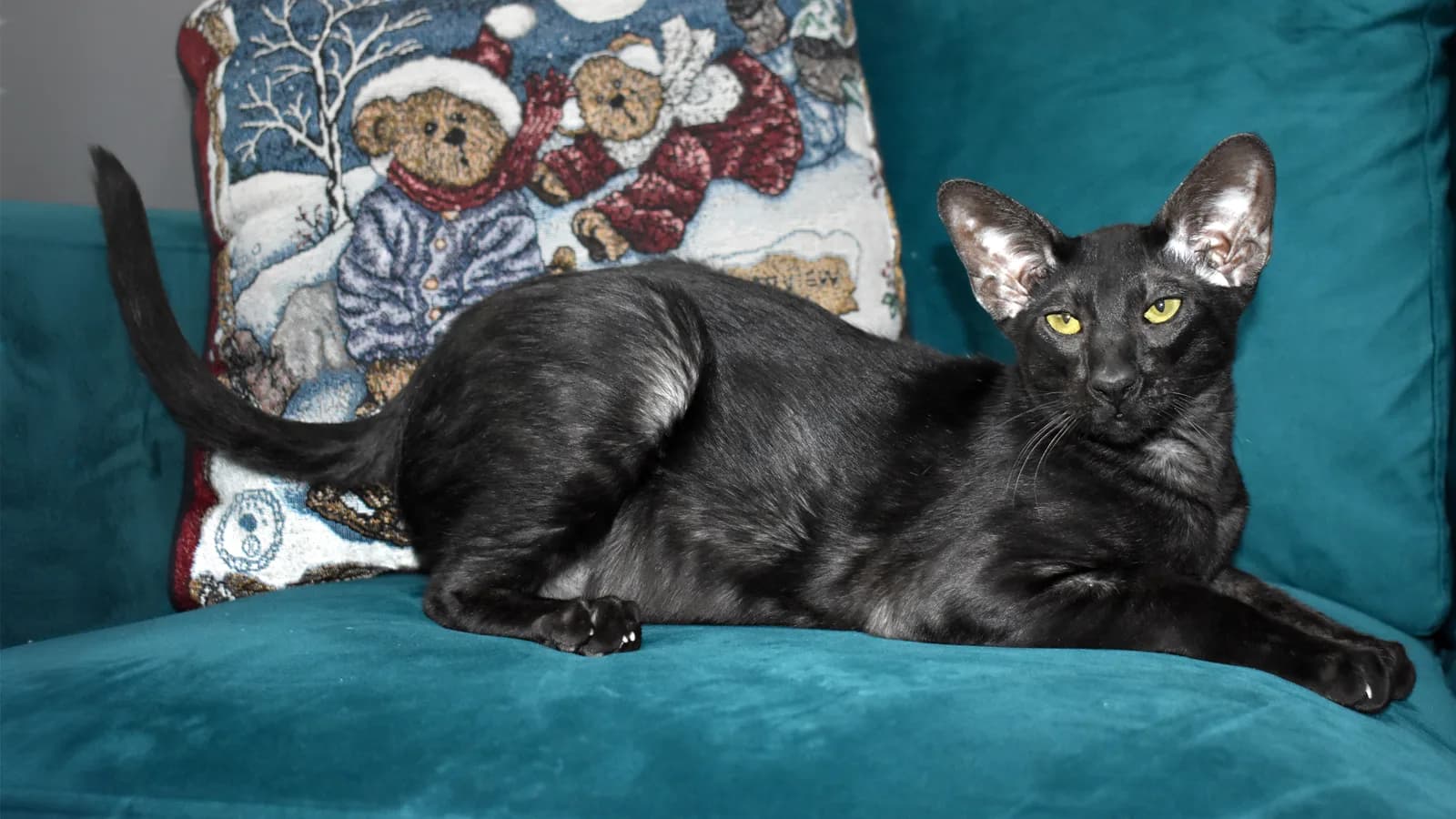
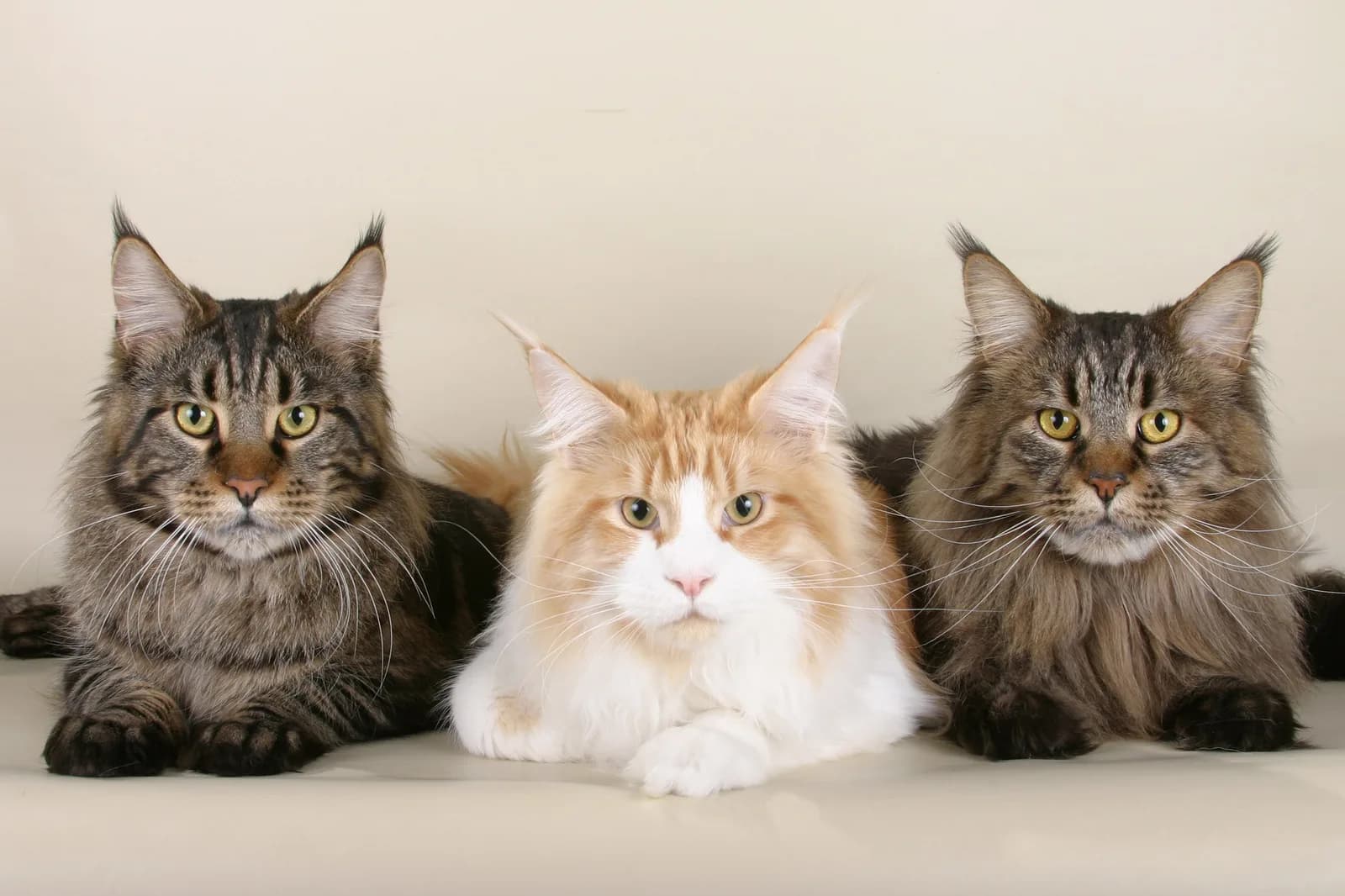

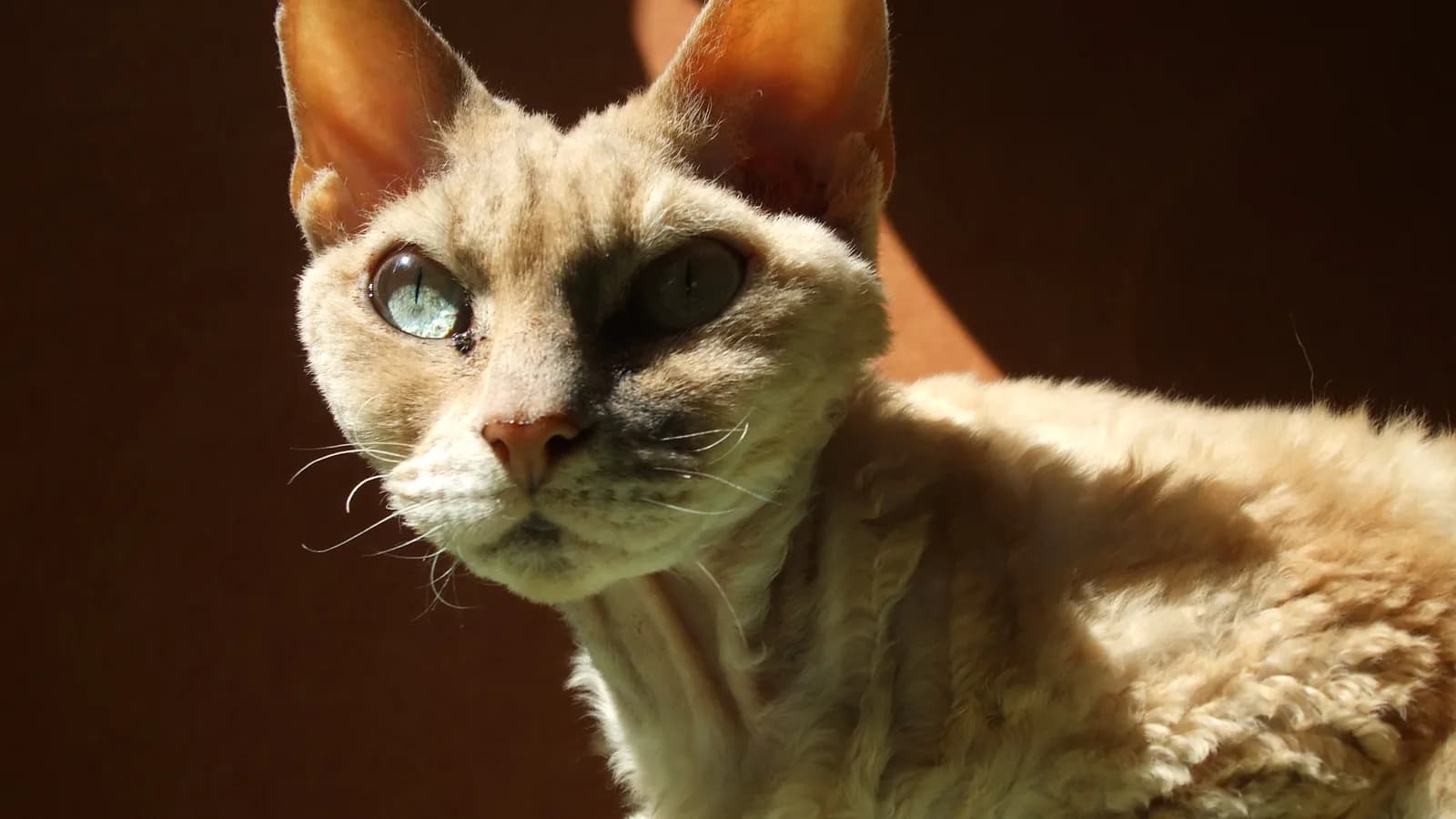
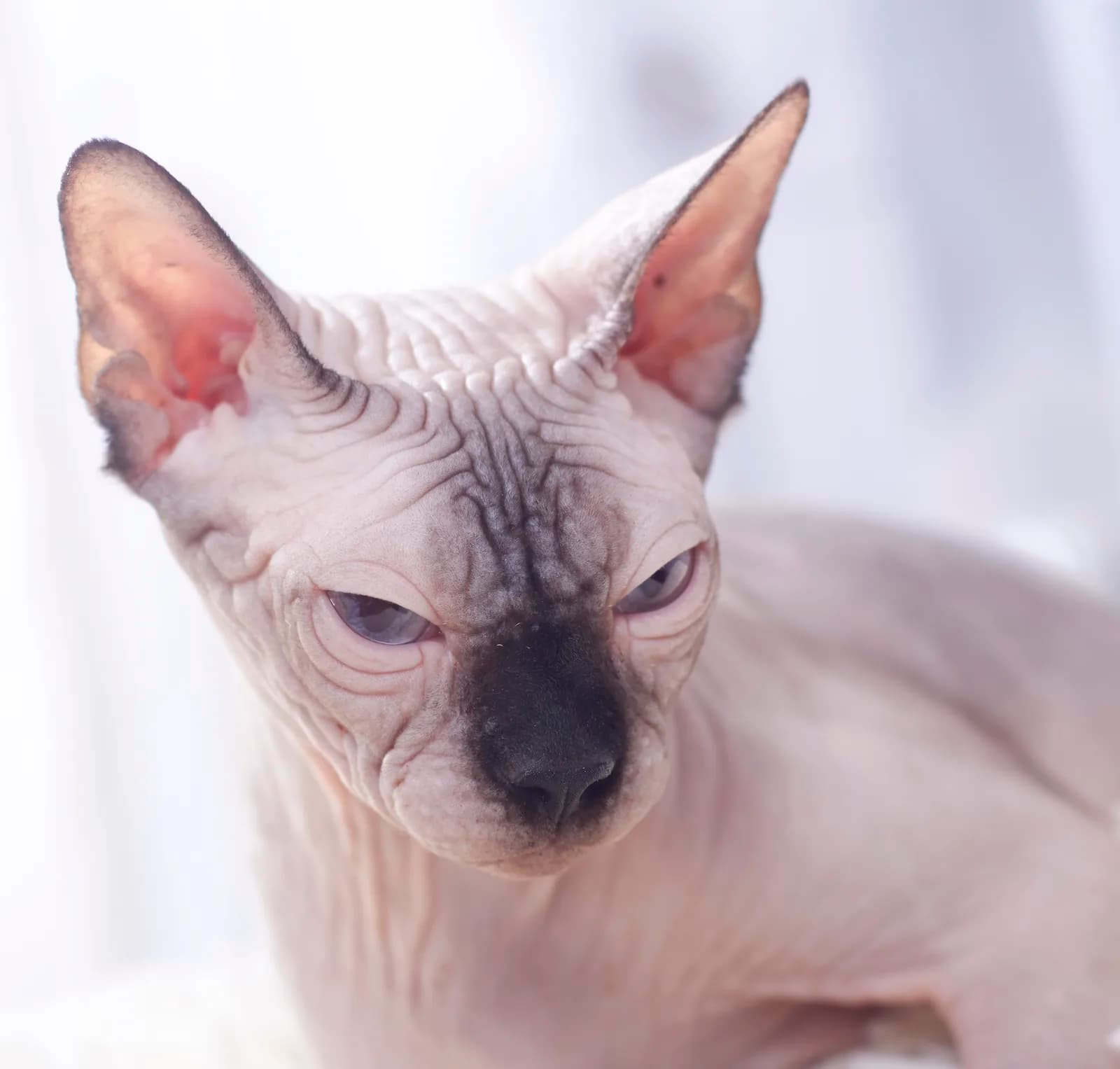
What makes a cat white? Two genes, and neither is albinism
The classic all-white cat carries (the W allele of the gene). In the breeding policy's own words, it "prevents the normal replication and migration of pigment producing cells during embryologic development," so the cat "appears white, no matter what other colour genes it may carry." Underneath, she is genetically a tabby, a black, a ; the white is a mask. One copy is enough. That is why white parents can throw colored kittens: the hidden colors surface the moment a kitten misses the W.
The second route is maximal white spotting, the same gene family that makes tuxedo bibs, pushed to covering everything. And neither is albinism. A true albino's white comes from a different gene entirely (, the same gene behind pointed coats), and the lab that tests for these, UC Davis VGL, states the boundary plainly: albinism "has no known impact on hearing." Only the dominant-white mask carries the deafness question.
Dominant white (W)
A mask over every other color; the classic solid-white cat, and the one the deafness question belongs to.
Maximal white spotting
The tuxedo gene at full coverage: a white-spotted cat with no colored patch left.
Albinism ()
A different gene entirely, pinkish-blue eyed, very rare in cats, and with no known hearing link.
Are white cats deaf? The real numbers
"All white cats are deaf" is false, and so is "it is just a myth." The measured picture, from the veterinary genetics literature (Strain 2015, pooling the classic studies): among white cats in general, roughly half of the pooled 256-cat sample had some hearing loss. The risk climbs steeply with blue eyes: from 17 to 22 percent (no blue eyes), through about 40 percent (one blue eye), to 65 to 85 percent (two blue eyes). Where two studies found different figures, we print both; nobody is served by an invented average.
Even in the highest-risk group, hearing white cats are common. An white cat may lose hearing on one side only. The graded numbers, not a yes or a no, are the real answer.
two studies, both printed
single pooled figure
two studies disagree; we never average
The pooled baseline
Across three classic studies of 256 white non- cats, about 50% had hearing loss in at least one ear (12.1% one-sided, 37.9% both sides). A separate 84-cat, ten-breed study found 20.2% affected: population matters, which is why this page gives ranges, not one number.
How the deafness link actually works, and what a buyer should do
A word from Priya, the careful one
The same gene that whitens the coat also disturbs the development of the inner ear in some cats, and the risk tracks eye color because eyes and inner ears draw on the same pigment-cell lineage. Pooling the three classic studies of white non- cats (256 cats), about half had some hearing loss. Among white cats with two blue eyes, studies found 65 to 85 percent affected; with one blue eye, about 40 percent; with no blue eyes, 17 to 22 percent. A separate ten-breed study of 84 white purebreds found 20 percent affected. Two ranges are printed because two studies disagree; we never average them.
What this means in practice: a white kitten, especially blue-eyed, deserves a hearing test before purchase. Britain's now requires a hearing certificate before a dominant-white British Shorthair can be registered for breeding. A deaf cat can live a full, safe INDOOR life; what she cannot do is hear traffic. If you suspect hearing loss in any cat, your vet can arrange the test; nothing on this page diagnoses an individual animal.
Blue eyes, odd eyes, and why they matter
The dominant-white mask has what geneticists call on the eyes. Some white cats keep the eye color their hidden genetics intended (copper, green, gold). Others get one or two blue eyes, the visible sign that pigment cells never reached the iris either. The white, one blue and one gold, is the mask caught half-applied. Her deafness risk is asymmetric: when hearing loss occurs, it tends to sit on the blue-eyed side, which is also why the graded numbers above are counted by blue eyes.
A blue-eyed pointed cat (a Siamese, a Ragdoll) gets her blue eyes from a completely different gene, with no deafness association. Blue eyes alone are not the flag; blue eyes ON a white coat are.
The white cat breeds, and three cases worth knowing
The grid below links the white-wearing breeds we have profiled in depth. Three structural curiosities from the registry small print deserve their own lines. The Khao Manee is the only breed that is white and nothing else: 's standard admits "pure, glistening white" and disqualifies "any color but white" (we have not yet profiled the breed, so no link yet; it is on the list). The Turkish Van is NOT a white cat despite appearances.
The van pattern is defined by its colored head and tail, and the genuinely all-white version is registered in the UK as a separate breed, the Turkish Vankedisi, whose standard allows exactly one coat: "chalk white." And the UK keeps a breed called the Foreign White, which everywhere else is just a white Oriental. GCCF alone runs it as its own breed, "a Siamese in a white coat with blue eyes," with a DNA test deciding which register a blue-eyed white Oriental lands on.
One more registry fact that says a lot about responsible breeding. Since 2026, requires a or OAE hearing certificate before any dominant-white British Shorthair can be registered for breeding; cats with hearing loss in either ear go to the non-active register. That is the deafness science, turned into paperwork.
Khao Manee
The only always-white breed: any color but white disqualifies. Profile coming; the name means white gem.
Turkish Van vs Vankedisi
The van pattern is color on head and tail, so the Van is not a white cat; the all-white Vankedisi is the UK's separate chalk-white twin.
Foreign White (UK only)
Everywhere else a white Oriental; in Britain a breed of its own, a blue-eyed Siamese in a white coat, sorted by DNA test.
Are white cats rare?
Rarer than most colors, but the exact figure is softer than the internet suggests. The "white cats are about 5 percent of the cat population" line traces back to an uncited reference to a 1991 study that we could not locate; treat it as an estimate someone once made, not a measurement. What is true from the breed side: solid white is a minority color in every breed that carries it, several registries subdivide their white classes by eye color (blue, orange or copper, odd), and no registry we read publishes rarity rankings by color at all.
A white cat is a masked cat: underneath the W gene she is a tabby or a you will never see, and her blue eyes, if she has them, are the mask reaching her irises. Ask for the certificate, love her indoors if she cannot hear the street, and tell us what color you think your white cat is hiding underneath; the geneticists say there is always one.
By Nora · The storytellerFrequently asked questions
Are white cats deaf?
Some are, most are not, and eye color moves the odds. Pooled classic studies of white cats found about half with some hearing loss overall; the rate runs 17 to 22 percent in white cats with no blue eyes, about 40 percent with one blue eye, and 65 to 85 percent with two blue eyes. A BAER test settles it for an individual cat.
Are all white cats with blue eyes deaf?
No. Two blue eyes carry the highest risk, 65 to 85 percent across studies, which means hearing blue-eyed white cats are common too. The link is real and strong, not absolute.
Why are white cats deaf?
The dominant-white gene stops pigment cells from migrating in the embryo, and the inner ear depends on cells from the same lineage. Where they never arrived, the coat is white, the eyes may be blue, and the inner ear may not develop fully. Albino cats, whose white comes from a different gene, have no known extra deafness risk.
Are white cats rare?
A minority color, yes; precisely how rare is unmeasured. The often-quoted 5 percent figure traces to an uncited 1991 reference we could not verify, so we treat it as an estimate, not a fact.
What breeds come in all white?
Among breeds we have profiled: Turkish Angora, Persian, Oriental, Maine Coon, British Shorthair, Devon Rex, Sphynx and Norwegian Forest Cat. The Khao Manee is the only breed that is exclusively white. The Turkish Van is not actually a white-cat breed: its pattern is defined by a colored head and tail.
What is a black and white cat called?
A tuxedo cat when the white sits on the chest and paws, or more formally a bicolor. Registries grade the amount of white rather than naming the outfit; our tuxedo guide covers the whole family.
What does a white cat symbolize?
Depends where you ask: purity and good luck in much Western tradition, prosperity in Japan where white maneki-neko figurines beckon good fortune. Folklore, cheerfully unscientific, and we label it as such.
Can a white cat have colored kittens?
Easily. Dominant white is a mask over the cat's real color genetics, and one parent copy is enough to whiten a kitten. Kittens that do not inherit the mask show whatever colors were hidden underneath.
This is information, not veterinary advice, and it cannot tell you what is wrong with your cat. Our rule is a simple one: if something is wrong with your cat, call your vet, and call an emergency clinic if it is out of hours. Nothing you read here is a reason to wait.
Sources & references
Data checked against reference bodies (breed registries, allergy research, veterinary schools).
- Strain 2015, The Genetics of Deafness in Domestic Animals (Front Vet Sci)
- David et al. 2014, KIT insertions determine white and white spotting (G3)
- Mari et al. 2019, congenital deafness in UK purebred kittens (J Vet Intern Med)
- UC Davis VGL: Dominant White and White Spotting test page
- GCCF British Shorthair Registration Policy 2026 (the BAER certificate rule)
- CFA Khao Manee standard (pure glistening white; any other color disqualifies)
- CFA Turkish Van breed page (the van pattern: colored head and tail)
- GCCF Turkish Vankedisi Standard of Points (chalk white coat)
- GCCF Oriental Shorthair Registration Policy 2025 (Foreign White scoping)
This page is a starting point. Every cat is an individual: our profiles spell out the tendencies of each breed, sources included.
 Purr or Pass
Which cat breed is right for you?
Take the quiz