

Turkish Angora
“The ballerina of the cat fancy”
 By Priya · The careful one
Published August 21, 2026Updated August 26, 202610 min read
Contents
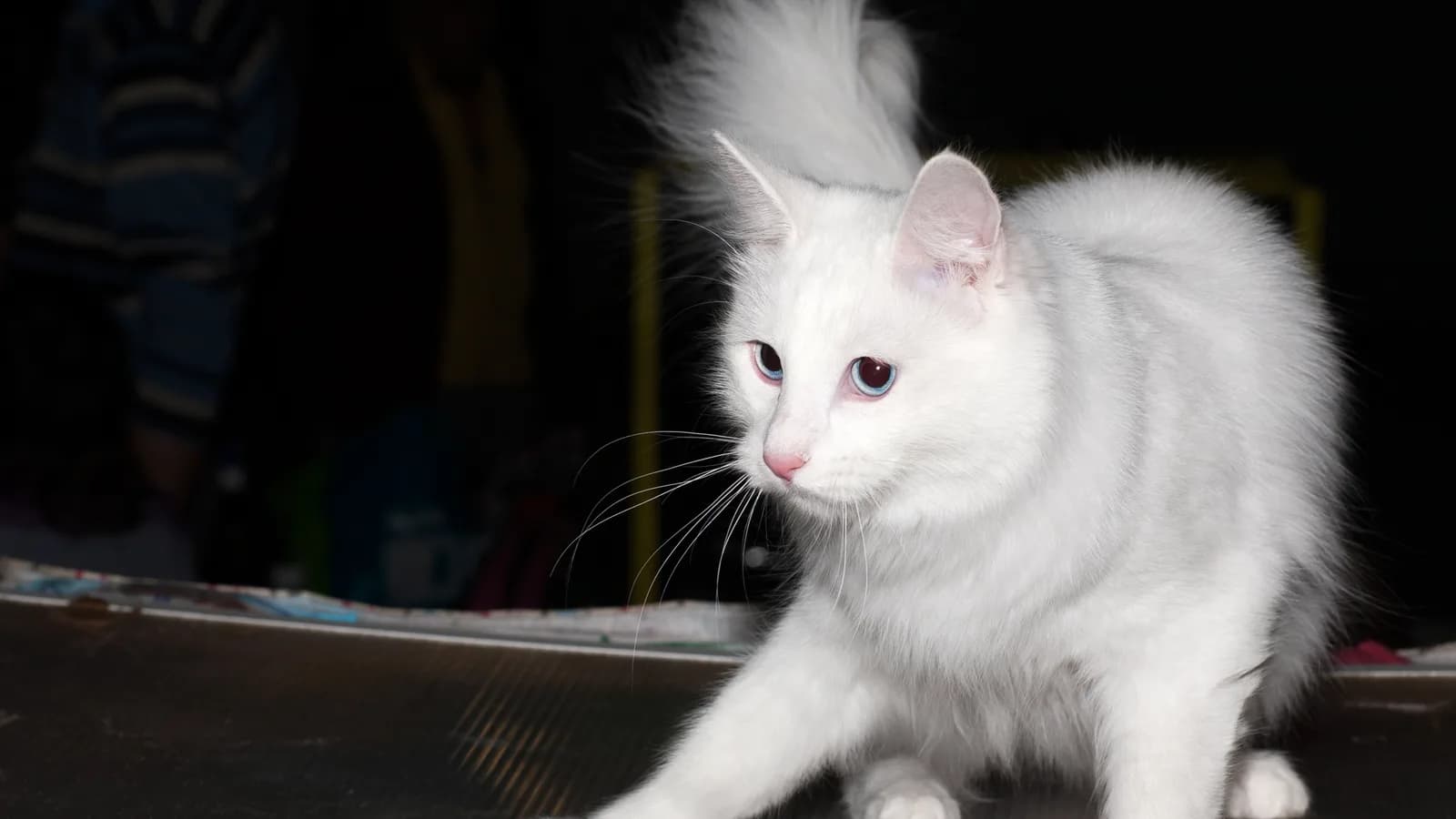
 Turkish Angora photos
Real photos, so you can see what the breed actually looks like: coats, ear tufts, ruff and build.
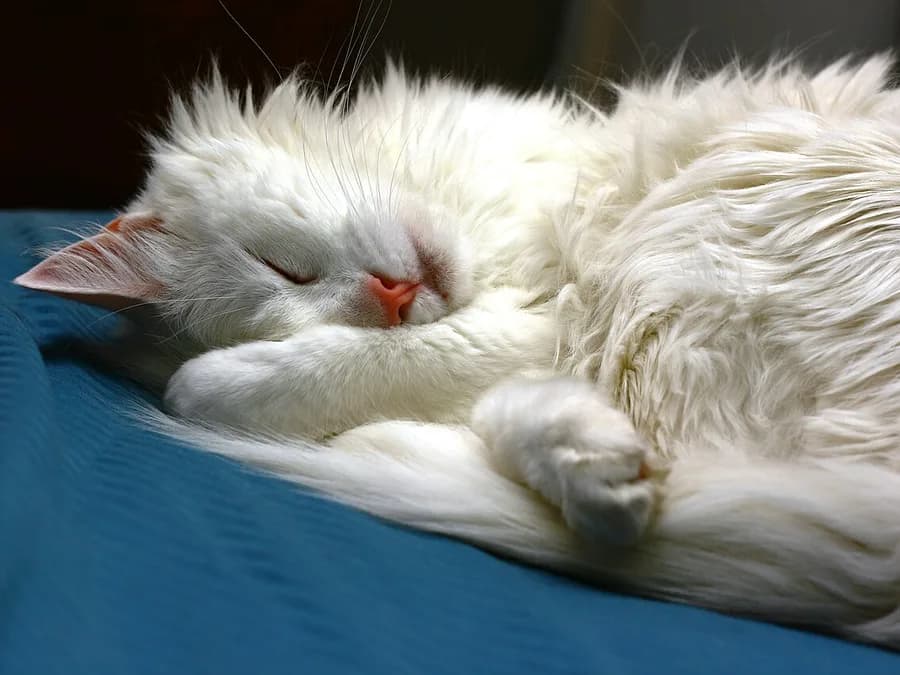
White Turkish Angora asleep on a blue blanket, the silky coat at rest
Photo: Roo72 · CC BY-SA 3.0 · via Wikimedia Commons
Got a Turkish Angora? Share them with the community. Photos from our members round out this page.
 Vital stats
Origin
Turkey
Turkey's national treasure, saved by the Ankara Zoo's mid-century breeding program and carried to America by named cats. Yildiz and Yildizcek were released to Colonel and Mrs. Walter Grant in 1962, per the registries' own telling. Turkey still runs a conservation program for the 'Ankara cat' today.
Weight
Female
5-10 lb (2.3-4.5 kg)
Male
5-10 lb (2.3-4.5 kg)
Life expectancy
A commonly cited estimate, no measured study exists, and for this breed the absence is total. No US, UK, Canadian or Australian mortality dataset gives the Turkish Angora its own measured row, confirmed by reading each study's own breed table rather than assuming. The pet-content spread runs 9 to 20 years across unsourced pages. We store the middle of the convention and label it for what it is.
Coats
White
Black
Blue
Red
Cream
Tabby family
Tortie / calico
Far more than the famous white: roughly forty named combinations at (solids, four tabby patterns, torties, calicos, smokes and shadeds), and 's standard simply says "COLORS: All." Chocolate, lilac and pointed are excluded by the three registries that print an exclusion list. White is the founding color, never the only one, and it is the one coat carrying the breed's hearing-risk gradient.
Understanding the coats (and their genetics)Size
A genuinely small, fine-boned breed. TICA's only stated range is a combined 5-10 lb (2.3-4.5 kg). Turkish university measurements (the only measured data anywhere, from Ankara University theses) put adult males at a mean 3.79 kg (8.4 lb) and females at 3.36 kg (7.4 lb). That is the low-to-middle of TICA's range, nowhere near the 15-lb ceilings some pet sites invent.
Did you know
Turkey never stopped treating this breed as a national treasure. The Ankara Zoo's historic program has a modern successor in Pursaklar, whose 24-hour 'Ankara cat' livestream drew, per the mayor's own reported figure, over 736,500 viewers from 27 countries in a single week in 2026.
 Personality
 Affection4/5
 Energy4/5
 Intelligence4/5
 Friendliness4/5
 Independence3/5
 Vocal3/5
 Shedding2/5
Compatibility
 Good with children4/5
 Good with other pets4/5
 Apartment friendly4/5
Editorial ratings on our five-point scale, anchored in the registry descriptions and the measured behaviour studies cited on this profile; individual cats vary, and our members' own ratings below are the counterweight.
Still torn between this breed and another?Compare the Turkish Angora trait by trait, or filter every breed by what matters to you. What our members say
What our members say
Nobody has described their Turkish Angora here yet. As soon as the first profiles come in, this is where the community averages will show up: temperament, food, lifestyle.
Describe my Turkish Angora Pros & cons
Strong points
- A silky single coat that needs only weekly brushing, unusual for a semi-longhair
- A documented, named-cats founding story most breeds cannot match
- Measured mid-table temperament once studied separately from the Turkish Van
- No breed-wide disease list: deafness in the white/blue-eyed subset is the one real topic
- Small, athletic and apartment-adaptable
Things to consider
- White, blue-eyed individuals carry a real, graded hearing risk: the hearing test is the buyer question
- No measured lifespan figure exists anywhere: the brochure ranges are conventions
- Genuinely scarce as a purebred outside North America; the UK has no GCCF breeding program
- Most cheap listings wearing the name are crosses, in every market we sampled
- An athletic climber that needs vertical territory and real play
 Is a Turkish Angora right for you?
A household that enjoys an elegant, busy, shoulder-riding companion and can offer climbing space. Buy with the two questions this breed actually needs. Registration papers (the name is borrowed by look-alike crosses everywhere). And, for a white kitten, the hearing certificate that is the only real answer to the deafness question.
Is the Turkish Angora right for YOUR home?
Answer a few questions and we'll email you your personalized result.
Take the quiz · 2 min Getting to know the Turkish Angora
once compared this breed to a ballerina, and the sentence sticks because it is anatomically true. The Turkish Angora is a small, fine-boned, silk-coated athlete that moves like a dancer and organizes your household like a project manager. It is also the rare breed whose origin story names its actual founders.
The story runs through a zoo. Turkey treated its white 'Ankara cats' as a national treasure and bred them at the Ankara Zoo. In 1962, per the registries' own telling, the zoo released an white male named Yildiz and an amber-eyed white female named Yildizcek to Colonel and Mrs. Walter Grant. Those cats founded the American breed, with further named imports through 1966. 's registration ladder is dated to the year: 1968, 1970, 1973, 1978.
And Turkey never stopped: a conservation facility in Pursaklar runs a 24-hour Ankara-cat livestream that drew over 736,500 viewers in a week in 2026. One honest asterisk, attributed: a long-running self-published critique argues the Western show Angora has diverged from Turkey's own cats ('purebred on paper'). The dispute is real and unresolved, and we name it rather than settle it.
The founding whites still headline the breed's image, but the palette runs to roughly forty combinations (the colors page maps four registries). The white coat carries the breed's one serious health topic with it: a hearing-risk gradient that runs through eye color. It runs from 65-85 percent affected in two-blue-eyed white cats (general white-cat studies), down to 17-22 percent in non-blue-eyed whites. The one breed-level figure, 11 percent of 474 cats, sits below all of that, because most Angoras are not two-blue-eyed. The white page carries every number with its population attached, the UK's mandatory-certificate rule, and the only test that answers the question for a specific kitten.
On temperament this breed is the project's cleanest lesson in reading studies. The finding that shadows it online ('most aggressive breed measured') comes from a study that POOLED the Turkish Van and Angora into one group. The later study with enough Angoras to separate them (n=61) places the breed in the ordinary middle on every trait it reports. We print the separated data and the clubs' portrait together: a doglike, water-curious, shoulder-riding companion with an athlete's energy.
Health beyond the white-coat story is quietly good. 's own page says plainly the breed is 'not known for any specific health problems,' and no breed-specific disease literature exists beyond the deafness gradient. The hereditary-ataxia rumor that circulates online has no traceable source in the veterinary literature (we checked; the wording repeats across sites, citation-free). One breeding-relevant fact from Turkey's own research: type-B blood ran 46 percent in the one Turkish Angora sample typed, a transfusion and breeding consideration for professionals. Lifespan gets the honest label: no measured figure exists in any of our four markets, and the 9-to-20-year ranges online are conventions.
Buying is where the name needs defending. In every market we sampled live, most cheap 'Turkish Angora' listings declare a cross in their own titles, and the purebred-versus-cross line explains the price spread better than any other variable. The real figures, market by market, live on the price page, along with the UK's structural quirk: gives the breed name recognition only, no active breeding program, which is why genuine British purebreds are import-priced.
 Health: what to watch for
A few predispositions are well documented. The good news: they can be screened for or avoided by choosing a reputable breeder and keeping an eye on the right signals.
This is information, not veterinary advice, and it cannot tell you what is wrong with your cat. Our rule is a simple one: if something is wrong with your cat, call your vet, and call an emergency clinic if it is out of hours. Nothing you read here is a reason to wait.
Congenital deafness (white, especially blue-eyed cats)
Graded by eye color, testable per kittenThe breed's one well-documented health topic, and it belongs to the white coat, not the breed as a whole. The dominant-white KIT gene switches off pigment with complete penetrance, but causes blue eyes and deafness only incompletely. So risk runs on a gradient: in general white-cat studies, 65-85 percent of two-blue-eyed whites are affected, about 40 percent of odd-eyed, 17-22 percent of non-blue-eyed. The one breed-level figure, as reported by the 2015 review relaying it: 11 percent of 474 Turkish Angoras (all colors), below the white-cat baseline because most Angoras are not two-blue-eyed. Colored Angoras carry none of this specific risk.
Symptoms to spot
A kitten that startles only to touch, sleeps through noise, or vocalizes unusually loudly. Only a hearing test answers the question; behaviour can miss one-eared deafness entirely.
How common
11% (n=474, whites and colored cats, behavioural testing, per the relaying review); 65-85% in two-blue-eyed white cats generally. Populations never interchangeable.
Screening & prevention
For a white kitten: ask for the hearing certificate. The UK requires it before a white cat's kittens reach GCCF's active register; North American registries recommend it.
Genetic test
None exists for deafness itself. The test is BAER or OAE on the individual kitten (about $201 at one US university clinic), done once, definitive.
The hereditary-ataxia rumor: checked, unconfirmed
No traceable source existsA 'shaky kitten syndrome' claim circulates across pet sites in near-identical, citation-free wording. We searched the veterinary literature directly. Zero papers describe a hereditary ataxia in this breed. No registry mentions it, and the repeating copy reads as one unverified claim echoed outward. We publish the check so you don't have to: the claim has no traceable source.
Symptoms to spot
Wobbliness in any kitten of any breed is a real veterinary sign with many causes: a vet visit, not a breed diagnosis.
How common
No documented cases in the literature searched; the online figure has no identifiable origin.
Screening & prevention
Nothing to screen; judge breeders on the questions that are real (hearing certificates, general health).
Genetic test
None exists, because no condition has ever been characterized.
General health: an honestly short list
Good news, stated with its limitsCFA's own page says the breed is 'not known for any specific health problems,' and our literature sweep agrees. Beyond the white-coat hearing topic, no Turkish-Angora-specific disease literature exists, only isolated single-case reports with no pattern. TICA recommends HCM screening as it does for many breeds: a generic precaution with no Angora-specific evidence base, which is exactly how we present it.
Symptoms to spot
The universal ones: appetite, energy or litter-box changes in any cat are vet conversations.
How common
No breed-specific disease rates exist to quote, which is itself the finding.
Screening & prevention
Routine wellness care; echocardiogram screening in breeding lines per TICA's generic recommendation.
Genetic test
None applicable.
Blood type B (breeding and transfusion context)
Professional context, measured in TurkeyThe one Turkish Angora blood-typing sample anywhere (28 cats, Turkey, with a recognized authority on feline blood groups co-authoring) found 46.4 percent type B, described by the paper itself as very high against worldwide figures. Practically this matters to breeders (a type-B queen with a type-A sire risks neonatal isoerythrolysis) and in transfusions. The paper's own recommendation is typing before breeding or transfusion.
Symptoms to spot
Not a disease: a background blood-group fact for professional situations.
How common
46.4% type B in the single 28-cat Turkish sample; no US/UK/CA/AU figure exists.
Screening & prevention
Breeders: type before pairing. Owners: worth a mention if a transfusion is ever on the table.
Genetic test
Blood typing is a standard veterinary test when it matters.
Go deeper on health
Prevention, warning symptoms, costs and insurance: our guides, researched and sourced.
The Turkish Angora also appears in
Our criteria-based guides, to compare this breed with the ones most like it.
 Grooming & living with one
Grooming
The Angora's coat is its practical superpower: silky, semi-long, and nearly single-layered (the standards describe at most a slight undercoat). A weekly combing keeps it flowing, and mats are rare. Seasonal thickening in winter, a lighter summer coat, baths on condition. The breed's own registries describe it as one of the easiest longhaired coats in the fancy.
Living together
The clubs describe a doglike, people-bonded, water-curious athlete. The one dataset that measured the breed SEPARATELY (n=61) places it in the ordinary middle on every trait. The alarming 'most aggressive' finding that shadows this breed online belongs to a study that pooled it with the Turkish Van, and the separated data points the other way. Good with children and pets that respect an athlete's pace.
 Food & diet
No breed-specific feeding study exists; the honest baseline is a good obligate-carnivore diet with body-condition checks. A small, athletic frame (measured means 3.4-3.8 kg) hides overfeeding quickly. The silky coat will tell on nutrition before the scale does.
 Price & budget
$400 to 3,000
Price of a kitten from a registered breeder, in the United States
This price reflects the quality of the breeding program: parents' health tests, registry pedigree, socialization. A very low price should raise a red flag. The real cost, though, plays out over the years.
Find a verified breederKitten price, by market
United States
$400 to 3,000
United Kingdom
£800 to 2,000
Canada
CA$175 to 600
Australia
A$1,500 to 3,000
Each figure is that country's real market price, researched separately, not a conversion of the others. The smaller line is only there so you can gauge one against your own money: European Central Bank reference rates of 2026-09-18, refreshed daily.
The Turkish Angora in the US, UK, Canada and Australia
| Measure | United States | United Kingdom | Canada | Australia |
|---|---|---|---|---|
| Pet-quality kitten | $400-600 pet, $2,000-3,000 show lines (live reads) | £800-2,000 purebred; cheap listings are mostly crosses | CA$175-600 purebred-reading | AUD $1,500-3,000 (single source) |
| Registry status | CFA (championship ladder 1968-1978) and TICA | GCCF: name recognition only, no active breeding program, showable as a neutered Pedigree Pet | CCA-AFC: fully recognized | ACF standard in force; state bodies list the breed |
| White-cat hearing rule | Recommended (TICA, CFA), not required | BAER/OAE certificate MANDATORY before a white cat's kittens reach the active register (since 2016) | No requirement found; deafness not penalized at shows | No requirement found |
| Measured life expectancy | No measured figure exists | No measured figure exists | No measured figure exists | No measured figure exists |
| The naming trap | 'Angora' alone often means the guinea pig or a generic longhair | GCCF's historical 'Angora' breed was a Siamese-derived recreation, renamed Oriental Longhair | French listings say 'angora' for any longhair | Same generic-longhair usage |
Four markets, four rulebooks; none of these figures converts into another. Prices are August 2026 and expire with the quarter.
Work out your food budget
Type of food
Estimated monthly budget
$11
≈ 2.0 oz (57 g) per day
A ballpark figure, food only, using the same arithmetic as our portion tool (resting energy requirement × 1.2, a neutered adult). Real needs vary with age, activity level and body condition. Ask your veterinarian for advice.
 Verified catteriesThe registry-checked directory, plus a kitten alert near you. Filter it by breed.
 Should you insure a Turkish Angora?
Our sources list several predispositions in the Turkish Angora: Congenital deafness (white, especially blue-eyed cats), The hereditary-ataxia rumor: checked, unconfirmed, General health: an honestly short list, among others. A predisposition is not a foregone conclusion, and many of these cats live their whole lives without ever developing anything. It does change the nature of the follow-up, though: you monitor, sometimes for life, and it's that monitoring that weighs on a budget, more than a one-off accident.
One thing to weigh before deciding: this is a cat you will live alongside for well over a decade, and that is the span the real cost is spread across, premiums and care alike. Where a breed has a measured life expectancy that differs from the figure usually quoted, we say so in the lifespan section above rather than repeating the quoted one here.
 Turkish Angora cats in our community
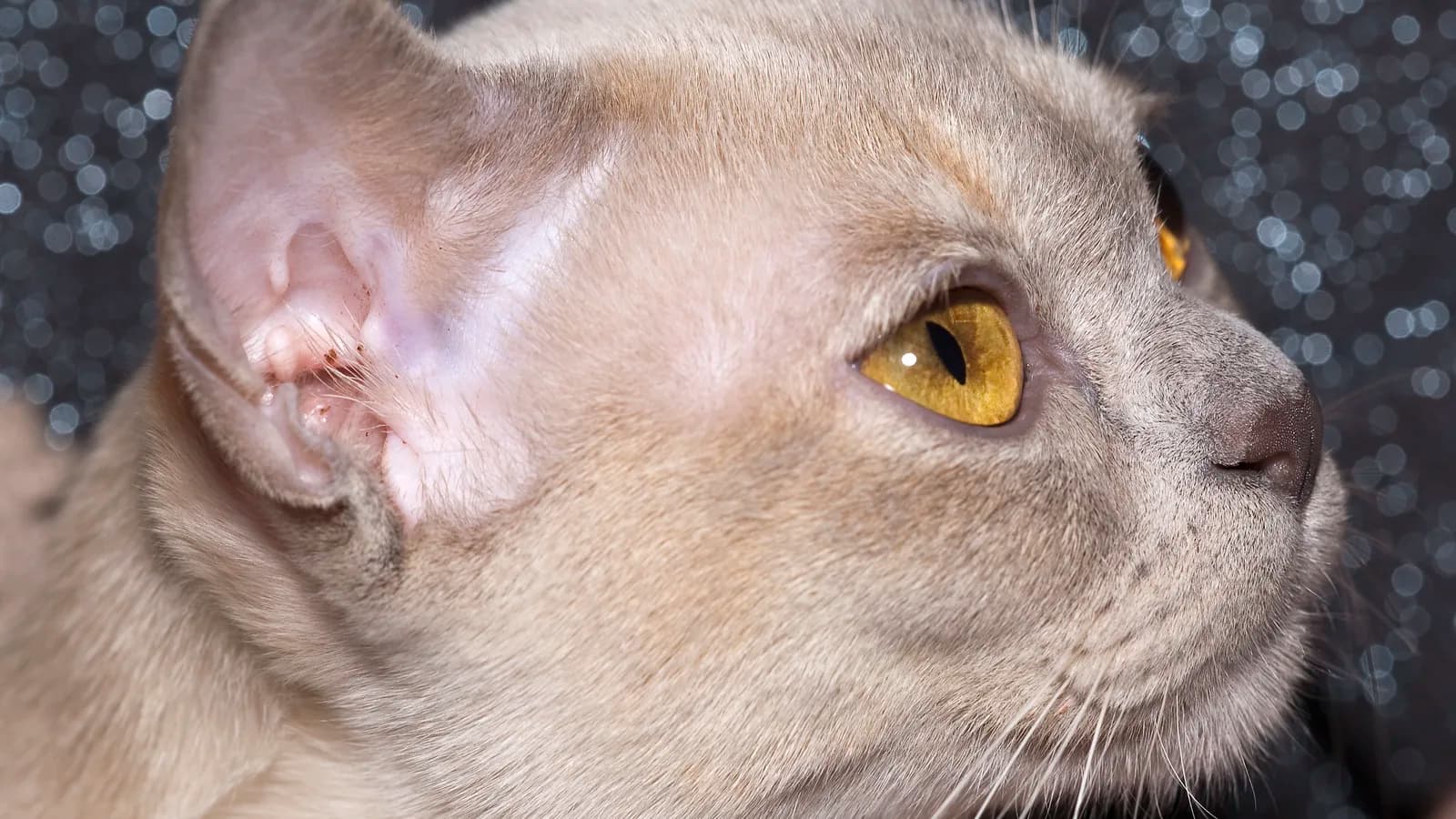
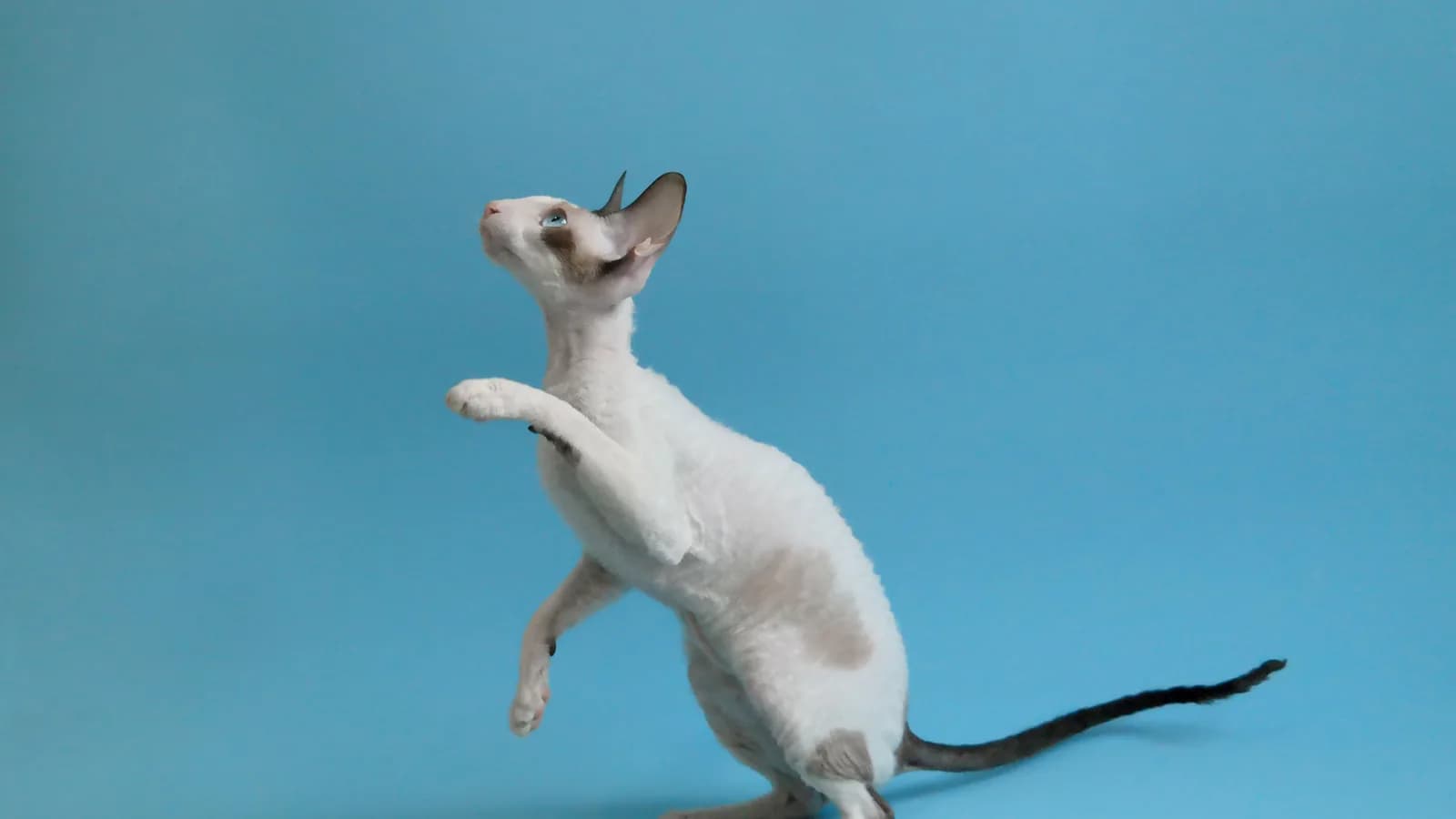
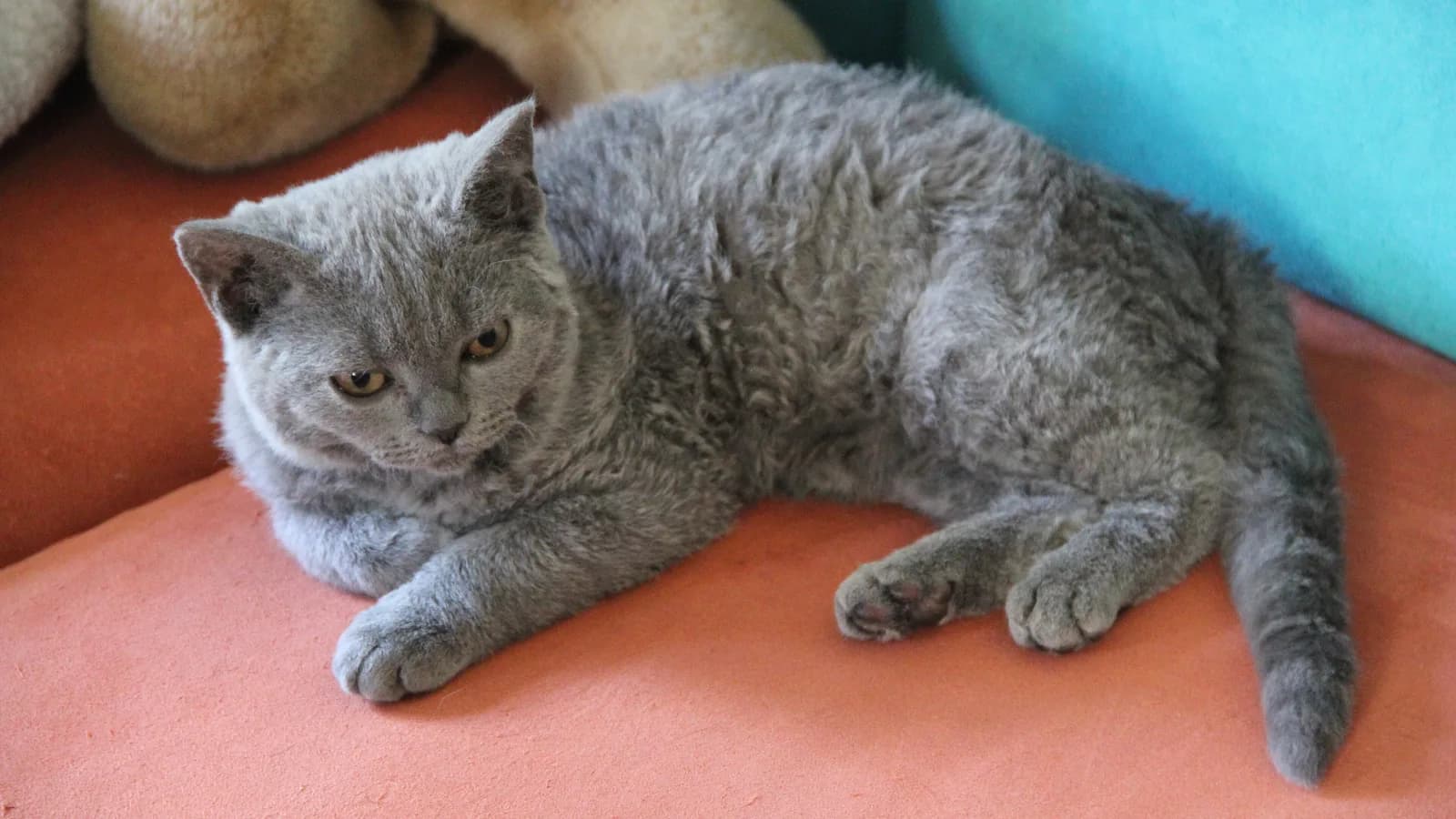
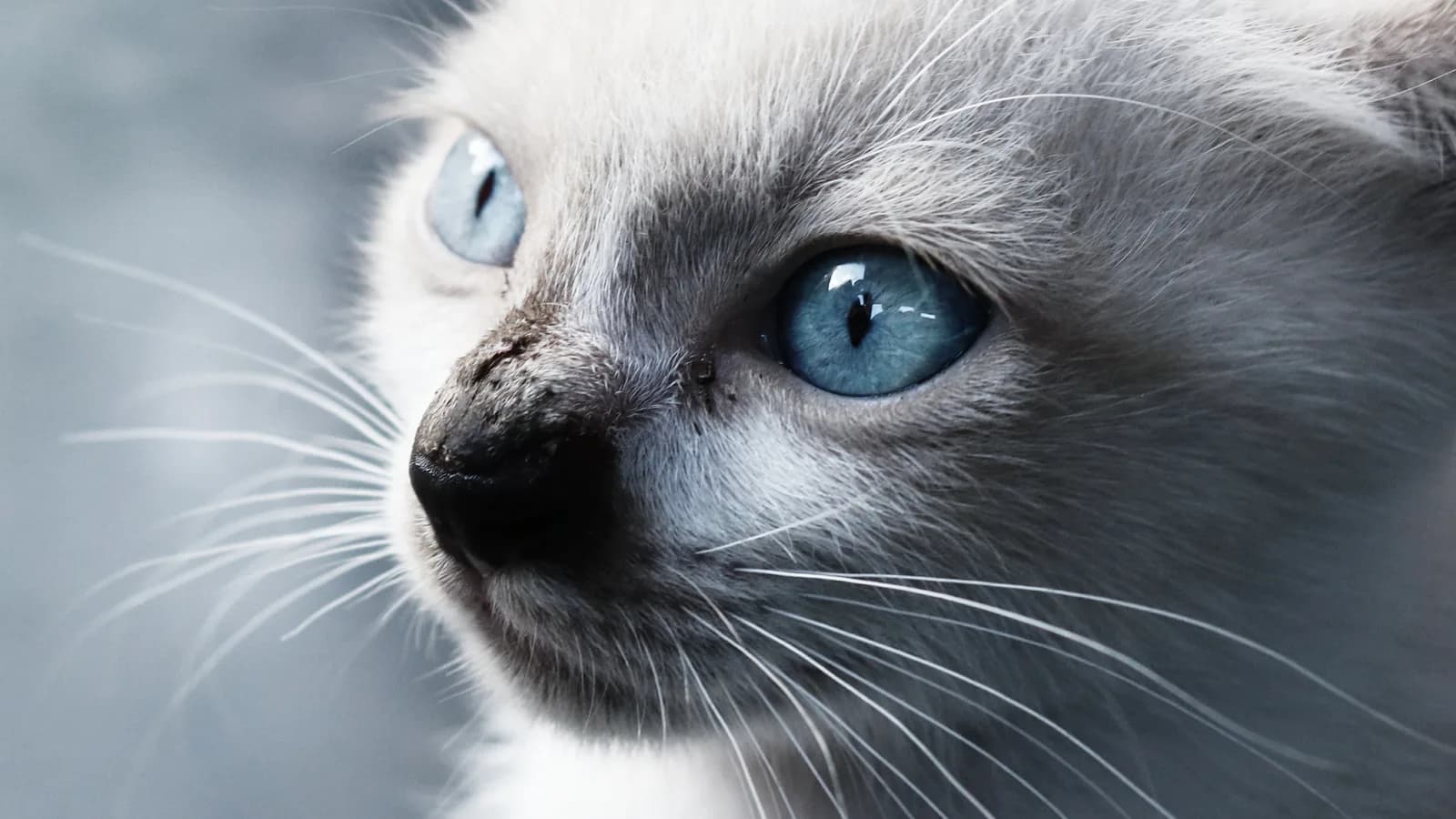
This breed is barely covered by free photo libraries: we only found 4 photos we could verify. Your cats are especially welcome here.
No Turkish Angora here yet
Got one? Add a photo and yours gets to open this page.
 The vet's take

Veterinary review
Are you a vet?
Your professional read belongs here: every verified practitioner can leave a note, published once our editors have reviewed it.
Sign in and get your license number verified. We check it in the public register, we never ask for or keep a copy of your diploma, and your number is never published.
 Frequently asked questions
+Are all Turkish Angoras white?
No: white is the founding color and the famous one, but the registries recognize roughly forty combinations, and TICA's standard simply says 'COLORS: All.' Black is actually the most-searched Angora color, and it is fully recognized.
+Are white Turkish Angoras deaf?
Some, on a gradient that runs through eye color: 65-85% of two-blue-eyed white cats are affected in general studies, about 40% of odd-eyed, 17-22% of non-blue-eyed. The one breed-level figure is 11% (474 cats, all colors). Only a BAER or OAE hearing test answers it for a specific kitten.
+How much does a Turkish Angora cost?
Live reads, August 2026: US $400-600 for pet kittens, $2,000-3,000 for show lines; UK £800-2,000 for genuine purebreds; Canada CA$175-600 on purebred-reading listings; Australia AUD $1,500-3,000 from a single source. The cheap listings are mostly declared crosses.
+How long do Turkish Angoras live?
Honestly: nobody has measured it. No mortality dataset in any of our four markets gives the breed its own row, and the 9-to-20-year ranges online are unsourced conventions. We store 12-18 with that label.
+Are Turkish Angoras aggressive?
The finding that haunts this breed online came from a study that pooled it with the Turkish Van; the study that separated them (61 Angoras) places the breed in the ordinary middle on every trait. The clubs describe a doglike, people-bonded companion.
+Where do Turkish Angoras come from?
Turkey, with unusual precision: the Ankara Zoo's conservation program released the named founding cats Yildiz and Yildizcek to American Colonel Walter Grant and his wife in 1962, and Turkey still runs an Ankara-cat conservation facility today.
+Do Turkish Angoras shed a lot?
Less than the coat suggests: it is nearly single-layered with little undercoat, so weekly combing covers it, with a seasonal winter-to-summer change. One of the easiest semi-longhair coats in the fancy.
+Is the Turkish Angora recognized in the UK?
Barely: GCCF gives it name recognition only, with no active breeding program, showable as a neutered Pedigree Pet. Historically GCCF's 'Angora' was a different, Siamese-derived breed, renamed Oriental Longhair long ago. UK purebreds effectively come via TICA/FIFe lines or import.
+What is the difference between a Turkish Angora and a Turkish Van?
CFA's own comparison: an Olympic swimmer (the sturdy, big Van) against a ballerina (the fine-boned Angora). Different genes behind the coats too: the Van's head-and-tail pattern comes from white spotting, which does not carry the Angora's white-coat deafness pathway.
+Are Turkish Angoras good pets for families?
Yes for families that enjoy an involved, athletic cat: people-bonded, playful, measured ordinary-middle on temperament once studied separately. It wants climbing space and company more than quiet.
+Do Turkish Angoras like water?
The clubs consistently say yes, water fascination runs in Turkey's cats, and it is one trait the Angora genuinely shares with its famous swimming cousin, the Van, rather than a difference between them.
 Community questions
Got a question this page doesn't cover? Ask it: the best ones get published here with their answer.
Sources & references
Data checked against reference sources (TICA and CFA standards, genetics laboratories, veterinary schools).
- TICA: Turkish Angora
- CFA: Turkish Angora
- TICA Turkish Angora standard (PDF)
- CFA Turkish Angora standard (PDF)
- CCA-AFC Turkish Angora standard (PDF)
- ACF Turkish Angora standard (PDF)
- GCCF, BAER testing for white cats
- David et al. 2014, KIT white gene study
- Strain 2015, genetics of deafness review
- Strain (LSU), cat breeds with congenital deafness
- Arikan et al. 2003, Turkish Van/Angora blood types
- Cornell Feline Health Center: deafness

Worth keeping a paw on
Pin this profile
To compare later, or to show someone still torn between two breeds. One click and it sits in your board.
Pin it on Pinterest
 Purr or Pass
Still deciding? Find the perfect breed for your home.
A quick quiz that factors in your lifestyle, your kids and your other pets.
Which breed fits my home?Keep exploring
The floor belongs to our members. Keep it kind, links are not allowed, and images go through moderation before anyone else sees them.