


Cat breeds by trait
Long-Haired Cat Breeds, and How to Actually Keep the Coat
A long coat is a subscription, not a purchase. This page lists the long-haired breeds the way a groomer would: by how much work the coat actually takes, from the Persian's daily comb down to the semi-longhairs that mostly manage themselves. Then it gives you the working manual. The questions people actually search from this page are how to groom, whether to shave, and why the sofa is wearing a second cat.
 By Tess · The straight talker
Contents
Breeds worth knowing
Tap a breed for the full profile: temperament, health, price and coat colors, all fact-checked.
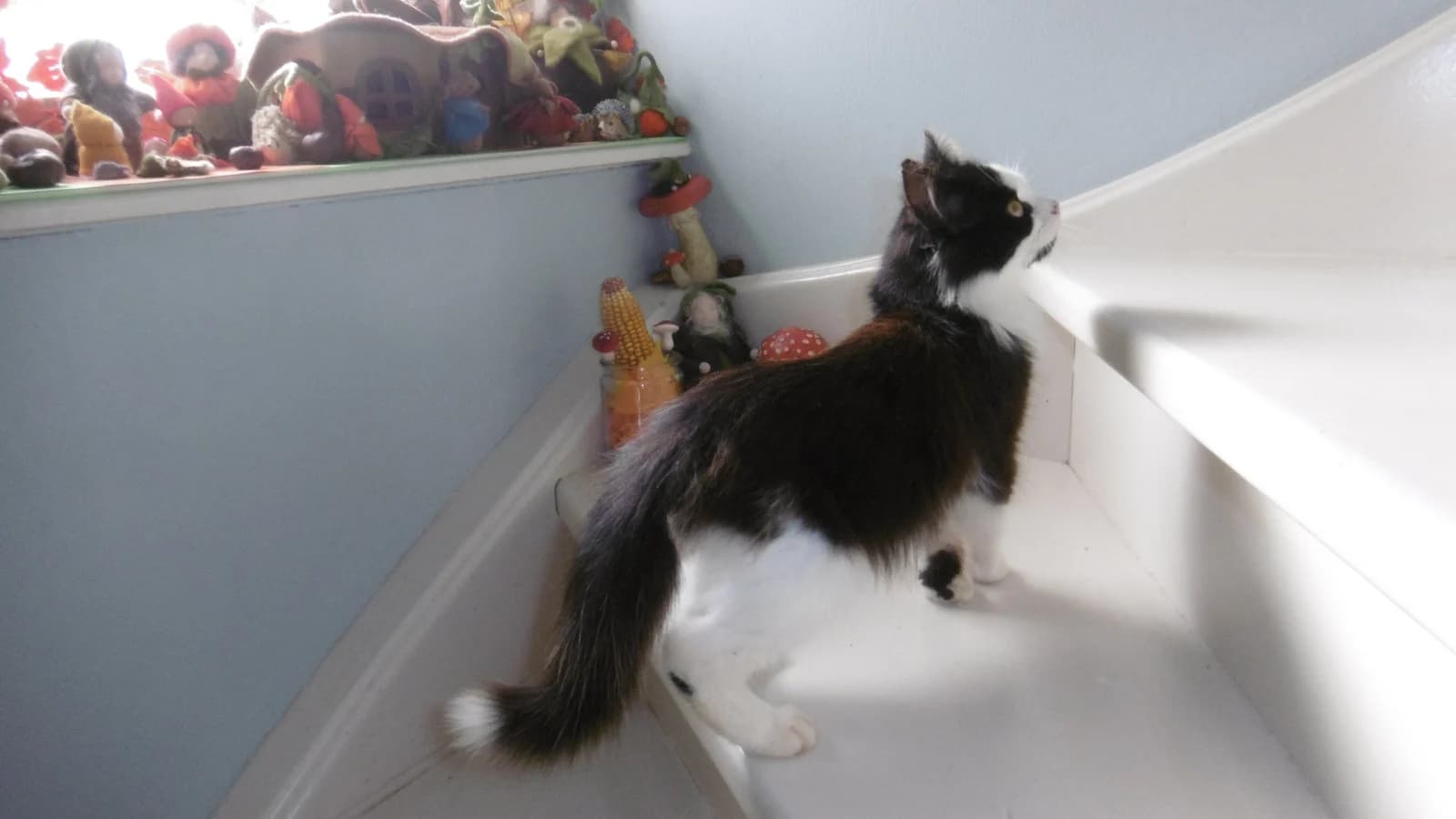
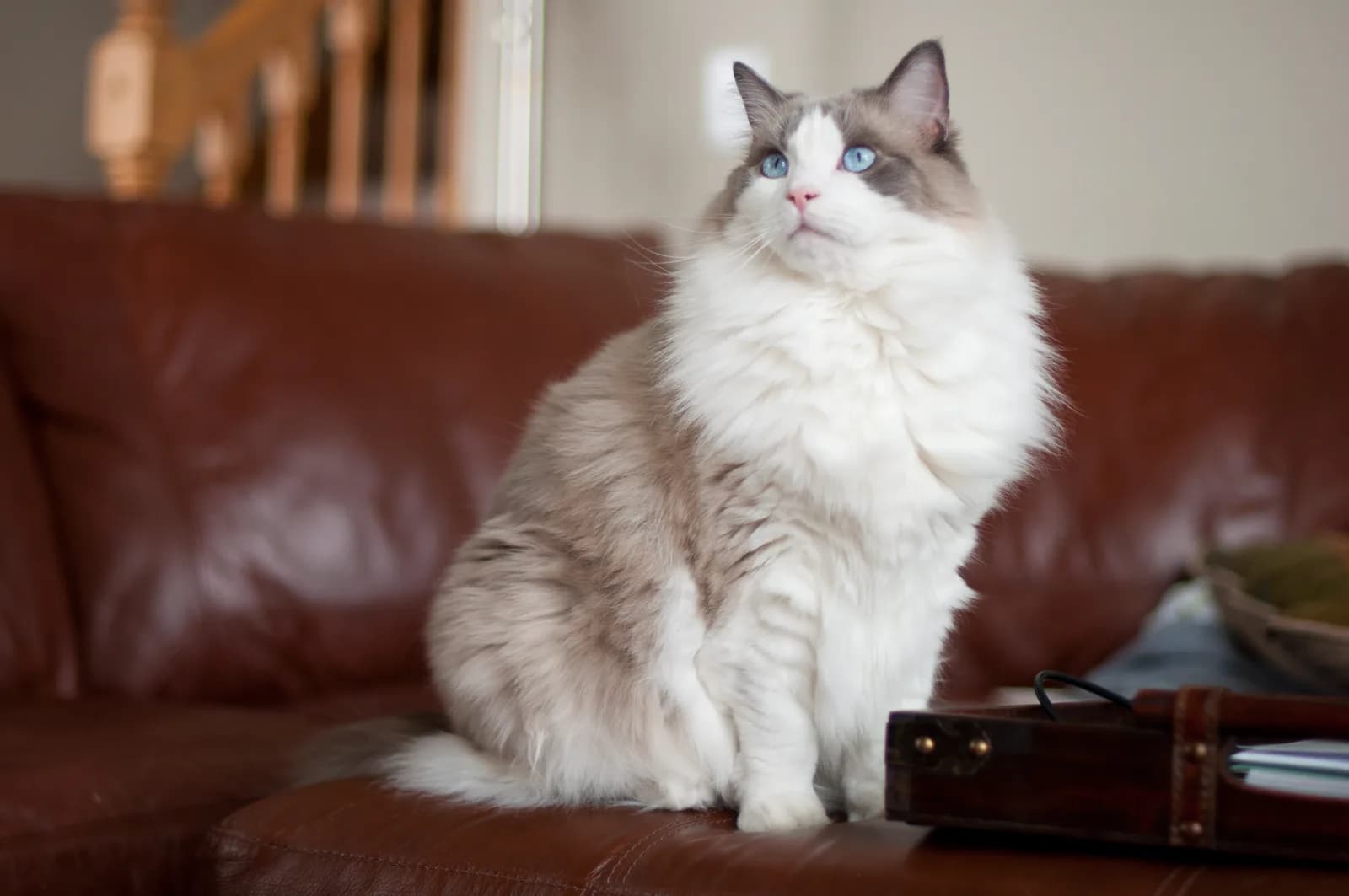
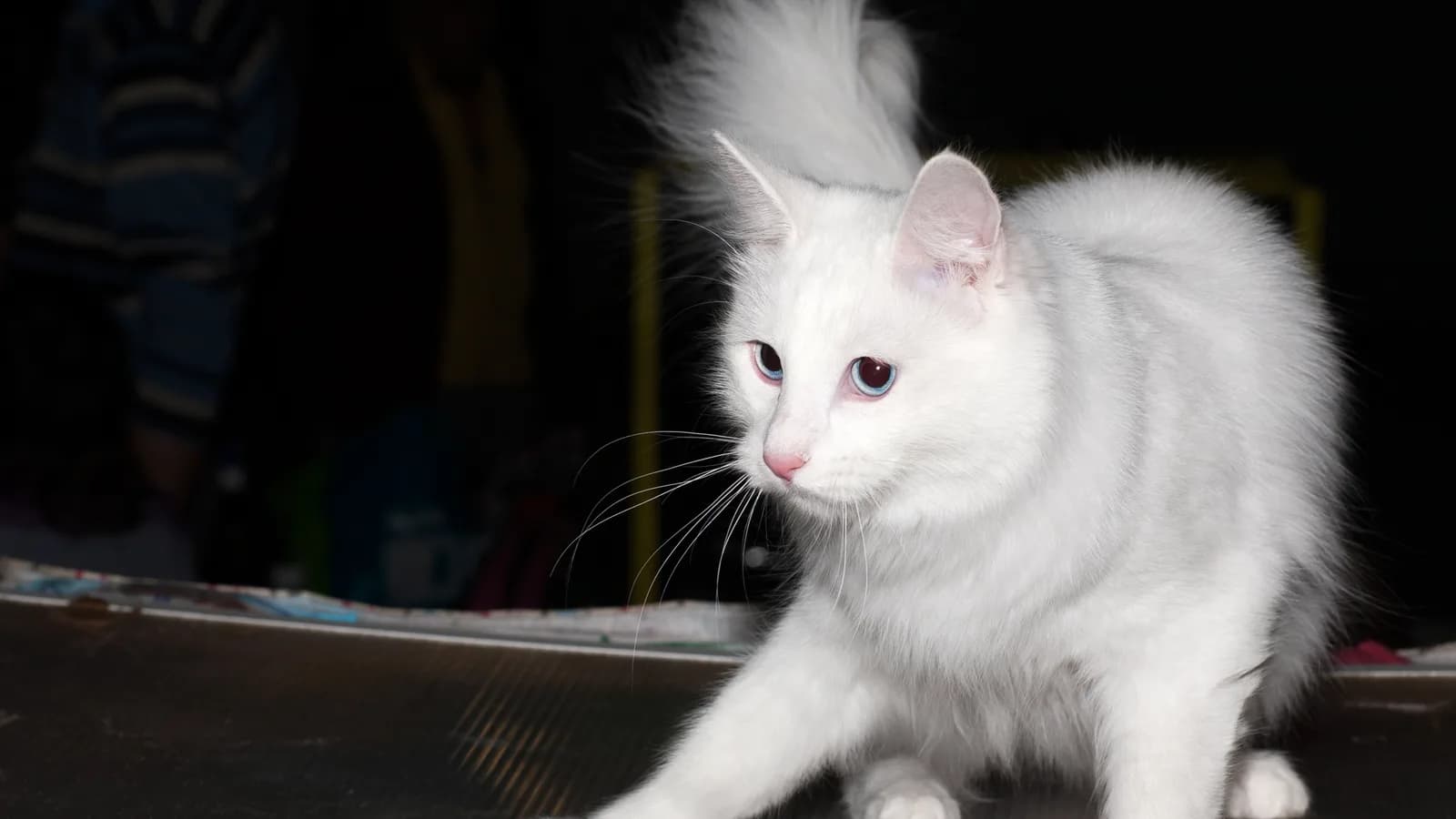
The long-haired breeds, by workload
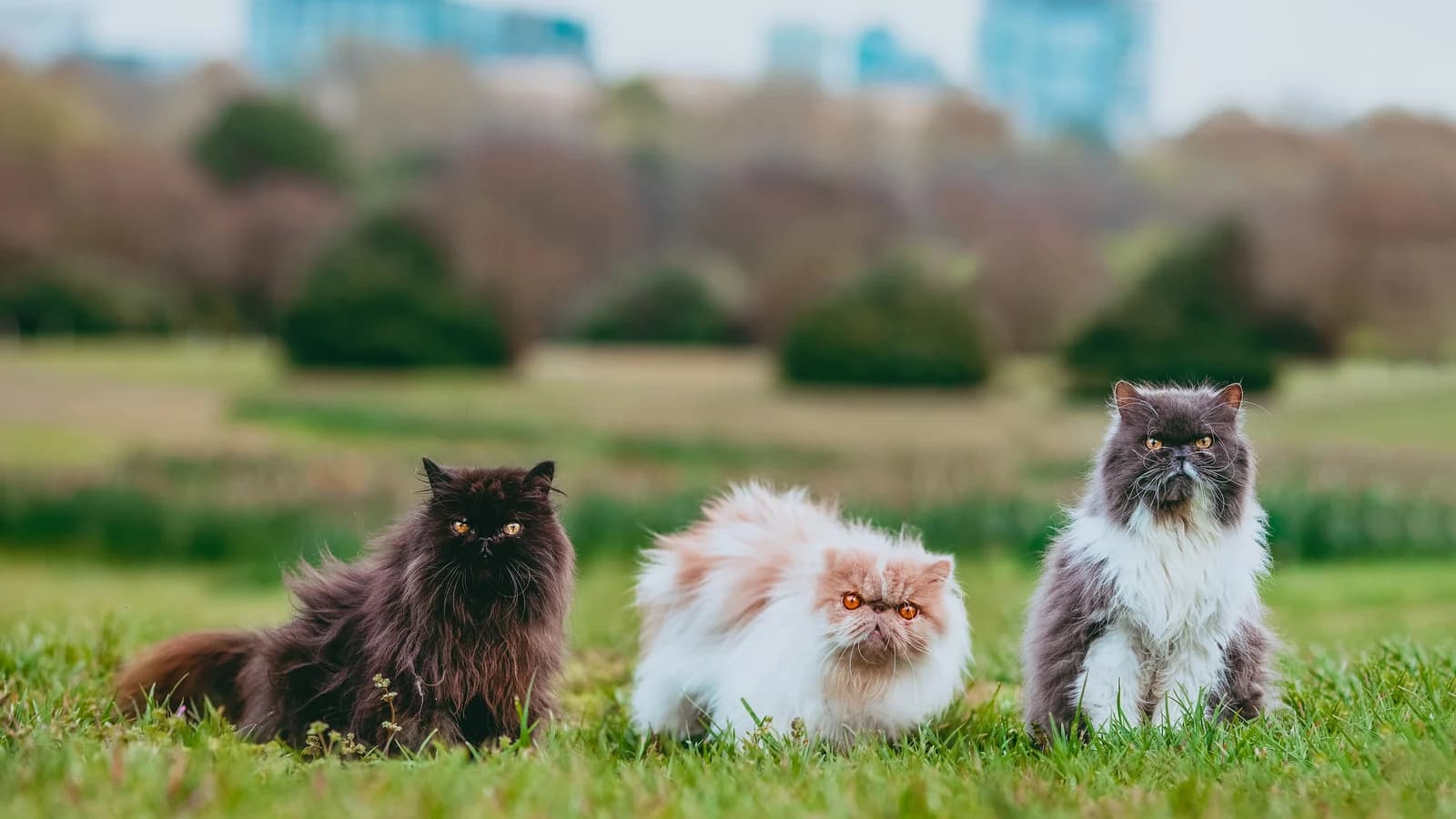
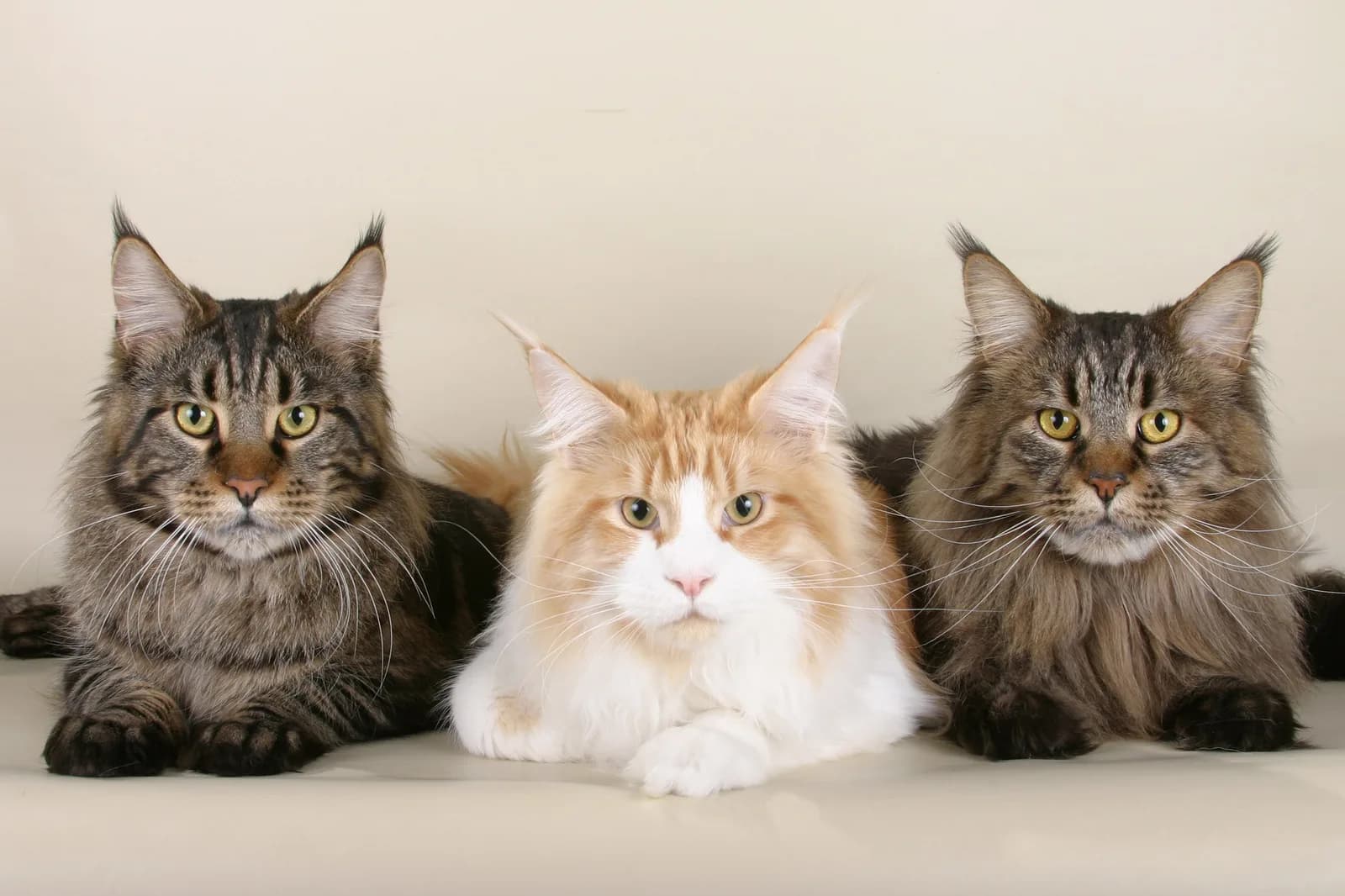
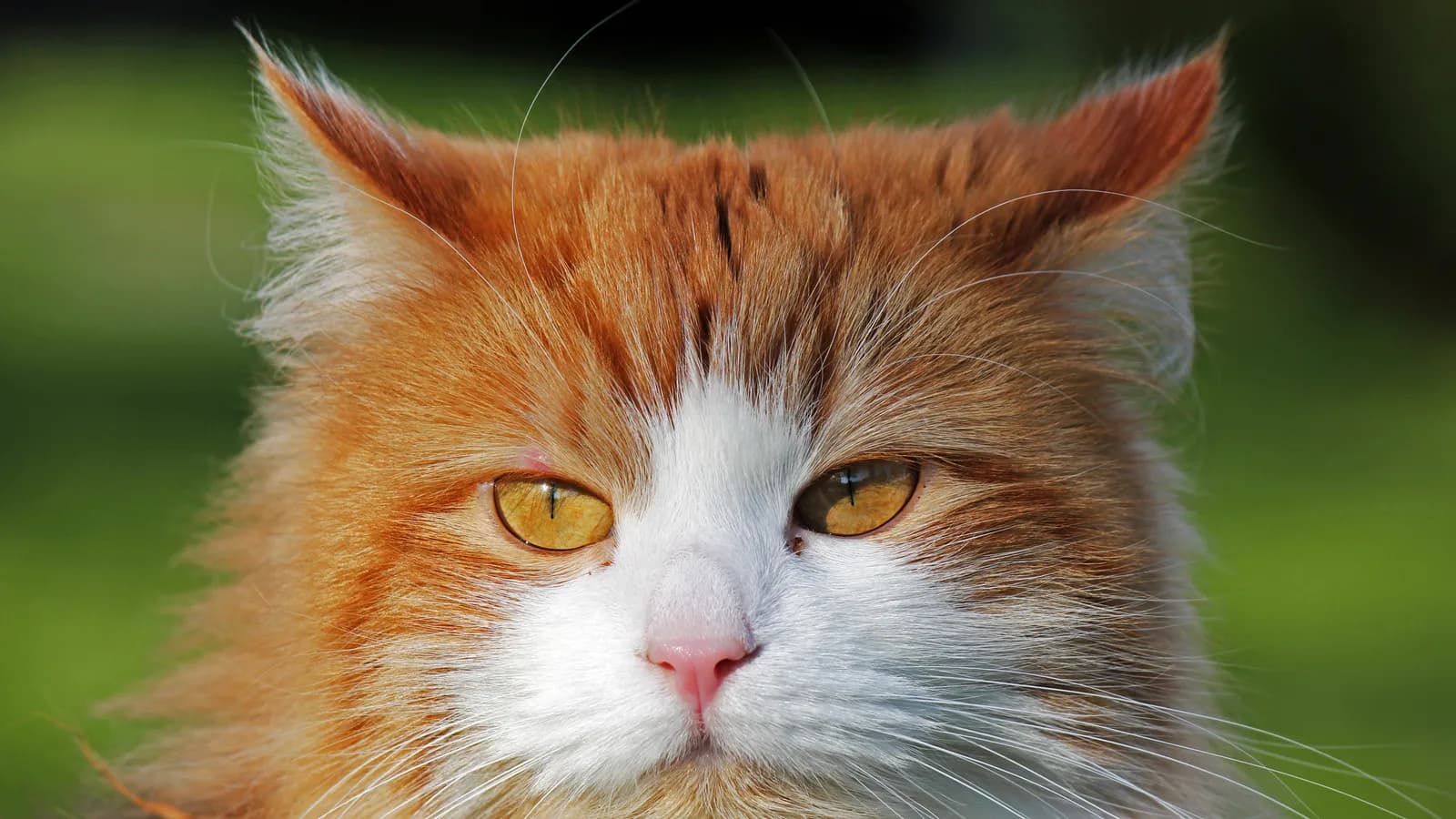
Top of the workload chart: the [Persian](/breeds/persian) and its pointed twin the [Himalayan](/breeds/himalayan), whose long coat over a woolly undercoat is a genuine daily commitment. The middle tier is the semi-longhairs. [Maine Coon](/breeds/maine-coon), [Siberian](/breeds/siberian) and [Norwegian Forest Cat](/breeds/norwegian-forest-cat) carry heavy undercoats that demand real attention at molt season but coast between. The light end: the [Ragdoll](/breeds/ragdoll)'s silky semi-long coat carries less undercoat and mats less. And the [Turkish Angora](/breeds/turkish-angora) wears a fine, silky single coat with little undercoat, the closest a long coat gets to self-cleaning.
| Tier | Breeds | The honest routine |
|---|---|---|
| Daily | Persian, Himalayan | A daily comb-through; skipping days compounds like interest |
| Serious weekly | Maine Coon, Siberian, Norwegian Forest | Weekly combs, stepped up to near-daily during molts |
| Easy long | Ragdoll, Turkish Angora | A weekly once-over keeps the silk moving |
The grooming manual: comb beats brush
The single most useful upgrade in long-hair grooming is swapping the slicker brush for a good metal COMB. A brush glosses the top and leaves the undercoat felting quietly underneath. A comb goes to the skin and brings the loose down out before it mats. Work in sections. Start where the cat likes it, end BEFORE the cat files a complaint. And pay double attention to the friction zones: behind the ears, armpits, and the belly.
The mat protocol, since every long-haired household meets one. Small fresh mats tease apart with fingers and comb, from the tip toward the skin. Anything tight against the skin is a job for clippers in experienced hands, and NEVER scissors. Skin tents up inside a mat, and cutting one blind is how grooming stories become vet visits.
- A metal comb to the skin, not a brush over the top.
- Short sessions, high-value endings: the cat's opinion decides the schedule's success.
- Friction zones first: ears, armpits, , belly.
- Tight mats: clippers or a professional, never scissors.
- Molt seasons: double the frequency for a few weeks and the rest of the year stays easy.
Shedding, honestly
Do long-haired cats shed more? They shed more VISIBLY. Each hair is longer, the undercoat is denser, and the result is tumbleweeds instead of dust. The molt calendar does most of the damage in spring and autumn. The practical fix is upstream. Hair caught in a comb never reaches the couch, and a few minutes of combing during molt weeks removes what would otherwise spend a month redecorating.
One vocabulary note: the long-haired cat without a is a domestic longhair, the cloud-without-paperwork that fills shelters and homes everywhere. Everything in this manual applies to them identically. The coat does not check papers.
The shaving question
Can you shave a long-haired cat? You can; you mostly should not. The coat is climate equipment in BOTH directions, insulating against cold and buffering heat. A healthy, combed coat does its job better than bare skin does. Where shaving earns its place: severe matting beyond rescue (a clipper job for a groomer or vet team, calmly and safely), some medical situations your vet will name, and occasionally a sanitary trim. A routine summer lion cut for an otherwise healthy coat solves a problem the comb solves better.
Long hair and allergies
Coat length does not decide allergies. The major cat allergen is produced in glands and spread by grooming, so a long-haired cat is not automatically worse (or better) for allergic households. The full evidence file, including what the science actually measured breed by breed, lives on our hypoallergenic cats page.
That is the whole manual: comb to the skin, respect the molt calendar, keep scissors away from mats, and the cloud stays glorious. Come back before the spring molt; your sofa will thank both of us.
By Tess · The straight talkerFrequently asked questions
How do you groom a long-haired cat?
A metal comb to the skin, in short sections, several times a week (daily for Persians), with extra passes behind the ears, in the armpits and on the britches. The comb removes loose undercoat before it mats; a brush alone only polishes the surface.
Do long-haired cats shed more?
They shed more visibly: longer hairs and denser undercoat make more obvious drifts, peaking at the spring and autumn molts. Combing during molt weeks intercepts most of it.
Can you shave a long-haired cat?
Only with a reason: severe matting (a clipper job for a professional), or a medical need your vet names. The coat insulates against both cold and heat, so routine summer shaving mostly removes equipment the cat was using. Never cut mats with scissors.
Are long-haired cats hypoallergenic?
No cat is: the main allergen comes from glands, not hair length. Some long-haired breeds are marketed as allergy-friendly; our hypoallergenic cats page walks what the evidence actually shows.
Do long-haired cats need professional grooming?
Most manage with home combing. Persians and Himalayans are the tier where a professional groomer earns their fee, and any cat whose coat has felted into tight mats needs professional hands once, then a better home routine.
How long does cat hair take to grow back?
A clipped long coat typically needs several months to return to full length, longer for the densest coats, and the regrowth can look uneven along the way. It is another argument for combing over clipping.
Sources & references
Data checked against reference bodies (breed registries, allergy research, veterinary schools).
- CFA Persian breed standard (the long coat and its undercoat)
- TICA: Maine Coon breed page
- TICA Siberian standard (rev. May 2026)
- TICA Norwegian Forest breed standard (the double coat)
- TICA: Ragdoll breed page (the silky semi-long coat)
- TICA Turkish Angora standard (the single, silky coat)
- iCatCare: Allergies to cats (the glandular mechanism)
This page is a starting point. Every cat is an individual: our profiles spell out the tendencies of each breed, sources included.
 Purr or Pass
Which cat breed is right for you?
Take the quiz