


Cat breeds by trait
Hypoallergenic Cats: What the Evidence Actually Says
If you are allergic to cats and hoping a breed name solves it, this page owes you the truth before the list. No cat breed, hairless or coated, has ever been shown by a controlled study to be hypoallergenic, and the allergy profession says so in plain words. What exists instead is more interesting: one genuinely suggestive gene study, a map of breed claims their own registries mostly deny, and two real scientific interventions at very different stages.
We built this page from the actual literature, our own nine-breed research, and the registries' and clubs' own words. It is the version of this topic the listicles do not write, because the honest version names its evidence.
 By Priya · The careful one
Contents
Breeds worth knowing
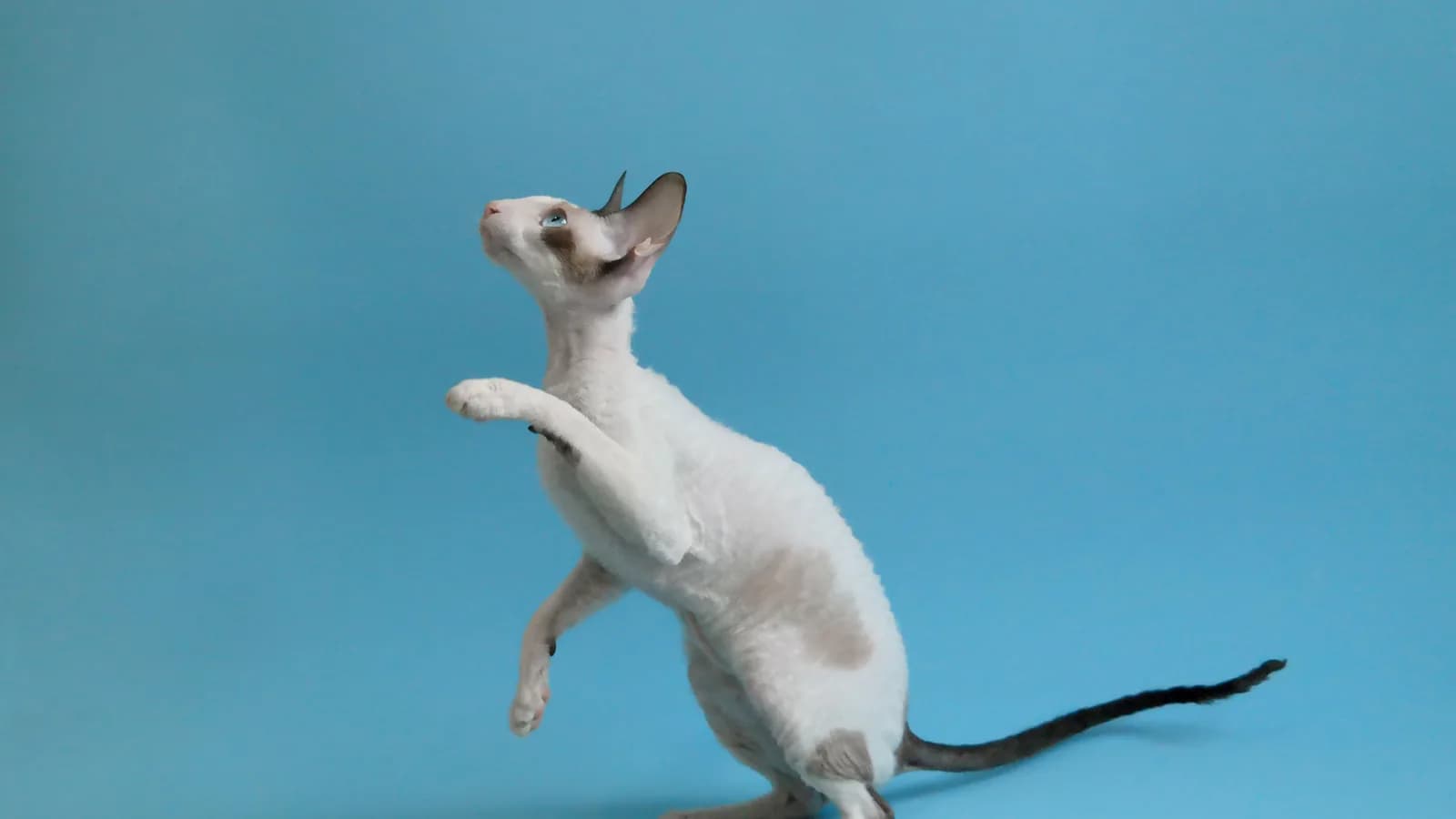
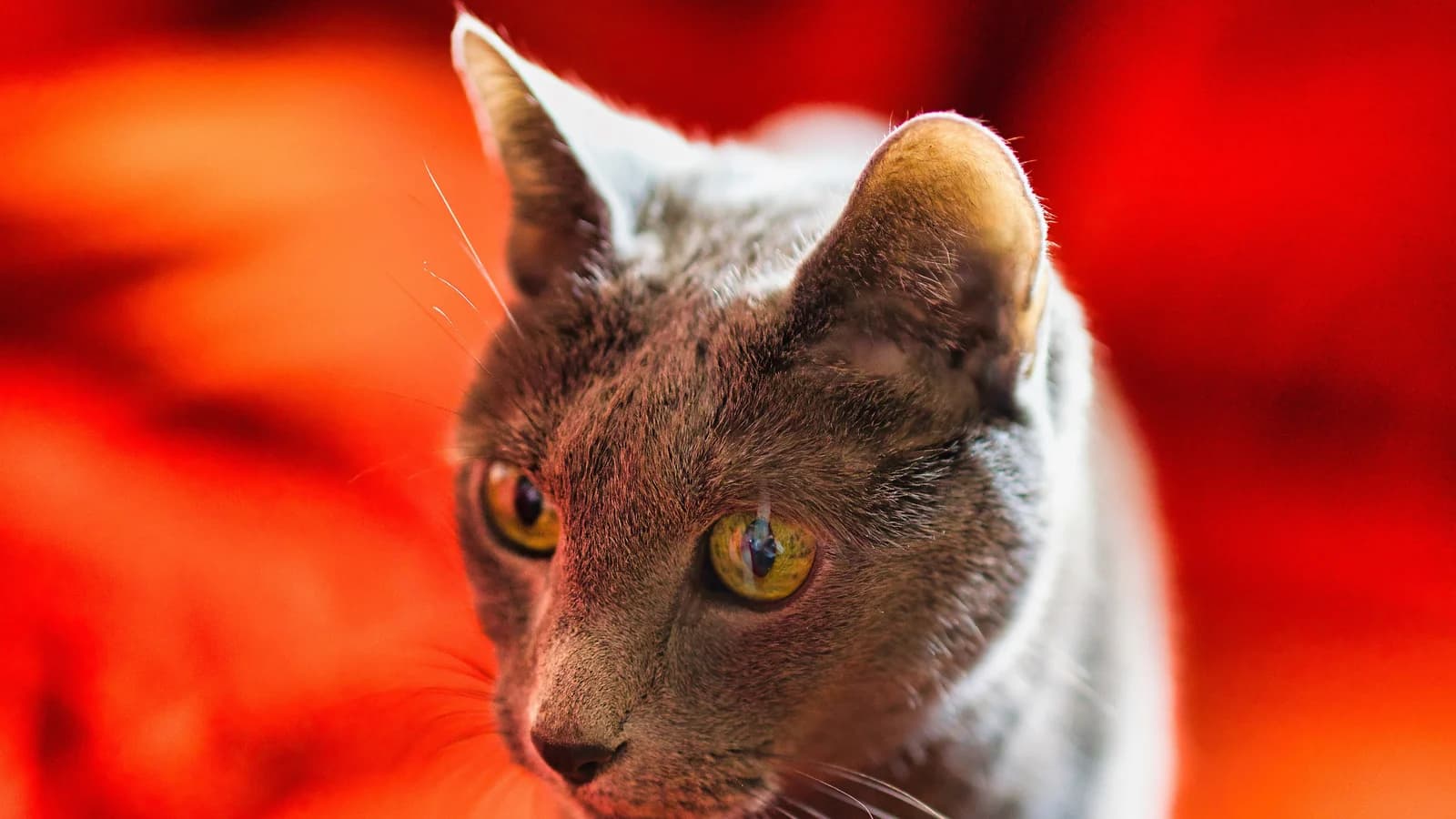
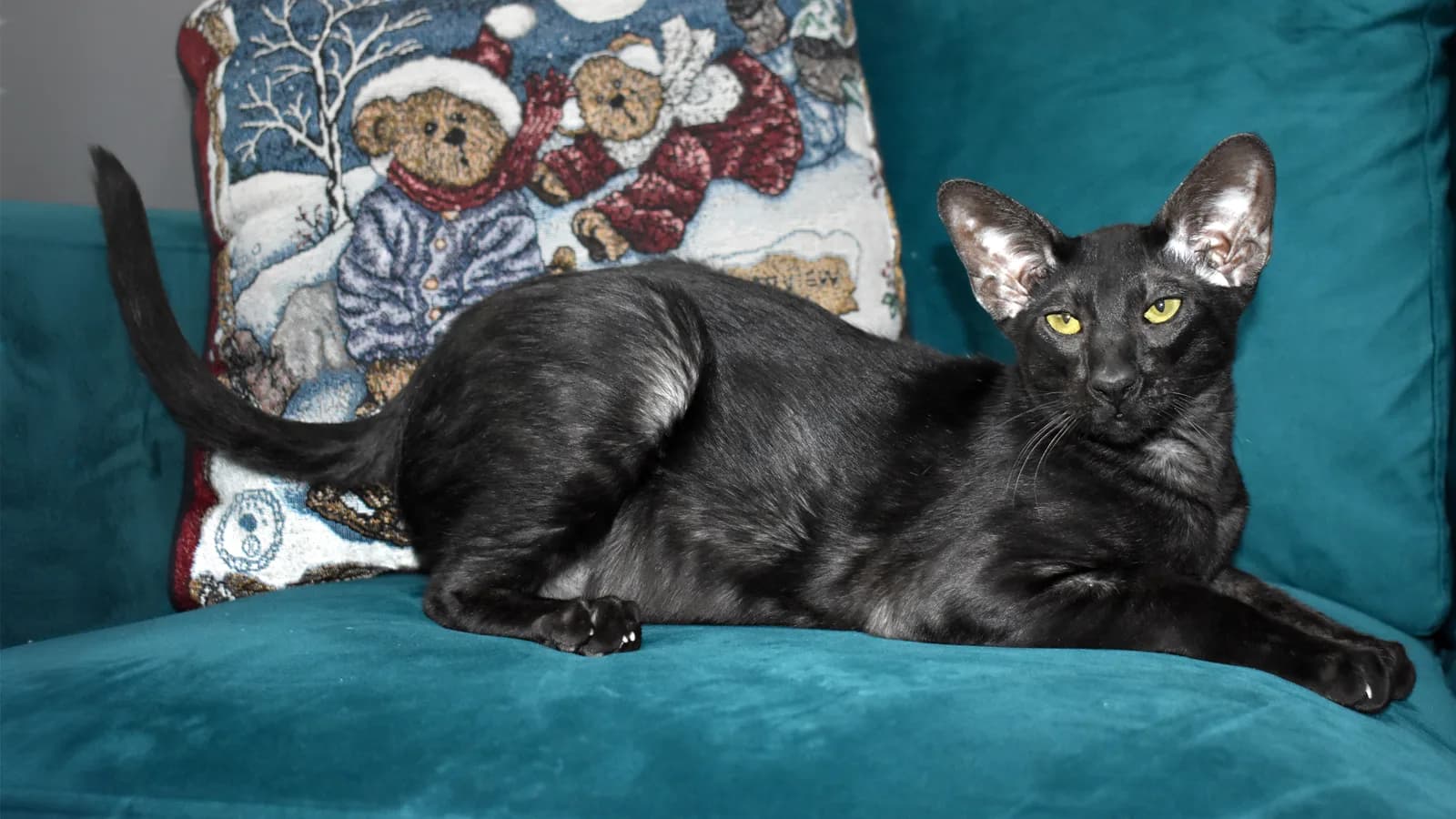
Tap a breed for the full profile: temperament, health, price and coat colors, all fact-checked.
The allergen: Fel d 1, and why fur was never the point
Cat allergy is overwhelmingly a reaction to : a small, tough protein produced in a cat's sebaceous (skin), salivary and anal glands, spread onto the coat by grooming, and from there into the air and onto every soft surface you own. Because the glands make it, not the fur, coat length and coat presence change distribution, not production. In one review's flat words, "all cats produce Fel d 1 regardless of age, sex, breed, body weight, hair length or housing." And a 2024 academic review adds the sentence that settles the most common hope: "even hairless Sphynx cats produce Fel d 1."
That is the mechanism the whole page rests on. Every claim below is a claim about producing LESS, never none. And the professional bodies' position is uniform: the AAAAI, "there are no hypoallergenic breeds of dogs or cats"; the ACAAI, "all cats produce allergens; studies have not shown that cats can be hypoallergenic."
Made in the glands
Skin, saliva and anal glands produce ; grooming spreads it onto the coat and into your home.
Not the fur
Coat length, coat type and hairlessness change where the allergen goes, not how much is made.
Every cat, individually
Production varies hugely cat to cat, which is why one cat bothers you and another does not: individual, not breed, variation.
What has actually been measured (the whole ladder)
The evidence for ANY breed producing less fits in one paragraph, and we lay it out by tier. At the top, exactly one peer-reviewed gene-level study. Sartore et al. 2017 sequenced the Fel d 1 genes in FOUR Siberian cats, found more variants than in comparison cats, and tied one cat's genuinely low saliva reading to two mutations unique to that one cat. The paper itself calls for the population work that has never followed. One tier down, a 2014 Vienna conference poster measured lower Fel d 1 in eight cats labeled hypoallergenic versus six normal cats, and never named the breeds.
So it supports the idea that real differences exist between individual cats, while supporting no breed at all. Below that sits two decades of Siberian breeder-run saliva testing: thousands of samples, roughly half reading lower than typical, all collected and published by the same family operation that breeds and sells the cats. It rests on a 2005 university study that was never published, with the operators themselves acknowledging the original test method's 20-40% error rate. And below that: nothing. Our searches for breed-named studies on the Russian Blue, Bengal and Balinese each returned zero results.
Read as a ladder, the honest summary is: the Siberian's claim is the only one with any laboratory evidence behind it, that evidence is four cats, and no breed anywhere has the population study the claim would need. Individual cats genuinely differ; breeds, as far as science can currently show, do not reliably.
controlled studies comparing across named breeds
0
the central absence, confirmed across our nine-breed research
cats in the only breed-specific gene study (Siberian, 2017)
n=4
one cat's low reading tied to two mutations unique to that cat
searched with zero results (Russian Blue, Bengal, Balinese)
3 breeds
direct literature searches, each returning nothing
The breed claims, mapped against their own registries
The most useful thing our research produced is this map. For each breed the internet calls hypoallergenic, what its OWN registry or breed club actually says. The pattern is striking: the institutions closest to the breeds mostly deny the claim, unprompted, on their own pages.
| Breed | The claim's real status | In their own words |
|---|---|---|
| Siberian | The only gene-supported claim, population-unproven | states it without citation; says nothing at all; the one gene study used 4 cats |
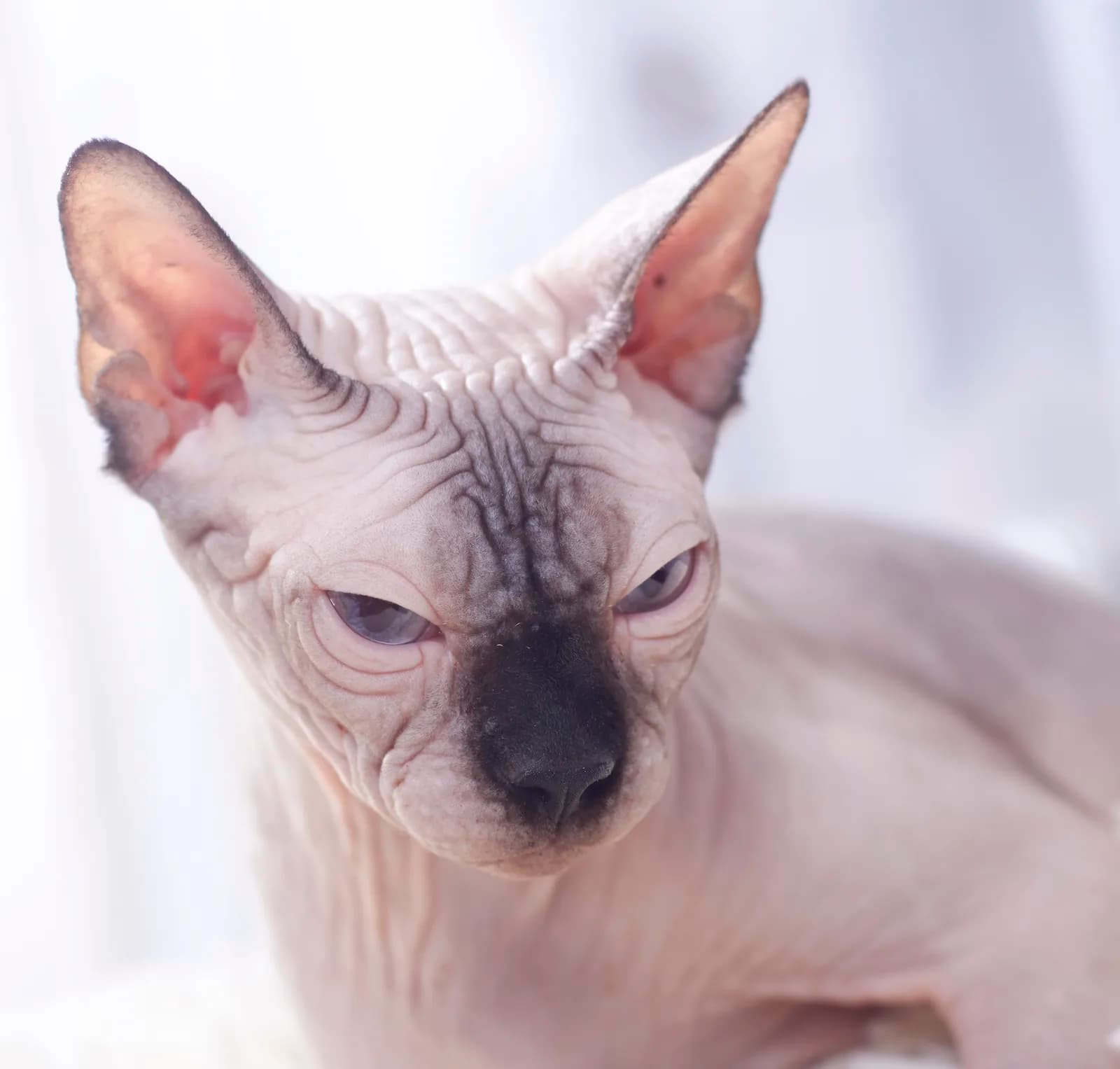
| Sphynx | Denied by two registries, hedged by one | : "not a hypoallergenic cat despite the claims of some people"; : "no scientific studies... probably helps... for some" |
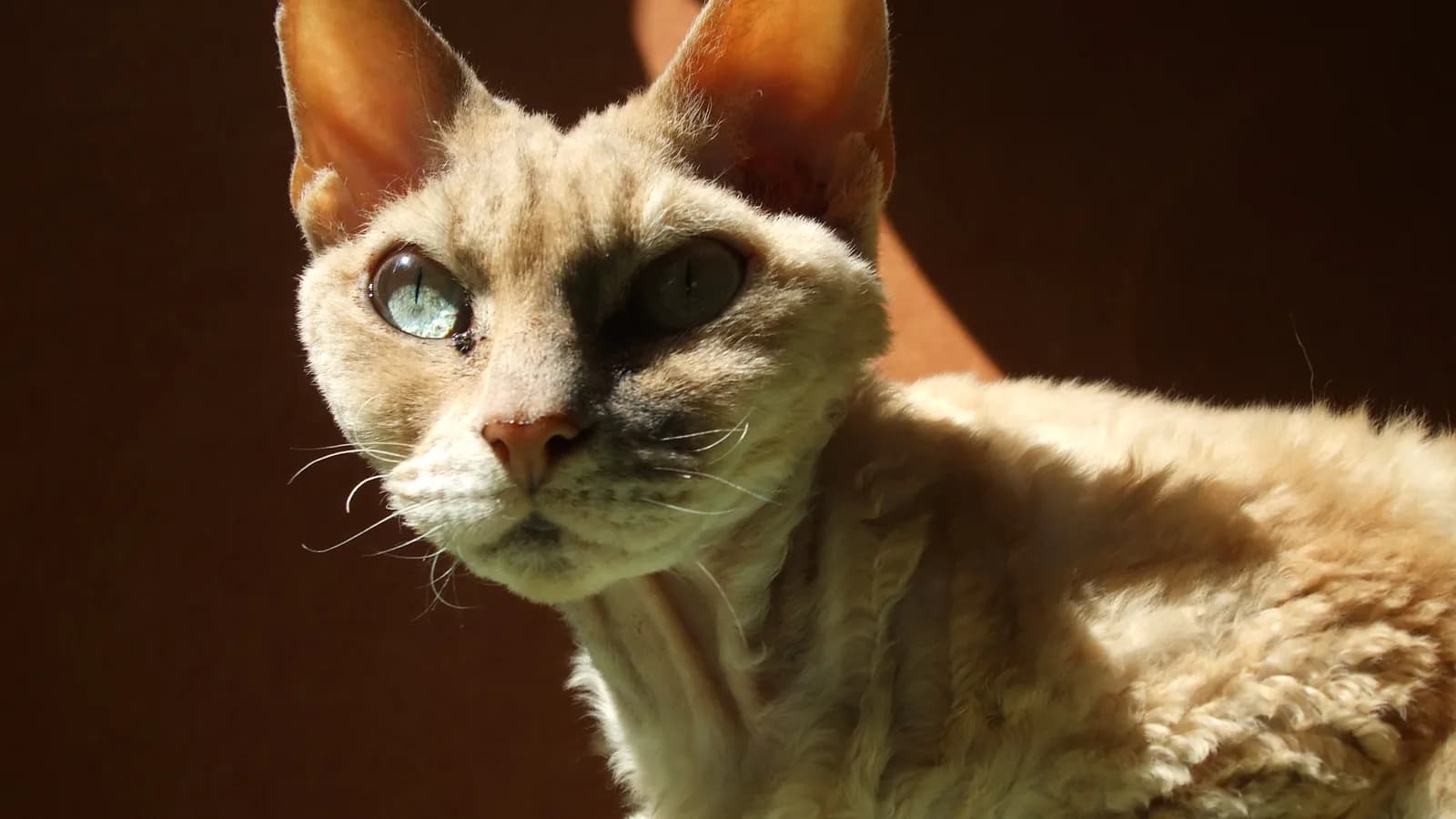
| Devon Rex | Denied by all three registries | : "they do produce allergens like every other cat"; : "not hypoallergenic" |
| Cornish Rex | Addressed by only one registry (a denial) | : produces allergens "just as other cats"; and never raise it |
| Russian Blue | The cleanest denial: from the breed's own club | The UK breed club: "Russian Blues are not hypoallergenic", naming itself |
| Peterbald | Denied unprompted by its own registry | 's own page: "Hairless Peterbalds are not all hypoallergenic" |
| Bengal / Balinese | No study exists either way | Zero breed-named results in the literature; the coat-type mechanism is rejected by every review |
Why the Siberian row reads differently
One breed genuinely has more evidence than the others: a real (tiny) gene study plus a large (unaudited, seller-run) testing dataset. That is worth saying precisely: the Siberian claim is the best-supported AND still unproven at population level. Our Siberian profile carries the full file.
The two interventions with actual science
Two approaches have peer-reviewed evidence, at very different maturities, and they deserve to be told apart. The anti- diet is real and on shelves: an egg-derived antibody ingredient that binds Fel d 1 in the cat's saliva, validated in industry-funded studies. The largest: 105 cats, hair-coat allergen down an average 47% by week 10, range 33-71%, funded and authored by the manufacturer, a caveat we print every time. It reduces, never eliminates, and it has never been tested breed by breed.
The anti- vaccine (immunising the CAT so its own antibodies neutralise the allergen) exists as a genuinely promising 2020 Zurich pilot: 13 cats, 9 allergic owners, measurable antibody increases and improved tolerated-contact times, in the authors' own words a pilot without placebo control. The company developing it was acquired by a major animal-health firm in 2024. As of our research date, it has no regulatory approval and no launch date. Real science, years apart in maturity.
Beyond those two: the standard allergy-management toolkit (bedroom exclusion, air filtration, washing hands and textiles, and above all an allergist's actual diagnosis and plan) remains what the professional bodies recommend. None of it is breed-dependent.
If you are allergic and still want a cat: the honest protocol
Talk to an allergist first: cat allergy severity spans from inconvenience to asthma, and that difference changes every decision after it. Then test the individual animal, not the breed name. Spend real time, more than once, with the actual cat you would take home, because individual variation is the one thing every source agrees is real.
Treat any breeder marketing "hypoallergenic kittens" with the caution that phrase has earned (the honest ones say reduced, never none, and invite you to visit). And build the fallback plan before the cat arrives, not after. A home where the bedroom stays cat-free and the air is filtered is a plan; a rehomed cat is a heartbreak. A human allergy is a question for your doctor, not your vet, and never something a breed name answers.
What to remember: the allergen is glandular, so no coat makes it vanish; exactly one breed has any laboratory evidence behind its claim, and it is four cats' worth; the registries themselves mostly deny the label; and the two real interventions are a diet that reduces and a vaccine still in pilot. If the allergy is real, the allergist comes before the breeder, and the individual cat matters more than anything printed on its .
By Priya · The careful oneFrequently asked questions
What is the most hypoallergenic cat?
By the evidence, none qualifies for the label. The Siberian has the only laboratory support of any breed, a four-cat gene study plus unaudited breeder testing, and even there the honest phrasing is reduced-in-some-individuals, never hypoallergenic. Individual cats vary far more reliably than breeds do.
Are hypoallergenic cats real?
As allergen-free cats, no: every cat produces Fel d 1 from its skin and salivary glands, and the allergy bodies state plainly that no hypoallergenic breed exists. As lower-allergen individuals, yes: cat-to-cat variation is real, which is why testing the specific cat matters more than choosing a breed.
Do hairless cats help with allergies?
Not by being hairless: the allergen comes from skin and saliva, and even the Sphynx's own registries call the hypoallergenic label false. Less shed hair can mean less allergen spread around the home, which helps some households in practice.
Is the Siberian cat really hypoallergenic?
It has the best evidence of any breed and it is still unproven: one 2017 study of four cats found gene variants and one genuinely low individual; the large testing datasets come from the sellers themselves. Some individual Siberians measure low. The breed as a whole has never been shown to be.
Does the allergen-reducing cat food work?
The peer-reviewed (manufacturer-funded) studies show real average reductions in active allergen on the coat, about 47% by week 10 in the largest study, with wide cat-to-cat variation. It reduces, never eliminates, and whether the reduction crosses YOUR symptom threshold is individual.
Is there a vaccine for cat allergies?
In development: a Zurich-designed vaccine given to the cat, whose antibodies then neutralise Fel d 1, showed promising results in a small 2020 pilot (13 cats, 9 owners, no placebo arm). The program was acquired by a major animal-health company in 2024 and has no approval or launch date yet.
Which cat breeds are worst for allergies?
Unknown, honestly: the same absence of breed-level measurement cuts both ways, and the professional bodies note that hair length, sex and time indoors do not predict allergen levels. The high-allergen cat, like the low one, is an individual.
Can I build tolerance by living with a cat?
Sometimes symptoms change over time, in both directions, and that is exactly the kind of question an allergist answers for your specific case. Nothing on this page substitutes for that conversation; a human allergy is a doctor question, not a breed question.
Sources & references
Data checked against reference bodies (breed registries, allergy research, veterinary schools).
- AAAAI: Indoor allergens (there are no hypoallergenic breeds)
- ACAAI: Pet allergies (all cats produce allergens)
- Hilger et al. 2024, Hypoallergenic animals: a promise of hope? (Allergol Select)
- Popescu et al. 2021, Molecular diagnosis in cat allergy (World J Methodol)
- Sparkes et al. 2021, Human allergy to cats: a review for veterinarians (J Feline Med Surg)
- Sartore et al. 2017, Fel d 1 gene variants in Siberian cats (the 4-cat study)
- Satorina et al. 2014, Do hypoallergenic cats exist? (conference poster)
- Satyaraj et al. 2019, anti-Fel d 1 egg IgY: the 105-cat coat study (Immun Inflamm Dis)
- Satyaraj et al. 2019, egg ingredient lowers allergen in saliva (J Feline Med Surg)
- Thoms et al. 2020, immunization of cats against Fel d 1 (Viruses): the vaccine pilot
- Russian Blue Breeders' Club (UK): Is the Russian Blue truly hypoallergenic?
- iCatCare: Allergies to cats
- CFA: Sphynx breed page (the registry's own denial)
This page is a starting point. Every cat is an individual: our profiles spell out the tendencies of each breed, sources included.
 Purr or Pass
Which cat breed is right for you?
Take the quiz