


Cat breeds by trait
Rare Cat Breeds: Measured by the Registries' Own Numbers
Every rare-cat listicle runs on vibes: exotic name, pretty photo, the word rare. This page runs on the only rarity evidence that exists. The registries' own registration counts and breeder directories, which our breed research collected one silo at a time. When a registry's own search returns zero catteries for a breed, that is rarity you can cite.
Here are the genuinely scarce breeds we have profiled, each with its number and its source. Plus the honest notes: what rarity does to prices (less than you think, in the strangest ways), and the two traps in every rare-breed market.
 By Priya · The careful one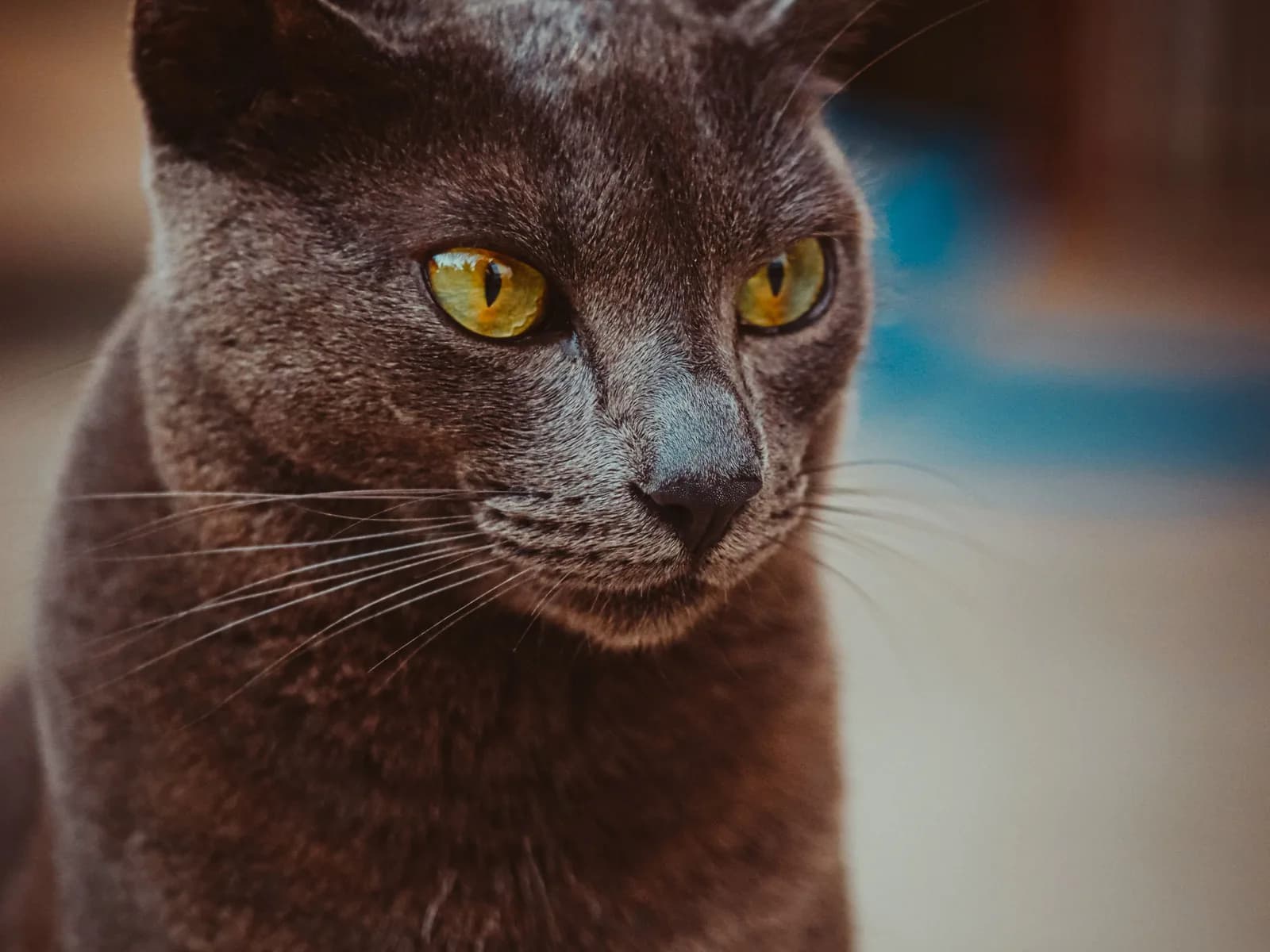
Contents
Breeds worth knowing
Tap a breed for the full profile: temperament, health, price and coat colors, all fact-checked.
Rarity you can actually count
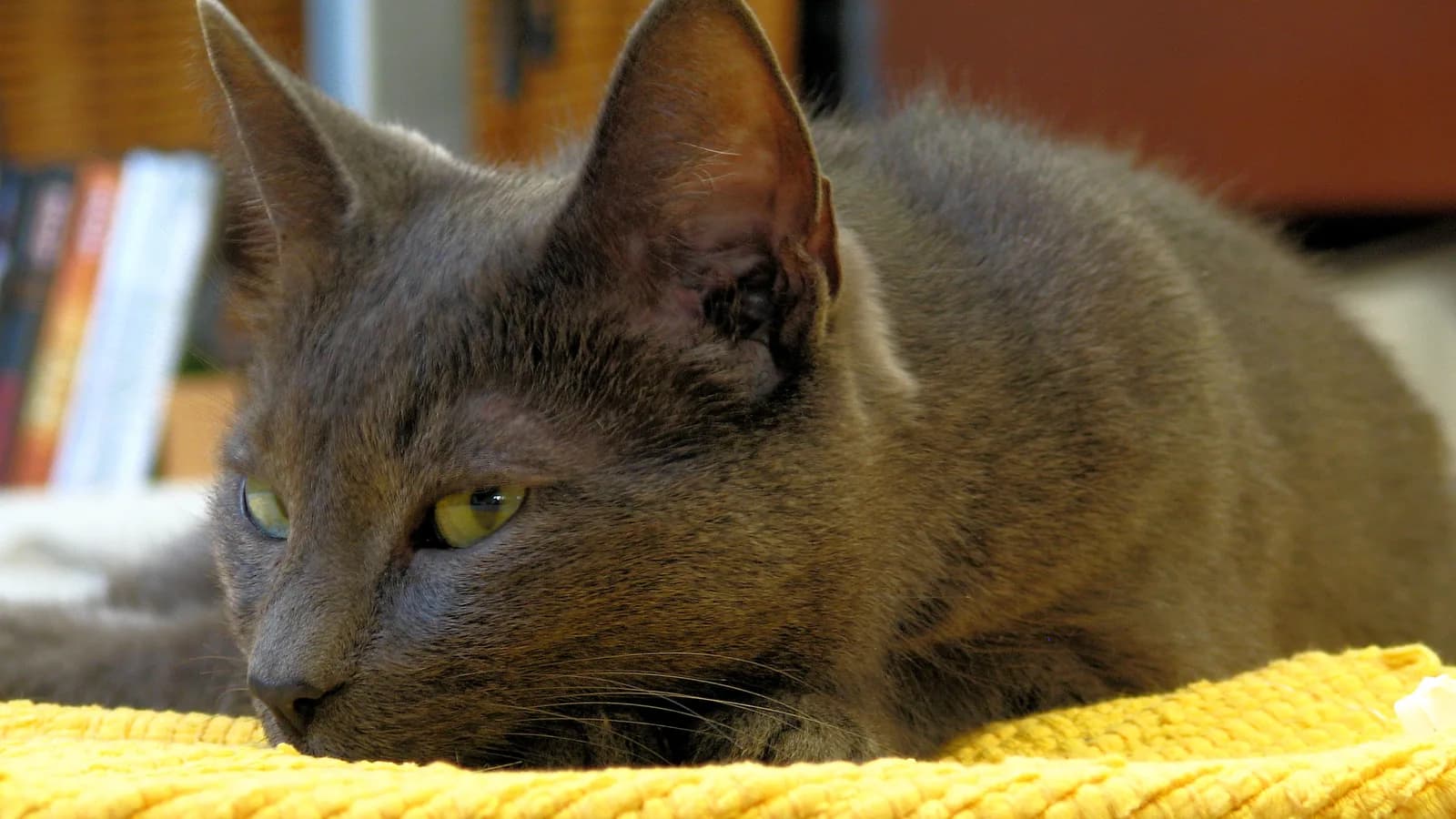
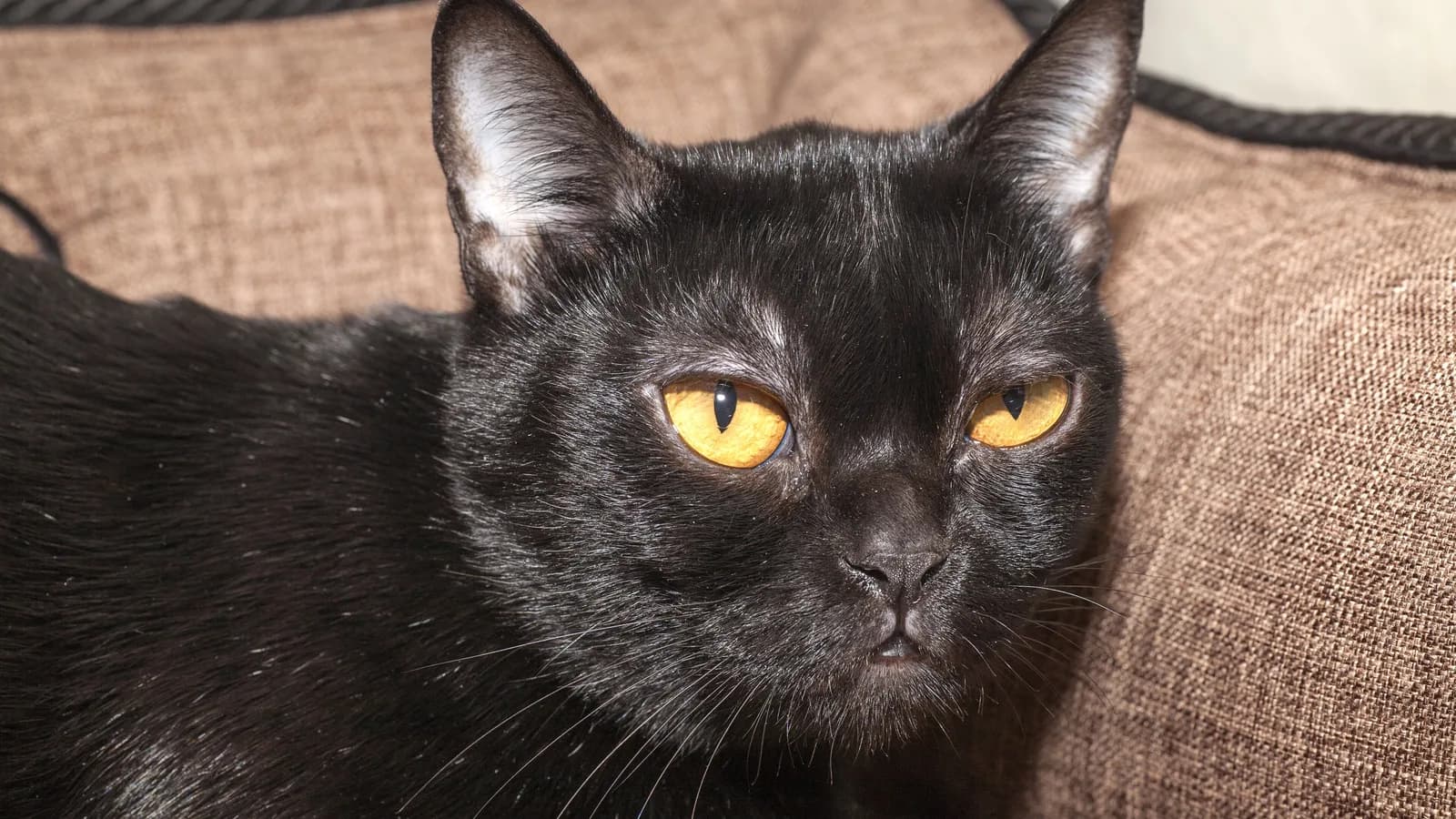
The measured highlights from our own breed research, each figure from the registry's own records. The Korat: 's own breeder directory returns ZERO Korat catteries, Canada's registry lists exactly one, and the breed community's most generous census names eleven active US breeders. The Bombay: 's own 2013 count put it at 0.25% of cumulative registrations, and recorded ten Bombays, total, in all of 2023.
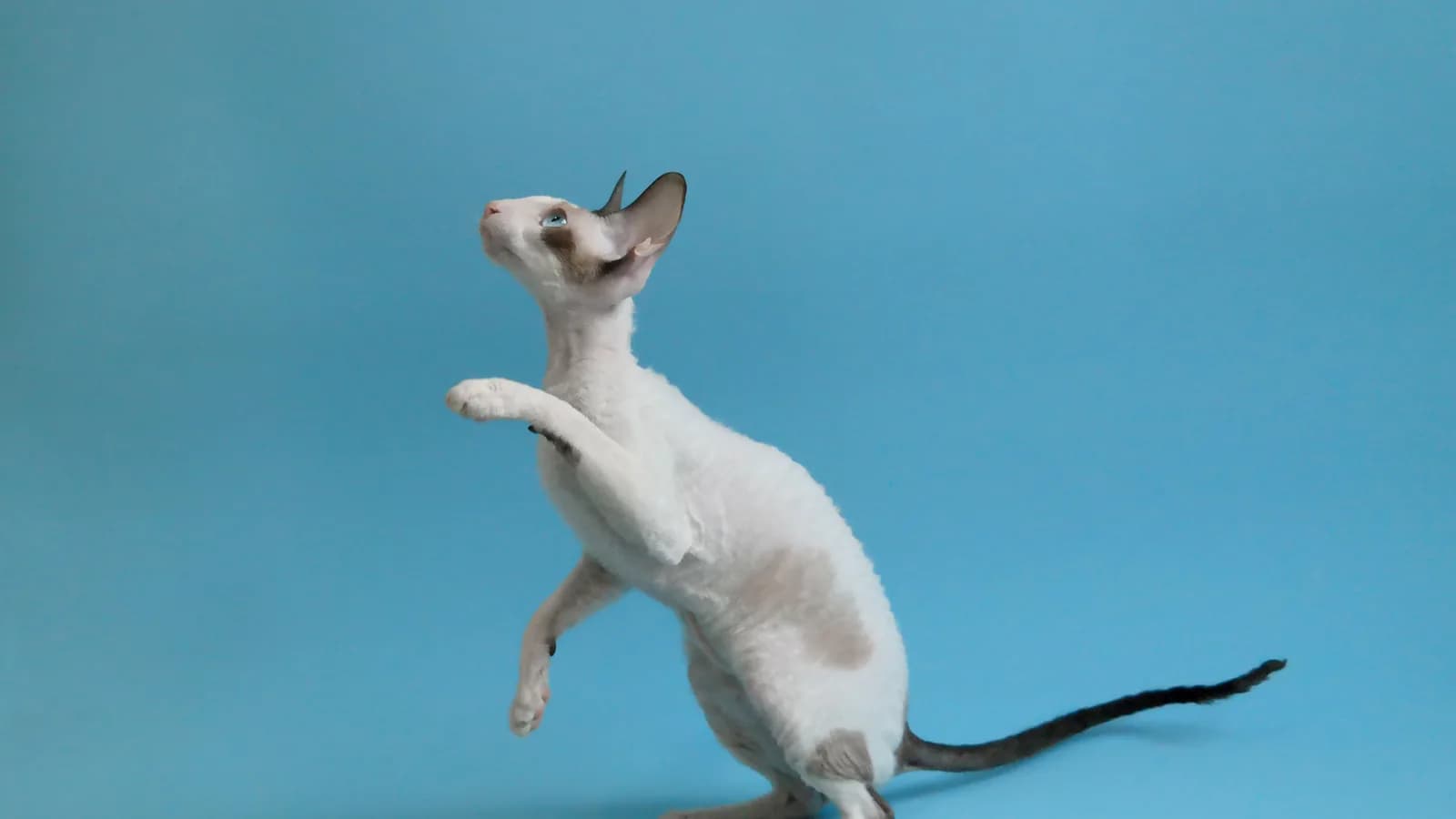
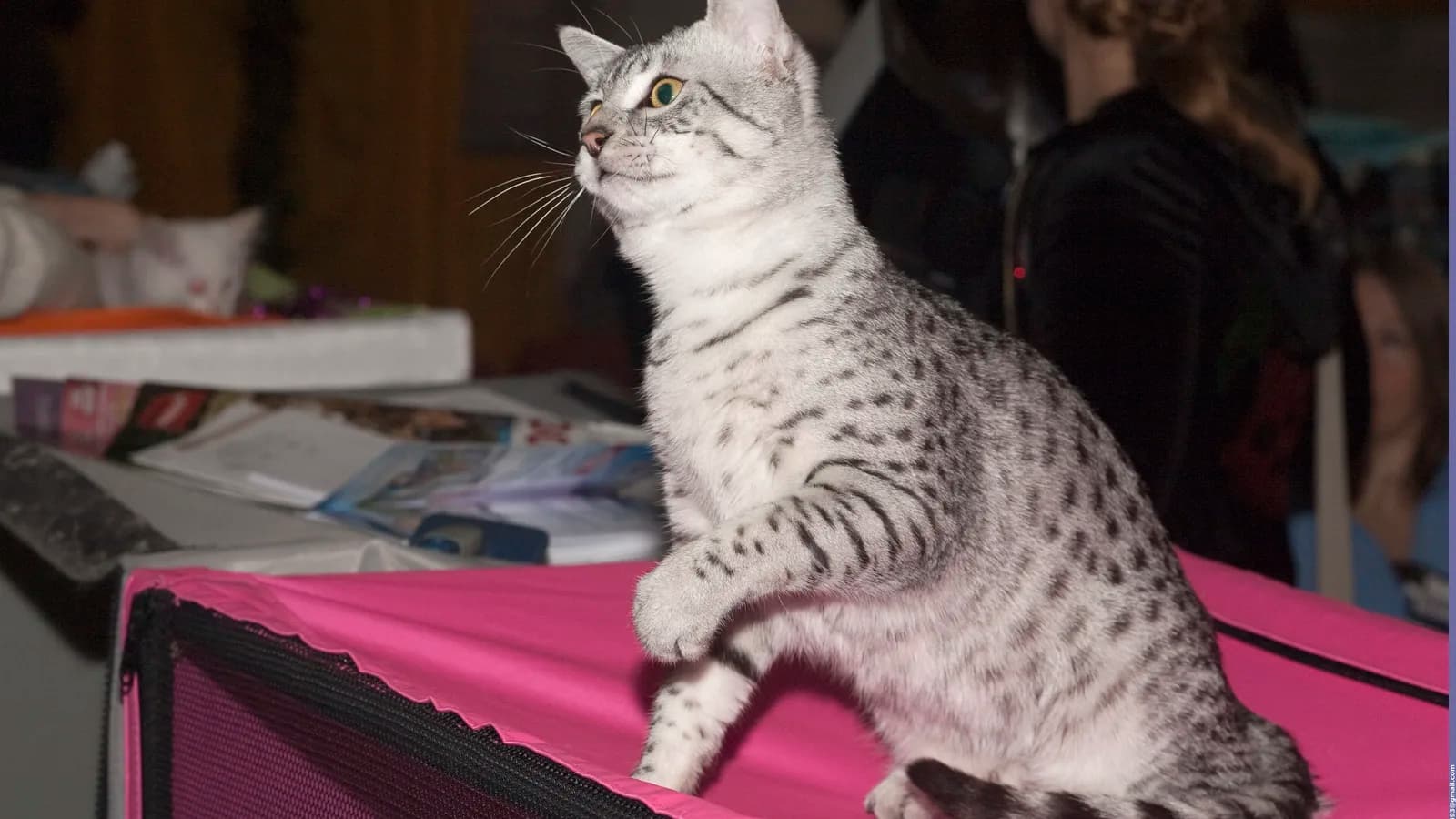
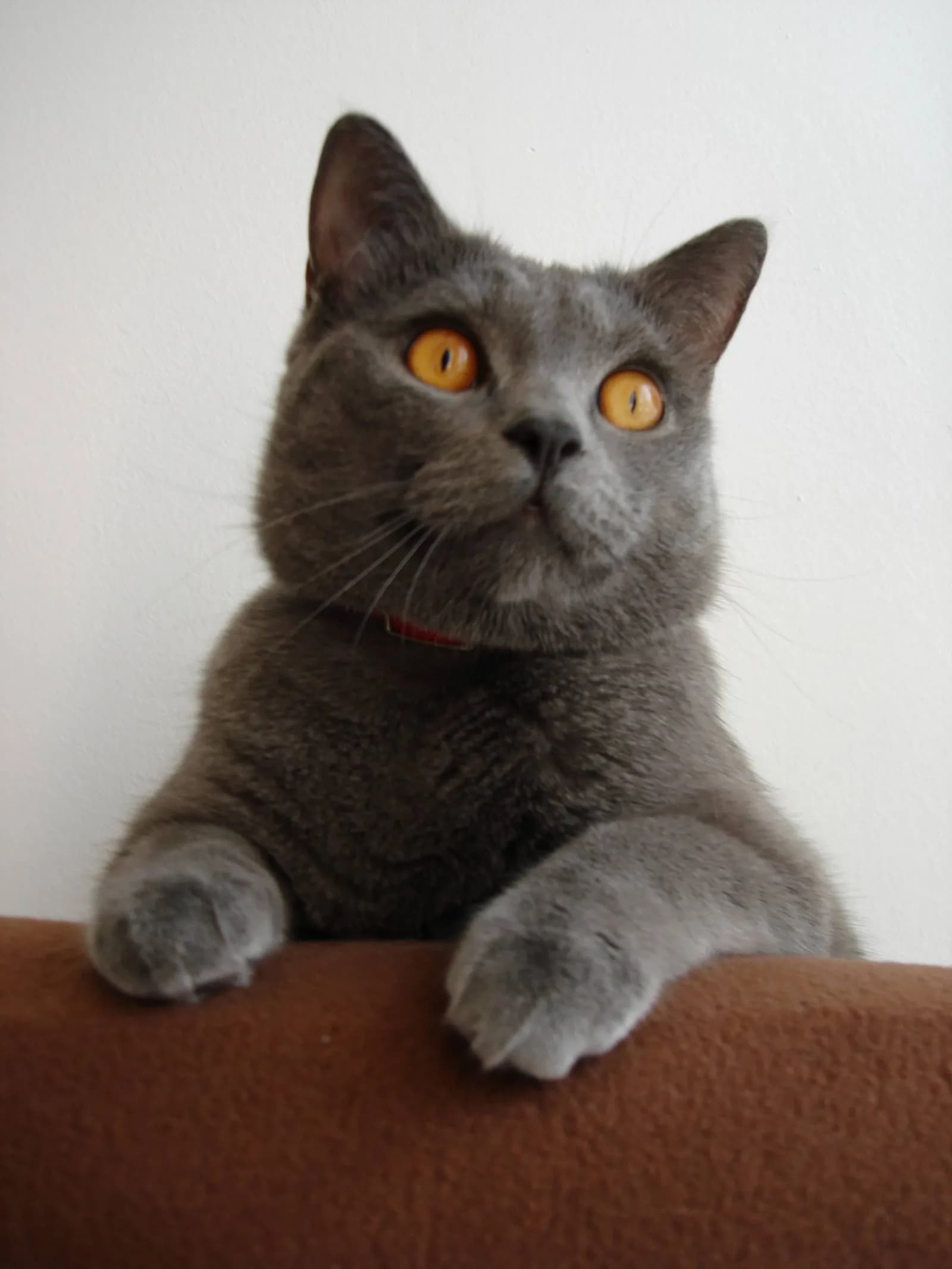
The Cornish Rex: absent from 's last two most-popular-breeds lists (while its Devon cousin ranks 5th), with twelve registrations in 2025, rank 37 of 66 tracked breeds. The Egyptian Mau and Turkish Angora run similarly thin. And the Chartreux has, by Australia's own federation statement, no exhibits in that country at all.
Korat catteries in 's own breeder directory
0
Canada's registry lists one; the community census, eleven US breeders
Bombays registered with in all of 2023
10
's own 2013 count: 0.25% of cumulative registrations
Cornish Rex registered with in 2025
12
rank 37 of 66 tracked breeds; absent from 's popularity lists
The honest notes on famous rare names
Some breeds are rare by the numbers; others are rare mostly in listicles. The Sphynx and Devon Rex, staples of rare-breed lists, are genuinely mainstream. The Devon ranks 5th in 's own popularity articles, and the Sphynx sits comfortably in the top ten. Meanwhile the genuinely tiny breeds rarely make the lists at all, because scarcity means no photos, no breeders to interview and no affiliate kittens to link.
Names like the Sokoke, Kurilian Bobtail and American Wirehair belong in the genuinely-rare conversation (our research corpus covers them; their full profiles are on the build list). And "rarest breed in the world" claims are unverifiable by design: no global census of cat breeds exists, and any page claiming one invented it.
What to remember: rarity is a number a registry can print, not an adjective a listicle feels; genuinely scarce breeds sell by waiting list and price silence, not premium tags; and the rarest thing in any breed is a breeder who answers the health-test question fluently. Find that, and the waiting list is worth it.
By Priya · The careful oneFrequently asked questions
What is the rarest cat breed?
Unanswerable honestly: no global census of cat breeds exists, so world-rarest claims are invented. What CAN be said: by their own registries' numbers, breeds like the Korat (zero CFA-listed catteries) and Bombay (ten FIFe registrations in 2023) are measurably among the scarcest.
Are rare cat breeds expensive?
Less predictably than you would think: genuine scarcity mostly produces price SILENCE (quote-by-inquiry, waiting lists) rather than high price tags, and published figures sit in ordinary pedigree territory. The real currency is patience.
How do I buy a rare breed safely?
Through the registry: breed-club and registry directories, health-test paperwork asked for by name, and comfort with a waiting list. The scam tell is the opposite of scarcity: instant availability, bargain pricing, pressure to pay a deposit today.
Is the Sphynx a rare breed?
No: it is a top-ten CFA breed, as mainstream as pedigree cats get. Rare-breed listicles love it for the photos; the numbers disagree.
Why are some breeds so rare?
Small founding populations, closed studbooks, few working breeders and, sometimes, registry politics (Britain refuses entire hairless breeds on welfare grounds). Scarcity is usually structural, not fashionable.
Sources & references
Data checked against reference bodies (breed registries, allergy research, veterinary schools).
This page is a starting point. Every cat is an individual: our profiles spell out the tendencies of each breed, sources included.
 Purr or Pass
Which cat breed is right for you?
Take the quiz