

Turkish Angora Colors: The Famous White Is Just the Beginning
The white cat everyone pictures is one option among roughly forty. The full registry palette, the five eye-color classes, and the black question answered.

Published August 21, 2026 4 min read
Contents
Ask ten people to picture a Turkish Angora and ten picture a white cat. The registries themselves disagree with the stereotype. 's consumer page says plainly that "all traditional colors are accepted and equally as beautiful," and its standard states the breed's whole color policy in two words: "COLORS: All" (a standard last revised in 2004, a date we carry because standards move). This page maps what the four registries that publish a palette actually recognize.
The palette, registry by registry
's list runs to roughly forty named color and pattern combinations across nine groups. The solids (white, black, blue, cream, red). Four tabby patterns (classic, mackerel, spotted, ticked) across seven ground colors. The tortoiseshell and calico family, and an extensive smoke-and-shaded series. Canada's publishes the largest enumerated table of the four, in near-identical language to CFA's. Australia's matches the same structure with the broadest exclusion list. And , uniquely, excludes nothing at all. What three of the four DO exclude, in near-identical words: chocolate, lilac and the pointed pattern, as evidence of crossbreeding. That is the same boundary most natural breeds' standards draw.
Black Turkish Angoras, answered properly
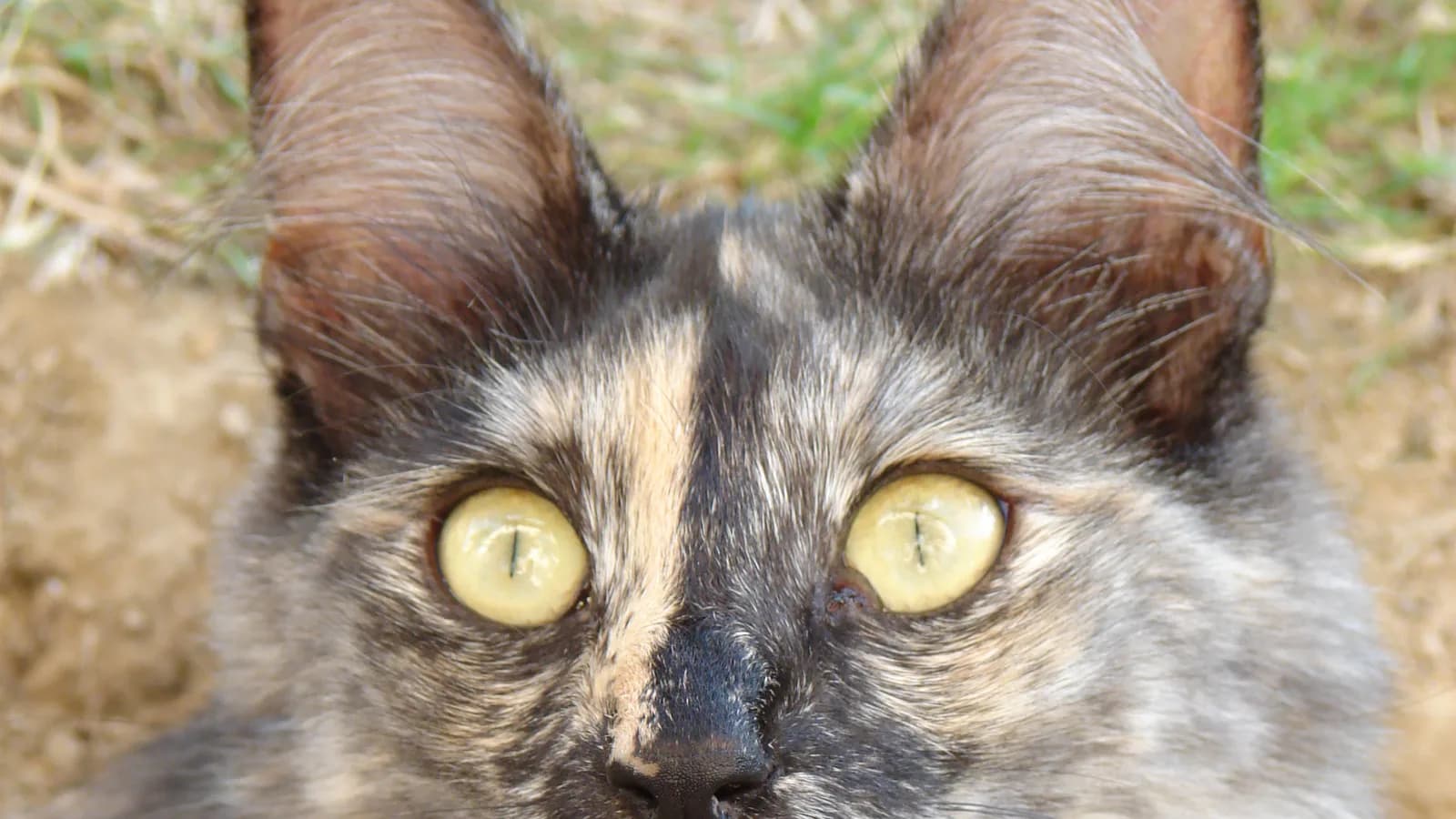
Black is the single most-searched Turkish Angora color, and the answer is short and solid: fully recognized, plainly listed among 's solids and in Canada's and Australia's tables, jet black to the roots with amber eyes typical. It is not rare paperwork-wise, just outnumbered by the founding white in photographs. The same goes for blue, cream, red, the tabbies (grey tabbies carry much of the "gray Turkish Angora" search demand), tortoiseshell and calico. An entire ordinary feline palette, wearing the Angora's silky single coat.
The five eye-color classes, and one correction
Eye color is where this breed's paperwork gets uniquely granular. and state the same rule in identical words: eye color is independent of coat color, with five named classes: blue, green, green-gold, amber, and . White is the one coat subdivided BY eye color in CFA's own class table: five named eye-color classes under one class number, a structural distinction no other color gets. One correction worth making, because a consumer source gets it wrong: an odd-eyed Turkish Angora pairs blue with green, green-gold or amber, never brown. Deep, rich tones are preferred, matched in depth across both eyes.
Why white still headlines
History, not rules: the Ankara Zoo program that saved this breed deliberately concentrated on white cats with blue, gold and odd eyes. The named foundation cats that reached America in the 1960s (Yildiz, Yildizcek, Belkzar, Mav, Yaman) were all white. The white coat also carries the breed's one real health topic, graded hearing risk in the blue-eyed subset, which has its own full page. A colored Turkish Angora carries none of that specific risk. And notes colored kittens often cost less, since no hearing test is needed.
The palette at a glance
 The vet's take

Veterinary review
Are you a vet?
Your professional read belongs here: every verified practitioner can leave a note, published once our editors have reviewed it.
Sign in and get your license number verified. We check it in the public register, we never ask for or keep a copy of your diploma, and your number is never published.
Frequently asked questions
What colors do Turkish Angora cats come in?
Nearly all of them: white, black, blue, cream, red, four tabby patterns, torties, calicos, smokes and shadeds, roughly forty named combinations at CFA, and TICA's standard simply says "COLORS: All." Chocolate, lilac and pointed are excluded by the three registries that publish an exclusion list.
Are black Turkish Angoras rare?
They are fully recognized and not rare in any paperwork sense: black sits plainly among the solids at every registry with a list. The founding program's white cats simply dominate the breed's image.
What color eyes do Turkish Angoras have?
Five named classes, independent of coat color: blue, green, green-gold, amber and odd-eyed (blue paired with green, green-gold or amber, never brown). Deep, rich tones are preferred.
Why are most Turkish Angoras white?
The Ankara Zoo's foundation program bred whites with blue, gold and odd eyes, and every named 1960s foundation import was white. It is the traditional color, never the only one.
 Community questions
Got a question this page doesn't cover? Ask it: the best ones get published here with their answer.
This is information, not veterinary advice, and it cannot tell you what is wrong with your cat. Our rule is a simple one: if something is wrong with your cat, call your vet, and call an emergency clinic if it is out of hours. Nothing you read here is a reason to wait.
Medical information applies to every reader. Prices, legal duties and common practice do not: unless stated otherwise, they are given for the United States, and they differ in the UK, Canada and Australia, and often between states or provinces. Check with your own vet and your own local authority.
Our sources

Worth keeping a paw on
Pin this guide
So you can find it the day you need it, and share it with someone whose cat does the same thing. One click and it sits in your board.
Pin it on Pinterest
 Purr or Pass
The cat newsletter
Our verified guides, no spam. Unsubscribe in one click.
More Turkish Angora guides
The Turkish Angora profile →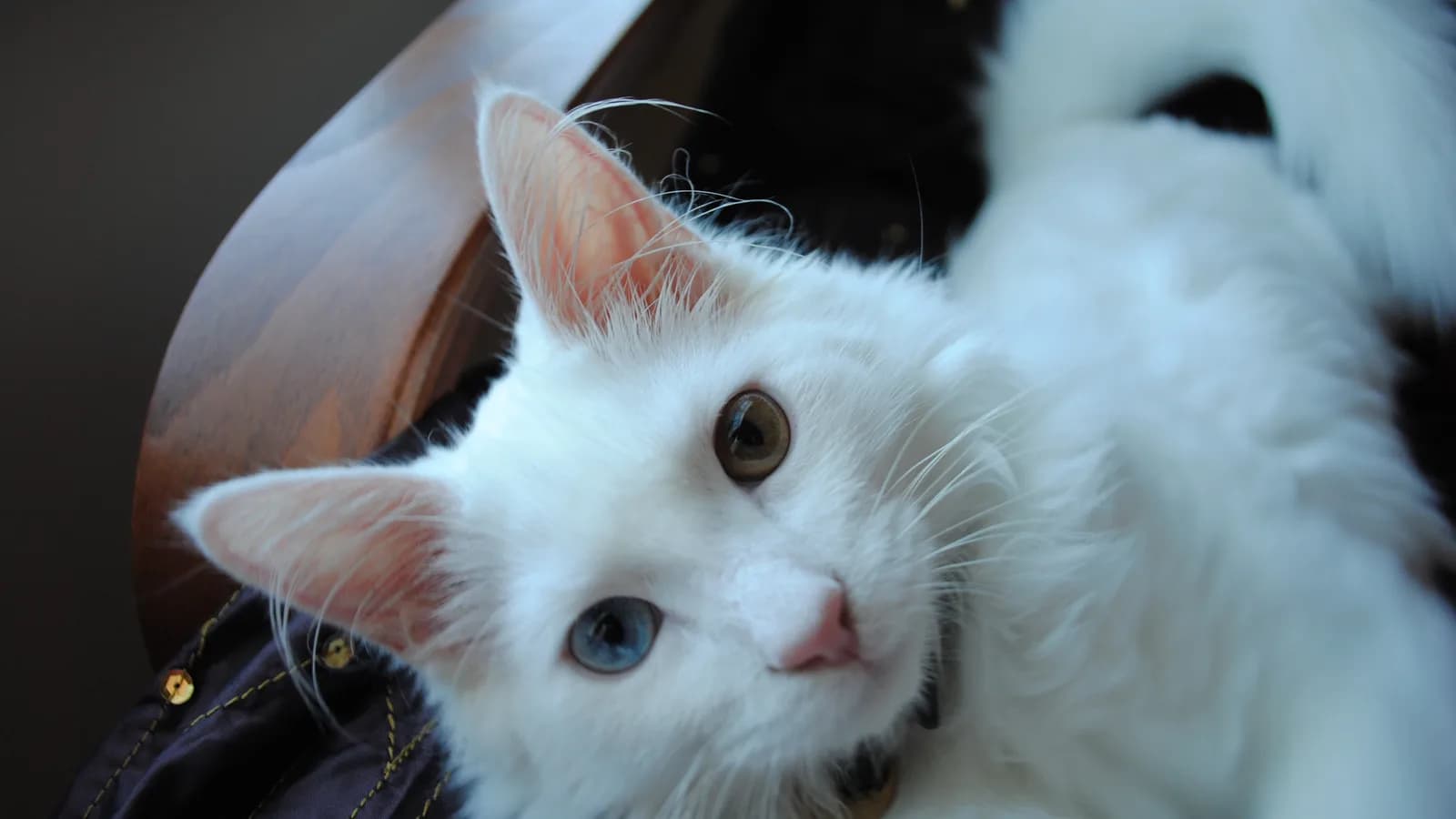
Turkish Angora guide
White Turkish Angora: One Gene, Graded Risks, Honest Numbers
The famous white coat is one gene, and the deafness risk it carries is graded by eye color, not binary. Every number here has its population attached.
Read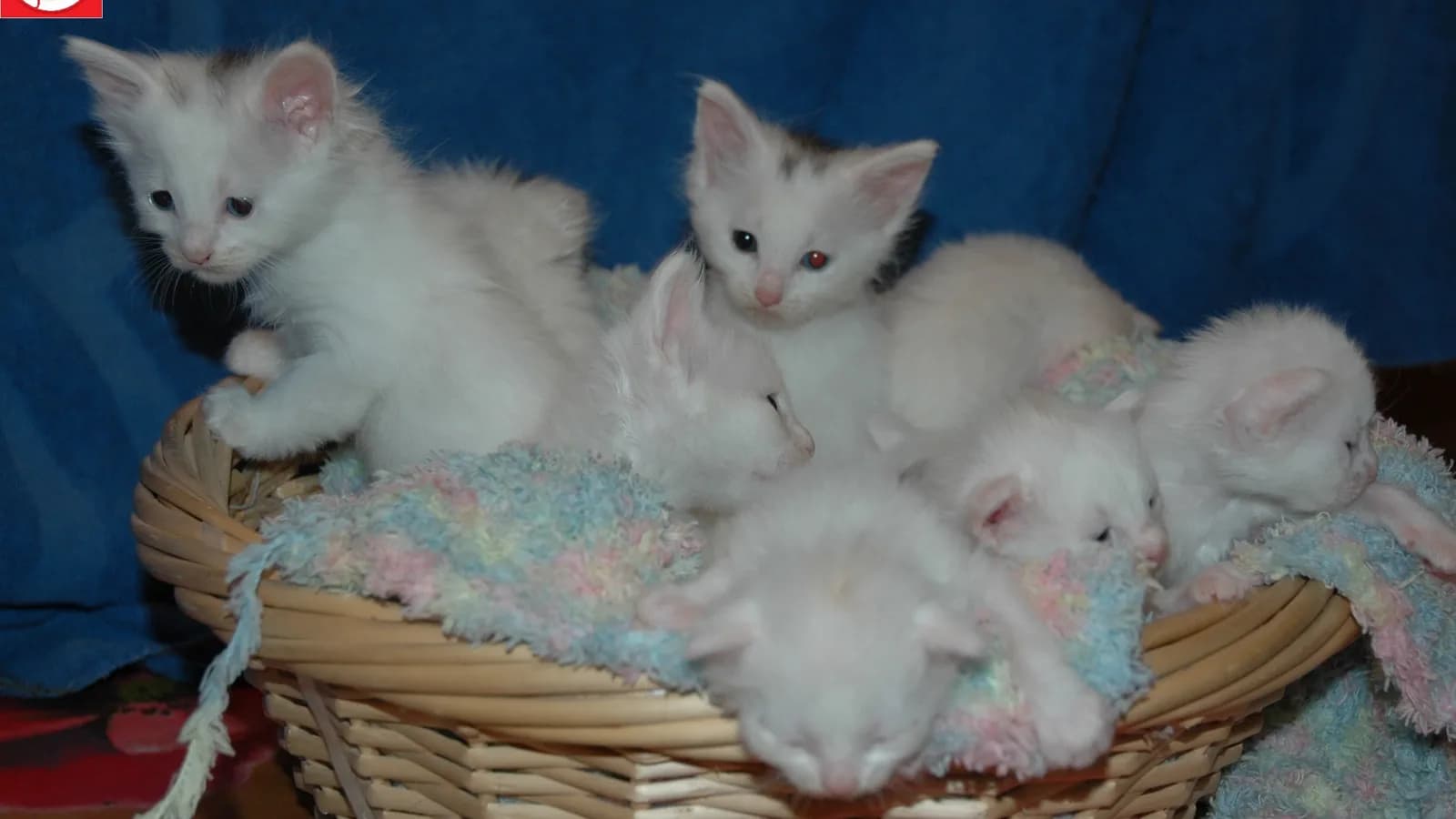
Turkish Angora guide
Turkish Angora Price: One Question Decides Almost Everything
Live market reads from four countries, why £50 "Turkish Angoras" exist alongside £2,000 ones, and the registry facts UK buyers deserve.
Read
The floor belongs to our members. Keep it kind, links are not allowed, and images go through moderation before anyone else sees them.