

European Shorthair
“Europe's ordinary cat, perfected: a FIFe founding breed since 1949”
 By Priya · The careful one
Published August 21, 2026Updated August 26, 20268 min read
Contents
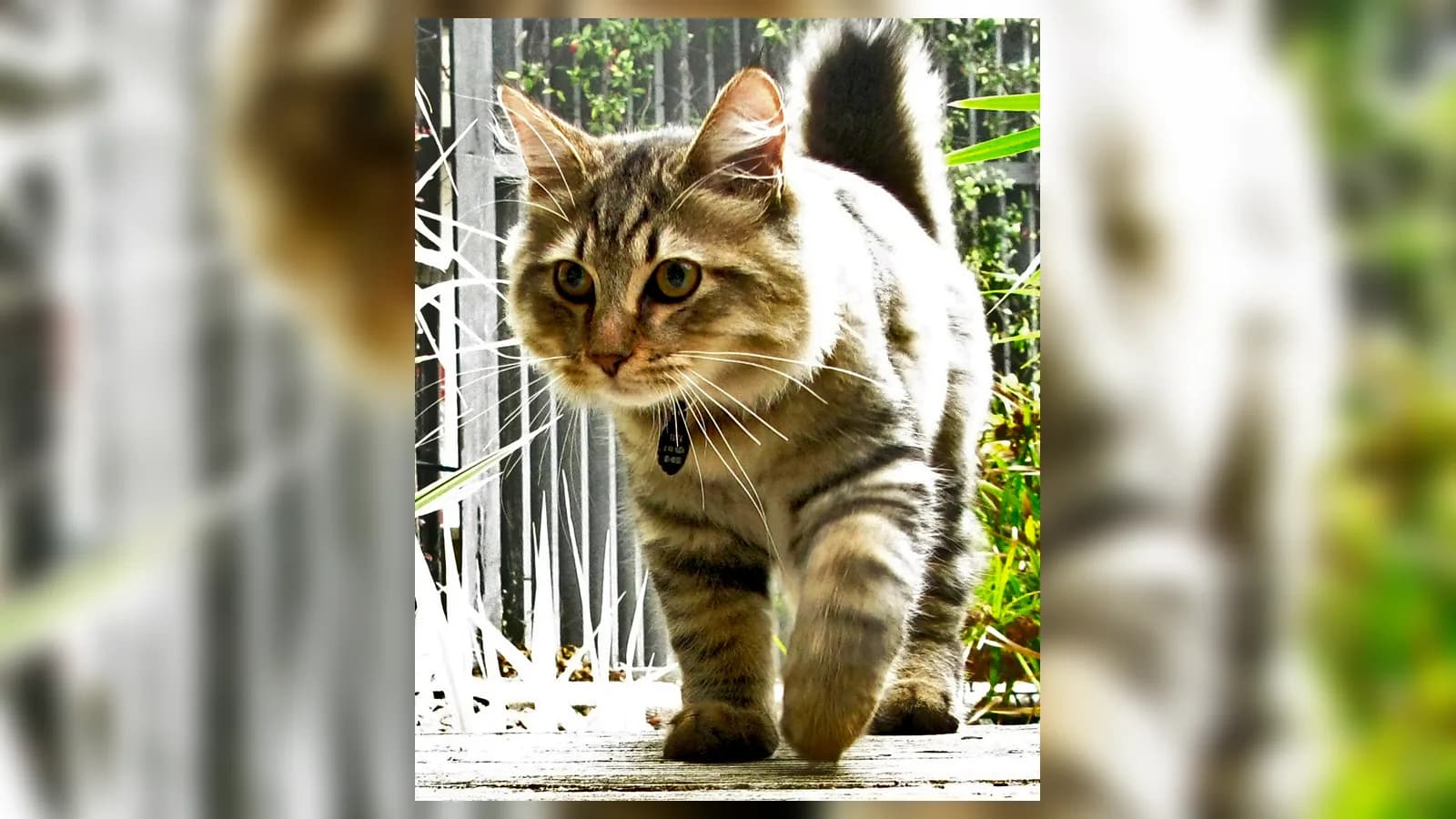
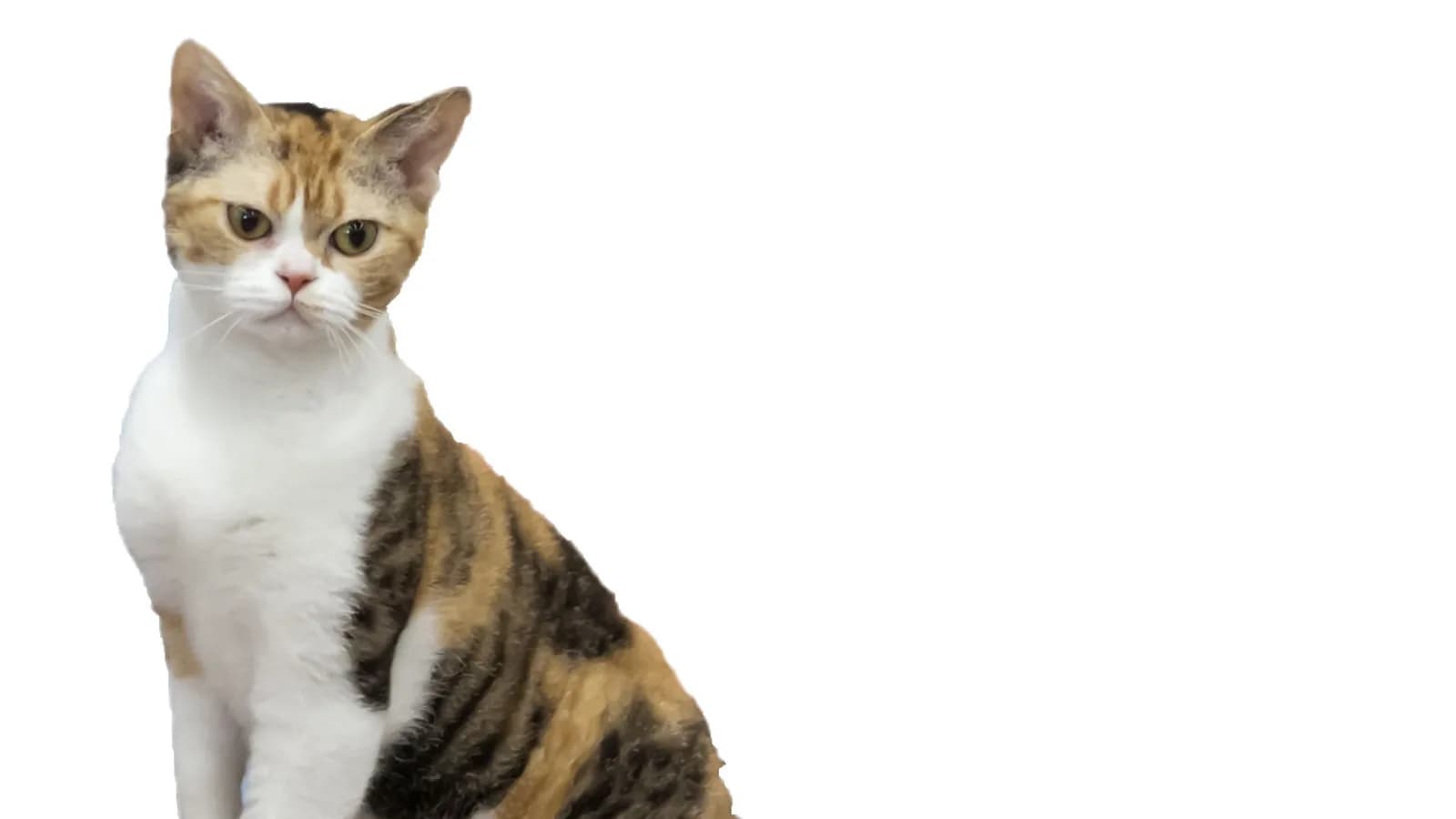
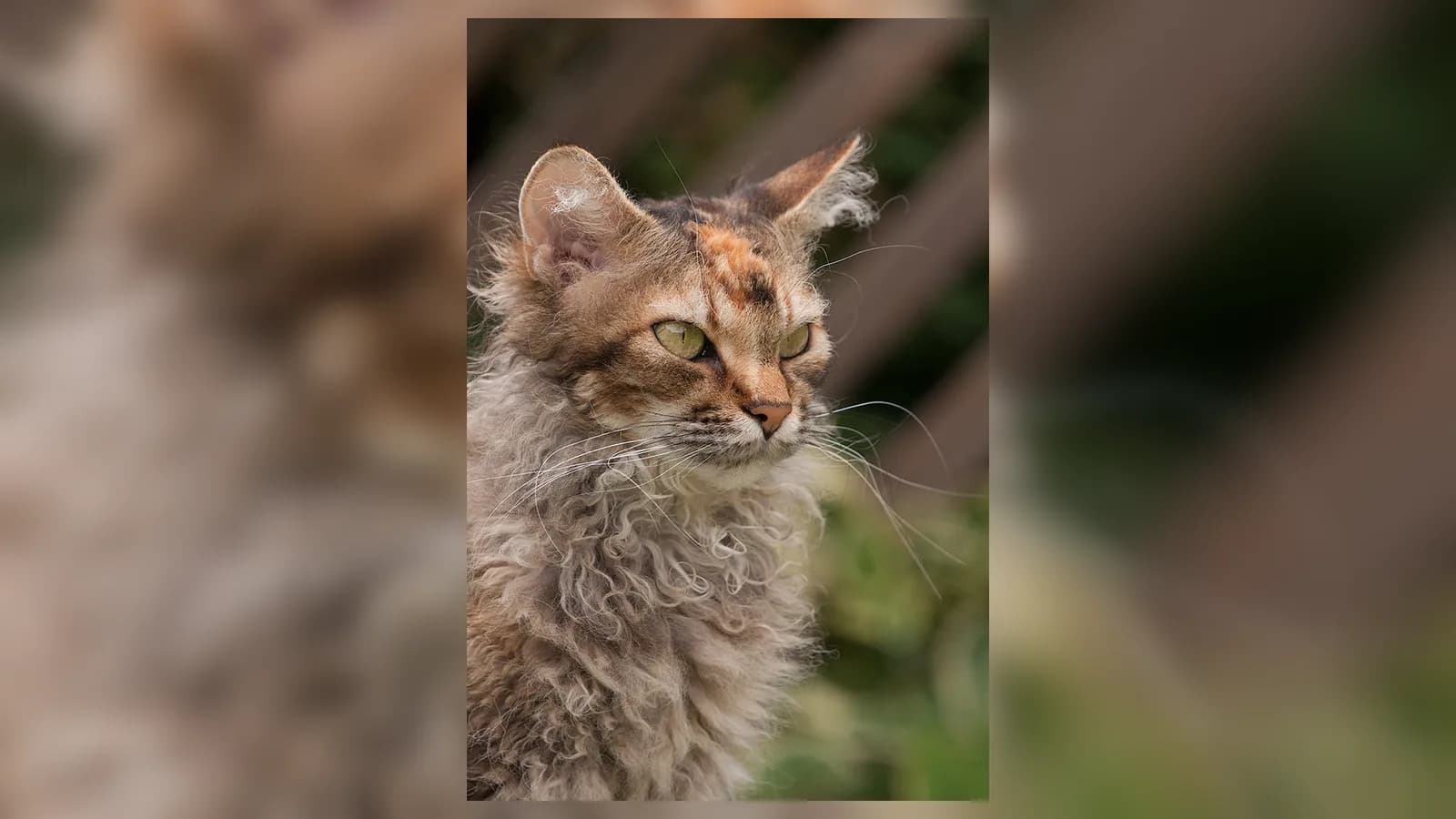
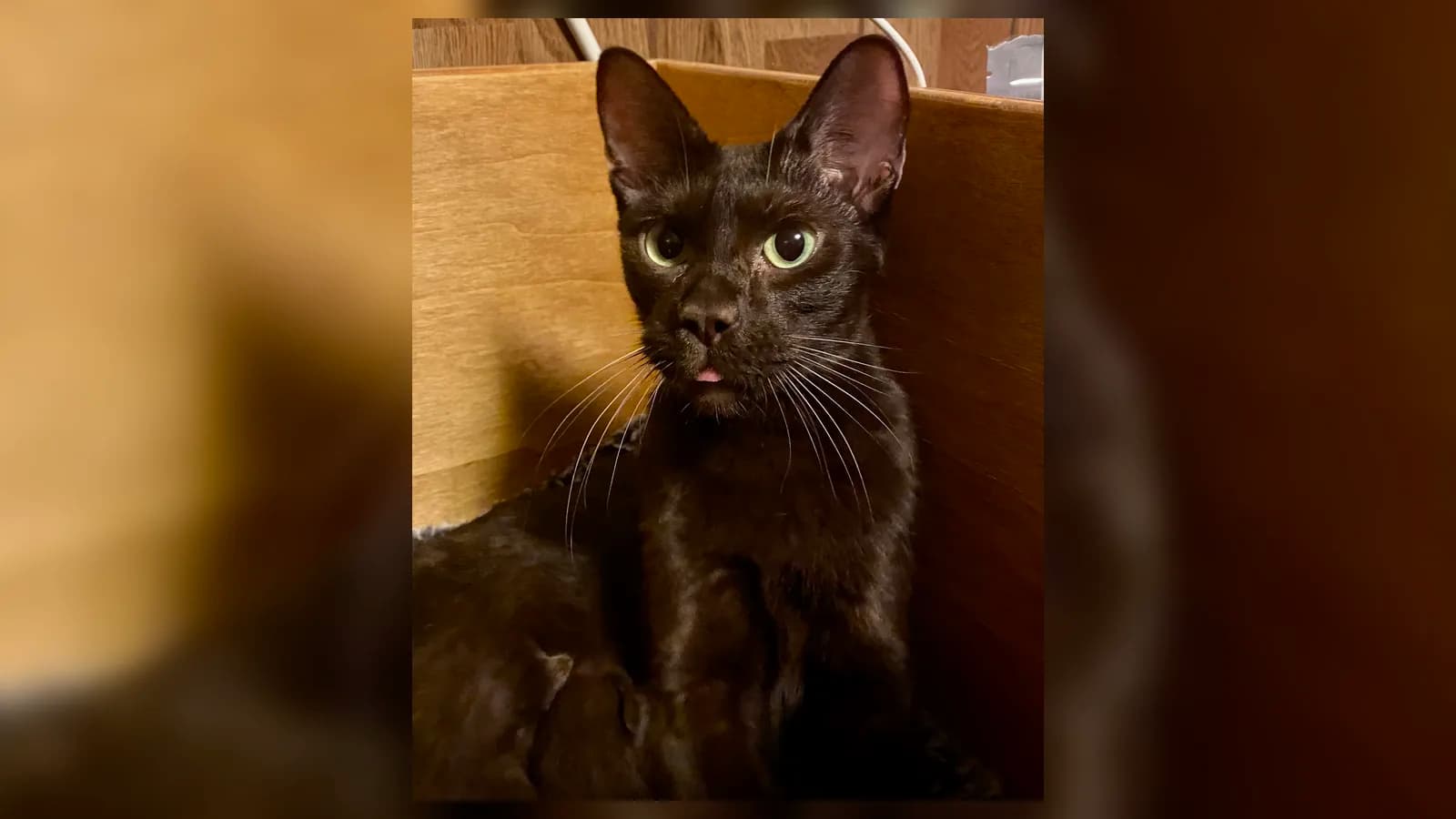
 European Shorthair photos
Real photos, so you can see what the breed actually looks like: coats, ear tufts, ruff and build.
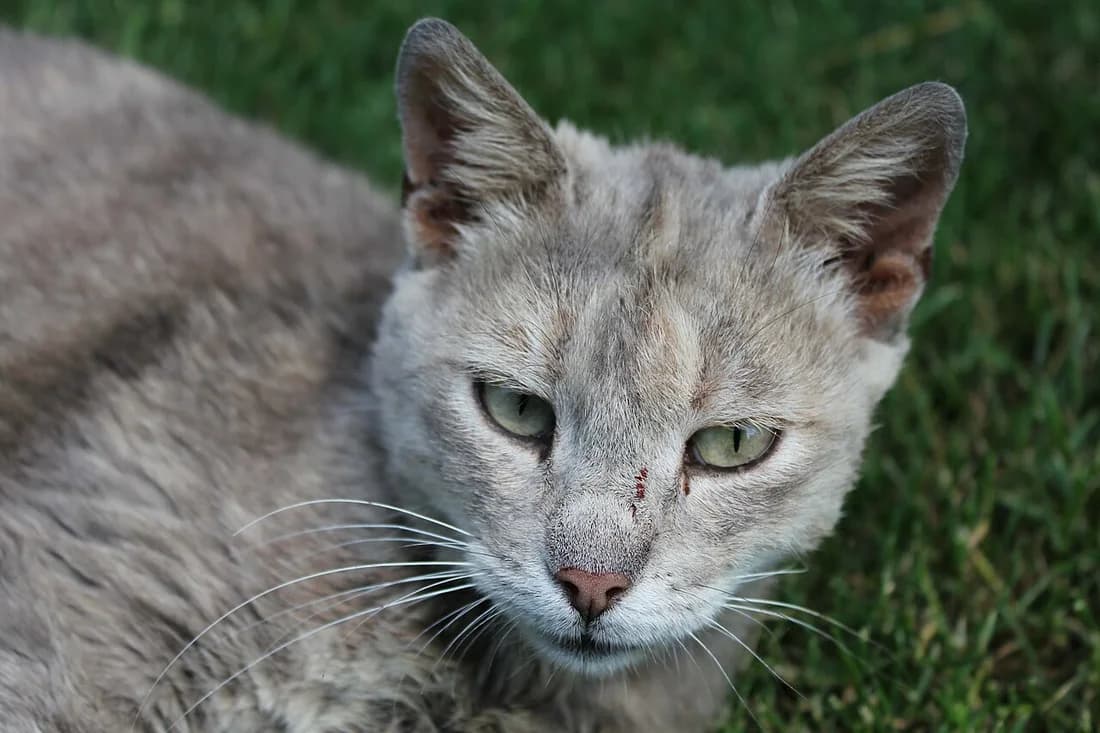
European Shorthair close-up outdoors, grey tabby coat and pale green eyes
Photo: Marko Milivojevic · CC0 · via Wikimedia Commons
 Vital stats
Origin
A founding breed with a three-date story most pages flatten. Recognized inside FIFe from its 1949 founding (initially in a shared category with the British Shorthair). Given its own separated standard by a 1981 FIFe General Assembly decision, effective through the early 1980s. The breed's stronghold is Scandinavia. Sweden's SVERAK keeps a year-by-year registration table back to 1960 and describes a small, stable specialist population. The breed holds national-cat designations in Finland (22 July 2017) and Sweden (19 March 2022). WCF lists it under the alternate name 'Celtic Shorthair'.
Life expectancy
The '14 to 20 years' every consumer page states is an unsourced convention, and we label it as one. What actually exists is better: a real measured figure from a Swedish insurance cohort. An age-standardised mortality rate of 464 deaths per 10,000 cat-years (Egenvall 2009, tens of thousands of insured cat-years). That is a rate, not a lifespan median, and the only measured number this breed has anywhere.
Coats
Classic tabby
Silver tabby
Black
White
Two real registry answers to one question, stated as such. runs a CLOSED (though multi-branch) color table with green, amber or blue eyes. WCF's rule is open. No color has its own page because no color has its own audience: the breed's identity is the standardised ordinary cat, not a palette.
Understanding the coats (and their genetics)Size
No registry publishes a weight. FIFe's standard says 'medium to large' and stops there. The 8-15 lb (3.6-6.8 kg) range consumer pages carry is an unsourced estimate, labeled exactly that here. The one measured figure sometimes attached to the breed comes from a study whose population was not pedigree-verified. We set it aside rather than borrow it.
Did you know
The European Shorthair is a national cat twice over. Finland designated it on 22 July 2017, and Sweden followed on 19 March 2022: the only breed in our files holding two national titles. And in much of Europe its name doubles as the everyday phrase for any non- cat, which is exactly the confusion this profile exists to untangle.
 Personality
 Affection3/5
 Energy3/5
 Intelligence3/5
 Friendliness2/5
 Independence4/5
 Vocal2/5
 Shedding3/5
Compatibility
 Good with children4/5
 Good with other pets3/5
 Apartment friendly4/5
Editorial ratings on our five-point scale, anchored in the registry descriptions and the measured behaviour studies cited on this profile; individual cats vary, and our members' own ratings below are the counterweight.
Still torn between this breed and another?Compare the European Shorthair trait by trait, or filter every breed by what matters to you. What our members say
What our members say
Nobody has described their European Shorthair here yet. As soon as the first profiles come in, this is where the community averages will show up: temperament, food, lifestyle.
Describe my European Shorthair Pros & cons
Strong points
- A real, standardised FIFe founding breed with the fancy's most precise founding paper trail (1949/1981/early-80s)
- One of the few breeds with genuinely measured data on BOTH mortality (Swedish cohort) and temperament (Finnish surveys)
- A robust, moderate, no-extremes build with weatherproof low-maintenance coat
- Two national-cat titles: Finland (2017) and Sweden (2022)
Things to consider
- The name means 'any ordinary cat' to half the people using it: paperwork is the only honest identifier
- Nearly invisible in anglophone registries and markets: no US/CA/AU show path, no cattery market to price
- The Finnish surveys read the breed shier with strangers than average: not the party greeter
- Every popular figure attached to it (14-20 years, 8-15 lb) is an unsourced convention, which we label rather than repeat
 Is a European Shorthair right for you?
A household that wants the ordinary European cat done properly, with paperwork and a moderate, independent temperament. And one that understands buying one is a European (mostly Scandinavian) project, not a marketplace search, because the marketplace results under this name are not this breed.
Is the European Shorthair right for YOUR home?
Answer a few questions and we'll email you your personalized result.
Take the quiz · 2 min Getting to know the European Shorthair
Start with the confusion, because it IS the story: 'European Shorthair' names a real, standardised, -founding breed AND, in everyday European speech, any non-pedigree cat, the way anglophones say 'domestic shorthair' or 'moggy'. Both uses are current. Live marketplaces mix them (we found $50-85 'Household Pet' cats listed under the breed's own filter in two countries), and even 's guidance to enquirers points at its Household Pet class. A pedigree European Shorthair is identified by FIFe paperwork, full stop; our comparison with the American Shorthair untangles the three-way muddle completely.
The registry picture is five-way, not flat: founding breed since 1949 (standard separated from the British Shorthair's by the 1981 General Assembly). Absent at //. A reasoned absence at ('no exhibits presently in Australia'). green not-applied. And Registration-Only, where the breed also serves as an approved outcross donor. That differentiated truth beats every competitor page's flat 'not recognised'.
And the data honesty runs both ways. The popular 14-20-year and 8-15-lb figures are unsourced conventions we label as such. The breed's REAL numbers go unquoted elsewhere: a measured Swedish mortality rate (464 deaths per 10,000 cat-years) and its own group rows in the two big Finnish behaviour surveys (shier with strangers, mid-table otherwise). One circulating health claim about urate stones failed our source check (the figure's population almost certainly is not the breed), and we correct the record without repeating the number.
 Health: what to watch for
A few predispositions are well documented. The good news: they can be screened for or avoided by choosing a reputable breeder and keeping an eye on the right signals.
This is information, not veterinary advice, and it cannot tell you what is wrong with your cat. Our rule is a simple one: if something is wrong with your cat, call your vet, and call an emergency clinic if it is out of hours. Nothing you read here is a reason to wait.
The mirror trap, opening the health section on purpose
LOWMost 'European Shorthair health' content describes ordinary non-pedigree cats wearing the name. So the first health fact is a sourcing rule: a study naming this breed only counts if its methods verify pedigree provenance, a test six papers in our own source pool fail. The pedigree breed's verified health literature is thin and quiet. PawPeds carries no breed-specific program, an absence we state rather than decorate.
The one measured number: the Swedish mortality rate
LOWA Swedish insurance cohort (Egenvall 2009, tens of thousands of cat-years) gives the breed an age-standardised mortality rate of 464 deaths per 10,000 cat-years. A real, scoped figure, and a RATE rather than a lifespan: it does not convert into the '14-20 years' convention, which remains unsourced. This is the breed's only measured health-adjacent number anywhere, and it describes insured Swedish cats specifically.
The circulating urate claim, checked and corrected without the number
LOWA specific urate-urolithiasis claim about this breed circulates online. We checked it. The underlying figure could not be verified at its primary source, and the population it describes almost certainly is not the pedigree breed (which appears in no US registry across the study's entire period). We correct the record without repeating the unverifiable number. The general rule stands: urinary straining, blood or blockage in ANY cat is an emergency vet call.
The urolith trap, named so nobody re-falls into it
LOWA German laboratory case-series is sometimes quoted as showing this breed 'prone to urinary stones'. Its 64.3% figure is a raw case-share of a mixed clinical population (mostly ordinary cats wearing the name), not a breed-susceptibility rate. No sentence like 'prone to stones' is supportable from it. No verified breed-specific predisposition of any kind is documented for the pedigree population.
Go deeper on health
Prevention, warning symptoms, costs and insurance: our guides, researched and sourced.
Also worth a look
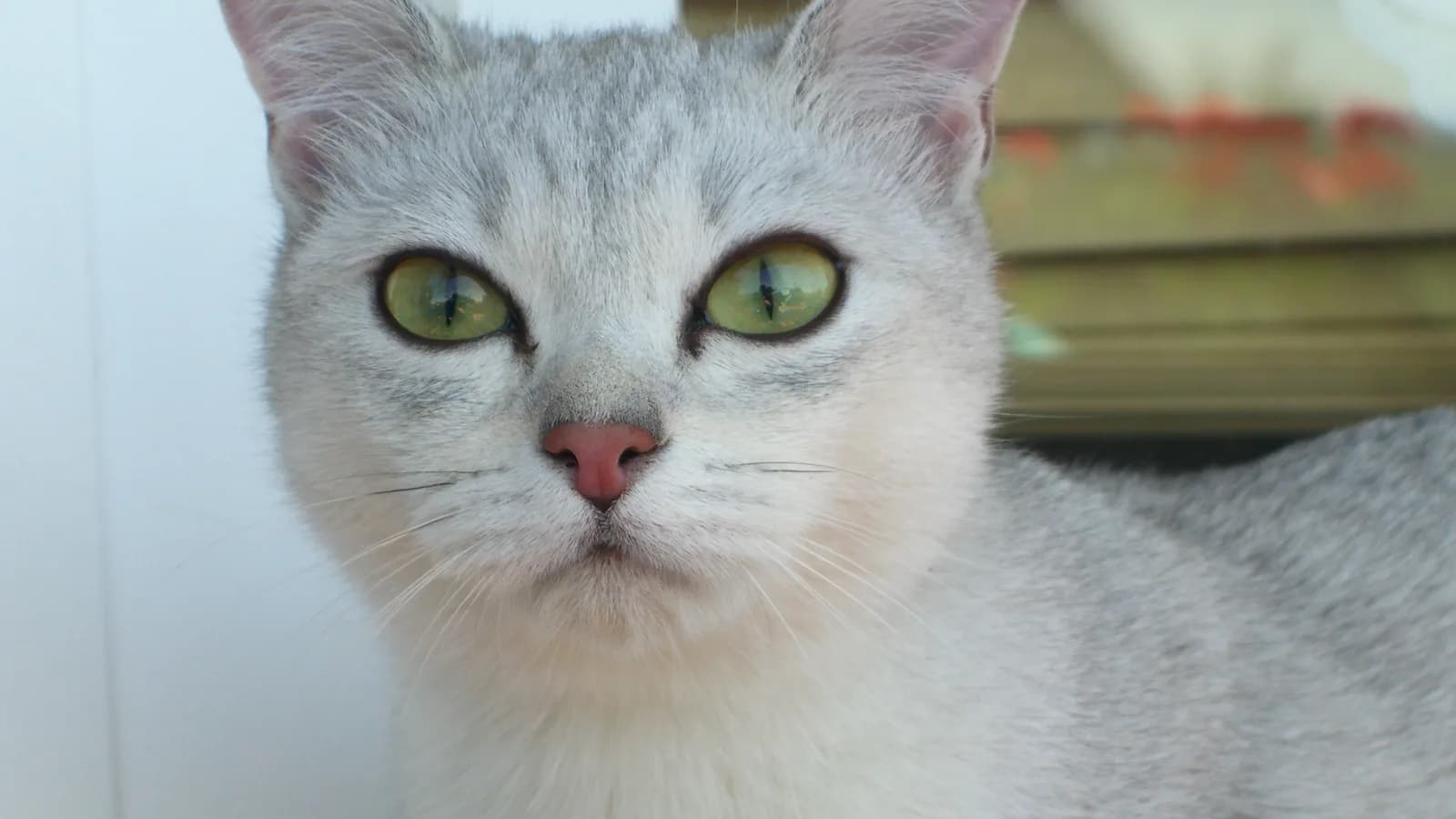
Burmilla
“The accidental aristocrat (as the story circulates, not as a fact)”
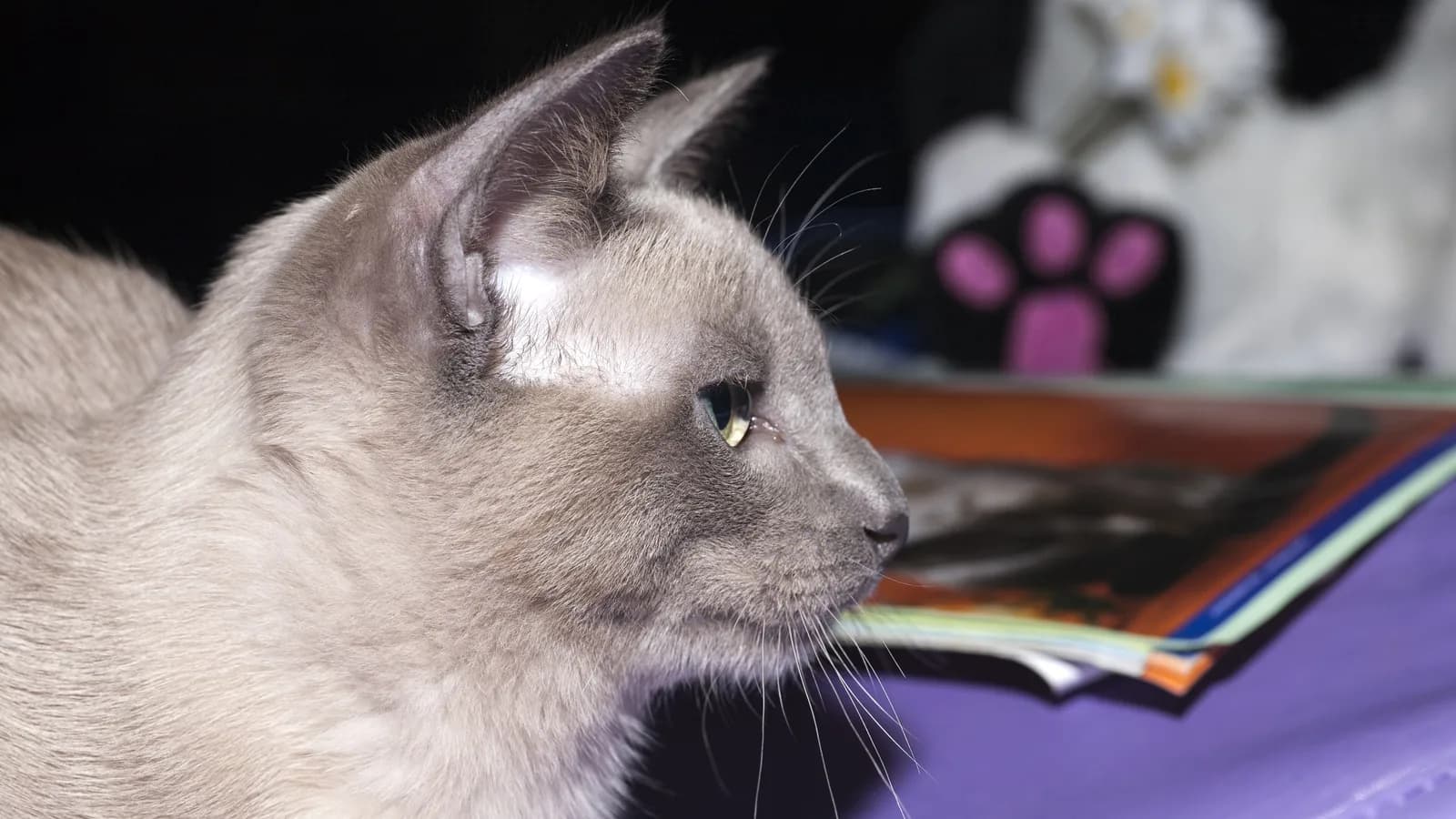
Tonkinese
“The aqua-eyed middle of the fancy's most famous triangle”
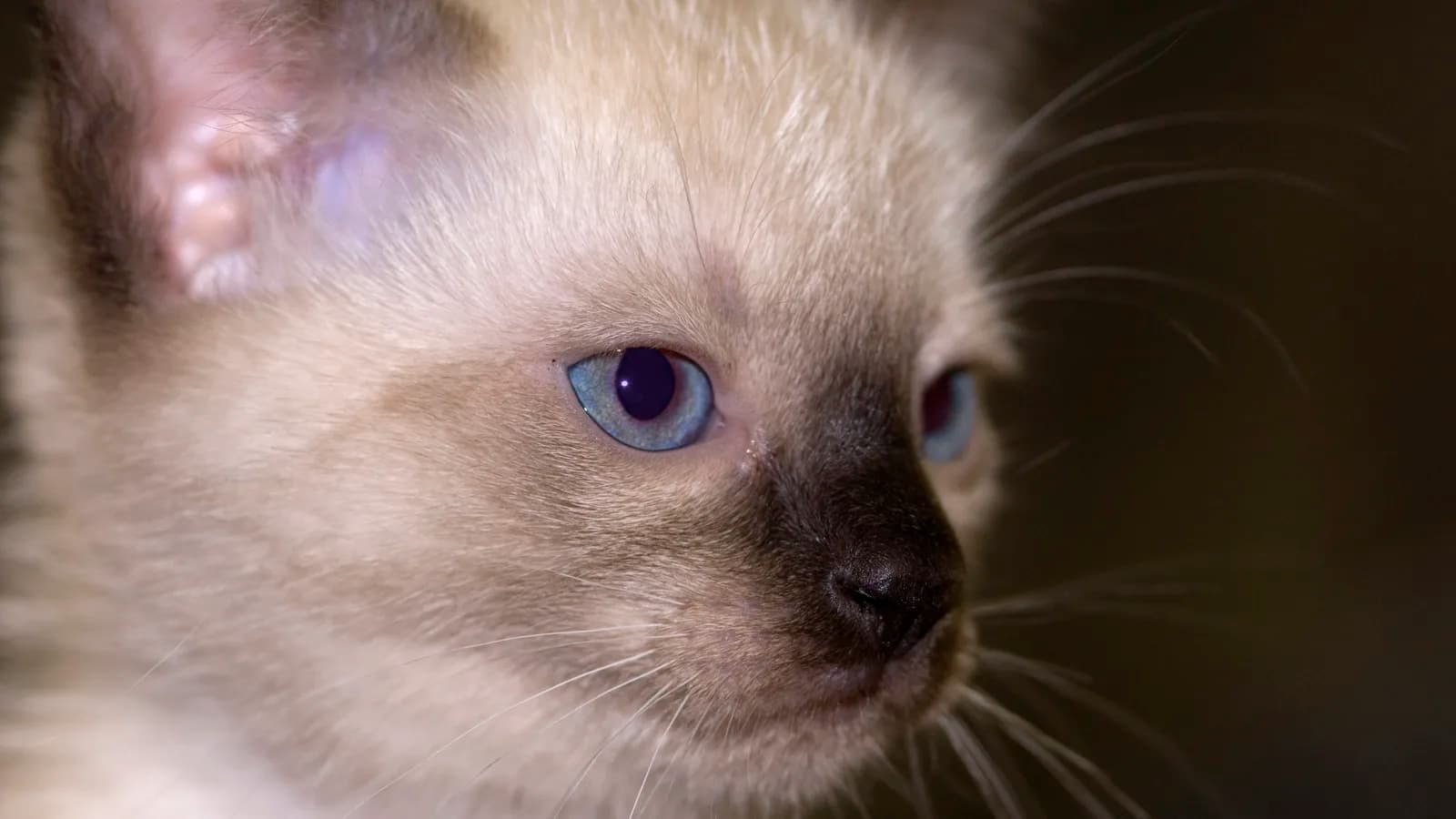
Thai
“The Wichien Maat: the old-style Siamese, formalised as its own breed”
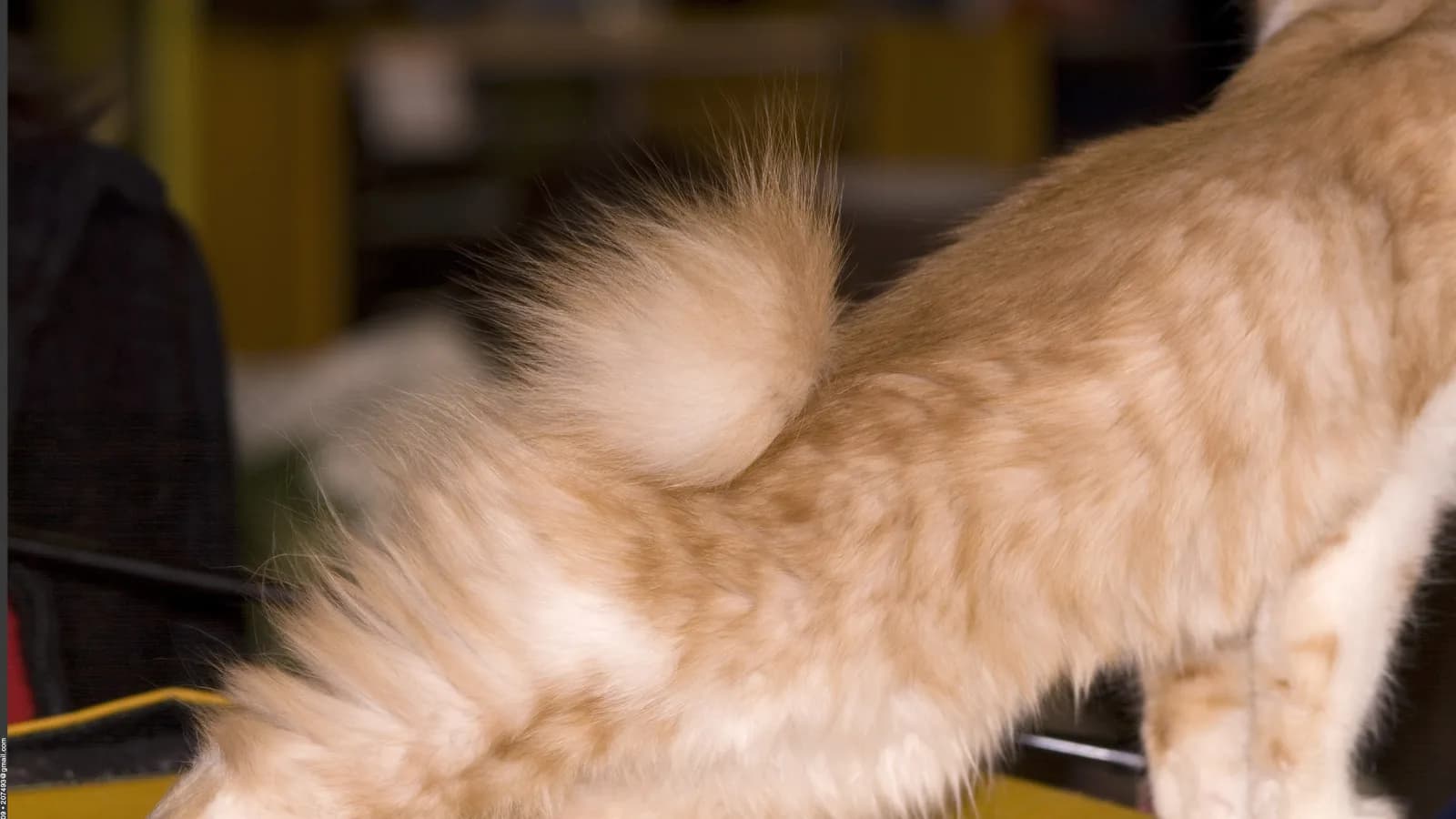
Kurilian Bobtail
“The Kuril Islands' pom-tailed native, every tail its own fingerprint”
 Grooming & living with one
Grooming
Weekly brushing covers the short dense coat (a three-source convergence). No special skin, eye or ear care appears anywhere in the breed's own literature. Not hypoallergenic, because no cat is: allergens are glandular, and the short coat changes housework, not chemistry.
Living together
The Finnish readings and the consumer echo agree: reserved with strangers, steady and warm inside its own family, moderate in activity, unbothered as a household companion. A cat that suits calm homes and patient introductions. The standing caveat: a landrace-built breed varies more individual-to-individual than most.
 Food & diet
Standard feline nutrition, no breed-specific quirk anywhere in the literature. One caution belongs here because it circulates. No evidence supports calling this breed 'prone to urinary stones' (the figure behind that idea is a raw case-share from a mixed clinical population, not a breed rate). And urinary symptoms in any cat are a vet visit, not a diet experiment.
 Should you insure a European Shorthair?
Our sources list several predispositions in the European Shorthair: The mirror trap, opening the health section on purpose, The one measured number: the Swedish mortality rate, The circulating urate claim, checked and corrected without the number, among others. A predisposition is not a foregone conclusion, and many of these cats live their whole lives without ever developing anything. It does change the nature of the follow-up, though: you monitor, sometimes for life, and it's that monitoring that weighs on a budget, more than a one-off accident.
One thing to weigh before deciding: this is a cat you will live alongside for well over a decade, and that is the span the real cost is spread across, premiums and care alike. Where a breed has a measured life expectancy that differs from the figure usually quoted, we say so in the lifespan section above rather than repeating the quoted one here.
 European Shorthair cats in our community
No European Shorthair here yet
Got one? Add a photo and yours gets to open this page.
 The vet's take

Veterinary review
Are you a vet?
Your professional read belongs here: every verified practitioner can leave a note, published once our editors have reviewed it.
Sign in and get your license number verified. We check it in the public register, we never ask for or keep a copy of your diploma, and your number is never published.
 Frequently asked questions
+Is a European Shorthair just a normal cat?
The name does double duty, which is the whole confusion: a real, FIFe-standardised pedigree breed AND Europe's everyday phrase for any non-pedigree cat. Only FIFe paperwork makes the breed claim meaningful; without it, you have a lovely domestic shorthair.
+Is a European Shorthair the same as a domestic shorthair or moggy?
No: 'domestic shorthair' and 'moggy' mean any non-pedigree cat, while the European Shorthair is a specific FIFe breed with a written standard. The confusion is so entrenched that marketplaces list non-pedigree cats under the breed's own filter, which our profile documents.
+Is the European Shorthair recognized in the US or UK?
Barely, and precisely: absent at CFA and CCA-AFC, Registration-Only at TICA (which also uses it as an outcross donor), green not-applied at GCCF (which steers enquirers to the British Shorthair or its Household Pet class), and a reasoned absence at Australia's ACF. Its real home is FIFe and Scandinavia.
+How long do European Shorthairs live?
The '14-20 years' figure every page repeats is an unsourced convention, labeled as one here. The breed's one real number is a measured Swedish mortality rate (464 deaths per 10,000 insured cat-years), a rate, not a lifespan, and the honest state of the data.
+How much does a European Shorthair cost?
There is almost no market to price, and that is the finding: no pedigree cattery pricing exists in any of our four markets, and the marketplace listings wearing the name were $50-85/£20-300 non-pedigree cats. A genuine pedigree kitten means a European (mostly Scandinavian) FIFe breeder and a direct conversation.
+What colors do European Shorthairs come in?
Depends which registry you ask, and we print both: FIFe's closed but multi-branch color table (eyes green, amber or blue), against WCF's open rule under its 'Celtic Shorthair' name. The classic tabbies dominate in practice.
+Are European Shorthairs friendly?
Measured, for once: the two Finnish owner surveys read the breed less sociable and shier with strangers than the population middle, mid-table on activity and aggression, matching the consumer reputation of 'reserved with strangers, warm with family'. Individuals vary widely in a landrace-built breed.
+Are European Shorthairs hypoallergenic?
No cat is: allergens are glandular, not coat-based. The short dense coat means moderate shedding and easy grooming, nothing more.
+European Shorthair vs British Shorthair: what is the difference?
Shared FIFe history until the standards separated in the early 1980s, different cats since: the British is the cobby, round, plush one; the European is the moderate, lean, classic silhouette. GCCF itself points UK enquirers toward the British breed.
+Why is the European Shorthair rare if it is Europe's default cat?
Because the PEDIGREE population is a small, deliberate, mostly Scandinavian breeding community (Sweden's registry counts it year by year), while the LOOK is everywhere. Millions of cats resemble it; a few hundred a year are registered as it, which is exactly the gap this page keeps explaining.
 Community questions
Got a question this page doesn't cover? Ask it: the best ones get published here with their answer.
Sources & references
Data checked against reference sources (TICA and CFA standards, genetics laboratories, veterinary schools).
- FIFe: European Shorthair breed standard PDF
- FIFe: European Shorthair breed page
- GCCF: unrecognised breeds page (green tier; the Household Pet cross-reference)
- Egenvall et al. 2009, J Vet Intern Med: the measured Swedish mortality row (PMID 19780926)
- Salonen et al. 2019, Sci Rep: breed differences in heritable behaviour traits (PMID 31138836)
- Mikkola et al. 2021, Animals: the second Finnish survey (PMID 34359119)

Worth keeping a paw on
Pin this profile
To compare later, or to show someone still torn between two breeds. One click and it sits in your board.
Pin it on Pinterest
 Purr or Pass
Still deciding? Find the perfect breed for your home.
A quick quiz that factors in your lifestyle, your kids and your other pets.
Which breed fits my home?Keep exploring
The floor belongs to our members. Keep it kind, links are not allowed, and images go through moderation before anyone else sees them.