

American Wirehair
“The rarest CFA breed: one springy coat gene on an American Shorthair”
 By Priya · The careful one
Published August 21, 2026Updated August 26, 20268 min read
Contents
 American Wirehair photos
Real photos, so you can see what the breed actually looks like: coats, ear tufts, ruff and build.
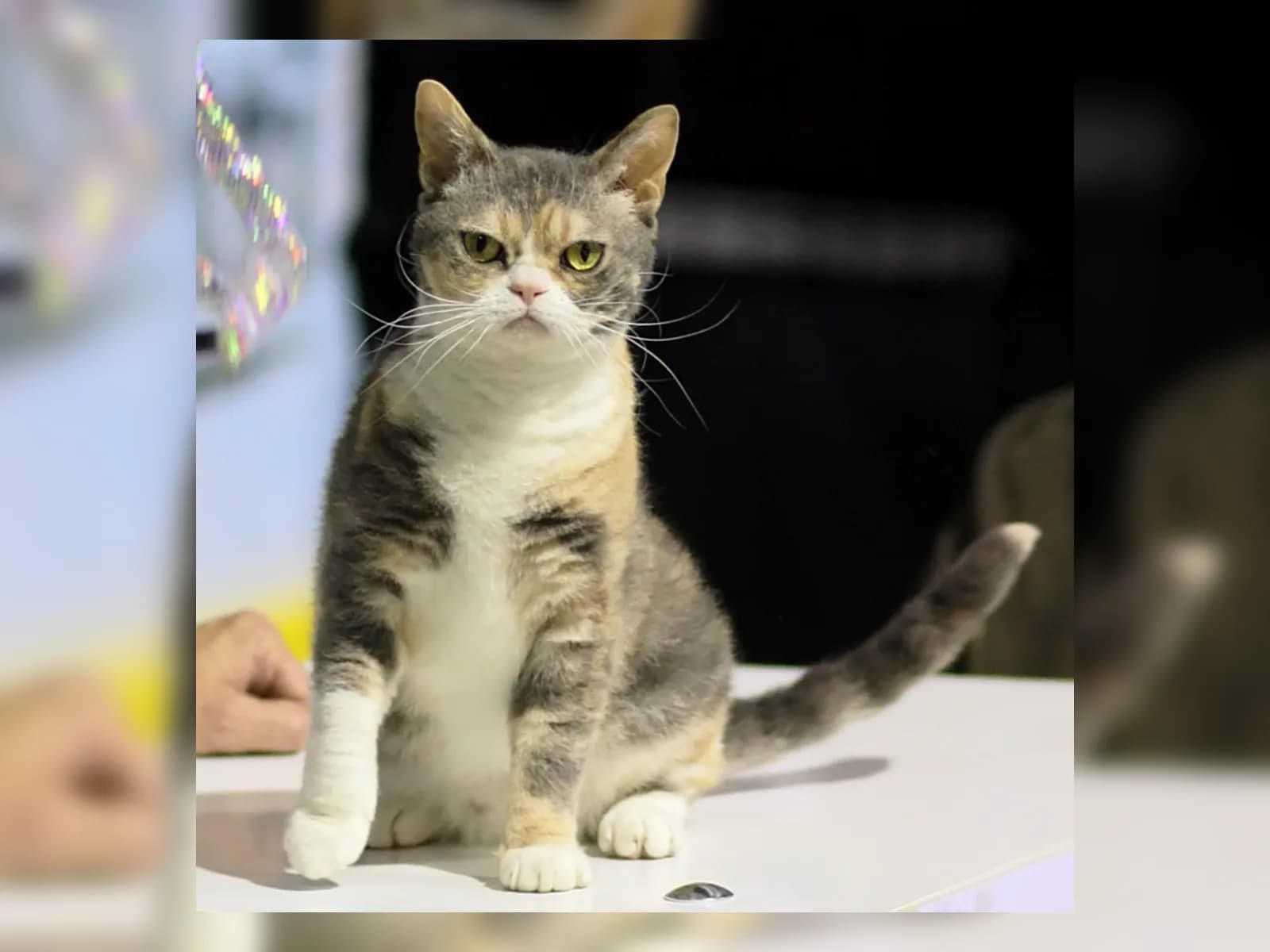
Dilute calico American Wirehair standing on a show table
Photo: Heikki Siltala · CC BY 3.0 · via Wikimedia Commons
Got an American Wirehair? Share them with the community. Photos from our members round out this page.
 Vital stats
Origin
United States
The 1966 founding is real, and the details genuinely disagree, which we report as the finding it is. Even 's own site tells the story three different ways (four kittens with one survivor; five kittens with two survivors after a weasel attack; a litter with Adam as the sole wire-coated mutant). The town is spelled Verona by Guinness World Records (two sources) against Wikipedia's Vernon; CFA spells the founder cat 'Adam'. Our primary voice follows CFA's own framing: a spontaneous mutation in a litter of upstate New York barn cats, registered by CFA in 1967 and granted championship in 1978.
Life expectancy
No measured lifespan figure exists anywhere. The breed is absent even from the one cohort study where its parent breed appears. Secondary sources cluster loosely at 10-20 years, none citing a study. Purina's 7-12 sits below the cluster, an unexplained outlier we flag rather than average. The span of unsourced conventions, labeled as exactly that.
Coats
Calico over wire (the famous look)
Silver tabby
Brown tabby
Solid white
The palette is the American Shorthair's, near-identical in the registries' own descriptions. What differs is the SHOW STRUCTURE: judges this breed's colors in three broad buckets where the American Shorthair carries roughly 45 classes. The founding 's own color is stated differently by CFA's own different pages, so we attribute rather than pick.
The genetics are the real color story here. The wirehair mutation is dominant with incomplete, variable expression ('s own framing). It has been molecularly EXCLUDED as the Sphynx/Devon Rex KRT71 mutations and the Selkirk Rex variant (Gandolfi 2010 and 2013, both read in full). The causal gene itself remains unidentified: a genuinely open case, stated at exactly that limit.
Understanding the coats (and their genetics)Size
No measured weight or size figure exists for this breed anywhere. The registry standards say 'medium to large' in words only, and the consumer boxes that offer numbers echo one another rather than measure. We publish the absence instead of a borrowed figure: a muscular, medium-to-large cat of American Shorthair type, sized by a judge's eye, not a chart.
Did you know
Guinness World Records lists the American Wirehair as the rarest breed the recognizes: by 2003 only 22 specimens were registered. And the springy coat that defines it has kept its genetic secret. The mutations behind the Sphynx, Devon Rex and Selkirk Rex coats have all been ruled out by sequencing, and the wirehair gene itself is still unidentified.
 Personality
 Affection4/5
 Energy3/5
 Intelligence4/5
 Friendliness4/5
 Independence3/5
 Vocal2/5
 Shedding3/5
Compatibility
 Good with children4/5
 Good with other pets4/5
 Apartment friendly4/5
Editorial ratings on our five-point scale, anchored in the registry descriptions and the measured behaviour studies cited on this profile; individual cats vary, and our members' own ratings below are the counterweight.
Still torn between this breed and another?Compare the American Wirehair trait by trait, or filter every breed by what matters to you. What our members say
What our members say
Nobody has described their American Wirehair here yet. As soon as the first profiles come in, this is where the community averages will show up: temperament, food, lifestyle.
Describe my American Wirehair Pros & cons
Strong points
- An even-tempered, adaptable American Shorthair character, on the registries' own authority
- A genuinely unique coat whose science this page tells at its exact limit (three mutations excluded, the gene still unfound)
- The rarest-CFA-breed record makes every cat a conversation, and every breeder a specialist
- Low-drama care once the bathe-don't-overbrush rule is learned
Things to consider
- The thinnest real market on this site: a waitlist breed with near-zero live listings in every country
- No measured weight, lifespan, behaviour or health study includes the breed: every figure elsewhere is unsourced
- The grooming advice is genuinely disputed between registry and brand sources (we print the split)
- Only the US and Canada paper the breed; GCCF holds it at Green, and Australia's registries do not list it
 Is an American Wirehair right for you?
Someone who wants an easy, even-tempered American Shorthair temperament in the fancy's rarest packaging. Someone who will accept a waitlist measured in patience rather than weeks. And someone comfortable with a coat whose care advice is genuinely disputed (the safe default: bathe, don't over-brush).
Is the American Wirehair right for YOUR home?
Answer a few questions and we'll email you your personalized result.
Take the quiz · 2 min Getting to know the American Wirehair
One coat gene on an otherwise familiar cat, and the gene is still unidentified. The American Wirehair is, in 's own words, alike with the American Shorthair 'in appearance and personality, differing only in coat type': a dominant, variably expressed mutation making every hair crimped, hooked or bent. The science is told at its true limit. Sequencing has EXCLUDED the Sphynx/Devon Rex KRT71 mutations and the Selkirk Rex variant (Gandolfi 2010, 2013), and no one has yet found the causal gene.
The outcross relationship runs one way: the Wirehair may outcross to American Shorthair ( and both keep it as live, named allowed ancestry; reaches the same practical result through breed-group rules while its outcross field says 'None', a mechanism difference we state rather than flatten), but the Shorthair accepts no outcross at all.
Since March 2025, lets straight-coated kittens from the cross compete in Championship as AOVs: a dated rule no competitor page carries, and one 's own 'No AOV' standard still refuses. The rarity is a record, not a vibe: Guinness lists it as the rarest CFA-recognized breed, 22 registered cats in 2003, and our price page shows what a market that thin actually looks like, absences included.
 Health: what to watch for
A few predispositions are well documented. The good news: they can be screened for or avoided by choosing a reputable breeder and keeping an eye on the right signals.
This is information, not veterinary advice, and it cannot tell you what is wrong with your cat. Our rule is a simple one: if something is wrong with your cat, call your vet, and call an emergency clinic if it is out of hours. Nothing you read here is a reason to wait.
The coat gene, told at its true limit
LOWThe wirehair mutation is dominant with incomplete, variable expression (CFA's own framing: some carriers wear less coat than others). Molecular work has ruled OUT the known rex/hairless mutations by name: wild-type at both KRT71 sites that make the Sphynx and Devon Rex (Gandolfi 2010), and separate from the Selkirk Rex splice variant (Gandolfi 2013). The causal gene remains unidentified. And no registry attaches any welfare flag to the coat anywhere: a checked absence, not an assumption.
The evidence base: thinner than the parent's
LOWNo US, UK, Canadian or Australian cohort study names this breed at all, a stronger absence than the American Shorthair's own thin file. General cat health applies. The honest consequence: every breed-specific health claim you read elsewhere about this cat is unsourced. Ask for the individual cat's records instead.
Skin and coat care, the one practical file
MEDIUMThe hooked coat holds shed hair and oils differently. That is why the registry-side advice favours bathing over brushing (TICA warns brushing 'can damage it'; a brand source disagrees, and we print the split). Watch the skin under the springy coat like any dense-coated cat's, and take changes to your vet rather than to a grooming forum.
Screening, inherited sensibly
MEDIUMWith no breed-specific study, screening follows the American Shorthair family's sensible defaults and your vet's judgment. Anything wrong with your own cat is a vet call, out of hours an emergency clinic; nothing on this page is a reason to wait.
Go deeper on health
Prevention, warning symptoms, costs and insurance: our guides, researched and sourced.
Also worth a look
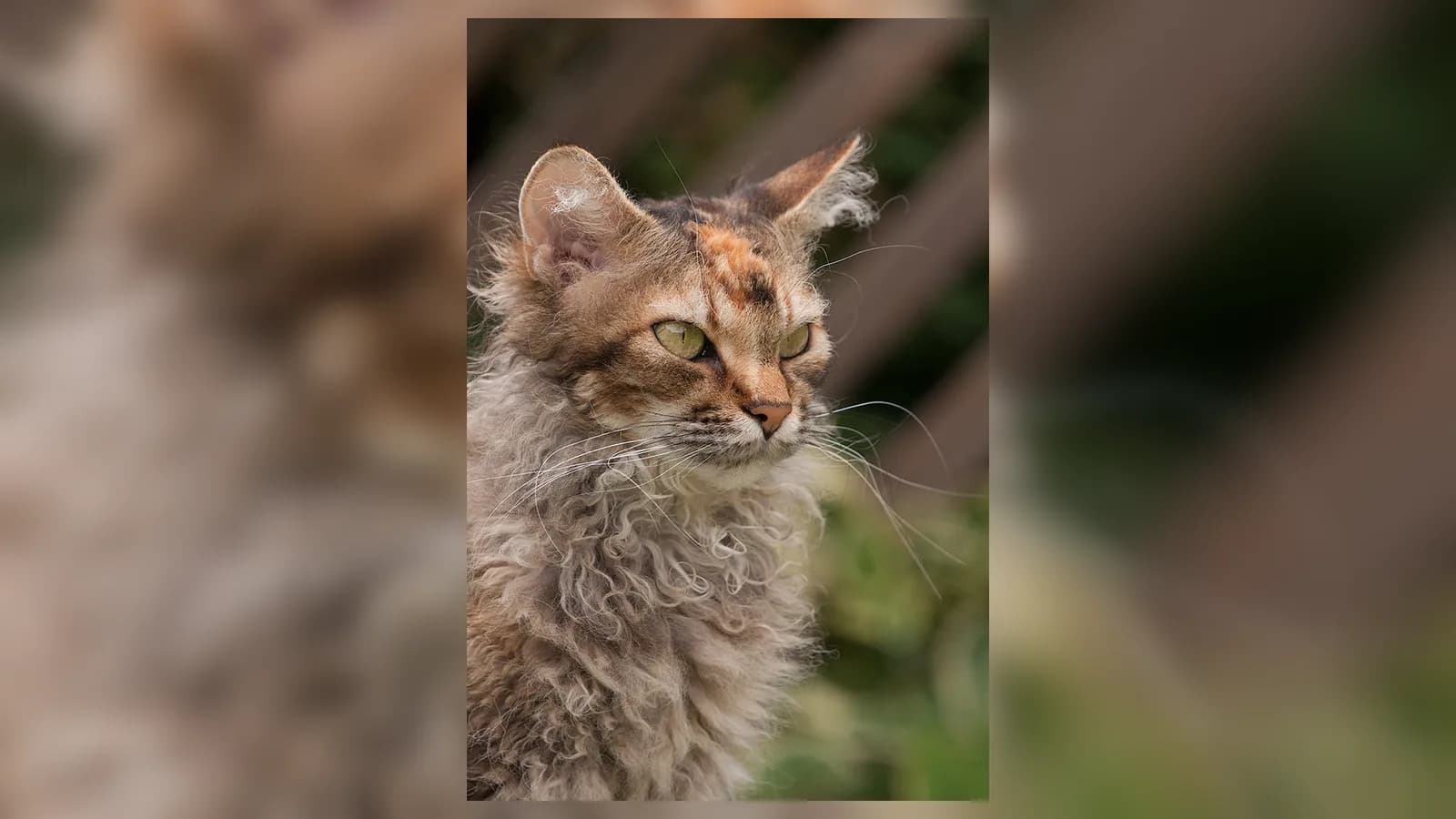
LaPerm
“The Oregon farm cat in permanent curls, whose gene science still hasn't found”
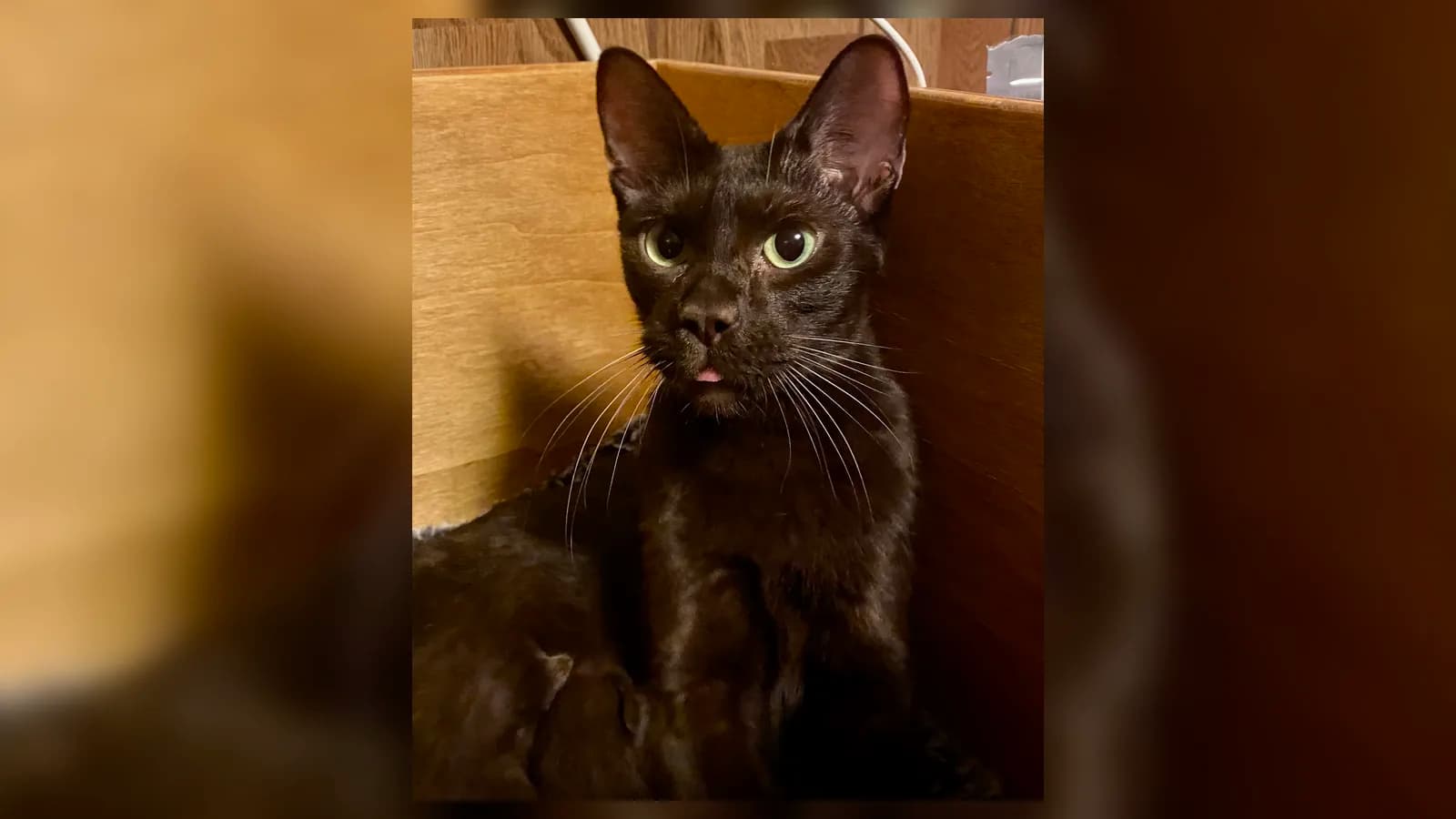
Havana Brown
“CFA's 'Brownies': mahogany head to tail, green eyes, and a transatlantic naming trap”
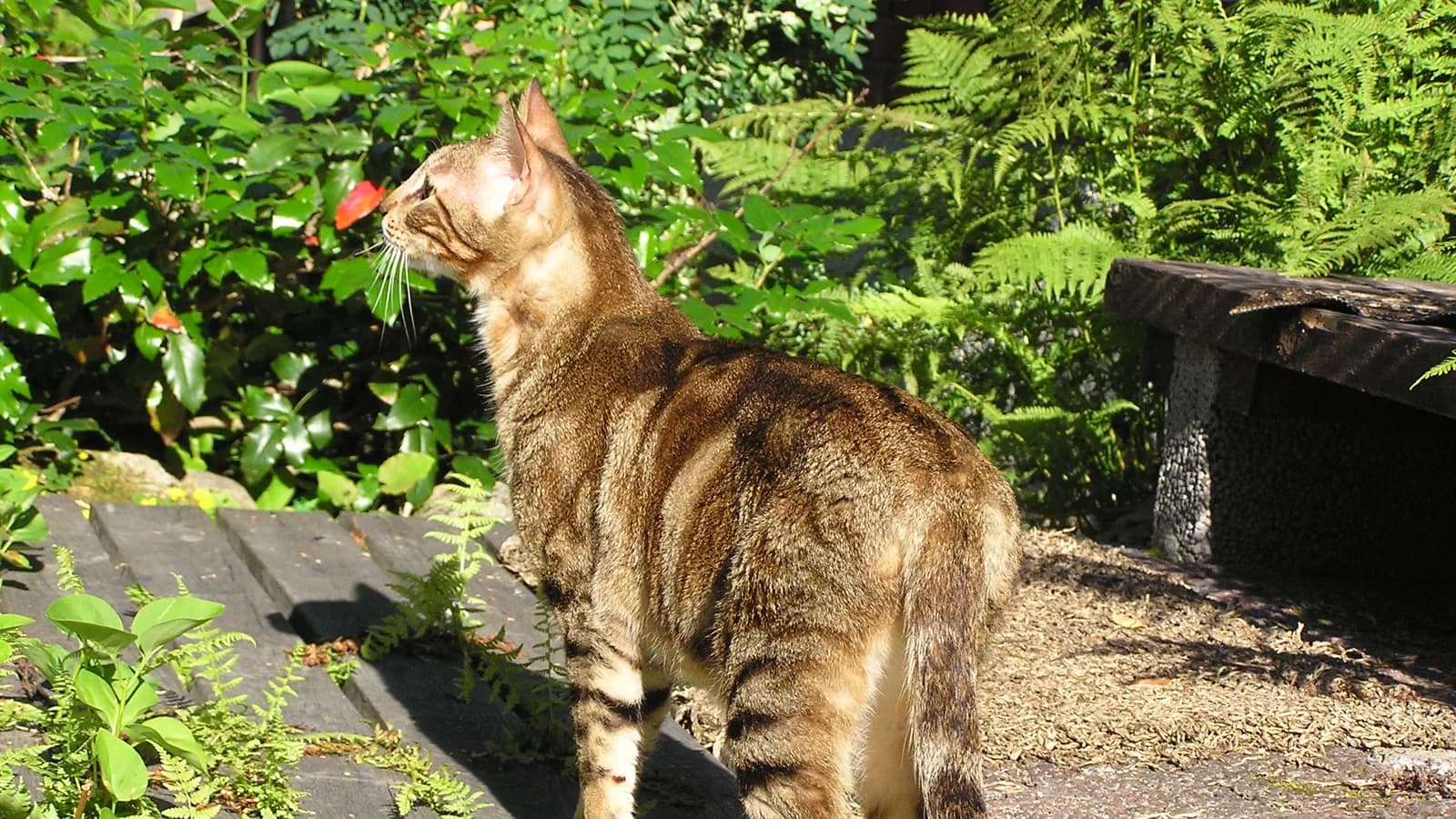
Sokoke
“The see-through tabby from Kenya's coastal forest, rarest of the rare”
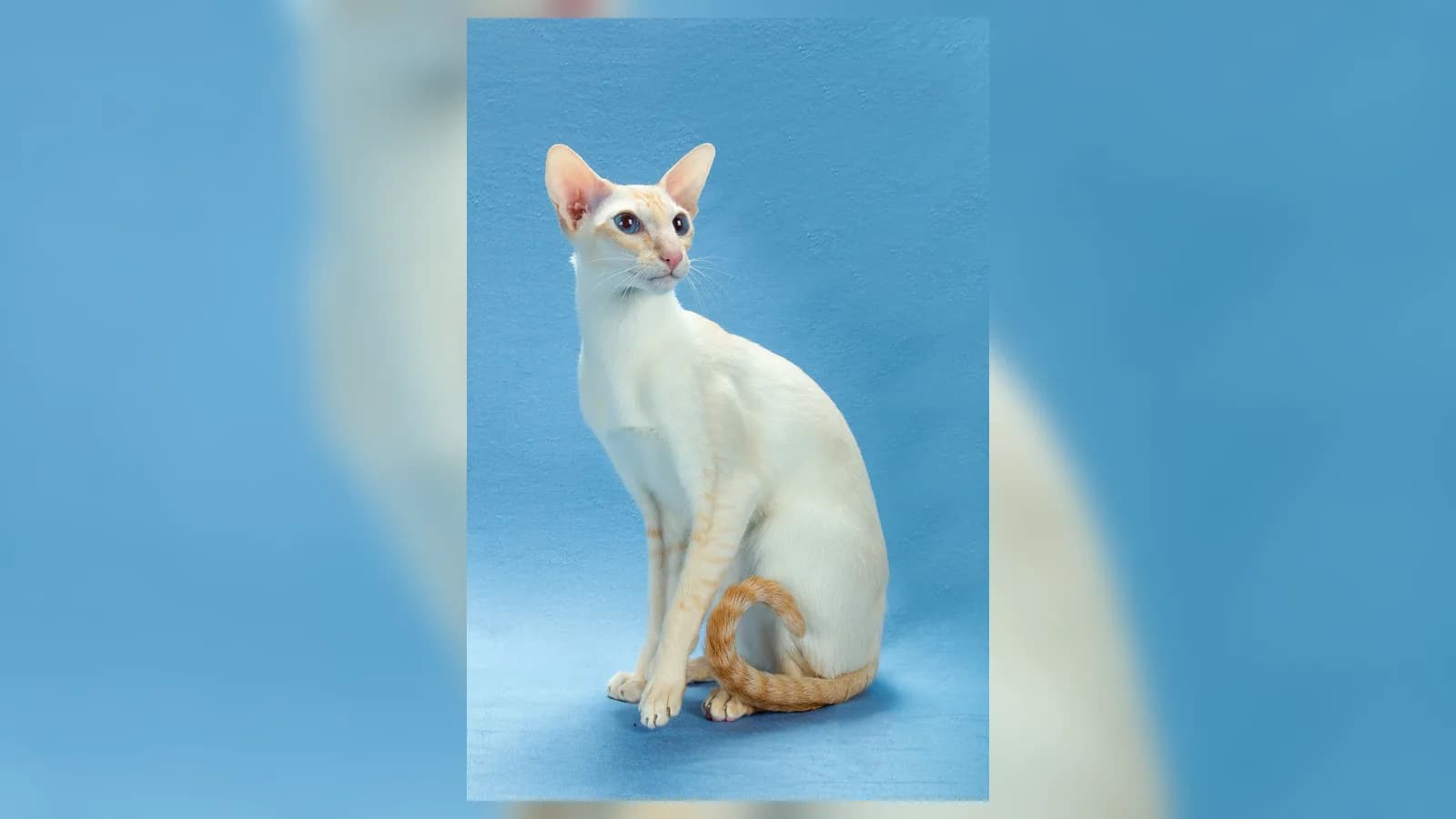
Colorpoint Shorthair
“A Siamese in sixteen extra colors, with its own papers in exactly two registries”
 Grooming & living with one
Grooming
The honest version is a registry-versus-brand split we publish rather than adjudicate. 's own page says 'the less grooming the better... brushing or combing can damage it'. Hill's Pet says brushing is 'not a problem', and a third source lands between at 'moderate'. What the sources do agree on: bathing over brushing for keeping the coat's hooked hairs clean, and a coat that largely looks after itself. No hypoallergenic claim survives checking, and no data exists for the breed.
Living together
Everything the American Shorthair portrait says applies, on the registries' own authority: adaptable, even-tempered, family-friendly, good with other pets. No measured study exists behind it for this breed specifically, and we say so. The practical read is a low-drama housemate whose rarity, not temperament, is the challenge.
 Food & diet
No breed-specific feeding literature exists. The general framework applies (complete life-stage food, portion control, body-condition scoring with your vet). The two commercial sources that flag weight management tied to the breed's muscular build are labeled as exactly that, commercial content. Nothing here is a prescription for a specific cat.
 Price & budget
$800 to 1,200
Price of a kitten from a registered breeder, in the United States
This price reflects the quality of the breeding program: parents' health tests, registry pedigree, socialization. A very low price should raise a red flag. The real cost, though, plays out over the years.
Find a verified breederKitten price, by market
United States
$800 to 1,200
Each figure is that country's real market price, researched separately, not a conversion of the others. The smaller line is only there so you can gauge one against your own money: European Central Bank reference rates of 2026-09-18, refreshed daily.
Work out your food budget
Type of food
Estimated monthly budget
$14
≈ 2.4 oz (68 g) per day
A ballpark figure, food only, using the same arithmetic as our portion tool (resting energy requirement × 1.2, a neutered adult). Real needs vary with age, activity level and body condition. Ask your veterinarian for advice.
 Verified catteriesThe registry-checked directory, plus a kitten alert near you. Filter it by breed.
 Should you insure an American Wirehair?
Our sources list several predispositions in the American Wirehair: The coat gene, told at its true limit, The evidence base: thinner than the parent's, Skin and coat care, the one practical file, among others. A predisposition is not a foregone conclusion, and many of these cats live their whole lives without ever developing anything. It does change the nature of the follow-up, though: you monitor, sometimes for life, and it's that monitoring that weighs on a budget, more than a one-off accident.
One thing to weigh before deciding: this is a cat you will live alongside for well over a decade, and that is the span the real cost is spread across, premiums and care alike. Where a breed has a measured life expectancy that differs from the figure usually quoted, we say so in the lifespan section above rather than repeating the quoted one here.
 American Wirehair cats in our community
This breed is barely covered by free photo libraries: we only found 2 photos we could verify. Your cats are especially welcome here.
No American Wirehair here yet
Got one? Add a photo and yours gets to open this page.
 The vet's take

Veterinary review
Are you a vet?
Your professional read belongs here: every verified practitioner can leave a note, published once our editors have reviewed it.
Sign in and get your license number verified. We check it in the public register, we never ask for or keep a copy of your diploma, and your number is never published.
 Frequently asked questions
+What is an American Wirehair cat?
An American Shorthair-type cat wearing a unique dominant coat mutation that crimps, hooks or bends every hair (ears included), founded from a 1966 spontaneous mutation in upstate New York and registered by CFA in 1967. Guinness lists it as the rarest breed CFA recognizes.
+Is the American Wirehair the same gene as a Cornish or Devon Rex?
No, and that is now a sequenced fact, not a guess: the Sphynx/Devon Rex KRT71 mutations and the Selkirk Rex variant have all been molecularly excluded in this breed. The wirehair's own causal gene has not yet been identified.
+Are American Wirehair cats rare?
Record-holding rare: Guinness World Records lists it as the rarest CFA-recognized breed, with only 22 registered specimens in 2003. Our market checks match: near-empty US listings, two UK rehomings, one Canadian litter, no reachable Australian market.
+How do I identify an American Wirehair?
By papers first, coat second: the giveaway texture is springy, dense hair that is crimped, hooked or bent along its length (even in the ears), often compared to steel wool. But wiry-coated lookalikes exist and expression varies, so registration, not texture, makes the breed.
+Can a pedigree American Wirehair have a straight coat?
Yes: the mutation is dominant with variable expression, and straight-coated kittens occur in litters from the American Shorthair cross. Since March 2025, CFA lets them compete in Championship as AOVs; CCA-AFC's current standard still says 'No AOV', a real US/Canada divergence for breeders.
+How big do American Wirehairs get, and how long do they live?
Honestly: nobody has measured either. Standards say 'medium to large' in words only, and no lifespan study includes the breed; secondary sources cluster loosely at 10-20 years with one lower outlier. We publish the absences rather than invented numbers.
+Do American Wirehairs shed, and are they hypoallergenic?
They shed moderately, and the care twist is real: registry advice favours bathing over brushing because brushing can damage the hooked coat. No cat is hypoallergenic and no Fel d 1 data exists for this breed; treat allergy claims about it as unsourced.
+How much is an American Wirehair cat?
The best-supported figure is US $800-1,200-plus from a breeder, converged on by three independent sources over a nearly empty live market. No genuine UK, Canadian or Australian pedigree price exists; our price page tells each market's real shape.
+What is the difference between an American Wirehair and an American Shorthair?
One coat gene, per TICA's own words: 'the two breeds are alike in appearance and personality, differing only in coat type.' The outcross runs one way (Wirehair to Shorthair, never the reverse), and no registry gives numbers that would let anyone claim a size or lifespan difference.
 Community questions
Got a question this page doesn't cover? Ask it: the best ones get published here with their answer.
Sources & references
Data checked against reference sources (TICA and CFA standards, genetics laboratories, veterinary schools).
- CFA: American Wirehair breed page (the 1967 registration, the founding story in one of its three versions)
- TICA: American Wirehair breed page (the 'differing only in coat type' sentence; the grooming warning)
- Guinness World Records: rarest CFA-recognized cat breed (the record, the 22-cats figure, the Verona spelling)
- Gandolfi et al. 2010, Mamm Genome: KRT71 in Sphynx and Devon Rex, the Wirehair excluded (PMID 20953787)
- Gandolfi et al. 2013, Sci Rep: the Selkirk Rex KRT71 splice variant, the Wirehair separate (PMID 23770706)
- GCCF: Unrecognised Breeds page (the Green tier and the two-part 'British Shorthair, Household Pet' similar-breed field)

Worth keeping a paw on
Pin this profile
To compare later, or to show someone still torn between two breeds. One click and it sits in your board.
Pin it on Pinterest
 Purr or Pass
Still deciding? Find the perfect breed for your home.
A quick quiz that factors in your lifestyle, your kids and your other pets.
Which breed fits my home?Keep exploring
The floor belongs to our members. Keep it kind, links are not allowed, and images go through moderation before anyone else sees them.