

Sokoke
“The see-through tabby from Kenya's coastal forest, rarest of the rare”
 By Priya · The careful one
Published August 21, 2026Updated August 26, 20267 min read
Contents
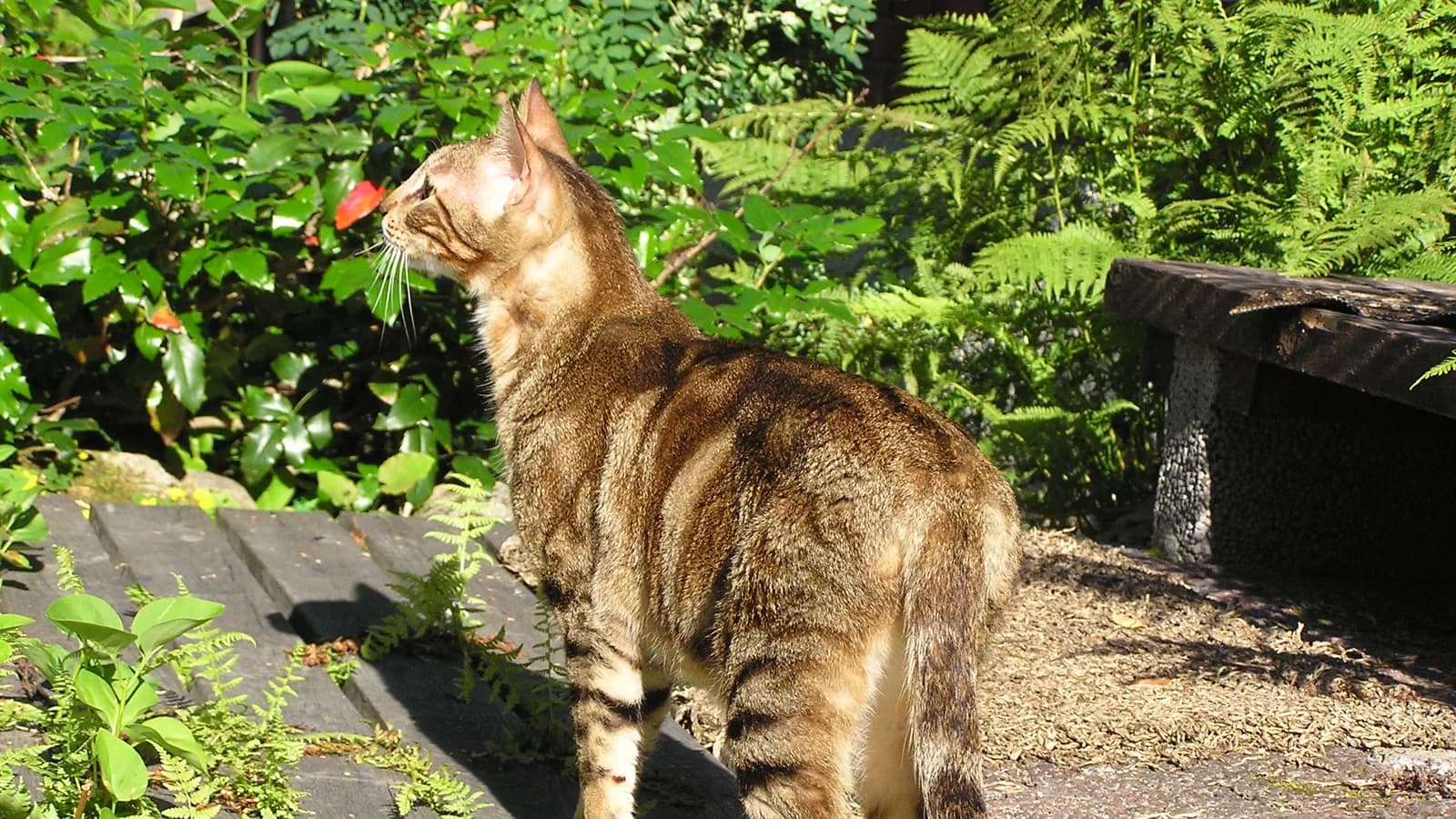
 Sokoke photos
Real photos, so you can see what the breed actually looks like: coats, ear tufts, ruff and build.
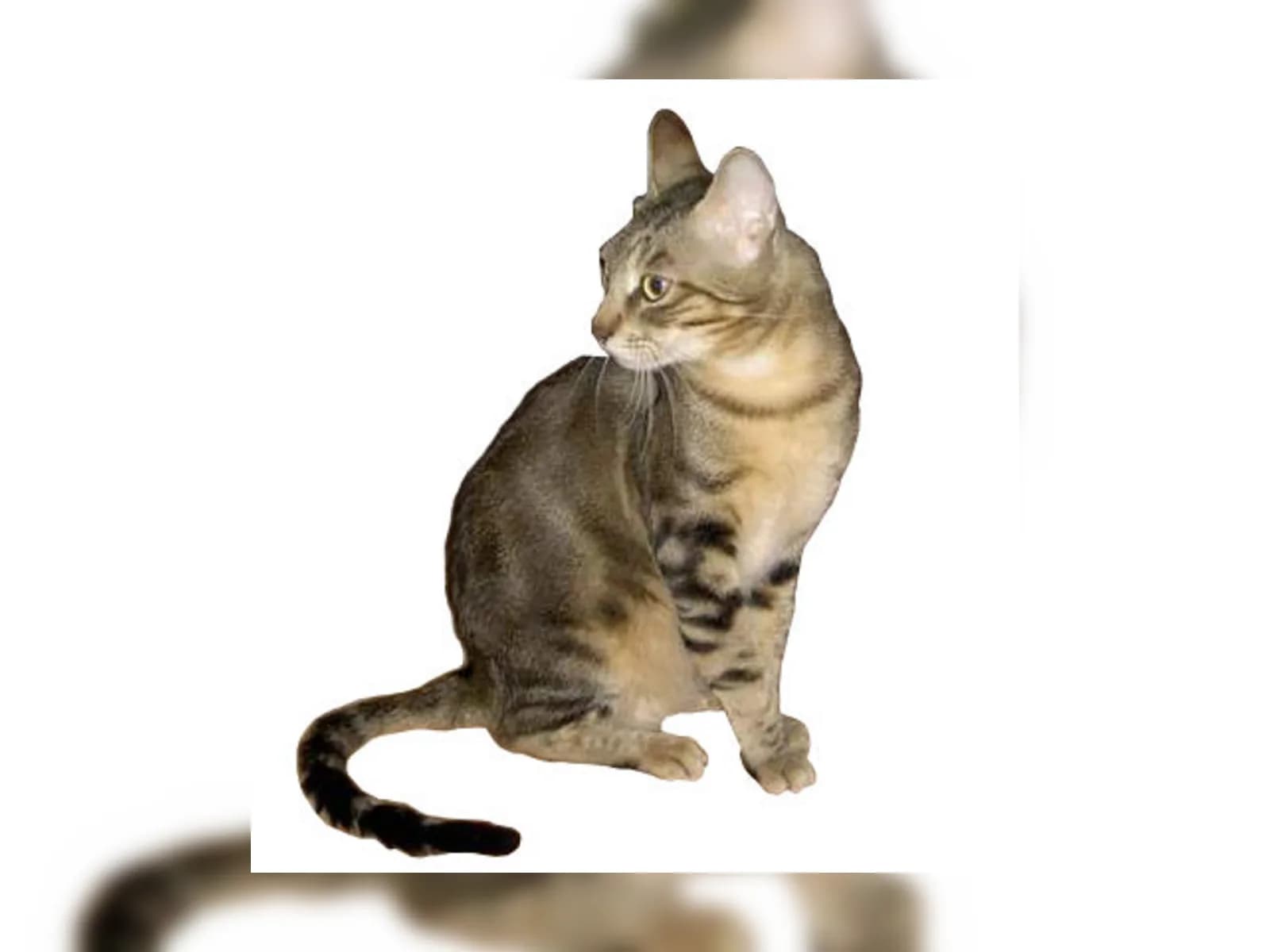
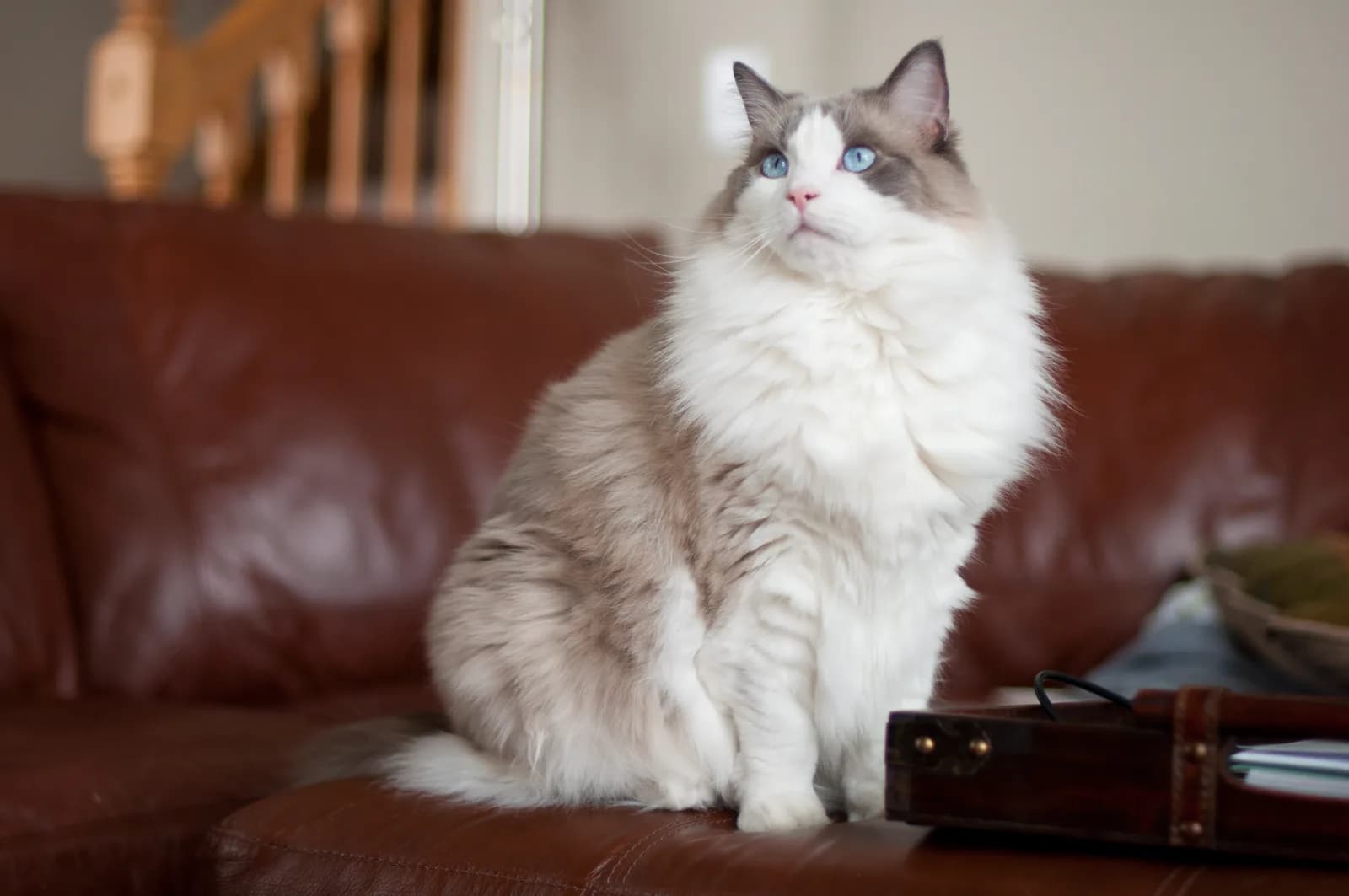
Sokoke seated, the blotched tabby pattern across the flank
Photo: Desaix83 / Berinka · CC BY-SA 3.0 · via Wikimedia Commons
Got a Sokoke? Share them with the community. Photos from our members round out this page.
 Vital stats
Origin
The account, attributed to its sources. Jeni Slater found the founding litter at Watamu on Kenya's coast in 1978, and Gloria Moeldrop imported cats to Denmark in 1983: both details confirmed verbatim at two independent primary sources ( and /the breed club). The breed was first called the 'African Shorthair'. The local landrace it springs from is called khadzonzo (GCCF's spelling; also spelled Kadzonzo or Khadzonzo). The name Sokoke comes from Kenya's Arabuko Sokoke Forest, a real nature reserve whose own fame occasionally outranks the cat's.
Life expectancy
No measured lifespan study exists (three independent searches converge on zero). 's own consumer box says 12-20 years; two further unsourced figures (15-20, 15) circulate. All are commonly cited estimates, with no cohort behind any of them, published together and labeled as exactly that.
Coats
Brown blotched tabby (SOK n 22)
The ticked 'see-through' pattern
Snow (ivory, blue-eyed, SOK n 22 33)
Blue/grey (bred, unrecognised)
Every recognized color in every registry is a tabby. registers the brown blotched tabby (SOK n 22) and the ivory, blue-eyed Snow (SOK n 22 33). recognizes one color; two. A blue/grey form exists as a bred but unrecognised variant, the sourced answer to 'grey Sokoke' searches. 'Sokoke tabby' is therefore an accurate description of the entire breed. Our identification page teaches the pattern detail that separates it from an ordinary .
Understanding the coats (and their genetics)Size
No registry standard gives a numeric weight. GCCF's consumer box states 5 to 10 lb (2.3-4.5 kg) with no sex split. Five unsourced consumer pages circle the same band while disagreeing on where a split falls. We publish GCCF's box as the one registry-adjacent figure, labeled, and the rest as commonly cited. The build is the reliable part: lithe, long-legged, hind legs slightly longer, with the tip-toe gait breeders describe.
Did you know
and the breed's own UK club both call the Sokoke 'the rarest breed of domestic cat in the world', in those words. We attribute that claim to its institutional sources rather than certify it, because nobody maintains a verified world ranking. No Guinness record could be confirmed either way, which we state as inconclusive rather than negative.
 Personality
 Affection4/5
 Energy5/5
 Intelligence4/5
 Friendliness3/5
 Independence3/5
 Vocal4/5
 Shedding2/5
Compatibility
 Good with children3/5
 Good with other pets3/5
 Apartment friendly3/5
Editorial ratings on our five-point scale, anchored in the registry descriptions and the measured behaviour studies cited on this profile; individual cats vary, and our members' own ratings below are the counterweight.
Still torn between this breed and another?Compare the Sokoke trait by trait, or filter every breed by what matters to you. What our members say
What our members say
Nobody has described their Sokoke here yet. As soon as the first profiles come in, this is where the community averages will show up: temperament, food, lifestyle.
Describe my Sokoke Pros & cons
Strong points
- A genuinely unique, checkable coat pattern (the see-through blotched tabby) no other breed wears
- A health file that opens with two honest absences, including the registry's own no-known-disorders sentence
- One of the fancy's best-documented founding stories, attributed line by line
- An easy, low-undercoat coat and an active, engaged temperament by FIFe's independent account
Things to consider
- The rarest market we have ever tried to price: two named UK breeders, explicit zeros elsewhere, no price to quote anywhere
- No measured weight, lifespan or behaviour study exists; even the temperament text is one shared paragraph in three places
- FIFe itself notes adult re-homing is difficult once bonded: a real commitment consideration
- Registry status varies from Preliminary to Experimental to demoted, with a Kenya-waybill rule governing Canadian registration
 Is a Sokoke right for you?
Someone drawn to an active, vocal, deeply bonding natural breed who accepts the two realities. A wait measured in years, across a two-breeder Western market. And a cat itself says is hard to re-home once bonded, which makes this a commitment purchase in the fullest sense.
Is the Sokoke right for YOUR home?
Answer a few questions and we'll email you your personalized result.
Take the quiz · 2 min Getting to know the Sokoke
The pattern is the breed: a blotched tabby whose dark areas are themselves ticked, 'see-through' into the tail tip, on a short glossy coat, and our identification page teaches the checklist, including the -recognized Snow form and the unrecognised blue. The registry map is a four-tier story: GCCF Preliminary (2015), full recognition (1994, FIFe's own date, over GCCF's off-by-one 1993), 's documented rise-and-2014-demotion (Registration Only, for lack of an active breed committee, per TICA's own minutes), and 's Experimental tier with its Kenya-waybill import rule.
The health file opens with two absences that are genuinely good news told carefully: zero breed-relevant PubMed records, and 's own Breeding Policy stating 'there are currently no known genetic disorders that affect Sokokes in any numbers'. That is a registry document, not a marketing line, and not the same claim as 'guaranteed healthy'. The one genetic study that includes the breed (Kurushima 2013, n=7) places it in the 'India/Arabian Sea region' cluster, explicitly distinct from the Asian cluster that groups Siamese-family breeds. And the market is an honest absence: our price page documents, institution by institution, why there is no price to quote.
 Health: what to watch for
A few predispositions are well documented. The good news: they can be screened for or avoided by choosing a reputable breeder and keeping an eye on the right signals.
This is information, not veterinary advice, and it cannot tell you what is wrong with your cat. Our rule is a simple one: if something is wrong with your cat, call your vet, and call an emergency clinic if it is out of hours. Nothing you read here is a reason to wait.
The registry's own health sentence, quoted exactly
LOWGCCF's official Breeding Policy states 'there are currently no known genetic disorders that affect Sokokes in any numbers': an unusually specific health-absence sentence from a registry document. Beside it, the literature absence: zero breed-relevant PubMed records. Neither is a guarantee about any individual cat. Both are honestly good news for a natural breed.
The one genetic study, at its true size
LOWKurushima et al. 2013 genotyped seven Sokokes (n=7) and assigned the breed to its 'India/Arabian Sea region' cluster, explicitly distinct from the 'Asian breeds' cluster containing Birman, Burmese and Siamese. A real, primary finding about ancestry, published with its sample size attached. Never inflated into population claims.
The outcross testing rule, scoped correctly
MEDIUMGCCF's current (2021) Registration Policy permits outcrossing, with testing requirements (PK deficiency, chocolate, Burmese color restriction). The scope matters: those tests screen the OUTCROSS PARTNER, never a claim that Sokoke stock itself carries the conditions. Ask a breeder which policy version their pairings follow.
What we deliberately left out
LOWA circulating claim that the breed has 'limited disease resistance' is uncited in its source and appears in no registry or veterinary document we read. So it is not carried here, in either direction. Anything about your own cat is a vet question, out of hours an emergency clinic.
Go deeper on health
Prevention, warning symptoms, costs and insurance: our guides, researched and sourced.
Also worth a look
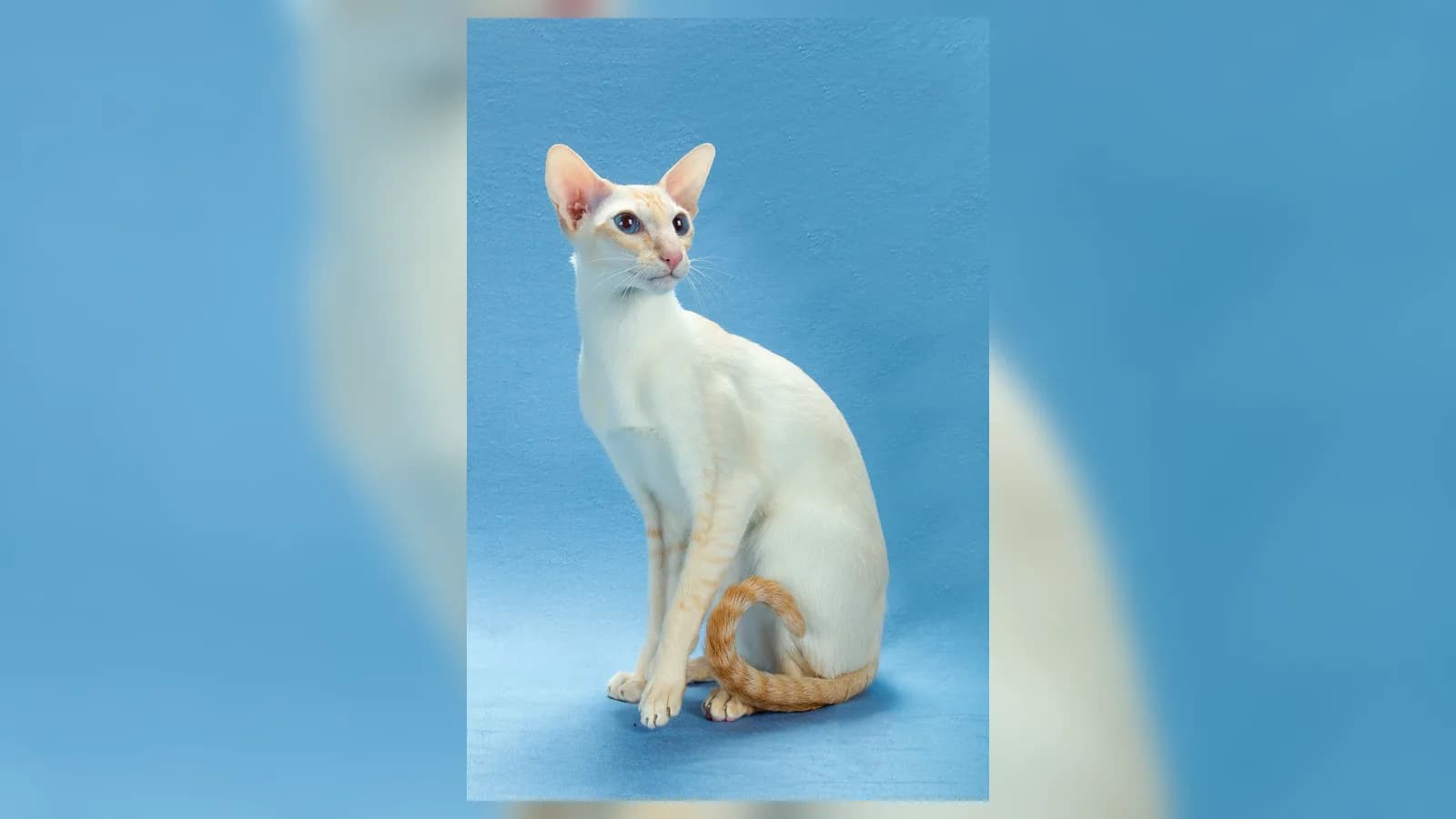
Colorpoint Shorthair
“A Siamese in sixteen extra colors, with its own papers in exactly two registries”
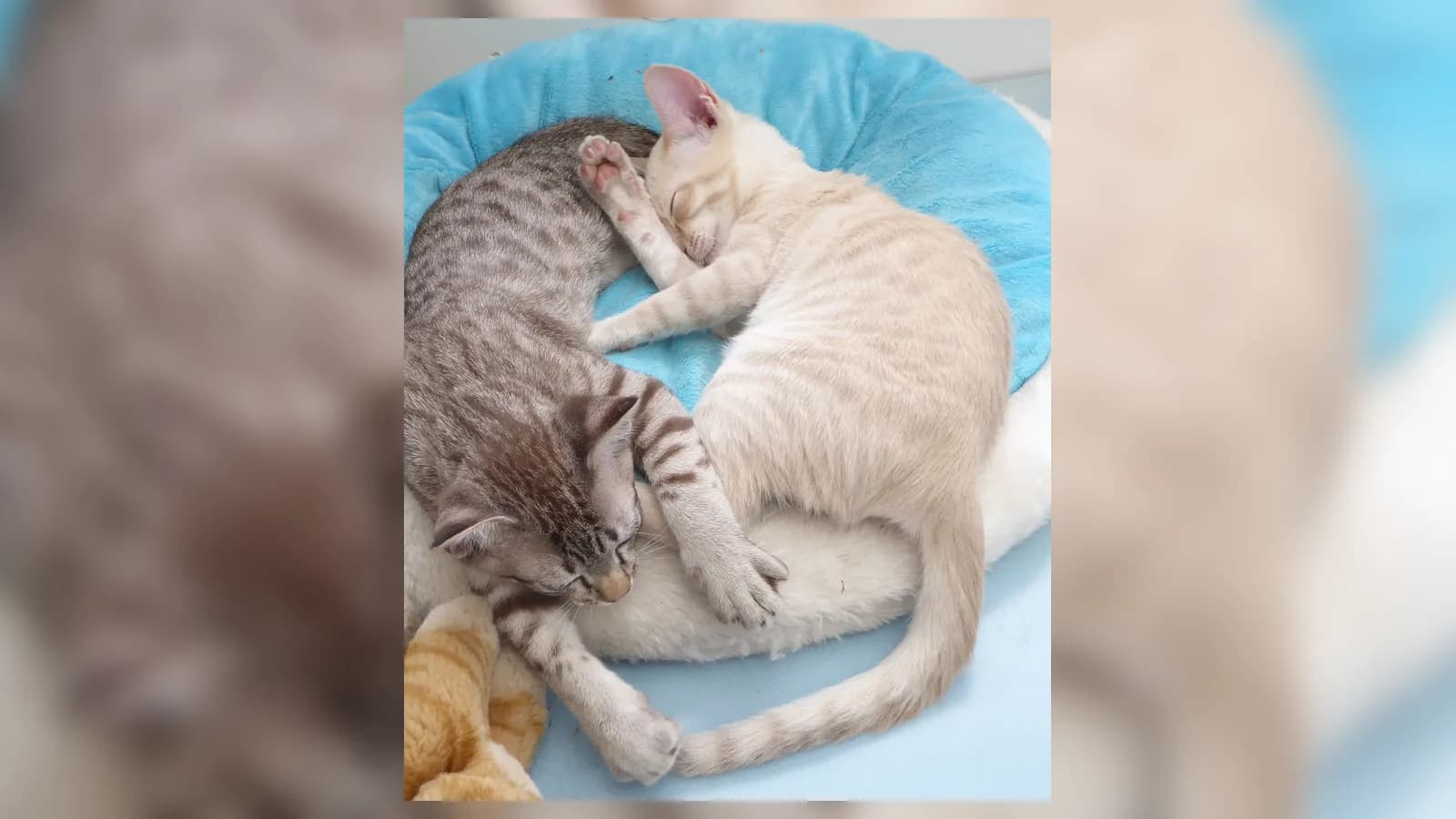
Australian Mist
“Dr Straede's people-centered indoor cat, misted in seven colors”
Minuet
“The Napoleon: a Persian's face on a Munchkin's legs, renamed but never quite”
Dragon Li
“China's own landrace tabby: a real breed with no Western registry left”
 Grooming & living with one
Grooming
Short, close and glossy with little to no undercoat: an easy coat by structure. No breed-specific grooming cadence exists anywhere in our sources, and we say so rather than borrowing one. A general short-coat routine (an occasional once-over) is a coat-type inference, labeled as exactly that.
Living together
Active and engaged by 's independent portrait, with the strong-bonding caveat carried honestly: this is a cat that attaches to its household. No measured study exists behind any of it. Introduce gradually and judge the individual, as ever.
 Food & diet
No breed-specific feeding literature exists. General species-appropriate guidance applies: complete life-stage food, portion control, body condition scored with your vet. Nothing here is a prescription for a specific cat.
 Should you insure a Sokoke?
Our sources list several predispositions in the Sokoke: The registry's own health sentence, quoted exactly, The one genetic study, at its true size, The outcross testing rule, scoped correctly, among others. A predisposition is not a foregone conclusion, and many of these cats live their whole lives without ever developing anything. It does change the nature of the follow-up, though: you monitor, sometimes for life, and it's that monitoring that weighs on a budget, more than a one-off accident.
One thing to weigh before deciding: this is a cat you will live alongside for well over a decade, and that is the span the real cost is spread across, premiums and care alike. Where a breed has a measured life expectancy that differs from the figure usually quoted, we say so in the lifespan section above rather than repeating the quoted one here.
 Sokoke cats in our community
This breed is barely covered by free photo libraries: we only found 1 photos we could verify. Your cats are especially welcome here.
No Sokoke here yet
Got one? Add a photo and yours gets to open this page.
 The vet's take
Veterinary review
Are you a vet?
Your professional read belongs here: every verified practitioner can leave a note, published once our editors have reviewed it.
Sign in and get your license number verified. We check it in the public register, we never ask for or keep a copy of your diploma, and your number is never published.
 Frequently asked questions
+What is a Sokoke cat?
A natural breed from Kenya's coastal Arabuko Sokoke region: a lithe, short-coated cat wearing a blotched tabby pattern that is itself ticked ('see-through'), founded from a litter found at Watamu in 1978 and developed in Europe from 1983. GCCF and its own breed club call it the world's rarest domestic breed.
+How rare is the Sokoke cat?
Rare enough that the market has no price: two club-listed UK breeders, explicit marketplace zeros in the US, a Canadian registry whose breeder tool cannot select the breed, and nothing at all in Australia. The 'rarest breed in the world' description is GCCF's and the breed club's own, which we attribute rather than certify.
+How much does a Sokoke cat cost?
No confirmed live price exists in any of our four markets, and our price page documents each market's own evidence rather than inventing a range. Any tidy figure you read elsewhere deserves scrutiny: one 'price' we traced was a web-template demo page.
+How do I identify a Sokoke?
Pattern first: blotched tabby with ticked, translucent dark areas into the tail tip, on a short glossy coat. Papers second, and decisively: at this rarity, an unpapered lookalike is a tabby. Our identification page carries the full checklist, the Snow form and the unrecognised blue.
+Are Sokoke cats healthy?
The record is two honest absences: no breed-relevant research literature, and GCCF's own breeding policy stating no known genetic disorders affect the breed in any numbers. That is better news than most breeds can cite, and still not a guarantee about any individual cat: normal veterinary care applies in full.
+What is the Sokoke's temperament like?
By FIFe's independent account: active, quick, vocal, and strongly bonded to its family, to the point that FIFe notes re-homing an adult is difficult. The widely copied temperament paragraph elsewhere is one shared text on three sites, which we attribute to GCCF rather than count three times. No measured study includes the breed.
+Is the Sokoke recognized by cat registries?
A four-answer map: FIFe fully (since 1994), GCCF at Preliminary tier (2015), TICA at Registration Only (demoted from Preliminary New Breed in 2014 for lack of an active committee, per its own minutes), and CCA-AFC at Experimental, registrable only via direct Kenyan import with a waybill. ACF and ANCATS do not list it.
+Where does the name Sokoke come from?
From Kenya's Arabuko Sokoke Forest, near the breed's founding grounds; the local landrace is called khadzonzo (also spelled Kadzonzo or Khadzonzo). The breed's first name, before Sokoke stuck, was the 'African Shorthair'.
 Community questions
Got a question this page doesn't cover? Ask it: the best ones get published here with their answer.
Sources & references
Data checked against reference sources (TICA and CFA standards, genetics laboratories, veterinary schools).
- GCCF: Sokoke breed page (the pattern description, the color codes, the consumer boxes, the rarest-breed line)
- GCCF: Sokoke Breeding Policy (the 'no known genetic disorders... in any numbers' sentence, quoted exactly)
- GCCF: Sokoke Registration Policy, March 2021 (the current outcross rules and partner-testing requirements)
- FIFe: Sokoke breed page (full recognition 1994; the independent temperament portrait)
- Sokoke Breed Club (UK): breed information and the two-breeder list
- CCA-AFC: breed standards index (the Experimental tier listing)
- Kurushima et al. 2013: cat breed ancestry clusters, the n=7 Sokoke row (PMID 23171373)

Worth keeping a paw on
Pin this profile
To compare later, or to show someone still torn between two breeds. One click and it sits in your board.
Pin it on Pinterest
 Purr or Pass
Still deciding? Find the perfect breed for your home.
A quick quiz that factors in your lifestyle, your kids and your other pets.
Which breed fits my home?Keep exploring
The floor belongs to our members. Keep it kind, links are not allowed, and images go through moderation before anyone else sees them.