

LaPerm
“The Oregon farm cat in permanent curls, whose gene science still hasn't found”
 By Priya · The careful one
Published August 21, 2026Updated August 26, 20267 min read
Contents
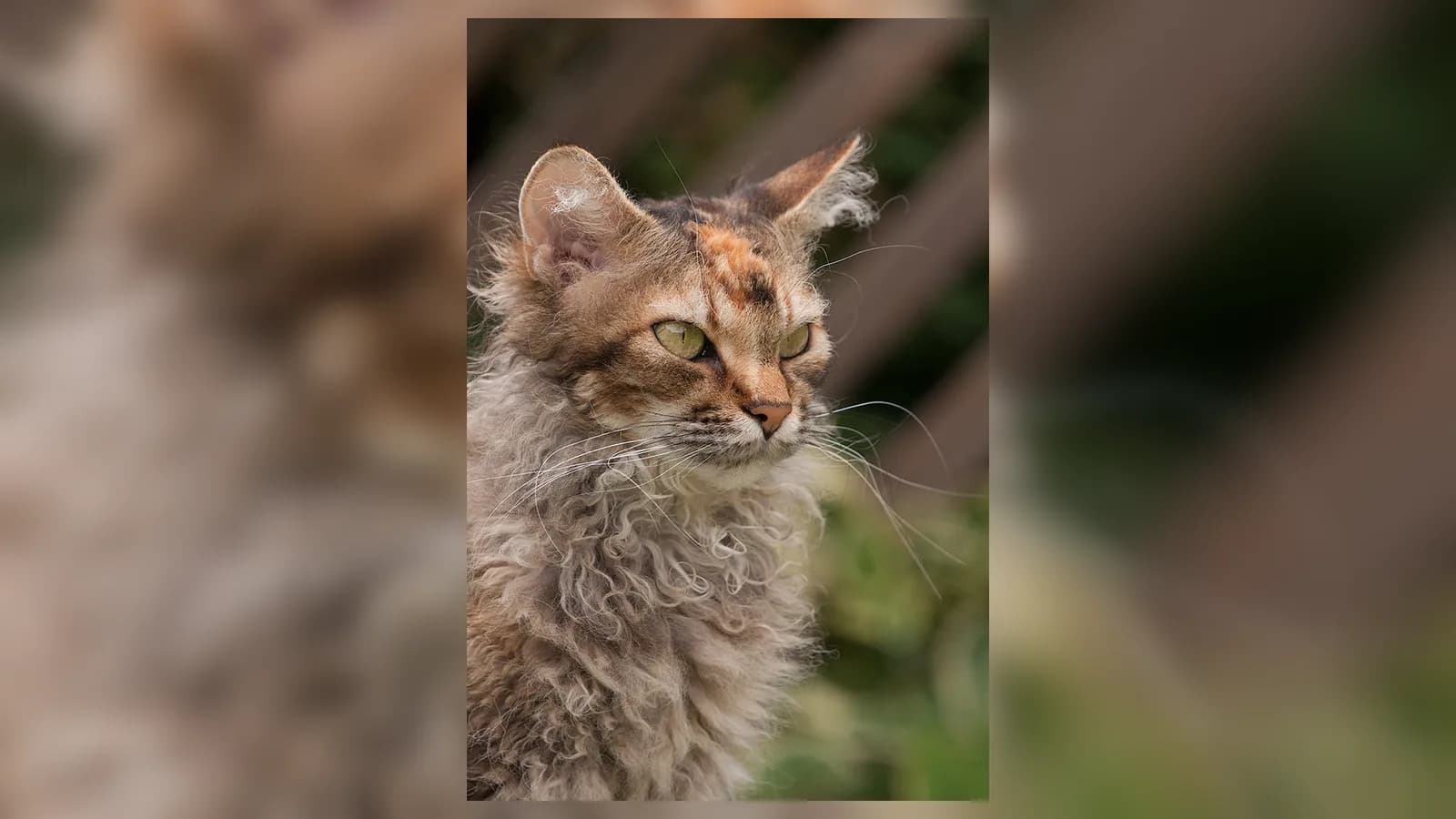
 LaPerm photos
Real photos, so you can see what the breed actually looks like: coats, ear tufts, ruff and build.
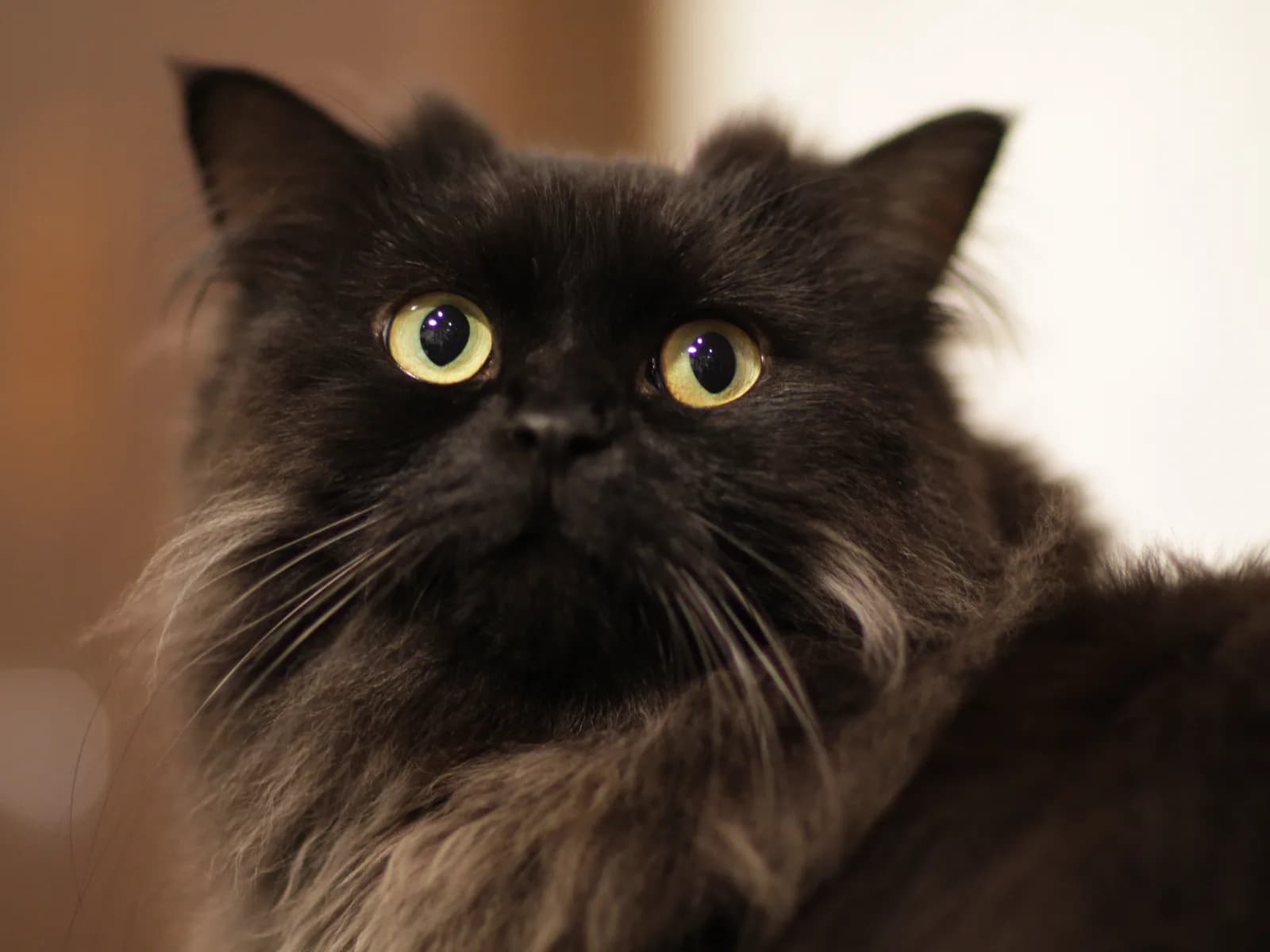
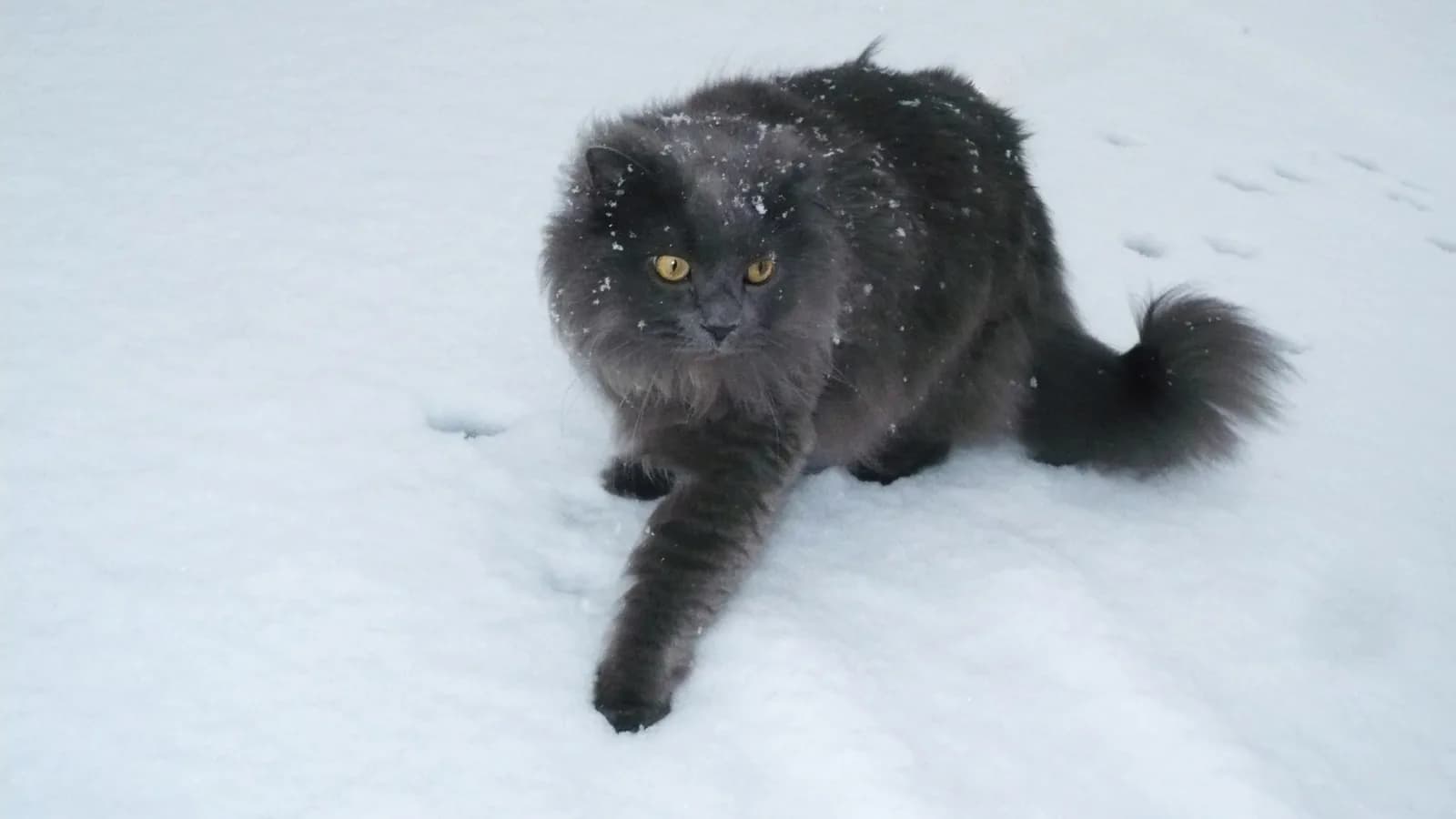
Dark longhair LaPerm face with wide golden eyes
Photo: Takashi(aes256) · CC BY-SA 2.0 · via Wikimedia Commons
Got a LaPerm? Share them with the community. Photos from our members round out this page.
 Vital stats
Origin
United States
On 1 March 1982, on Linda and Dick Koehl's cherry farm in The Dalles, Oregon, a barn cat produced a bald kitten who grew ringlets: Curly, the foundation of the breed ('s own account notes no photograph of her survives). The name plays on 'perm', with a nod to Chinookan naming patterns of the region, corroborated at two independent documents. granted championship in 2002/2003, in May 2008, GCCF full championship in June 2012, in 2015.
Life expectancy
12-15 years is a circulating, unsourced convention (, and VCA converge on it without citing anything), published labeled as exactly that. TICA adds an 'up to 20' note, an unsourced outlier we report rather than adopt. No measured LaPerm lifespan study exists in any of the three cohorts checked directly.
Coats
Black tortie and white (a club favorite)
Red tabby in curls
Seal point
Blue-cream
All colors, by four of five registries' own rules, with one named exception we scope to its market: in Australia excludes amber. Both coat lengths carry identical color rules in every registry that splits them. One low-stakes footnote our research leaves visible: 's marketing copy names a 'Karpati' pattern that its own downloadable standard does not carry. The distinctive feature is texture, not color: curls from soft waves to ringlets, longest in the and tail. And TICA notes the LaPerm alone among the rex breeds keeps long, flexible (not brittle) whiskers.
Understanding the coats (and their genetics)Size
No measured LaPerm weight study exists anywhere, and the one registry that offers numbers disagrees with itself. TICA's own 'At a Glance' box says 6-9 lb females / 7-12 lb males. TICA's own prose, repeated across three TICA documents, says 6-8 lb females / 8-10 lb males. We print both, labeled as TICA's two disagreeing texts, because with nothing measured there is no evidentiary reason to pick one. Every other registry gives no number at all, only the inherited 'surprising weight for size' sentence. A medium, athletic cat, in words the registries do agree on.
Did you know
LaPerm kittens are frequently born bald. They curl up over their first months through several molts, and can take two to three years to finish their coat. Adults can molt heavily and re-curl, tied to season and hormones. 's registry-sourced nickname for the look: the 'Gypsy Shag'. Australia's prefers 'Alpaca Cat'.
 Personality
 Affection5/5
 Energy3/5
 Intelligence4/5
 Friendliness4/5
 Independence3/5
 Vocal2/5
 Shedding1/5
Compatibility
 Good with children4/5
 Good with other pets4/5
 Apartment friendly5/5
Editorial ratings on our five-point scale, anchored in the registry descriptions and the measured behaviour studies cited on this profile; individual cats vary, and our members' own ratings below are the counterweight.
Still torn between this breed and another?Compare the LaPerm trait by trait, or filter every breed by what matters to you. What our members say
What our members say
Nobody has described their LaPerm here yet. As soon as the first profiles come in, this is where the community averages will show up: temperament, food, lifestyle.
Describe my LaPerm Pros & cons
Strong points
- A signature curly coat that is genuinely low-maintenance: light combing, little undercoat, rare mats
- A quiet, affectionate five-source temperament portrait, honestly labeled as unmeasured
- One of the fancy's best open genetics stories, told at its exact scientific limit
- Full recognition across six registries, with the UK offering a real, working market
Things to consider
- Nearly impossible to buy outside the UK: one confirmed US figure (an adult rehoming), a zero Canada, an unpriceable Australia
- No measured weight, lifespan or behaviour data exists; even TICA's own two weight ranges disagree with each other
- Kittens are often born bald and the adult coat takes two to three years: you commit before you see the finished cat
- Canada's national registry does not recognize the breed at all
 Is a LaPerm right for you?
Someone who wants a quiet, affectionate, low-maintenance companion with a signature look, will comb lightly and never blow-dry, and can accept the market reality. Outside the UK, finding a LaPerm kitten is a breed-club project measured in patience.
Is the LaPerm right for YOUR home?
Answer a few questions and we'll email you your personalized result.
Take the quiz · 2 min Getting to know the LaPerm
The curl that science hasn't caught yet, told at its exact limit. The registry claim that the LaPerm's curl is 'a dominant gene' traces not to a published study but to Solveig Pfluger's informal 1990s hair-sample assessment, named directly in the UK breed club's own founder account. The one academic paper to look at the LaPerm genome (Alhaddad et al. 2021) says it plainly: 'the genetic variant responsible for the curled coat of LaPerm is still unknown'. It reports a candidate region on chromosome B1 (near EPGN/EREG), unconfirmed. That puts the LaPerm in its own camp among the five curly lineages we cover.
The Devon Rex and Sphynx have KRT71 mutations, the Cornish Rex has LPAR6, the Selkirk Rex its own KRT71 splice variant, and the LaPerm an open case. The coat's party trick is developmental: kittens born bald, curls arriving through molts, the full coat taking two to three years. The map matters more than usual: full recognition at , , , , and , a four-times-confirmed absence at Canada's , and one priced market (the UK). The hypoallergenic question gets a page because the myth needs one; the answer is no.
 Health: what to watch for
A few predispositions are well documented. The good news: they can be screened for or avoided by choosing a reputable breeder and keeping an eye on the right signals.
This is information, not veterinary advice, and it cannot tell you what is wrong with your cat. Our rule is a simple one: if something is wrong with your cat, call your vet, and call an emergency clinic if it is out of hours. Nothing you read here is a reason to wait.
The curl gene: an honest open case
LOWNo gene has been scientifically identified for the LaPerm's curl. The 'dominant Lp gene' claim originates in an informal 1990s hair-sample assessment (Solveig Pfluger, named in the breed club's own account). The one genomic study (Alhaddad et al. 2021) states the variant 'is still unknown', while reporting an unconfirmed candidate region on chromosome B1 near EPGN and EREG. No welfare flag attaches to the coat anywhere: the LaPerm is absent from the ACT's own caution list, a checked negative.
Blood type: strikingly uniform, so far
LOWA 35-cat academic sample typed 100% blood type A, corroborating GCCF's own registry-level claim. Uniformity at that sample size is reassuring for breeding (low neonatal isoerythrolysis risk) without being a guarantee. The same sample carried one PK-deficiency carrier (2.9%, one cat: a testing consideration, never a breed-wide rate).
GCCF's four named show faults, without incidence figures
LOWGCCF's breeding materials name tail-tip faults, colourpoint-linked squint/nystagmus, occasional incorrect bites and hernia. These are show-standard concerns, none with a published incidence, reported here at exactly that weight. White cats face the standard breed-neutral BAER/OAE hearing-test requirement.
The wider file: thin, and honestly so
MEDIUMNo measured lifespan, weight or behaviour study includes the breed, so the practical health plan is the general one: routine vet care, body-condition scoring, and test results from breeders. Anything wrong with your own cat means your vet, out of hours an emergency clinic; nothing on this page is a reason to wait.
Go deeper on health
Prevention, warning symptoms, costs and insurance: our guides, researched and sourced.
Also worth a look
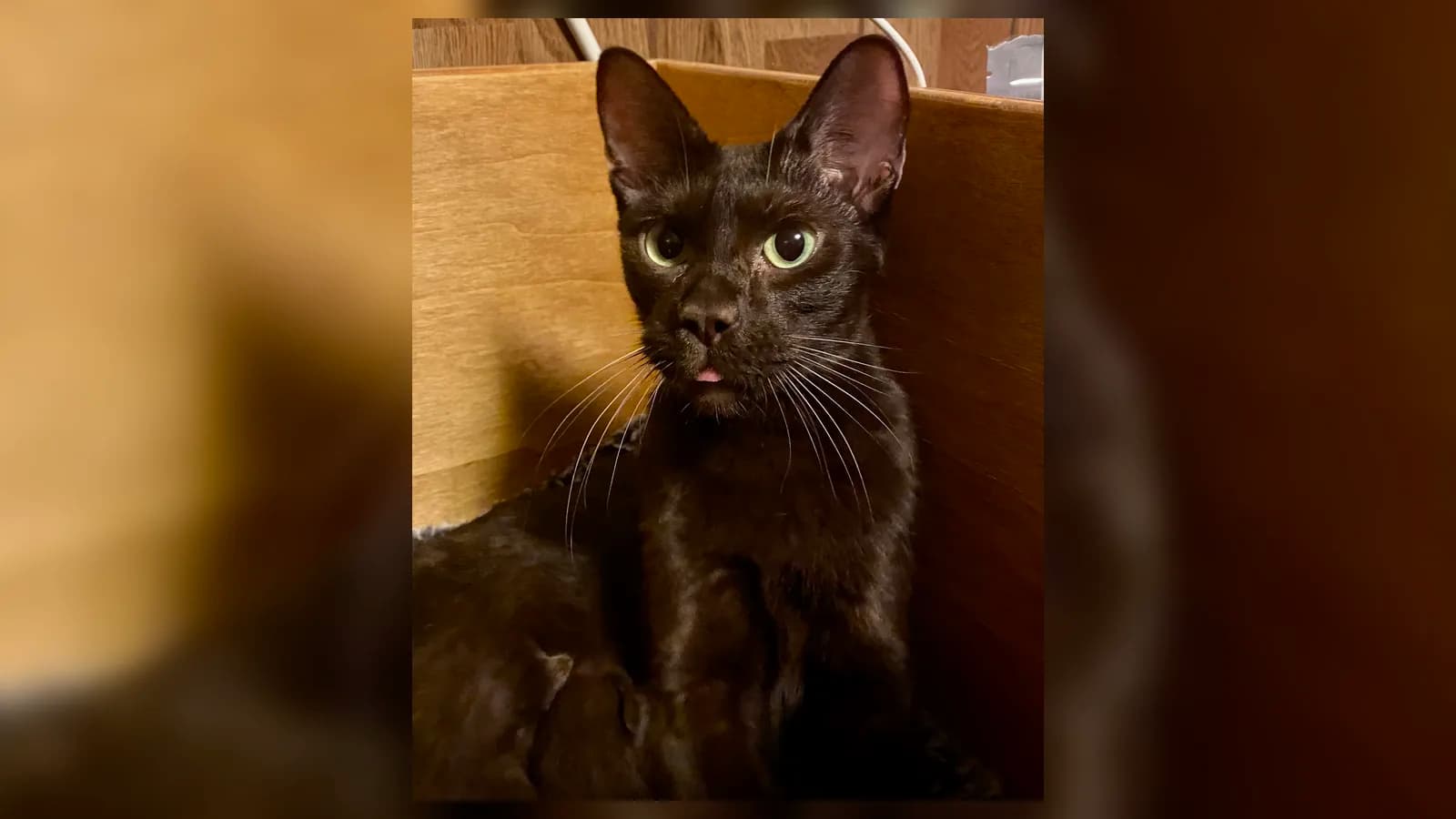
Havana Brown
“CFA's 'Brownies': mahogany head to tail, green eyes, and a transatlantic naming trap”
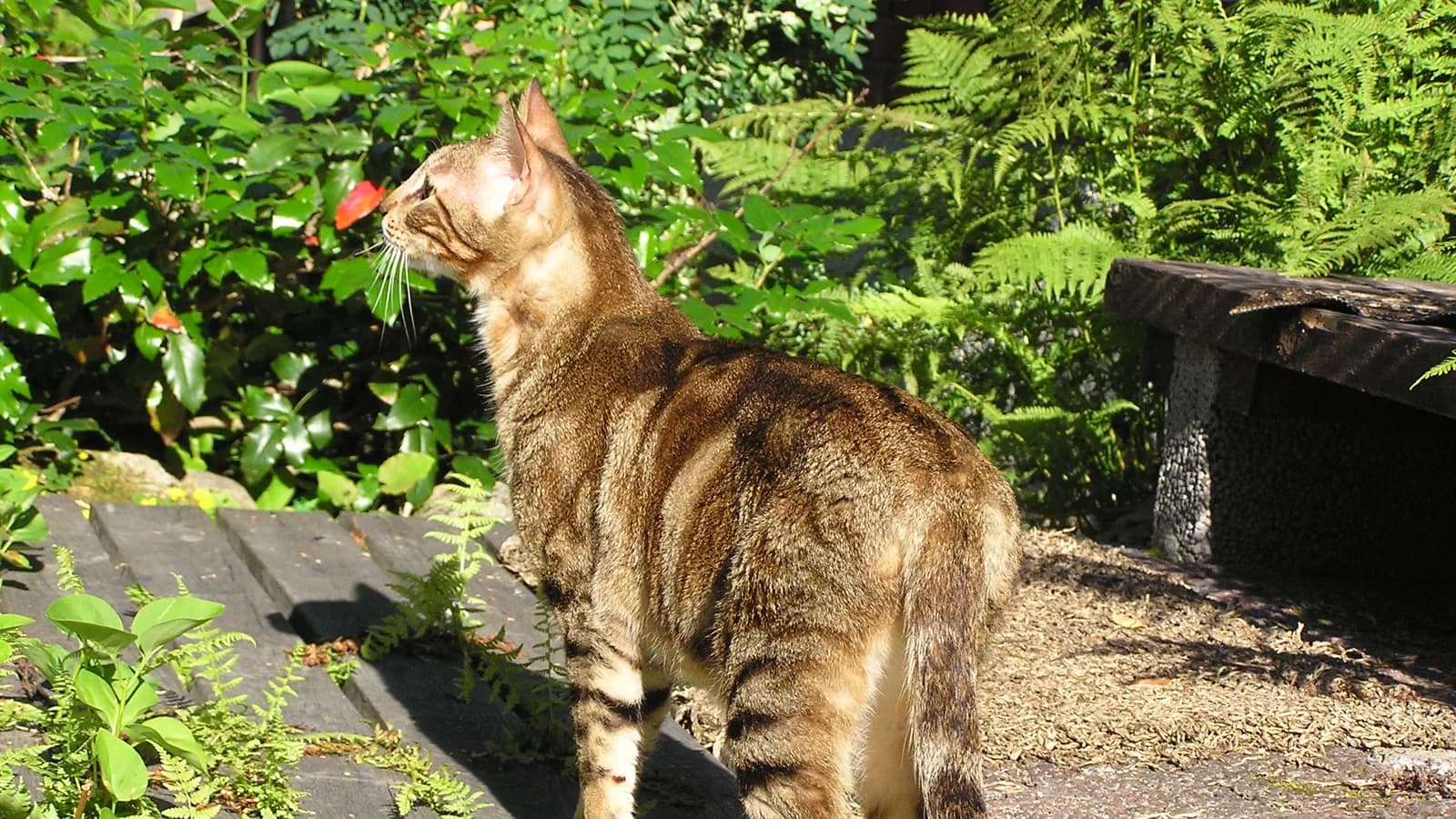
Sokoke
“The see-through tabby from Kenya's coastal forest, rarest of the rare”
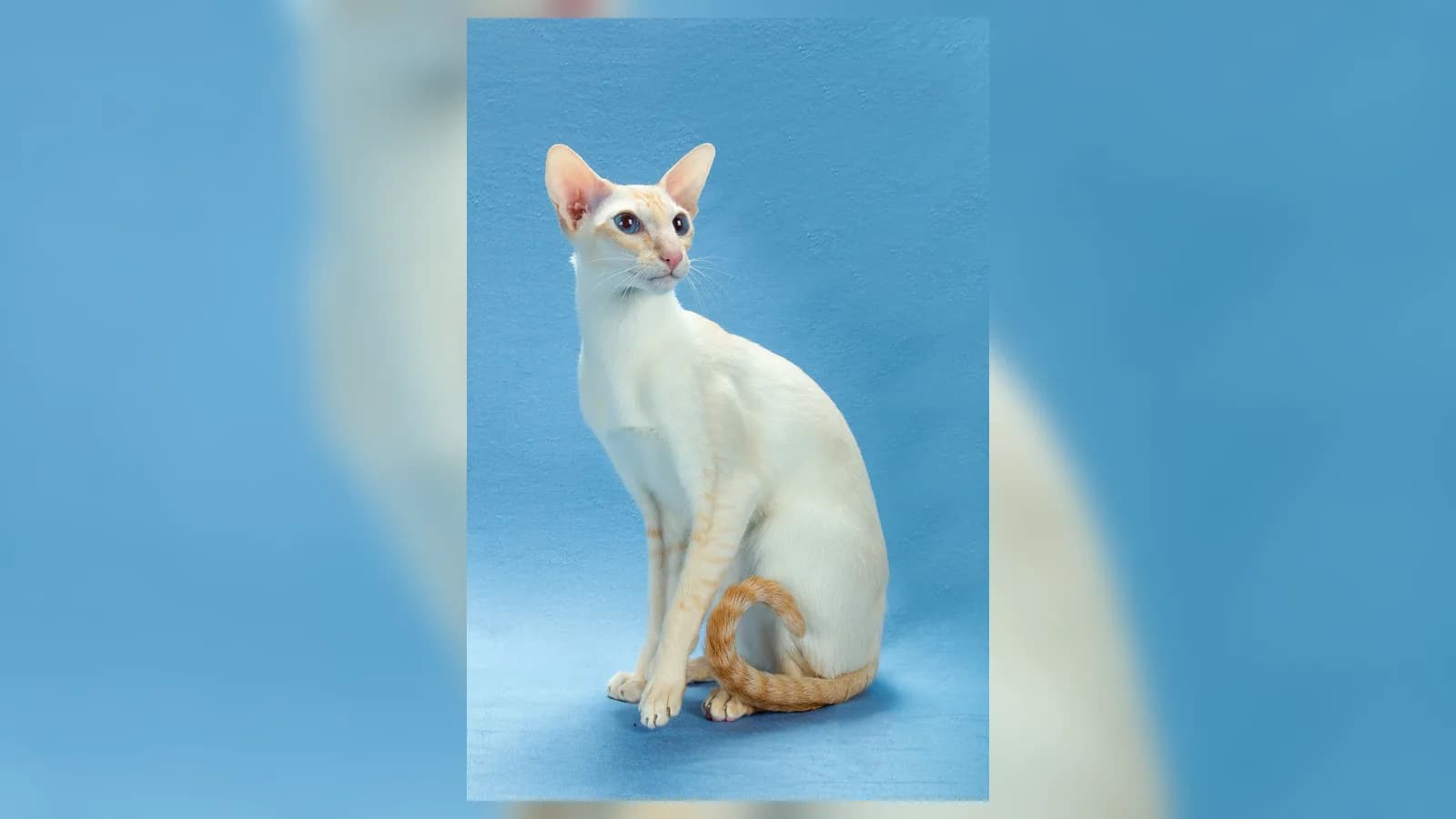
Colorpoint Shorthair
“A Siamese in sixteen extra colors, with its own papers in exactly two registries”
Australian Mist
“Dr Straede's people-centered indoor cat, misted in seven colors”
 Grooming & living with one
Grooming
Genuinely low-maintenance: low-shedding, little true undercoat, rarely mats. Light combing covers it, and the one real rule is negative: no blow-drying, which frizzes the curl ( and agree in full). The hypoallergenic question gets its own honest page. The answer is no, and nobody has ever measured a LaPerm's allergen levels.
Living together
The five-source portrait is a gentle household cat: people-oriented, playful in moderation, quiet, fine with children and other pets. Unmeasured, and labeled so. Nothing in any source suggests special cohabitation rules beyond ordinary gradual introductions.
 Food & diet
No LaPerm-specific feeding literature exists or is claimed anywhere. General veterinary guidance applies: complete life-stage food, portion control, and body-condition scoring with your vet. Nothing here is a prescription for a specific cat.
 Should you insure a LaPerm?
Our sources list several predispositions in the LaPerm: The curl gene: an honest open case, Blood type: strikingly uniform, so far, GCCF's four named show faults, without incidence figures, among others. A predisposition is not a foregone conclusion, and many of these cats live their whole lives without ever developing anything. It does change the nature of the follow-up, though: you monitor, sometimes for life, and it's that monitoring that weighs on a budget, more than a one-off accident.
One thing to weigh before deciding: this is a cat you will live alongside for well over a decade, and that is the span the real cost is spread across, premiums and care alike. Where a breed has a measured life expectancy that differs from the figure usually quoted, we say so in the lifespan section above rather than repeating the quoted one here.
 LaPerm cats in our community
This breed is barely covered by free photo libraries: we only found 2 photos we could verify. Your cats are especially welcome here.
No LaPerm here yet
Got one? Add a photo and yours gets to open this page.
 The vet's take

Veterinary review
Are you a vet?
Your professional read belongs here: every verified practitioner can leave a note, published once our editors have reviewed it.
Sign in and get your license number verified. We check it in the public register, we never ask for or keep a copy of your diploma, and your number is never published.
 Frequently asked questions
+What is a LaPerm cat?
A curly-coated breed founded on a 1982 spontaneous mutation on an Oregon cherry farm: Curly, a bald-born kitten who grew ringlets. It comes in longhair and shorthair, every color (ACF's amber exclusion aside), and is recognized by TICA, CFA, GCCF, FIFe, ACF and ANCATS.
+What is the distinctive feature of LaPerm cats?
The coat: soft waves to ringlets with little undercoat, longest in the ruff and tail, plus a developmental party trick (kittens often born bald, the full coat taking two to three years). TICA also notes it alone among rex breeds keeps long, flexible whiskers.
+Are LaPerm cats hypoallergenic?
No. No study has ever measured a LaPerm's allergen levels, and the peer-reviewed literature concludes no cat breed is hypoallergenic. The coat is genuinely low-shedding, which is a different claim; our dedicated page tells the whole story.
+Do LaPerm cats shed?
Very little: the curly coat has little true undercoat and rarely mats. Care is a light comb and one prohibition: no blow-drying, which frizzes the curl.
+How much is a LaPerm cat?
The UK is the one priced market: £400-1,000 by the platform's own range, with a live £900 litter at our check. The only US figure anywhere was a $400 adult rehoming fee; Canada is a checked zero; Australia has no figure that survives verification.
+Are LaPerm cats rare?
As a market, very: zero-product US collection pages, a single Canadian cattery with kittens placed, and walled Australian marketplaces. The UK, with its breed club and GCCF championship status, is where the breed actually circulates.
+What gene causes the LaPerm's curly coat?
Unknown, genuinely: the 'dominant gene' claim traces to an informal 1990s hair-sample assessment, and the one genomic study says the variant 'is still unknown' while flagging an unconfirmed candidate region on chromosome B1. It is not the Devon Rex, Sphynx, Cornish Rex or Selkirk Rex mutation: those are all identified, and the LaPerm carries none of them.
+How long do LaPerm cats live?
No measured study exists; 12-15 years is the circulating unsourced convention (TICA adds an 'up to 20' note, also unsourced). We label the convention rather than dress it as data.
+Why was my LaPerm kitten born bald?
That is the breed working as described: kittens are frequently born bald or nearly so, molt through several cycles, and settle their adult curl over two to three years. Adults can also molt heavily with season and hormones and re-curl afterwards.
 Community questions
Got a question this page doesn't cover? Ask it: the best ones get published here with their answer.
Sources & references
Data checked against reference sources (TICA and CFA standards, genetics laboratories, veterinary schools).
- TICA: LaPerm breed page (the 'Gypsy Shag' phrase, the self-disagreeing weight texts, grooming)
- CFA: LaPerm breed page (grooming, the LPSA timeline to May 2008 championship)
- GCCF: LaPerm breed page (the 2004-2012 recognition timeline, the founding account)
- LaPerm Cat Club (UK): breeders list and founder account (the Pfluger origin of the dominant-gene claim)
- Alhaddad et al. 2021, PLoS ONE: the LaPerm genome scan ('still unknown'; the chromosome B1 candidate region) (PMID 33630878)
- Hilger et al. 2024, Allergol Select: no hypoallergenic cat breed exists (PMC10975736)

Worth keeping a paw on
Pin this profile
To compare later, or to show someone still torn between two breeds. One click and it sits in your board.
Pin it on Pinterest
 Purr or Pass
Still deciding? Find the perfect breed for your home.
A quick quiz that factors in your lifestyle, your kids and your other pets.
Which breed fits my home?Keep exploring
The floor belongs to our members. Keep it kind, links are not allowed, and images go through moderation before anyone else sees them.