

Havana Brown
“CFA's 'Brownies': mahogany head to tail, green eyes, and a transatlantic naming trap”
 By Priya · The careful one
Published August 21, 2026Updated August 26, 20267 min read
Contents
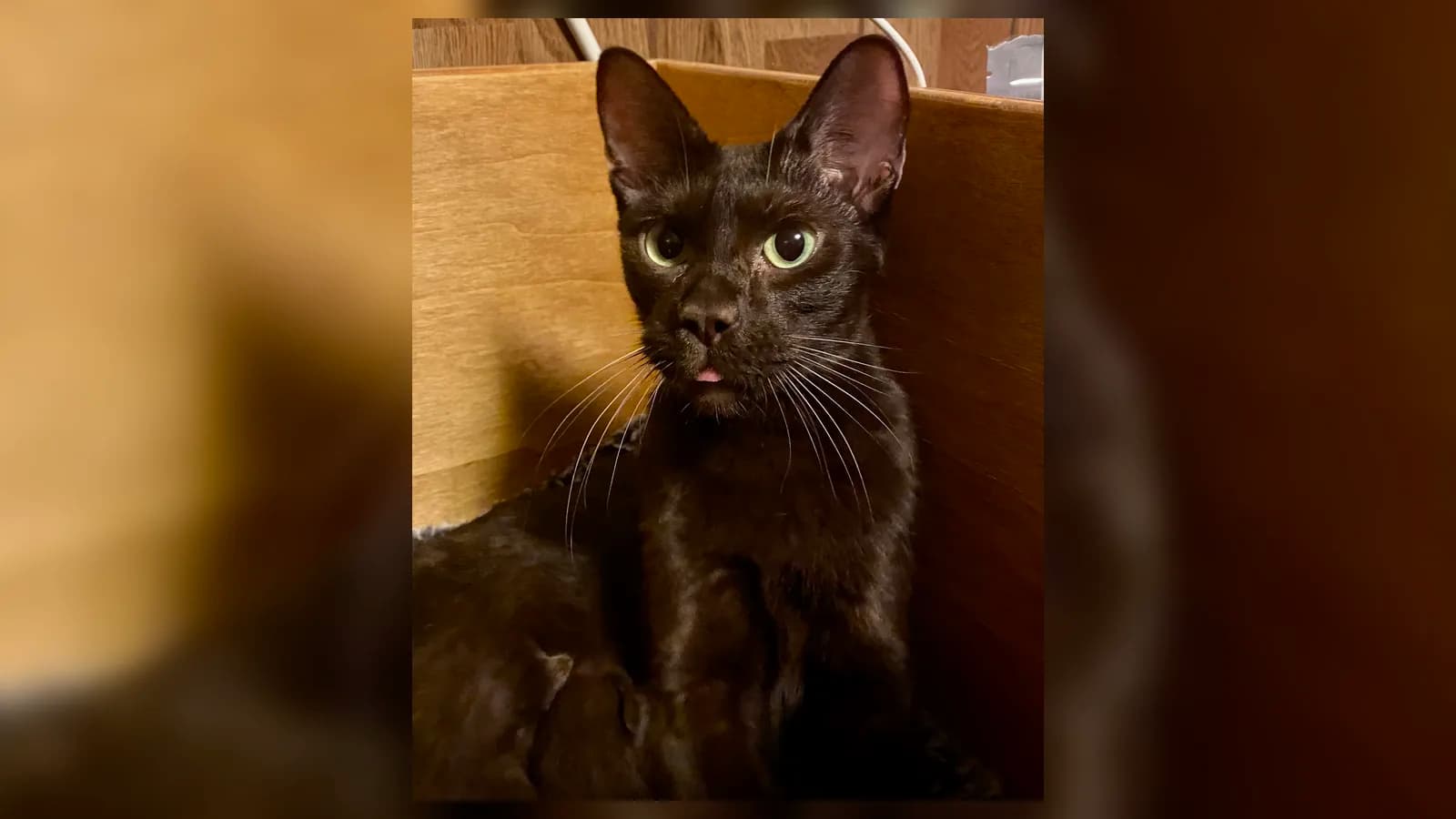
 Havana Brown photos
Real photos, so you can see what the breed actually looks like: coats, ear tufts, ruff and build.
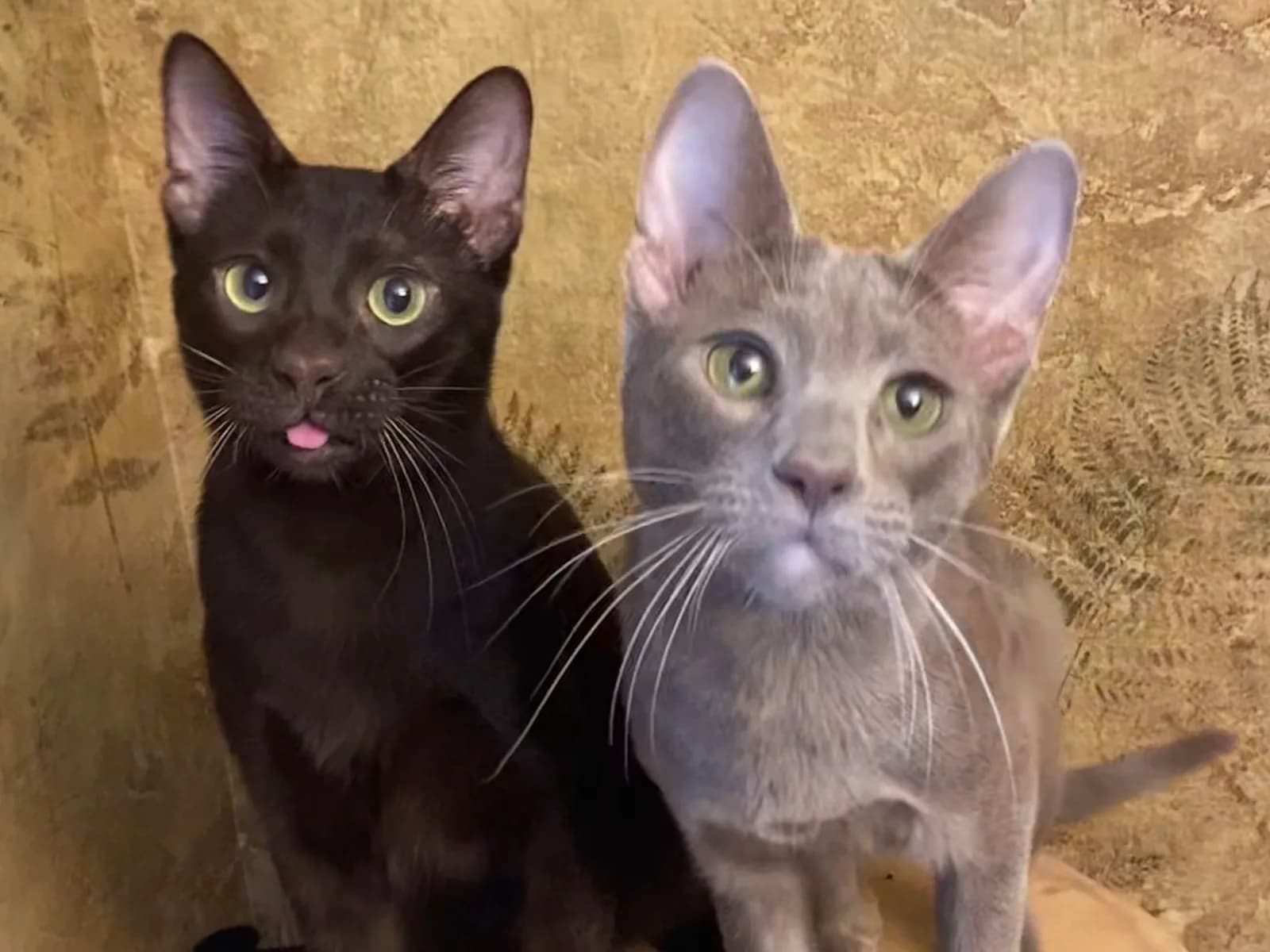
Chocolate and lilac Havana Browns side by side, TICA's two scored colors in one frame
Photo: Havanabrowngirl · CC BY 4.0 · via Wikimedia Commons
Got a Havana Brown? Share them with the community. Photos from our members round out this page.
 Vital stats
Origin
United Kingdom
A UK creation with named founders, attributed throughout. In the early 1950s, Baroness Miranda von Ullman (Roofspringer), Mrs Anne Hargreaves (Laurentide) and Mrs Fisher bred toward a self-chocolate cat of foreign type. Elmtower Bronze Idol, born October 1952 to a seal-point Siamese dam and a black shorthair sire, is the breed's foundation male. US imports (via Mrs Elsie Quinn) founded the North American line that and register today. The UK folded its own line into the Oriental Shorthair as the 'Havana' color. One origin, two institutional destinies.
Weight
Female
6-8 lb (2.7-3.6 kg)
Male
8-10 lb (3.6-4.5 kg)
Life expectancy
's own registry figure is '8-13+ years', unsourced on TICA's own page and open-ended at the top, which we keep open rather than rounding closed. No measured lifespan study exists for the breed. 's 12-15 figure measures the WHOLE Oriental Shorthair group (every color combined) and is never narrowed here to Havana Brown.
Coats
Mahogany brown (the breed)
Brown whiskers (the hallmark detail)
Lilac (TICA's second color, 1983)
Green eyes (required)
Brown, with a registry split we state exactly. and score only brown as the judged color (lilac exists as an unscored AOV class). has scored brown AND lilac as two equal colors since a 1983 name change. The deeper color story is institutional. In the UK and Australia, 'Havana' is not a breed's color but a color's name: 's and 's chestnut-brown class of the Oriental Shorthair, worn by a different-bodied cat that Canada's own standard formally penalises. Even the whiskers are brown, a detail the standards call out.
Understanding the coats (and their genetics)Size
TICA's official range leads: females 6-8 lb (2.7-3.6 kg), males 8-10 lb (3.6-4.5 kg). A breeder's judge-training deck gives a lower female figure (5-7 lb), which we label as exactly that, not TICA's published range. No measured weight study exists anywhere (seven separate search efforts). The closest pooled study does not name this breed, so borrowing it would repeat the naming trap.
One consumer figure is flagged for honesty: Hill's Pet's Havana Brown weights are word-for-word identical to its own Oriental Shorthair page's. The head is the signature. CFA describes a 'corncob in an orange' muzzle with a distinct stop, the very feature that separates this cat from the Oriental wedge.
Did you know
The name's own origin is genuinely unsettled, and itself hedges between the two theories: the brown of a Havana cigar, or the brown of the Havana rabbit. What is settled is the collision. Search the bare name and you get a DJ; search it in the UK and you get an Oriental Shorthair color. This page exists partly to untangle all three.
 Personality
 Affection5/5
 Energy3/5
 Intelligence4/5
 Friendliness5/5
 Independence2/5
 Vocal3/5
 Shedding2/5
Compatibility
 Good with children4/5
 Good with other pets4/5
 Apartment friendly5/5
Editorial ratings on our five-point scale, anchored in the registry descriptions and the measured behaviour studies cited on this profile; individual cats vary, and our members' own ratings below are the counterweight.
Still torn between this breed and another?Compare the Havana Brown trait by trait, or filter every breed by what matters to you. What our members say
What our members say
Nobody has described their Havana Brown here yet. As soon as the first profiles come in, this is where the community averages will show up: temperament, food, lifestyle.
Describe my Havana Brown Pros & cons
Strong points
- A one-color signature (mahogany to the whiskers) with green eyes: instantly recognisable, never confused once seen
- The paw-first, people-attached temperament three decades of sources describe consistently
- An easy, glossy, low-effort coat
- A naming story this page can tell at primary-source level, penalty tables included
Things to consider
- Countably rare: one CFA-listed US cattery, a one-listing Canadian marketplace, waitlists everywhere
- The UK sells a different cat under the same word: buyers must know which institution's 'Havana' they are buying
- No measured weight, lifespan or behaviour study exists; the health literature is a handful of findings
- People-dependent enough that CFA itself advises getting two
 Is a Havana Brown right for you?
Someone who wants a glossy, people-attached, paw-poking companion in permanent chocolate, and accepts the two market realities: a one-cattery US directory with waitlists to match, and a UK where the same word buys a different cat.
Is the Havana Brown right for YOUR home?
Answer a few questions and we'll email you your personalized result.
Take the quiz · 2 min Getting to know the Havana Brown
One name, two institutionally different cats, and the registries put it in writing. In North America, the Havana Brown is its own breed: and standards, a distinct stop-and-break head ('a corncob in an orange', in CFA's words), and CFA's one-way outcross door that admits certain Orientals in but never registers the reverse. In the UK and Australia, 'Havana' is a COLOUR of the Oriental Shorthair: 's and 's chestnut class, worn by the straight-wedge Oriental body. Canada's settles any doubt that these are different animals. Its own Objections table formally penalises 'Oriental type' in head and body, deducting points for exactly the cat the UK's word describes.
That is the sharpest primary-source proof in our files that two same-named registry objects are defined AGAINST each other. The rarity is countable, not rhetorical: 's directory lists ONE US cattery, and our price page shows what a one-cattery market looks like, market by market. The health file is small and real: a 13-cat ocular dermoid case series in which this breed appears, an older urolith-risk signal at abstract level, and one genuinely actionable fact. UC Davis's PRA-rdAc test page names the Havana Brown among breeds where the variant has been detected: a $50-class DNA test a buyer can ask a breeder about by name.
 Health: what to watch for
A few predispositions are well documented. The good news: they can be screened for or avoided by choosing a reputable breeder and keeping an eye on the right signals.
This is information, not veterinary advice, and it cannot tell you what is wrong with your cat. Our rule is a simple one: if something is wrong with your cat, call your vet, and call an emergency clinic if it is out of hours. Nothing you read here is a reason to wait.
PRA-rdAc: the one actionable test
MEDIUMUC Davis VGL's own PRA-rdAc (CEP290) test page names the Havana Brown among breeds where the progressive-retinal-atrophy variant 'has also been detected'. A real, current, commercial DNA test exists: ask a breeder for the parents' rdAc results by name. Carriage is not disease; two clear parents settle the question for a kitten.
The urolith signal, at its true evidence level
MEDIUMA large US/Canada urolith study (1981-1997 cases) names the Havana Brown among breeds at raised risk for stone formation: an abstract-level finding from an older cohort, published here at exactly that weight. The practical translation is unexciting and sound: hydration, litter-box monitoring, and vet-guided diet, never a prescription from a page.
The dermoid case series, a curiosity with a number
LOWA 2022 multicentre case series of ocular dermoids (13 cats) includes this breed: a rare congenital oddity worth one line, precisely because the literature on this breed is otherwise nearly empty. TICA's own 'relatively healthy' summary stands, with the qualifier every such summary needs: absence of studies is not absence of disease.
The empty measured file, stated plainly
LOWNo measured weight, lifespan or behaviour study exists for the Havana Brown. Every figure on this page is a registry's or a consumer site's, labeled by source. For your own cat: anything wrong means your vet, out of hours an emergency clinic.
Go deeper on health
Prevention, warning symptoms, costs and insurance: our guides, researched and sourced.
Also worth a look
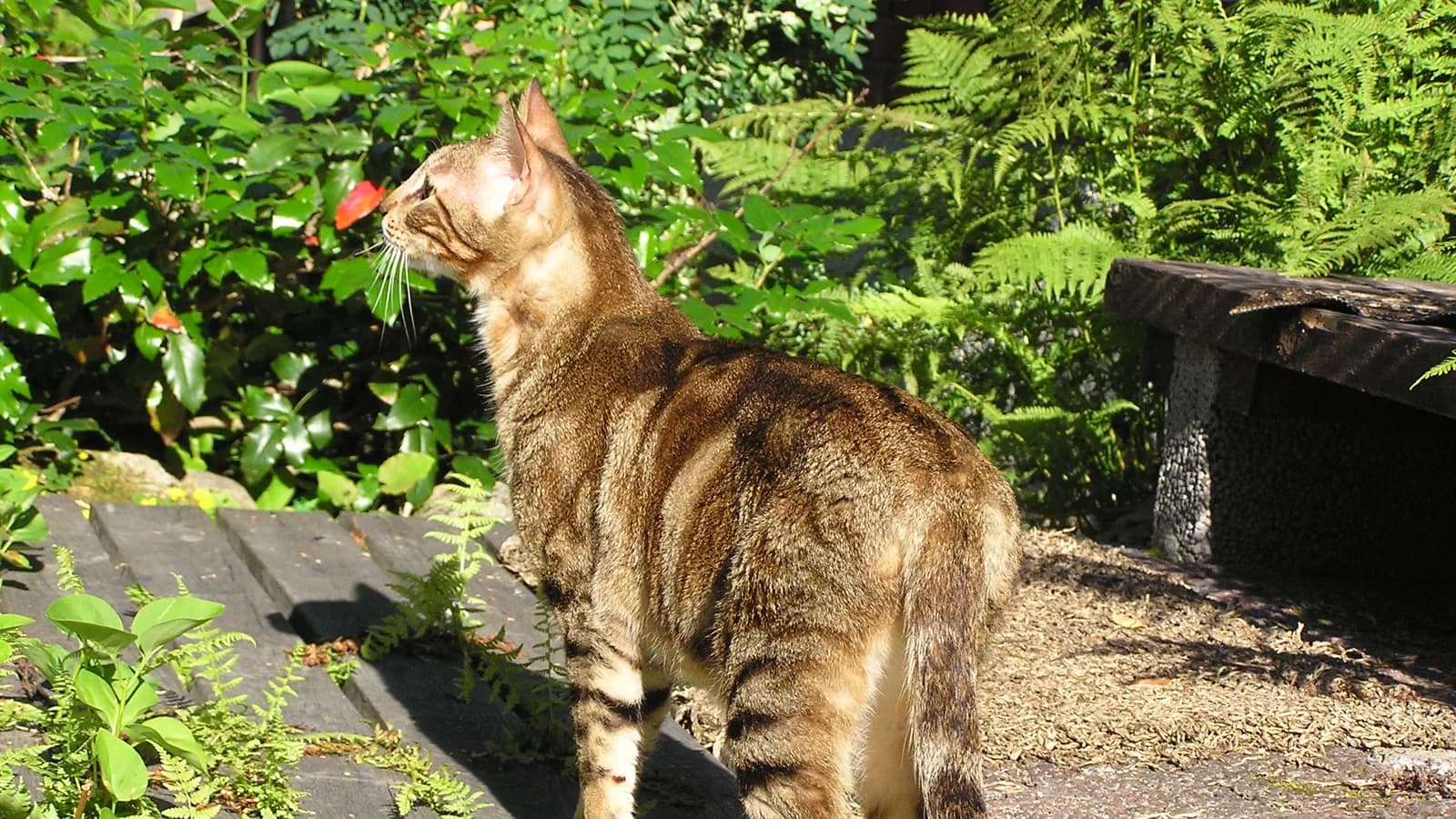
Sokoke
“The see-through tabby from Kenya's coastal forest, rarest of the rare”
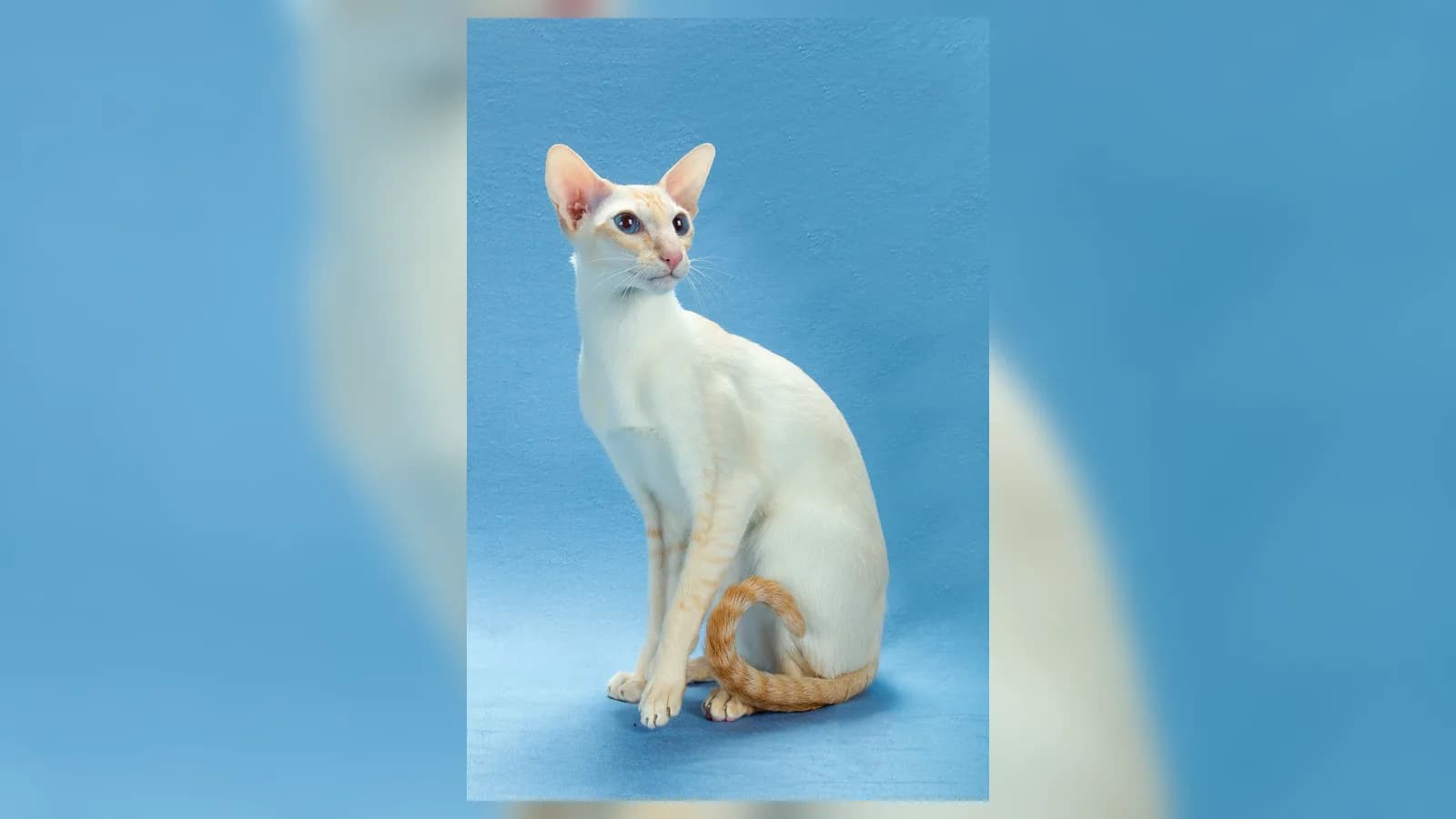
Colorpoint Shorthair
“A Siamese in sixteen extra colors, with its own papers in exactly two registries”
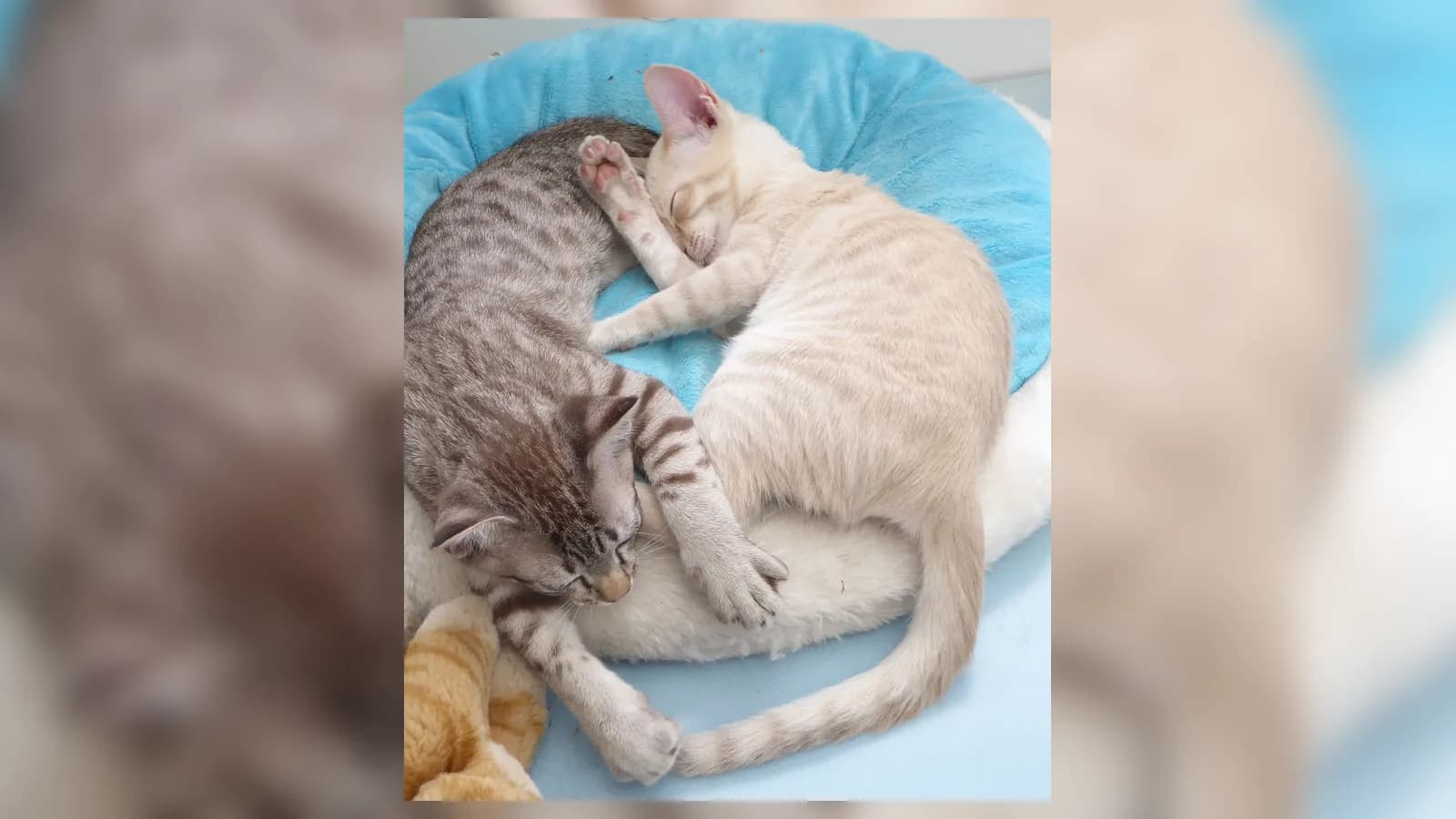
Australian Mist
“Dr Straede's people-centered indoor cat, misted in seven colors”
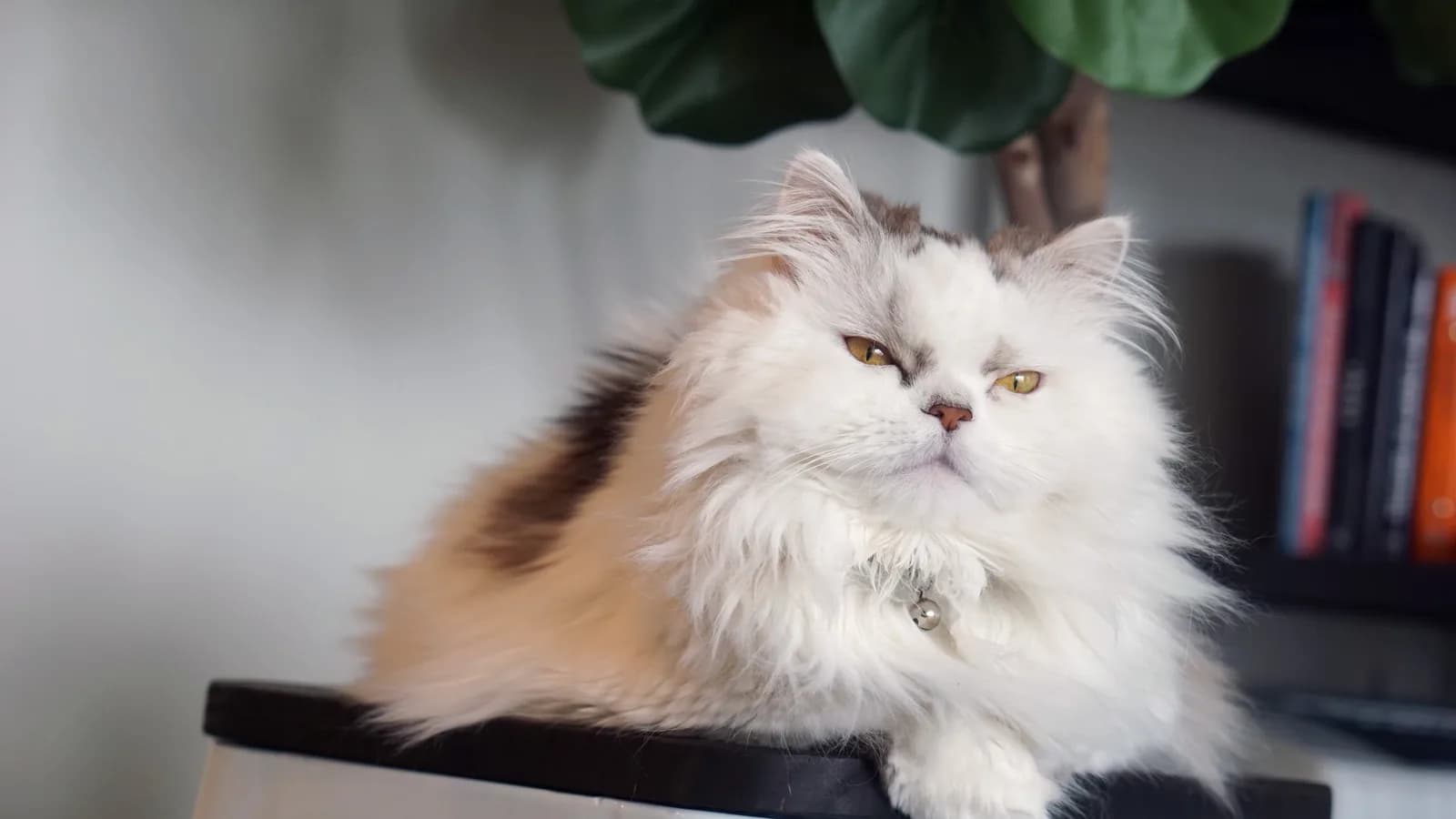
Minuet
“The Napoleon: a Persian's face on a Munchkin's legs, renamed but never quite”
 Grooming & living with one
Grooming
An easy gloss coat with a genuinely split cadence we print rather than average: suggests near-daily light grooming plus a monthly routine, says weekly suffices. Either way the coat is short, close and low-effort, and the shine is the health signal to watch.
Living together
Sociable and companionable by every registry portrait, with 's own get-two advice reflecting how people-dependent the breed reads to its own registry. Fine with considerate children and other pets per the portraits. None of it measured, all of it labeled.
 Food & diet
No breed-specific feeding literature exists; 's own line is that the breed has 'no particular nutritional needs'. General portion-controlled, life-stage feeding applies. One caution is kept at exactly its evidence level: an older US/Canada urolith study names the breed among higher-risk breeds for stones. That argues for good hydration habits and vet-guided diet choices, never a prescription from a page.
 Should you insure a Havana Brown?
Our sources list several predispositions in the Havana Brown: PRA-rdAc: the one actionable test, The urolith signal, at its true evidence level, The dermoid case series, a curiosity with a number, among others. A predisposition is not a foregone conclusion, and many of these cats live their whole lives without ever developing anything. It does change the nature of the follow-up, though: you monitor, sometimes for life, and it's that monitoring that weighs on a budget, more than a one-off accident.
One thing to weigh before deciding: this is a cat you will live alongside for well over a decade, and that is the span the real cost is spread across, premiums and care alike. Where a breed has a measured life expectancy that differs from the figure usually quoted, we say so in the lifespan section above rather than repeating the quoted one here.
 Havana Brown cats in our community
This breed is barely covered by free photo libraries: we only found 2 photos we could verify. Your cats are especially welcome here.
No Havana Brown here yet
Got one? Add a photo and yours gets to open this page.
 The vet's take

Veterinary review
Are you a vet?
Your professional read belongs here: every verified practitioner can leave a note, published once our editors have reviewed it.
Sign in and get your license number verified. We check it in the public register, we never ask for or keep a copy of your diploma, and your number is never published.
 Frequently asked questions
+Is the Havana Brown a separate breed?
In North America, yes: CFA, TICA and CCA-AFC register it with its own standard and its distinctive stopped muzzle. In the UK and Australia, no: GCCF and ACF use 'Havana' as a color of the Oriental Shorthair. Canada's standard even penalises Oriental type by name: the two cats are defined against each other.
+How much does a Havana Brown cost?
The only current, dated breeder price in our four markets is Canadian: CA$2,200-2,350 plus tax. The US has one CFA-listed cattery and no published price; the UK quotes ranges over zero live listings; Australia's figure is one retailer blog's. Our price page has each market's evidence.
+How rare is the Havana Brown?
Rare enough to count: CFA's own Find-a-Breeder directory lists exactly one US cattery, and Canada's national marketplace held one listing at our check. Registry-sourced numbers, not adjectives.
+Are Havana Browns' whiskers really brown?
Yes: the standards call for brown whiskers to match the coat, a detail unique enough that it features in the breed's own registry descriptions. The whole cat, nose leather to tail tip, is one warm mahogany brown (with TICA also scoring lilac since 1983).
+What is the Havana Brown's temperament like?
The signature is tactile: a cat that reaches out and investigates with its paws, a description three decades of independent sources repeat. Sociable and people-attached, to the point that CFA's own advice is to get two. None of it is measured data, and we label it as registry testimony.
+What health tests should a Havana Brown breeder show?
The concrete one: PRA-rdAc results, since UC Davis's own test page names the breed among those where the variant has been detected. Beyond that, ordinary veterinary care, hydration habits (an older study flags urolith risk at abstract level), and the usual buyer's questions about the parents.
+Where does the name Havana come from?
TICA itself hedges between the two theories, the cigar's brown or the Havana rabbit's brown, so we assert neither. The breed began in 1950s Britain (Elmtower Bronze Idol, born October 1952, is the foundation male) before the name split into its two institutional lives.
+Why do searches for this breed show a DJ?
Because the bare name belongs to a musician in most search results: the breed reliably surfaces under 'Havana Brown cat'. Add the cigar, the rabbit and the UK color class, and this breed carries the sharpest naming collision in our files, which is why this page spells each meaning out.
 Community questions
Got a question this page doesn't cover? Ask it: the best ones get published here with their answer.
Sources & references
Data checked against reference sources (TICA and CFA standards, genetics laboratories, veterinary schools).
- CFA: Havana Brown breed page (the 'Brownies' nickname, the corncob muzzle, the get-two advice)
- TICA: Havana breed page (the 8-13+ lifespan figure, the two-color standard since 1983, the hedged name theories)
- CCA-AFC: Havana Brown standard (the Objections table penalising 'Oriental type': the naming story's sharpest document)
- CFA Find-a-Breeder: the one-cattery US listing (Stellarosa)
- UC Davis VGL: the PRA-rdAc test page naming the Havana Brown
- Cathelin et al. 2022, J Feline Med Surg: ocular dermoids in 13 cats (PMID 34519242)
- Lekcharoensuk et al. 2000, JAVMA: urolithiasis risk factors, the breed named at abstract level (PMID 10953716)
- Elevage Saphira (Quebec): the market's one dated breeder price page

Worth keeping a paw on
Pin this profile
To compare later, or to show someone still torn between two breeds. One click and it sits in your board.
Pin it on Pinterest
 Purr or Pass
Still deciding? Find the perfect breed for your home.
A quick quiz that factors in your lifestyle, your kids and your other pets.
Which breed fits my home?Keep exploring
The floor belongs to our members. Keep it kind, links are not allowed, and images go through moderation before anyone else sees them.