

Kurilian Bobtail
“The Kuril Islands' pom-tailed native, every tail its own fingerprint”
 By Priya · The careful one
Published August 21, 2026Updated August 26, 20268 min read
Contents
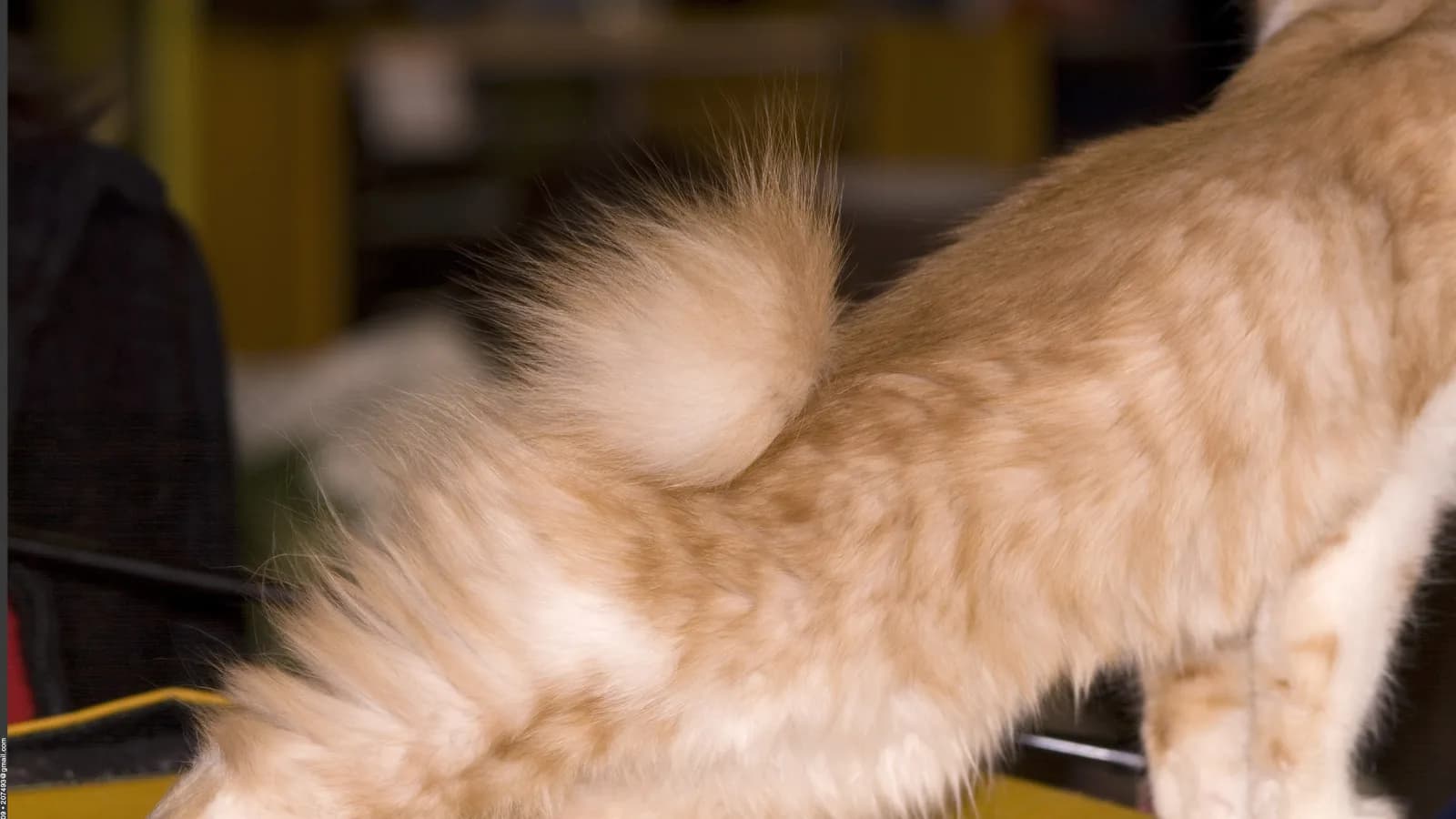
 Kurilian Bobtail photos
Real photos, so you can see what the breed actually looks like: coats, ear tufts, ruff and build.
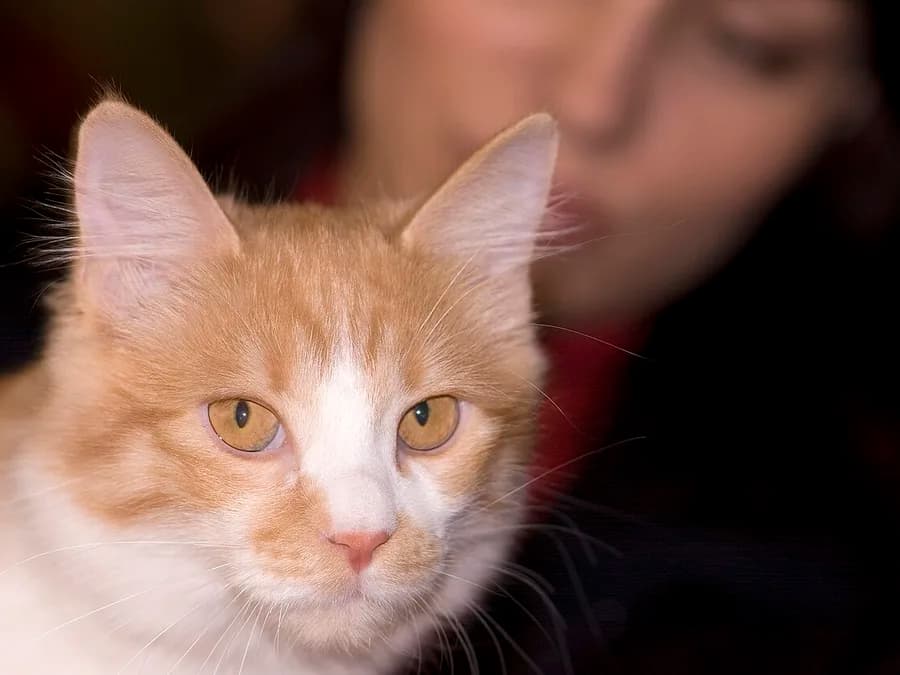
Red and white Kurilian Bobtail close-up, a person blurred in the background
Photo: Nickolas Titkov from Moscow, Russian Federation · CC BY-SA 2.0 · via Wikimedia Commons
 Vital stats
Origin
Russia
A natural breed of Russia's Kuril Islands (between Kamchatka and Japan), where short-tailed island cats are documented long before the fancy arrived. The formal Western history is recent and well dated. It runs from Russian registration in the early 1990s to recognition in 2004 and Championship in 2012. Readers arriving from the Russian transliteration 'kurilski bobtail' are in the right place: same breed, same islands. (The 'Karelian Bobtail' is a different, western-Russian breed. The 'Korean Bobtail' is a search-engine mirage this page deliberately never describes.)
Life expectancy
's own figure is 15-20 years, stated as TICA's; one independent consumer source gives 14-20, noted separately rather than blended. No measured mortality study includes the breed. Registry estimates, labeled as such.
Coats
Brown tabby (the island classic)
Carnelian / copal (the MC1R discovery)
Golden sunshine (CORIN, incidental)
Red and white
Two genuinely distinct, separately discovered color genetics headline this breed, never blended. The MC1R 'carnelian' (copal) mutation is a real Kurilian-Bobtail-specific discovery, with 68 cats directly tested (Bychkova 2018). The CORIN 'sunshine' golden modifier was discovered primarily in Siberians and found incidentally in three Kurilians in a shared dataset (Beauvois 2021). Registry palettes diverge and are stated per registry: takes all traditional colors; 's draft and independently exclude the same five (colourpoint, chocolate, cinnamon, fawn, lilac); ACFA adds sepia and mink to the exclusions.
Understanding the coats (and their genetics)Size
Stated only from TICA's own text, because no registry standard gives a figure. Males: up to about 15 lb (6.8 kg), a stated ceiling with no floor. Females: 8-11 lb (3.6-5.0 kg). Wikipedia's 11-15 lb male range traces to none of its own three cited sources (all three checked directly; none states any weight), so it is not repeated here. No measured weight study exists.
Did you know
Every Kurilian Bobtail tail is structurally unique, a fingerprint of kinks and curves the standards celebrate rather than regularise. And the breed's tail genetics turn out to be the fancy's best cliffhanger: the Manx's gene has been ruled OUT by direct sequencing, the Japanese Bobtail's gene has been found PRESENT without the causality test, and nobody has yet closed the case.
 Personality
 Affection4/5
 Energy4/5
 Intelligence4/5
 Friendliness4/5
 Independence4/5
 Vocal2/5
 Shedding3/5
Compatibility
 Good with children4/5
 Good with other pets4/5
 Apartment friendly3/5
Editorial ratings on our five-point scale, anchored in the registry descriptions and the measured behaviour studies cited on this profile; individual cats vary, and our members' own ratings below are the counterweight.
Still torn between this breed and another?Compare the Kurilian Bobtail trait by trait, or filter every breed by what matters to you. What our members say
What our members say
Nobody has described their Kurilian Bobtail here yet. As soon as the first profiles come in, this is where the community averages will show up: temperament, food, lifestyle.
Describe my Kurilian Bobtail Pros & cons
Strong points
- A genuine natural island breed with the fancy's most interesting unresolved tail genetics, told precisely
- Its own documented color-gene discovery (MC1R carnelian, 68 cats tested), rare for a breed this small
- TICA's hardy-few-issues portrait with an honestly-searched empty disease literature behind it
- A three-judge natural-breed TICA route that can register documented-origin imports without pedigree
Things to consider
- The smallest seller pool in our price research: a handful of identifiable operations, and an Australian market that simply does not exist
- No measured weight, lifespan or behaviour study includes the breed
- The sensitive kinked tail is a real handling rule, in a registry's own judging words
- Registry recognition varies sharply: full at TICA/CCA-AFC/ACFA/FIFe, name-only at GCCF, absent at CFA and Australia's ACF
 Is a Kurilian Bobtail right for you?
A household that wants a robust, independent-minded natural breed with a story. One that will treat the pom tail as a no-touch zone for children, and accepts that finding one means a tiny seller pool, likely travel, and possibly an import project.
Is the Kurilian Bobtail right for YOUR home?
Answer a few questions and we'll email you your personalized result.
Take the quiz · 2 min Getting to know the Kurilian Bobtail
The tail genetics are the fancy's best open case, and this page tells them precisely. Three facts, none rounded. The Manx's T-gene has been RULED OUT by direct sequencing of all 10 Kurilian Bobtails tested (Buckingham 2013). The Japanese Bobtail's HES7 variant HAS been genotyped in this breed by a later paper and found 'prevalent', WITHOUT the dedicated causality test that confirmed it for the Japanese Bobtail. And one incidental T-gene variant (p.T360M, 2 of 10 cats, computationally benign) stays an open lead, not a finding. Not 'unknown', not 'known': exactly that, and no sibling breed's figure crosses into this page in either direction.
An island original with modern paperwork: Kuril Islands stock, Russian registration in the early 1990s, 2004, Championship 2012. The recognition map swings from full (TICA, , ACFA, FIFe) through 's name-recognition tier to two genuine absences: , which folds Kuril imports into its Japanese Bobtail registry, and Australia's , which lists the breed in no tier at all, the least-recognized single-market outcome in our files. The color science is unusually real for a breed this small: its own MC1R 'carnelian' discovery (68 cats tested) and an incidental CORIN 'sunshine' finding, two different genes we never blend.
Buying one is a project, mapped honestly on our price page: one Michigan seller's 13-listing year as the best US ladder, single-source UK and Canadian markets, and the most thoroughly confirmed market absence we have ever logged in Australia.
 Health: what to watch for
A few predispositions are well documented. The good news: they can be screened for or avoided by choosing a reputable breeder and keeping an eye on the right signals.
This is information, not veterinary advice, and it cannot tell you what is wrong with your cat. Our rule is a simple one: if something is wrong with your cat, call your vet, and call an emergency clinic if it is out of hours. Nothing you read here is a reason to wait.
The tail genetics, told at exactly their true resolution
LOWThree precise facts, never rounded to 'known' or 'unknown'. The Manx's T-gene (Brachyury) is ruled OUT by direct sequencing of all 10 Kurilian Bobtails tested. The Japanese Bobtail's HES7 variant has been genotyped in this breed (Anderson 2022's full-text tables) and found 'prevalent', short of the dedicated causality test the Japanese Bobtail's own literature has. And an incidental T-gene variant (p.T360M, 2 of 10 cats, computationally benign, unpowered) remains an open lead. No health consequence of any of this is documented in this breed, and no Manx or Japanese Bobtail health figure applies here in either direction.
The hardy-breed claim, with its evidence base stated
LOWTICA's own text describes a hardy breed with few known issues, and the honest backing is an actively searched absence: no large-sample veterinary cohort study naming this breed exists to test the claim either way. Registry prose plus an empty literature equals 'nothing documented', never 'proven robust'. Routine care and a vet call at anything abnormal remain the plan.
One vet's observation, framed at exactly that weight
LOWA Russian veterinarian's consumer-press remark associates the breed's conformation with occasional constipation via a narrowed pelvis. That is one named clinician's clinical impression in a consumer piece, never a documented population finding. It is never blended with the Manx's separately-documented spinal literature (from which this page borrows nothing). Litter-box straining in any cat is a vet visit, and can be an emergency.
The tail as a handling rule
LOWThe kinked, fused pom tail is sensitive. CCA-AFC's own judging instruction is to 'GENTLY feel the tail... do not try to straighten', and its standard's spinal-deformation withhold clause is a conformation-judging rule (no rationale stated in the document, so none is invented here). At home the rule is simpler: the pom is not a handle, and tail pain is a vet call.
Go deeper on health
Prevention, warning symptoms, costs and insurance: our guides, researched and sourced.
Also worth a look
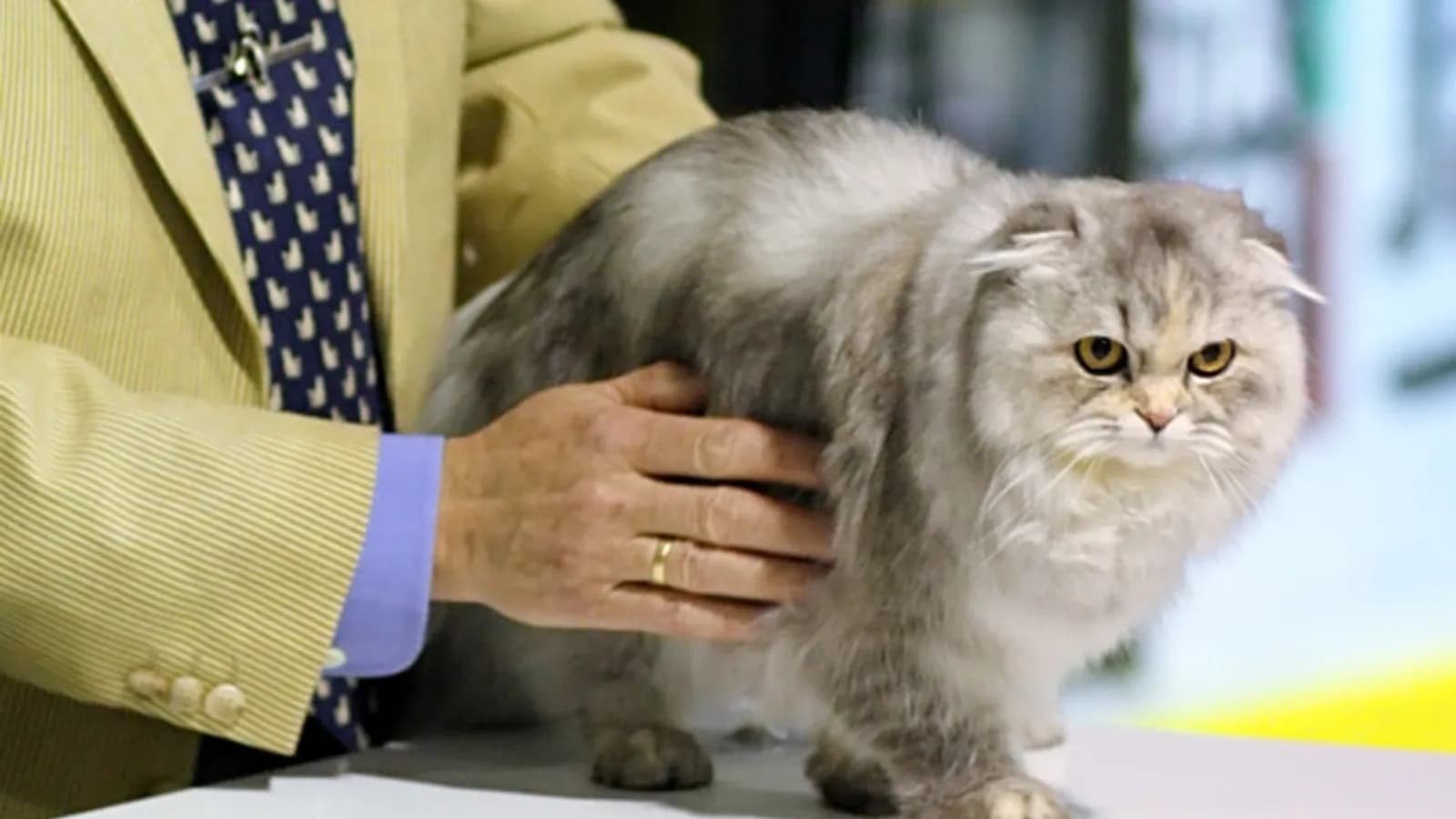
Highland Fold
“The longhair Scottish Fold: a market name no registry currently uses”
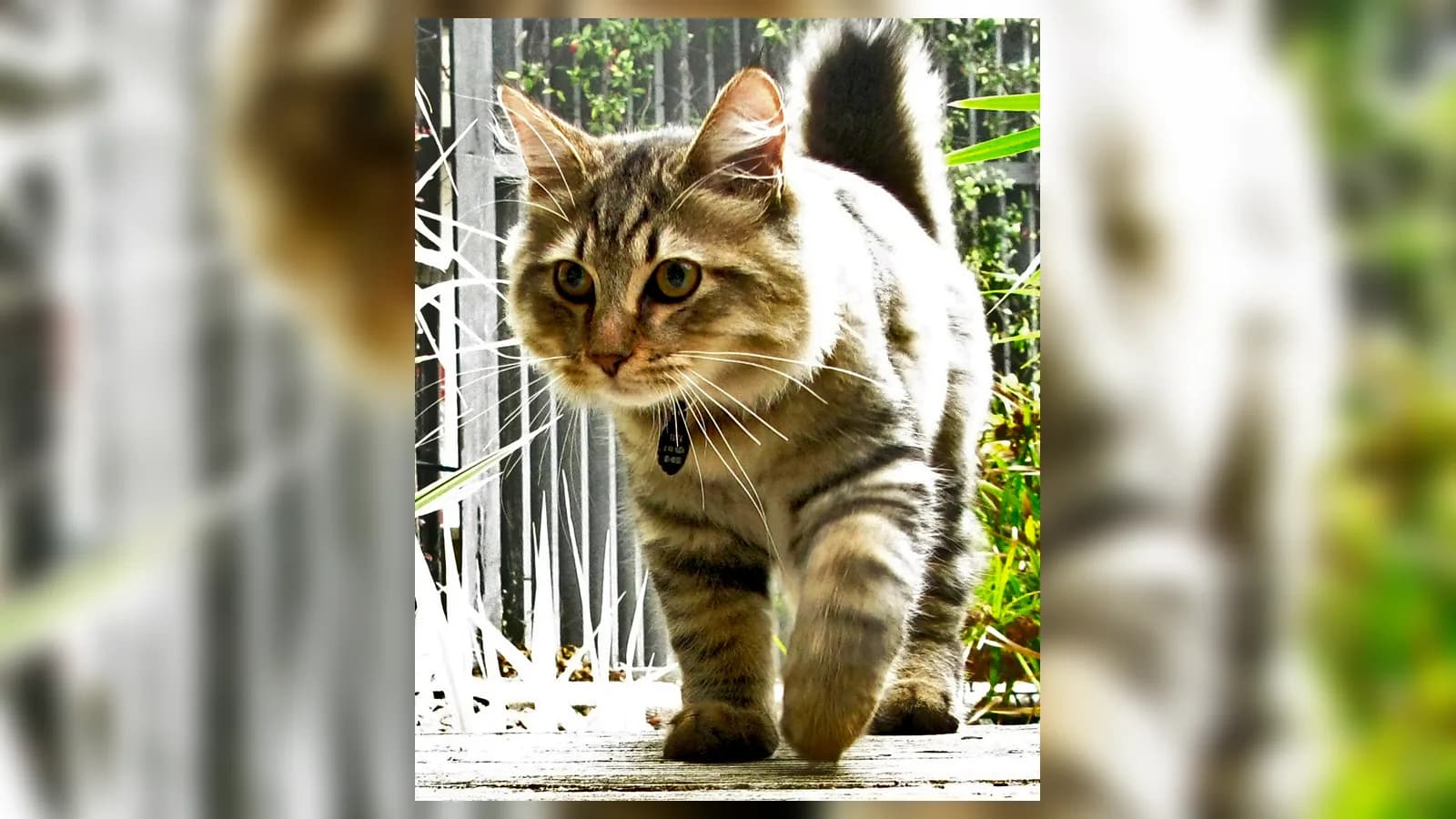
American Bobtail
“America's own wild-look bobtail: every color allowed, no bobcat required”
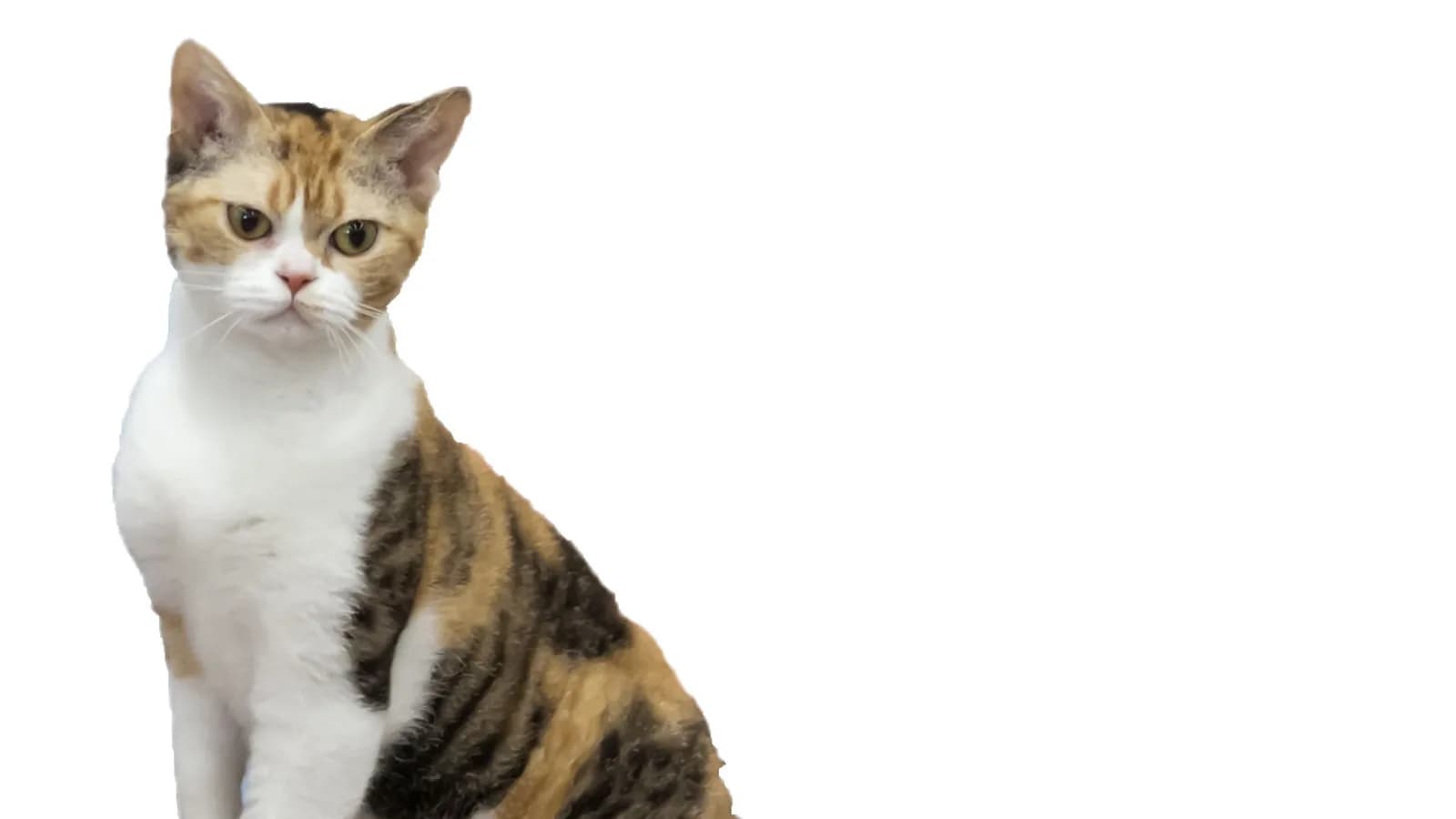
American Wirehair
“The rarest CFA breed: one springy coat gene on an American Shorthair”
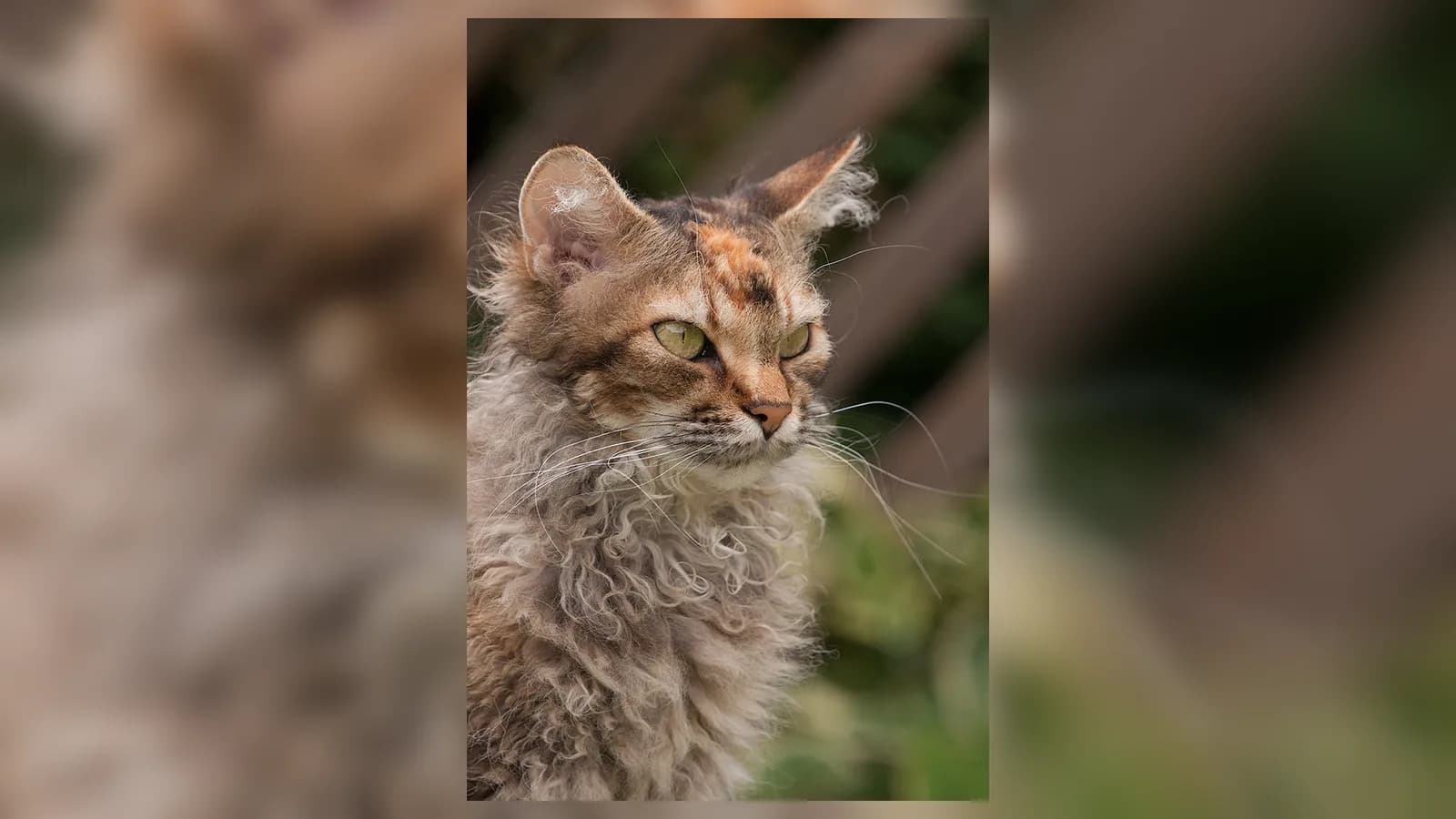
LaPerm
“The Oregon farm cat in permanent curls, whose gene science still hasn't found”
The Kurilian Bobtail also appears in
Our criteria-based guides, to compare this breed with the ones most like it.
 Grooming & living with one
Grooming
's unified figure covers both lengths: weekly brushing, corroborated by two independent secondary sources. (One consumer site splits the cadence weekly/daily by length, a single uncorroborated data point we note rather than adopt.) The undercoat is 'moderate' in TICA's word and 'little' in 's, an attribution split we keep visible. Routine nails, teeth and ears, and gentle tail handling always.
Living together
The registry portrait is a sociable, playful, self-possessed cat good with families and other pets. No measured study exists behind it, and we say so. The one firm house rule comes from a registry's own judging instruction: the tail is felt gently and never straightened, which children must learn before the cat does.
 Food & diet
General feline nutrition only: a fresh PubMed sweep confirms no breed-specific feeding literature exists. 's own line that the breed 'tends to maintain a nice weight' is published as TICA's observation, never an independently verified finding. Portion by body condition with your vet.
 Price & budget
$450 to 2,550
Price of a kitten from a registered breeder, in the United States
This price reflects the quality of the breeding program: parents' health tests, registry pedigree, socialization. A very low price should raise a red flag. The real cost, though, plays out over the years.
Find a verified breederKitten price, by market
United States
$450 to 2,550
United Kingdom
£500 to 2,500
Canada
CA$1,200
Each figure is that country's real market price, researched separately, not a conversion of the others. The smaller line is only there so you can gauge one against your own money: European Central Bank reference rates of 2026-09-18, refreshed daily.
Work out your food budget
Type of food
Estimated monthly budget
$14
≈ 2.4 oz (68 g) per day
A ballpark figure, food only, using the same arithmetic as our portion tool (resting energy requirement × 1.2, a neutered adult). Real needs vary with age, activity level and body condition. Ask your veterinarian for advice.
 Verified catteriesThe registry-checked directory, plus a kitten alert near you. Filter it by breed.
 Should you insure a Kurilian Bobtail?
Our sources list several predispositions in the Kurilian Bobtail: The tail genetics, told at exactly their true resolution, The hardy-breed claim, with its evidence base stated, One vet's observation, framed at exactly that weight, among others. A predisposition is not a foregone conclusion, and many of these cats live their whole lives without ever developing anything. It does change the nature of the follow-up, though: you monitor, sometimes for life, and it's that monitoring that weighs on a budget, more than a one-off accident.
One thing to weigh before deciding: this is a cat you will live alongside for well over a decade, and that is the span the real cost is spread across, premiums and care alike. Where a breed has a measured life expectancy that differs from the figure usually quoted, we say so in the lifespan section above rather than repeating the quoted one here.
 Kurilian Bobtail cats in our community
No Kurilian Bobtail here yet
Got one? Add a photo and yours gets to open this page.
 The vet's take

Veterinary review
Are you a vet?
Your professional read belongs here: every verified practitioner can leave a note, published once our editors have reviewed it.
Sign in and get your license number verified. We check it in the public register, we never ask for or keep a copy of your diploma, and your number is never published.
 Frequently asked questions
+What is a Kurilian Bobtail?
A natural short-tailed breed from Russia's Kuril Islands: a robust, wild-built, sweet-natured cat whose every pom tail is structurally unique, recognized by TICA (Championship 2012), FIFe (2004), CCA-AFC and ACFA, in short and long coats.
+Is the Kurilian Bobtail related to the Manx or Japanese Bobtail?
Genetically, the honest answer is the fancy's best open case: the Manx's gene is ruled OUT by direct sequencing, the Japanese Bobtail's HES7 variant is PRESENT in the breed without the causality test, and no third gene has been proposed. Our pillar tells all three parts precisely.
+How much does a Kurilian Bobtail cost?
US: $450-1,700 across one seller's documented year, with a broker at $2,550. UK: a £500-2,500 single-source range. Canada: one dated CA$1,200 listing. Australia: no market exists at all, the most thoroughly confirmed absence in our research.
+Are Kurilian Bobtails rare?
Rarer than the market's other bobtails: a handful of identifiable small sellers rather than a cattery network, no Australian presence whatsoever, and registry recognition that thins from full (TICA) to name-only (GCCF) to absent (CFA, ACF).
+What is a carnelian Kurilian Bobtail?
The breed's own color-science claim to fame: an MC1R mutation producing the warm 'carnelian' (copal) color, discovered in this breed with 68 cats directly tested (2018). A separate CORIN 'sunshine' golden gene, found mainly in Siberians, appears incidentally too: two different genes, never blended.
+Is a Kurilian Bobtail the same as a Karelian Bobtail?
No: the Karelian Bobtail is a different, western-Russian breed from the Karelia region; the Kurilian comes from the Pacific Kuril Islands. Similar names, different cats, and the 'Korean Bobtail' is not a breed at all.
+How long do Kurilian Bobtails live?
TICA states 15-20 years (one consumer source says 14-20, noted separately). No measured mortality study includes the breed: registry estimates, labeled as such.
+Are Kurilian Bobtails healthy?
TICA describes a hardy breed with few known issues, and the honest evidence base is an actively-searched empty literature: nothing documented either way. One vet's constipation observation stays a clinical impression, and the sensitive tail is a handling rule, not a disease. Anything wrong with your cat means call your vet.
+Can I show a Kurilian Bobtail in the UK or US?
US: yes, at TICA and ACFA (CFA does not recognize the breed and registers Kuril imports as Japanese Bobtails). UK: GCCF's name-recognition tier allows registration and showing without a championship path. Australia: ACF lists the breed in no tier at all.
+Why does my Kurilian Bobtail's tail feel kinked?
Because it is: every tail is a unique structure of kinks and curves, the breed's signature. It is also sensitive: CCA-AFC's own judges are instructed to feel it gently and never straighten it, the same rule children at home should learn. New tail pain is a vet visit.
 Community questions
Got a question this page doesn't cover? Ask it: the best ones get published here with their answer.
Sources & references
Data checked against reference sources (TICA and CFA standards, genetics laboratories, veterinary schools).
- TICA: Kurilian Bobtail breed page
- CCA-AFC: Kurilian Bobtail breeder directory and standards
- Buckingham et al. 2013, Mamm Genome: the T-gene sequencing that ruled the Manx mutation OUT in 10 Kurilians (PMID 23949773)
- Anderson et al. 2022, PLoS Genet: the HES7 genotyping finding the variant 'prevalent' in this breed (PMID 35709088)
- Bychkova et al. 2018, Comp Cytogenet proceedings: the MC1R carnelian/cornelian discovery (PMCID PMC6182297)
- Beauvois et al. 2021, Anim Genet: the CORIN sunshine finding (PMID 33970502)
- CFA: Japanese Bobtail registration document (the Kuril-imports one-way door)
- GCCF: unrecognised breeds page (the name-recognition tier)

Worth keeping a paw on
Pin this profile
To compare later, or to show someone still torn between two breeds. One click and it sits in your board.
Pin it on Pinterest
 Purr or Pass
Still deciding? Find the perfect breed for your home.
A quick quiz that factors in your lifestyle, your kids and your other pets.
Which breed fits my home?Keep exploring
The floor belongs to our members. Keep it kind, links are not allowed, and images go through moderation before anyone else sees them.