

Burmilla
“The accidental aristocrat (as the story circulates, not as a fact)”
 By Priya · The careful one
Published August 21, 2026Updated August 26, 20268 min read
Contents
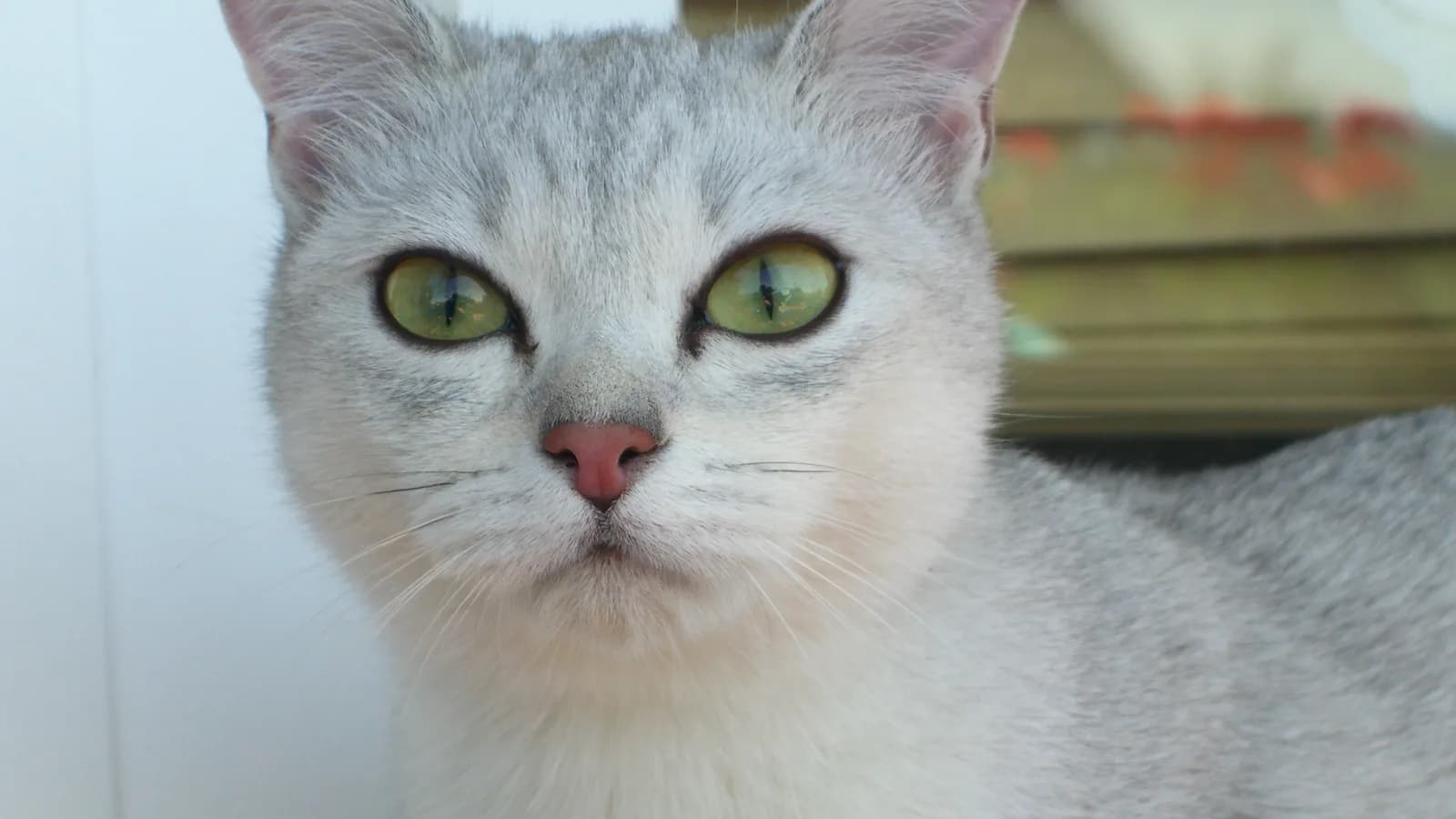
 Burmilla photos
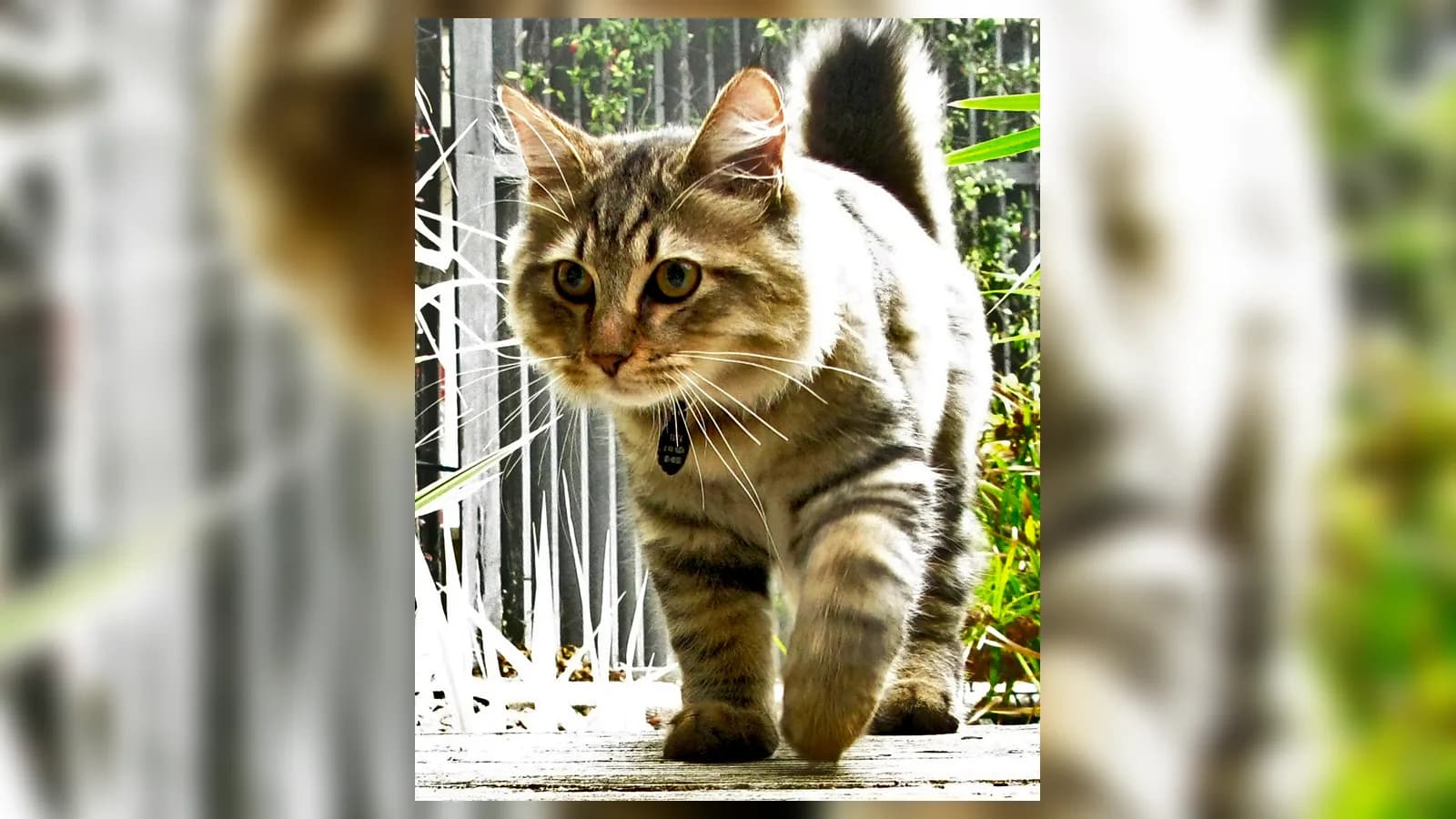
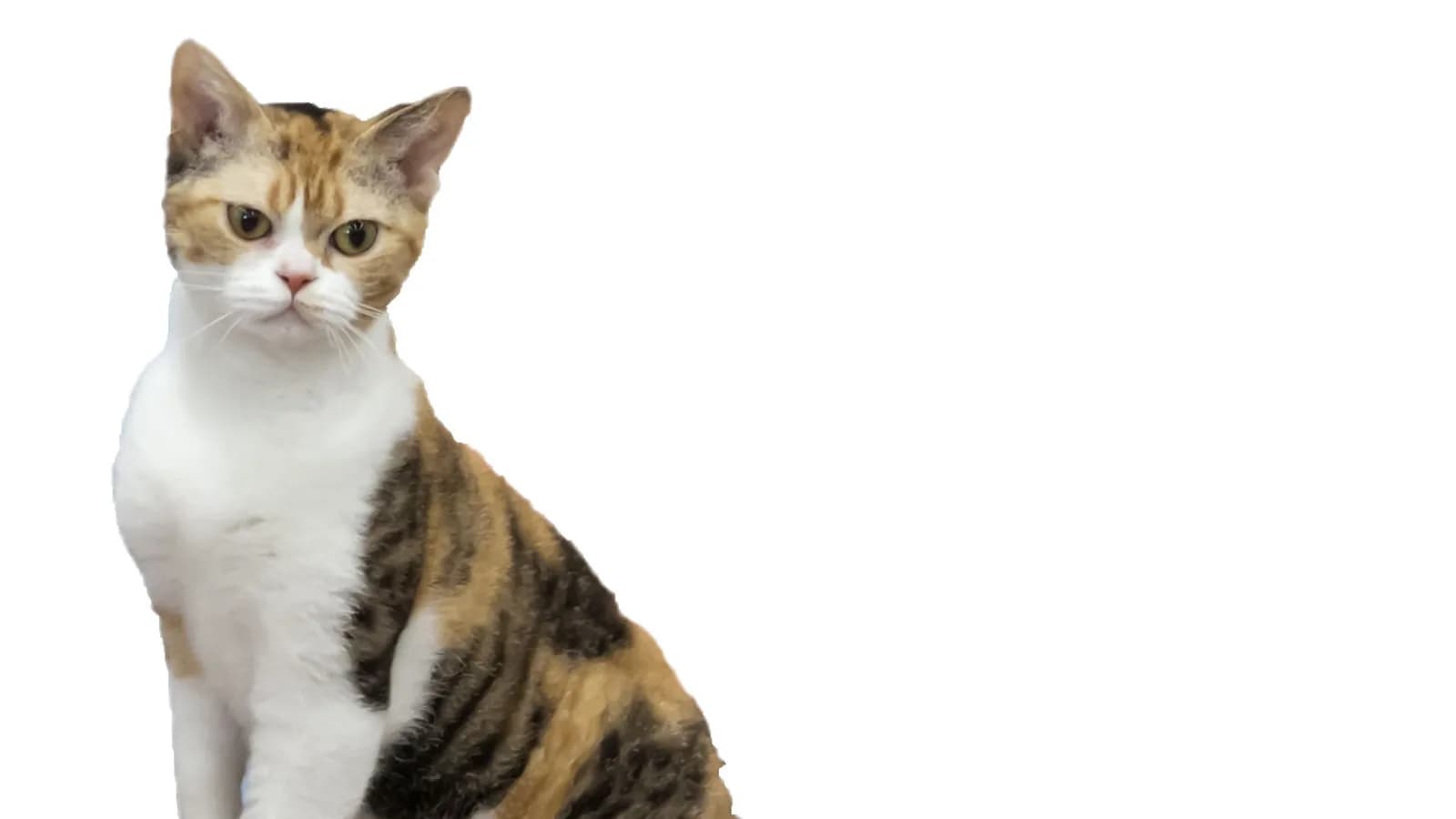
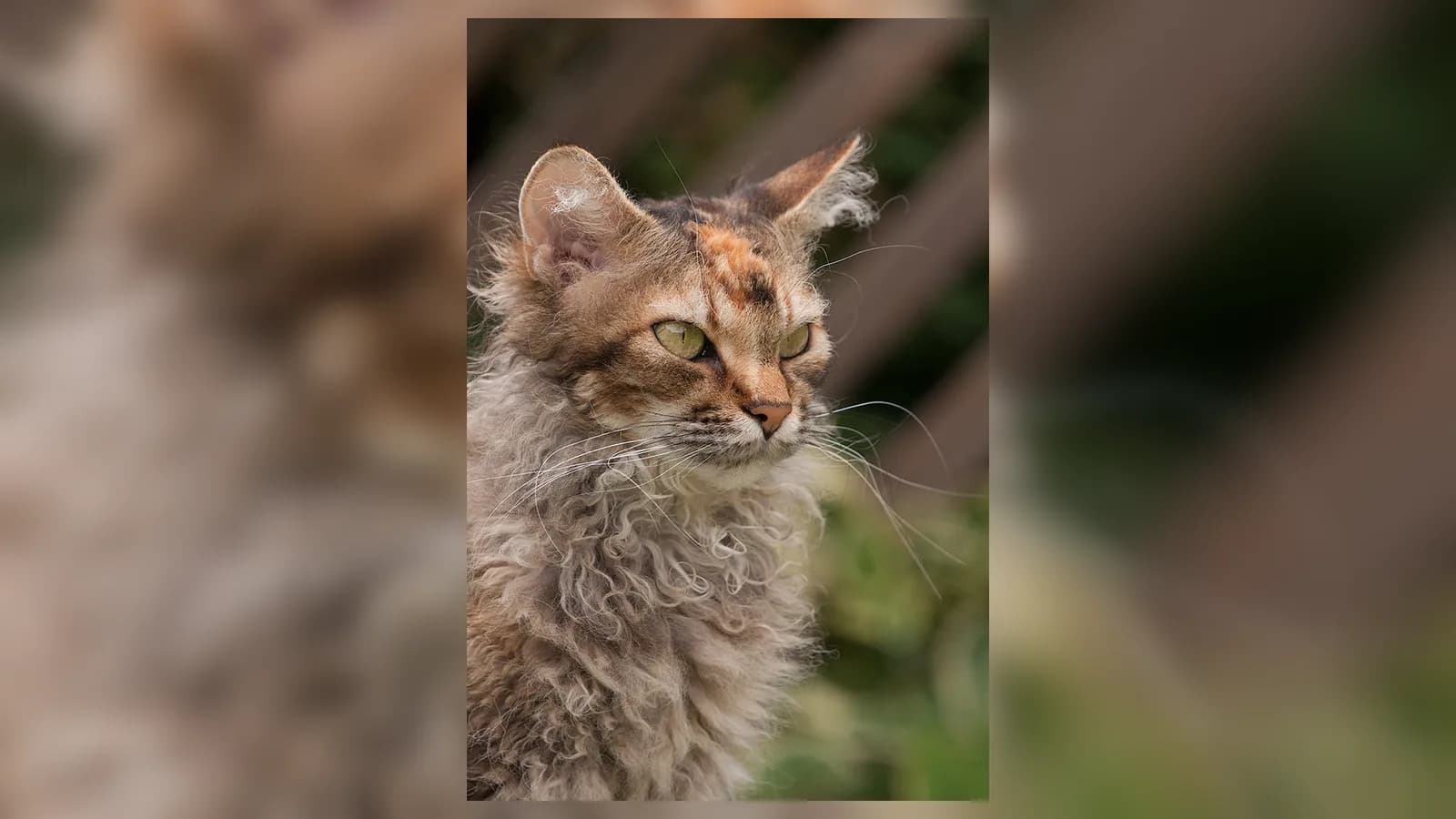
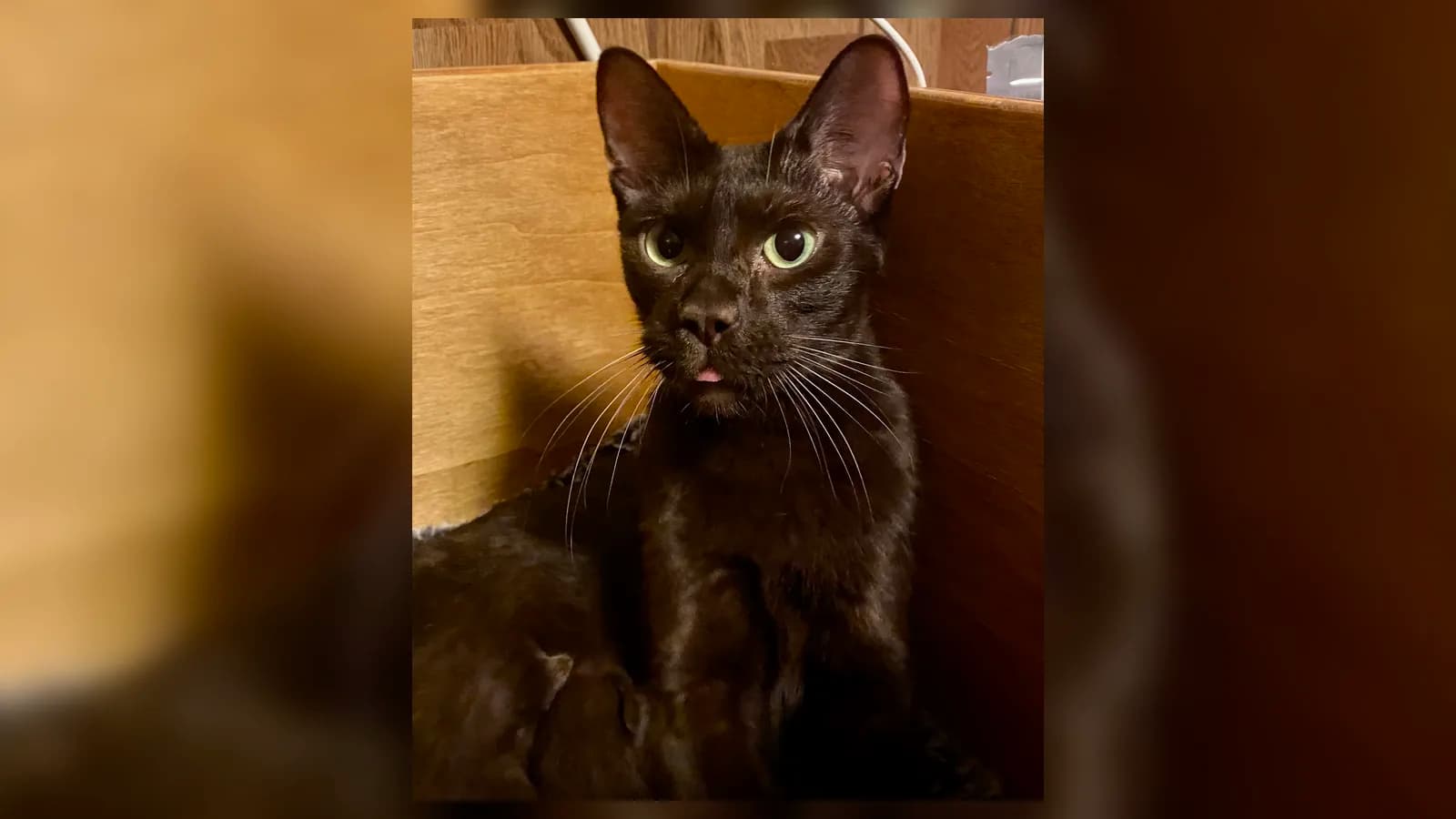
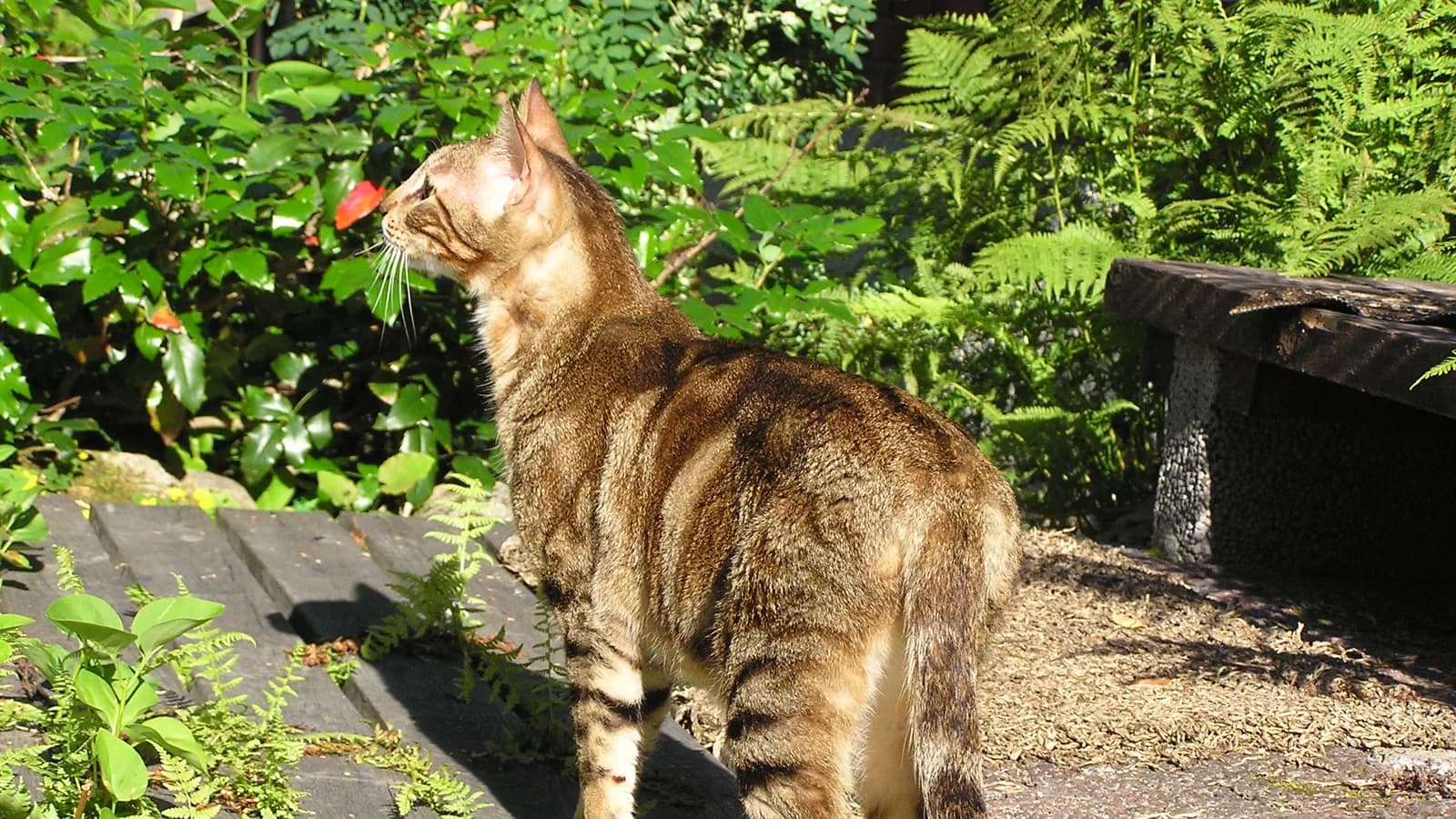
Real photos, so you can see what the breed actually looks like: coats, ear tufts, ruff and build.
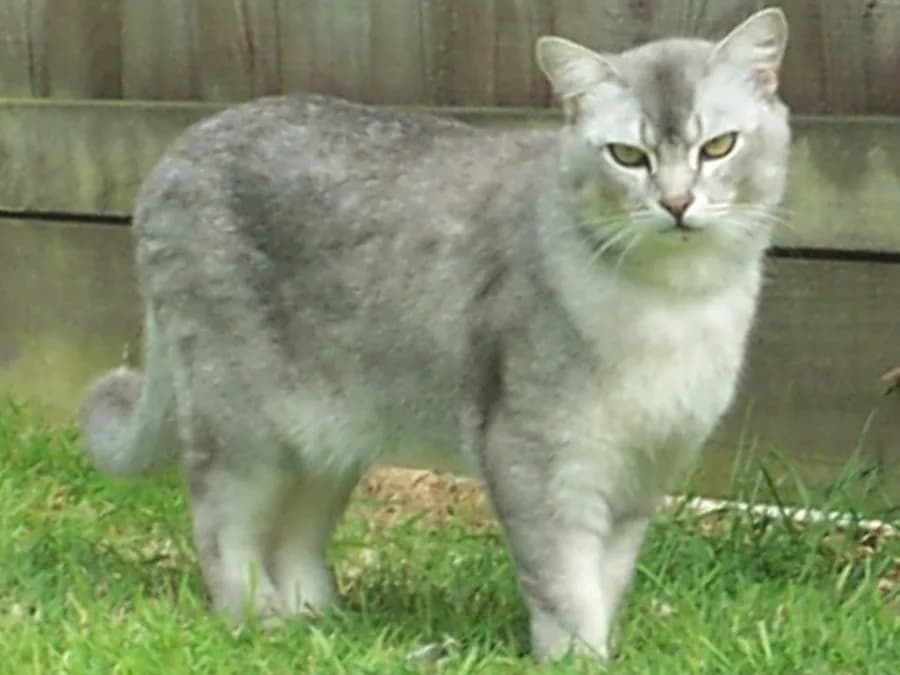
Shaded silver Burmilla cat standing on grass, green eyes and a curled tail
Photo: David Johnson [1] · CC BY-SA 3.0 · via Wikimedia Commons
 Vital stats
Origin
United Kingdom
Britain, 11 September 1981, by accident. Baroness Miranda von Kirchberg's Chinchilla Silver Persian male, Jemari Sanquist, reached her Lilac (European) Burmese female, Bambino Lilac Faberg. Four female shorthair black-shaded-silver kittens founded the breed. The founding is cross-confirmed at three independent primary documents (, the Asian Group Cat Society, 's own Asian page), the most corroborated origin in our files. The name itself, a Burmese-plus-Chinchilla portmanteau, circulates at secondary tier and is attributed as such.
Weight
Female
8-12 lb (3.6-5.4 kg)
Male
8-12 lb (3.6-5.4 kg)
Life expectancy
No measured cohort anywhere names the Burmilla, checked directly across five flagship studies. The 10-18 band spans the main institutional claims, each attributed: 15-18+, 's own self-disagreeing box (16) and text (16-18), Purina UK 10-15, Purina AU 12-15, 10-15. One US consumer page floors it at 7 (on a page that also misdescribes the breed as long-haired, weighted accordingly). All are commonly cited estimates; no measured study exists.
Coats
Black shaded silver (the founding coat)
Blue shaded silver
Brown tipped
Chocolate shaded
Golden shaded
The name IS the coat: a pale ground tipped or shaded in one of eight base colors ('s list), over the signature painted-on eyeliner. The structure underneath is the page's real story. cuts the spectrum at ~1/8 (Chinchilla) and ~1/3 (Shaded) across Silver and Golden divisions. runs THREE degrees, including Smoke. names its lightest class Tipped. And , the founding registry, refuses to draw any line at all, judging tipped-to-shaded as one continuous spectrum. Same litter, different labels, depending on the paperwork.
Understanding the coats (and their genetics)Size
Three registries, three constructions, and a scope trap we keep visible. TICA says 8-12 lb with no sex split. CFA gives a 10 lb male floor and 'usually smaller' females with no number (the same open-floor construction it uses for the Burmese). GCCF's figures (males 11-15 lb / 5-7 kg, females 8-12 lb / 3.5-5.5 kg) explicitly describe its whole five-variety ASIAN group, never the Burmilla alone. No measured study anywhere isolates a Burmilla weight, checked directly across eight multi-breed cohorts. The absence is the finding.
Did you know
The registry that created the Burmilla does not give it a breed page. files the breed it midwifed as one of five varieties inside a group breed called 'Asian', while , and all page it as a breed of its own. The cat is not confused; the paperwork is.
 Personality
 Affection4/5
 Energy3/5
 Intelligence4/5
 Friendliness5/5
 Independence3/5
 Vocal2/5
 Shedding2/5
Compatibility
 Good with children4/5
 Good with other pets4/5
 Apartment friendly5/5
Editorial ratings on our five-point scale, anchored in the registry descriptions and the measured behaviour studies cited on this profile; individual cats vary, and our members' own ratings below are the counterweight.
Still torn between this breed and another?Compare the Burmilla trait by trait, or filter every breed by what matters to you. What our members say
What our members say
Nobody has described their Burmilla here yet. As soon as the first profiles come in, this is where the community averages will show up: temperament, food, lifestyle.
Describe my Burmilla Pros & cons
Strong points
- The measured pool's boldest-with-strangers result in the whole Finnish dataset (as part of the pooled Burmese/Burmilla group)
- A genuinely low-maintenance coat in both lengths: weekly brushing by three registries' agreement
- The fancy's best accidental origin story, cross-confirmed at three primary documents
- The in-between temperament its registries describe: livelier than a Persian, calmer than a Burmese
Things to consider
- Genuinely hard to buy: one UK listing, zero priced Canadian breeders, and US boards that turn over in days
- A 2025 UK study found the breed with the highest diabetes odds ratio it examined: a new finding your breeder may not yet know
- No measured study isolates the breed's weight, lifespan or behaviour: the file is registry consensus plus one pooled dataset
- The naming maze is real: Burmilla, Tiffanie, Asian, Australian Tiffanie all orbit this one cat
 Is a Burmilla right for you?
A household that wants a sociable, silver-dressed, apartment-compatible companion and can shop patiently in a thin market. Buyers do their two-test homework (HK and PKD results), keep the cat lean with the new diabetes finding in mind, and enjoy owning the fancy's best accident.
Is the Burmilla right for YOUR home?
Answer a few questions and we'll email you your personalized result.
Take the quiz · 2 min Getting to know the Burmilla
Start with an open door in 1981. Baroness Miranda von Kirchberg's Chinchilla Silver Persian, Jemari Sanquist, was awaiting a new home. Her Lilac European Burmese, Bambino Lilac Faberg, was awaiting a Burmese suitor. A door was left open on 11 September 1981, and four black-shaded-silver female kittens later, the fancy had a new breed and its best accidental-aristocrat story, cross-confirmed at three primary documents.
The breed's identity is a classification question, and we print the structure. , the registry that produced the Burmilla, gives it no standalone page. It is one of five varieties inside the group breed 'Asian', recognized in stages (1990 preliminary, Championship for the Burmilla itself in 1997, all five varieties by 2003). and page it as its own breed across both coat lengths.
registers one Championship breed (May 2014) with two coat codes. Canada's keeps one standard but judges the two lengths as separate breeds on the bench. The longhair adds the naming maze's last turn: calls it the Burmilla Longhair, calls it the Tiffanie, and Australia's separately developed 'Australian Tiffanie' is a different cat we never merge with either.
The coat that names the cat is a pale ground tipped-to-shaded with color over the signature dark eyeliner, and the registries genuinely disagree on where tipping ends and shading begins. Two-degree systems with stated fractions (). Three degrees including Smoke (). A formal 'Tipped' class (). And 's refusal to draw any line at all. Two breeders can honestly call same-litter kittens by different names; now you know why.
The health file is short, precise, and carries one new headline. mandates hypokalaemia DNA testing (since 1 January 2018). The ancestral-Persian PKD question is answered by parents' tests. FOPS is a single documented case. And a 2025 UK-wide study of 1.2 million cats found the Burmilla with the HIGHEST diabetes odds ratio of any breed it examined, a finding new enough that the breed's own governing documents do not yet reflect it. The full careful file is below; the market page counts the thin, dated market almost listing by listing.
 Health: what to watch for
A few predispositions are well documented. The good news: they can be screened for or avoided by choosing a reputable breeder and keeping an eye on the right signals.
This is information, not veterinary advice, and it cannot tell you what is wrong with your cat. Our rule is a simple one: if something is wrong with your cat, call your vet, and call an emergency clinic if it is out of hours. Nothing you read here is a reason to wait.
Hypokalaemia (HK): the one mandated test
MODERATEThe registry requirement leads: GCCF has mandated hypokalaemia DNA testing for the Asian group, Burmilla included, since 1 January 2018. It is the one condition GCCF itself confirms in the breed (UK-confirmed, rare). Carriers are healthy; two tested parents answer the question. Sudden weakness or a dropped, wobbly head in any cat is a same-day veterinary matter.
Diabetes mellitus: the 2025 finding your breeder may not know yet
MODERATEA 2025 UK-wide VetCompass study of 1,225,130 cats found the Burmilla with the highest diabetes odds ratio of any breed it examined: 8.30 (95% CI 2.59-26.62) versus crossbreds, a result the paper's own text calls a novel finding. GCCF's rich breeding documents predate it and name six conditions, none diabetes. Not a contradiction, a lag we state. The practical translation is unglamorous: keep the cat lean and let your vet set screening conversations. Nothing here predicts any individual cat.
Our full guide on this topicPKD: an ancestral-Persian question, answered by testing
LOWThe Chinchilla Persian founder line carries the PKD question into the pedigree. GCCF's own framing is an ancestral risk with little-to-no confirmed Asian-group incidence. The only dated measured figure (14%, n=14, one country, 2001) is a quarter-century old and never presented here as current. Parents' PKD test results settle it, which is why they sit in our buyer questions.
Our full guide on this topicFOPS: one documented case, never a rate
LOWFeline orofacial pain syndrome has been documented in the breed exactly once, and one case is the entire evidence base. This row exists to keep it from inflating into a breed trait. Sudden exaggerated mouth-pawing or chewing distress in any cat is a prompt vet visit on its own merits.
Go deeper on health
Prevention, warning symptoms, costs and insurance: our guides, researched and sourced.
Also worth a look
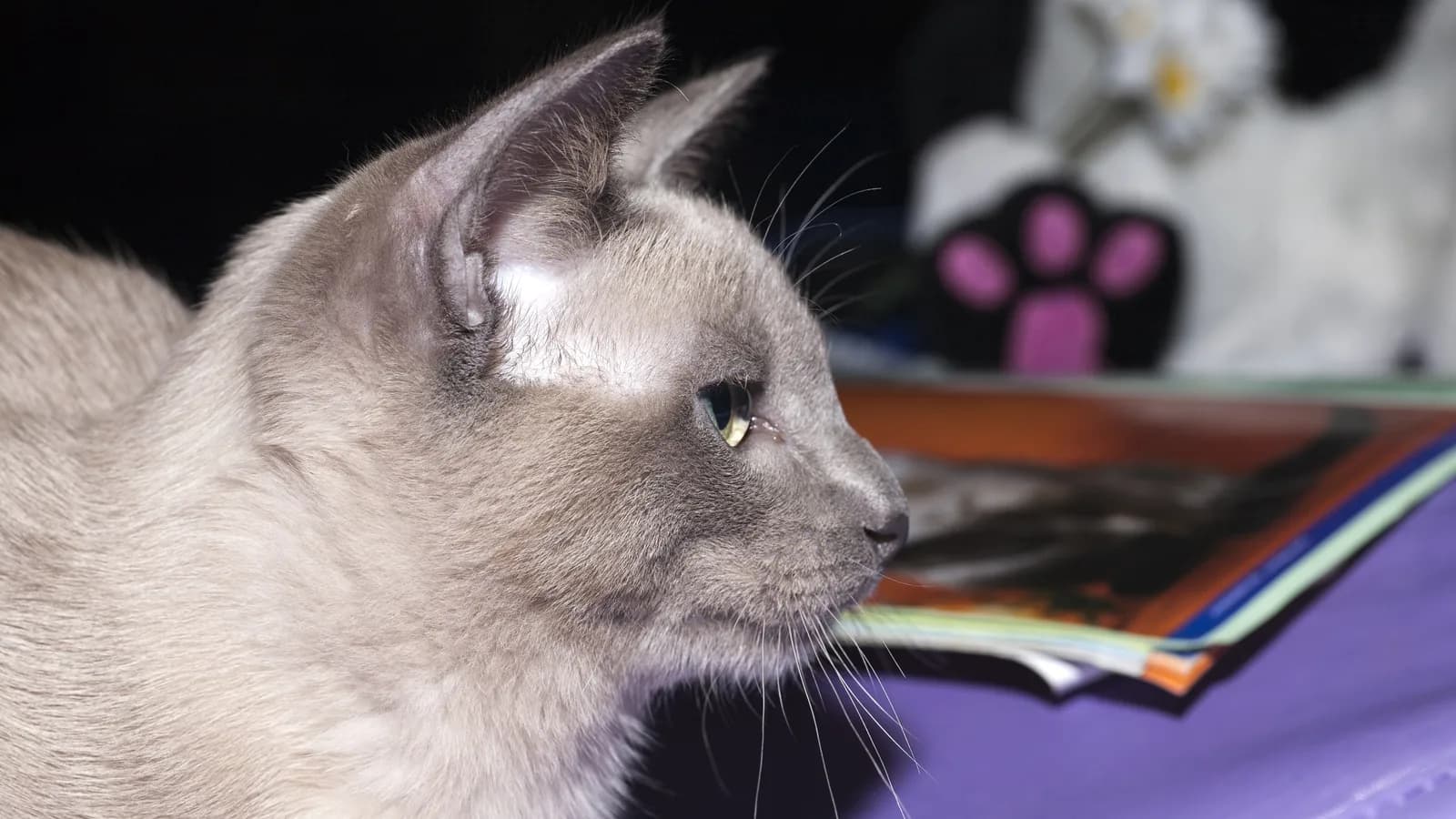
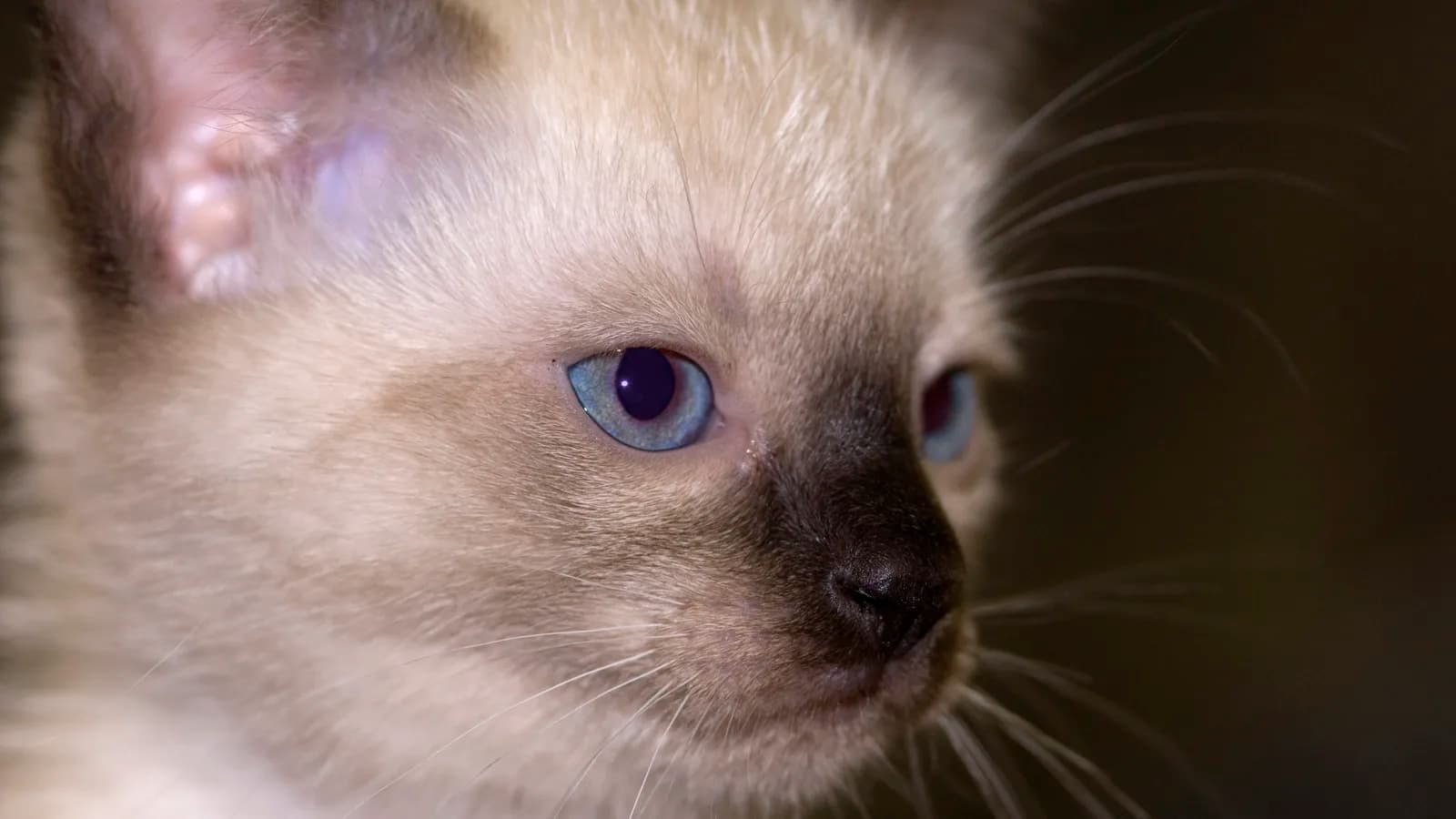
Tonkinese
“The aqua-eyed middle of the fancy's most famous triangle”
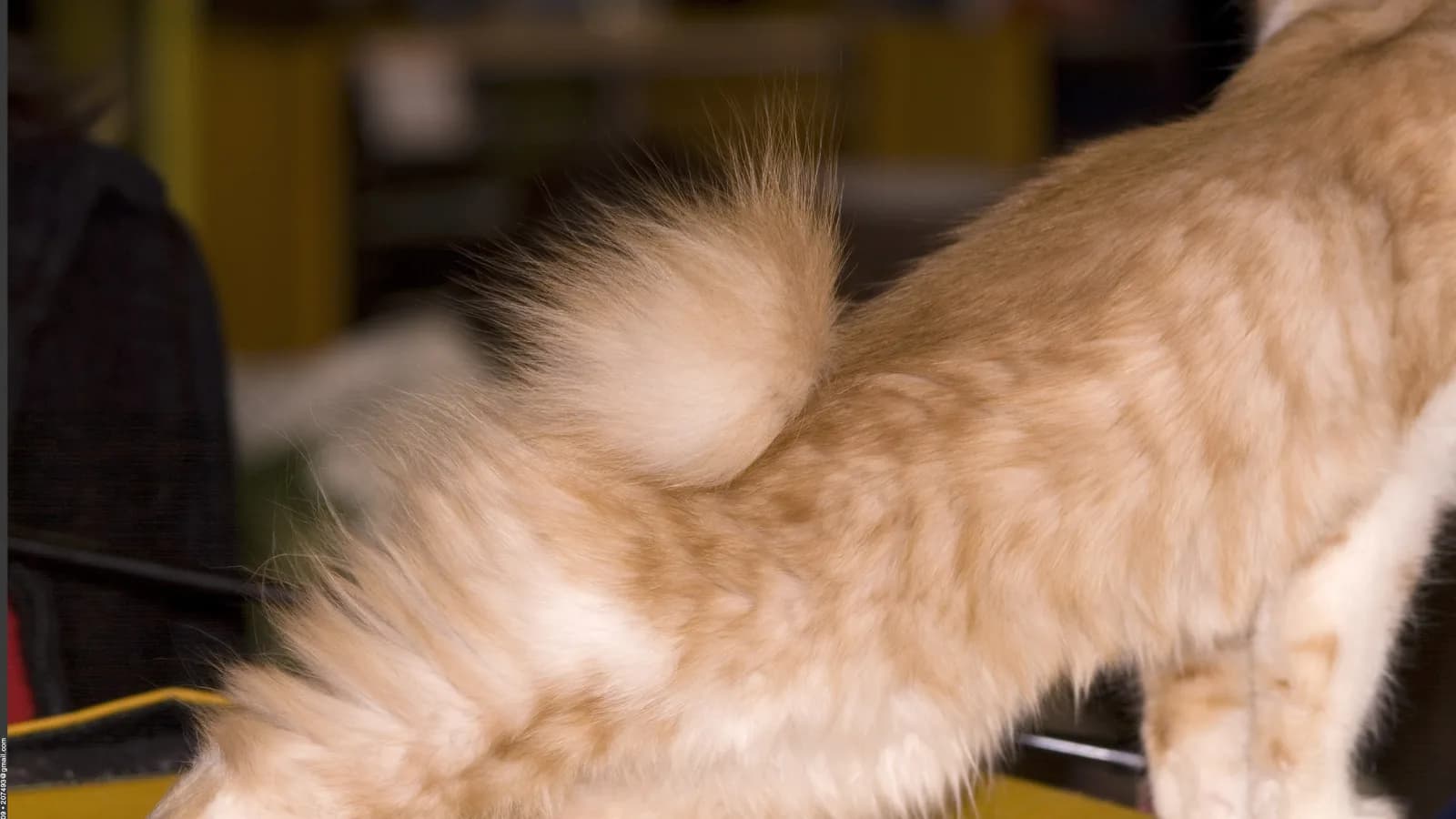
Thai
“The Wichien Maat: the old-style Siamese, formalised as its own breed”
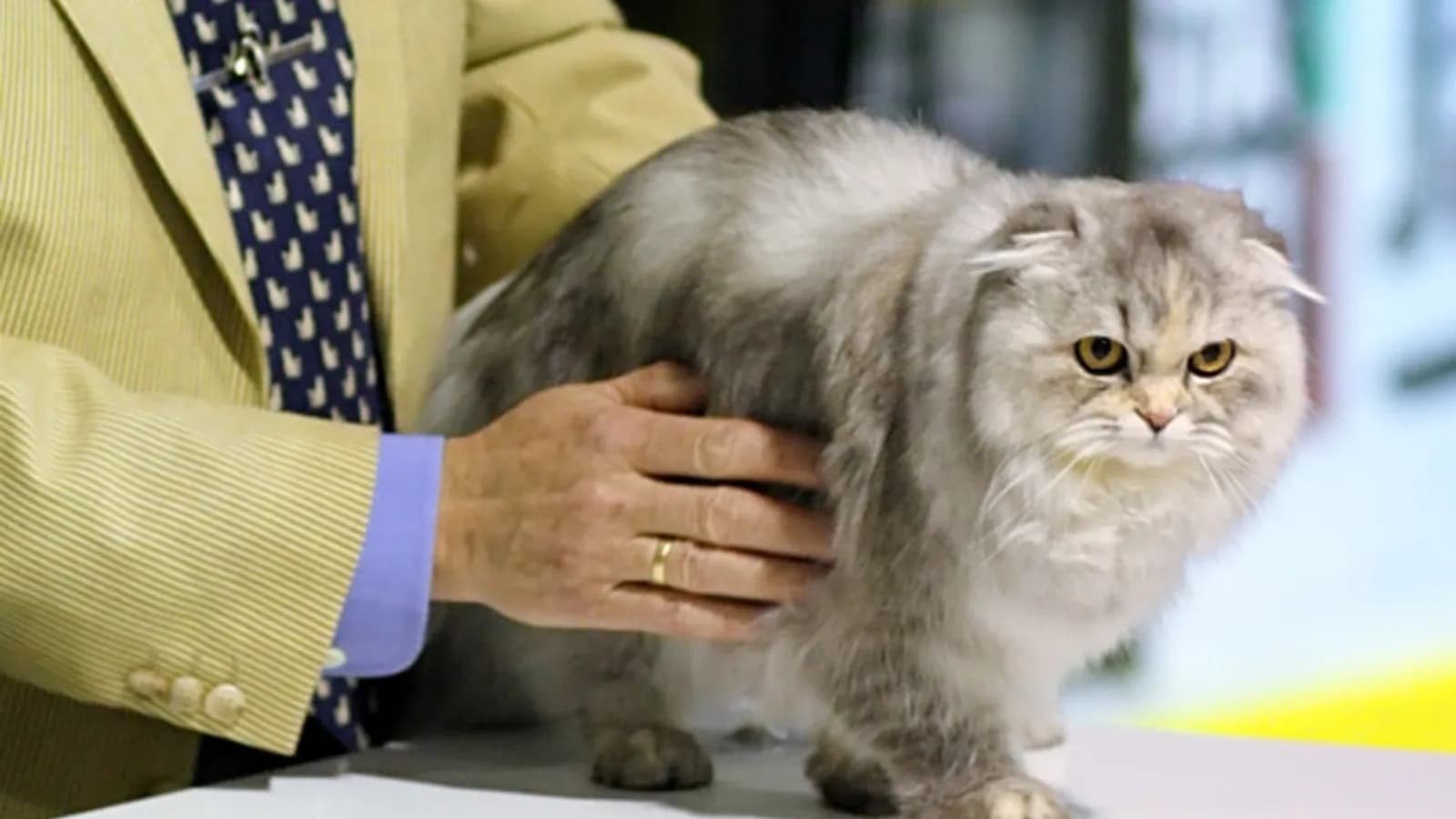
Kurilian Bobtail
“The Kuril Islands' pom-tailed native, every tail its own fingerprint”
Highland Fold
“The longhair Scottish Fold: a market name no registry currently uses”
 Grooming & living with one
Grooming
Low-maintenance in both coat lengths: a weekly brush, per , and 's own narrative alike. TICA's consumer page draws the contrast with the founding Persian side itself: they should be a Burmilla in fancy dress, not a Persian in trainers.
Living together
The pooled measured data and the registry prose agree on a sociable, unshy, family-compatible cat. No Burmilla-only study exists, and we say so. The apartment fit is among the best on this site: quiet, moderate energy, people-oriented.
 Food & diet
's own line: no particular nutritional needs beyond good, quality food. Two careful notes. PKD prevention is genetic testing, never diet (a diagnosed cat's diet is a vet's call). And the 2025 diabetes finding makes lean body condition and routine vet weigh-ins this breed's most practical feeding rule. Nothing here prescribes: your vet owns the individual file.
 Price & budget
$1,800 to 2,000
Price of a kitten from a registered breeder, in the United States
This price reflects the quality of the breeding program: parents' health tests, registry pedigree, socialization. A very low price should raise a red flag. The real cost, though, plays out over the years.
Find a verified breederKitten price, by market
United States
$1,800 to 2,000
United Kingdom
£850
Australia
A$800 to 850
Each figure is that country's real market price, researched separately, not a conversion of the others. The smaller line is only there so you can gauge one against your own money: European Central Bank reference rates of 2026-09-18, refreshed daily.
Work out your food budget
Type of food
Estimated monthly budget
$14
≈ 2.4 oz (68 g) per day
A ballpark figure, food only, using the same arithmetic as our portion tool (resting energy requirement × 1.2, a neutered adult). Real needs vary with age, activity level and body condition. Ask your veterinarian for advice.
 Verified catteriesThe registry-checked directory, plus a kitten alert near you. Filter it by breed.
 Should you insure a Burmilla?
Our sources list several predispositions in the Burmilla: Hypokalaemia (HK): the one mandated test, Diabetes mellitus: the 2025 finding your breeder may not know yet, PKD: an ancestral-Persian question, answered by testing, among others. A predisposition is not a foregone conclusion, and many of these cats live their whole lives without ever developing anything. It does change the nature of the follow-up, though: you monitor, sometimes for life, and it's that monitoring that weighs on a budget, more than a one-off accident.
One thing to weigh before deciding: this is a cat you will live alongside for well over a decade, and that is the span the real cost is spread across, premiums and care alike. Where a breed has a measured life expectancy that differs from the figure usually quoted, we say so in the lifespan section above rather than repeating the quoted one here.
 Burmilla cats in our community
No Burmilla here yet
Got one? Add a photo and yours gets to open this page.
 The vet's take

Veterinary review
Are you a vet?
Your professional read belongs here: every verified practitioner can leave a note, published once our editors have reviewed it.
Sign in and get your license number verified. We check it in the public register, we never ask for or keep a copy of your diploma, and your number is never published.
 Frequently asked questions
+What is a Burmilla cat?
A British breed born by accident in 1981 from a Chinchilla Silver Persian and a Lilac European Burmese: a silver-tipped-to-shaded coat, green eyes, the signature dark eyeliner, and a temperament its registries place between its two parents.
+How long do Burmilla cats live?
No measured study exists: the institutional claims span 10-15 to TICA's 15-18+, with GCCF's own page disagreeing with itself (16 in the box, 16-18 in the text). We publish the span and the absence, not a fake precise number.
+Are Burmilla cats rare?
Countably: one live UK listing on our research date, two named US catteries, two Australian price points, and zero priced Canadian breeders confirmed five ways. Our market page dates every figure.
+Are Burmilla cats hypoallergenic?
No cat is, and no Burmilla allergen study exists anywhere: this breed carries zero search volume for the claim and zero science either way. The coat is easy to groom; that is the honest sentence.
+What is the difference between a Burmilla and a Tiffanie?
Coat length and paperwork: the Tiffanie is GCCF's name for the Burmilla's own semi-longhair form, which TICA simply calls the Burmilla Longhair. Australia's separately developed 'Australian Tiffanie' is a different breed again, and we never merge the two.
+Is a Burmilla the same as a Bombay?
No, and the coat settles it at a glance: the Bombay is standardised uniformly black; the Burmilla is tipped or shaded silver over a pale ground. The registries also file them differently: GCCF keeps both inside its Asian group, while TICA and CFA treat them as separately founded breeds.
+How is a Burmilla different from a Chinchilla Persian?
The Burmilla wears the Chinchilla's silvered coat on a Burmese-type body with a short (or semi-long) easy-care coat: TICA's own line is that they should be a Burmilla in fancy dress, not a Persian. Our Persian profile carries the founding parent's own file.
+Can a Burmilla have stripes or be pointed?
The breed's chart is tipped-to-shaded over eight base colors; residual tabby markings on legs or tail occur in tipped coats and the standards manage rather than celebrate them. A fully striped or pointed cat is outside every registry's Burmilla description.
+Are Burmilla cats good indoor cats?
Among the best fits on this site: quiet, moderate-energy, people-oriented and unshy by the pooled measured data. Give it company and windows and it thrives.
+What tests should Burmilla breeders show?
Both parents' hypokalaemia (HK) DNA results, mandated by GCCF since 2018, and their PKD status from the Persian ancestry. Those two documents are the pre-deposit questions; everything else is ordinary good breeding.
 Community questions
Got a question this page doesn't cover? Ask it: the best ones get published here with their answer.
Sources & references
Data checked against reference sources (TICA and CFA standards, genetics laboratories, veterinary schools).
- TICA: Burmilla breed page
- TICA Burmilla standard (PDF)
- CFA: Burmilla breed page
- CFA Burmilla standard (PDF)
- GCCF: Asian breed page (the five-variety group the Burmilla lives in)
- GCCF Asian Breeding Policy (PDF)
- GCCF Asian Registration Policy 2018 (PDF, the mandatory HK test)
- Asian Group Cat Society: the Burmilla founding account
- CCA-AFC Burmilla standard (PDF)
- ACF Burmilla standard (PDF, 2023)
- Salonen et al. 2019, breed behaviour (the pooled Burmese/Burmilla group)
- VetCompass 2025, diabetes mellitus in 1.2M UK cats (the Burmilla OR 8.30 finding)

Worth keeping a paw on
Pin this profile
To compare later, or to show someone still torn between two breeds. One click and it sits in your board.
Pin it on Pinterest
 Purr or Pass
Still deciding? Find the perfect breed for your home.
A quick quiz that factors in your lifestyle, your kids and your other pets.
Which breed fits my home?Keep exploring
The floor belongs to our members. Keep it kind, links are not allowed, and images go through moderation before anyone else sees them.