

Tonkinese
“The aqua-eyed middle of the fancy's most famous triangle”
 By Priya · The careful one
Published August 21, 2026Updated August 26, 20267 min read
Contents
 Tonkinese photos
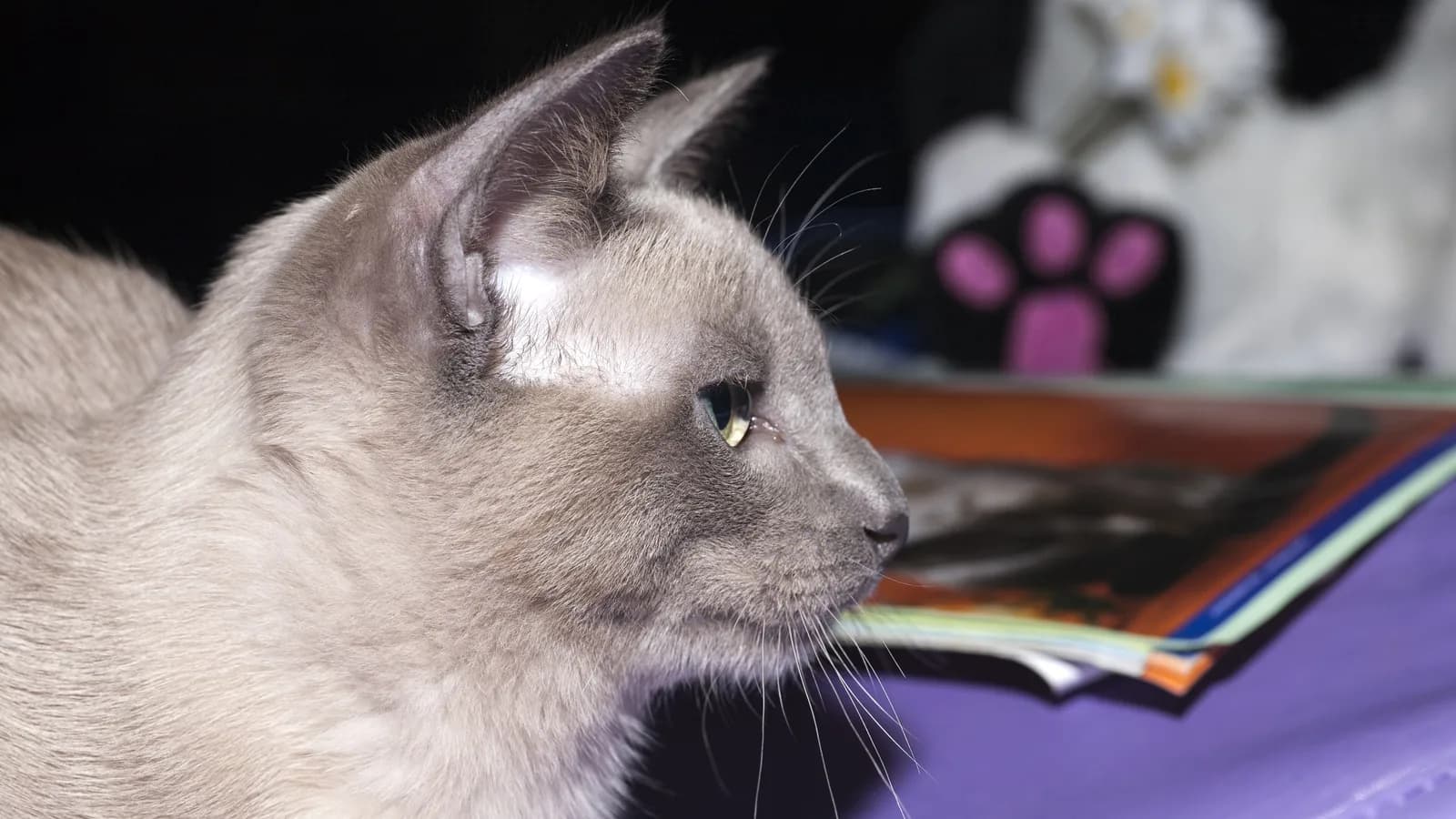
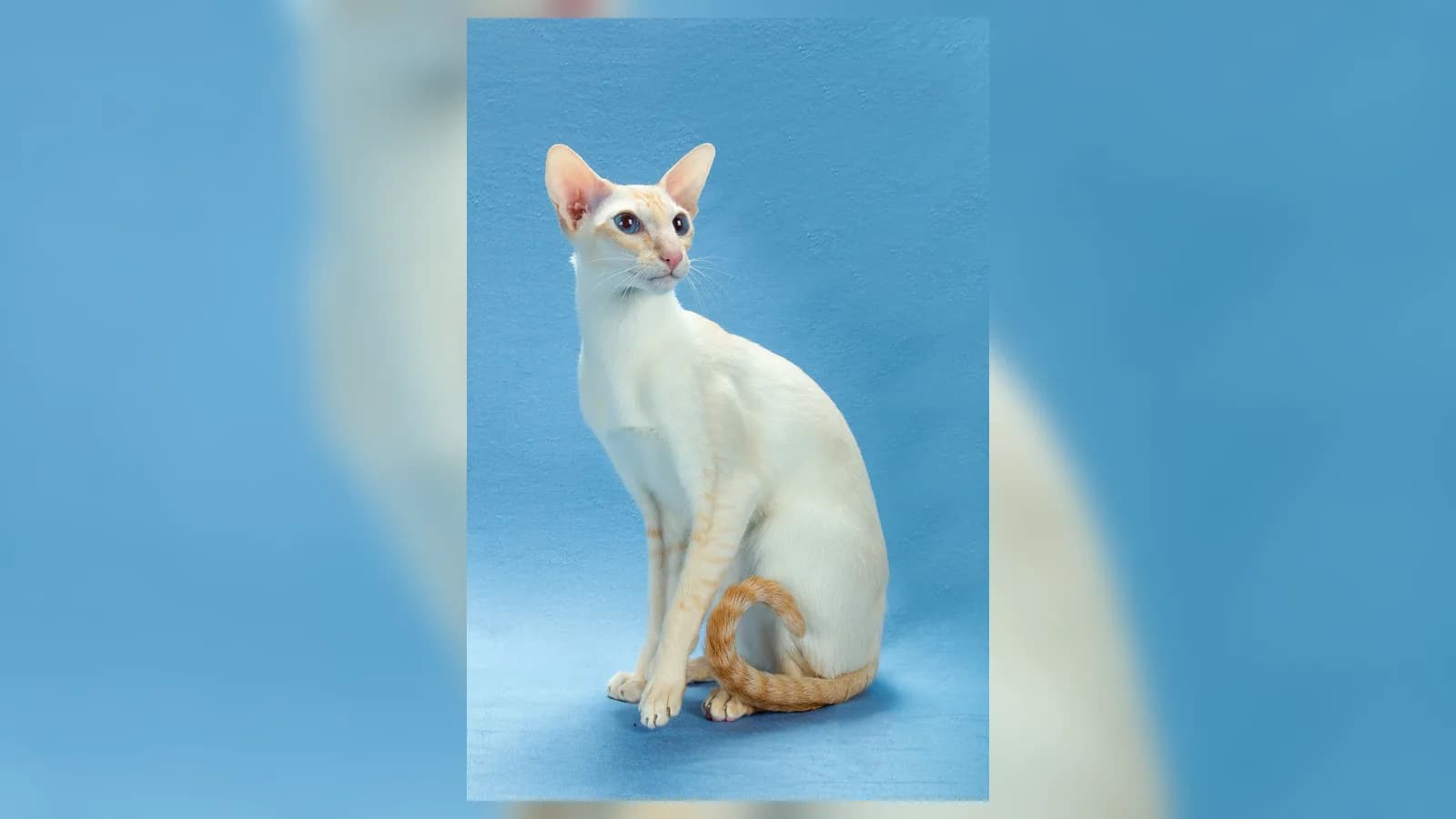
Real photos, so you can see what the breed actually looks like: coats, ear tufts, ruff and build.
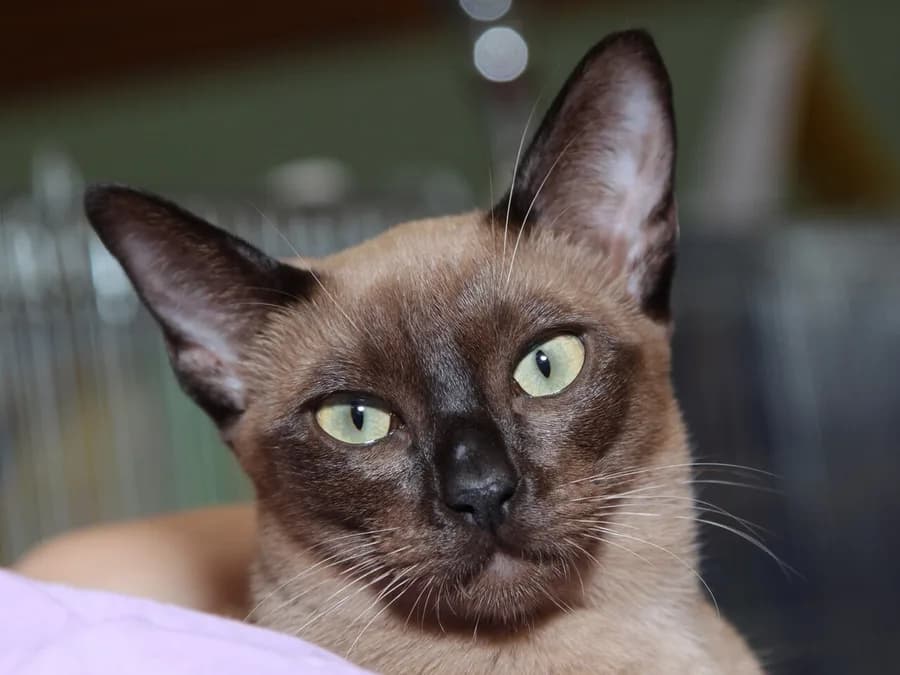
Close up of a Tonkinese cat's face, showing its large ears and aqua green eyes
Photo: Kamée · CC BY 3.0 · via Wikimedia Commons
 Vital stats
Origin
United States
Two origins, one retroactive. The modern breed was developed independently in the mid-1960s by Jane Barletta (US) and Margaret Conroy (Canada), deliberately crossing Siamese and Burmese. Early paperwork even spelled it 'Tonkanese'. The retroactive origin is better still. Wong Mau, the 1930 founding cat of the Burmese, is now described by , and alike as, in modern genetic terms, the first Tonkinese: a natural cb/cs mink. One registry wrinkle we print rather than smooth: CFA's own documents disagree by up to eleven years on when Canada recognized the breed. The corroborated dates are 1967/1971.
Weight
Female
6-8 lb (2.7-3.6 kg)
Male
8-12 lb (3.6-5.4 kg)
Life expectancy
No measured, breed-isolated lifespan study exists. The band is 's own claim, attributed: a 15+ box whose narrative adds that nineteen and twenty are quite common. Unusually for GCCF pages in our files, box and text AGREE with each other. A commonly cited estimate; no measured study exists. And the two parent breeds' own measured cohorts disagree with each other enough that no confident Tonkinese figure can be built by interpolation.
Coats
Natural (Seal) mink
Champagne (Chocolate) mink
Blue mink
Platinum (Lilac) mink
Three patterns on one gene pair: mink (cb/cs, the aqua-eyed signature), pointed (cs/cs, blue eyes) and solid (cb/cb, green-gold eyes). The base colors are counted anywhere from 's four to 's ten (with a Tabby class only GCCF names). Five registries use five vocabularies for the same three patterns. Our colors page is the translation table, and a $47 DNA test reads any cat's pair.
Understanding the coats (and their genetics)Size
A lean, muscular, medium cat with the registries' favorite phrase attached: surprisingly heavy for its size. TICA's own narrative gives males 8-12 lb (3.6-5.4 kg) and females 6-8 lb (2.7-3.6 kg). GCCF's box says 6-12 lb unsexed. The honest check our comparison page runs: those figures sit LEVEL with TICA's own Siamese numbers, not midway to the Burmese. So the in-between brochure line fails its own registries' scales. No measured weight study exists for the breed.
Did you know
Wong Mau is the little brown cat credited for nearly a century as the mother of the Burmese breed. , and now describe her alike as, genetically, the first Tonkinese. The fancy's most famous founding cat belongs to a breed that did not officially exist until three decades after she died.
 Personality
 Affection5/5
 Energy4/5
 Intelligence5/5
 Friendliness5/5
 Independence1/5
 Vocal4/5
 Shedding2/5
Compatibility
 Good with children5/5
 Good with other pets4/5
 Apartment friendly4/5
Editorial ratings on our five-point scale, anchored in the registry descriptions and the measured behaviour studies cited on this profile; individual cats vary, and our members' own ratings below are the counterweight.
Still torn between this breed and another?Compare the Tonkinese trait by trait, or filter every breed by what matters to you. What our members say
What our members say
Nobody has described their Tonkinese here yet. As soon as the first profiles come in, this is where the community averages will show up: temperament, food, lifestyle.
Describe my Tonkinese Pros & cons
Strong points
- The Siamese conversation one notch down, by TICA's own comparative sentence
- The aqua-eyed mink signature, on the cleanest teaching genetics in the fancy
- Measurably a fetcher, in the one study covering the whole triangle
- Protective hyperthyroidism odds (OR 0.05) in the UK data: a rare good-news breed statistic
Things to consider
- Intolerant of empty houses, by eight independently worded registry and club voices
- Real elevated odds ratios in the population studies (dystocia, diabetes, calcium oxalate stones), each carried with its own scope on this page
- No measured behaviour or lifespan study isolates the breed: thinner files than either parent
- Canada is a nine-doors-checked market zero; the UK marketplace sells crosses under the breed name
 Is a Tonkinese right for you?
A present, playful household that wants the Siamese-family engagement with the volume one notch down, and the aqua eyes as a bonus. Fetch-throwers preferred; empty-flat owners need not apply.
Is the Tonkinese right for YOUR home?
Answer a few questions and we'll email you your personalized result.
Take the quiz · 2 min Getting to know the Tonkinese
Start with the cat who founded two breeds. Wong Mau arrived in San Francisco in 1930 and became the mother of the Burmese. By every major registry's current account she was, genetically, a natural mink Tonkinese, the exact cb/cs blend this breed was later built to be. The modern breed arrived in the mid-1960s from two independent developers, Jane Barletta in the US and Margaret Conroy in Canada, deliberately remaking what nature had already shipped once.
The coat system is the fancy's cleanest genetics lesson: two alleles, three patterns, eyes graded to match (aqua for the signature mink), and a $47 DNA test that reads any cat's hand. The colors page translates the five registries' five vocabularies for the same three coats. It also flags 's own self-contradiction about showing two of them.
The honest checks no competitor runs. The beloved in-between-breed line fails the registries' own scales ('s Tonkinese weights sit level with its Siamese; 's box makes it the LIGHTEST of the three). And the breed's measured files are thinner than either parent's, an absence we print instead of interpolating. What IS measured: the fetching study covering the whole triangle, and a set of real health odds ratios below, each scoped. The three-way comparison holds the full triangle.
The market is modest and honest: a $2,200 flat US cattery, real UK prices with a cross-sold-as-breed warning, two Australian structures, and a Canadian zero checked nine ways (the market file). The registry paperwork carries a live split worth knowing. permanently closed the founding Siamese x Burmese cross in 1984; everyone else still permits it.
 Health: what to watch for
A few predispositions are well documented. The good news: they can be screened for or avoided by choosing a reputable breeder and keeping an eye on the right signals.
This is information, not veterinary advice, and it cannot tell you what is wrong with your cat. Our rule is a simple one: if something is wrong with your cat, call your vet, and call an emergency clinic if it is out of hours. Nothing you read here is a reason to wait.
Dystocia: the highest odds ratio in its study
MODERATEA 2026 UK study found the Tonkinese with the highest dystocia (difficult birth) odds ratio of any breed studied, 8.27. It is chiefly a BREEDING-side fact. Queens deliver with a veterinary plan, and a pet owner of a neutered cat never meets it. The figure is one large study's odds ratio, not a population percentage.
Diabetes mellitus: an elevated odds ratio, kept lean
MODERATEA 193,563-cat study found elevated diabetes odds for the breed (OR 4.1). The practical translation is the least glamorous sentence in cat care: keep the cat lean, and let your vet set screening conversations as it ages. An odds ratio describes a population pattern, never an individual destiny.
Our full guide on this topicCalcium oxalate stones: two countries, two odds ratios
MODERATEThe breed carries elevated calcium oxalate urolith odds in both a UK dataset (OR 3.15) and a large Canadian laboratory series (OR 5.02, among the highest listed). The owner-facing signs are universal. Straining, blood in urine, frequent small trips to the box are a prompt vet visit in any cat. Hydration-friendly feeding is the everyday lever; specifics belong to your vet.
The good-news statistic: protective hyperthyroidism odds
LOWThe same UK research family that finds the elevated odds above also finds the Tonkinese significantly UNDER-represented for hyperthyroidism (OR 0.05), one of the strongest protective breed findings in the literature. We publish the favourable number with the same scope discipline as the unfavourable ones. A population pattern, honestly reported.
WNK4 hypokalaemia: one affected cat of nineteen tested
LOWThe Burmese family's WNK4 hypokalaemia has been found in the Tonkinese at the scale the words say: one affected cat among nineteen tested. A DNA test exists via the Burmese panel; breeding cats' results answer the question. Sudden weakness or a dropped head in any cat is a same-day vet matter.
Go deeper on health
Prevention, warning symptoms, costs and insurance: our guides, researched and sourced.
Also worth a look
Thai
“The Wichien Maat: the old-style Siamese, formalised as its own breed”
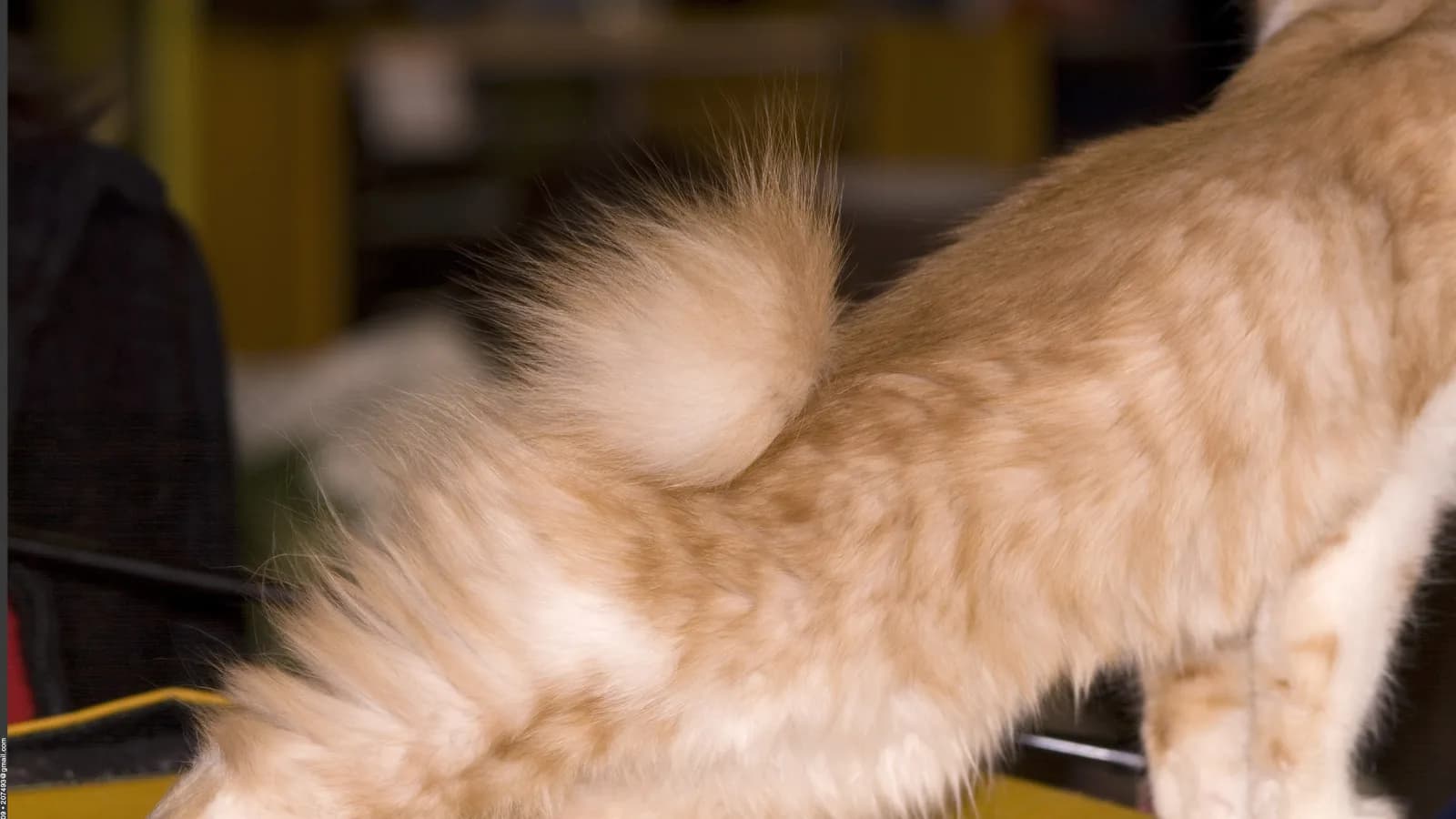
Kurilian Bobtail
“The Kuril Islands' pom-tailed native, every tail its own fingerprint”
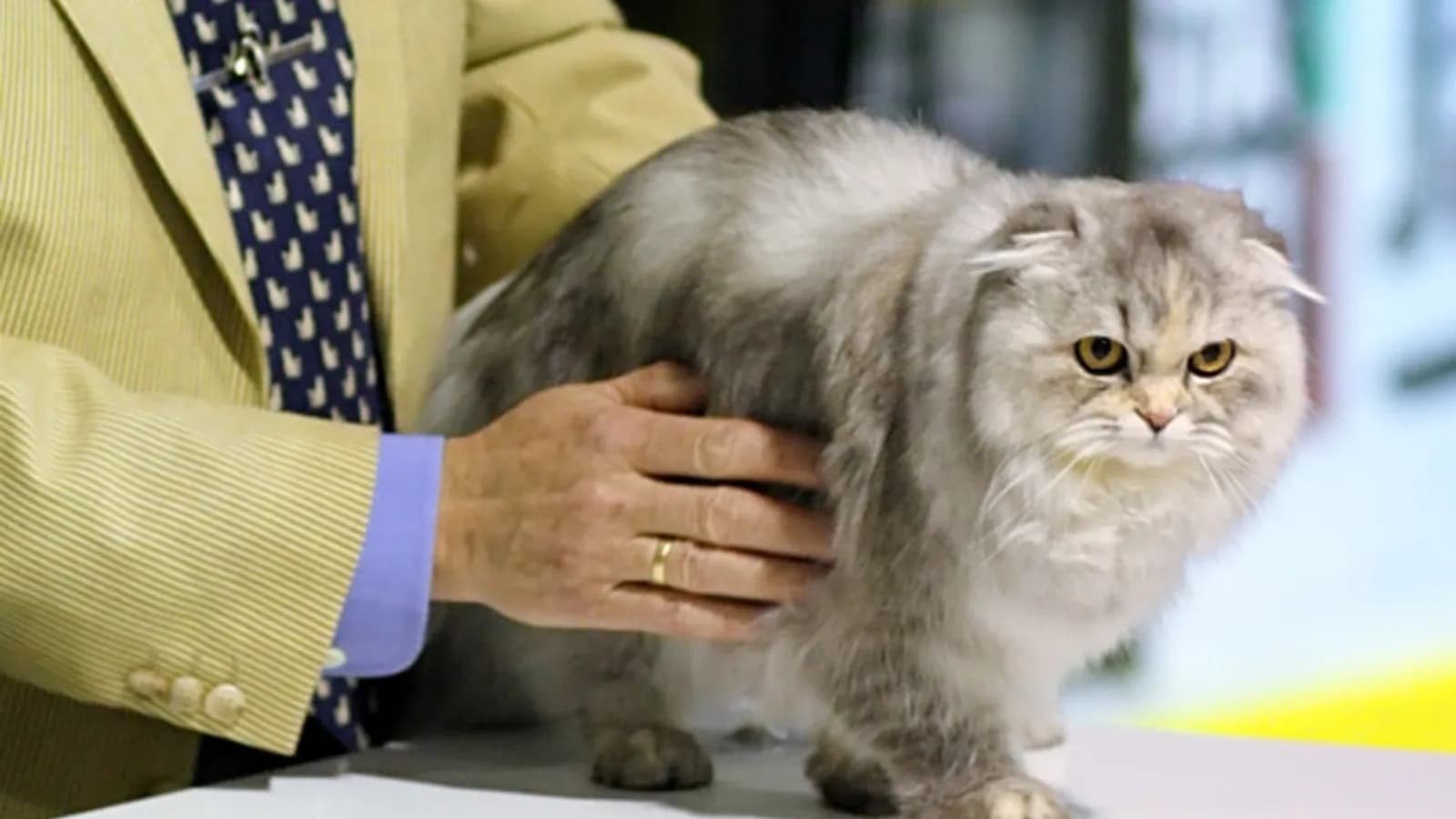
Highland Fold
“The longhair Scottish Fold: a market name no registry currently uses”
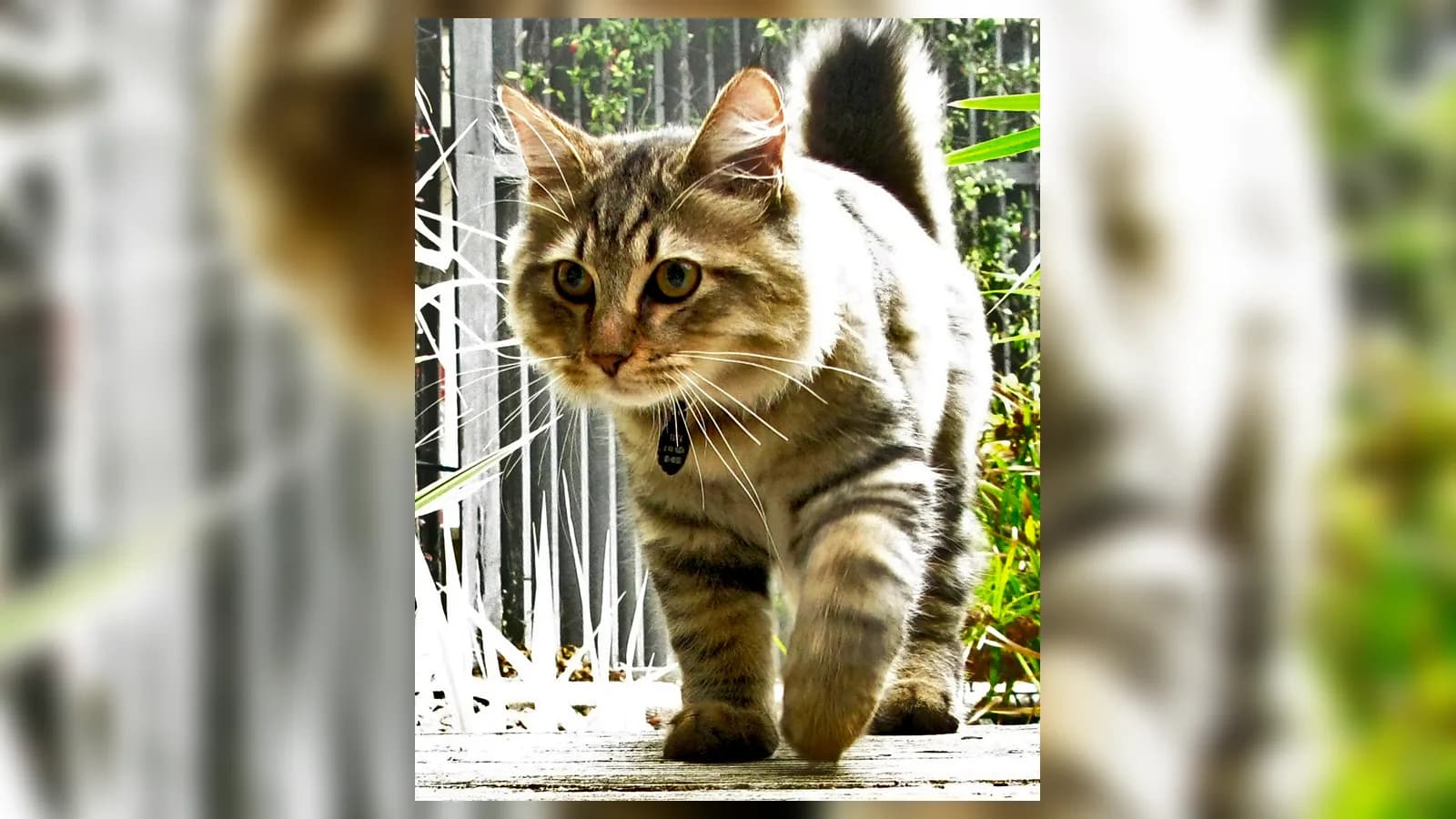
American Bobtail
“America's own wild-look bobtail: every color allowed, no bobcat required”
 Grooming & living with one
Grooming
A short, fine, close-lying coat with a natural sheen. suggests weekly attention, says two to three times a month, and we print both registries' cadences rather than arbitrate. Shedding is light.
Living together
People-oriented and sociable with children and other pets, by the registry consensus. The standing caveat: no measured study scores this breed where its parents are scored. What every source agrees on: it does not do alone.
 Food & diet
No breed-specific nutrient profile exists at any of the four frameworks we check. The practical rule follows the build. A lean, muscular cat with surprising weight for its size is monitored by rather than a fixed number. And the diabetes odds ratio in the UK data (4.1) makes lean body condition this breed's most useful feeding habit. Your vet owns the individual numbers.
 Price & budget
$950 to 2,200
Price of a kitten from a registered breeder, in the United States
This price reflects the quality of the breeding program: parents' health tests, registry pedigree, socialization. A very low price should raise a red flag. The real cost, though, plays out over the years.
Find a verified breederKitten price, by market
United States
$950 to 2,200
United Kingdom
£550 to 1,200
Australia
A$950 to 1,800
Each figure is that country's real market price, researched separately, not a conversion of the others. The smaller line is only there so you can gauge one against your own money: European Central Bank reference rates of 2026-09-18, refreshed daily.
Work out your food budget
Type of food
Estimated monthly budget
$13
≈ 2.2 oz (63 g) per day
A ballpark figure, food only, using the same arithmetic as our portion tool (resting energy requirement × 1.2, a neutered adult). Real needs vary with age, activity level and body condition. Ask your veterinarian for advice.
 Verified catteriesThe registry-checked directory, plus a kitten alert near you. Filter it by breed.
 Should you insure a Tonkinese?
Our sources list several predispositions in the Tonkinese: Dystocia: the highest odds ratio in its study, Diabetes mellitus: an elevated odds ratio, kept lean, Calcium oxalate stones: two countries, two odds ratios, among others. A predisposition is not a foregone conclusion, and many of these cats live their whole lives without ever developing anything. It does change the nature of the follow-up, though: you monitor, sometimes for life, and it's that monitoring that weighs on a budget, more than a one-off accident.
One thing to weigh before deciding: this is a cat you will live alongside for well over a decade, and that is the span the real cost is spread across, premiums and care alike. Where a breed has a measured life expectancy that differs from the figure usually quoted, we say so in the lifespan section above rather than repeating the quoted one here.
 Tonkinese cats in our community
No Tonkinese here yet
Got one? Add a photo and yours gets to open this page.
 The vet's take

Veterinary review
Are you a vet?
Your professional read belongs here: every verified practitioner can leave a note, published once our editors have reviewed it.
Sign in and get your license number verified. We check it in the public register, we never ask for or keep a copy of your diploma, and your number is never published.
 Frequently asked questions
+What is a Tonkinese cat?
A formally recognized breed built from the deliberate Siamese x Burmese cross: three coat patterns on one clean gene pair, the aqua-eyed mink as its signature, and standards at every major registry. Recognized everywhere; 'just a mix' nowhere.
+Is a Tonkinese a Siamese-Burmese mix?
It began as that deliberate cross and is now its own breed with its own standards. What separates a pedigreed Tonkinese from a mink-looking domestic is registry paperwork, never the coat: the cb/cs blend occurs in nature too, which is how Wong Mau managed to be one in 1930.
+How long do Tonkinese cats live?
No measured study exists: GCCF's own claim, box and narrative agreeing for once, is 15+ years with nineteen and twenty described as quite common. We publish the claim attributed and the absence plainly.
+How much does a Tonkinese kitten cost?
US: $2,200 flat at the named cattery with a wide marketplace spread below. UK: £550-1,200 pure, with a cross-sold-as-breed warning. Australia: A$950 to ~A$1,800 all-in. Canada: no current price exists, checked nine ways.
+What color eyes do Tonkinese cats have?
Graded by coat pattern: aqua for the signature mink, blue for pointed, green-to-gold for solid. The eye is the fastest field guess for the pattern underneath.
+Are Tonkinese cats vocal?
Talkative at a lower volume than the Siamese, by TICA's own direct comparative sentence, with the honest caveat that no measured study scores the breed's voice. Expect conversation, not opera.
+Do Tonkinese cats fetch?
Measurably: the one study covering Tonkinese, Siamese and Burmese together found all three significantly more likely to fetch, a shared Far East family trait.
+Are Tonkinese cats hypoallergenic?
No cat is, and no Tonkinese allergen study exists: the claim carries near-zero search volume and zero science either way. The short coat is easy to keep; that is the honest sentence.
+Can two solid Tonkinese have a pointed kitten?
No: neither solid parent carries the cs allele a pointed coat requires. Mink-to-mink matings, by contrast, throw all three patterns, and a $47 DNA test reads any cat's pair.
+Are Tonkinese cats healthy?
The population studies give the breed real elevated odds ratios (dystocia, diabetes, calcium oxalate stones) and one strongly protective one (hyperthyroidism, OR 0.05), each scoped on this page. GCCF's own policy pairs a six-test breeding panel with its own no-known-inherent-problems sentence, and lean body condition is the everyday lever.
 Community questions
Got a question this page doesn't cover? Ask it: the best ones get published here with their answer.
Sources & references
Data checked against reference sources (TICA and CFA standards, genetics laboratories, veterinary schools).
- TICA: Tonkinese breed page
- TICA Tonkinese standard (PDF)
- CFA: Tonkinese breed page
- CFA Tonkinese standard (PDF)
- CFA Tonkinese rules of registration (PDF, the 1984 outcross closure)
- CFA: Tonkinese article
- GCCF: Tonkinese breed page
- ACF Tonkinese standard (PDF, 2024)
- CCA-AFC Tonkinese standard (PDF)
- UC Davis VGL: colourpoint restriction test (the cb/cs pair)
- Delgado et al. 2024, fetching behaviour (the three-breed finding)
- Wikipedia: Tonkinese cat

Worth keeping a paw on
Pin this profile
To compare later, or to show someone still torn between two breeds. One click and it sits in your board.
Pin it on Pinterest
 Purr or Pass
Still deciding? Find the perfect breed for your home.
A quick quiz that factors in your lifestyle, your kids and your other pets.
Which breed fits my home?Keep exploring
The floor belongs to our members. Keep it kind, links are not allowed, and images go through moderation before anyone else sees them.