

Thai
“The Wichien Maat: the old-style Siamese, formalised as its own breed”
 By Priya · The careful one
Published August 21, 2026Updated August 26, 20268 min read
Contents
 Thai photos
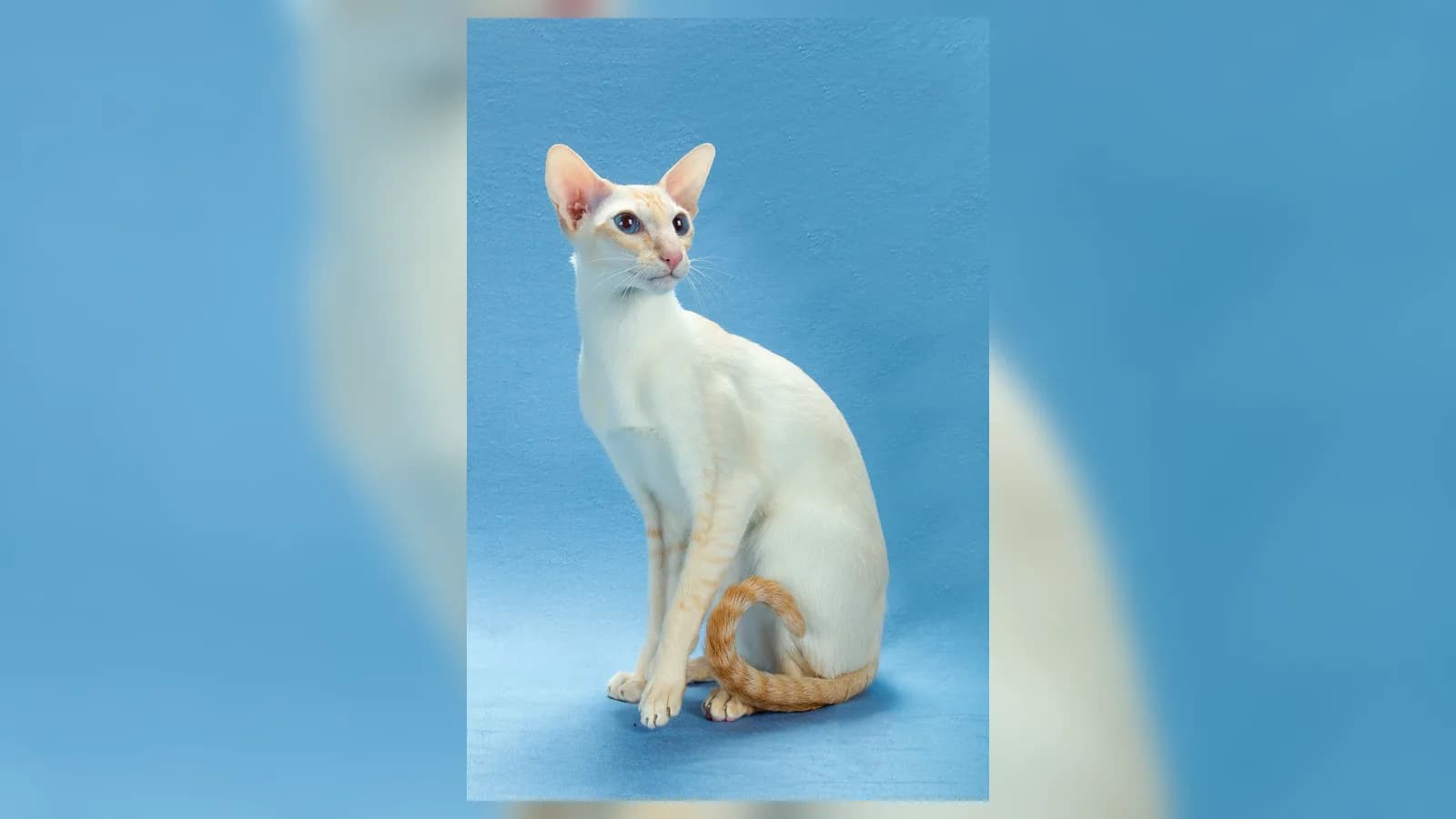
Real photos, so you can see what the breed actually looks like: coats, ear tufts, ruff and build.
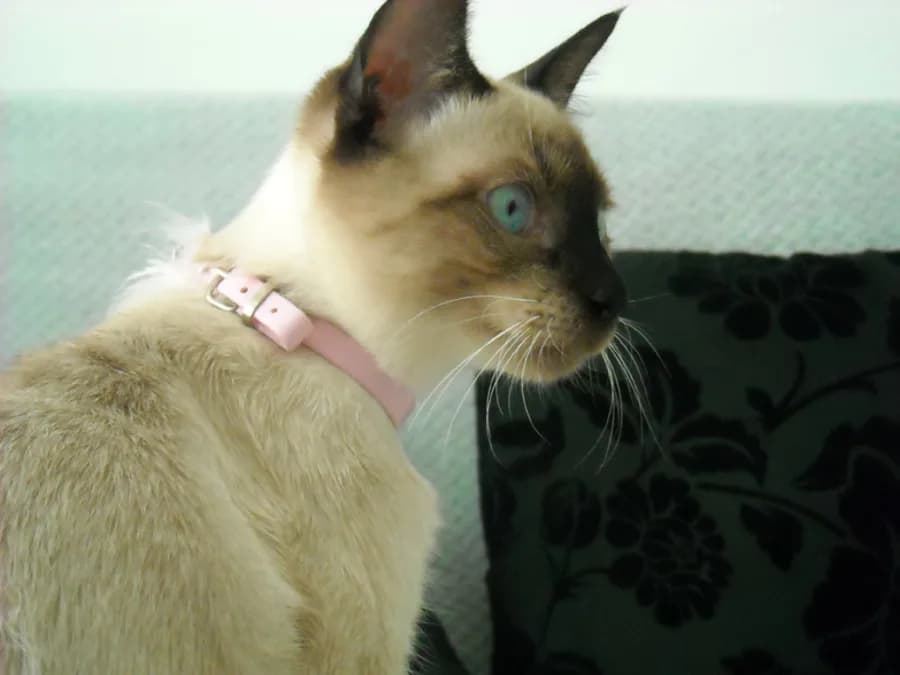
Seal point Thai cat in profile wearing a pink collar, blue eyes and a rounded head
Photo: Vicvx · CC BY-SA 4.0 · via Wikimedia Commons
 Vital stats
Origin
Thailand
's own words carry the identity: 'the living equivalent of the original Wichien-maat of ancient Siam and the marten-faced Siamese of early 20th century America and Europe.' The modern breed formalises the old-style Siamese. WCF granted championship status in 1990. TICA carries it as a Category II Natural Breed, and recognized it in 2017 (breed code THA, judged beside but separately from the Siamese). Wichien Maat means 'Moon Diamond', per two independent institutional sources.
Weight
Female
7-9 lb (3.2-4.1 kg)
Male
9-12 lb (4.1-5.4 kg)
Life expectancy
The 'late teens to early 20s' range ( and consumer sources) is a registry-and-consumer convention, labeled exactly that. No measured mortality study of this breed exists anywhere. The 16-20 band renders the convention; nothing in it is a measurement.
Coats
Seal point
Blue point
Tabby point (FIFe-recognized)
Lilac (GCCF's TAI only)
Which Thai? The international breed (//WCF) wears the full classic pointed spectrum. TICA's standard literally says COLORS: All, and FIFe's current standard recognizes a materially wide range including tabby points. 's different, Korat-descended Thai comes in exactly three: Thai Blue Point, Thai Lilac, Thai Lilac Point. The split is the single most important fact on this page, and every color claim carries its registry.
Understanding the coats (and their genetics)Size
TICA's box: females 7-9 lb (3.2-4.1 kg), males 9-12 lb (4.1-5.4 kg), registry-stated heavier than the modern Siamese at both female ends and the male floor. One honest sentence the standards themselves supply: no formal judged standard (TICA, FIFe, or GCCF's Thai SOP) gives a numeric weight at all. All three converge on the qualitative 'heavier than it looks'. No measured weight study exists.
Did you know
Wichien Maat, the breed's ancient Thai name, means 'Moon Diamond'. And the word 'applehead', which half the internet uses for this cat, appears in NO registry standard. 's own page calls it a colloquial American nickname, and both TICA's and 's standards describe a modified WEDGE.
 Personality
 Affection5/5
 Energy4/5
 Intelligence5/5
 Friendliness4/5
 Independence1/5
 Vocal5/5
 Shedding2/5
Compatibility
 Good with children4/5
 Good with other pets4/5
 Apartment friendly4/5
Editorial ratings on our five-point scale, anchored in the registry descriptions and the measured behaviour studies cited on this profile; individual cats vary, and our members' own ratings below are the counterweight.
Still torn between this breed and another?Compare the Thai trait by trait, or filter every breed by what matters to you. What our members say
What our members say
Nobody has described their Thai here yet. As soon as the first profiles come in, this is where the community averages will show up: temperament, food, lifestyle.
Describe my Thai Pros & cons
Strong points
- The old-style Siamese with its own registrations, standards and (registry-stated) sturdier build
- A rare measured POSITIVE population finding: lower kinship and inbreeding than the modern Siamese, no depression signs (Pistorius 2021)
- TICA's strongest easy-care coat language on our whole site: 'no grooming needed'
- The richest registry temperament quote in our files, and it is accurate: emotionally high-maintenance, gloriously so
Things to consider
- The name means two different cats: GCCF's UK 'Thai' is Korat-descended, and mixing the two files is the breed's number-one error
- Genuinely poor at solitude, per every source on both sides of the lineage split
- No measured weight, lifespan or behaviour study exists for the breed itself
- No Canadian or Australian cattery markets under the name: import or 'traditional Siamese' territory
 Is a Thai right for you?
A household that wants the classic Siamese temperament in the old rounded-wedge body. One that is home enough for a cat that does not do alone, and reads paperwork carefully enough to know which Thai it is buying.
Is the Thai right for YOUR home?
Answer a few questions and we'll email you your personalized result.
Take the quiz · 2 min Getting to know the Thai
'Thai cat' names two different cats, and this page never blurs them. The breed the world searches for (and the one this profile leads with, per its own search behaviour) is the internationally recognized, SIAMESE-descended Thai: 's Category II Natural Breed, 's THA (2017), WCF's championship breed since 1990, the old-style Wichien Maat formalised. Britain's recognizes a 'Thai' too, and states plainly in its own materials that it is a DIFFERENT population. Korat-descended, three colors, managed as one genetic unit with the Korat, with its own DNA-testing regime. Every figure on this page carries its population label, because a GCCF number quoted against a TICA cat is simply wrong.
The old style, precisely: registry-stated heavier than the modern Siamese ('s own boxes). A modified WEDGE head (no standard anywhere says 'apple': the nickname is colloquial, per TICA's own page). A tail as long as the body ('s words, against a circulating shorter-tail claim we checked and corrected). And a slight documented undercoat the Siamese lacks. Our full comparison does the two-breed work properly.
The health story splits by population, honestly told. 's Korat-lineage Thai carries a real, admirable DNA regime (GM1/GM2 tested clear across the UK population since 1998; an atherosclerosis test active since September 2025), which describes THAT population only. The international breed's one measured finding is quietly excellent: markedly lower kinship and inbreeding than the modern Siamese, with no signs of inbreeding depression (Pistorius & Blokker 2021). A Blue-Point-specific squint note in GCCF's own breeding policy stays scoped to that variant. Prices run $750-2,000 at five named US catteries. Canada and Australia have no catteries under the name at all: a market-structure finding, not a gap.
 Health: what to watch for
A few predispositions are well documented. The good news: they can be screened for or avoided by choosing a reputable breeder and keeping an eye on the right signals.
This is information, not veterinary advice, and it cannot tell you what is wrong with your cat. Our rule is a simple one: if something is wrong with your cat, call your vet, and call an emergency clinic if it is out of hours. Nothing you read here is a reason to wait.
The population split, as the first health fact
LOWBefore any figure: 'Thai' names two populations, and their health files do not mix. GCCF's Korat-descended Thai carries that lineage's DNA regime. The international Siamese-descended breed has its own (thinner, quietly positive) file. Every claim below says which cat it describes, and any page that does not is guessing.
The international breed's one measured finding, and it is good news
LOWPistorius & Blokker 2021 measured the European Thai population against the modern Siamese it descends from. It found markedly lower kinship and inbreeding, with 'no signs of inbreeding depression': a rare, real, positive population-genetics result. What it is NOT: the same paper's casual 'essentially free of disease' framing sentence, which is not a measured finding and is not repeated here. Routine care and a vet at anything abnormal remain the plan.
GCCF's Thai (TAI): the Korat lineage's DNA regime, scoped to that population
MODERATEGCCF's Korat-and-Thai unit runs one of the fancy's tightest testing programs. GM1/GM2 gangliosidosis: tested clear across the whole UK population since 1998. A genetic test for the lineage's atherosclerosis concern: active since September 2025, an ongoing eradication effort. These facts describe GCCF's Korat-descended TAI population ONLY, and never generalise to 'Thai cats'. A UK buyer's question writes itself: which Thai, and where are the parents' certificates?
One variant-scoped note: squints in the Thai Blue Point
LOWGCCF's own Breeding Policy carries a note on squints and nystagmus specifically in the Thai Blue Point variant of its own population, scoped to that color, and reproduced here at exactly that scope. Eye alignment or movement changes in any cat are a vet visit, not a breed trait to wait out.
Go deeper on health
Prevention, warning symptoms, costs and insurance: our guides, researched and sourced.
Also worth a look
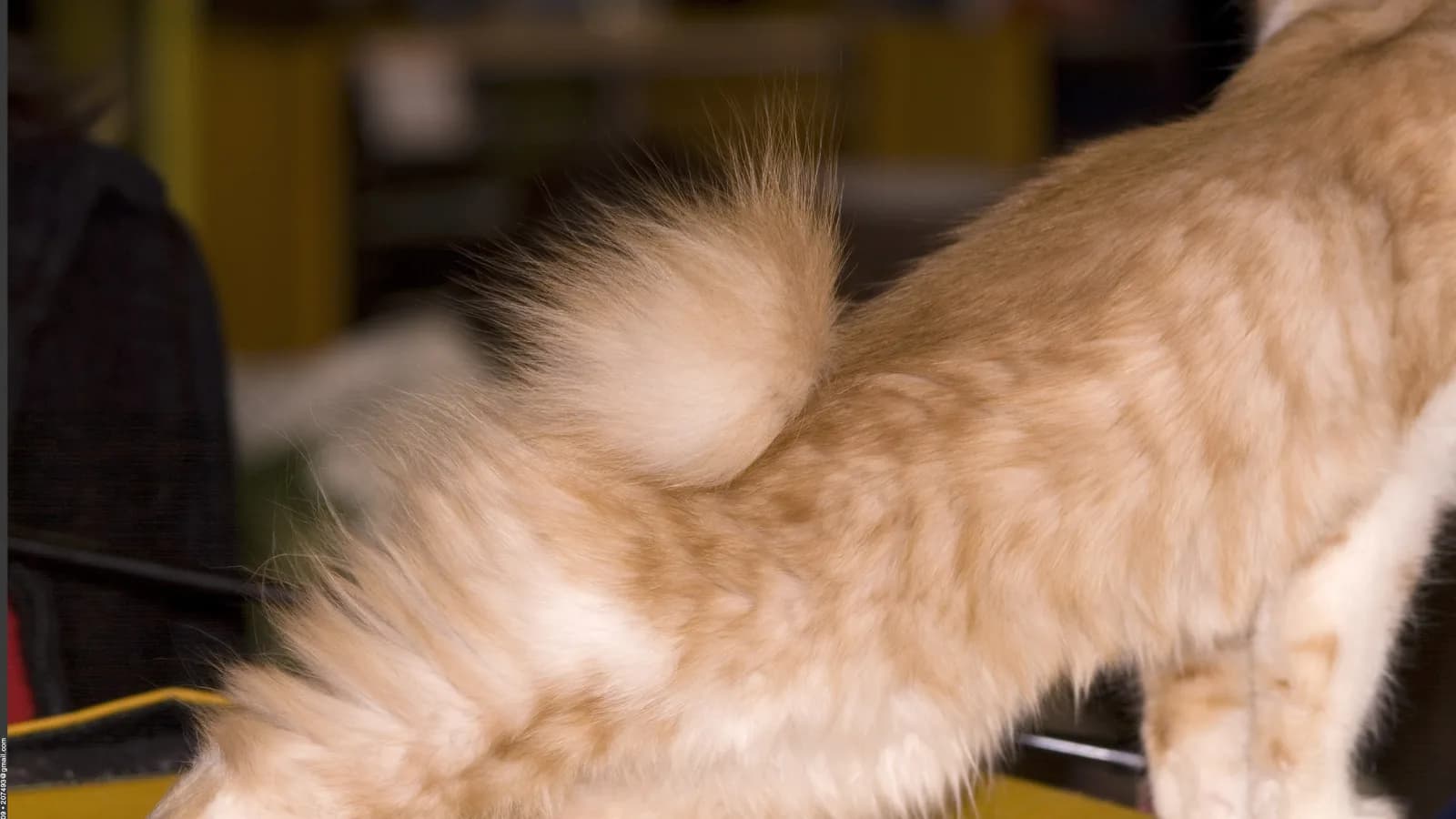
Kurilian Bobtail
“The Kuril Islands' pom-tailed native, every tail its own fingerprint”
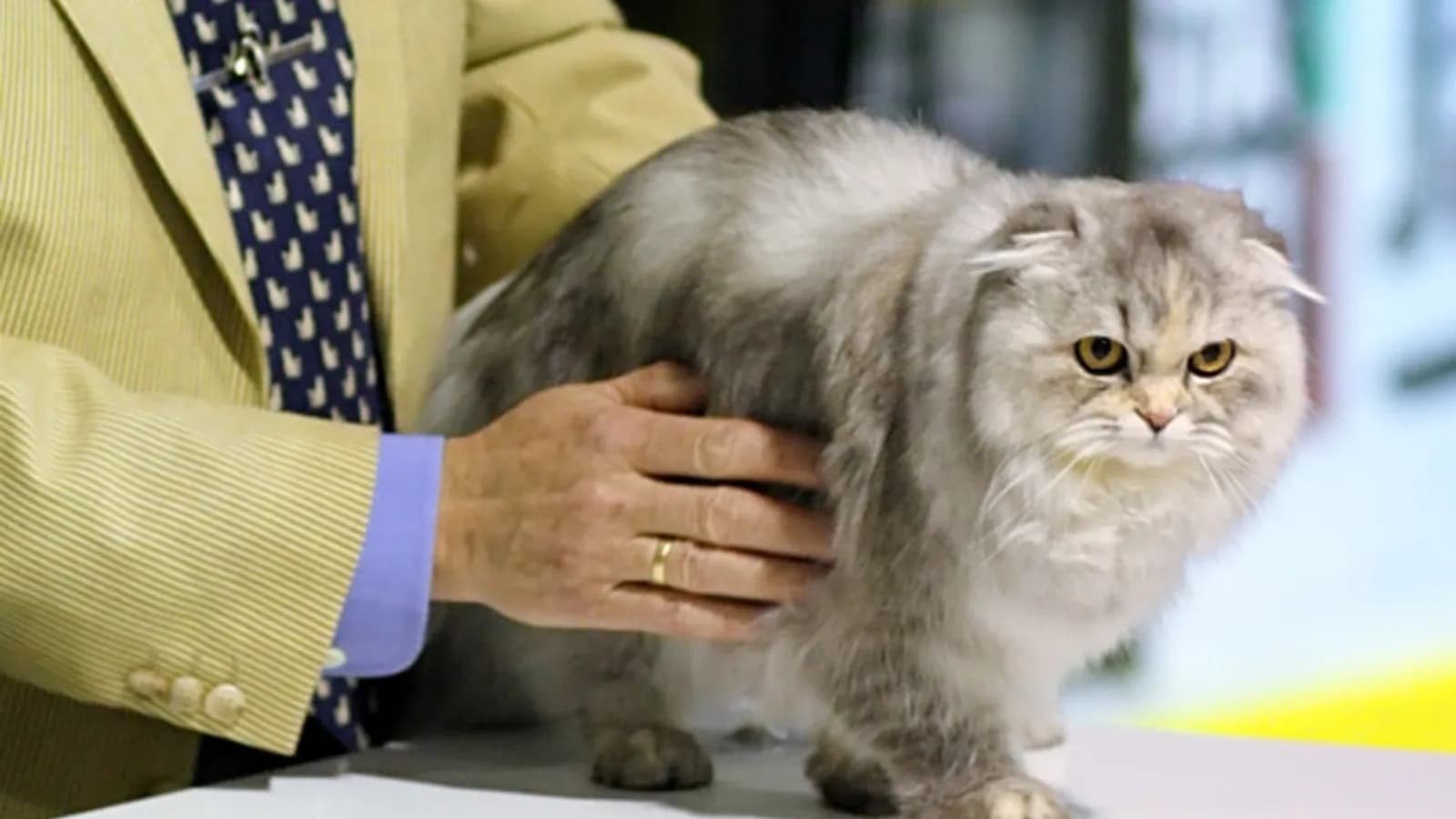
Highland Fold
“The longhair Scottish Fold: a market name no registry currently uses”
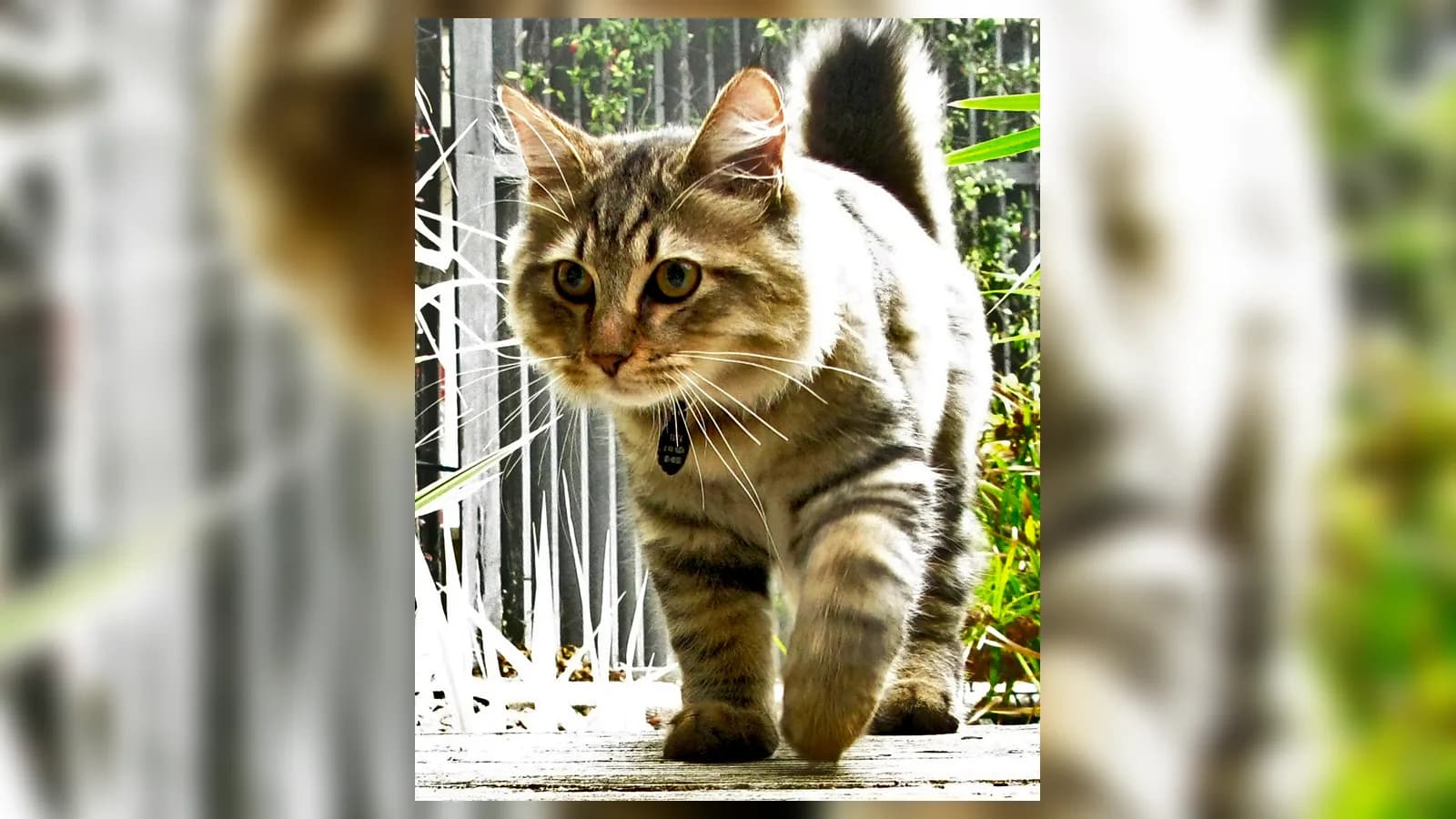
American Bobtail
“America's own wild-look bobtail: every color allowed, no bobcat required”

American Wirehair
“The rarest CFA breed: one springy coat gene on an American Shorthair”
 Grooming & living with one
Grooming
's own words are the strongest easy-care language on this site: 'no grooming needed... capable of maintaining its own coat and bathing itself'. The one honest caveat: the breed carries a documented slight undercoat (unlike the Siamese), so a weekly hand-groom or soft brush in shedding season is realistic. One scope line for readers landing here from a grooming search: 's UK Thai is a different, Korat-descended cat with its own silver-tipped single coat. This section describes the international breed.
Living together
People-glued, vocal, busy, fine with children and cat-friendly dogs by its registry portrait. And emphatically not a leave-alone-all-day cat: eight independent sources converge on that one caution. As always, the portrait is prose, not measurement.
 Food & diet
's Nutrition tab for this breed is genuinely its own (not the Siamese page's). Three meals a day for kittens three to eight months, twice-daily for adults, and a named caution against free-feeding dry food. TICA ties health to weight explicitly ('generally a very healthy breed as long as they stay within their recommended ideal weight'). The practical tool is Body Condition Score with your vet, never a fixed number.
 Price & budget
$750 to 2,000
Price of a kitten from a registered breeder, in the United States
This price reflects the quality of the breeding program: parents' health tests, registry pedigree, socialization. A very low price should raise a red flag. The real cost, though, plays out over the years.
Find a verified breederKitten price, by market
United States
$750 to 2,000
United Kingdom
£500
Each figure is that country's real market price, researched separately, not a conversion of the others. The smaller line is only there so you can gauge one against your own money: European Central Bank reference rates of 2026-09-18, refreshed daily.
Work out your food budget
Type of food
Estimated monthly budget
$14
≈ 2.4 oz (68 g) per day
A ballpark figure, food only, using the same arithmetic as our portion tool (resting energy requirement × 1.2, a neutered adult). Real needs vary with age, activity level and body condition. Ask your veterinarian for advice.
 Verified catteriesThe registry-checked directory, plus a kitten alert near you. Filter it by breed.
 Should you insure a Thai?
Our sources list several predispositions in the Thai: The population split, as the first health fact, The international breed's one measured finding, and it is good news, GCCF's Thai (TAI): the Korat lineage's DNA regime, scoped to that population, among others. A predisposition is not a foregone conclusion, and many of these cats live their whole lives without ever developing anything. It does change the nature of the follow-up, though: you monitor, sometimes for life, and it's that monitoring that weighs on a budget, more than a one-off accident.
One thing to weigh before deciding: this is a cat you will live alongside for well over a decade, and that is the span the real cost is spread across, premiums and care alike. Where a breed has a measured life expectancy that differs from the figure usually quoted, we say so in the lifespan section above rather than repeating the quoted one here.
 Thai cats in our community
No Thai here yet
Got one? Add a photo and yours gets to open this page.
 The vet's take

Veterinary review
Are you a vet?
Your professional read belongs here: every verified practitioner can leave a note, published once our editors have reviewed it.
Sign in and get your license number verified. We check it in the public register, we never ask for or keep a copy of your diploma, and your number is never published.
 Frequently asked questions
+Is a Thai cat the same as a Siamese?
No: TICA and FIFe recognize the Thai as its own breed, the old-style Siamese formalised, heavier by the registries' own boxes and rounder of wedge, with the Siamese as its only permitted outcross. CFA and Canada's CCA-AFC recognize only the Siamese.
+Is a Thai cat an applehead Siamese?
Same tradition, different formality: 'applehead' is a colloquial nickname (TICA's own page says so; no standard uses the word), while the Thai is a registered breed described as a modified wedge. Our Siamese silo's traditional-vs-modern page tells the fuller story.
+Why does GCCF's Thai look so different?
Because it IS different: GCCF's 'Thai' is a Korat-descended population (three colors: Blue Point, Lilac, Lilac Point), managed jointly with the Korat, and GCCF's own page says plainly it is not the Siamese-descended breed TICA and FIFe recognize. Two cats, one name, and every figure needs its label.
+What does Wichien Maat mean?
'Moon Diamond', per two independent institutional sources: the ancient Thai name for the pointed cat of Siam that both the Siamese and the Thai descend from.
+How much does a Thai cat cost?
US: $750-2,000 across five named TICA-registered catteries. UK: a single evergreen 'upwards of £500' figure. Canada and Australia: no cattery markets under the name at all, a real market-structure finding: the route is import or the 'traditional Siamese' breeders who use that name instead.
+How long do Thai cats live?
The convention says late teens to early twenties, and it is a convention: no measured mortality study of the breed exists anywhere. The one measured population finding (low inbreeding, no depression signs) is encouraging context, not a lifespan number.
+Are Thai cats healthy?
The international breed's file is thin and quietly positive: the 2021 population study found low kinship and inbreeding with no depression signs, and no breed-specific condition is documented. GCCF's different Thai carries its own Korat-lineage DNA regime. Anything wrong with your cat means call your vet.
+Are Thai cats vocal?
Famously: vocal and chatty is one of the three traits every source on both sides of the lineage split states independently, and TICA's own line about living with small children is the honest summary. A quiet home should choose another breed.
+Can Thai cats be left alone?
Poorly: eight independent sources converge on exactly this caution. Plan for company, a companion animal, or a household where someone is usually home.
+Do Thai cats shed?
Lightly: the coat is short, silky and close-lying, and TICA's own care language is the strongest 'no grooming needed' on our site. The one structural note: a slight documented undercoat (unlike the Siamese), so shedding season justifies a weekly hand-groom.
 Community questions
Got a question this page doesn't cover? Ask it: the best ones get published here with their answer.
Sources & references
Data checked against reference sources (TICA and CFA standards, genetics laboratories, veterinary schools).
- TICA: Thai breed page
- FIFe: Thai breed standard PDF (THA)
- GCCF: Thai breed page (the different, Korat-descended population)
- GCCF: Korat & Thai Breeding Policy PDF (the DNA regime; the Blue-Point note)
- Pistorius & Blokker 2021, Genet Sel Evol: the population-genetics finding (PMID 33407084)
- Saengdao Cattery (NY): published pricing
- CloudCity Cattery (CO): terms and pricing

Worth keeping a paw on
Pin this profile
To compare later, or to show someone still torn between two breeds. One click and it sits in your board.
Pin it on Pinterest
 Purr or Pass
Still deciding? Find the perfect breed for your home.
A quick quiz that factors in your lifestyle, your kids and your other pets.
Which breed fits my home?Keep exploring
The floor belongs to our members. Keep it kind, links are not allowed, and images go through moderation before anyone else sees them.