

Singapura
“The Kucinta, Singapore's 'love cat', and one of the smallest breeds alive”
 By Priya · The careful one
Published August 21, 2026Updated August 26, 20268 min read
Contents
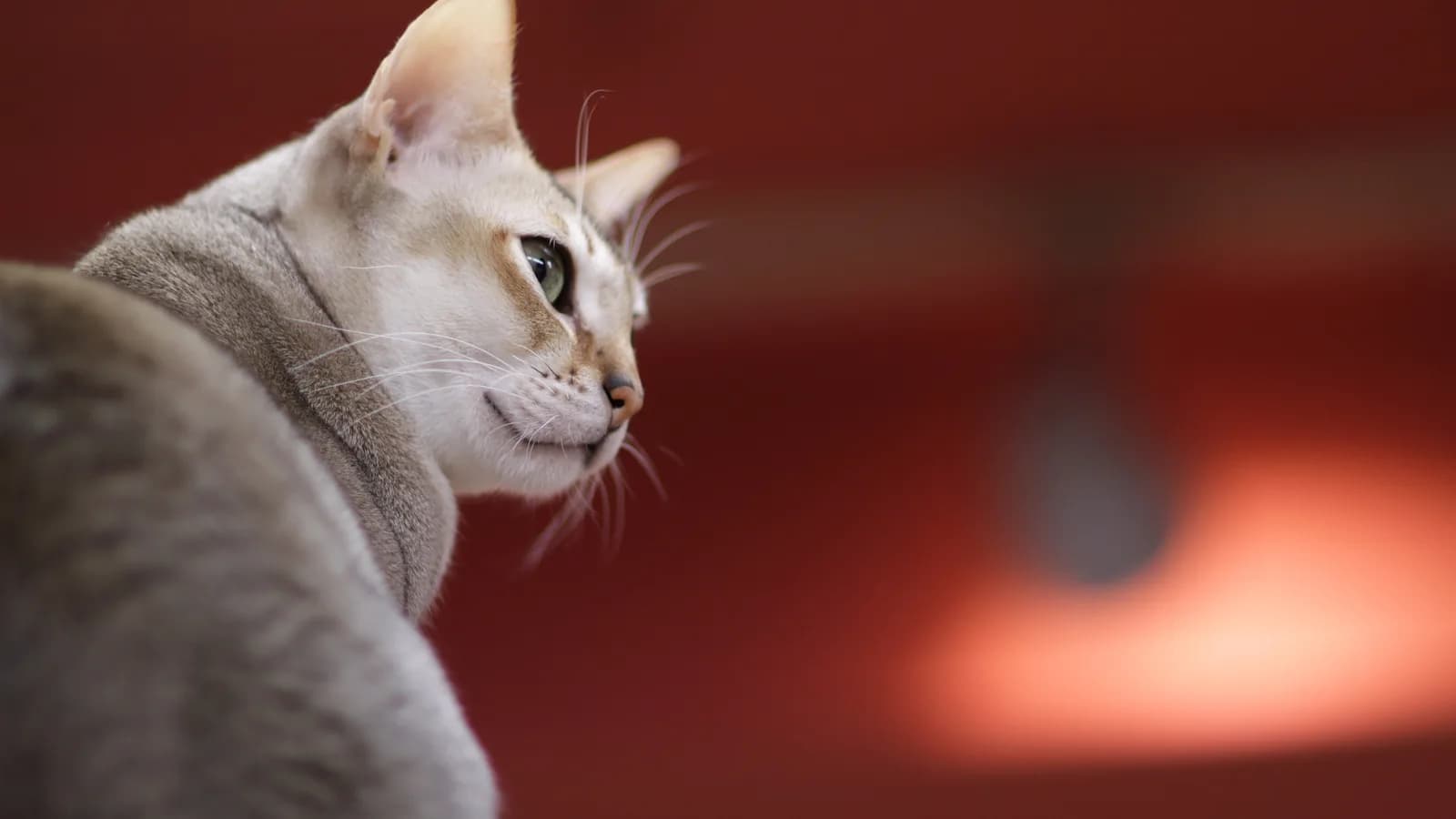
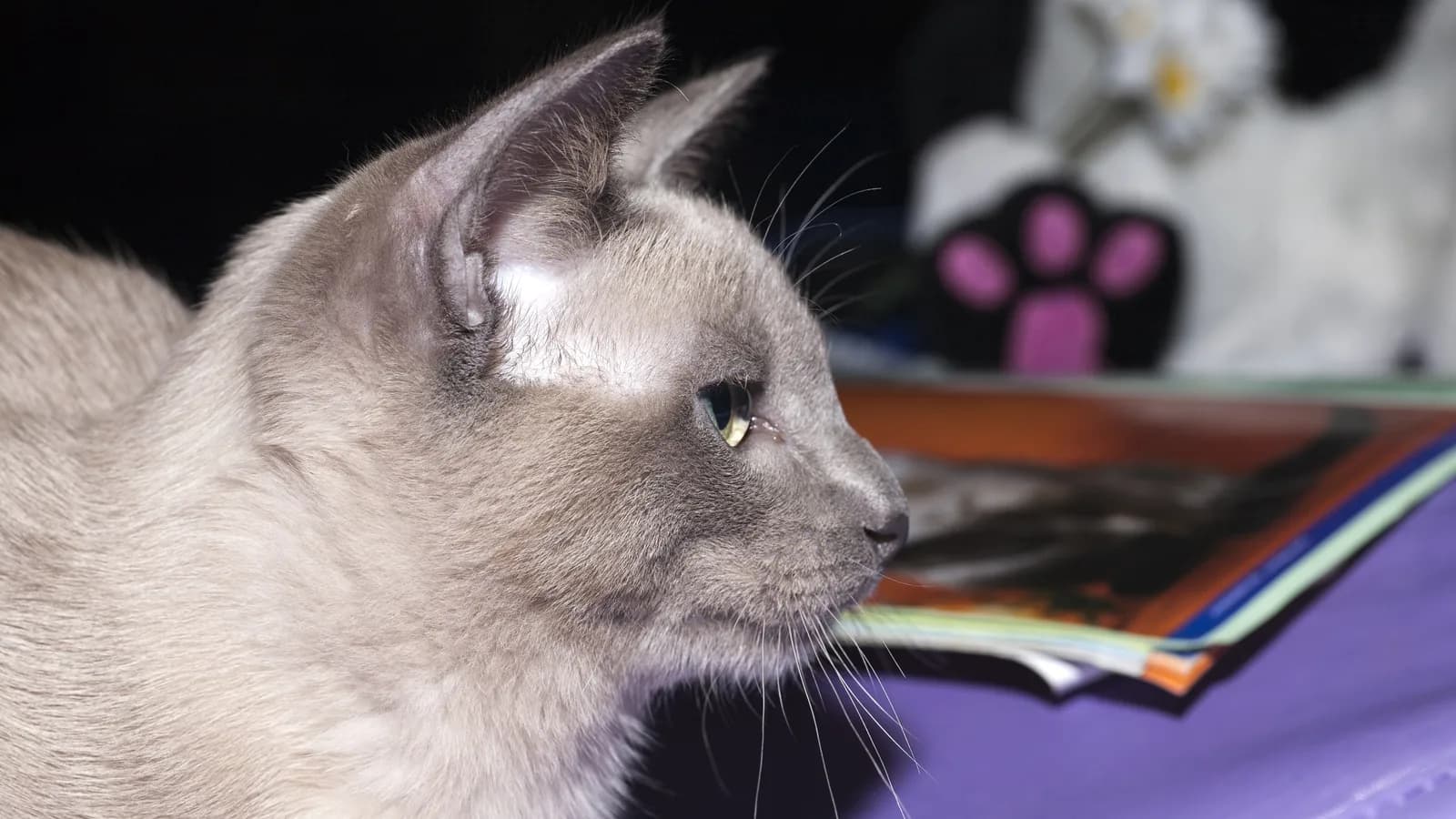
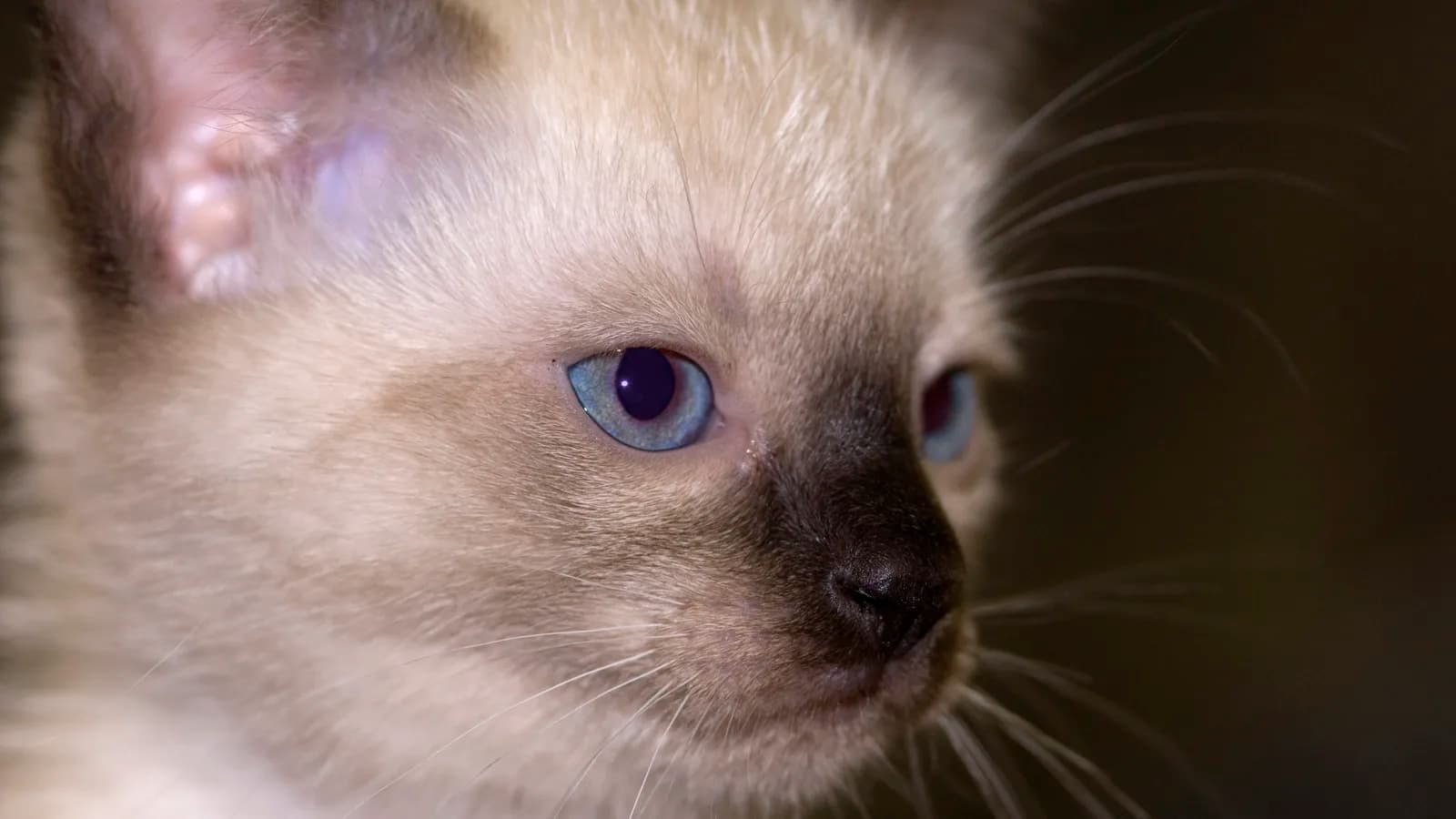
 Singapura photos
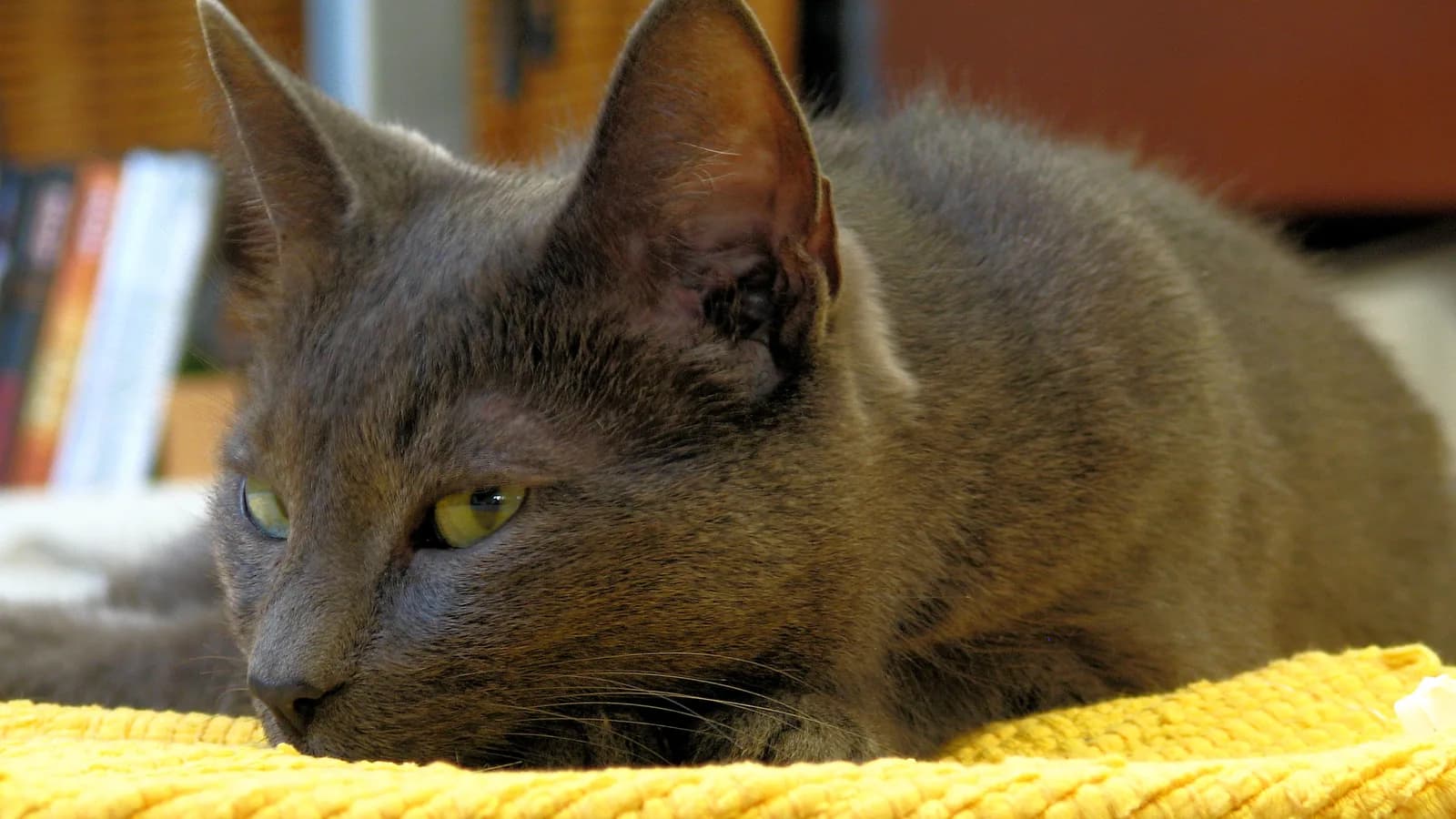
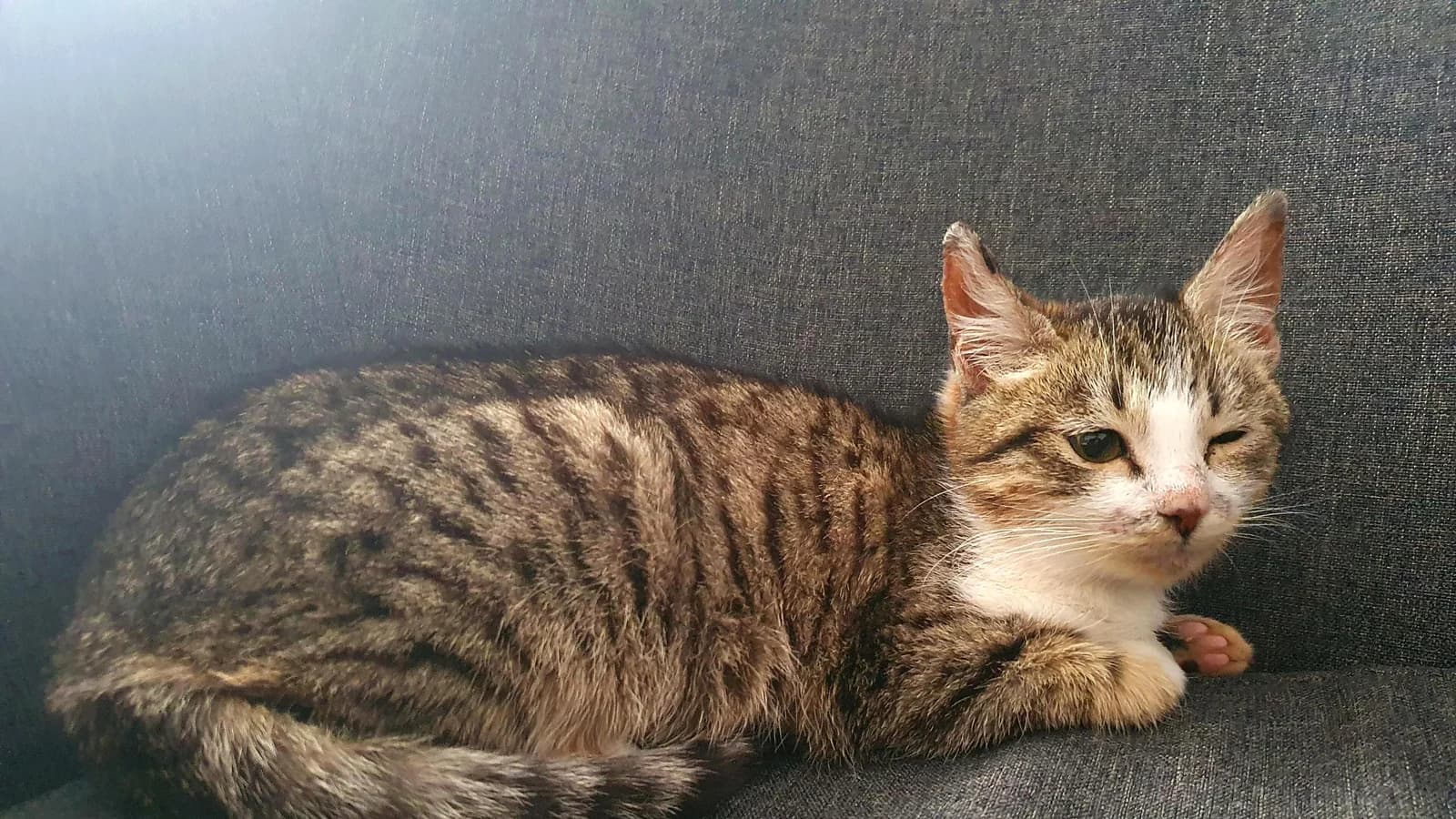
Real photos, so you can see what the breed actually looks like: coats, ear tufts, ruff and build.
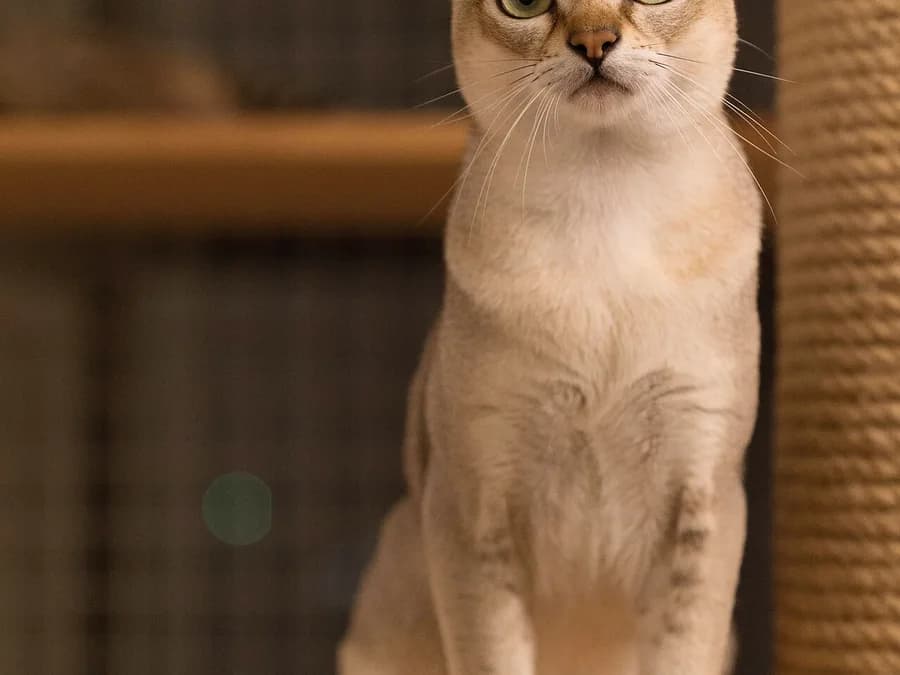
Small ivory Singapura cat sitting upright by a scratching post, low angle looking down
Photo: Straits Singapuras · CC BY-SA 4.0 · via Wikimedia Commons
 Vital stats
Origin
Singapore
Officially: Hal and Tommy Meadow's foundation cats from 1970s Singapore, -registered as a natural breed in 1981. Actually: the most openly contested origin story in the fancy, and CFA's own hosted articles tell it. Import records surfaced in 1990, showing the Meadows' three foundation cats had travelled TO Singapore from the US in 1974. Tommy Meadow, interviewed by the Straits Times in 1990, is directly quoted saying 'I had to make up a story'.
Her revised account (grandchildren of four undocumented 1971 boat cats) is what Hal Meadow told the Board on 9-10 February 1991. The Board found 'no probable cause for wrongdoing' and kept the natural-breed status. CFA's own 2006 article says the controversy 'seems to continue within CFA even today'. One documented Singapore cat stands apart from all of it: Chiko, found at the Singapore SPCA in 1980 and imported by Barbara Gilbertson, sits behind many pedigrees regardless of how the founding story resolves. Every sentence above is its named source's, not ours.
Weight
Female
4-6 lb (1.8-2.7 kg)
Male
6-8 lb (2.7-3.6 kg)
Life expectancy
No measured lifespan study exists anywhere, checked against five mortality datasets across three countries. The absence is explained by the breed's genuinely small population. The registry estimates, each attributed and never averaged: 11-18 years, about 9-15, Purina UK 11-15, none. The 9-18 span covers the claims; nothing here is a measurement.
Coats
Sepia agouti (the only color)
Warm ivory ground
One color, everywhere. writes 'Sable Ticked ONLY'. , and write 'Sepia Agouti', writes 'sepia brown ticking', and no registry accepts anything else (GCCF's 2013 outcross program is the one gene-pool opening). That single fact, explained once, is the whole color story: there are no color pages to build, because there are no colors to compare.
Understanding the coats (and their genetics)Size
Roughly 4-8 lb (1.8-3.6 kg), females toward the low end, males toward the high end, with TICA and GCCF the two closest-agreeing sources. Full size is not reached until nearly two years old (doubly sourced). 'The smallest breed of cat' is the breed's own framing: TICA and GCCF use it unhedged, CFA hedges to 'one of the smallest', and we attribute rather than adopt it. One correction: the widely repeated Guinness 'smallest pedigreed cat' title does not match what Guinness's own site currently shows (its individual smallest-cat titles name a Himalayan-Persian and a Munchkin). Measured population-level weight data is thin, and we say so.
Did you know
Singapore embraced the breed as the 'Kucinta', a coined blend of the Malay words for cat and love, and built a 1991 tourism campaign around it, statues on the Singapore River included. The 2026 twist, from the Straits Times: at a 110-cat -sanctioned expo held in Singapore itself, exactly ONE Singapura appeared. The national cat is now rare in its own nation.
 Personality
 Affection5/5
 Energy4/5
 Intelligence4/5
 Friendliness4/5
 Independence2/5
 Vocal2/5
 Shedding1/5
Compatibility
 Good with children4/5
 Good with other pets4/5
 Apartment friendly5/5
Editorial ratings on our five-point scale, anchored in the registry descriptions and the measured behaviour studies cited on this profile; individual cats vary, and our members' own ratings below are the counterweight.
Still torn between this breed and another?Compare the Singapura trait by trait, or filter every breed by what matters to you. What our members say
What our members say
Nobody has described their Singapura here yet. As soon as the first profiles come in, this is where the community averages will show up: temperament, food, lifestyle.
Describe my Singapura Pros & cons
Strong points
- One of the smallest cat breeds alive, with the registries' own words attributed rather than inflated
- The strongest low-maintenance coat consensus in our files: five independent registry documents
- An extroverted, people-glued 'helper' temperament three registries describe in converging terms
- A single color of quiet beauty: sepia ticking over warm ivory, everywhere in the world
Things to consider
- The hardest breed to buy in our research: multi-year waitlists, one UK listing, one AU breeder, zero in Canada
- Genetic diversity measured among the lowest of any breed, twice, 14 years apart
- PK deficiency runs in the breed, with a ninefold gap between biased and unbiased carrier figures worth understanding
- An origin story its own registry acknowledges as unresolved: read it attributed, on our page
 Is a Singapura right for you?
A patient household (the waitlist is measured in years) that wants a tiny, glued-to-you, low-maintenance companion. One that will ask breeders for PK-deficiency DNA results by name, and enjoys owning the breed with the fancy's most interesting origin story, told honestly.
Is the Singapura right for YOUR home?
Answer a few questions and we'll email you your personalized result.
Take the quiz · 2 min Getting to know the Singapura
Small is the brand, and the sourcing keeps it honest. Roughly 4-8 lb, full size near age two, and 'smallest breed of cat' printed only as its authors' claim. and say it unhedged, says 'one of the smallest', and Guinness's own current titles, contrary to a widely repeated line, name other cats. One color exists (sepia , everywhere). One coat (short, ticked, near-zero maintenance), and one temperament portrait three registries converge on.
The origin story is the fancy's most openly contested, and we tell it the way itself does: attributed, dated, unresolved. Import records. The 1990 'I had to make up a story' interview. The February 1991 Board finding of no probable cause. CFA's own 2006 admission that the controversy continues. And Chiko, the documented SPCA cat behind many pedigrees regardless. Singapore, for its part, named the breed the Kucinta and built a 1991 tourism campaign around it. By 2026, the Straits Times could find one Singapura at a 110-cat show in Singapore itself.
Health has one real file and one structural fact. PK deficiency is present in the breed, and the honest number depends on who was sampled: 23-41% in breeder-submitted samples against 4.4% in a broad unselected panel, a ninefold ascertainment gap we explain rather than average. And the gene pool is measurably tiny: lowest-of-22 diversity in 's 2007 study, second-lowest of 60 breeds by measured heterozygosity in 2022. Both together explain the market: two named US catteries, waitlists in years, and a Canadian zero.
 Health: what to watch for
A few predispositions are well documented. The good news: they can be screened for or avoided by choosing a reputable breeder and keeping an eye on the right signals.
This is information, not veterinary advice, and it cannot tell you what is wrong with your cat. Our rule is a simple one: if something is wrong with your cat, call your vet, and call an emergency clinic if it is out of hours. Nothing you read here is a reason to wait.
PK deficiency: real, testable, and a lesson in who gets sampled
MODERATEErythrocyte pyruvate kinase deficiency runs in the breed, and the carrier figure depends entirely on the sample: 23-41% in breeder-submitted samples (Grahn 2012) against 4.4% in a broad, unselected panel (Anderson 2022). That is a roughly ninefold ascertainment-bias gap, and we print it as the finding it is rather than averaging. The DNA test is commercial and cheap: ask any breeder for both parents' results by name. A lethargic, pale or off-color cat of any breed means call your vet.
A measurably tiny gene pool, twice documented
MODERATETwo independent measurements 14 years apart agree. GCCF's own 2007 study called the Singapura's genetic diversity the least of the 22 breeds studied, and Anderson 2022 measured 20.3% median heterozygosity, second-lowest of 60 breeds tested. That is the structural backdrop to the breed's tiny litters, long waitlists and GCCF's 2013 outcross program. It makes breeder transparency about lines and testing more important here than for almost any breed we cover.
What is NOT documented, stated because absence is data
LOWNo hereditary disease was first identified in this breed. No measured lifespan study exists anywhere (five mortality datasets checked), and no measured behaviour study includes it. A small population produces thin science, not proof of robustness. Routine care and a vet call at anything abnormal remain the whole plan, and the registries' own healthy-breed prose is quoted only as prose.
Go deeper on health
Prevention, warning symptoms, costs and insurance: our guides, researched and sourced.
 Grooming & living with one
Grooming
Minimal, not none. The very short ticked coat needs little, and and both frame weekly brushing as bonding rather than chore. Routine nails, teeth and ears complete the whole routine. The strongest coat-care consensus in our files: five independent registry documents agree.
Living together
The registry portrait is a sociable, curious cat that supervises households rather than tolerating them, good with gentle children and other pets. A cat this people-glued does poorly alone for long days. No measured study exists behind any of this, and every individual is its own case.
 Food & diet
's own guidance for the breed leans high-protein and names raw feeding approvingly. We print it beside what it omits, per our standing rule. documents real, evidence-based risks in raw diets (pathogens for cats and humans, nutritional balance), and a raw decision is a vet conversation, not a registry footnote. A complete diet portioned by body condition covers this tiny breed's actual needs.
 Price & budget
$2,775 to 4,000
Price of a kitten from a registered breeder, in the United States
This price reflects the quality of the breeding program: parents' health tests, registry pedigree, socialization. A very low price should raise a red flag. The real cost, though, plays out over the years.
Find a verified breederKitten price, by market
United States
$2,775 to 4,000
United Kingdom
£1,450
Australia
A$3,300
Each figure is that country's real market price, researched separately, not a conversion of the others. The smaller line is only there so you can gauge one against your own money: European Central Bank reference rates of 2026-09-18, refreshed daily.
Work out your food budget
Type of food
Estimated monthly budget
$8.82
≈ 1.6 oz (44 g) per day
A ballpark figure, food only, using the same arithmetic as our portion tool (resting energy requirement × 1.2, a neutered adult). Real needs vary with age, activity level and body condition. Ask your veterinarian for advice.
 Verified catteriesThe registry-checked directory, plus a kitten alert near you. Filter it by breed.
 Should you insure a Singapura?
Our sources list several predispositions in the Singapura: PK deficiency: real, testable, and a lesson in who gets sampled, A measurably tiny gene pool, twice documented, What is NOT documented, stated because absence is data. A predisposition is not a foregone conclusion, and many of these cats live their whole lives without ever developing anything. It does change the nature of the follow-up, though: you monitor, sometimes for life, and it's that monitoring that weighs on a budget, more than a one-off accident.
One thing to weigh before deciding: this is a cat you will live alongside for well over a decade, and that is the span the real cost is spread across, premiums and care alike. Where a breed has a measured life expectancy that differs from the figure usually quoted, we say so in the lifespan section above rather than repeating the quoted one here.
 Singapura cats in our community
No Singapura here yet
Got one? Add a photo and yours gets to open this page.
 The vet's take

Veterinary review
Are you a vet?
Your professional read belongs here: every verified practitioner can leave a note, published once our editors have reviewed it.
Sign in and get your license number verified. We check it in the public register, we never ask for or keep a copy of your diploma, and your number is never published.
 Frequently asked questions
+What is a Singapura cat?
One of the smallest cat breeds alive: a 4-8 lb sepia-ticked cat with a huge-eyed face, an extroverted helper temperament, and Singapore's Kucinta ('love cat') branding, recognized across the major registries in its single color.
+Is the Singapura really the smallest cat breed?
That is the breed's own framing, and we attribute it: TICA and GCCF say smallest unhedged, CFA says 'one of the smallest'. The widely repeated Guinness title does not match what Guinness's own site currently shows, a correction we print plainly.
+Is the Singapura really from Singapore?
The honest answer is the controversy itself, and CFA's own articles tell it: import records contradicted the founding drain-cats story, the co-founder is on record (Straits Times, 1990) saying she made the story up, the CFA Board found no probable cause for wrongdoing in 1991, and CFA wrote in 2006 that the controversy continues internally. One documented SPCA cat from Singapore, Chiko, stands behind many pedigrees regardless.
+How much does a Singapura cost?
US: $2,775 to $4,000 at the two named catteries (different bundles), with multi-year waitlists. UK: the one live listing ran £1,450. Australia: A$3,300 at the only active breeder. Canada: no source exists. Our price page carries every detail and the teacup caution.
+What colors do Singapuras come in?
One, everywhere: sepia agouti (sable ticked), warm ivory ground with dark ticking, the only color any registry accepts. That is the whole color story, and it is why there is no color page to build.
+How long do Singapura cats live?
Nobody has measured it: no lifespan study includes the breed, an absence explained by its tiny population. The registry estimates, attributed: TICA 11-18 years, GCCF about 9-15, Purina UK 11-15.
+Are Singapura cats healthy?
The file is short and honest: PK deficiency is real and DNA-testable (ask for both parents' results), the gene pool is measurably among the smallest of any breed, and nothing else is documented, which reflects the population's size, not proven robustness. Anything wrong with your cat means call your vet.
+Are Singapura cats hypoallergenic?
No cat is, and no registry claims it for this breed. The very short coat sheds little, which changes housework, not allergens, which are glandular. Meet the specific cat and involve your allergist first.
+What is a Kucinta?
Singapore's name for the Singapura: a coined blend of the Malay words for cat (kucing) and love (cinta), used in the country's 1991 tourism campaign, statues on the Singapore River included. Same breed, national-mascot branding.
+Singapura vs Burmese or Abyssinian: which is which?
Size is the fastest tell: the Singapura's 4-8 lb sits well under the Burmese's registry weights, and its ticked coat comes in one color where the Abyssinian's comes in four to eight depending on registry. DNA reporting also places the breed genetically close to the American Burmese, per the Straits Times' 2026 account of unnamed studies, which we pass along at exactly that secondhand weight.
+Why is my Singapura still small at one year old?
By design and by documentation: the breed reaches full size at nearly two years old, a growth note TICA and GCCF both publish. A one-year-old at 4-5 lb is on schedule, and any weight-loss or appetite concern is a vet question, not a breed quirk.
 Community questions
Got a question this page doesn't cover? Ask it: the best ones get published here with their answer.
Sources & references
Data checked against reference sources (TICA and CFA standards, genetics laboratories, veterinary schools).
- CFA: Singapura breed page
- TICA: Singapura breed page
- GCCF: Singapura breed page
- The Straits Times, 28 June 2026: 'Small cat, big myth: The curious case of the Singapura'
- Grahn et al. 2012, BMC Vet Res: PK deficiency in breeder-submitted samples (PMID 23110753)
- Anderson et al. 2022, PLoS Genet: the unselected-panel PK figure and the measured heterozygosity (PMID 35709088)
- Asiatica Cattery: availability
- Singville Cattery: kitten adoption

Worth keeping a paw on
Pin this profile
To compare later, or to show someone still torn between two breeds. One click and it sits in your board.
Pin it on Pinterest
 Purr or Pass
Still deciding? Find the perfect breed for your home.
A quick quiz that factors in your lifestyle, your kids and your other pets.
Which breed fits my home?Keep exploring
The floor belongs to our members. Keep it kind, links are not allowed, and images go through moderation before anyone else sees them.