

Birman
“The Sacred Cat of Burma (the legend, told honestly)”
 By Priya · The careful one
Published August 21, 2026Updated August 26, 20269 min read
Contents
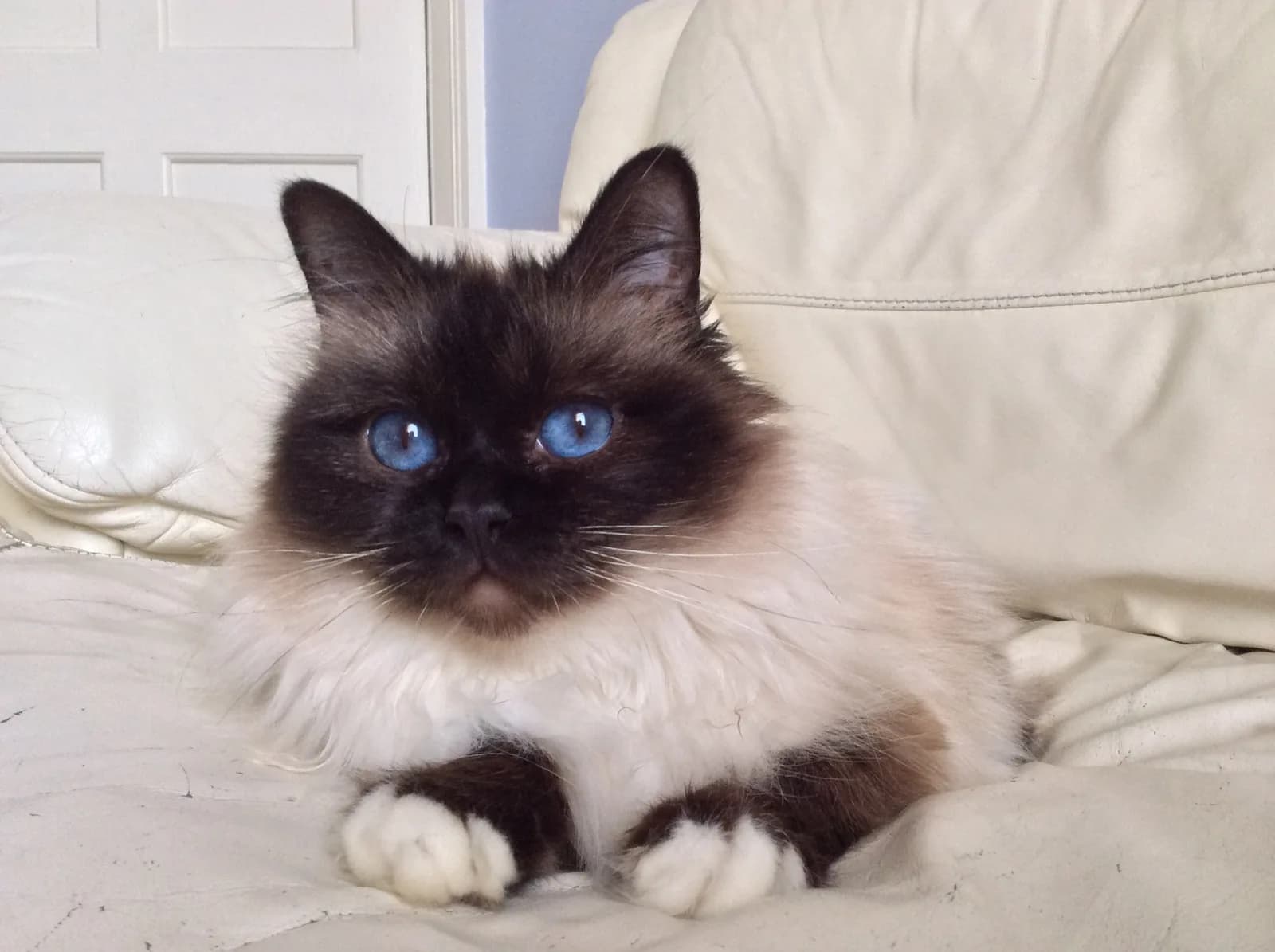
 Birman photos
Real photos, so you can see what the breed actually looks like: coats, ear tufts, ruff and build.
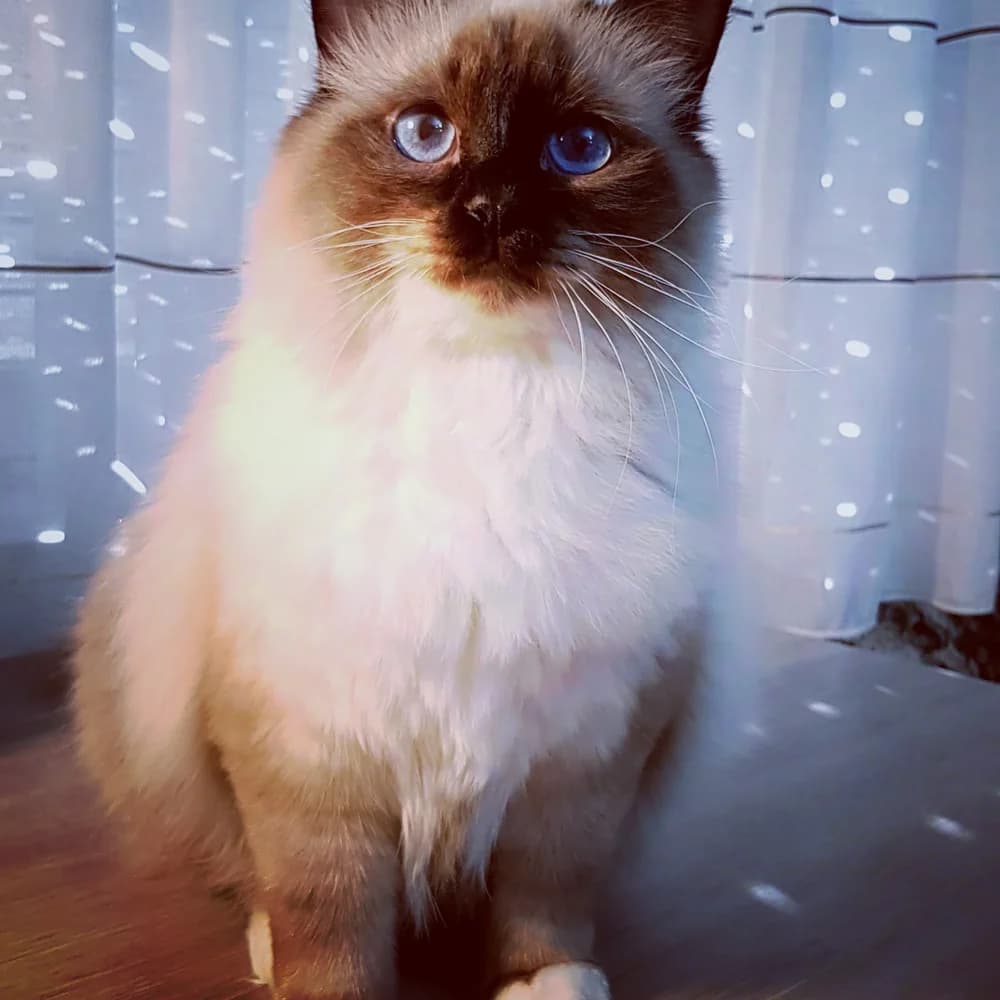
Seal point Birman face with deep blue eyes
Photo: Drvoriba · CC BY-SA 4.0 · via Wikimedia Commons
 Vital stats
Origin
France
France, 1920s, from an imported pair. The account two registries independently tell has the first Birmans reaching France around 1919, as a gift involving Auguste Pavie and Major Gordon Russell. 's own longer article adds the cats' names: Madalpour (the male, lost in transit) and Sita (the surviving female).
Origins are genuinely disputed (Canada's registry says so outright, and 's own article tells a rival smuggling story it declines to adjudicate), and we say so rather than pick. One myth corrected: the widely repeated founding pair 'Poupee and Orloff' appears in NO primary source. Poupee was a kitten of Sita's. Orloff belongs to the WWII survivor pair (Orloff and Xenia de Kaabaa, 1945), from which the modern breed was rebuilt via Persian and Siamese outcrossing.
Weight
Female
6-10 lb (2.7-4.5 kg)
Male
10-15 lb (4.5-6.8 kg)
Life expectancy
The Birman sits at or near the TOP of every UK measured table we hold. Life expectancy at birth: 14.39 years ( 2024, 38 deaths, second of all breeds by 0.03 years behind the Burmese). It was also the outright longest-lived breed (median 16.1 years) in the older 2015 England cohort. The 12-16 band is 's own narrative convention, shown beside the measurements. One honestly-scoped caveat travels with the Swedish data: that cohort recorded FIP as this breed's highest cause-specific mortality, with the source's own caution that some of it may be misdiagnosed cardiomyopathy.
Coats
Seal Point (with white gloves)
Blue Point
Chocolate Point
Lilac Point
Red Point
Tabby Point
Twenty named point colors at both and (the classics, reds, creams, torties and tabby points), always with blue eyes. Plus the breed's judged signature: four white gloves, scored as their own category by every registry (20 of 100 points at two of them). The gloves come from a gloving gene unique to the breed, distinct from ordinary white spotting. uniquely adds Caramel and Apricot; GCCF alone bars silver by DNA test.
Understanding the coats (and their genetics)Size
BI1 applied: the measured studies lead. Five independent measured sources across four research groups triangulate the real-world Birman at roughly 3.3 to 4.4 kg (7.3 to 9.7 lb). The show-cohort means: 4.3 kg for males (n=20) and 3.5 kg for females (n=36). The pooled clinical medians: 3.4 kg (n=2,115) and 3.3 kg (n=23). The registry boxes run far higher and disagree with their own pages. TICA's box gives the identical 12 lb for BOTH sexes (against its own males-are-larger sentence). GCCF's 10-15 lb box silently drops its own body text's 6-10 lb female range. We store the registry NARRATIVE range and let the measured figures lead the prose.
Did you know
Choupette, Karl Lagerfeld's famous cat, is a Birman, confirmed at 's own page. The 'wealthiest cat' Guinness title, though, belongs to Blackie, a different cat entirely. Fame and the record book keep separate ledgers, and so do we.
 Personality
 Affection4/5
 Energy2/5
 Intelligence4/5
 Friendliness3/5
 Independence3/5
 Vocal2/5
 Shedding2/5
Compatibility
 Good with children4/5
 Good with other pets4/5
 Apartment friendly5/5
Editorial ratings on our five-point scale, anchored in the registry descriptions and the measured behaviour studies cited on this profile; individual cats vary, and our members' own ratings below are the counterweight.
Still torn between this breed and another?Compare the Birman trait by trait, or filter every breed by what matters to you. What our members say
What our members say
Nobody has described their Birman here yet. As soon as the first profiles come in, this is where the community averages will show up: temperament, food, lifestyle.
Describe my Birman Pros & cons
Strong points
- At or near the TOP of every UK measured lifespan table: 14.39 years at birth, and the longest-lived breed of the 2015 cohort
- A silky single coat with NO undercoat: semi-longhair looks at a weekly-comb price
- The fancy's most precisely judged signature (the gloves), from a gene unique to the breed
- A calm, quiet, apartment-perfect disposition, by registry portrait and measured data alike
Things to consider
- The measured behaviour data ranks it among the least active, least sociable groups: an undemonstrative companion, not a velcro cat
- The health file rewards informed buyers: FOXN1 carriers, the FIP susceptibility finding, and elevated baseline creatinine all need precise reading
- US cattery prices run well above the guide tier ($2,200-2,500 at the named catteries)
- Canada is a checked market absence: importing is the realistic route
 Is a Birman right for you?
A calm household that wants a beautiful, quiet, long-lived companion and reads health paperwork. The four DNA tests (PKD, PKdef, PRA, silver) are the buyer's questions. The reward is one of the fancy's gentlest and longest-measured cats.
Is the Birman right for YOUR home?
Answer a few questions and we'll email you your personalized result.
Take the quiz · 2 min Getting to know the Birman
Start with the legend, labeled. The Sacred Cat of Burma story (a temple, a goddess, a devoted priest, golden transformation) is a founding LEGEND. It is attributed to the sources that tell it and never retold here as history: calls its own version 'just a very short one', and 's current page declines to tell any version at all. What the documents support: first Birmans in 1920s France via an imported pair. WWII near-extinction, down to ONE surviving pair (Orloff and Xenia de Kaabaa). Then a rebuild through Persian and Siamese outcrosses that every registry acknowledges.
The gloves are the breed. Four white feet, judged with anatomical precision by every registry (the full five-rulebook map). They come from a recessive gloving gene unique to the Birman and, in 's own words, unrelated to the white spotting behind other breeds' looks. That is the exact distinction that settles the Ragdoll comparison most pages fumble.
The measured cat beats the brochure twice. On size, five measured sources put the real Birman at 3.3-4.4 kg, well under both self-contradicting registry boxes (BI1: the measurements lead, the boxes are named as simplifications). On lifespan, the news is better than the brochure dares: top-of-table UK measurements, 14.39 years at birth, and an older cohort's outright longest-lived title. On temperament, the honest tension: registries say social, two independent measured datasets say among the least. A serene cat, not a party one.
Buy with the paperwork open: the market file prices three continents honestly (including Canada's checked absence), and 's own four-test import gate (PKD, PKdef, PRA rdAc, silver) doubles as the universal buyer checklist. One disambiguation, and only because the wild keeps making the mistake: the Birman is not the Burmese. Different origin (1920s France versus 1930s America). Different build (pointed semi-longhair, blue eyes, gloves versus solid shorthair, gold eyes). Unrelated, except for the shared word Burma.
 Health: what to watch for
A few predispositions are well documented. The good news: they can be screened for or avoided by choosing a reputable breeder and keeping an eye on the right signals.
This is information, not veterinary advice, and it cannot tell you what is wrong with your cat. Our rule is a simple one: if something is wrong with your cat, call your vet, and call an emergency clinic if it is out of hours. Nothing you read here is a reason to wait.
FOXN1 hypotrichosis: the breed-specific test to ask for
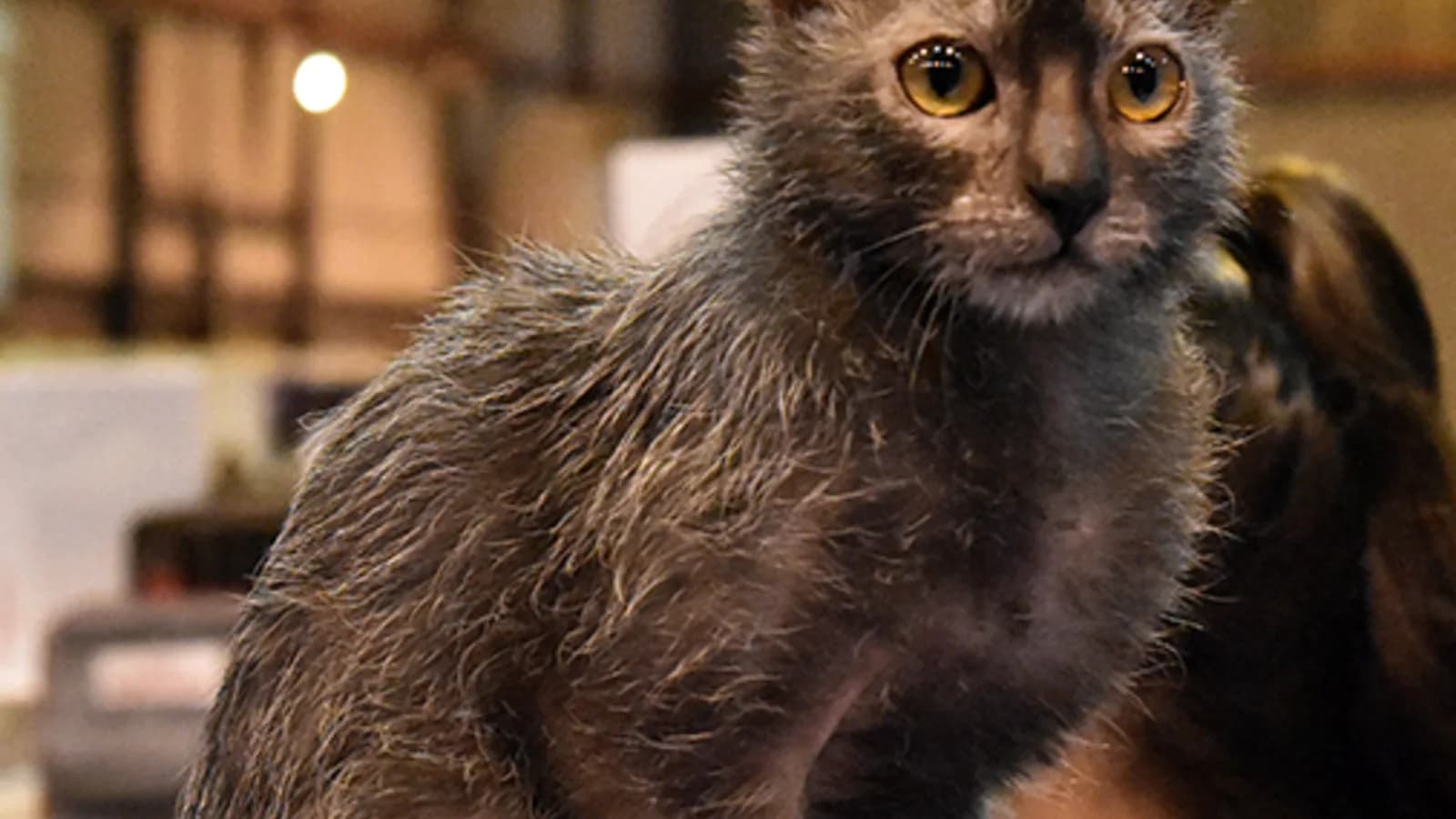
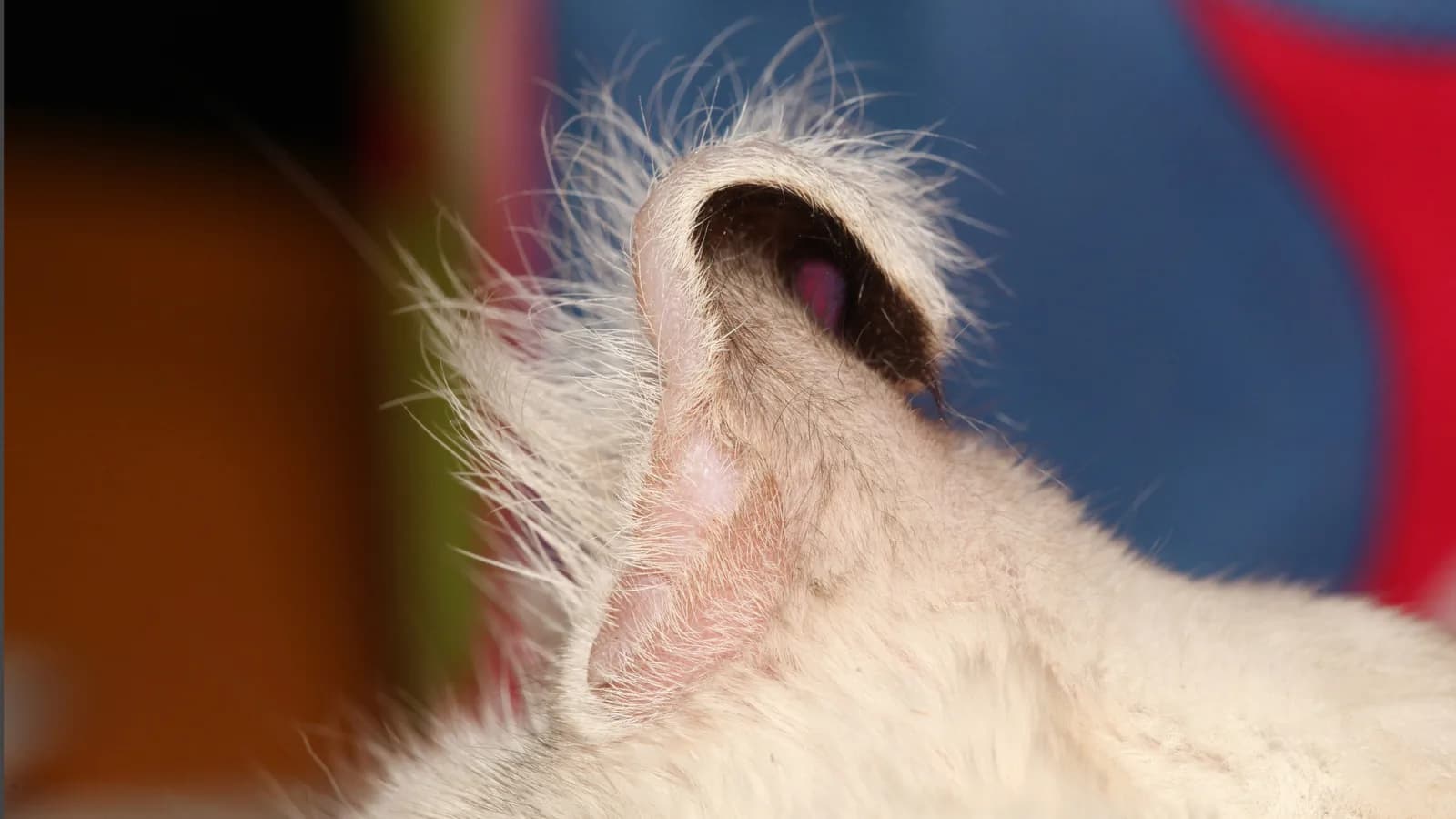
Serious in affected kittens, rareA real, Birman-named, peer-reviewed FOXN1 deletion causes a fatal hypotrichosis (born nearly hairless) with immune deficiency in kittens carrying TWO copies. Affected kittens rarely survive past eight months. Carriers are healthy, the measured carrier rate is 3.2%, and disease requires both parents to carry. That is why the DNA test, available commercially, is a breeder-paperwork question and never a reason to fear a normal-coated cat.
Symptoms to spot
Affected kittens are visibly abnormal from birth (sparse-to-absent coat) and fail to thrive: a breeder-side finding, not something an owner discovers later.
How common
Carrier rate 3.2% in the tested panel; affected kittens are rare because two carriers must meet.
Screening & prevention
Ask the breeder for both parents' FOXN1 results; two clears cannot produce an affected kitten.
Genetic test
Yes: a commercial FOXN1 DNA test exists (UC Davis VGL lists the breed).
FIP susceptibility: the Swedish cohort's finding, with its own caveat
Serious, uncommonIn a 6,491-death Swedish insurance cohort, FIP (feline infectious peritonitis) was this breed's single highest cause-specific mortality rate of any breed studied, alongside genetic-susceptibility findings. The source paper's own honest caveat travels with the number: some of that figure may be misdiagnosed cardiomyopathy. FIP treatment has changed dramatically in recent years, which is a conversation for your vet, not this page.
Symptoms to spot
In a young cat: persistent fever, lethargy, weight loss, a swollen belly. Any such combination is a prompt vet visit, never a wait.
How common
No general-population rate; the Swedish finding is a relative cause-of-death pattern in one insured cohort.
Screening & prevention
Nothing to screen: buy from clean, uncrowded catteries and know the early signs.
Genetic test
None: susceptibility is a research finding, not a commercial test.
The kidney-number quirk: higher baseline creatinine and SDMA
A monitoring note, not a diseaseClinically healthy Birmans measurably run higher creatinine and SDMA than other cats. The European study that measured it frames the finding exactly as we do: a reason NOT to over-interpret a single elevated reading in a healthy-seeming Birman, and a reason your vet reads this breed's kidney bloodwork against breed context. It is a laboratory-reference note, not a hidden disease.
Symptoms to spot
None: this is about how healthy Birmans' bloodwork reads, not about illness. Real kidney-disease signs (thirst, weight loss, appetite change) are a vet matter in any cat.
How common
A breed-level laboratory pattern in clinically healthy cats.
Screening & prevention
Routine senior bloodwork as your vet advises, interpreted with the breed context in hand.
Genetic test
Not applicable.
Dystocia and urate stones: two odds ratios, both scoped
Uncommon, breeder-relevantTwo UK findings carry their own qualifiers and keep them here. First, a significantly elevated dystocia (difficult birth) odds ratio of 7.40 in a 118,168-queen study, the third-highest of the named breeds and chiefly a BREEDING-side fact. Second, a urate-urolithiasis odds ratio of 9.1, whose own source paper says the finding 'requires further study', unlike its more settled Siamese result. Neither is a reason for an owner of a neutered pet to worry; both are reasons breeders plan and vets know the breed.
Symptoms to spot
For stones, in any cat: straining, blood in urine, frequent small trips to the box: a prompt vet visit. Dystocia is a breeder's delivery-planning fact.
How common
Odds ratios from single large UK studies, not population percentages; the urate figure is explicitly unsettled per its own paper.
Screening & prevention
Breeding queens deliver with a vet plan; pet owners just know the urinary signs.
Genetic test
None for either.
Go deeper on health
Prevention, warning symptoms, costs and insurance: our guides, researched and sourced.
 Grooming & living with one
Grooming
A genuine single coat with no undercoat at all, per two independent US registries. Weekly combing suffices outside the spring shed. No routine bathing needed, and the coat resists matting far better than its length suggests.
Living together
Gentle with children and other pets by every registry account, with the honest measured caveat that this breed's affection is calm and low-key rather than interactive. It suits quiet homes better than chaotic ones. And it tolerates alone-time better than its pointed cousins.
 Food & diet
No breed-specific feeding requirement exists. One monitoring note belongs to this breed: clinically healthy Birmans measurably run higher and than other cats. That is a reason a vet interprets kidney bloodwork against breed context, not a reason to change the food bowl. Portion to body condition; let your vet own the numbers.
 Price & budget
$600 to 2,500
Price of a kitten from a registered breeder, in the United States
This price reflects the quality of the breeding program: parents' health tests, registry pedigree, socialization. A very low price should raise a red flag. The real cost, though, plays out over the years.
Find a verified breederKitten price, by market
United States
$600 to 2,500
United Kingdom
£500 to 1,100
Australia
A$1,800 to 2,000
Each figure is that country's real market price, researched separately, not a conversion of the others. The smaller line is only there so you can gauge one against your own money: European Central Bank reference rates of 2026-09-18, refreshed daily.
Work out your food budget
Type of food
Estimated monthly budget
$15
≈ 2.6 oz (74 g) per day
A ballpark figure, food only, using the same arithmetic as our portion tool (resting energy requirement × 1.2, a neutered adult). Real needs vary with age, activity level and body condition. Ask your veterinarian for advice.
 Verified catteriesThe registry-checked directory, plus a kitten alert near you. Filter it by breed.
 Should you insure a Birman?
Our sources list several predispositions in the Birman: FOXN1 hypotrichosis: the breed-specific test to ask for, FIP susceptibility: the Swedish cohort's finding, with its own caveat, The kidney-number quirk: higher baseline creatinine and SDMA, among others. A predisposition is not a foregone conclusion, and many of these cats live their whole lives without ever developing anything. It does change the nature of the follow-up, though: you monitor, sometimes for life, and it's that monitoring that weighs on a budget, more than a one-off accident.
One thing to weigh before deciding: this is a cat you will live alongside for well over a decade, and that is the span the real cost is spread across, premiums and care alike. Where a breed has a measured life expectancy that differs from the figure usually quoted, we say so in the lifespan section above rather than repeating the quoted one here.
 Birman cats in our community
No Birman here yet
Got one? Add a photo and yours gets to open this page.
 The vet's take

Veterinary review
Are you a vet?
Your professional read belongs here: every verified practitioner can leave a note, published once our editors have reviewed it.
Sign in and get your license number verified. We check it in the public register, we never ask for or keep a copy of your diploma, and your number is never published.
 Frequently asked questions
+What is a Birman cat?
A pointed, blue-eyed, semi-longhaired breed defined by its four white gloves, judged as their own category by every registry and produced by a gloving gene unique to the breed. First established in 1920s France, rebuilt after WWII from a single surviving pair.
+How long do Birman cats live?
Among the best-measured answers on this site: 14.39 years at birth in the UK's 2024 life tables (second of all breeds by 0.03 years), and the outright longest-lived breed (16.1-year median) of the older 2015 England cohort. The 12-16 convention undersells it.
+Are Birman cats hypoallergenic?
No cat is, and the Birman's claim volume is the thinnest we have measured on an unrejected breed: no study exists either way. The no-undercoat single coat is a grooming advantage, not an allergy category.
+How much does a Birman cost?
US named catteries cluster at $2,200-2,500 (above the guides' own $600-2,000 band); the UK's live sample ran £500-1,100 with the breed clubs pricing nothing; Australia's publishing cattery charges A$1,800-2,000+; Canada has no findable price at all. Our price page carries every source.
+Why do Birmans have white feet?
A recessive gloving gene effectively fixed in the breed, characterised at UC Davis, and distinct from ordinary white spotting: GCCF's own words. The gloves are scored at 20 of 100 judging points at two registries.
+Is a Birman the same as a Burmese?
No: different origin (1920s France vs 1930s America), different everything visible (pointed semi-longhair, blue eyes and gloves vs solid shorthair and gold eyes). The names share only the word Burma, and the confusion is common enough that we say this plainly.
+What is the difference between a Birman and a Ragdoll?
Genetically, the gloves (a unique gene, not white spotting); practically, the Ragdoll runs larger with a narrower overlap than reputations suggest. Both are blue-eyed, pointed and gentle; our comparison page walks every axis.
+Are Birman cats cuddly?
Gentle and people-adjacent, yes; demonstrative, less than the brochure says: two independent measured datasets rank the breed among the least active and least sociable groups. Expect calm devotion rather than velcro.
+Do Birman cats shed a lot?
Less than the coat suggests: it is a true single coat with no undercoat, per two registries independently. Weekly combing outside the spring shed covers it.
+Was Karl Lagerfeld's cat a Birman?
Yes: Choupette is a Birman, confirmed at TICA's own page. The 'wealthiest cat' Guinness title belongs to a different cat (Blackie), a distinction most retellings blur and we keep.
+What colors do Birmans come in?
Twenty named point colors at both CFA and GCCF, always with blue eyes and the white gloves; Australia's ACF uniquely adds Caramel and Apricot points, and GCCF alone bars silver by DNA test. Our colors page maps the whole chart, gloves first.
 Community questions
Got a question this page doesn't cover? Ask it: the best ones get published here with their answer.
Sources & references
Data checked against reference sources (TICA and CFA standards, genetics laboratories, veterinary schools).
- TICA: Birman breed page
- TICA Birman standard (PDF)
- CFA: Birman breed page
- CFA: Birman article (the founding-pair names)
- CFA Birman standard (PDF, the five glove paragraphs)
- GCCF: Birman breed page
- GCCF Birman Registration Policy (PDF, Feb 2026: the four-test import gate)
- CCA-AFC: Birman breed page (origins 'remain uncertain')
- Teng et al. 2024, VetCompass life tables (Birman 14.39y, second by 0.03)
- O'Neill et al. 2015, England longevity (Birman the longest-lived breed, 16.1y median)
- Kienzle & Moik 2011, measured show-cohort weights (males 4.3 kg n=20, females 3.5 kg n=36)
- Salonen et al. 2019, breed behaviour differences (Sci Rep)
- Mikkola et al. 2021, behaviour traits (the replication sample)
- UC Davis VGL: Birman breed page (the gloving/hypotrichosis tests)
- Guinness World Records: wealthiest cat (Blackie, not Choupette)

Worth keeping a paw on
Pin this profile
To compare later, or to show someone still torn between two breeds. One click and it sits in your board.
Pin it on Pinterest
 Purr or Pass
Still deciding? Find the perfect breed for your home.
A quick quiz that factors in your lifestyle, your kids and your other pets.
Which breed fits my home?Keep exploring
The floor belongs to our members. Keep it kind, links are not allowed, and images go through moderation before anyone else sees them.