


Cat breeds by trait
Big Cat Breeds: The Gentle Giants, With the Registries' Own Numbers
Say "big cats" to a zoologist and you get lions and tigers. Say it to a cat lover and you get a Maine Coon draped over an entire sofa. This page is about the second kind: the domestic breeds that genuinely run large, with the weight ranges their own registries publish, rather than the inflated numbers listicles trade in.
One honesty rule up front: where a registry publishes no weight range, we say so instead of inventing one. Two of the most famous "giant" breeds fail that test in interesting ways. The failures teach you more about big cats than the numbers do.
 By Nora · The storyteller
Contents
Breeds worth knowing
Tap a breed for the full profile: temperament, health, price and coat colors, all fact-checked.
What counts as big, and whose numbers these are
Every weight below comes from a registry's own breed documents or from a measured study, the same sources our full breed profiles cite. The typical domestic cat sits around 8 to 10 lb (3.6 to 4.5 kg). The breeds on this page run male ranges that START near the top of that and keep going. Ranges are for healthy adults, and the female of every breed runs lighter than the male, sometimes by a third.
's text range; females 9 to 13 lb
's box; females 10 to 15 lb
's range; females 8 to 12 lb
the heavyweight of the shorthairs; females 8 to 11 lb
one of the lightest frames
The giants, one by one
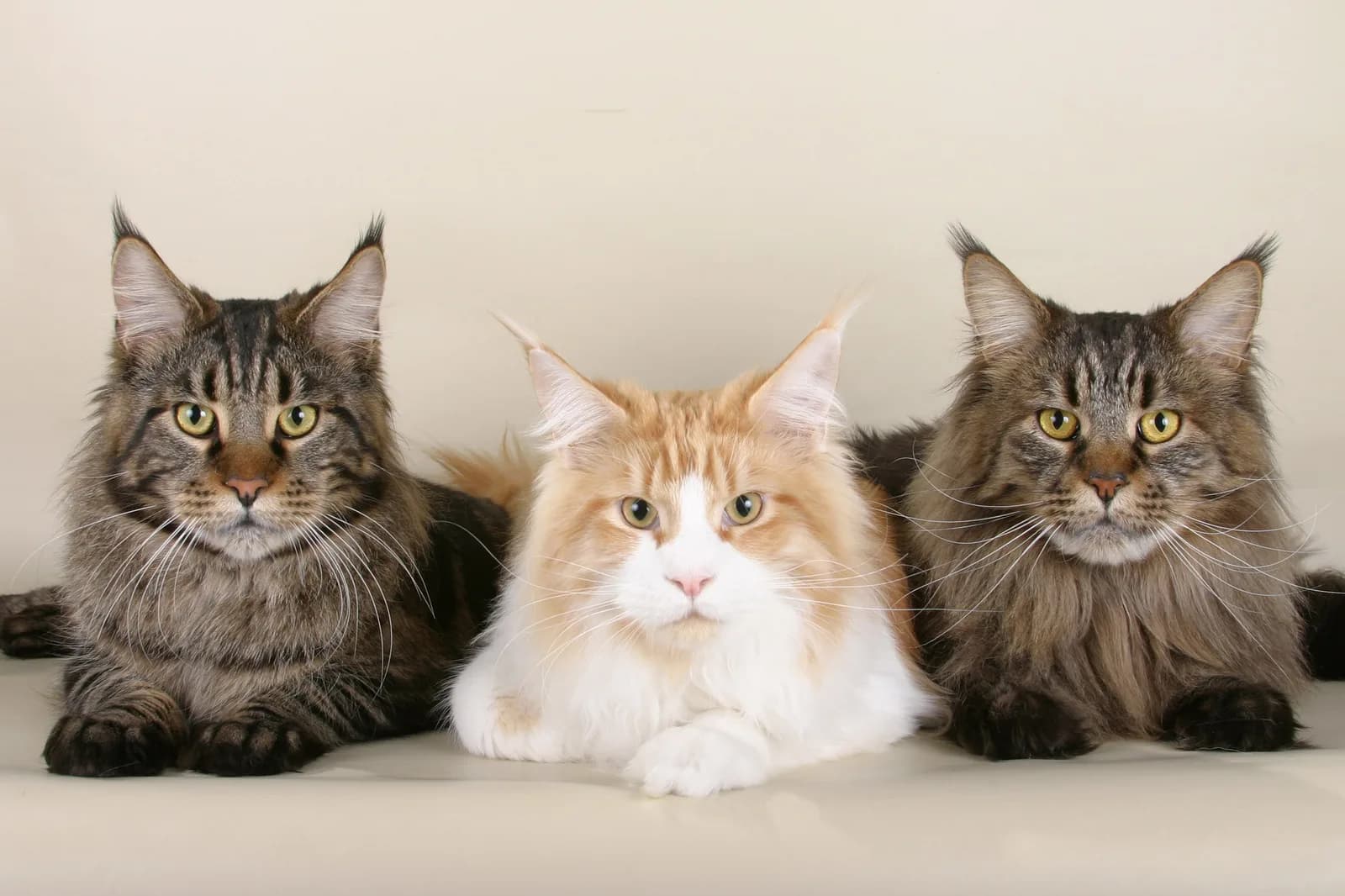
The [Maine Coon](/breeds/maine-coon) is the reference point. 's own text puts males at 13 to 18 lb (5.9 to 8.2 kg), and the breed holds both Guinness length records: Stewie (measured 2010) and Barivel (verified 2018). The full story, including what measured cohorts actually weigh versus what the internet claims, lives on our Maine Coon size page.
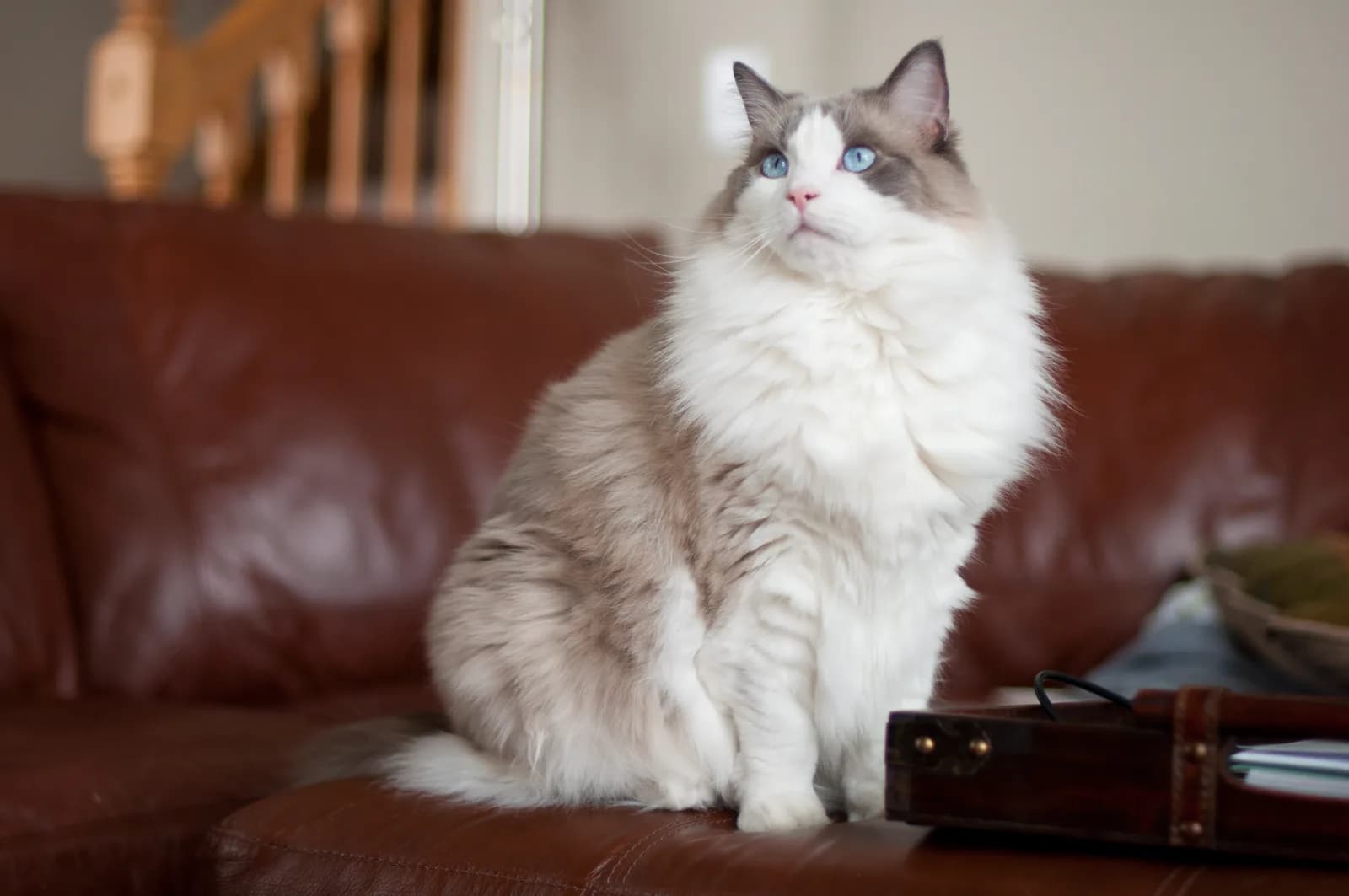
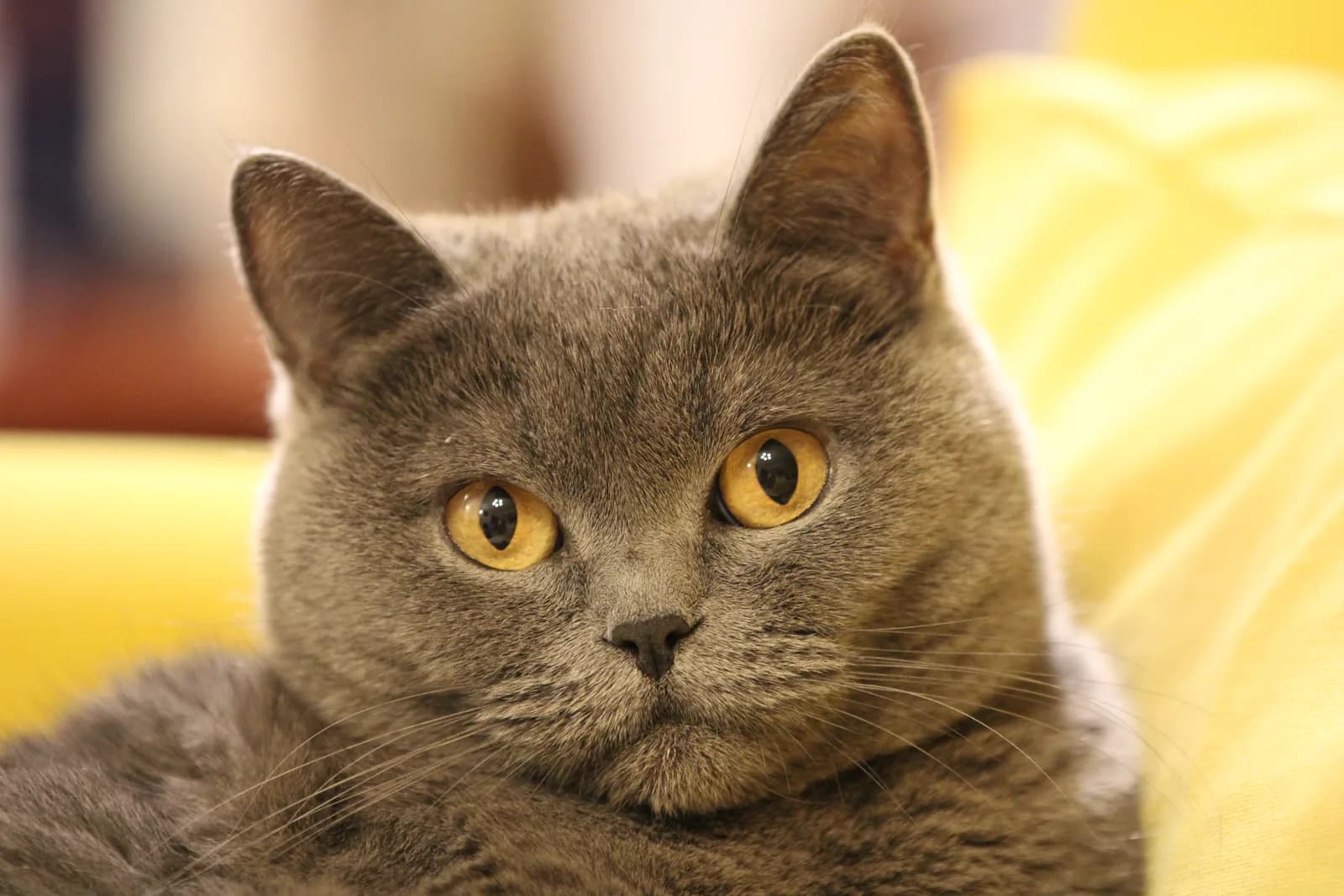
The [Ragdoll](/breeds/ragdoll) is the heaviest box a registry publishes on this site: 15 to 20 lb (6.8 to 9.1 kg) for males. The [Siberian](/breeds/siberian) carries 's 12 to 18 lb male range on a barrel-chested frame built for Russian winters. The [British Shorthair](/breeds/british-shorthair) is the surprise member: a shorthair, but males run 10 to 16 lb of dense, cobby muscle.
And the [Norwegian Forest Cat](/breeds/norwegian-forest-cat) is our first honesty case. Its registry documents do not agree with each other on a single weight range, a self-contradiction our profile documents rather than papers over. It is a genuinely large breed; it just has no one official number. Any page giving you one without a source made a choice it did not disclose.
Maine Coon
males 13-18 lb, both Guinness length records, and a measured-weight file on our size page.
Ragdoll
The heaviest registry box we publish: males 15-20 lb of relaxed, floor-loving cat.
Siberian
males 12-18 lb, triple-density coat, a slow-maturing forest build.
Norwegian Forest Cat
Genuinely large, honestly unnumbered: the registry documents disagree, and our profile says so.
The Savannah: tall is not heavy
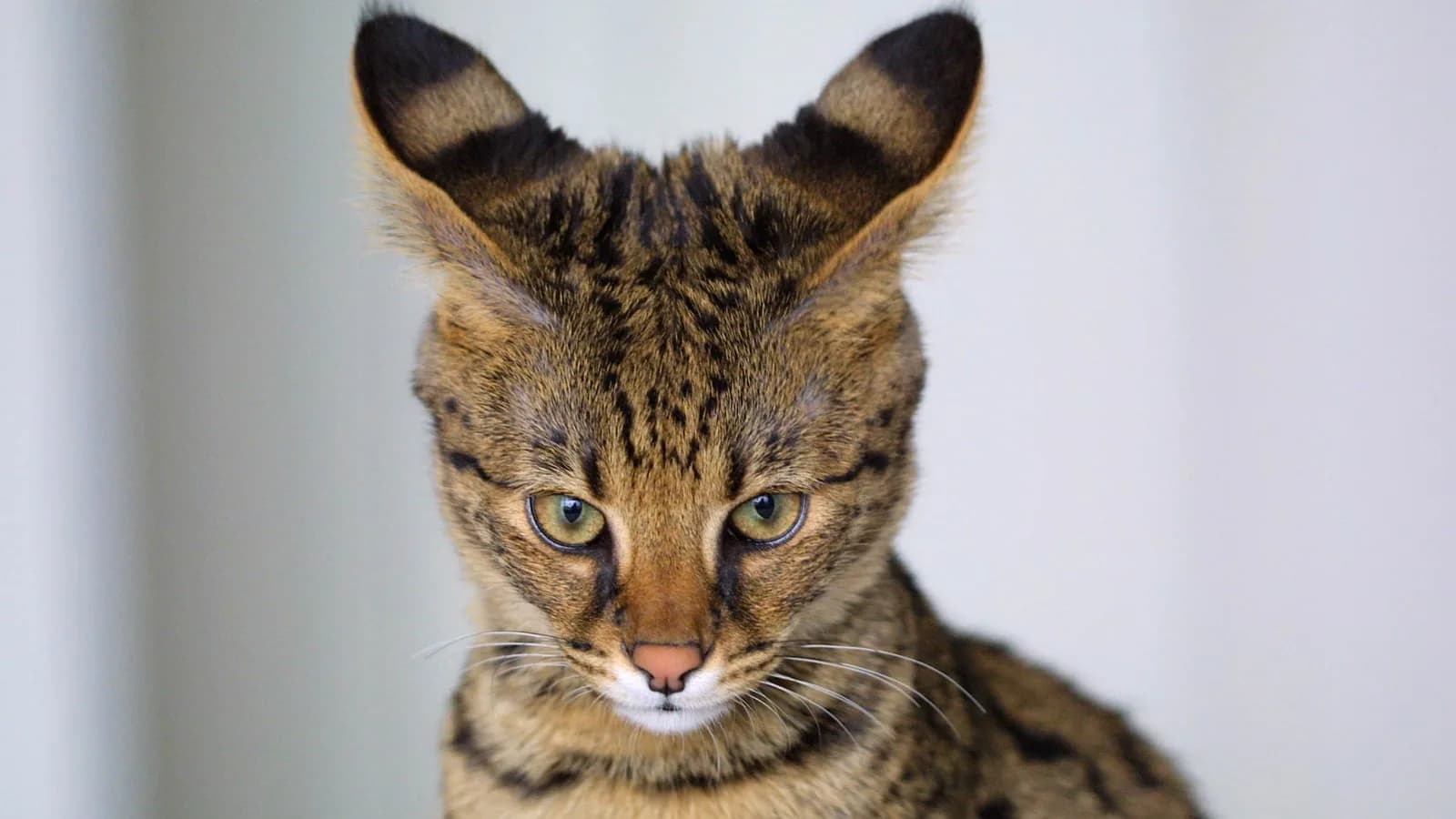
The [Savannah](/breeds/savannah) tops every "biggest cat" list, and it is the second honesty case. 's breed standard publishes NO weight range for it at all, and the 25-pound figures the internet repeats trace back to breeder websites, not to any registry or study. What the Savannah genuinely is: TALL. A long-legged, upright frame that photographs like a small wildcat, with early-generation cats the most dramatic. Height is not weight, and our Savannah size page walks through what is claimed versus what is checkable.
One practical note that belongs here: early-generation Savannahs are hybrid cats, and whether you may own one depends on where you live. Our Savannah legal page maps the rules jurisdiction by jurisdiction.
The short version
Savannah: the tallest silhouette in the fancy, with no registry-published weight range. Big-boned and heavy are different claims, and only one of them has paperwork.
Big is a frame, not a number on the scale
A big breed is a big SKELETON: longer spine, heavier bone, a frame that fills out over several years. It is not a license for weight. The practical consequences of living with a giant: bigger litter boxes (most standard boxes are too small for a Maine Coon), sturdier cat trees rated for the load, more food in absolute terms but still portioned. And a vet who tracks body condition rather than raw weight, because a fluffy giant hides both muscle and fat under the coat.
On lifespan, size alone does not write the story. The measured UK figures we publish put the Ragdoll at 12.85 years (O'Neill 2025, from 21,358 Ragdolls) and the Maine Coon at 9.71 years ( 2024): two big breeds on opposite sides of the overall cat average. Breed, not bulk, carries the file. Read each profile's health section rather than assuming giants pay a fixed tax.
The genuinely big breeds are gentle, floor-dwelling, slow-maturing cats that turn a lap into an occupied territory. If one of these giants runs your household, the community wants the measurements: length nose to tail, verified by tape measure and disputed by the cat.
By Nora · The storytellerFrequently asked questions
What are the big domestic cat breeds?
The consistently large breeds with registry-published ranges are the Maine Coon (males 13-18 lb per TICA), Ragdoll (males 15-20 lb), Siberian (males 12-18 lb per CFA) and British Shorthair (males 10-16 lb). The Norwegian Forest Cat and Savannah are also large, but their registries publish no single agreed range, which our profiles document.
What is the biggest cat breed?
There is no single referee. By registry box, the Ragdoll's 15-20 lb male range is the heaviest we publish; by records, the Maine Coon holds both Guinness length titles; by height, the Savannah's long-legged frame wins the silhouette contest without any registry weight range at all. Each claim measures something different.
How big do Maine Coons get?
TICA's own range puts males at 13 to 18 lb (5.9 to 8.2 kg) and females at 9 to 13 lb. The record-holders are famous for LENGTH, not weight: both Guinness titles (Stewie, then Barivel) are length records. Our Maine Coon size page carries the measured details.
Are big cat breeds more expensive?
Price follows the breed's market, not its size. Each of our breed profiles carries its own four-market price research; the big breeds span the same wide range as everyone else.
Do big cat breeds need special care?
Mostly scaled-up logistics: a larger litter box, cat trees rated for the weight, portioned food in larger absolute amounts, and body-condition checks at the vet since a big coat hides weight change. Each breed's own health section covers what actually needs screening.
Do big cats live shorter lives?
Not as a rule. The measured UK figures we publish put the Ragdoll at 12.85 years and the Maine Coon at 9.71 years, two big breeds on opposite sides of the average. Breed and care write the file, not bulk alone.
Is a big domestic breed the same as a "big cat"?
No. "Big cats" formally means the wild pantherines: lions, tigers, leopards, jaguars. Every breed on this page is a fully domestic cat, whatever the sofa-occupancy statistics suggest.
Sources & references
Data checked against reference bodies (breed registries, allergy research, veterinary schools).
- TICA: Maine Coon breed page (the 13-18 lb male text range)
- TICA: Ragdoll breed page (the 15-20 lb male box)
- CFA: Siberian breed page (the 12-18 lb male range)
- TICA British Breed Group standard (PDF)
- TICA: Savannah breed page (no weight range published)
- TICA Savannah breed standard (PDF)
- TICA: Norwegian Forest breed page
- O'Neill et al. 2025, VetCompass Ragdoll mortality study (the 12.85-year figure)
- Teng et al. 2024, VetCompass life tables for UK companion cats
This page is a starting point. Every cat is an individual: our profiles spell out the tendencies of each breed, sources included.
 Purr or Pass
Which cat breed is right for you?
Take the quiz