


Cat breeds by trait
Vocal Cat Breeds: The Talkers and the Near-Silent
Every list of vocal cats prints the same three names and stops. This page maps the whole volume dial. The quiet end is just as bred-in, just as documented, and for half our readers exactly what they came to find.
The talkers, the whisperers, what the measured data adds, and the honest caveat that every cat sets its own volume in the end.
 By Tess · The straight talker
Contents
Breeds worth knowing
Tap a breed for the full profile: temperament, health, price and coat colors, all fact-checked.
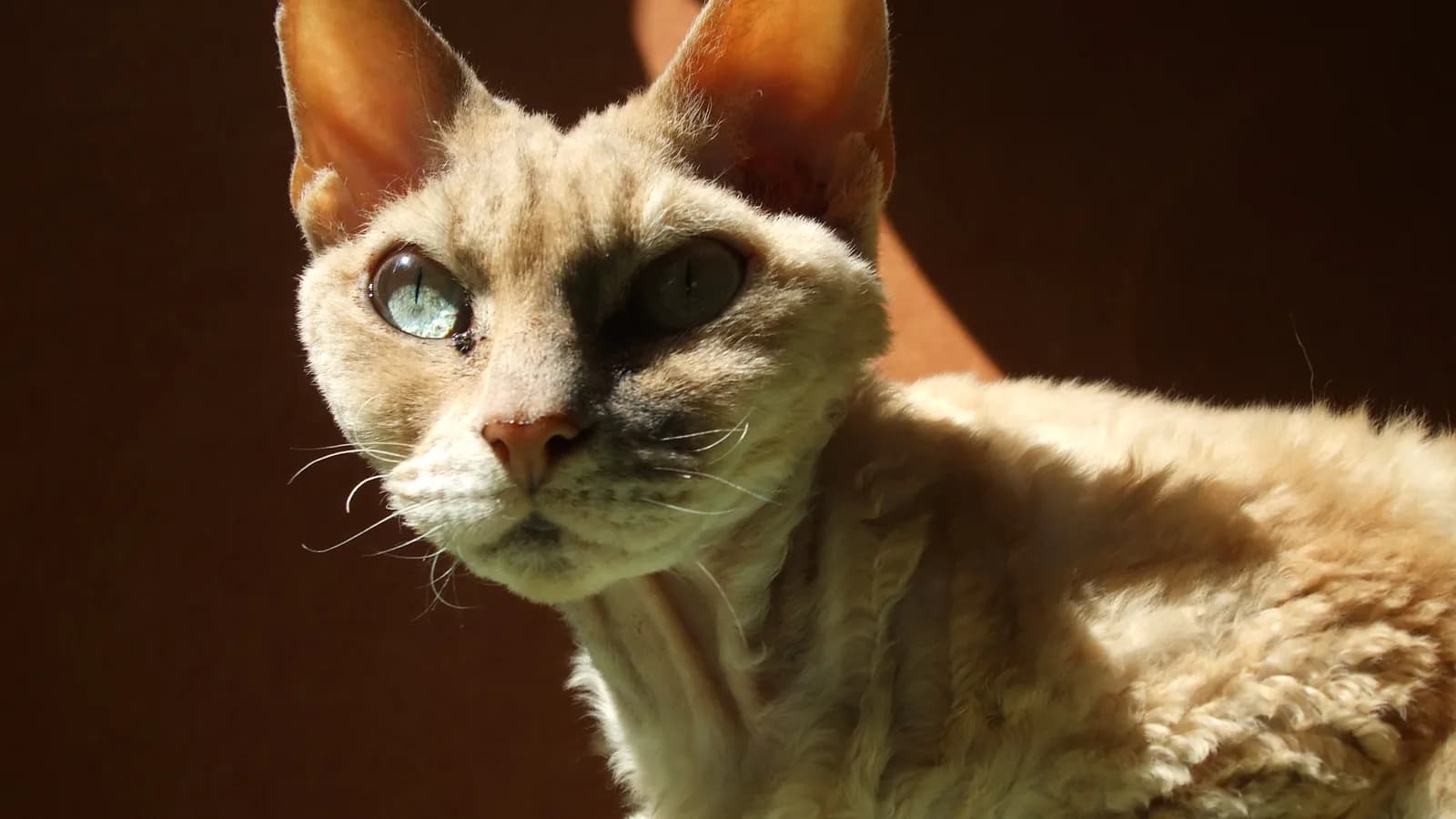
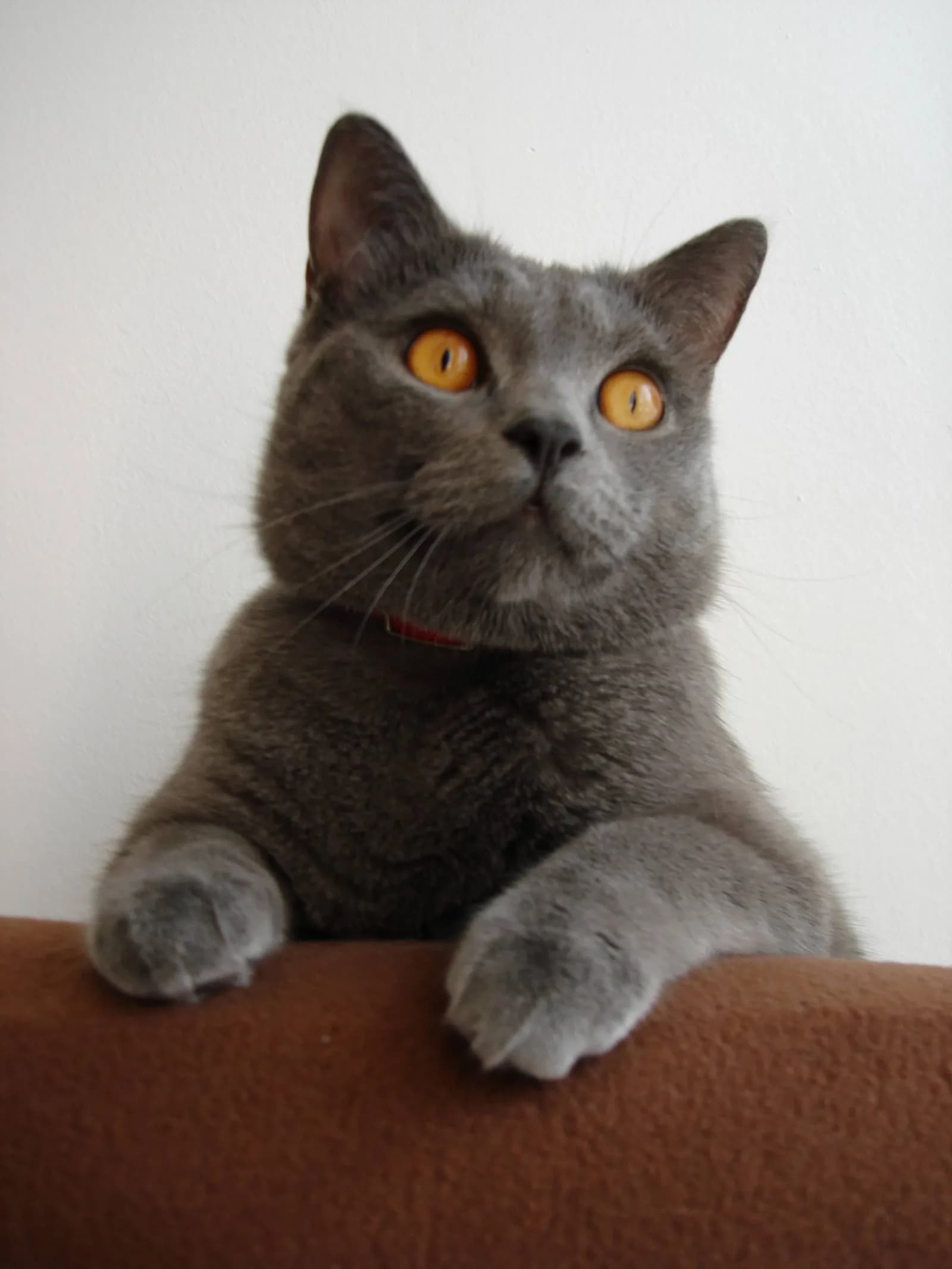
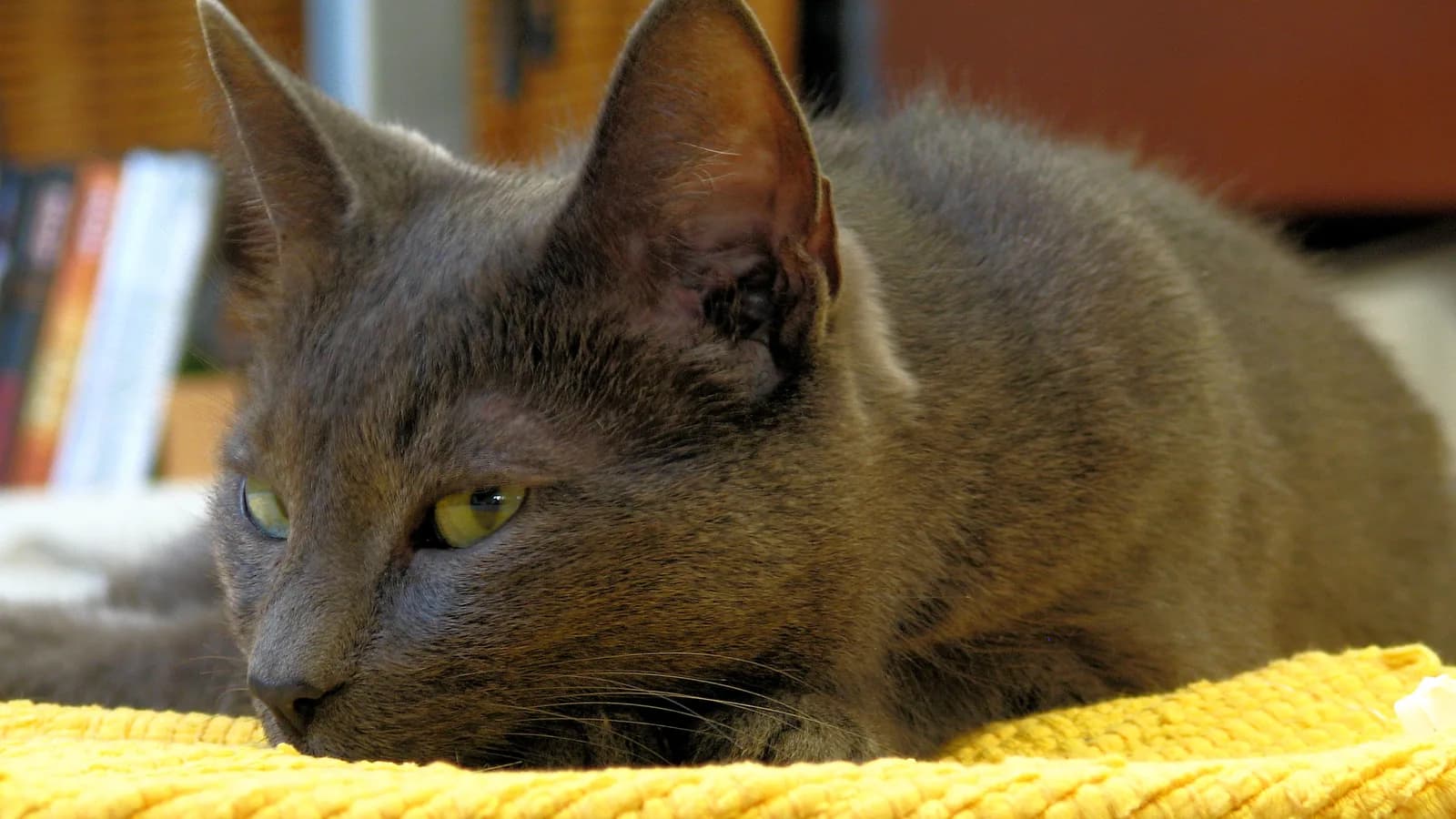
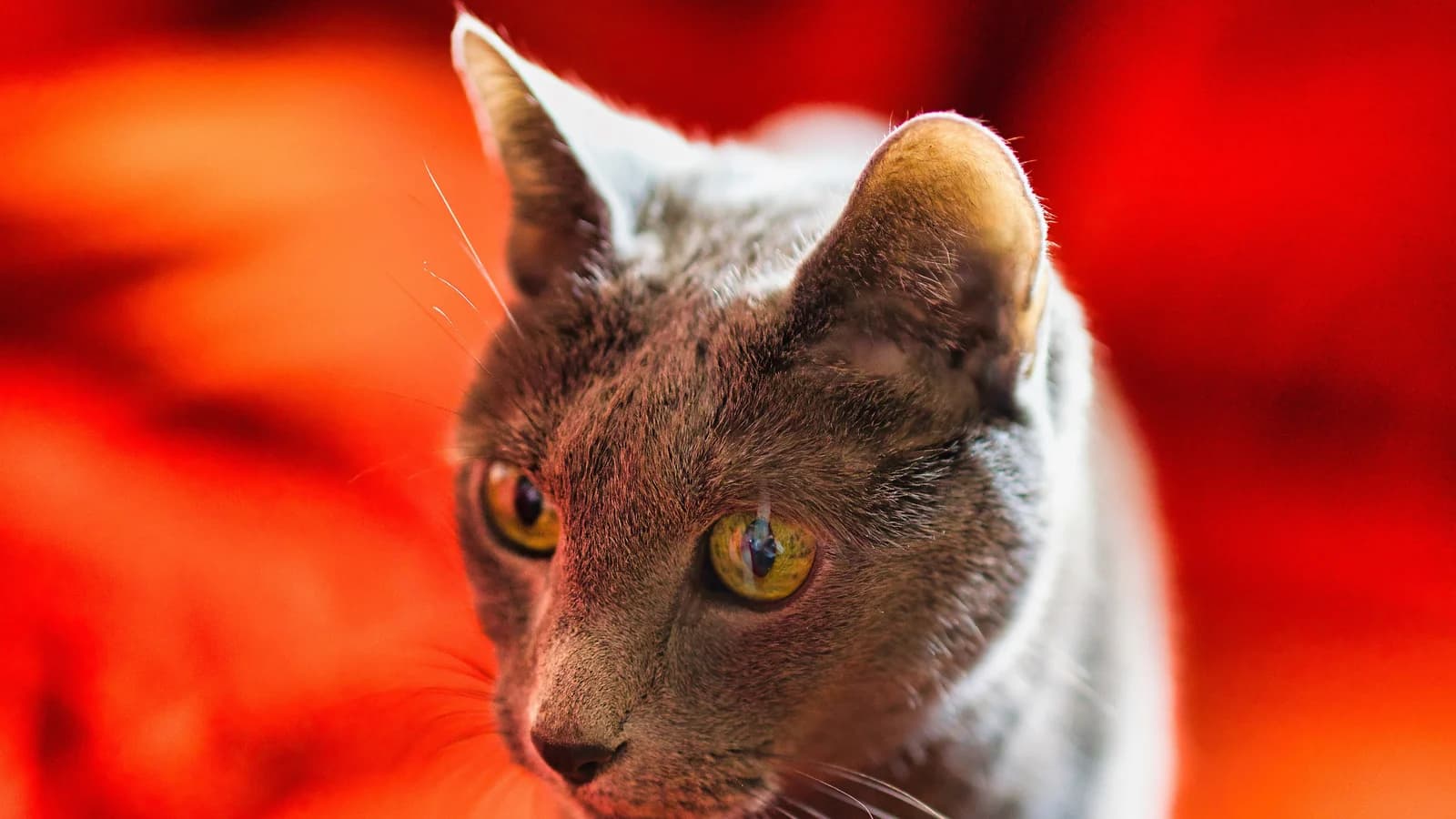
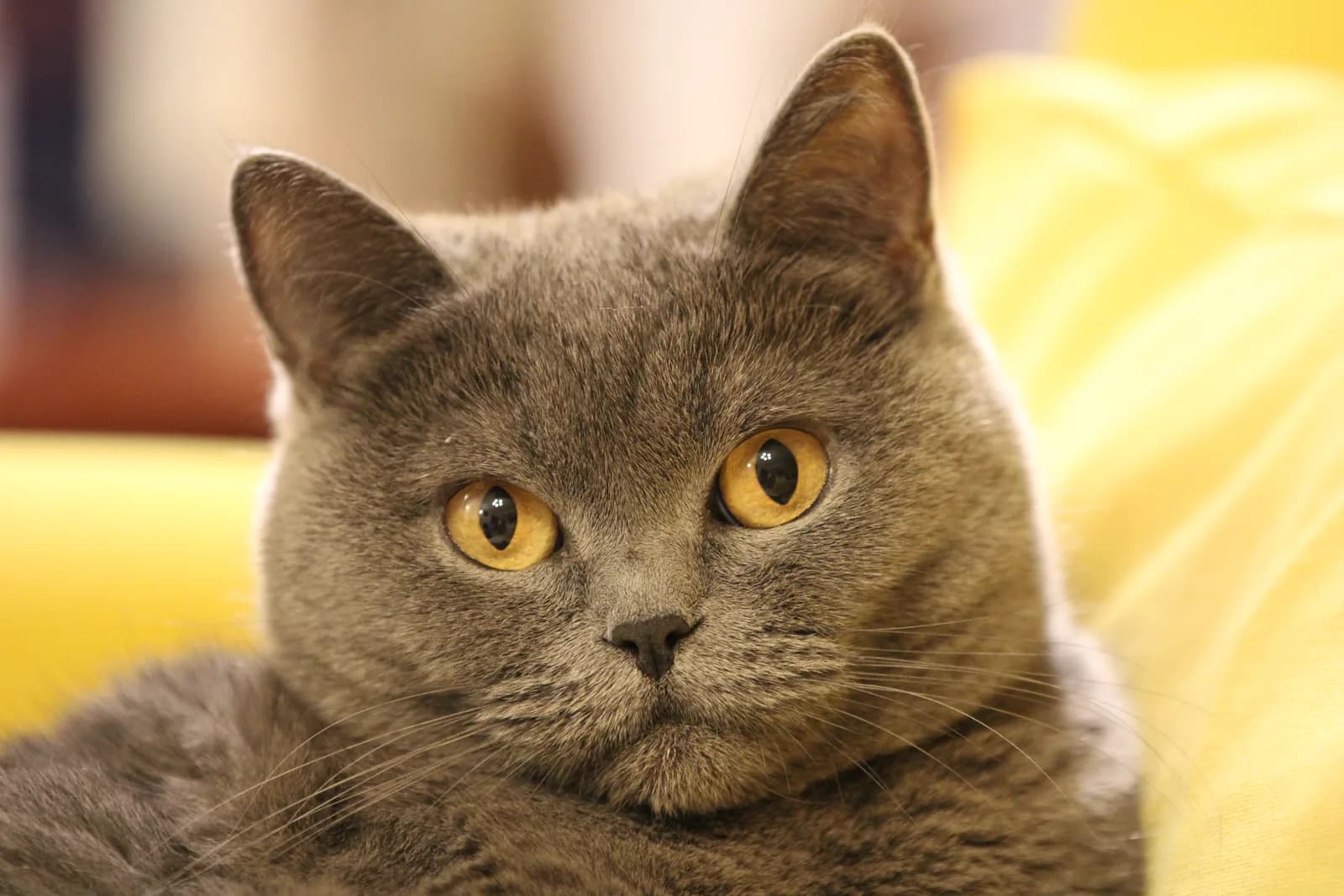
The loud end: the conversationalists
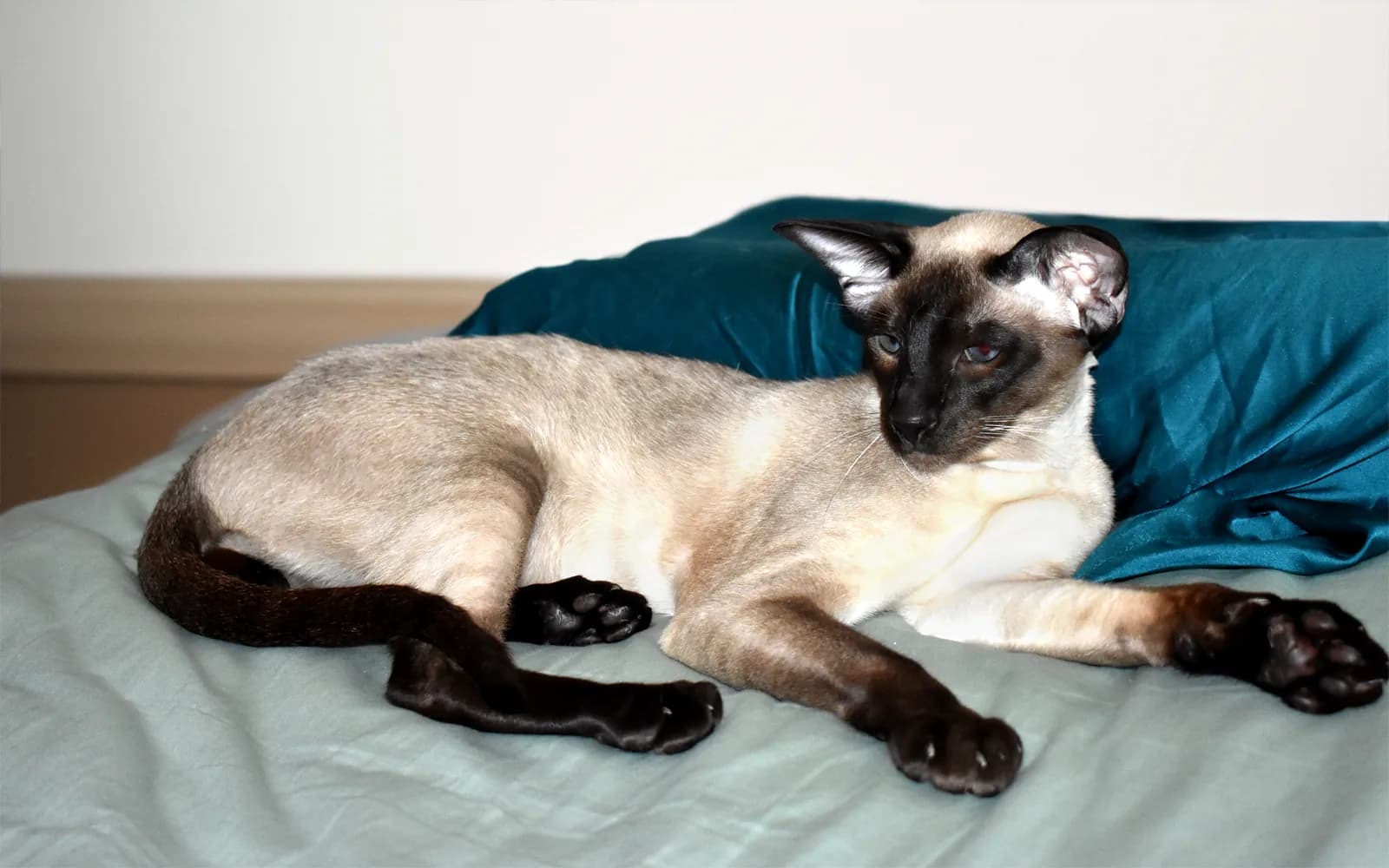
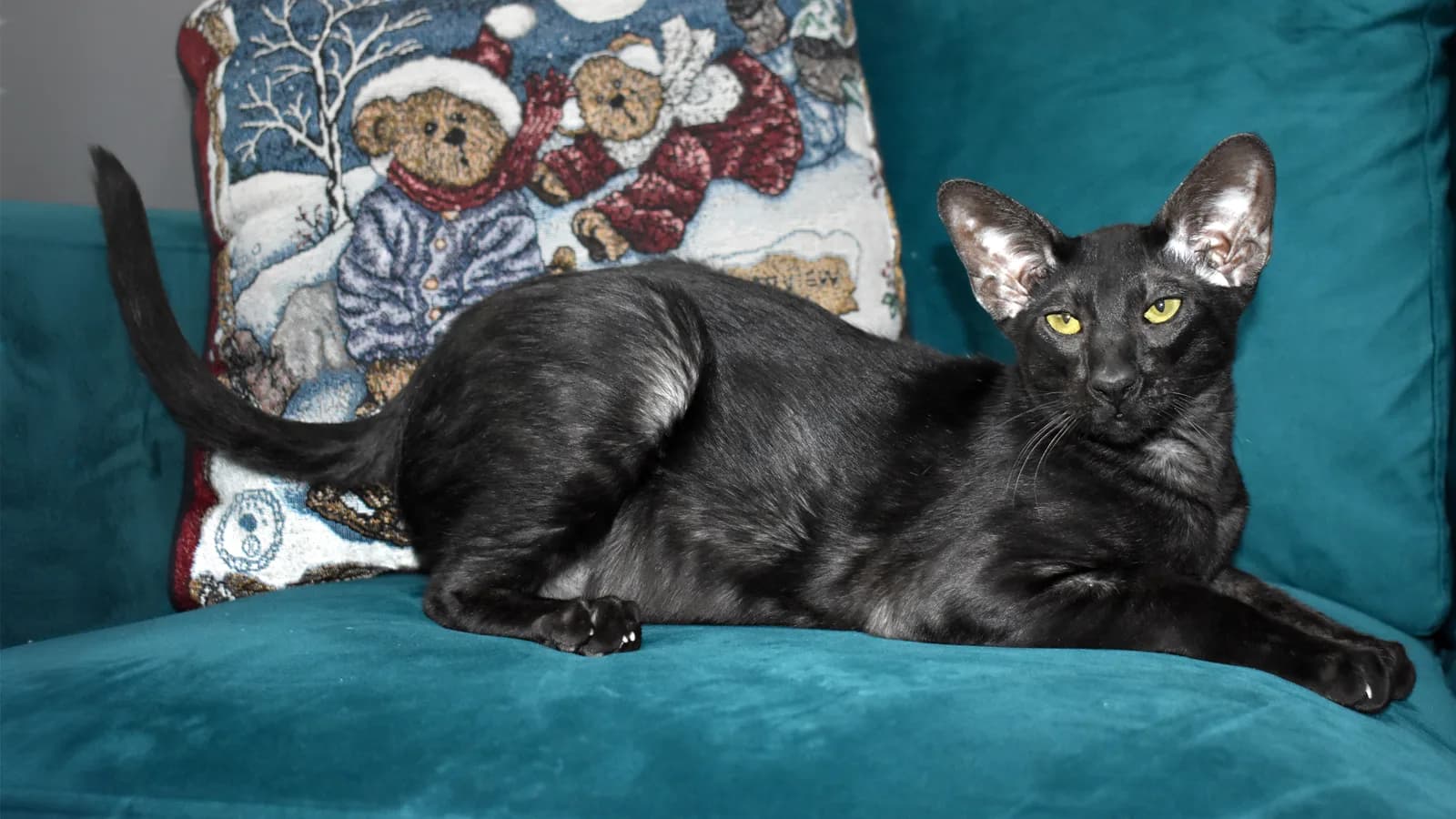
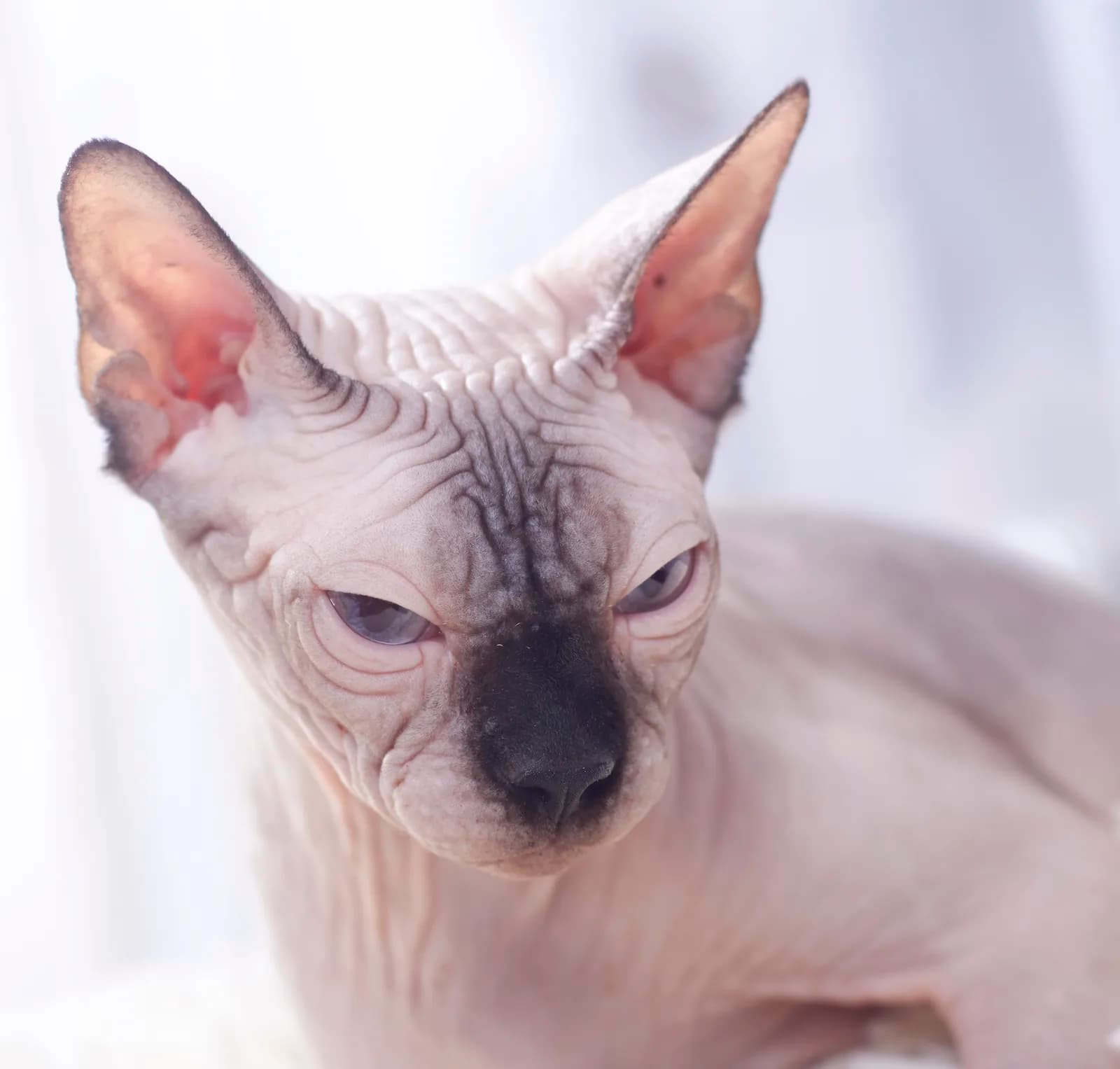
The Siamese is the fancy's undisputed talker: "outgoing, extrovert & noisy" in 's own summary box, with a voice built for opinions and the will to share them. Its whole family follows: the Oriental ("talkative, opinionated: the family voice in every color", per our profile) and the pointed relatives. Beyond that family, the Sphynx and Devon Rex run chatty-to-conversational in their registry portraits: more chirp and comment than the Siamese siren. If you want a cat that answers back, this is the shelf.
The quiet end: the near-silent breeds
Quiet is bred too, and better documented than you would guess. The Chartreux is the famous whisperer: some barely meow at all, the most consistent line in every portrait of the breed. The Korat is the rare case with MEASURED low vocality. The Finnish survey data scores it quiet against its own high energy, a combination our profile documents. The Russian Blue and British Shorthair round out the low shelf: soft-voiced, sparing, apartment-diplomatic. For shared walls and light sleepers, this shelf is the feature list.
| Volume | Breeds | The evidence |
|---|---|---|
| Loud and conversational | Siamese, Oriental, and their pointed family | 's own 'noisy'; every registry portrait agrees |
| Chatty | Sphynx, Devon Rex | Registry portraits: chirps and commentary |
| Quiet | Russian Blue, British Shorthair | Consistent soft-voiced portraits |
| Near-silent | Chartreux, Korat | The Chartreux's barely-meows line; the Korat's MEASURED low vocality (Finnish data) |
The honest caveats
Three of them. Individual variation beats breed: silent Siamese and opera-singing British Shorthairs exist, and early life shapes the voice as much as . Vocality is context: any cat gets loud for food, doors and injustice; the breed difference is the baseline commentary in between. And a CHANGE in an adult cat's voice, a quiet cat turning loud or a talker going silent, is a vet observation, not a personality development. It is one of the classic signs something else changed first.
The volume dial is real and it runs both ways: pick your end, then meet the individual, because every cat renegotiates the contract. And if your Chartreux sings arias, we want to hear about the exception.
By Tess · The straight talkerFrequently asked questions
What is the most vocal cat breed?
The Siamese, by every account including its own registry's ('outgoing, extrovert & noisy'), with the Oriental and the rest of its family close behind. If you want conversation, that family invented it.
What cat breeds are the quietest?
The Chartreux (some barely meow at all) and the Korat (measured low vocality in survey data), with the Russian Blue and British Shorthair on the same quiet shelf. Quiet is bred-in too.
Why is my cat suddenly more (or less) vocal?
A changed voice in an adult cat is a classic something-changed sign: hearing, thyroid, pain and stress can all move the dial. A sudden shift in either direction is worth a vet visit, not a personality theory.
Are vocal cats unhappy?
No: for the talker breeds, commentary IS contentment, and silence would be the worry. Distress meowing sounds different (urgent, repetitive, out of character) and comes with other signs. Know your cat's baseline; changes matter more than volume.
Sources & references
Data checked against reference bodies (breed registries, allergy research, veterinary schools).
This page is a starting point. Every cat is an individual: our profiles spell out the tendencies of each breed, sources included.
 Purr or Pass
Which cat breed is right for you?
Take the quiz