


Cat breeds by color
Orange and White Cats: The Creamsicle Coat, Explained
The orange-and-white cat is the breakfast-cereal mascot of the species: ginger stripes, white bib and socks, and a face the internet decided long ago belongs to the friendliest cats alive. The look is two genes stacked. One breed made it a whole identity. And the questions it raises have short honest answers.
Here is the creamsicle map: the name, the genetics, the breeds, and what the coat does and does not tell you.
 By Nora · The storyteller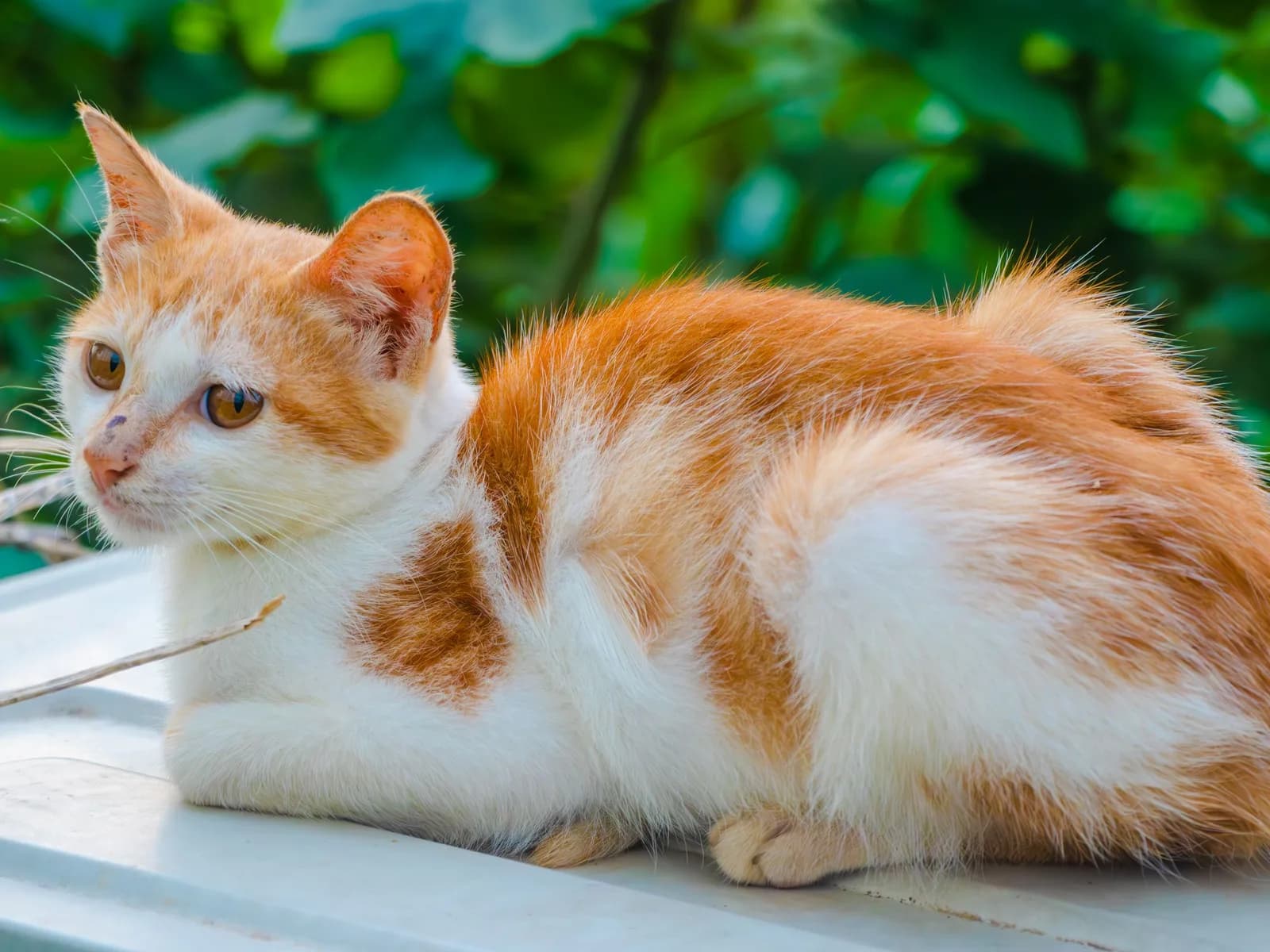
Contents
Breeds worth knowing
Tap a breed for the full profile: temperament, health, price and coat colors, all fact-checked.
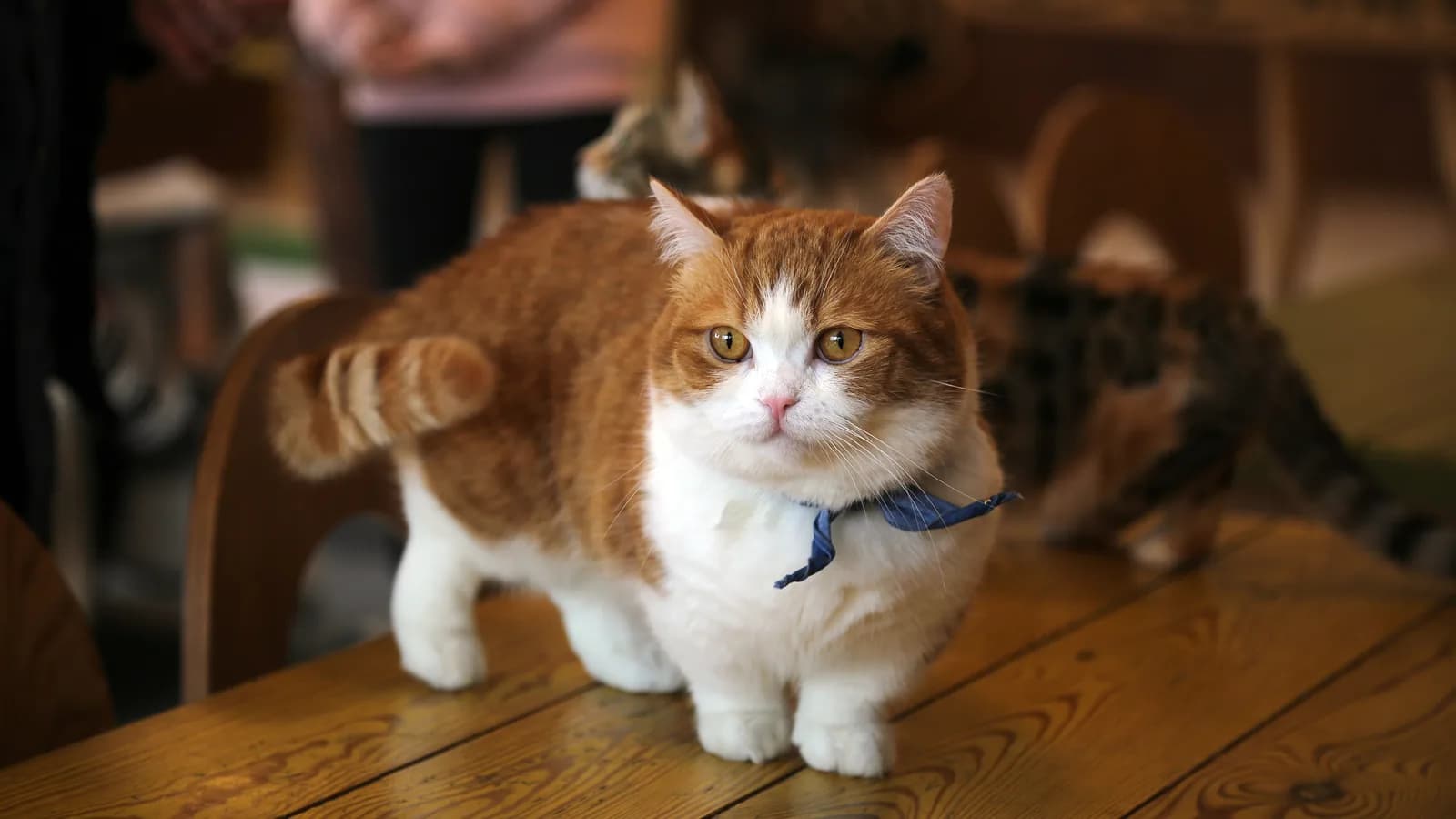
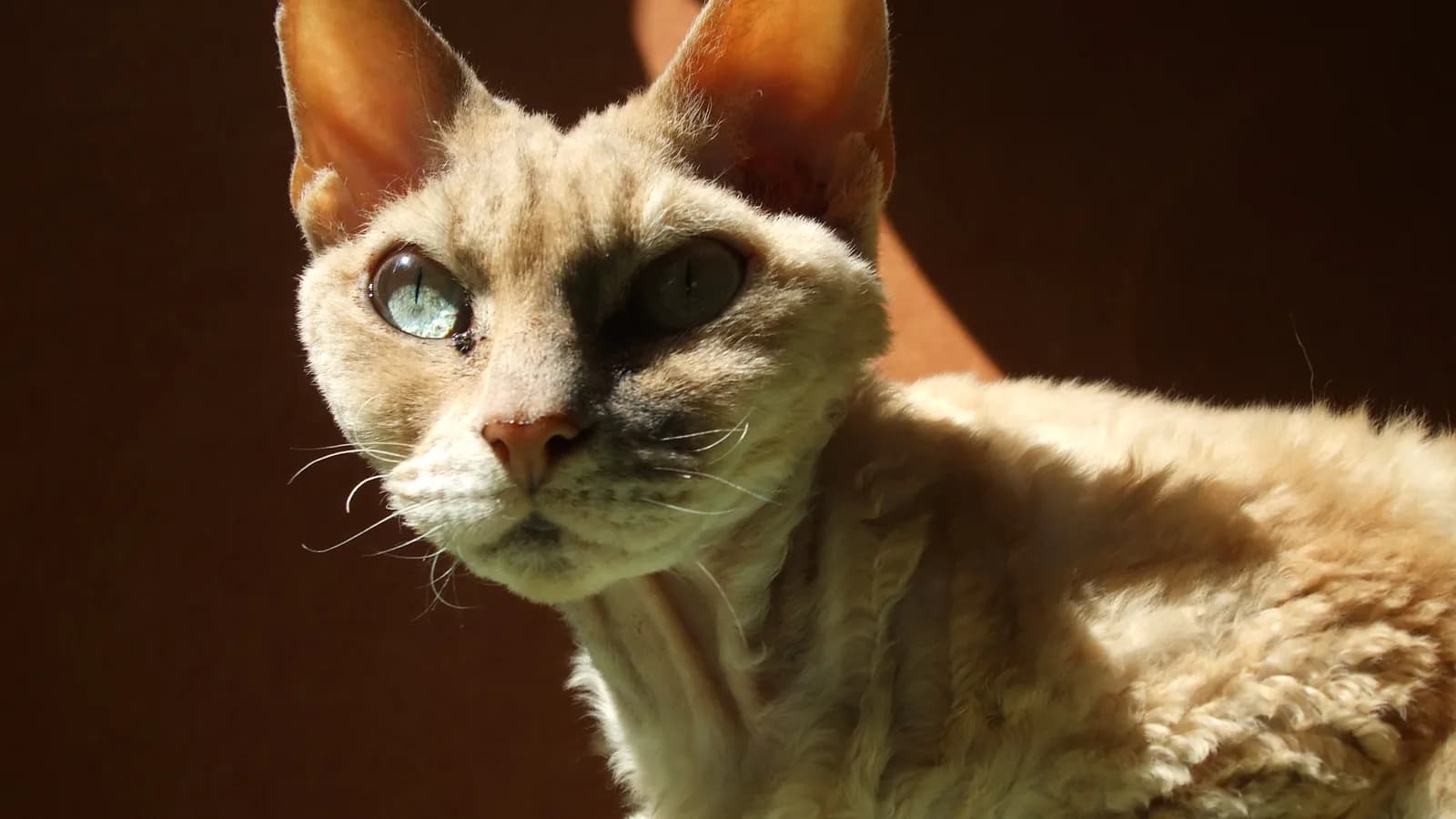
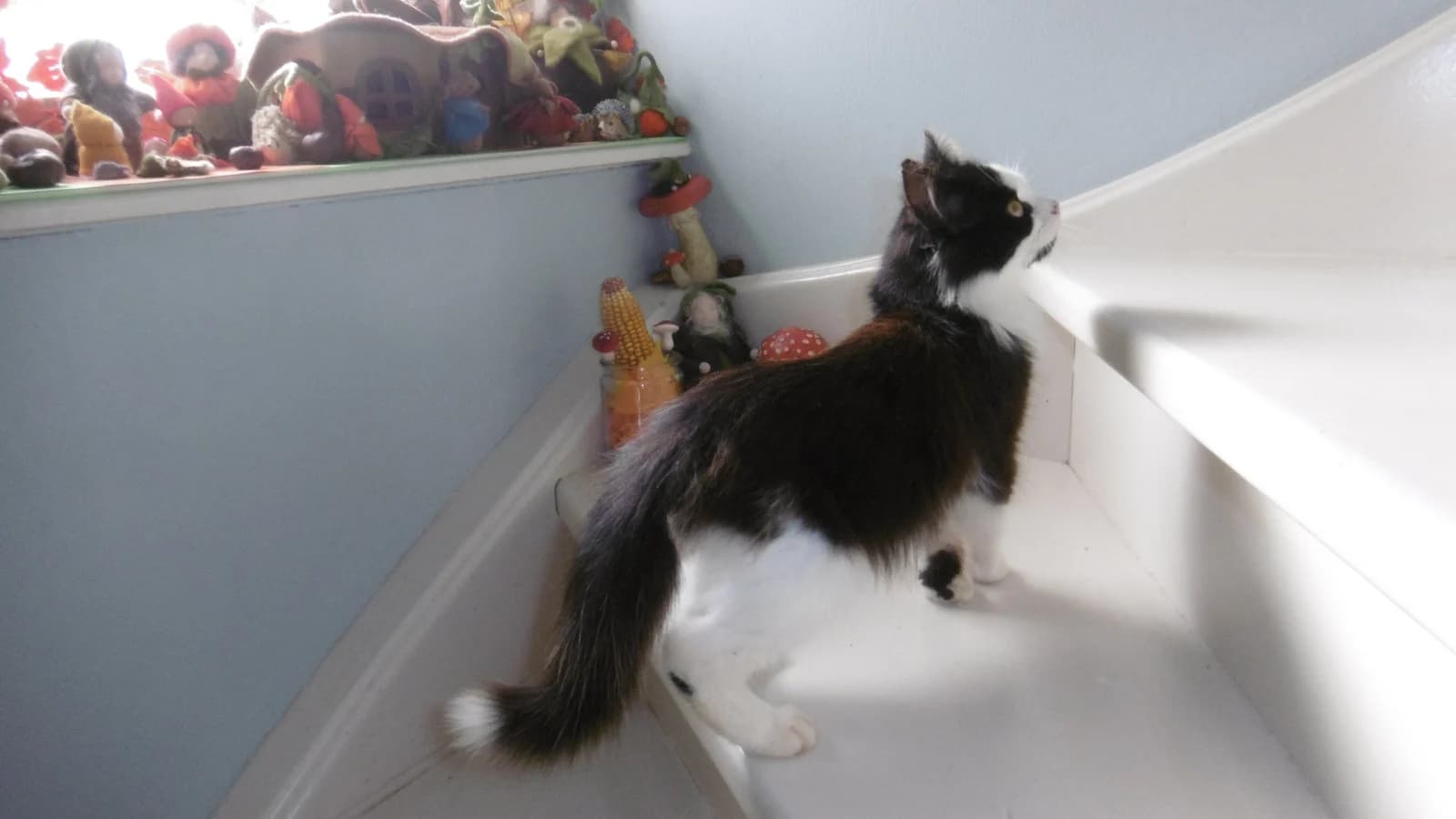
What is an orange and white cat called?
Officially a red-and-white bicolor. Red is the registry word for orange, and bicolor names the white-spotted pattern, graded by how much white the cat carries (the scale our tuxedo page quotes). At the white-heavy extreme sits a named pattern with its own breed identity: the van pattern, color confined to the head and tail on a white body. It is named after the Turkish Van, the breed that made red-on-white its signature (its profile is on our build list). In between: every proportion of ginger and cream on white the white-spotting gene can paint.
The genetics are the two stories our other pages tell, stacked. The X-linked orange gene cannot hide its tabby stripes, so the orange patches are always striped (full story here). The white-spotting gene paints the white. Because orange rides the X, orange-and-white cats skew male exactly as solid oranges do.
The short version
A red bicolor: the orange gene plus white spotting. Striped in the orange (always), mostly male (usually), a breed (never): the pattern travels across the fancy.
Which breeds wear orange and white
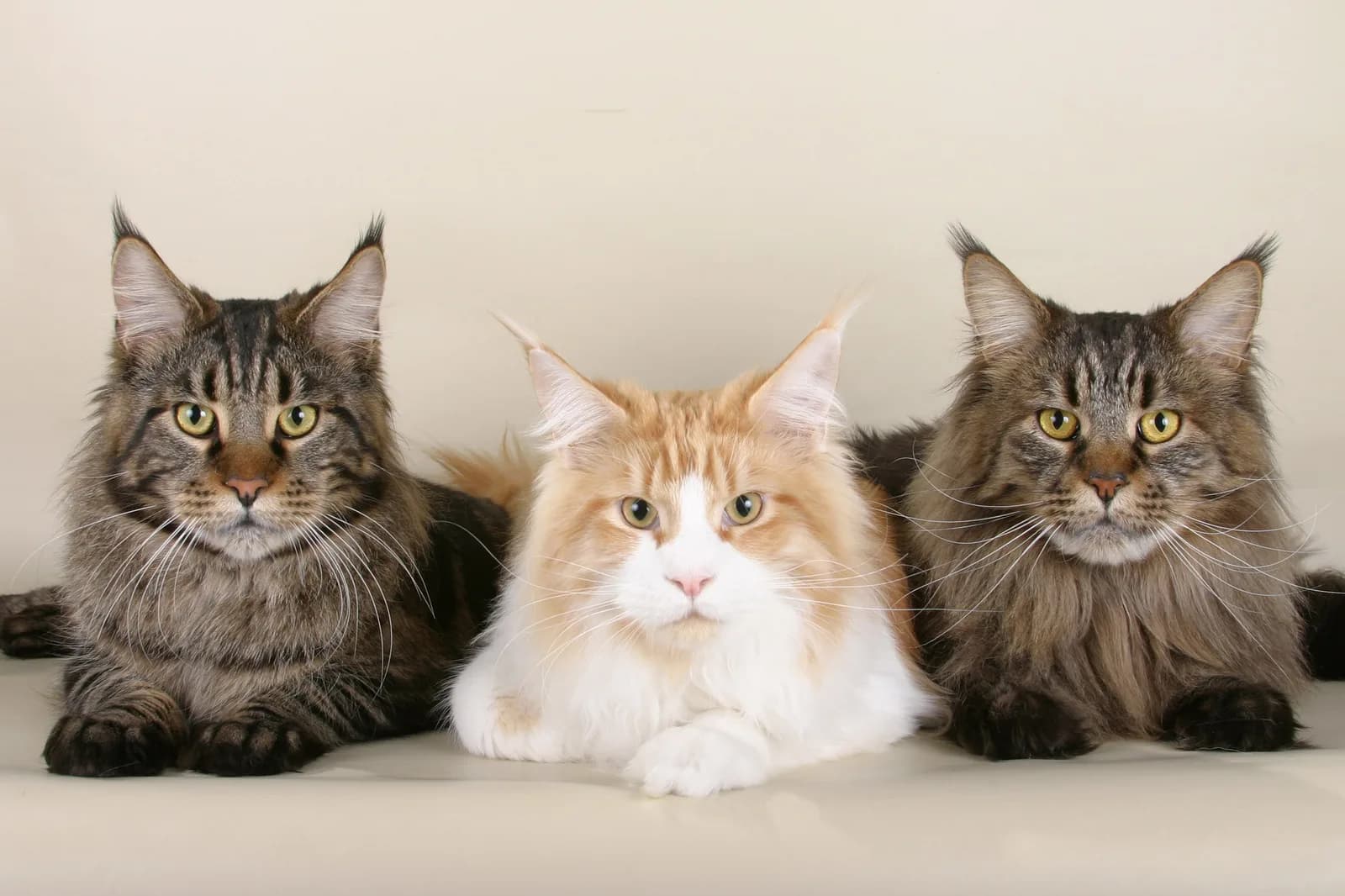
Any breed admitting both red and bicolor, which is most of the open-palette fancy. Red-and-white Maine Coons, British Shorthairs, American Shorthairs, Munchkins, Devon Rexes and Norwegian Forest Cats all carry named red-bicolor classes. The Turkish Van deserves its special mention. The breed's defining look IS red-on-white in the van distribution, and its standard family even splits the all-white version into a separate breed, a story our white cat page tells. And as always with patterns: most orange-and-white cats are -free domestics wearing the fancy's happiest coat.
The honest facts
Rarity: none, this is one of the commonest coats going. Sex: mostly male, by X-chromosome arithmetic, with the exact split unmeasured (the 80% figure is folklore, as our orange tabby page documents). Personality: the friendly-ginger reputation is charming and unmeasured. The one coat-behavior survey did not flag orange-family cats in its findings. Price: the coat carries no premium; the breed or shelter fee decides. And lifespan follows breed and care, never color, as every honest page on this site repeats.
Orange-and-white is the coat evolution designed for cereal boxes and sunbeams. If one runs your home, the only real question is whether his white socks match, and we would like to see either way.
By Nora · The storytellerFrequently asked questions
What are orange and white cats called?
Red-and-white bicolors, in registry vocabulary; the white-heavy version with color only on head and tail is the van pattern, named after the Turkish Van. Everyday English says orange-and-white or ginger-and-white; it is all one two-gene pattern.
What breed is an orange and white cat?
Usually none: the pattern runs through the general population and many breeds (Maine Coon, British Shorthair, American Shorthair and more carry named classes). The Turkish Van made the van version its identity; everything else is a color option, not a breed.
Are orange and white cats always male?
Mostly, not always: orange rides the X chromosome, so males need one copy and females two. The precise split is unmeasured; the famous 80% figure has no source.
Are orange and white cats rare?
No: the two genes involved are among the most widespread in the species, and their combination is everywhere. Common as sunshine, and about as welcome.
Why does my orange and white cat have stripes?
Because every orange cat does: the orange pigment cannot hide the tabby pattern, so the colored patches always carry stripes, swirls or ticking. A truly solid orange patch essentially does not exist.
Sources & references
Data checked against reference bodies (breed registries, allergy research, veterinary schools).
This page is a starting point. Every cat is an individual: our profiles spell out the tendencies of each breed, sources included.
 Purr or Pass
Which cat breed is right for you?
Take the quiz