


Cat breeds by trait
Indoor Cats: The Breeds That Thrive Inside, and How to Do It Well
The indoor question splits the cat world by geography. Most American vets and shelters advocate indoor-only as the default, while Britain has historically leaned outdoor-access, and the argument between those cultures is louder than most breed debates. This page skips the war and answers the practical version. If your cat WILL live indoors, which breeds suit it best, and what does indoor-done-well require?
Both answers are more cheerful than the argument. Plenty of breeds genuinely thrive inside, and the requirements are a list, not a lifestyle overhaul.
 By Tess · The straight talker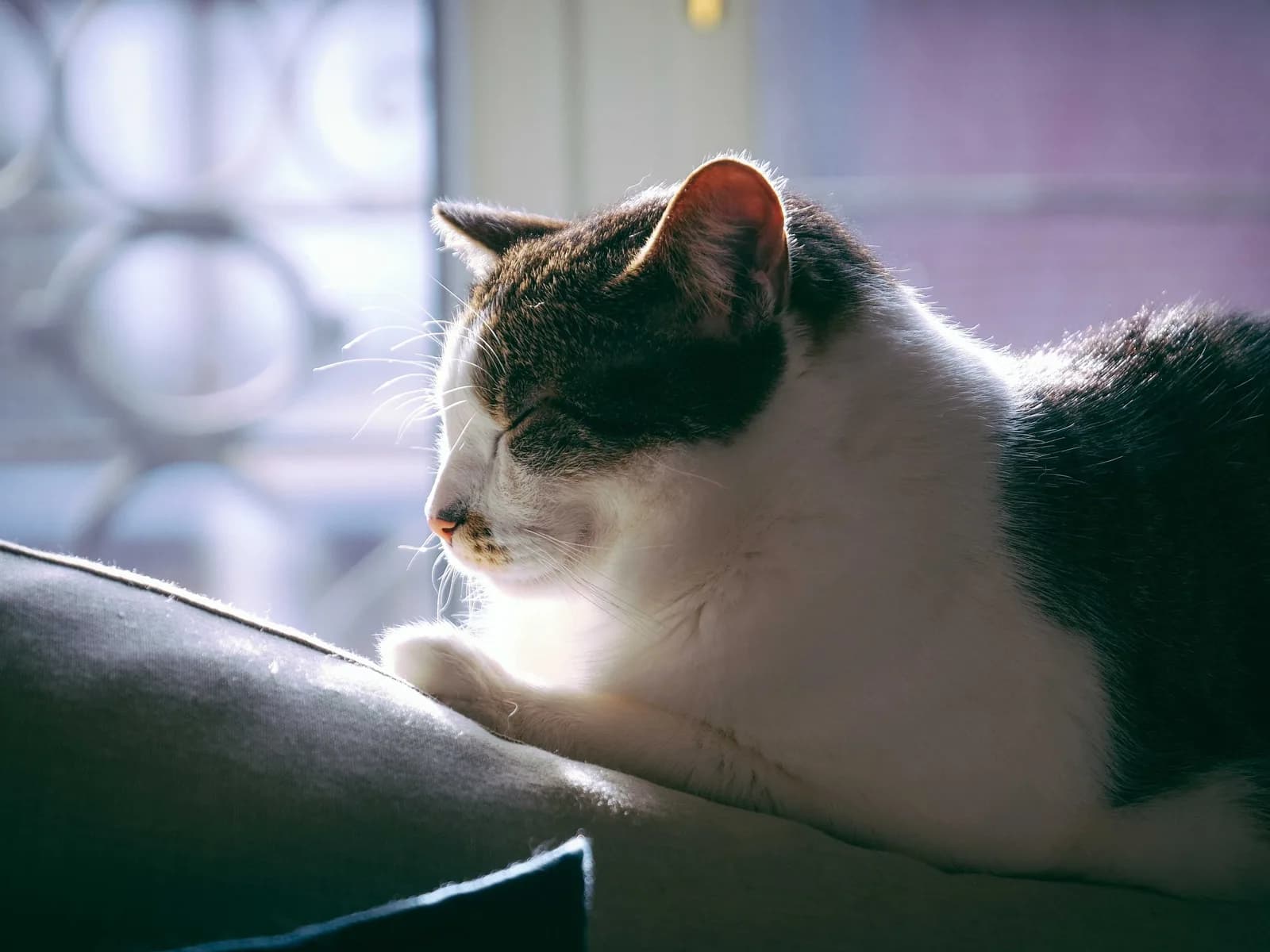
Contents
Breeds worth knowing
Tap a breed for the full profile: temperament, health, price and coat colors, all fact-checked.
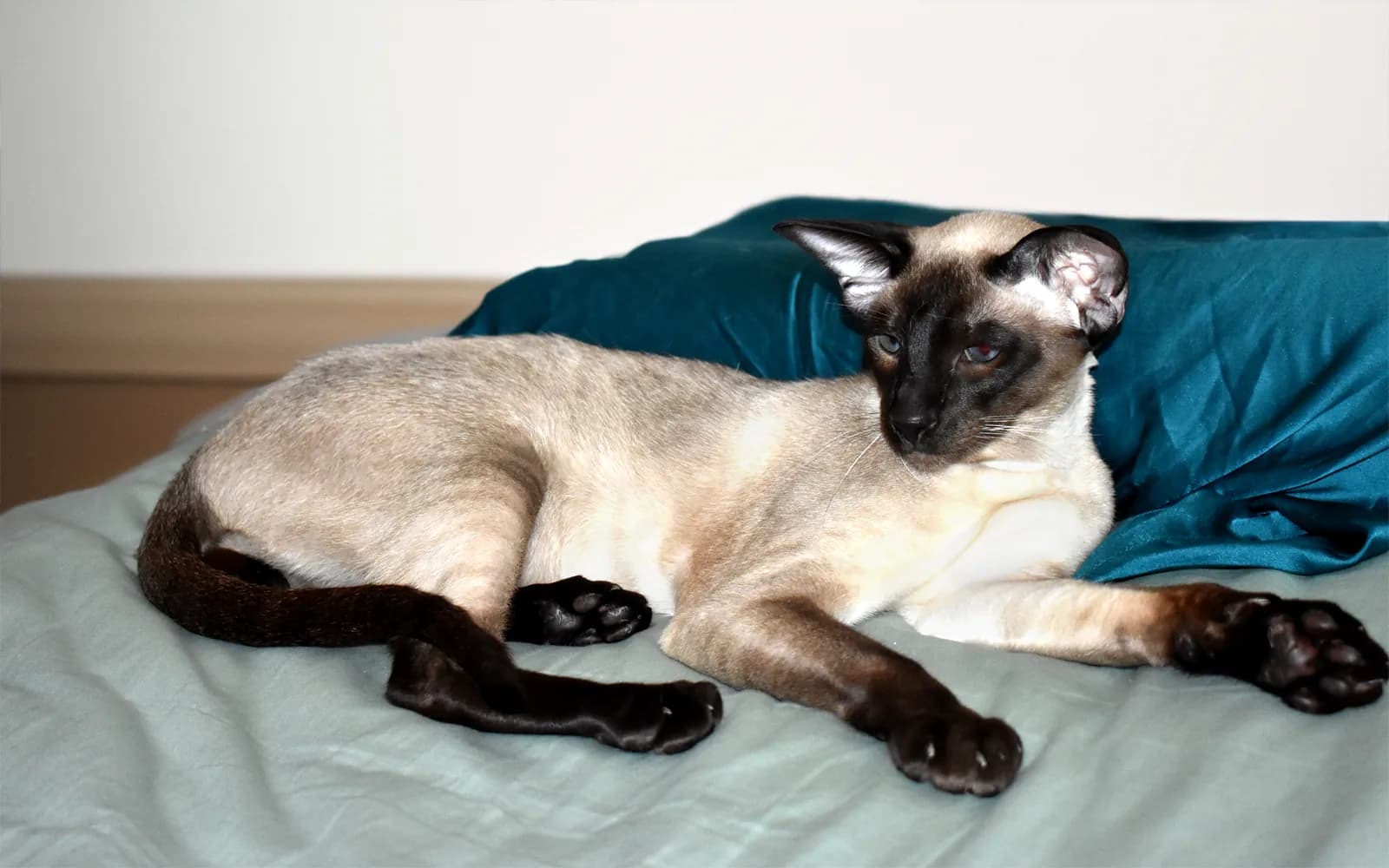
The breeds that suit indoor life
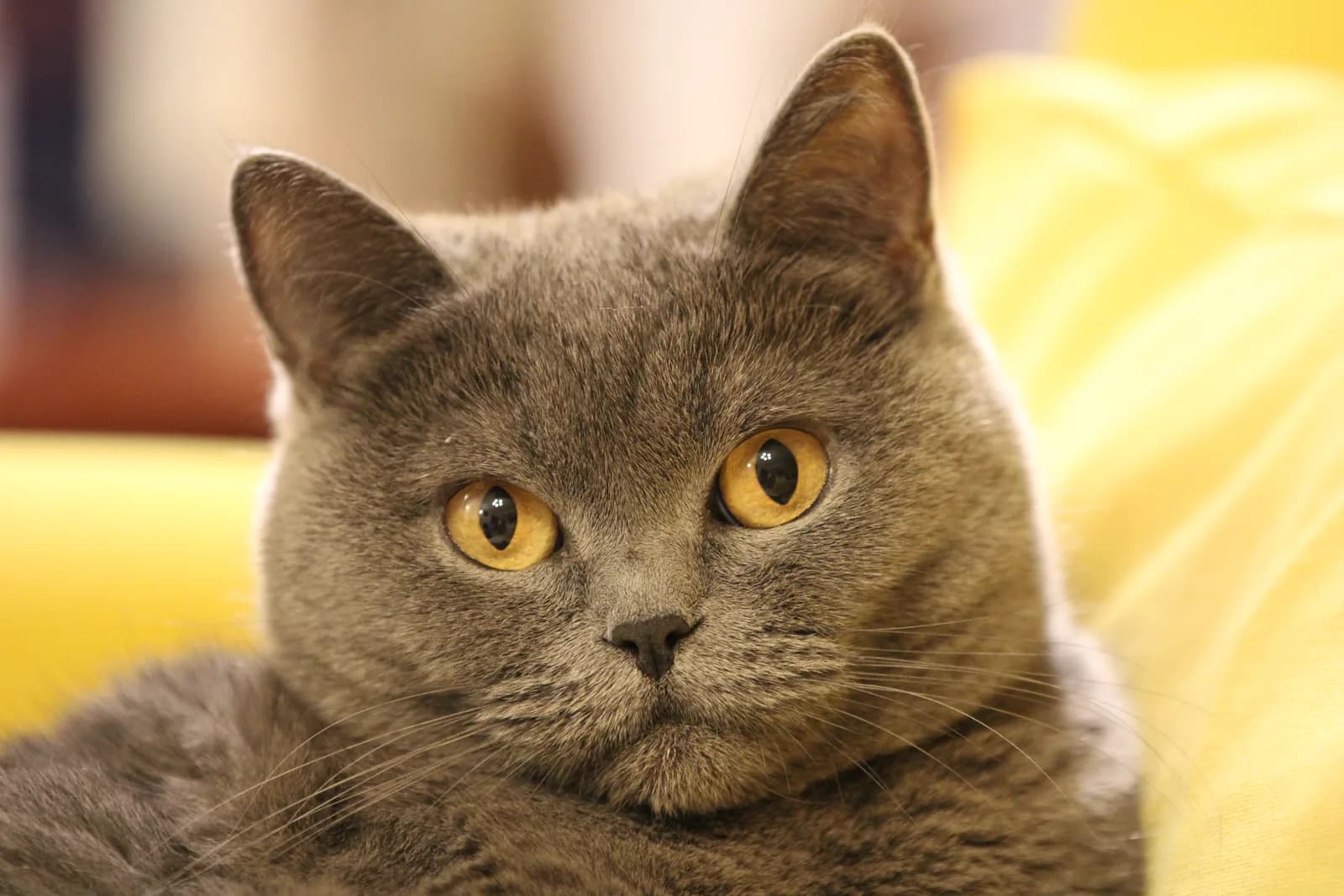
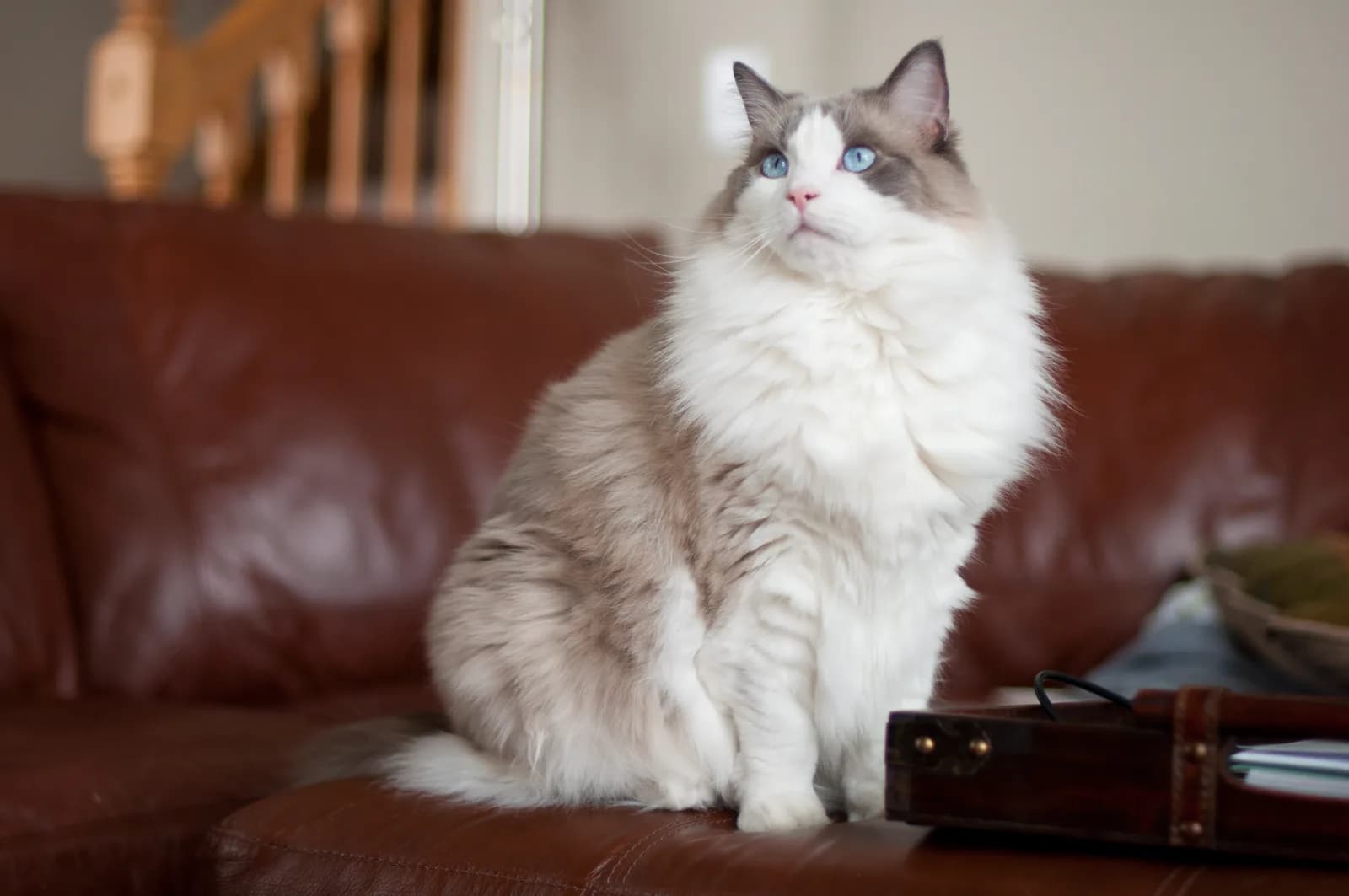
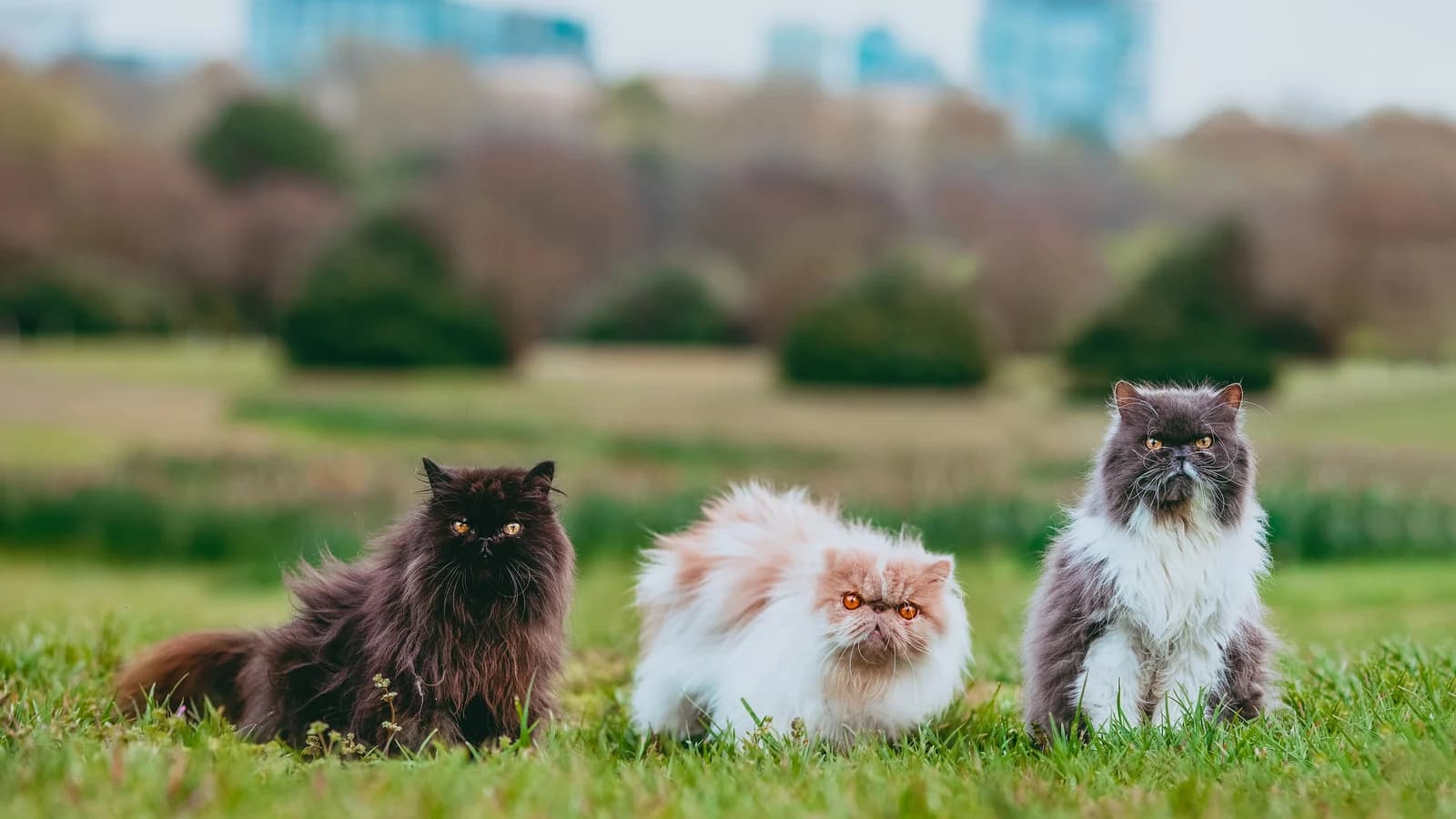
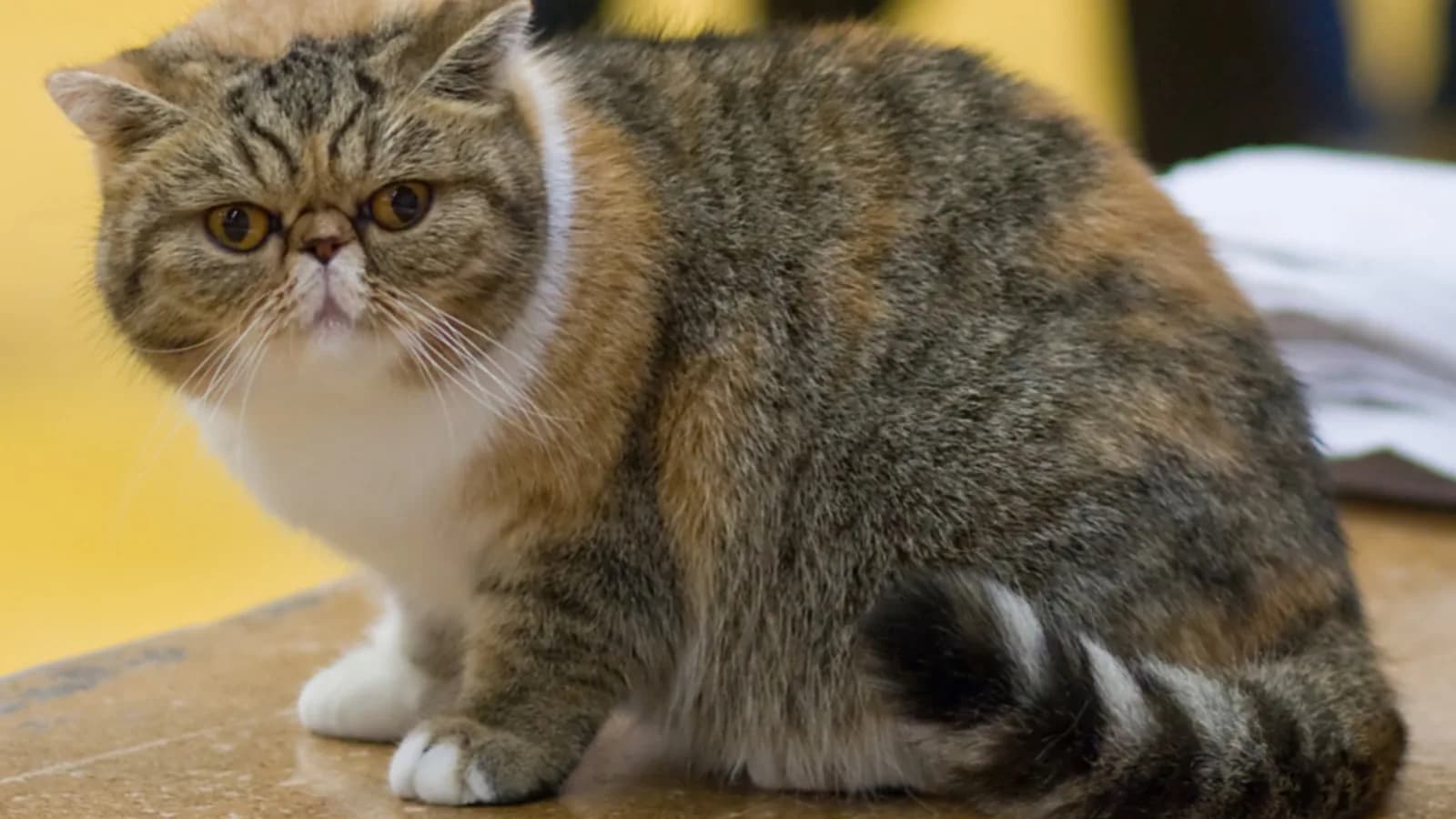
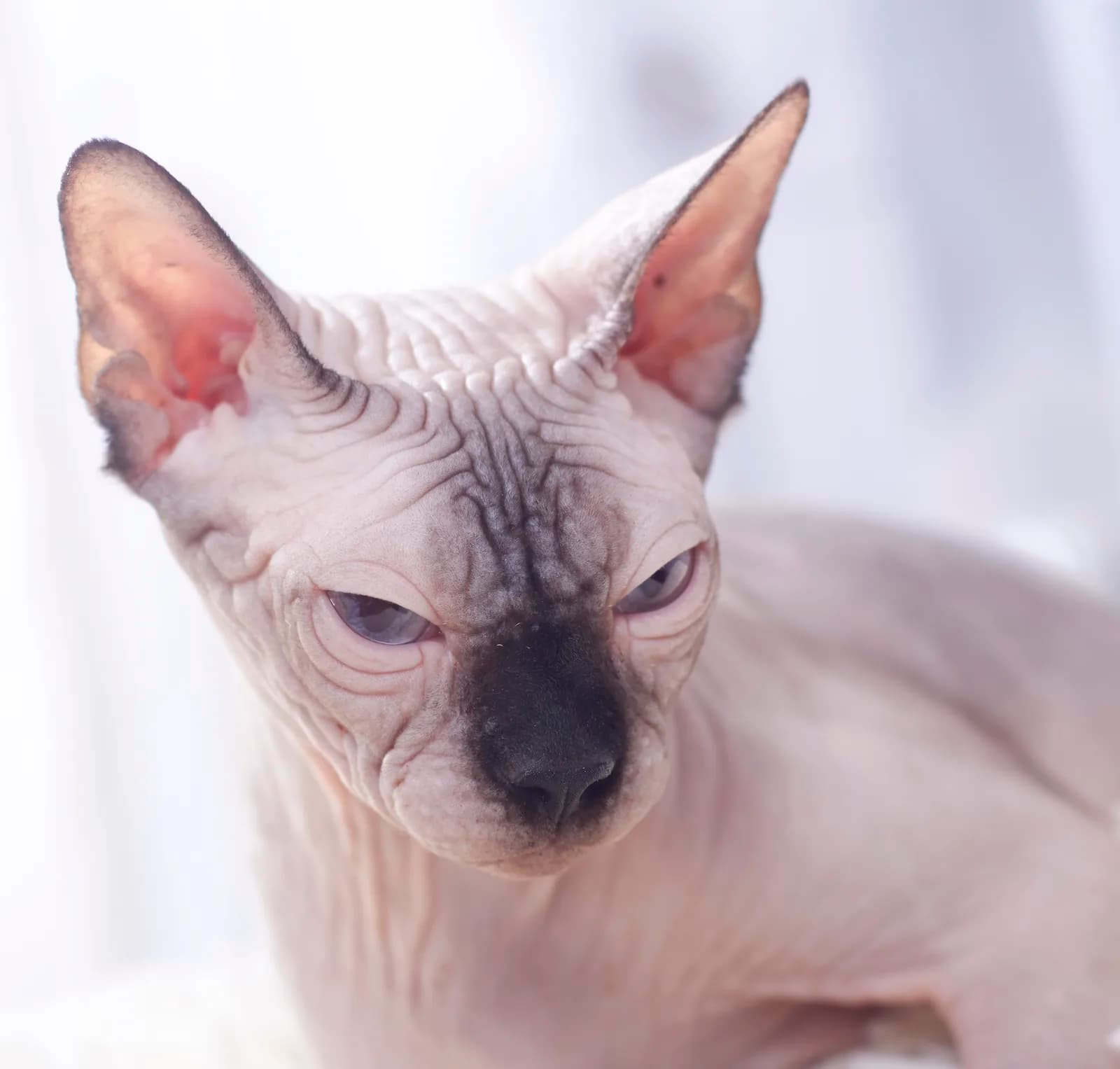
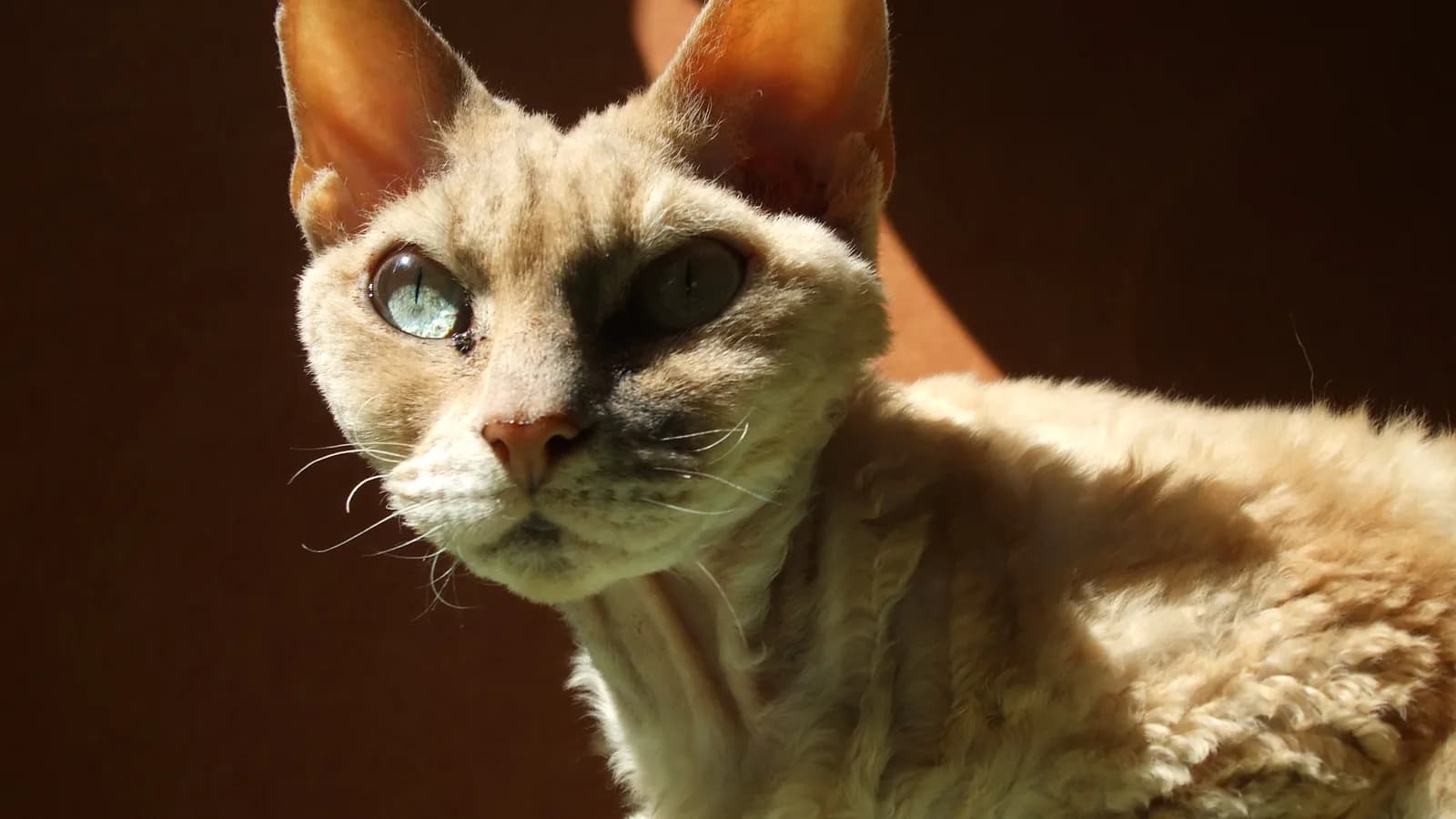
Three kinds of cat do well inside. The calm presiders: the British Shorthair, Persian, Exotic Shorthair and Ragdoll, whose registry portraits all read placid, low-wandering, furniture-compatible. The Ragdoll's own community leans indoor-only almost by tradition. The indoor-by-design: the hairless family (Sphynx and relatives), whose sun-and-cold file makes indoors the practical default, and flat-faced breeds whose heat sensitivity points the same way. And the busy-but-homebound: high-energy people-cats like the Devon Rex and Siamese that do fine inside PROVIDED the household supplies the stimulation the street would have. These are enrichment-hungry, not space-hungry.
The honest counterexamples matter too. A cat used to roaming rarely converts happily, and high-prey-drive individual cats (any breed) may find four walls harder. The breed stacks odds; the individual decides.
Calm presiders
British Shorthair, Persian, Exotic, Ragdoll: placid by portrait, content by nature.
Indoor by design
The hairless and flat-faced breeds: sun, cold and heat files make indoors the practical default.
Busy but homebound
Devon Rex, Siamese: thrive inside IF you supply the entertainment the street would have.
Indoor done well: the actual requirements
The enrichment list is short and non-negotiable. Vertical space (cat trees, shelving: floors are territory, walls are more territory). Daily interactive play (prey-shaped, ten minutes twice a day beats an hour on Sunday). Scratching real estate in every social room. Window access (bird TV is genuine enrichment). And for the busy breeds, food puzzles that make dinner a job. Weight is the indoor cat's classic file. Portion control and play matter more inside, and our feeding tools carry the portion math. And keep the vet rhythm: indoor cats still need vaccinations and parasite cover (windowsills, balconies and your shoes all import the outside world), a point every veterinary body repeats.
The UK-US split, briefly and fairly
American veterinary and shelter orthodoxy favors indoor-only, on traffic, predators and disease grounds. British tradition has favored outdoor access, on enrichment and natural-behavior grounds, and UK rehoming organizations often ask about garden access rather than forbidding it. Both cultures produce healthy, happy cats. Both have their failure modes (obesity and boredom inside, traffic and misadventure outside). Wherever you live, the honest version is that the choice is yours to make deliberately, with the enrichment list above as the price of the indoor road.
Indoor life is a contract: the cat gives up the territory, you supply the world. Pick a breed that suits the deal, pay the enrichment bill daily, and the sofa in the sun becomes what it looks like: a good life. Tell us your indoor setup; the community steals the best ideas shamelessly.
By Tess · The straight talkerFrequently asked questions
What are the best indoor cat breeds?
The calm presiders (British Shorthair, Persian, Exotic, Ragdoll), the indoor-by-design breeds (Sphynx and the hairless family), and the busy people-cats (Devon Rex, Siamese) if you supply the stimulation. The individual cat's history matters as much as the breed.
Is it cruel to keep a cat indoors?
Not if the indoor life is properly equipped: vertical space, daily play, scratching posts, window access and portion control. The genuine welfare risks run both ways (boredom and weight inside; traffic and misadventure outside), which is why the cultures disagree and why the enrichment list is non-negotiable.
Do indoor cats live longer?
Indoor cats avoid the outdoor world's biggest killers (traffic above all), which is the core of the American indoor-only case. Precise breed-level comparisons don't exist; the practical version is that indoor life removes major risks and adds manageable ones (weight, boredom).
Do indoor cats need vaccinations?
Yes: core vaccinations and parasite prevention still apply, because the outside world arrives via windowsills, other pets and your shoes. Your vet sets the right schedule for an indoor lifestyle; skipping it entirely is not the indoor discount it sounds like.
How much space does an indoor cat need?
Less than people fear, counted in three dimensions: vertical territory (trees, shelves) multiplies a small flat, and daily interactive play matters more than square footage. A busy studio beats a boring house.
Sources & references
Data checked against reference bodies (breed registries, allergy research, veterinary schools).
This page is a starting point. Every cat is an individual: our profiles spell out the tendencies of each breed, sources included.
 Purr or Pass
Which cat breed is right for you?
Take the quiz