


Cat breeds by trait
The Most Affectionate Cat Breeds, By the Data We Actually Have
Every breed profile ever written says affectionate, which makes the word useless exactly where you need it. This page filters by a harder standard. Which breeds have MEASURED people-seeking behavior behind the claim, in the independent owner-survey datasets our breed research reads study by study? And which just have good copywriters?
The honest frame first. Affection is individual before it is breed. Upbringing beats , and surveys measure owner reports, not cuddles per hour. Within those limits, some breeds genuinely do stack the deck.
 By Tess · The straight talker
Contents
Breeds worth knowing
Tap a breed for the full profile: temperament, health, price and coat colors, all fact-checked.
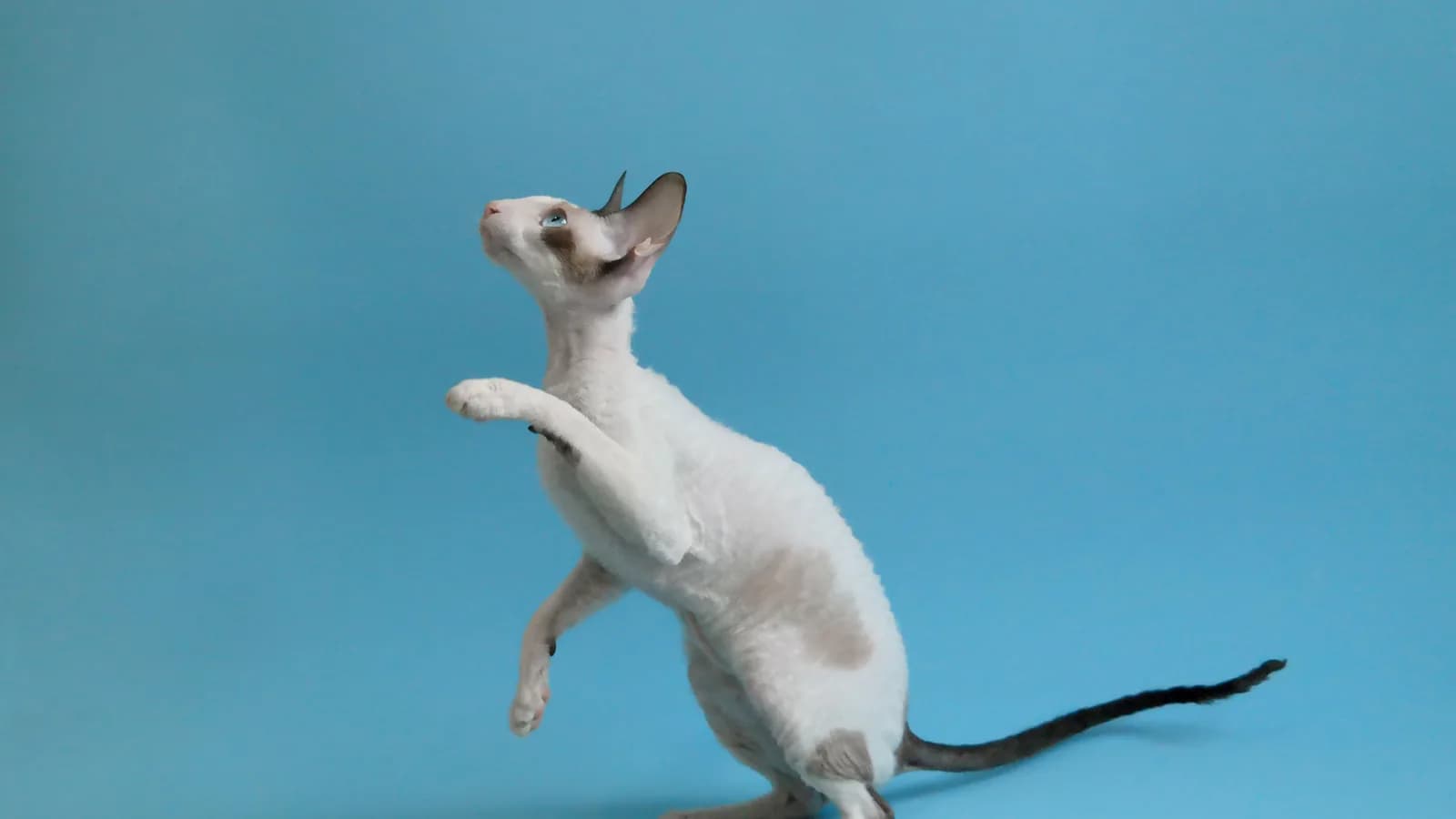
The breeds with measured people-seeking behind the reputation
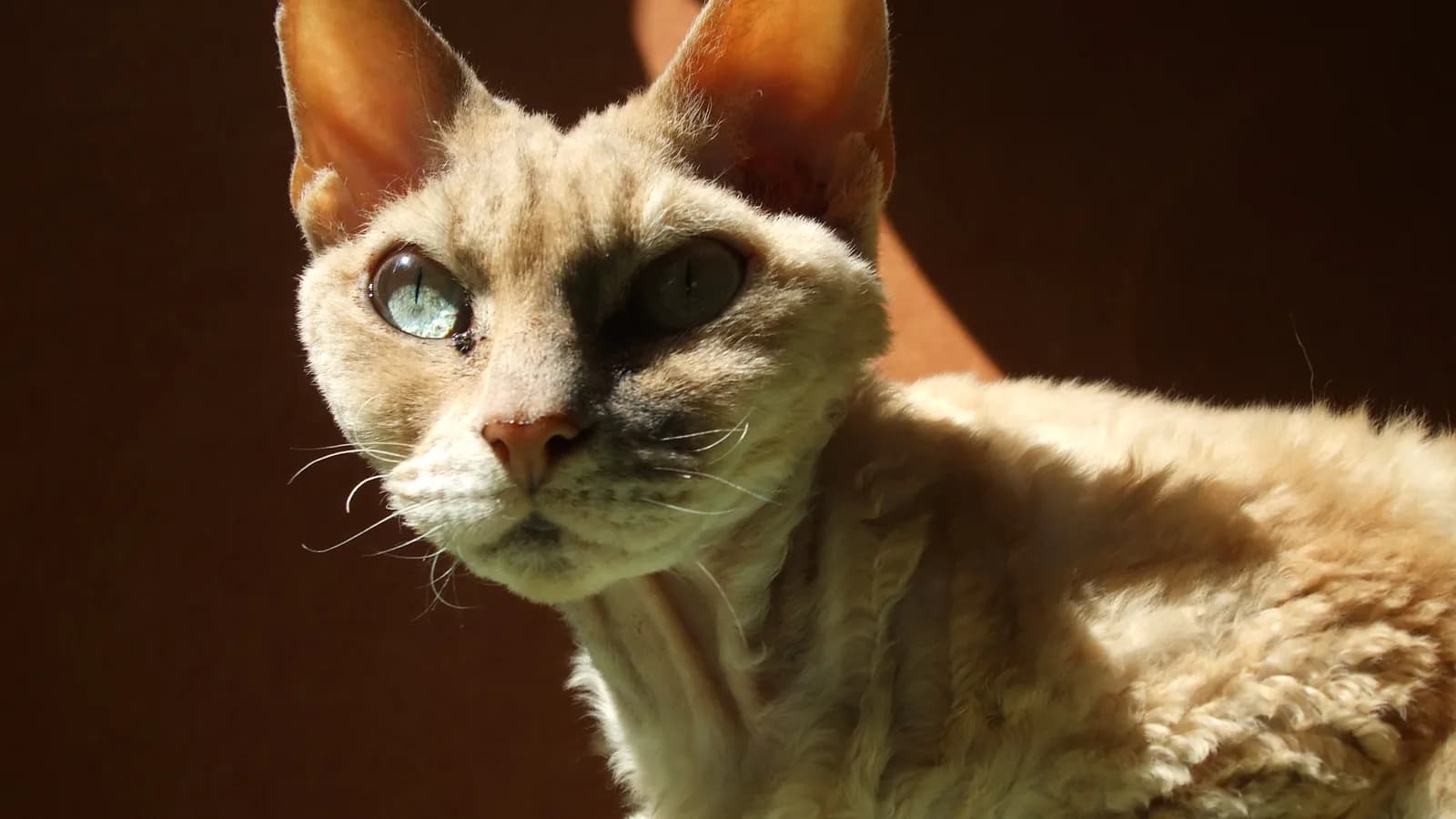
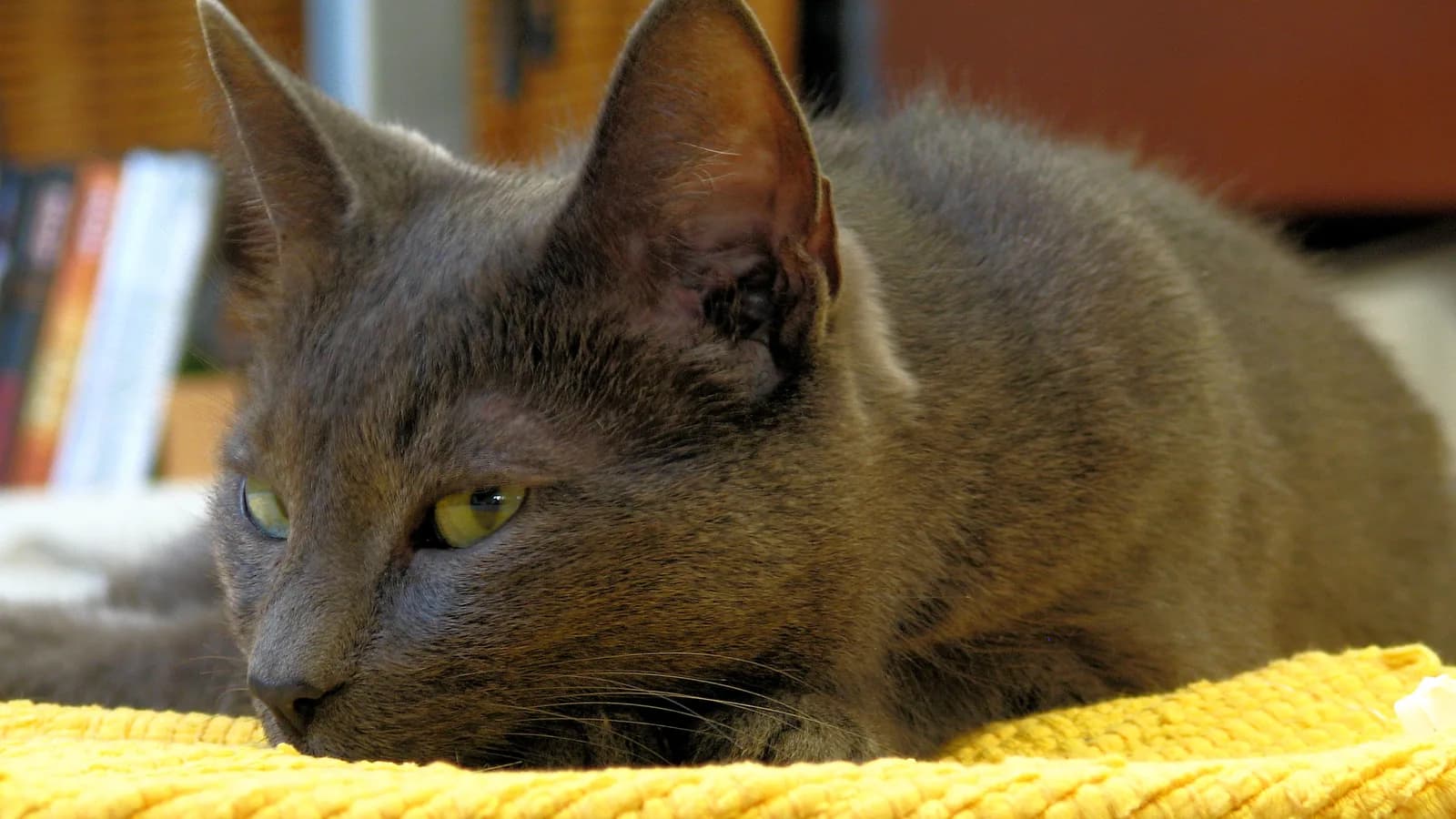
The large Finnish behavior datasets, the only independent multi-breed surveys of their kind, give a handful of breeds real numbers. The Devon Rex is among the most people-seeking breeds ever measured there. Its profile carries the finding with its sources, and the shoulder-riding reputation follows the data for once. The Korat scores among the most people-contact-seeking groups in both Finnish samples, with the honest counterweight our profile prints (the same data measures elevated assertiveness: a devoted cat that sets terms).
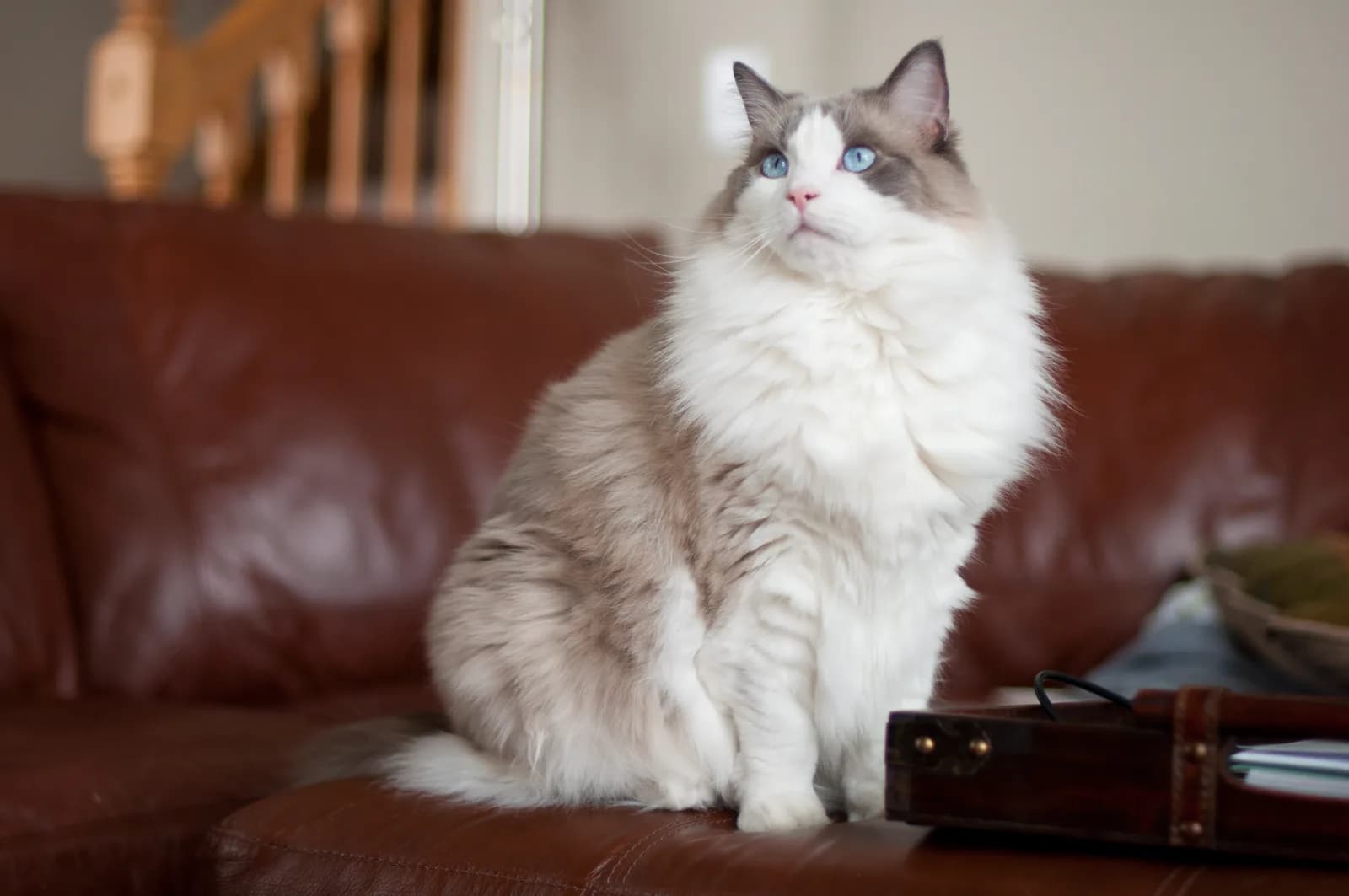
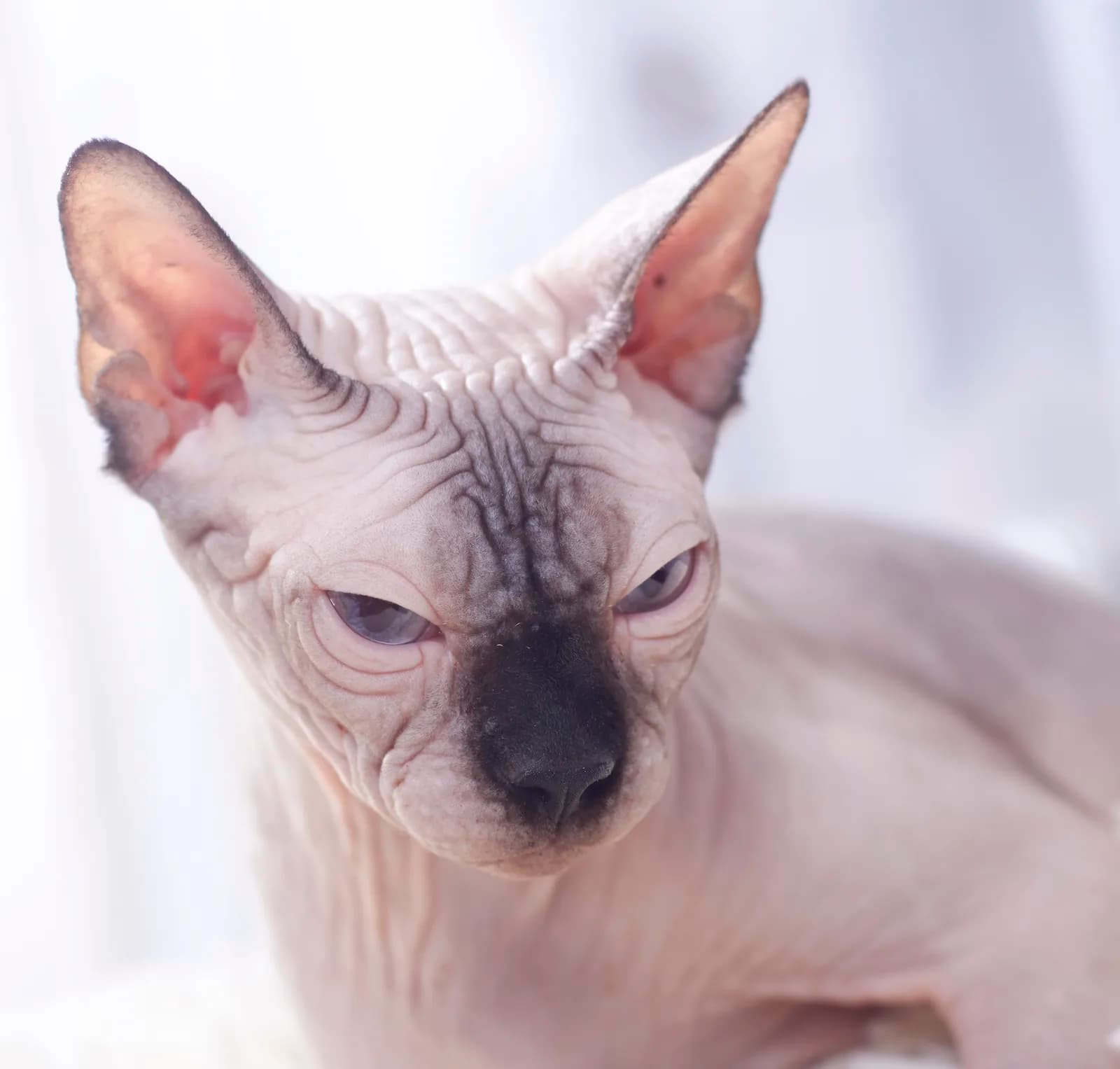
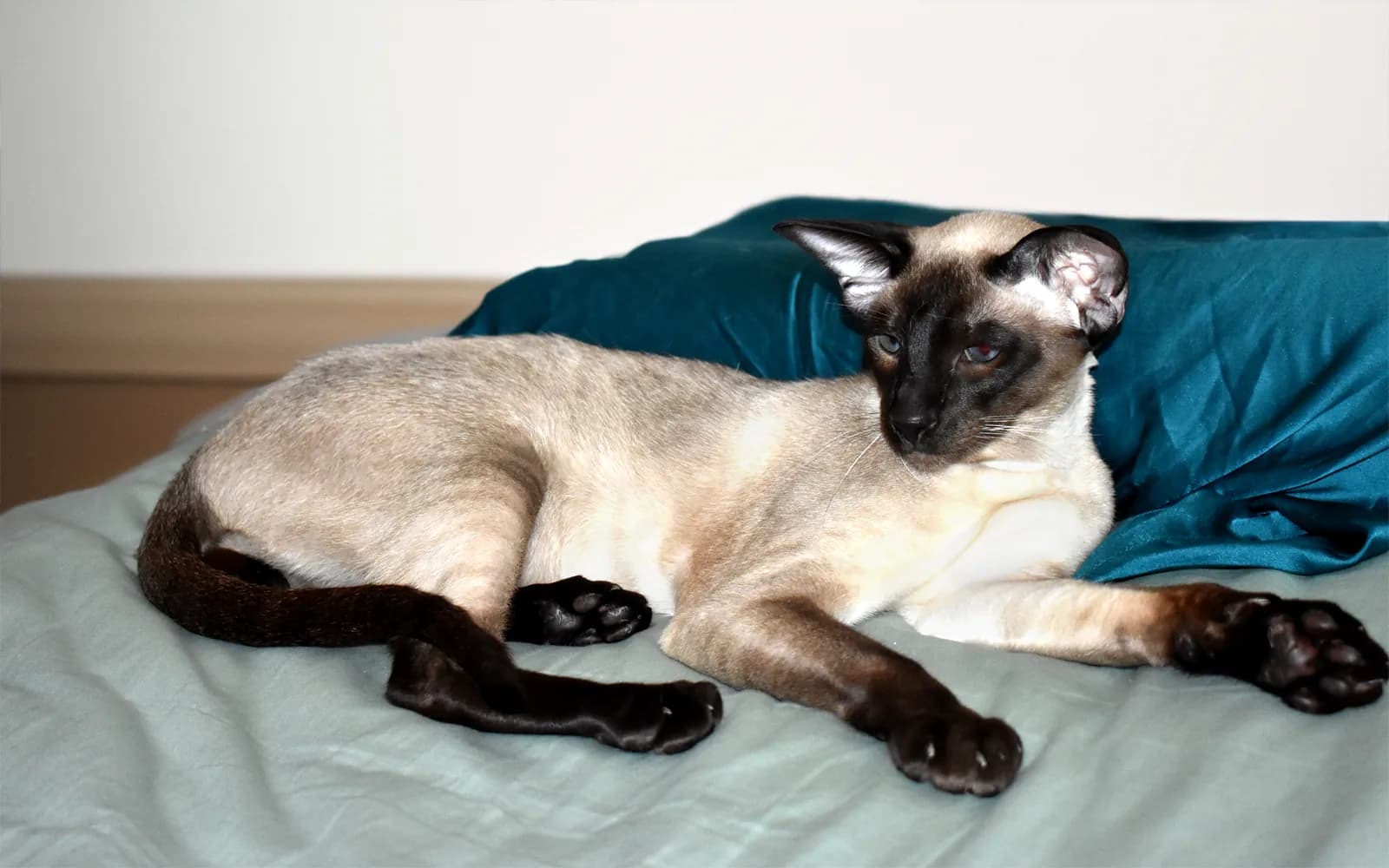
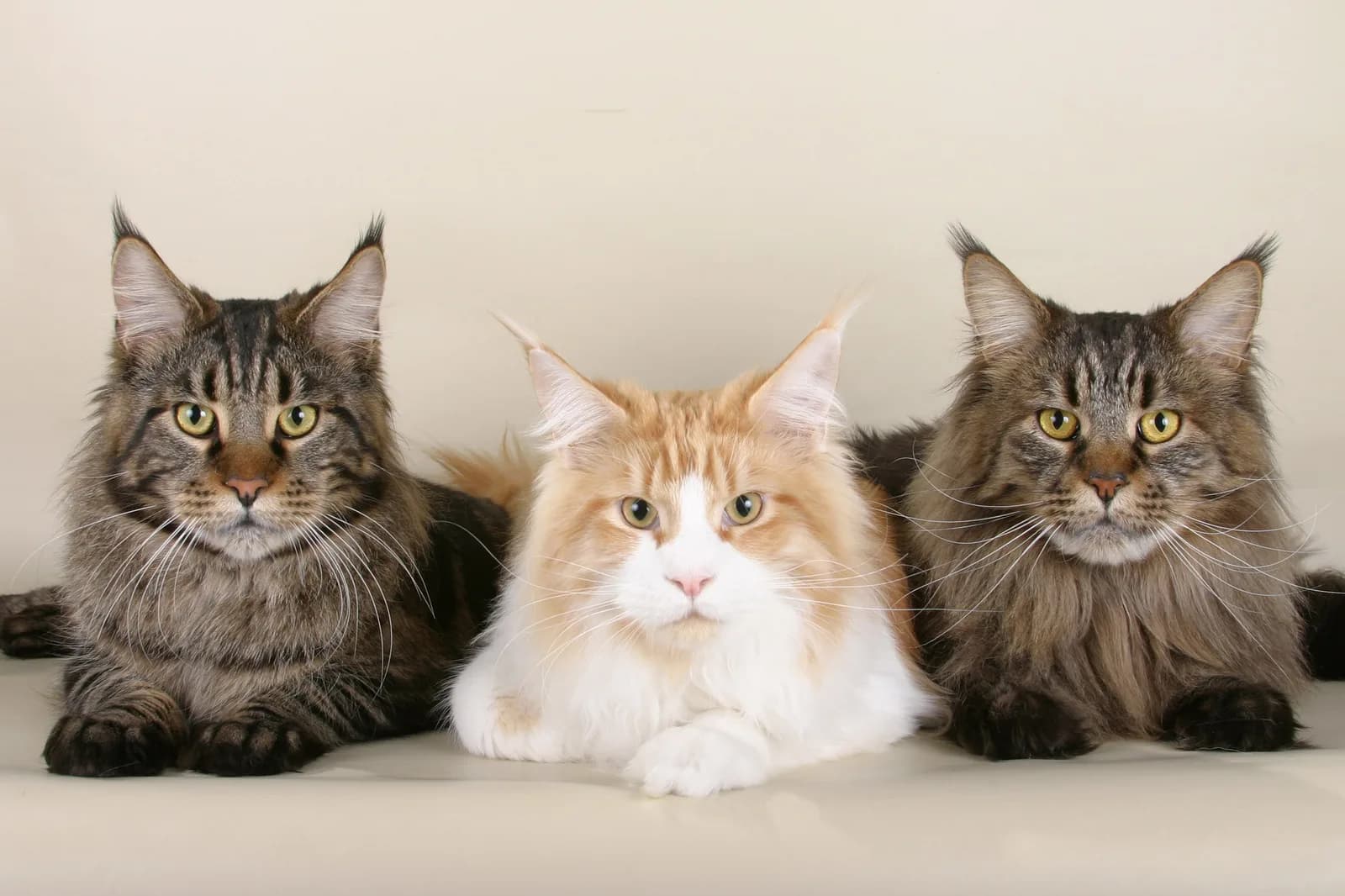
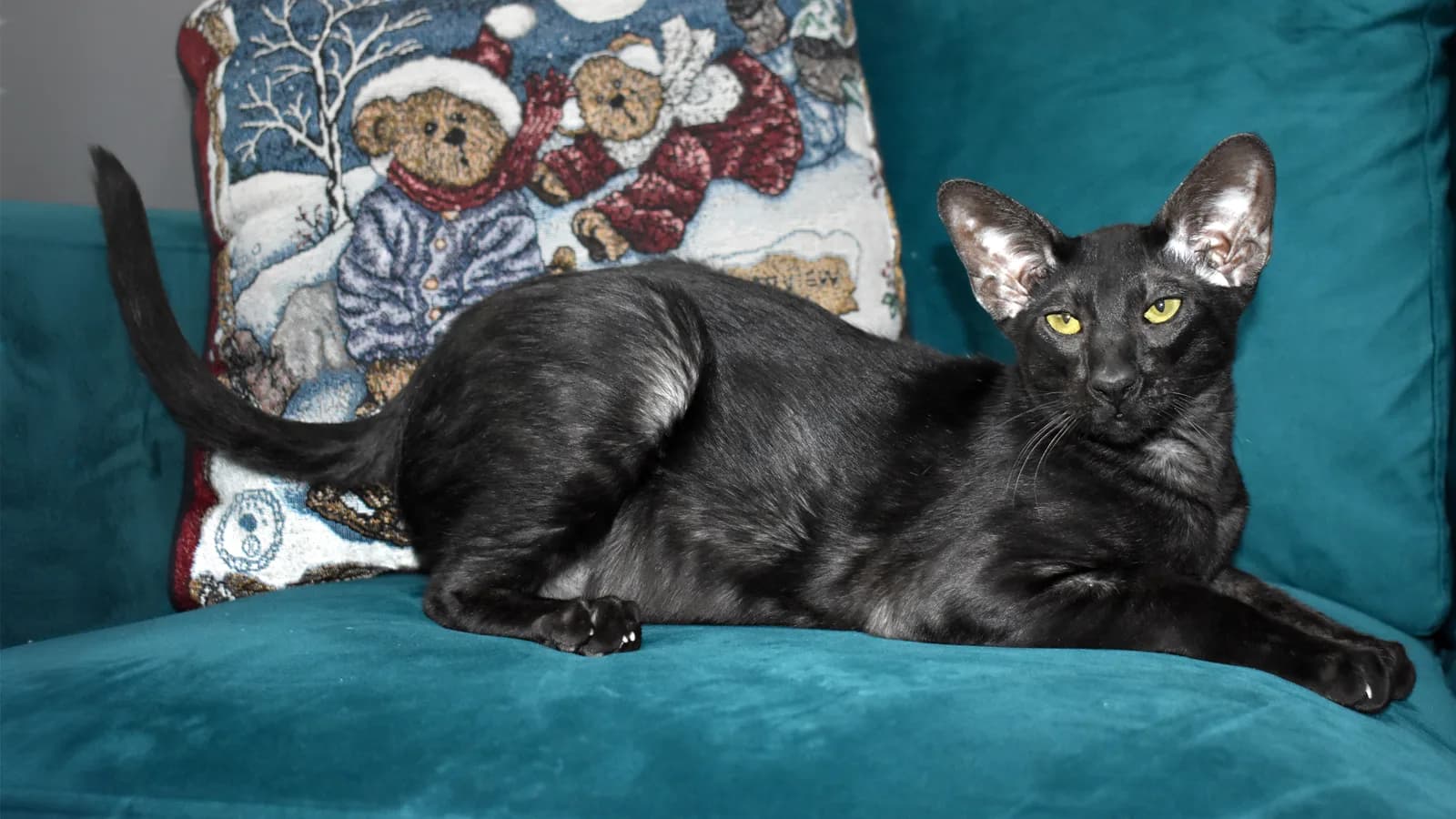
The Cornish Rex holds its own unmerged group at the top of the activity-and-sociability charts. Beyond the measured tier, the registry portraits are unusually consistent for a few breeds. The Ragdoll: "relaxed, affectionate, people-seeking" across every registry. The Sphynx: a heat-seeking lap magnet, by build as much as temperament. The Siamese and Oriental: people-fixated by every account, loudly so. And the Maine Coon, the follow-you-around gentle giant.
Measured tier
Devon Rex, Korat, Cornish Rex: real people-seeking scores in independent surveys, cited on each profile.
Consistent-portrait tier
Ragdoll, Sphynx, Siamese, Oriental, Maine Coon: every registry says the same thing, no survey has measured it.
Everything else
Affectionate in the brochure: which proves the brochure was written, nothing more.
How to actually get an affectionate cat
The breed stacks the deck; three other things deal the hand. Early socialisation: kittens handled well between roughly two and seven weeks make friendlier adults, the one window everyone agrees on. The individual cat: meet it, twice, and let it choose you back. Shelters will tell you which resident is the lap one. And your own household's rhythm: people-glued breeds like the Devon or Siamese NEED the company they crave. An affectionate breed in an empty flat is an unhappy cat, not a cuddly one. Pick the breed last, after those three.
The data says a few breeds really do tilt affectionate, and the same data says the tilt is smaller than the individual cat's own personality. Meet the cat. Then come tell us who chose whom; that story is always better than the .
By Tess · The straight talkerFrequently asked questions
What is the most affectionate cat breed?
By measured data, the Devon Rex has the strongest claim: among the most people-seeking breeds in the independent Finnish surveys. By registry-portrait consistency, the Ragdoll. By your actual future cat: the individual you meet, twice, who chooses you back.
Are affectionate cat breeds guaranteed to be cuddly?
No: breed tilts the odds, and early socialisation, the individual personality and your household's rhythm decide more. Surveys measure owner-reported tendencies, never a guarantee.
Which affectionate breeds handle being alone?
Mostly they do not, and that is the trade: people-glued breeds like the Devon Rex, Siamese and Korat are the wrong choice for an empty flat. For affection that tolerates a workday, the Ragdoll and British Shorthair portraits fit better.
Are male or female cats more affectionate?
No measured breed-level difference supports either folk claim; neutering status and socialisation matter far more than sex. Pick the individual.
Do cats become more affectionate with age?
Often, in both directions of the story: kittens play, adults attach, seniors nap on you. A sudden change in an adult cat's affection level, clingier or distant, is worth a vet visit rather than a personality theory.
Sources & references
Data checked against reference bodies (breed registries, allergy research, veterinary schools).
This page is a starting point. Every cat is an individual: our profiles spell out the tendencies of each breed, sources included.
 Purr or Pass
Which cat breed is right for you?
Take the quiz