


Coat patterns
Calico Cats: The Tricolor That Is Almost Always a She
A calico is not a breed. It is a coat pattern: a mostly white cat wearing separate patches of orange and black (or their softened, dilute versions). It can appear on many different breeds, as well as on the housecats next door.
It is also one of genetics' best party tricks. The pattern is written on the X chromosome in a way that makes almost every calico female, makes every calico's patchwork one of a kind, and makes the rare male calico a genuine biological plot twist. Here is the whole story, sourced, and this time photographed: every variant on this page appears in the pictures, from full-strength tricolor to dilute to .
 By Nora · The storyteller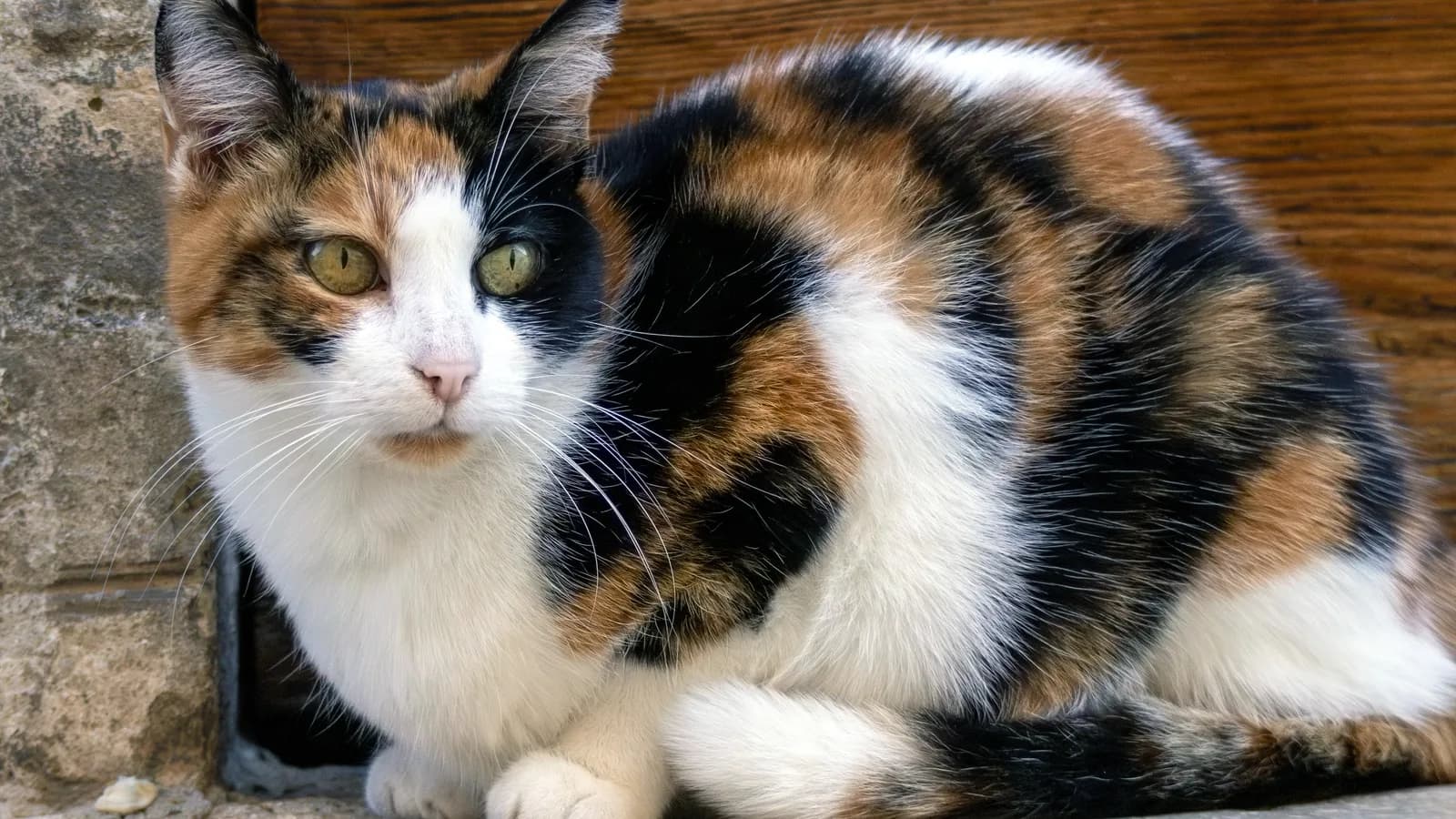
Contents
Breeds worth knowing
Tap a breed for the full profile: temperament, health, price and coat colors, all fact-checked.
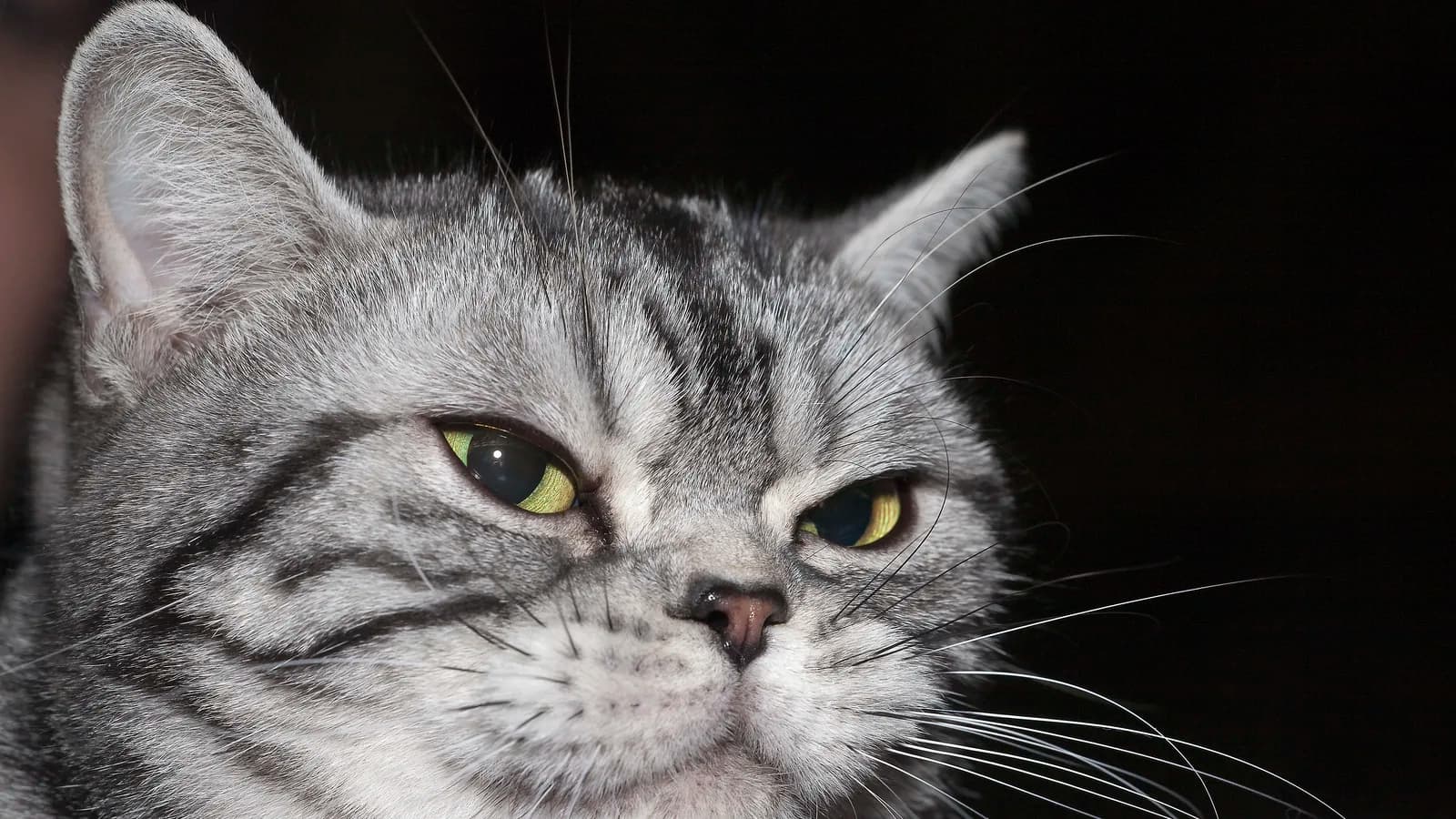
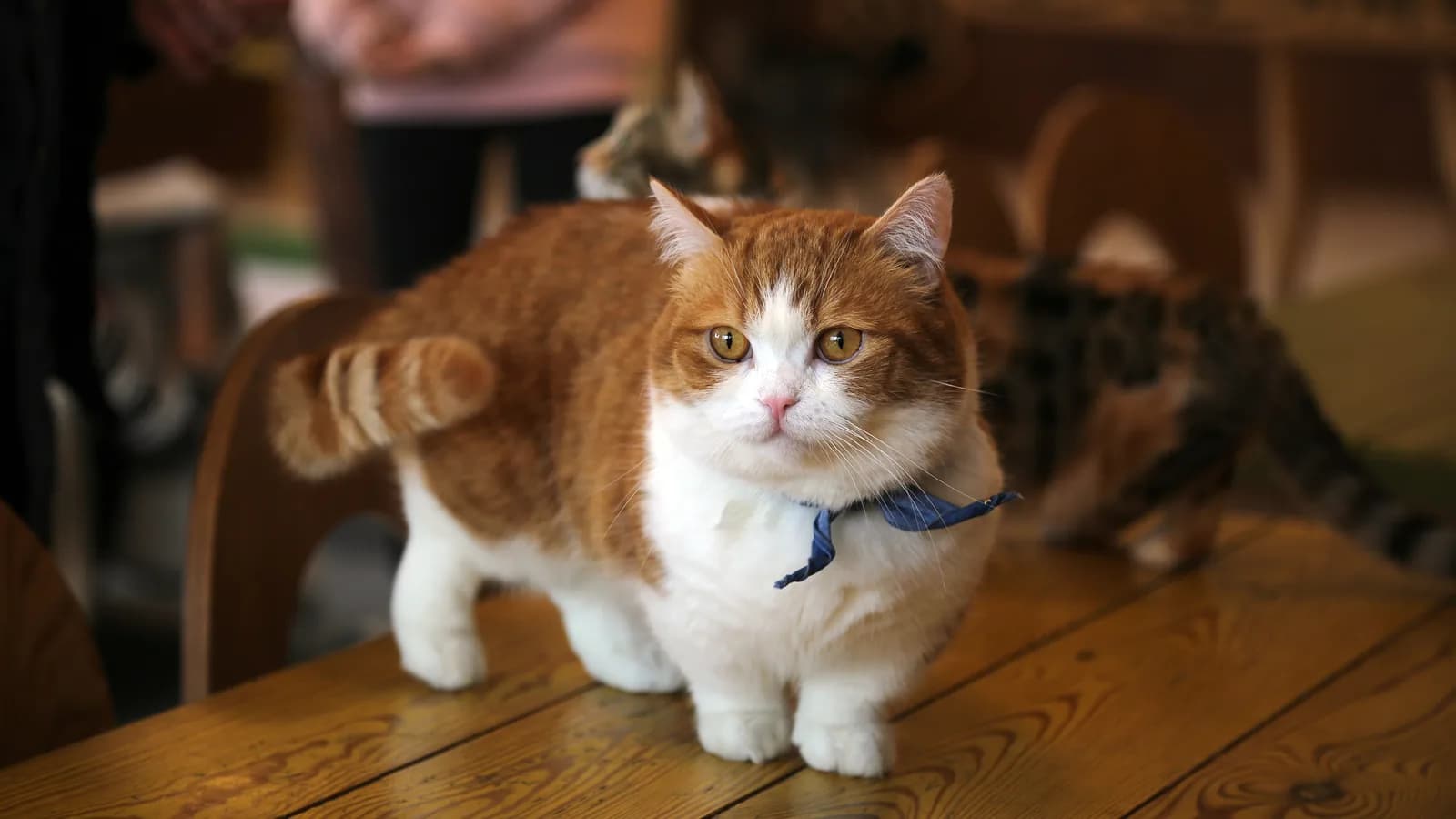
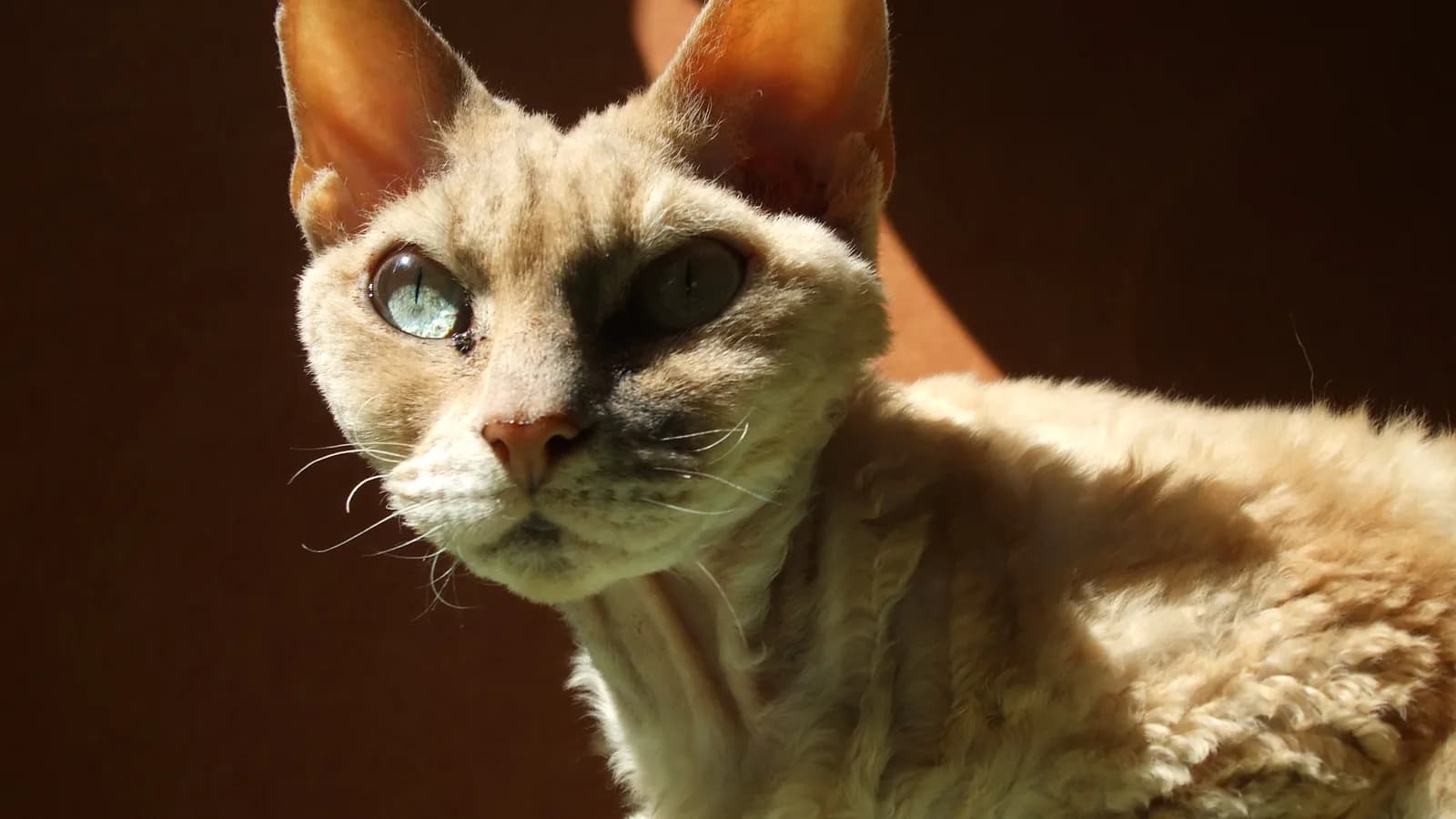
What is a calico cat?
The show registries define it precisely. 's standards describe the calico as "white with unbrindled patches of black and red," with "white predominant on underparts." The same wording repeats across its Maine Coon, Persian and British Shorthair standards: patches, clearly separated, sitting on a white ground. When the same black-and-orange mix appears woven together WITHOUT that white ground, the cat is a tortoiseshell, not a calico.
The word itself is North American. The , Britain's registry, does not use "calico" anywhere in its 312-page Standard of Points. The same cat in the UK is a tortoiseshell and white, or a tri-color. Same cat, two vocabularies, and worth knowing if you are reading British breeder listings.
Many pet calicos carry faint tabby striping inside their dark patches. Show vocabulary calls for "unbrindled" patches, but the tricolor logic is the same. A patched cat with tabby markings is informally a "," and nobody at the shelter will correct you for calling her a calico.
Is calico a breed?
No. Calico is a color pattern that many breeds (and countless mixed-breed cats) can wear. "What breed is my calico?" has the same answer as "what breed is my black cat": the pattern does not tell you.
Why (almost) all calico cats are female
The orange-or-black decision lives on the X chromosome. A female cat has two X chromosomes, so she can carry the orange instruction on one and the non-orange (black) instruction on the other. Early in her development, each cell in her body permanently switches off one of its two Xs, at random. Every skin cell that silenced the black-carrying X grows orange fur. Every cell that silenced the orange-carrying X grows black fur. The patches you see are the map of those single-cell coin flips, expanded as the cells multiplied.
The idea has a birthday. The geneticist Mary Lyon proposed random in 1961, in a short paper in Nature titled "Gene Action in the X-chromosome of the Mouse," and the cat was there from the start: her own paper points to the tortoiseshell's mosaic black-and-yellow coat as exactly what the theory predicts. Every calico since has been walking proof of a hypothesis now called , after her.
That is why no two calicos are patterned alike, and why the pattern cannot be cloned. Even a genetic copy of a calico re-runs the coin flips and comes out patched differently. The University of Michigan's Kalantry Lab, which studies itself, uses the calico cat as its teaching example of the mechanism.
A male cat has one X and one Y. One X means one instruction: he can be orange, or black, but ordinarily not both. The white is a separate gene entirely, which either sex can carry. It is the two-colors-at-once part that needs two Xs.
chromosomes needed to show orange AND black at once
2 X
which is why calicos are almost all female
X chromosome stays active; the other is silenced at random
1 in each cell
the patches map those cell-by-cell choices
identical calicos anywhere
0
the pattern is set by chance before birth and never repeats
The white patches: one gene, and a measured dosage effect
The white ground is its own story, with its own gene: . A fragment of an ancient retrovirus sitting in that gene produces the graded white spotting that puts white under a calico's patches; it is the same white-spotting gene that dresses tuxedo cats. A different remnant of the same insertion produces the unrelated all-white "Dominant White" coat. Two traits, one gene, told apart by how much of the virus is left.
Why is one calico nearly white while another wears little more than a bib? The 2014 study that identified the insertion gives the direction, in its own words: "homozygosity vs. heterozygosity for the ws allele appears to have an influence on the degree of white pigmentation." Two copies of the white-spotting insertion tend toward more white than one. The paper is equally clear about its limits: it observed the dosage effect without explaining its cellular mechanism, and notes that other genetic modifiers appear to influence survival and migration. No percentage exists, so we do not print one.
The developmental half of the answer comes from mice. A 2016 modeling study in Nature Communications, calibrated against real embryos, tested how melanoblasts (pigment precursor cells) colonize growing skin and found that the depigmented patches in Kit mutants trace to reduced proliferation: the cells do not wander off course, they fail to multiply enough to cover the territory. Read through that lens, a calico's white is the map of where pigment cells ran out. The study is about mice and Kit mutants generally, not calicos specifically; the pathway is the same one.
Male calico cats: rare, but the famous number is unsourced
Male calicos exist, and the internet will tell you exactly how rare they are: "one in three thousand." We went looking for the study behind that number and did not find it. Every page repeating it attributes it, linklessly, to the University of Missouri or the Cornell Feline Health Center. A direct search of both institutions' own sites turns up no page stating any such figure. So we will say it plainly: male calicos are genuinely rare, and the "1 in 3,000" figure is a widely repeated convention nobody can trace to a measurement.
What IS measured: in the classic chromosome series on male tortoiseshell and calico cats (Centerwall and Benirschke, Journal of Heredity, 1973), 16 of 25 males examined carried an extra X chromosome (XXY, the feline equivalent of Klinefelter syndrome). The rest were mosaics or chimeras: cats built from two fused cell lineages. XXY males are typically sterile. But a 2020 case report documents a male tortoiseshell Maine Coon who was a true of two normal male cell lines, and fertile. "Male calicos are always sterile" is therefore not quite true either. Most are; some chimeras are not.
Two more corrections while we are here. A male calico is not worth thousands of dollars. There is no documented collector market, he cannot be bred (sterile in most cases), and no registry pays a premium for him. He is a wonderful conversation piece, not a lottery ticket. And the lists of health problems attributed to XXY calicos on pet sites (diabetes, heart disease, cognitive issues) trace to no feline veterinary study we could find. Beyond reduced fertility, the extended list is unsourced.
| Claim about male calicos | What the record actually shows |
|---|---|
| "1 in 3,000" | Untraceable: repeated everywhere, sourced nowhere we could find |
| Why they exist | Measured: 16 of 25 were XXY in the classic 1973 series; the rest mosaics or chimeras |
| "Always sterile" | Mostly, not always: a 2020 case documents a fertile chimeric male |
| "Worth thousands" | No documented market premium exists; most are sterile pets |
| "XXY health problems" | Beyond fertility, the lists circulating online cite no veterinary study |
Calico vs tortoiseshell vs dilute: telling them apart
The whole family runs on the same X-chromosome weave; what changes is the white and the intensity. A calico has structured white (chest, belly, paws at minimum, per the standards). A tortoiseshell has the orange and black woven together with no structured white. Add the dilution gene (), which softens black to blue-gray and orange to cream, and you get the dilute calico and the dilute : the same patterns in watercolor. The dilute calico is common enough to earn its own page, and if the calico-or-tortie call is the exact question in front of you, our side-by-side guide settles it in one look.
If the patches also carry tabby stripes, registries file the cat as a "patched tabby" (with or without white); breeders informally say or . "Caliby" has no registry class behind it: none of the five standards we have read in full (, , , , ) names a calico-with-tabby-patches class, and CFA's closest formal concept, the Patched Tabby, files under the tabby group. It is enthusiast vocabulary, and perfectly good at its job. One cat, several names, all describing stacking the same few genes.
| Pattern | White? | Colors | US registry word |
|---|---|---|---|
| Calico | Yes, structured (bib, belly, paws) | Black + orange patches on white | Calico |
| Tortoiseshell | No (or trivial) | Black + orange, woven | Tortoiseshell |
| Dilute calico | Yes | Blue-gray + cream on white | Dilute calico |
| Dilute | No | Blue-gray + cream, woven | Blue-cream |
| Torbie / | Either | Patches carry tabby stripes | Patched tabby (& white) |
Lucky cats: Maryland's state cat and the beckoning cat
The calico is the official state cat of Maryland, designated in 2001. The choice was not random: the calico's white, orange and black echo the Baltimore oriole and the Baltimore checkerspot butterfly, the state's bird and insect. Maryland's own State Archives page adds the folklore angle: calico cats "traditionally are believed to be bringers of good luck and even money, especially in Japan."
Japan is indeed where the calico's lucky reputation runs deepest. In the Japanese Bobtail, the breed most tied to the pattern, the tricolor coat is called ("three fur"), and 's own breed history records it as once the most prized color of the breed. The famous , the beckoning cat figurine in shop windows, is often said to be a calico by tradition. The specialist sources we checked describe white, black and gold figurines without confirming the calico claim specifically, so we pass it on as tradition rather than fact.
Two more pieces of the luck file, labeled honestly. Americans sometimes call the calico a "money cat": the nickname is real and consistently attested, but no folklorist, museum or dated source explains where it came from, so its origin stays unwritten. And the story that Japanese sailors kept calico ship's cats against storms and ghosts circulates on pet sites only; we looked for a maritime museum, archive or academic folklore source and found none. Ship's cats were real and cherished; the calico-specific version is folklore retold, not documented history.
Maryland's state cat since 2001
Chapter 194, Acts of 2001: the calico's three colors match the state bird and state insect.
Mi-ke, the prized tricolor
In the Japanese Bobtail, the calico coat carries its own name and was historically the most prized.
The beckoning cat
The 's link to calico coloring is tradition, retold; the sources that should confirm it do not, so we label it folklore.
How long do calico cats live?
Honestly: nobody has measured calico lifespan, because calico is a pattern, not a population any mortality study tracks. We ran the sweep; no study segments cat lifespan by coat pattern. Anyone quoting "the calico lifespan" is inventing it.
Here is what IS measured and relevant. Calicos are almost all female, and the largest UK life-table study (Teng et al. 2024, 7,936 deaths under primary veterinary care) found female cats live 1.33 years longer than males on average: 12.51 years of life expectancy at birth against 11.18. That is a fact about female cats in one large cohort, not a calico figure. But since the calico population is essentially female, it is the closest honest anchor there is. Everything else about a calico's lifespan is decided by what every cat's lifespan is decided by: breed or cross, weight, neutering, care.
measure lifespan by coat pattern
0 studies
"the calico lifespan" does not exist as a measured figure
life expectancy of female UK cats at birth
12.51 y
Teng et al. 2024, 95% CI 12.32-12.69
female advantage over males in the same cohort
+1.33 y
and calicos are almost all female
The field guide: more calicos, variant by variant
The grid holds the rest of the family album. Every photo names its variant, and a tap enlarges it. No two calicos match, which is the entire point.
Every calico is a one-off print of a genetic process that will never run the same way twice, which feels like the right sort of cat to share a home with. If one of them runs yours, we would love to see the pattern she drew: share her through the Share + button and the community gallery, and know that no two entries will ever match.
By Nora · The storytellerFrequently asked questions
Are all calico cats female?
Almost all. Showing orange and black at once requires two X chromosomes, so the pattern appears essentially in females. Males exist as rare exceptions, usually carrying an extra X chromosome (XXY) or being chimeras, and most of those males are sterile.
Can calico cats be male?
Yes, rarely. In the classic 1973 chromosome series, 16 of 25 male calico or tortoiseshell cats were XXY; the rest were mosaics or chimeras. Most male calicos are sterile, though a 2020 case report documents one fertile chimeric male.
How rare are male calico cats?
Genuinely rare, but the exact figure is unknown. The famous 1 in 3,000 number traces to no study we could find: every source repeats it without a link. We publish the honest version: rare, unmeasured.
How much is a male calico cat worth?
No more than any other beloved cat. There is no documented collector market for male calicos, most are sterile so breeders cannot use them, and no registry attaches a premium. The thousands-of-dollars idea is a myth.
Are calico cats rare?
No. The calico pattern is common in mixed-breed cats and accepted in many pedigree breeds. It is the male calico that is rare, not the calico itself.
What breed is a calico cat?
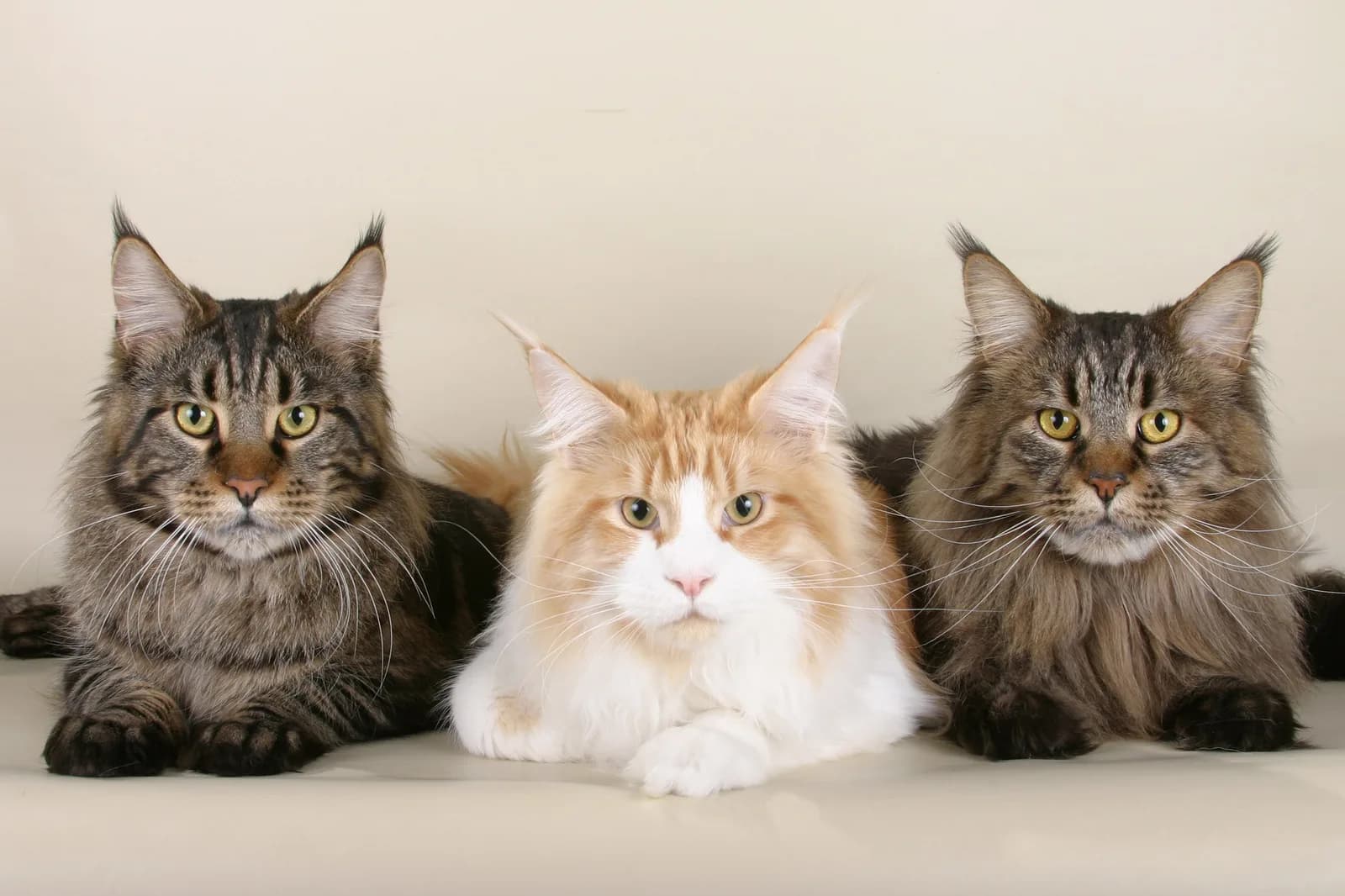
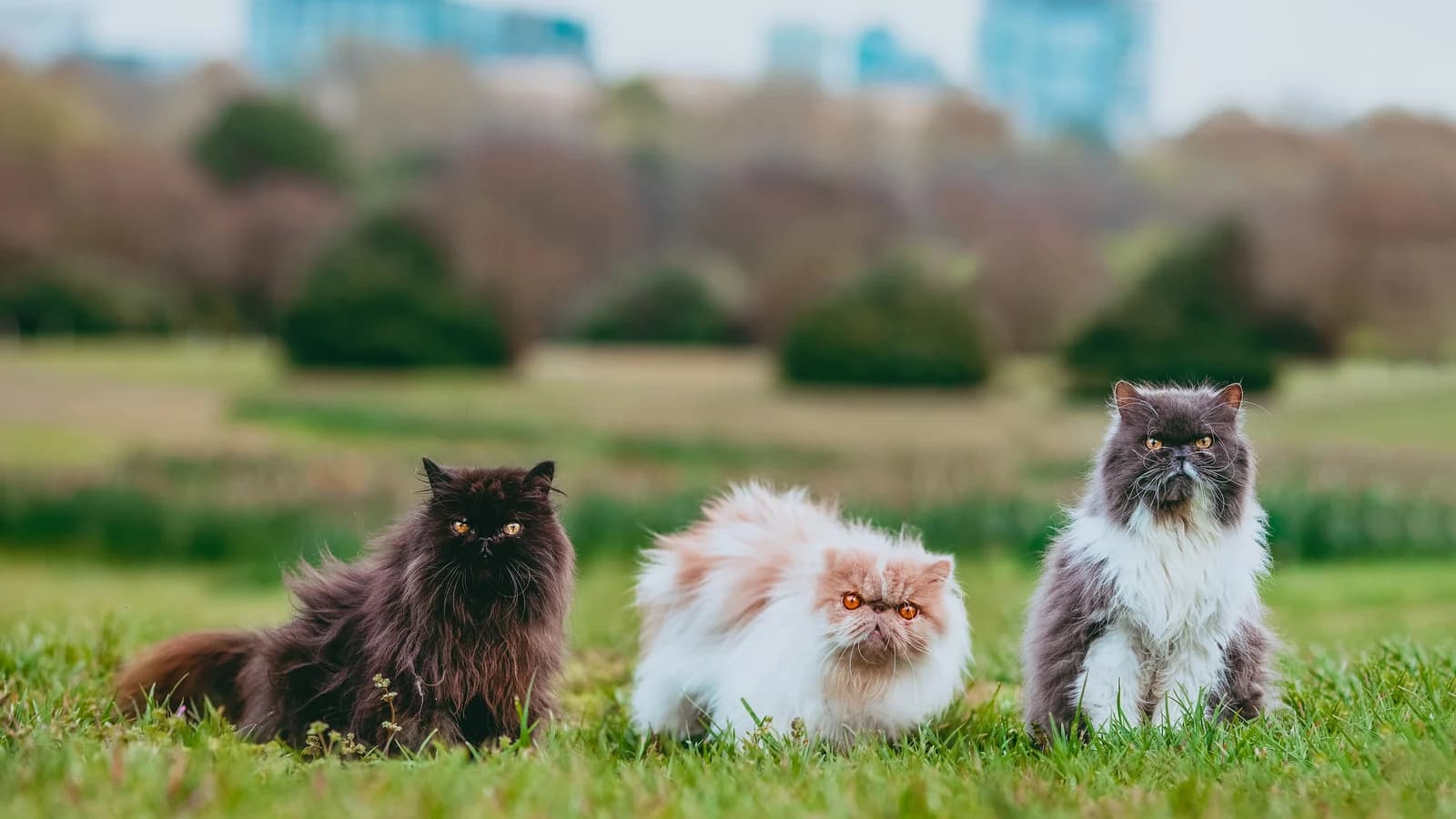
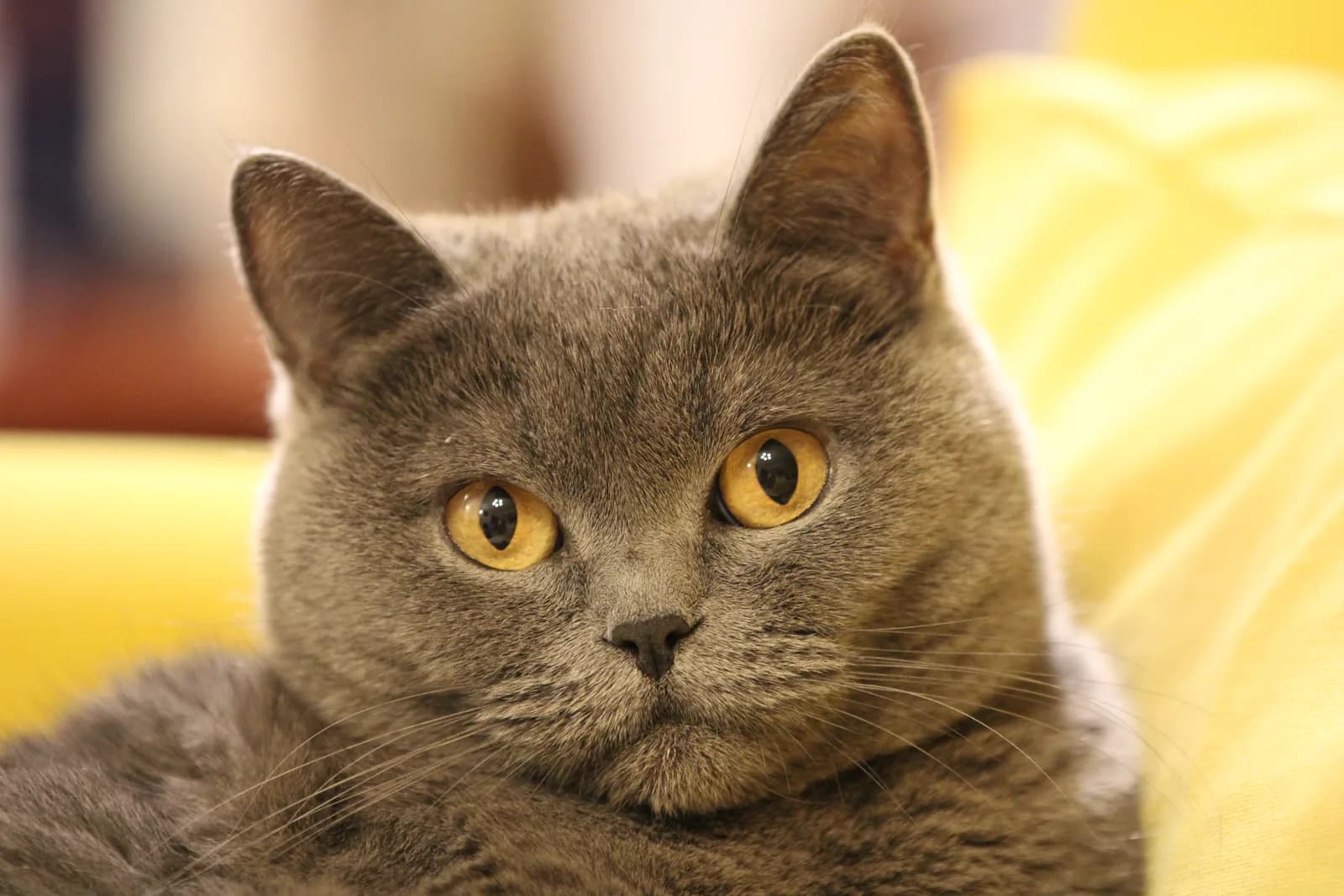
The pattern does not say. Calico appears in many breeds (Maine Coon, Persian, British Shorthair, Japanese Bobtail and more) and in countless non-pedigree cats. Without papers, a calico is a domestic shorthair or longhair wearing a calico coat.
What is a caliby cat?
An informal name (calico plus tabby) for a calico whose colored patches carry tabby striping or spotting instead of solid color. No registry uses the word: in show terms the closest class is the patched tabby and white. It describes a coat, not a breed.
Are calico cats friendly or feisty?
The one study on coat color and behavior (Stelow et al. 2016) found owners REPORTED more frequent aggression from tricolor females in everyday interactions, but the same study found little difference during handling or vet visits, and it measured owner impressions by survey, not observed behavior. Personality varies cat by cat far more than color by color.
How long do calico cats live?
No study measures lifespan by coat pattern, so no calico-specific figure exists. Calicos are almost all female, and the largest UK study found female cats average 12.51 years of life expectancy at birth, 1.33 years longer than males. Breed, weight, neutering and care matter far more than pattern.
Are calico cats hypoallergenic?
No. Coat color says nothing about the Fel d 1 allergen cats produce. No cat is fully hypoallergenic, and a calico coat neither raises nor lowers the allergy question.
What is the difference between a calico and a tortoiseshell?
White. A calico wears separate orange and black patches on a white ground; a tortoiseshell weaves orange and black together with no structured white. Same genetics underneath, different look.
Sources & references
Data checked against reference bodies (breed registries, allergy research, veterinary schools).
- Kalantry Lab, University of Michigan: the calico cat and X-inactivation
- Lyon 1961, Gene action in the X-chromosome of the mouse (Nature 190:372-373)
- ASU Embryo Project Encyclopedia on Lyon 1961 (the tortoiseshell cat cited in the original paper)
- David et al. 2014, endogenous retrovirus insertion in KIT: white and white spotting in domestic cats (G3)
- Mort et al. 2016, reconciling diverse mammalian pigmentation patterns with a fundamental mathematical model (Nat Commun)
- Ishida et al. 2006, the MLPH mutation behind coat-color dilution (Genomics)
- Centerwall & Benirschke 1973, male tortoiseshell and calico cats (J Heredity)
- Centerwall & Benirschke 1975, XXY Klinefelter model in T-C male cats (Am J Vet Res)
- Bugno-Poniewierska et al. 2020, fertile chimeric male tortoiseshell (Reprod Domest Anim)
- Stelow, Bain & Kass 2016, coat color and aggressive behaviors (J Appl Anim Welf Sci)
- CFA Maine Coon standard (calico and tortoiseshell color classes)
- CFA Persian standard (calico classes incl. chocolate and lilac)
- CFA British Shorthair standard (calico incl. van pattern)
- GCCF Standard of Points, May 2025 (tortoiseshell-and-white vocabulary)
- Maryland State Archives: the calico, Maryland's state cat
- CFA Japanese Bobtail history (mi-ke, the prized tricolor)
- Teng et al. 2024, life tables for UK companion cats (J Feline Med Surg)
This page is a starting point. Every cat is an individual: our profiles spell out the tendencies of each breed, sources included.
 Purr or Pass
Which cat breed is right for you?
Take the quiz