


Coat patterns
Dilute Tortie Cats: The Tortoiseshell in Watercolor
Take a tortoiseshell, soften every color by one gene, and you get the dilute : grey where the black was, cream where the orange was, the same one-of-a-kind weave in pastel. The show registries call her a . The softening is a single, well-identified gene.
This page is the short, precise version: the gene, the names, and the honest answer to the rarity question that brings most people here.
 By Nora · The storyteller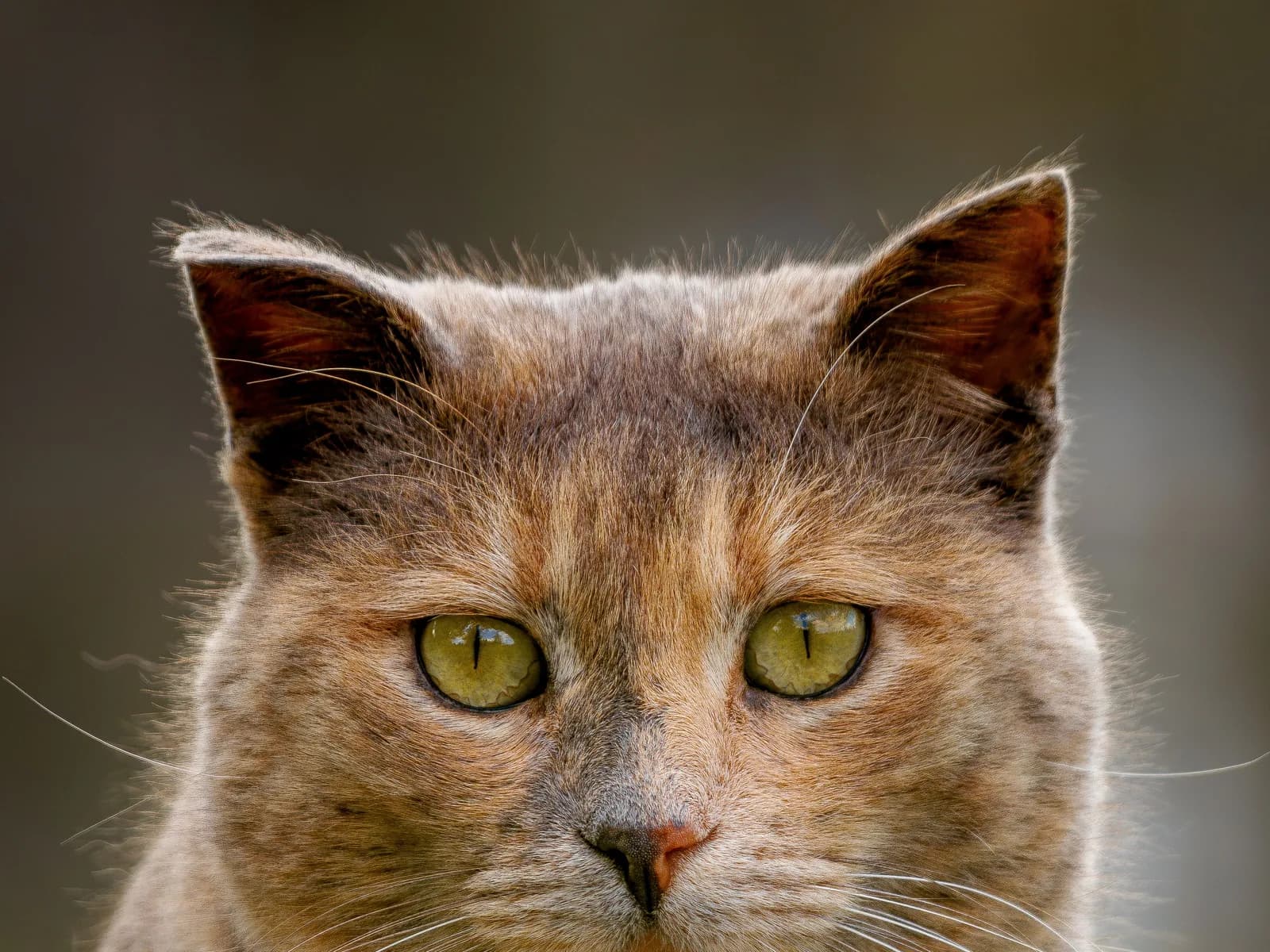
Contents
Breeds worth knowing
Tap a breed for the full profile: temperament, health, price and coat colors, all fact-checked.
What is a dilute tortie?
A dilute carries the classic tortoiseshell genetics, the two-X-chromosome weave of two pigments, plus two copies of the dilution gene, . Dilution changes how pigment granules are distributed in each hair. It softens both colors at once and uniformly: black becomes blue-grey, orange becomes cream. The registries' vocabulary follows. 's standards define the as "blue with patches of cream or softly intermingled areas of cream," the exact dilute mirror of their tortoiseshell definition, and 's classes say blue tortie for the same cat.
Because dilution is recessive, a dilute needs a copy from BOTH parents. That is the honest mechanism behind her relative scarcity: she requires the meeting of two carriers, on top of the two-X-chromosome coin flips every tortie needs.
Is a dilute tortie rare?
Less common than the classic , by honest mechanism (she needs the recessive dilution gene from both parents), but unmeasured: no study counts coat patterns in the population, so precise percentages found online are invented. Uncommon, unpriced, and unrepeatable: every weave is a one-off.
Dilute tortie vs dilute calico vs blue-cream: the names
Three names, two cats. The dilute TORTIE (the registries' ) wears the grey-and-cream weave with no structured white. Add white bib, belly and paws and she becomes the dilute calico, the registries' dilute calico class. "Blue-cream" is simply the show-hall word for the dilute , worth knowing because pedigrees and show listings use it. The cat under all three names runs on the same genes.
Everything else about her is not about the coat
Like every pattern page on this site, the honest note: lifespan, size and temperament belong to her breed or mix, not her colors. She inherits the family's almost-all-female rule (two X chromosomes for the two pigments) and the tortitude folklore, whose one study we read carefully on the tortoiseshell page. What the dilution gene changes is strictly cosmetic. What the weave guarantees is uniqueness, set before birth and never repeated.
The dilute is the tortoiseshell with the contrast turned down and none of the character removed. If one runs your home, show us the weave: pastel patterns photograph beautifully and repeat never.
By Nora · The storytellerFrequently asked questions
What is a dilute tortie?
A tortoiseshell carrying two copies of the dilution gene (MLPH), which softens black to blue-grey and orange to cream, both at once. Show registries call her a blue-cream; the weave itself works exactly like any tortie's.
Are dilute tortie cats rare?
Less common than classic torties, because dilution is recessive and must come from both parents, but unmeasured: no study counts coat patterns in the cat population, so exact percentages online are invented. No price premium exists.
Are dilute torties always female?
Almost always, like all torties: two pigments need two X chromosomes. Male dilute torties are the same rare, usually sterile chromosome exceptions as male calicos.
What is the difference between a dilute tortie and a dilute calico?
White: the dilute tortie wears the grey-and-cream weave with no structured white; the dilute calico wears grey and cream patches ON white. Same dilution gene, same X-chromosome story.
How long do dilute tortie cats live?
As long as their breed or mix does: no study measures lifespan by coat pattern or color intensity. The dilution gene is cosmetic; care, weight and neutering are the real levers.
How much is a dilute tortie worth?
Whatever her breed or adoption fee costs: no market premium attaches to the pattern. Beauty, in this case, is genuinely free.
Sources & references
Data checked against reference bodies (breed registries, allergy research, veterinary schools).
This page is a starting point. Every cat is an individual: our profiles spell out the tendencies of each breed, sources included.
 Purr or Pass
Which cat breed is right for you?
Take the quiz