

Are Siberian Cats Hypoallergenic? Read This Before You Believe Anyone
All cats make Fel d 1, Siberians included. What the one academic study found in 4 cats, what breeder testing claims in a thousand, and who never published what.

Published August 21, 2026 6 min read
Contents
This is the most searched question about the breed in all four of our markets, and almost every page answering it picks a side. The evidence does not support a side. It supports a file. So here is the file, strand by strand, with every number carrying the name of whoever collected it.
The mechanism first: what you are allergic to
Cat allergy is almost never about hair. The main trigger is , a small, stable protein made in a cat's skin, salivary and anal glands and spread onto the fur by grooming. Every cat produces it, Siberians included, and even hairless breeds make it. The protein is built from two chains, encoded by two genes, Ch1 and Ch2. Those two genes are where the entire Siberian claim lives.
Strand one: the academic evidence (real, and tiny)
Exactly one independent genetic study has sequenced Ch1 and Ch2 in Siberian cats: a 2017 University of Turin paper working from FOUR Siberians. It found markedly more mutations in the Siberian samples than in the 35 comparison cats: 13 in Ch1 and 8 in Ch2 found in Siberians only. Its sharpest single result is one cat.
The Siberian with the lowest previously measured saliva reading (0.48 micrograms per millilitre) was also the one carrying two missense mutations found in no other sampled cat. That is a genuinely suggestive genotype-to-reading match, in ONE animal, and the paper itself says the finding needs "further investigations." The other two tested Siberians in the same study read 1.66 and 2.19, which the paper does not flag as unusually low.
Strand two: the breeder-run testing record (large, and conflicted)
The numbers everyone quotes trace to one family operation in Oregon. Since 2003, the Lundbergs (Lundberg Siberians, the cattery) have run saliva and fur allergen testing through Siberian Research and KittenTesting.com. The sites' own copyright notices confirm all three are the same people. Their reported findings span roughly two decades and, by their own counts, several hundred to over a thousand tested cats.
About HALF of Siberians measure substantially lower on than typical cats. About 15 PERCENT measure low enough for what they call homes with severe allergies. Read that with its three labels attached. It is breeder-collected data from a commercial operation, self-selected rather than randomly sampled.
The 2005 UC Davis collaboration behind the "half lower" headline was never published in any journal; it exists only as the breeder's own description. And the operation's own pages state that its original, still widely used saliva method had "an error rate... 20% in adult cats, and 40% in kittens." Their honesty about the method's limits is to their credit. It is also a reason no one should quote "15 percent" as settled science. The same operation also reports two uncorroborated patterns worth knowing as claims, not facts: silver, smoke and bimetallic lines (which historically involved Persian outcrosses) test high-allergen, and unneutered males test higher until neutered.
What the institutions say (three postures, same question)
's own breed page states, with no caveat, that Siberians "are considered a hypo-allergenic cat breed." 's page says nothing about allergies at all. And the allergy establishment rejects the category outright.
The American Academy of Allergy, Asthma and Immunology states "There are no 'hypoallergenic' breeds of dogs or cats." The American College of Allergy, Asthma and Immunology says "studies have not shown that cats can be hypoallergenic." A 2024 independent academic review concludes there is "no scientific evidence for a hypoallergenic cat breed." Even mainstream pet media cannot hold one line: PetMD's Siberian page says the breed is not hypoallergenic while PetMD's own hypoallergenic-breeds listicle says it is, two live pages, one publisher. That instability is exactly why this page shows you the strands instead of a verdict.
The sentence that matters most
No controlled, peer-reviewed study has ever measured output across a large, randomly sampled Siberian population against a matched control breed. Everything above is either real science on four cats or unaudited testing on many. Both can be true at once. There is probably something real happening at the gene level in some Siberian lines, and nobody has proven it at the population level.
If you are the allergic one, practically
A diet angle exists, worth knowing about with its label. Three peer-reviewed studies show an egg-derived antibody ingredient in cat food measurably reduces active (in one 105-cat trial, hair allergen fell 47 percent on average by week ten). All three studies are authored and funded by the pet-food company that sells the ingredient, and none tested Siberians specifically.
More practically: spend real time with the specific cat you would bring home, ideally more than once, before committing. One careful cattery's own advice notes that people with cross-reactive allergies often react even to low-allergen Siberians. And a genuine allergy is a medical question for an allergist, never a breed-page decision. For the cat's side of any health worry: something wrong with your cat means call your vet, out of hours an emergency clinic.
Who says what, in one view
| Voice | Position | What backs it |
|---|---|---|
| (registry) | "Considered a hypo-allergenic cat breed" | No caveat, no sample, no citation on its page |
| (registry) | Silent | No allergy content at all on its breed page |
| AAAAI / ACAAI (allergists) | No hypoallergenic breeds exist | Clinical consensus statements |
| 2024 academic review | "No scientific evidence for a hypoallergenic cat breed" | Independent institute, peer-reviewed |
| University of Turin, 2017 | Siberian-only gene mutations exist | 4 cats sequenced; one low reading matched two unique mutations |
| Breeder testing (one family's operation) | About half lower; about 15% severe-allergy suitable | Hundreds of self-selected cats; central 2005 study never published; older method: 20-40% error by its own account |
 The vet's take
Veterinary review
Are you a vet?
Your professional read belongs here: every verified practitioner can leave a note, published once our editors have reviewed it.
Sign in and get your license number verified. We check it in the public register, we never ask for or keep a copy of your diploma, and your number is never published.
Frequently asked questions
Are Siberian cats hypoallergenic?
No breed is proven hypoallergenic, and all Siberians produce Fel d 1. Breeder-run testing (never independently published) reports about half of Siberians measure lower than typical cats and about 15 percent low enough for severely allergic homes; the only academic study covered 4 cats.
Do Siberian cats produce less Fel d 1?
Some individuals measure low, and a 2017 gene study found Siberian-only mutations in the Fel d 1 genes of its small sample. A population-level "the breed produces less" claim has never been demonstrated in a peer-reviewed study.
Can I live with a Siberian if I am allergic to cats?
Some allergic households report success with individually tested, low-reading cats, and some breeders price by tested allergen level. Meet the specific cat first, more than once, and talk to an allergist: no registry paper protects your airways.
Are silver Siberians worse for allergies?
The breeder testing operation reports silver, smoke and bimetallic lines typically test HIGH-allergen (a breeder-reported, uncorroborated claim). If low allergen is the goal, the coat color conversation matters.
 Community questions
Got a question this page doesn't cover? Ask it: the best ones get published here with their answer.
This is information, not veterinary advice, and it cannot tell you what is wrong with your cat. Our rule is a simple one: if something is wrong with your cat, call your vet, and call an emergency clinic if it is out of hours. Nothing you read here is a reason to wait.
Medical information applies to every reader. Prices, legal duties and common practice do not: unless stated otherwise, they are given for the United States, and they differ in the UK, Canada and Australia, and often between states or provinces. Check with your own vet and your own local authority.
Our sources
- Sartore et al. 2017, Ch1/Ch2 polymorphism study (PubMed)
- Hilger et al. 2024, hypoallergenic animals review (PubMed)
- AAAAI, indoor allergens
- ACAAI, pet allergies
- iCatCare, allergies to cats
- Siberian Research, allergen research
- Siberian Research, myths about Siberians
- KittenTesting.com
- Lundberg Siberians, allergen page
- Mainely Siberians, allergy information
- TICA Siberian breed page
- CFA Siberian breed page
- Satyaraj et al. 2019, saliva Fel d 1 feeding trial (PubMed)
- Satyaraj et al. 2019, hair-coat Fel d 1 trial (PubMed)

Worth keeping a paw on
Pin this guide
So you can find it the day you need it, and share it with someone whose cat does the same thing. One click and it sits in your board.
Pin it on Pinterest
 Purr or Pass
The cat newsletter
Our verified guides, no spam. Unsubscribe in one click.
More Siberian guides
The Siberian profile →
Siberian guide
Siberian Cat Price: What Named Breeders Actually Charge
Real published prices from named catteries in the US, UK, Canada and Australia, including the breed's strangest pricing pattern: kittens priced by tested allergen level.
Read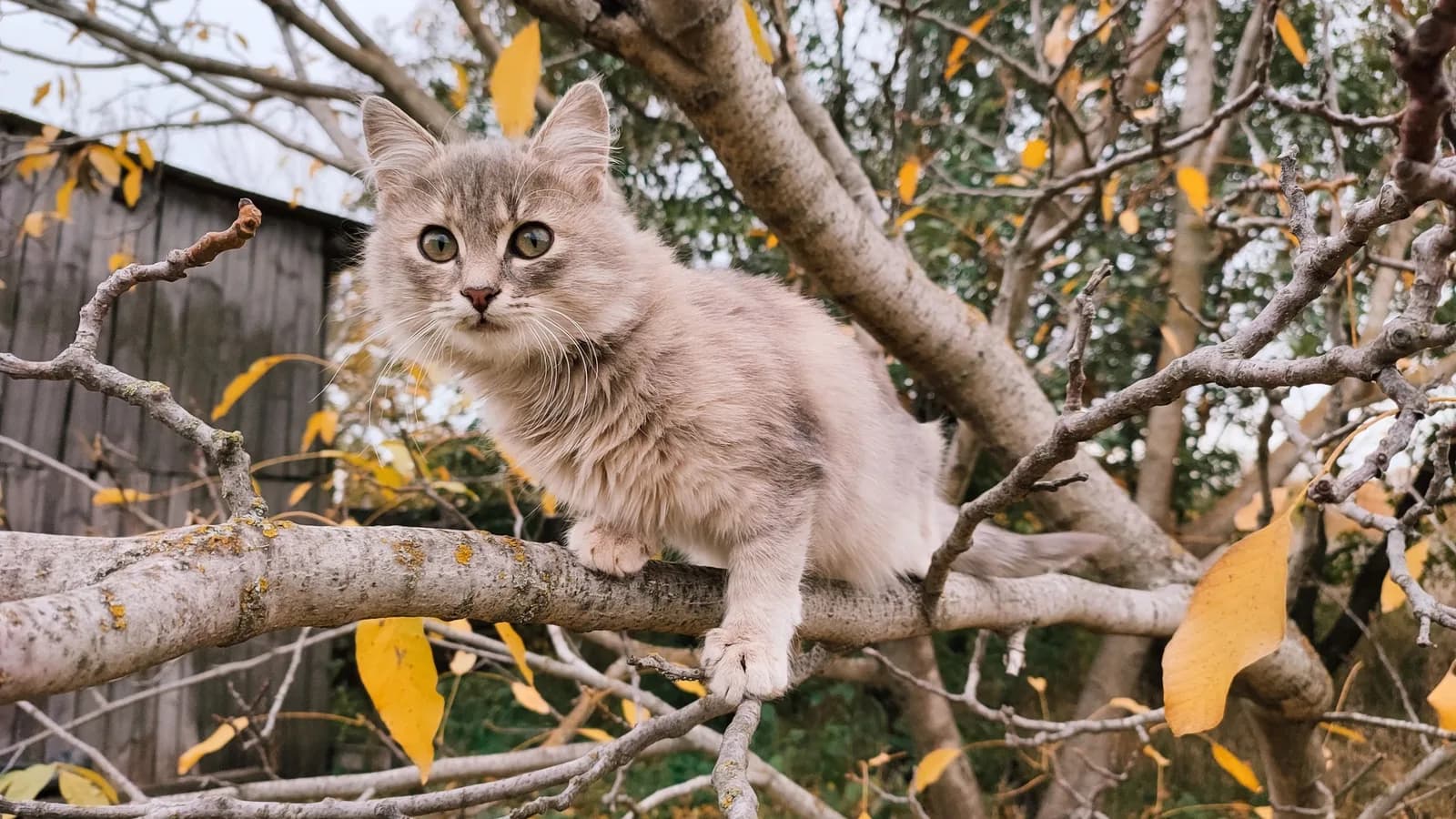
Siberian guide
How Big Is a Siberian Cat? Start With the Scale, Not the Legend
What 7,341 weighed Siberians actually average, what each registry claims, and why the UK's official range towers above everything else on record.
Read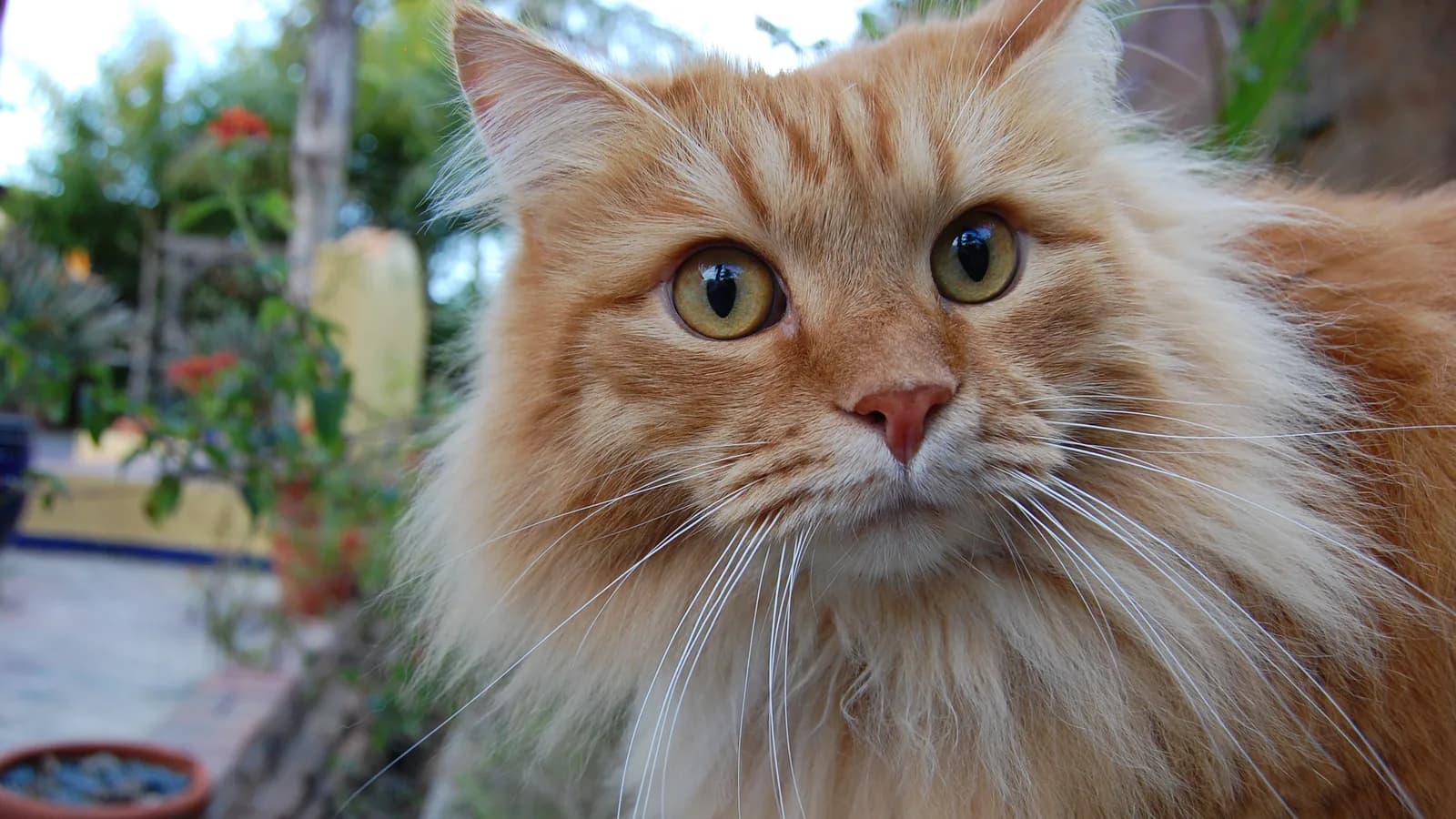
Siberian guide
Siberian Cat Colors: A Palette With Its Genes Named
Every Siberian color explained by its actual gene, including sunshine, the golden mechanism this breed owns, and the registry disagreements nobody else maps.
Read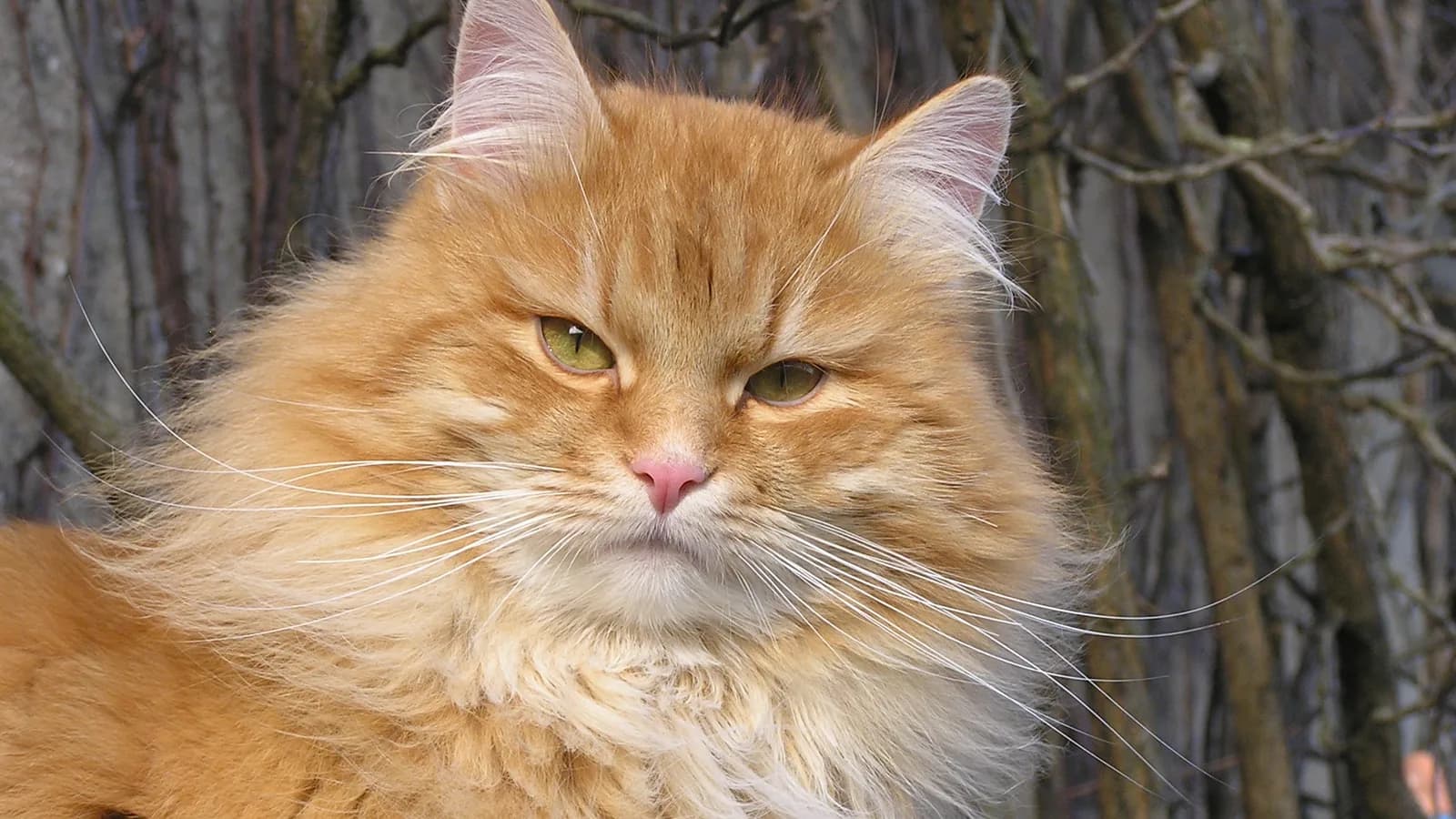
Siberian guide
Siberian vs Maine Coon: Two Forest Legends, One Real Difference at a Time
Two forest giants that are not related: coat layers, real weights, the sunshine gene only one of them has, and two very different heart-disease stories.
Read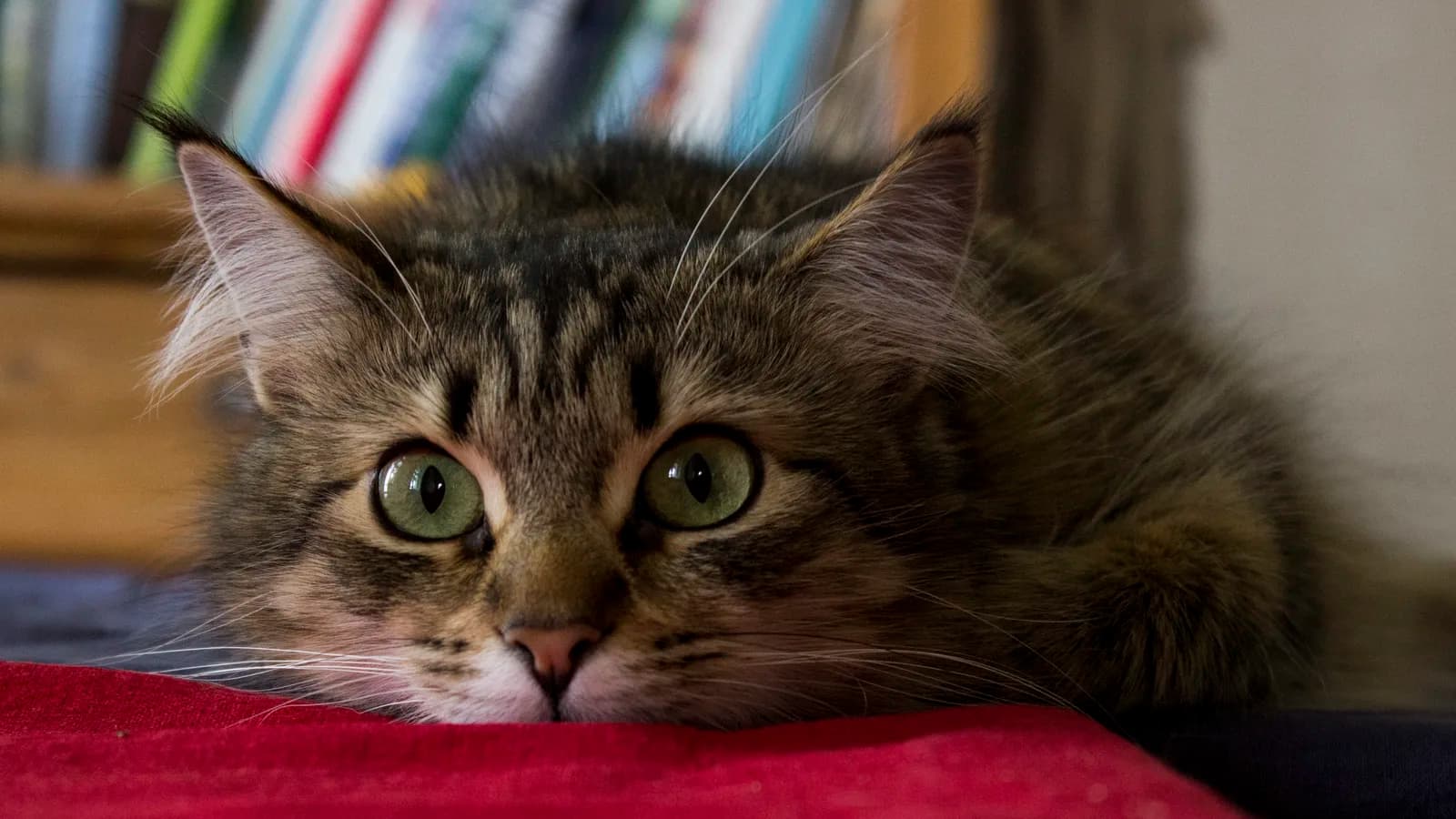
Siberian guide
Do Siberian Cats Shed? Yes, Twice a Year, and Here Is the Machinery
Yes, in two big seasonal waves. What the triple coat actually is in the registries' own words, why spring is worse, and the real brushing cadence.
Read
The floor belongs to our members. Keep it kind, links are not allowed, and images go through moderation before anyone else sees them.