

Siberian vs Maine Coon: Two Forest Legends, One Real Difference at a Time
Two forest giants that are not related: coat layers, real weights, the sunshine gene only one of them has, and two very different heart-disease stories.

Published August 21, 2026 5 min read
Contents
Big, tufted, winter-proof, legend-wrapped: the Siberian and the Maine Coon get mistaken for cousins constantly. The genetics say otherwise. Per a 2008 population-genetics study (cited here via Wikipedia's reading of it), the resemblance is convergent evolution: two cold climates building the same cat twice. The differences are where the buying decisions live.
The shape: curves against boxes
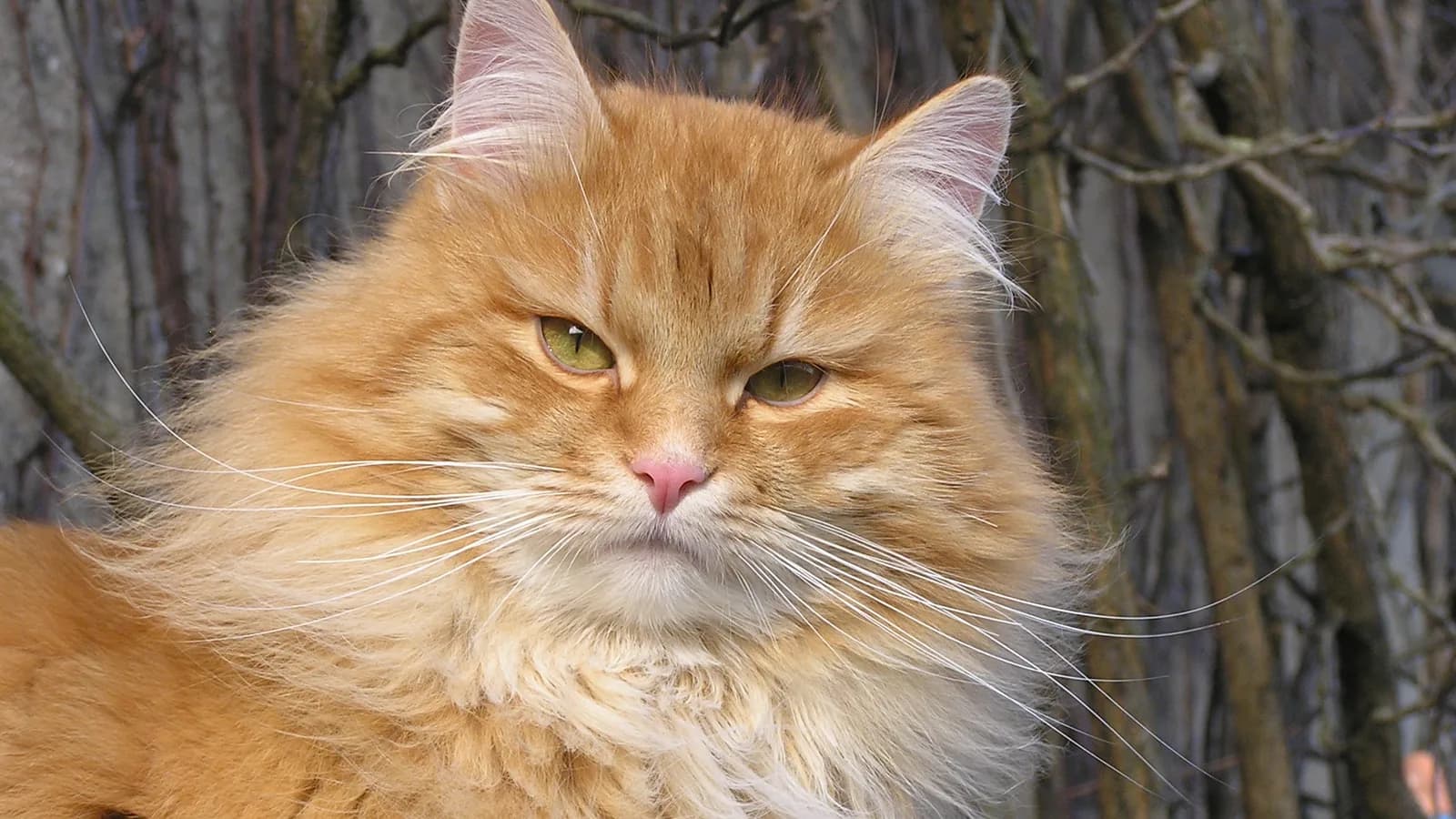
's own framing is the cleanest. The Siberian is a breed of CURVES: rounded contours, a barrel of a body, a wedge softened everywhere. The Maine Coon runs to RECTANGLES: a long box of a cat, square muzzle, high ears. Put the two side by side and look at the face. The Siberian's is a soft circle with a short, broad muzzle. The Maine Coon's is longer, squarer, more architectural. The coats split the same way. The Siberian wears a TRIPLE coat (the word three registries use), the densest structure in the fancy. The Maine Coon carries a shaggy, uneven double coat.
The weights: closer than the internet thinks
At the registry level, the two breeds' stated ranges are close to identical. puts Siberian males at 12-18 lb (5.4-8.2 kg), and this site's Maine Coon research settled on roughly 13-18 lb for Maine Coon males. So the real story is the gap between REGISTRIES, not between breeds. quotes the Siberian at 17-26 lb for males, a floor above CFA's own ceiling, with no population or date reason our research could find to explain it.
On the measured side, the largest dataset anywhere (56,169 screened cats) medians its Siberian group at an ordinary 4.1 kg (9 lb) pooled across sexes. That group is the third largest in the whole dataset, at 7,341 cats. Both breeds weigh less than the folklore says. The Maine Coon out-sizes the Siberian mostly in LENGTH and architecture, not on the scale.
The gene only one of them has
's Siberian standard names the Corin "sunshine" gene explicitly: a golden-warming wide-band trait it attributes to "a recessive variant in the Corin gene." That level of genetic specificity appears in no Maine Coon standard, TICA's or 's. If you have seen a honey-glowing Siberian that no Maine Coon quite matches, that is the gene at work, and the Siberian colors page tells it in full.
Hearts: a named marker versus a mapped pedigree
Both breeds carry risk, differently structured, and the difference matters at the breeder conversation. The Maine Coon has a NAMED genetic marker (-A31P) with a commercial DNA test. The Siberian has no validated marker and no test. What exists is a breeder-run -tracking effort tracing self-reported cases to six geographic points of origin, breeder-reported and scientifically unvalidated.
So a Siberian breeder's honest answer is screening, not a DNA certificate. Both breeds' buyers ask for heart paperwork; they are asking for different documents. What any result means for a specific kitten is a vet conversation: something wrong with your cat means call your vet, out of hours an emergency clinic.
The allergy question, asymmetrically
The Siberian carries the fancy's most famous hypoallergenic claim, and its honest version is specific. Breeder-run testing (never independently published) reports about 15 percent of Siberians measure low enough for severely allergic homes, and the full story is this site's most carefully hedged page. The Maine Coon has no equivalent claim worth repeating. If allergies drive your choice between these two breeds, only one of them even enters the conversation, and it enters with caveats.
Temperament: the measured data and the folklore agree, for once
No registry text directly compares the two breeds' everyday character. What exists points one way from two directions. In the one dataset that measured both (a 2019 Finnish study of 5,726 cats across 19 breeds and groups), the Maine Coon scored significantly MORE contact-seeking than the Siberian. Breeder-adjacent guides describe the same shape in words: a Maine Coon that craves constant companionship, against a Siberian that is affectionate without being demanding. If you want a shadow, lean Maine Coon. If you want a warm housemate with its own agenda, the Siberian's measured mid-table sociability is honestly that.
History: a decade apart in the show ring
's own telling: the Siberian was "generally unknown outside of their native land until the early 1990s" (first US imports 28 June 1990). The Maine Coon is America's own native longhair, with a show history running back to the 19th century. The Siberian is the newcomer of the two everywhere except Russia.
The whole comparison in one table
| Siberian | Maine Coon | |
|---|---|---|
| Shape ('s own words) | Gentle curves, no straight lines | Rectangles and boxes |
| Muzzle | Wide but rounded | Squared off |
| Coat | Triple (down, awn, guard) | Shaggy double coat |
| male weight range | 12-18 lb (5.4-8.2 kg) | Roughly 13-18 lb (5.9-8.2 kg) |
| screening | Echocardiogram only, no DNA test exists | -A31P DNA test |
| Allergy claim | Breeder-tested, about 15% labeled severe-allergy suitable (never independently published) | No sourced claim |
| US show-ring arrival | 1990 (championships 1996-2006) | 19th century native |
 The vet's take

Veterinary review
Are you a vet?
Your professional read belongs here: every verified practitioner can leave a note, published once our editors have reviewed it.
Sign in and get your license number verified. We check it in the public register, we never ask for or keep a copy of your diploma, and your number is never published.
Frequently asked questions
Are Siberian cats related to Maine Coons?
No: a 2008 genetic study (cited via Wikipedia's reading) places them in different populations; the resemblance is two cold climates producing the same solution independently.
Which is bigger, a Siberian or a Maine Coon?
On registry ranges they nearly tie (Siberian males 12-18 lb, Maine Coon males roughly 13-18 lb); measured screening data medians the Siberian at an ordinary 4.1 kg (9 lb) pooled. The Maine Coon reads bigger mostly through its longer, more rectangular build, not the scale.
Which sheds less, a Siberian or a Maine Coon?
Neither is a low-shedding cat; the Siberian's triple coat molts hard twice a year. See the Siberian shedding page.
Which is better for allergies?
Only the Siberian has any sourced claim, and it is partial: roughly 15 percent test low enough for severe-allergy homes per breeder-run testing that was never independently published. No such claim exists for the Maine Coon.
 Community questions
Got a question this page doesn't cover? Ask it: the best ones get published here with their answer.
This is information, not veterinary advice, and it cannot tell you what is wrong with your cat. Our rule is a simple one: if something is wrong with your cat, call your vet, and call an emergency clinic if it is out of hours. Nothing you read here is a reason to wait.
Medical information applies to every reader. Prices, legal duties and common practice do not: unless stated otherwise, they are given for the United States, and they differ in the UK, Canada and Australia, and often between states or provinces. Check with your own vet and your own local authority.
Our sources
- CFA, Fine-Tuning the Three Forest Cats
- CFA Siberian breed page
- TICA Siberian breed page
- TICA Siberian standard (PDF)
- CFA Siberian standard (PDF)
- GCCF Siberian breed page
- Häggström et al. 2025, heart-screening body weights (PubMed)
- Lipinski et al. 2008, The ascent of cat breeds (PubMed)
- Salonen et al. 2019, breed behaviour study (PubMed)
- Siberian Research, HCM ancestry tracking
- Siberian Research, allergen research
- Lundberg Siberians, allergen page
- CFA Siberian history article

Worth keeping a paw on
Pin this guide
So you can find it the day you need it, and share it with someone whose cat does the same thing. One click and it sits in your board.
Pin it on Pinterest
 Purr or Pass
The cat newsletter
Our verified guides, no spam. Unsubscribe in one click.
More Siberian guides
The Siberian profile →
Siberian guide
Are Siberian Cats Hypoallergenic? Read This Before You Believe Anyone
All cats make Fel d 1, Siberians included. What the one academic study found in 4 cats, what breeder testing claims in a thousand, and who never published what.
Read
Siberian guide
Siberian Cat Price: What Named Breeders Actually Charge
Real published prices from named catteries in the US, UK, Canada and Australia, including the breed's strangest pricing pattern: kittens priced by tested allergen level.
Read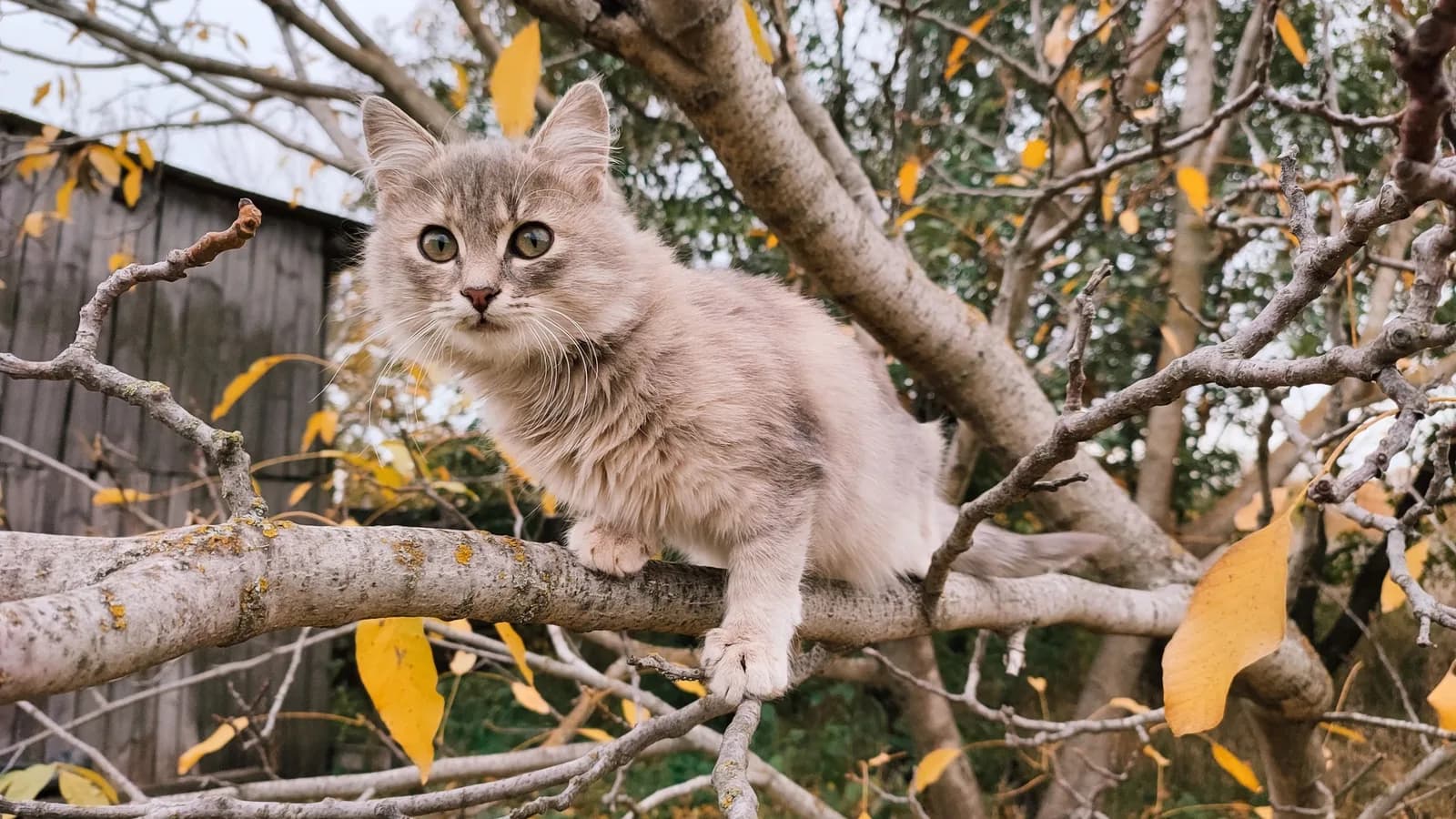
Siberian guide
How Big Is a Siberian Cat? Start With the Scale, Not the Legend
What 7,341 weighed Siberians actually average, what each registry claims, and why the UK's official range towers above everything else on record.
Read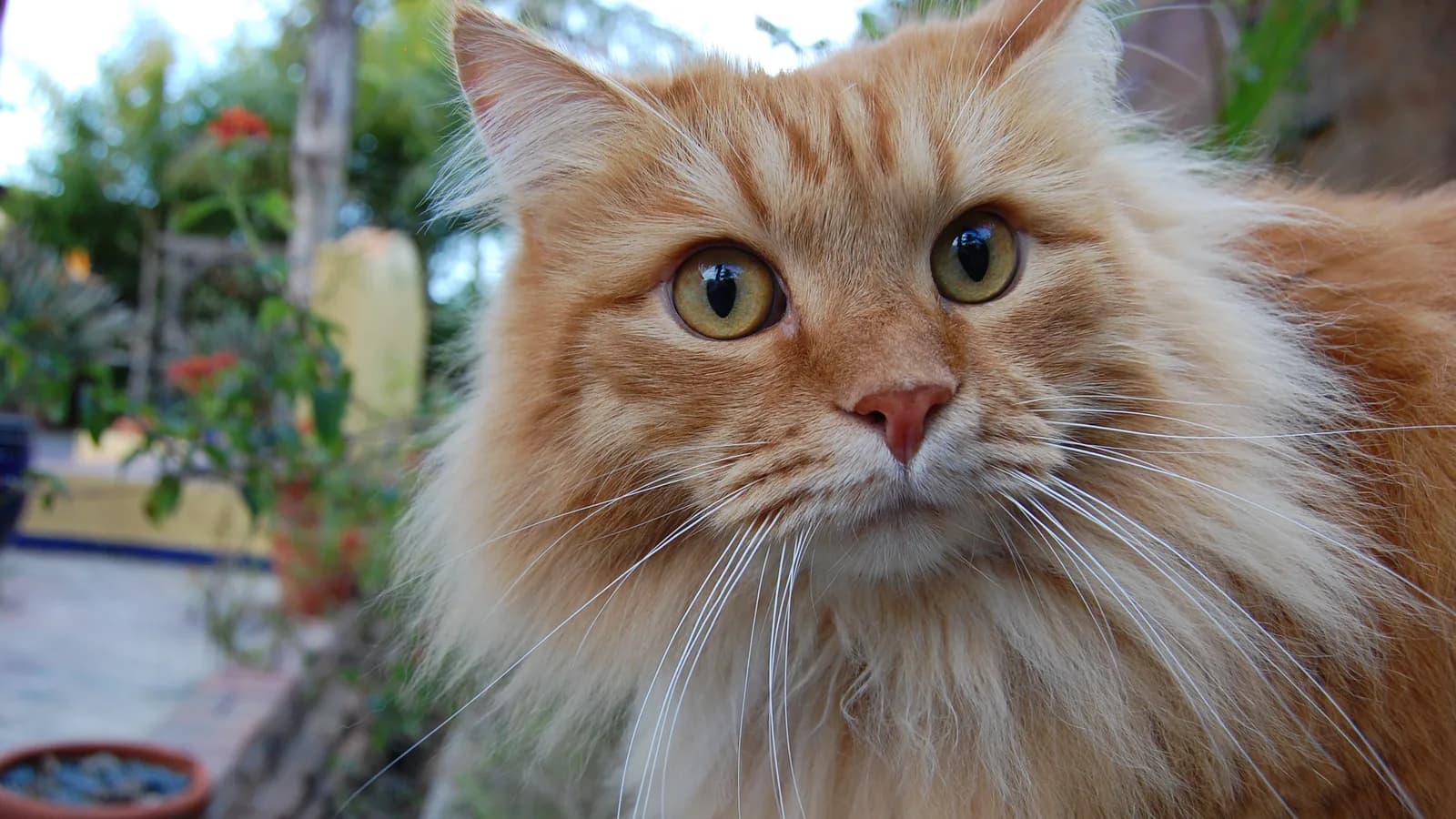
Siberian guide
Siberian Cat Colors: A Palette With Its Genes Named
Every Siberian color explained by its actual gene, including sunshine, the golden mechanism this breed owns, and the registry disagreements nobody else maps.
Read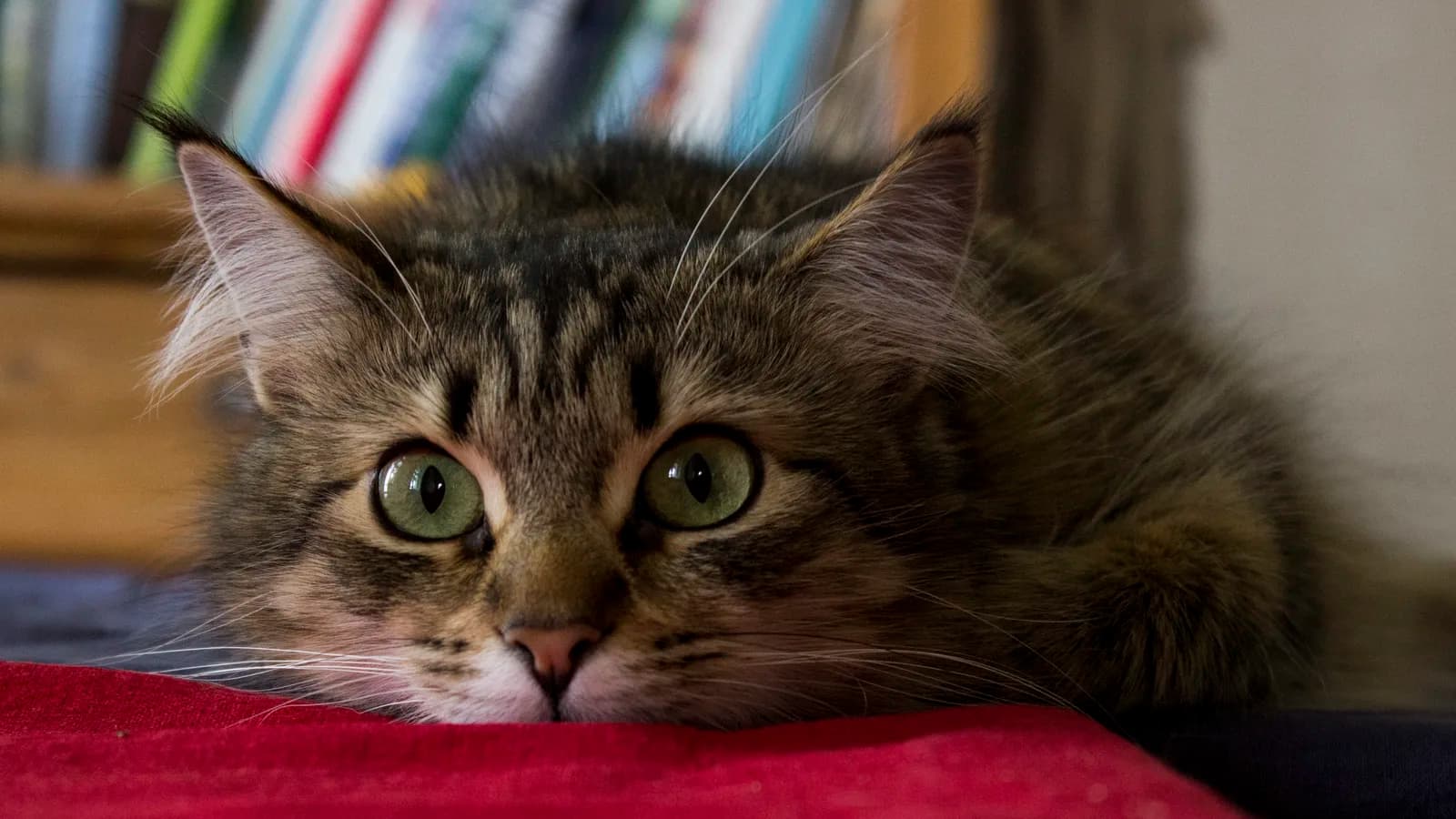
Siberian guide
Do Siberian Cats Shed? Yes, Twice a Year, and Here Is the Machinery
Yes, in two big seasonal waves. What the triple coat actually is in the registries' own words, why spring is worse, and the real brushing cadence.
Read
The floor belongs to our members. Keep it kind, links are not allowed, and images go through moderation before anyone else sees them.