

Doll Face vs Flat Face Persian: The Three-Tier Truth
Traditional, standard and extreme are different cats with different price tags and different health files: GCCF's own line, the ten-fold imaging finding, and the premium that runs backwards.

Published August 21, 2026 3 min read
Contents
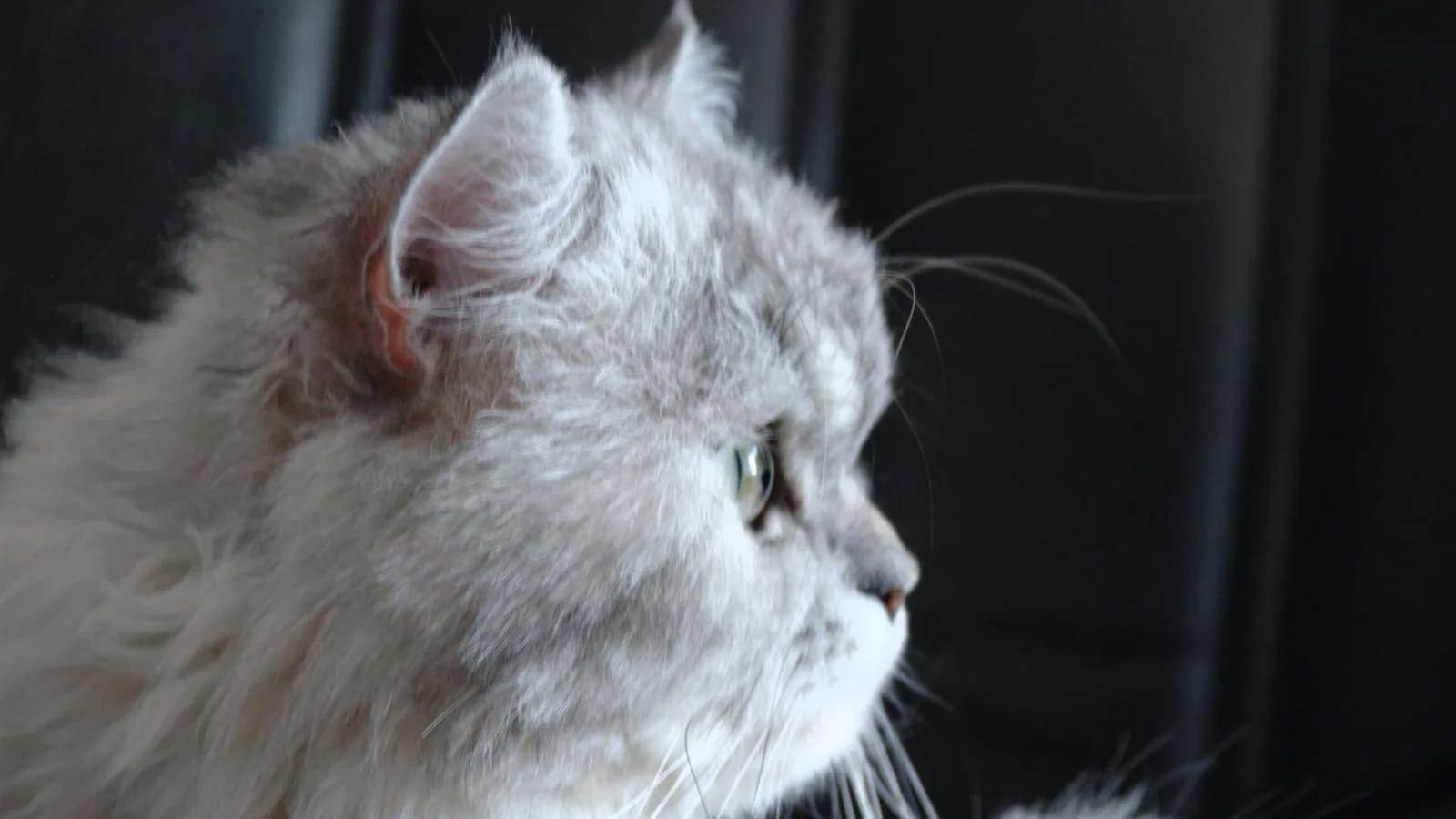
The internet frames this as a two-way choice. The documents frame it as three tiers, and the difference matters because the health evidence attaches to only one of them. TRADITIONAL (doll-face): the pre-1950s, longer-nosed type, distinct enough to carry its own Wikipedia article, and no longer championship material: a US cattery's own article states plainly that a doll-faced kitten "could not obtain a championship title" under , or ACFA today. STANDARD (flat-face): the modern show type, which 's own breeding policy describes as "moderately brachycephalic, well-balanced" and states "should not experience health problems". EXTREME (peke-face): the tier GCCF's same document names explicitly and warns against breeding toward.
The health evidence, attached to the right tier
The load-bearing study is a 2017 imaging paper: 92 Persians classified by the breeders' own doll-face/peke-face vocabulary, against shorthair controls. The EXTREME group showed a significantly shorter nasal bone, smaller brain-cavity volume, and a ventricle-to-brain ratio of 0.159 against 0.015 in the doll-face group, roughly TEN-FOLD, a picture consistent with internal hydrocephalus and compared by the authors to human craniosynostosis. That is a finding about the extreme tier specifically, within one study, and not a general Persian sentence. The registry corroboration: all four breed standards we read build a breathing-related fault or disqualification into their own text, and 's policy adds the subtlest warning in the file: mating two individually acceptable cats can produce kittens MORE extreme than either parent. Breathing, eye and tear-duct anatomy follow the same gradient (the grooming guide covers the measured tear-drainage mechanism).
The premium runs backwards
Buyers assume the old-fashioned doll-face costs more. The market says the opposite: the flat-face is the show-eligible type, and US cattery pricing puts a $500-1,500 premium on it over doll-faced littermates. A doll-face Persian is the affordable Persian, which its fans consider the last laugh (the price page carries the whole market).
The fourth tier that isn't one: "teacup"
No registry recognizes a teacup, toy or miniature Persian; the measured breed is already smaller than its coat suggests, and one US cattery's own page calls breeding under 5 lb "EXTREMELY UNETHICAL" in its own capitals. A "teacup Persian" price premium buys a word, and sometimes a deliberately undersized cat with the problems that follow. Treat the term as a warning sign on any listing.
The three tiers on one card
| Tier | The face | The file |
|---|---|---|
| Traditional (doll-face) | Pre-1950s longer nose | No longer show-eligible; the affordable tier |
| Standard (flat-face) | The modern show type | 's own words: moderately brachycephalic, well-balanced |
| Extreme (peke-face) | The tier warns against | The ten-fold ventricle imaging finding lives HERE, not breed-wide |
| "Teacup" | Not a tier: a marketing word | No registry recognizes it; one cattery calls it extremely unethical |
 The vet's take
Veterinary review
Are you a vet?
Your professional read belongs here: every verified practitioner can leave a note, published once our editors have reviewed it.
Sign in and get your license number verified. We check it in the public register, we never ask for or keep a copy of your diploma, and your number is never published.
Frequently asked questions
What is the difference between a doll face and flat face Persian?
The nose, and everything attached to it: doll-face is the pre-1950s longer-nosed traditional type (no longer show-eligible), flat-face the modern standard. The documents add a third tier, the extreme peke-face, which is where the health evidence concentrates.
Are flat-faced Persians unhealthy?
The honest answer is tiered: GCCF's own policy calls the moderate show type well-balanced, while the 2017 imaging study found the ten-fold ventricle finding in the EXTREME tier specifically. The gradient, not the category, carries the risk, and every standard we read faults impaired breathing.
Which costs more, doll face or flat face?
Flat-face, by $500-1,500 at US catteries: it is the show-eligible type. The doll-face is the traditional look at the friendlier price.
Is a teacup Persian real?
No registry recognizes one, and a US cattery's own page calls sub-5-lb breeding extremely unethical. The word on a listing is a red flag, not a size guarantee.
 Community questions
Got a question this page doesn't cover? Ask it: the best ones get published here with their answer.
This is information, not veterinary advice, and it cannot tell you what is wrong with your cat. Our rule is a simple one: if something is wrong with your cat, call your vet, and call an emergency clinic if it is out of hours. Nothing you read here is a reason to wait.
Medical information applies to every reader. Prices, legal duties and common practice do not: unless stated otherwise, they are given for the United States, and they differ in the UK, Canada and Australia, and often between states or provinces. Check with your own vet and your own local authority.
Our sources

Worth keeping a paw on
Pin this guide
So you can find it the day you need it, and share it with someone whose cat does the same thing. One click and it sits in your board.
Pin it on Pinterest
 Purr or Pass
The cat newsletter
Our verified guides, no spam. Unsubscribe in one click.
More Persian guides
The Persian profile →
Persian guide
Persian Cat Price: What Five Named Catteries Actually Charge
$1,200 to $3,500 pet-tier from named US catteries, a 72-listing UK sample, a genuine Canadian overlap, an unexplained Australian gap, and the fake CFA price quote we caught.
Read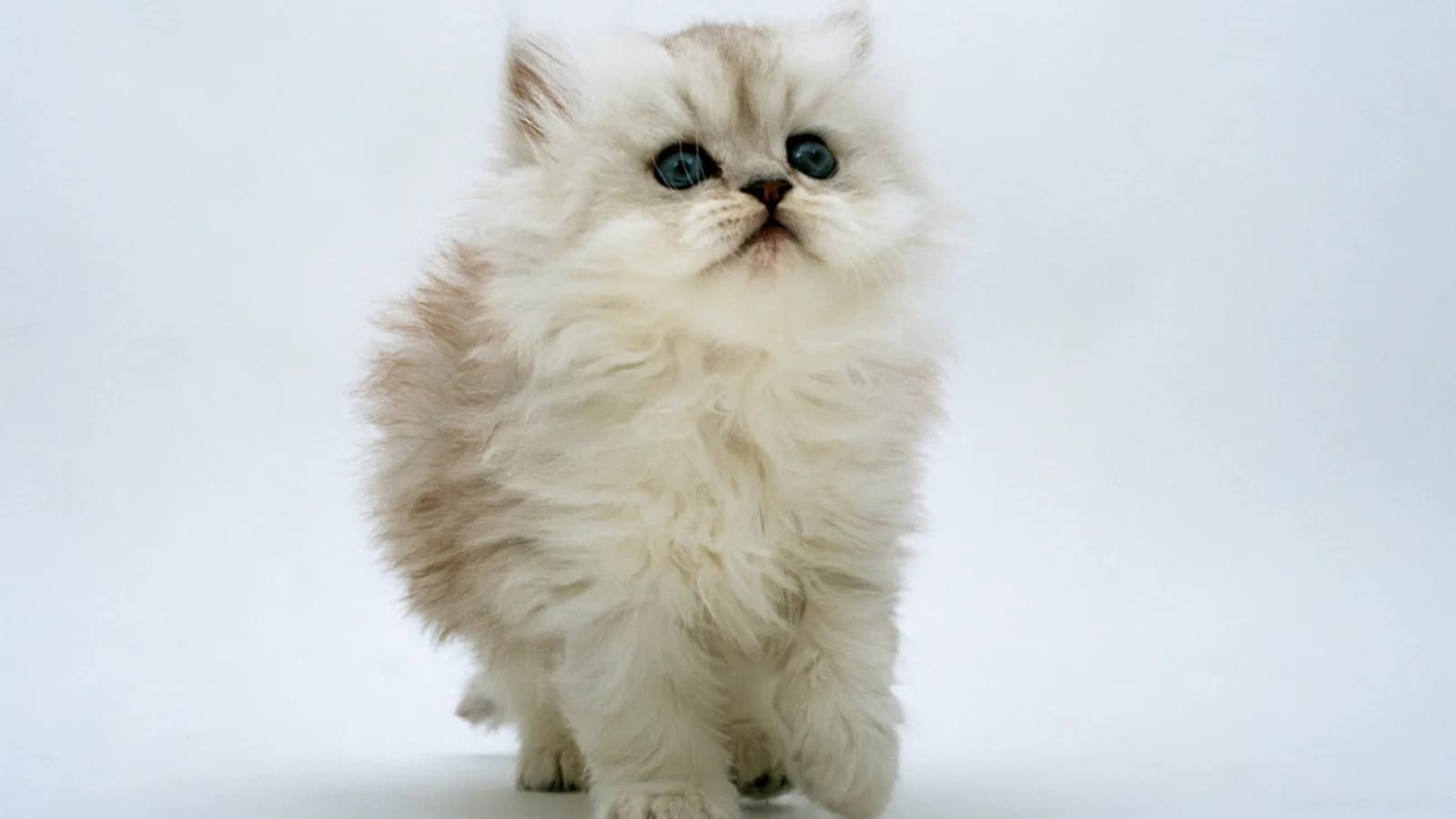
Persian guide
White Persian Cat: The Classic, With Its Paperwork
The classic white Persian comes with a three-way eye system and a deafness file that measured LOWER than its long-haired peers. The honest numbers, and the test that answers.
Read
Persian guide
Black Persian Cat: Density on Display
Jet black on the fancy's biggest coat, copper eyes by rule, and the registry's own note that dense colors wear a silkier, tougher coat. The whole file.
Read
Persian guide
Persian Cat Grooming: You Signed a Daily Contract
Daily combing (the sources agree), the measured reason for the eye-wiping, the bathing question the registries split on, and when the groomer actually enters.
Read
Persian guide
Blue Persian Cat: The Color That Won the First Shows
The dilute that ruled the first cat shows: blue Persians headlined Westminster in 1899 and America's first champions in 1900-1902. The gene, the look, the history.
Read
Persian guide
Persian Cat Breeders: One Question Sorts Them All
Which registries force the kidney test, which just suggest it, the popularity numbers three bodies disagree on, and the Canadian pedigree rule nobody explains.
Read
Persian guide
Persian Cat History: What the Receipts Actually Show
The 1620s import story told at its real confidence level, the Garfield question answered honestly, Blofeld's disputed cat, and the record-book Persians that were actually Himalayan crosses.
Read
Persian guide
Are Persian Cats Hypoallergenic? No, and This Coat Runs the Other Way
No breed is, and the Persian's coat works against you: more hair carrying the same allergen. The mechanism, the honest file, and what management really means.
Read
Persian guide
Persian Cat Colors: The Empire and Its Seven Provinces
CFA files the fancy's biggest palette in seven divisions, GCCF in five groups, TICA says all: the whole system, the eye-color rules, and the deafness numbers that surprised us.
Read
Persian guide
Persian Cat Names: The Data First, Then the Fun
Princess, Precious and Chloe lead the only real dataset, plus name ideas that fit a cat whose whole brand is composure: royal, silky, vintage and Persian-language picks.
Read
Persian guide
Himalayan vs Ragdoll: Two Cats, One Gene, Different Lives
Two calm, blue-eyed, pointed longhairs that owe their looks to the same mutation. The real differences: the coat contract, the build, and what nobody has measured.
Read
Persian guide
Maine Coon vs Persian: Two Empires, Opposite Blueprints
The rangy working giant against the compact ornamental one: size, two very different demanding coats, temperament without the value judgments, and measured lifespans side by side.
Read
Persian guide
Himalayan vs Persian: The Merger Both Sides Voted Against
CFA ran the Himalayan as its own breed for 27 years, then merged it against both breed councils' votes. What each registry calls this cat, and what it means for buyers.
Read
Persian guide
Bengal vs Persian: Choose a Species of Household
The rosetted athlete against the composed aristocrat: energy, coats, ancestry and measured lifespans of the two least similar popular breeds.
Read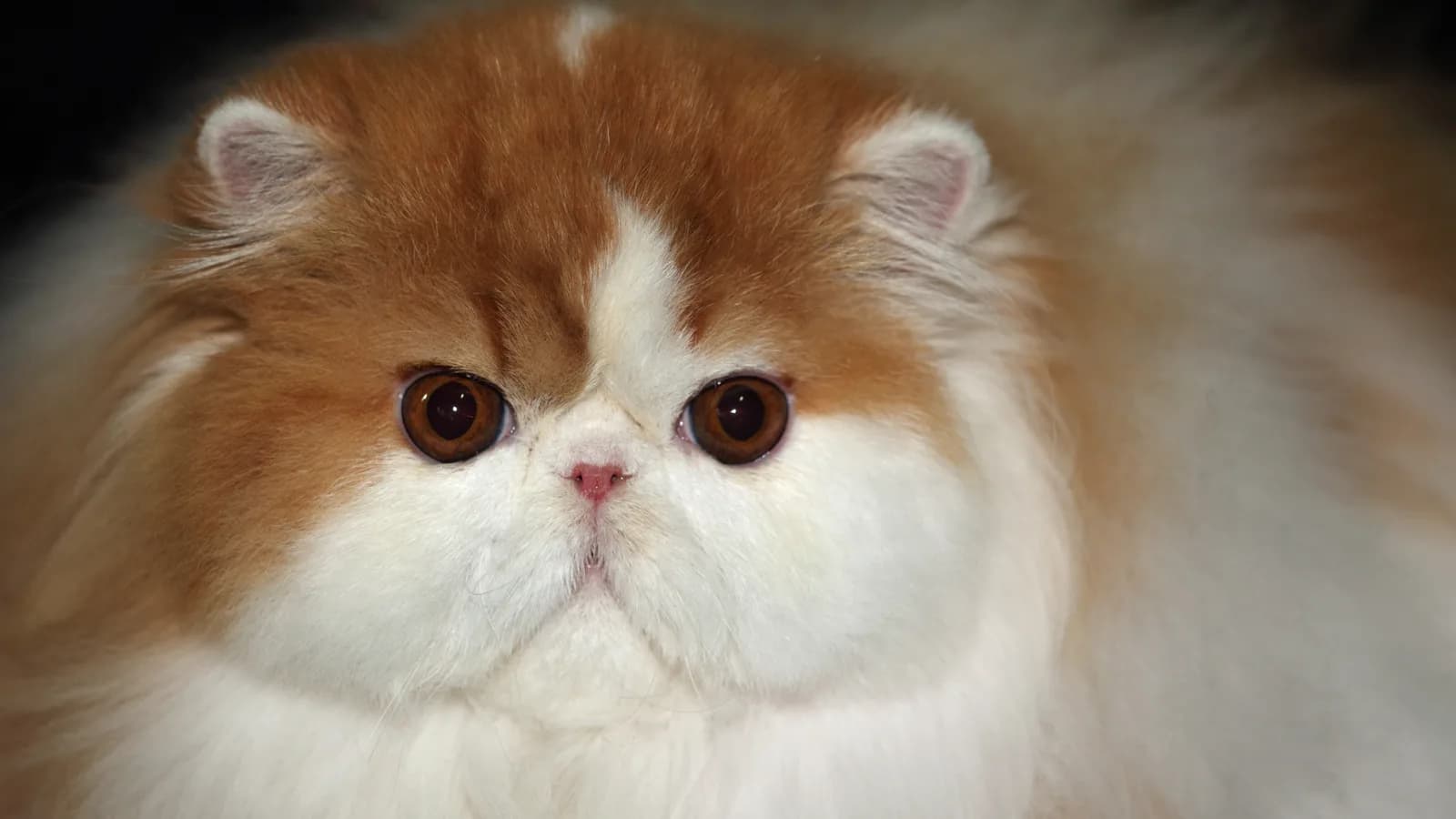
Persian guide
Persian vs Ragdoll: The Face Contract or the Size
Two calm longhairs, two very different daily contracts: the Persian's flat-face file and daily comb against the Ragdoll's size and its heart-test paperwork. Compared from the sources.
Read
The floor belongs to our members. Keep it kind, links are not allowed, and images go through moderation before anyone else sees them.