

Maine Coon Mix: How to Tell, Honestly
The honest guide to Maine Coon mixes: what the breed standard actually describes, which traits mean something, why size proves nothing, and the one method that settles it.

Published August 20, 2026Updated August 27, 2026 6 min read
Contents
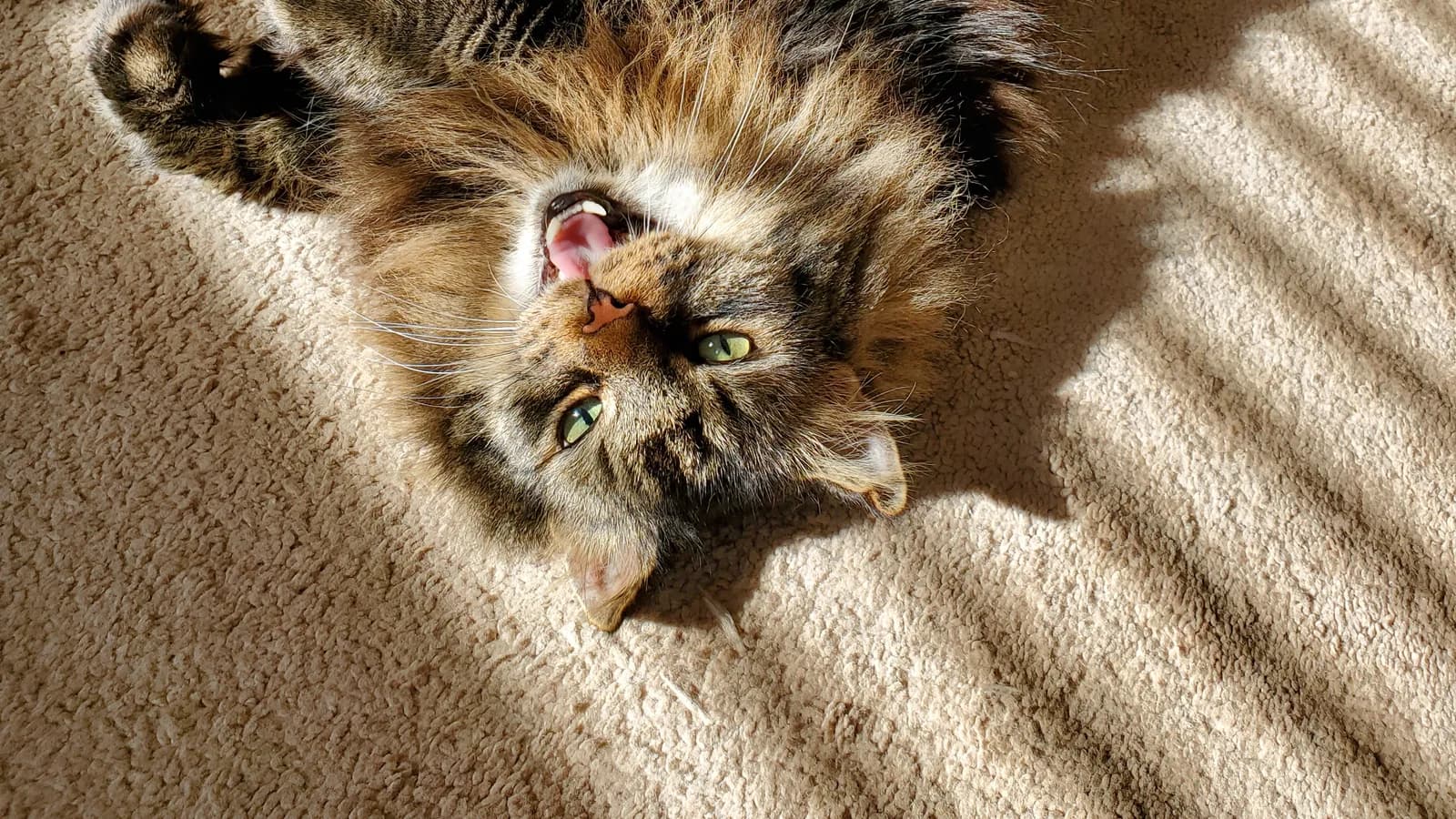
Let us start where every other guide ends, because you deserve the real answer first: no physical checklist can prove your cat is part Maine Coon. Every trait on every list, including ours below, describes what a pedigreed Maine Coon should look like, not what any particular fraction of Maine Coon ancestry produces in a mixed cat. A big fluffy tabby with ear tufts might carry Maine Coon genes; it might equally be a handsome domestic longhair whose ancestors never met a . Only a DNA test actually settles the question. What the traits below can honestly give you is a considered "maybe", and there is real pleasure in reading your cat with the standard's own eyes, so here it is.
The traits, straight from the standard
These are the features the registries themselves write into the Maine Coon standard, with the honest note on what each is worth in a mixed cat:
Ears with tips and furnishings
tufts at the tip, and fur growing beyond the outer edge of the ear. One caution we found only in identification guides, not in any standard, so take it as folk knowledge: tufts are said to develop with maturity, and a cat without them by around two years is unlikely to grow them.
A tail as long as the body
the standard asks for a tail at least body-length, wide at the base, with full flowing fur. The kitchen-table version, laying the tail forward along the back to see whether it reaches the shoulder, is the identification genre's test, not the registry's, but it measures the same idea.
Large, well-tufted feet
the standard's own words are "large, round and well-tufted", and fur between the toes is the detail everyone checks.
A rectangular body that keeps growing
long, solidly built, and famously slow to mature; a cat still visibly filling out well past its first birthday fits the pattern.
The double coat
an undercoat beneath a glossy, water-shedding topcoat, shaggy rather than cottony to the touch.
Any one of these can appear in any cat by ordinary luck. Several together make "maybe" stronger; none of them, in any combination, make it proof, because no study exists linking visual traits to confirmed ancestry percentages. That absence is not our shortcoming; it is the honest state of the science, and any page telling you otherwise is guessing.
Why size is the worst test of all
The trait everyone reaches for first is the one that proves least. The measured numbers, on one scale:
On the scale
- UK average domestic cat: population mean from roughly 2 million cats in primary veterinary care
- Maine Coon measured medians: mixed-condition adults across the measured studies; females sit at the lower end
The overlap is the point: a big cat is just as likely to be a well-fed moggy as a Maine Coon cousin, and a modest-sized female can carry more Maine Coon ancestry than the neighborhood giant. Size raises the question; it cannot answer it.
What is a Maine Coon actually mixed with?
The most-searched question about mixes is really a question about origins, so here is that answer plainly: the Maine Coon is not a mix of two breeds. It is a natural breed, a working farm-cat population from the northeastern United States, and the most famous origin story of all, the raccoon cross its ringed tail inspired, is genetically impossible and listed by itself among the breed's myths. So a "Maine Coon mix" means a Maine Coon crossed with another domestic cat, most often an unpedigreed one; and because brown tabby is the coat everyone pictures on the breed, "Maine Coon tabby mix" usually describes exactly the handsome brown tabby longhair this whole page is about. One vocabulary note for readers comparing listings: the UK says "Maine Coon cross" where North America says "mix"; same cat.
Do mixes get the size, the coat, the health?
Here is what can be said with sources, and no more. On size: no data predicts how big a mix will get; inheritance does not deal in guaranteed halves, and the honest range runs from ordinary-cat-sized to genuinely large. On lifespan: no study measures Maine Coon mixes specifically. What the UK's program (about 2 million cats in primary veterinary care) does show is that crossbred cats as a group average over 1.5 years longer than purebred cats, though the pattern is not uniform condition by condition. A mix also stands outside the closed gene pool in which the breed's best-known heart condition, , is concentrated, without being immune to it: HCM occurs across all cats. None of this is a prediction about your cat. Something wrong with your cat means call your vet, out of hours an emergency clinic.
The one method that settles it
A cat DNA test compares your cat's genome against breed reference panels and reports ancestry, which makes it the only route from "maybe" to an actual answer. Two honest notes before you spend the money: no registry recognizes a DNA result as paperwork (a pedigree is a documented family tree held by a registry, which is why real papers are a breeder question, not a lab question); and your cat's magnificence is not contingent on the result. The tufts, the tail and the attitude are already living in your house, whatever the percentages say.
 The vet's take

Veterinary review
Are you a vet?
Your professional read belongs here: every verified practitioner can leave a note, published once our editors have reviewed it.
Sign in and get your license number verified. We check it in the public register, we never ask for or keep a copy of your diploma, and your number is never published.
Frequently asked questions
How can I tell if my cat is a Maine Coon mix?
Read the traits (lynx-tipped ears, body-length tail, tufted feet, rectangular slow-maturing build, double coat) as a "maybe", and take a DNA test for an answer. No visual checklist can confirm ancestry, and no study links looks to verified percentages.
How big do Maine Coon mix cats get?
There is no predictable rule: mixes range from ordinary cat size to genuinely large, and measured purebred females already overlap average domestic cats. Size alone tells you almost nothing about ancestry.
How long do Maine Coon mixes live?
No study measures Maine Coon mixes specifically. Across all cats in the UK's VetCompass data, crossbreds average over 1.5 years longer than purebreds as a group, with variation by condition; individual care and luck matter more than the label.
What are Maine Coons mixed with?
The breed itself is not a mix: it is a natural farm-cat breed from the northeastern US, and the raccoon story is genetically impossible. A "Maine Coon mix" is simply a Maine Coon crossed with another domestic cat.
Is a Maine Coon mix worth money?
Without registry papers a cat has no pedigree price, whatever its ancestry; UK listings show crosses selling for a fraction of registered kittens. Its value is the cat, not the certificate.
 Community questions
Got a question this page doesn't cover? Ask it: the best ones get published here with their answer.
This is information, not veterinary advice, and it cannot tell you what is wrong with your cat. Our rule is a simple one: if something is wrong with your cat, call your vet, and call an emergency clinic if it is out of hours. Nothing you read here is a reason to wait.
Medical information applies to every reader. Prices, legal duties and common practice do not: unless stated otherwise, they are given for the United States, and they differ in the UK, Canada and Australia, and often between states or provinces. Check with your own vet and your own local authority.
Our sources

Worth keeping a paw on
Pin this guide
So you can find it the day you need it, and share it with someone whose cat does the same thing. One click and it sits in your board.
Pin it on Pinterest
 Purr or Pass
The cat newsletter
Our verified guides, no spam. Unsubscribe in one click.
More Maine Coon guides
The Maine Coon profile →
Maine Coon guide
Maine Coon Size: How Big They Really Get
How big Maine Coons really get: measured weights from five studies, TICA's two ranges explained, both Guinness length records, and the growth anchors with real sources.
Read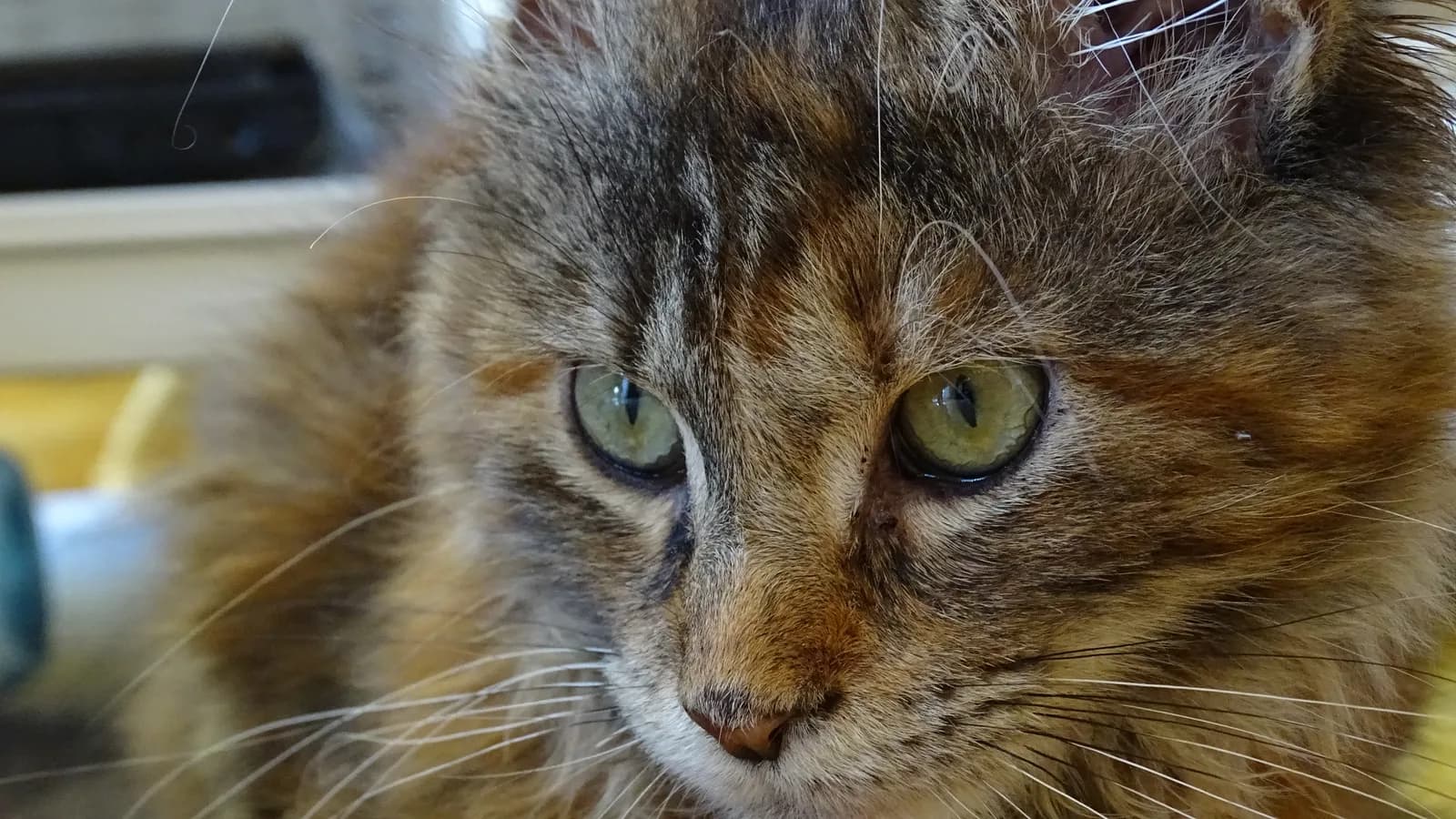
Maine Coon guide
Maine Coon Price: Four Countries, Real Numbers, No Averages
Real August 2026 Maine Coon prices from named catteries and live listings in four countries, what makes the price climb, the cheaper doors in, and what no registry will ever tell you.
Read
Maine Coon guide
Black Maine Coon: The Panther Look, Held to a Standard
What makes a true solid black Maine Coon, why the standards call it a hard coat to keep perfect, black and white bicolors, and real kitten prices.
Read
Maine Coon guide
Orange (Ginger) Maine Coon: Officially Red, Universally Adored
Why your orange Maine Coon is officially red, what ginger means in the UK, the cream dilute, why most gingers are boys, and two famous ones.
Read
Maine Coon guide
Maine Coon Breeders: How to Find One Worth Your Trust
What "registered" actually proves, the registries per country, the questions a good Maine Coon breeder answers without blinking, and what the law requires of breeders where you live.
Read
Maine Coon guide
Maine Coon Lifespan: Two Honest Numbers, Not One
How long Maine Coons really live: the measured UK figure, the 9 to 15 years everyone quotes, why the two differ, and what measurably shortens a life.
Read
Maine Coon guide
Maine Coon Food: Feeding a Big Cat Without the Marketing
What a Maine Coon actually needs to eat: the real portion math, why no official large-breed formula exists, kitten-food timing, and the grain-free question untangled.
Read
Maine Coon guide
Blue Maine Coon: Yes, That Gray Cat Is Officially "Blue"
Why registries call a gray Maine Coon blue, how the dilute coat works, what blue smoke and blue silver mean, and what these cats actually sell for.
Read
Maine Coon guide
White Maine Coon: A Coat That Keeps a Secret
Why a white Maine Coon is genetically a masked cat, the four white eye-color classes, what the UK registry requires before breeding one, and prices.
Read
Maine Coon guide
Calico Maine Coon: Three Colors, One Enormous Cat
What makes a calico Maine Coon, how the registries define the patches, dilute and smoke versions, why males are vanishingly rare, and what they cost.
Read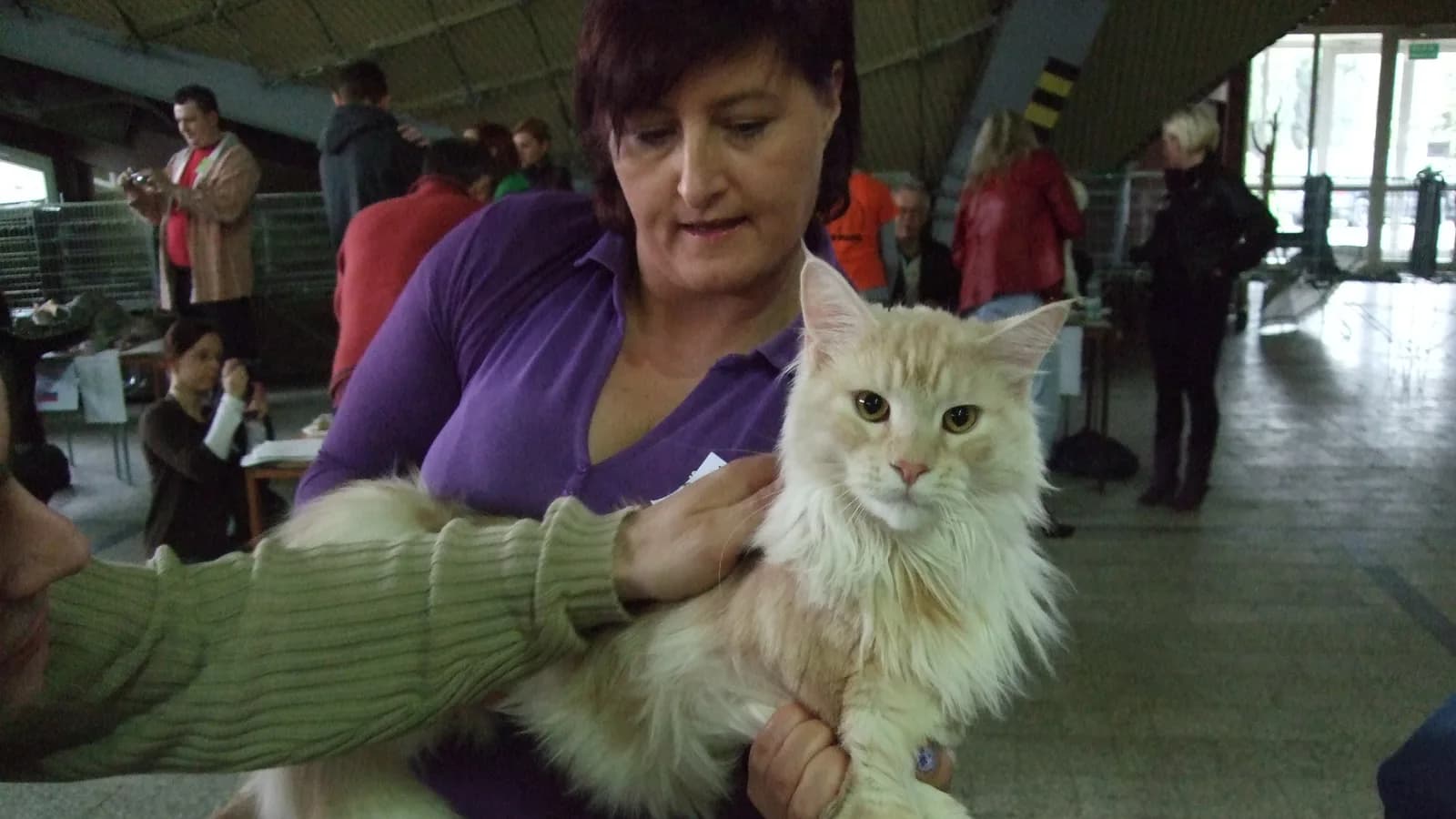
Maine Coon guide
Giant Maine Coons: The Records, and What "Giant" Really Means
The verified biggest Maine Coons, the records the breed does not hold, and what to check before paying a cattery with "giant" in its name.
Read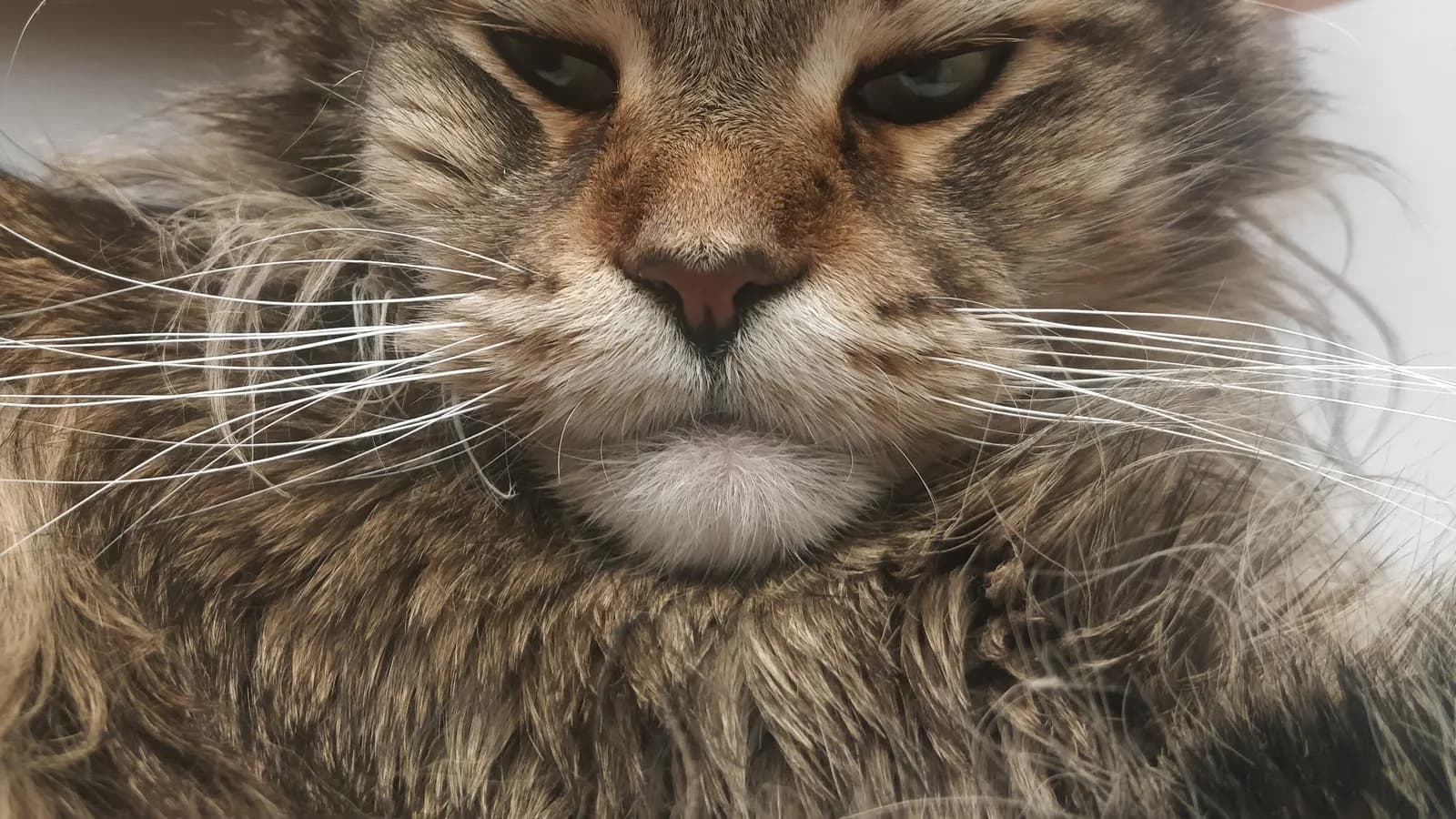
Maine Coon guide
Are Maine Coons Hypoallergenic? No, and Here Is the Honest Version
No cat breed is hypoallergenic, and the Maine Coon's long coat doesn't mean less allergen. What Fel d 1 is, why individual cats vary hugely, and what actually helps.
Read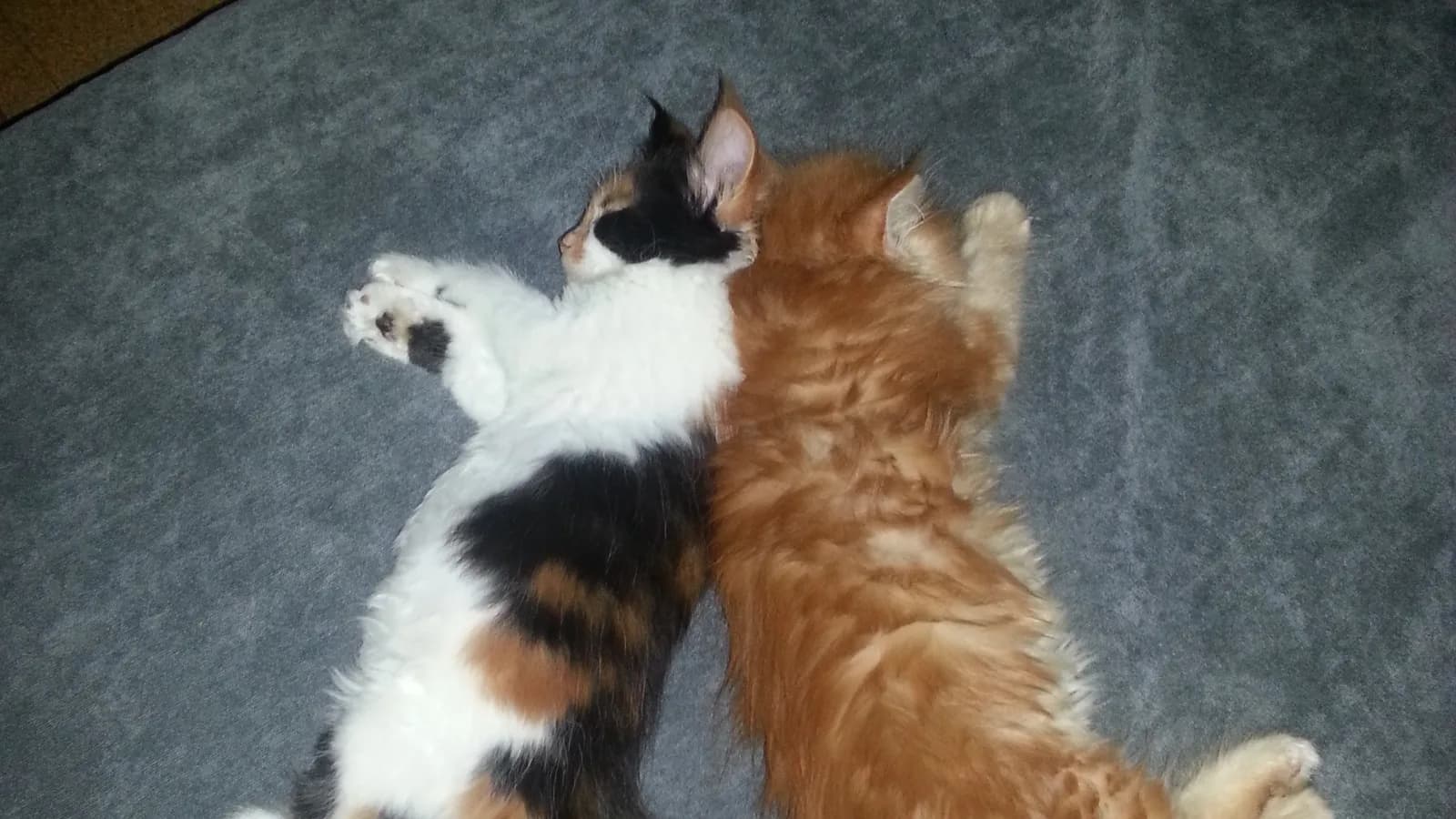
Maine Coon guide
Maine Coon Colors: The Whole Palette, Straight from the Standards
Every Maine Coon color the five major registries actually recognize, the three they all exclude, eye-color rules, and what blue-eyed buyers should ask about.
Read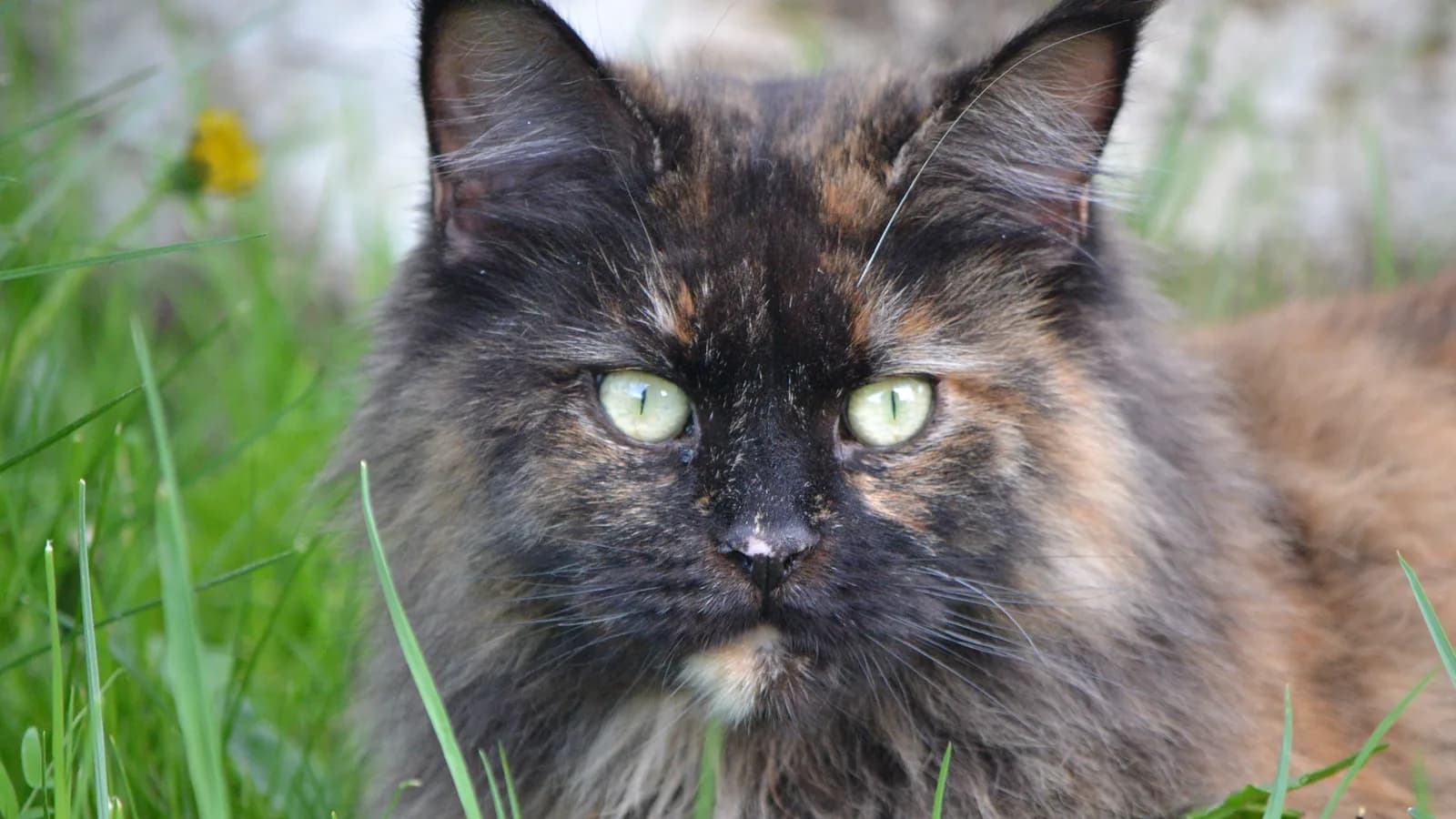
Maine Coon guide
Tortie Maine Coon: Black and Red, Woven Together
What a tortoiseshell Maine Coon actually is, how torties differ from calicos and torbies, the blue-cream dilute, and what breeders charge for them.
Read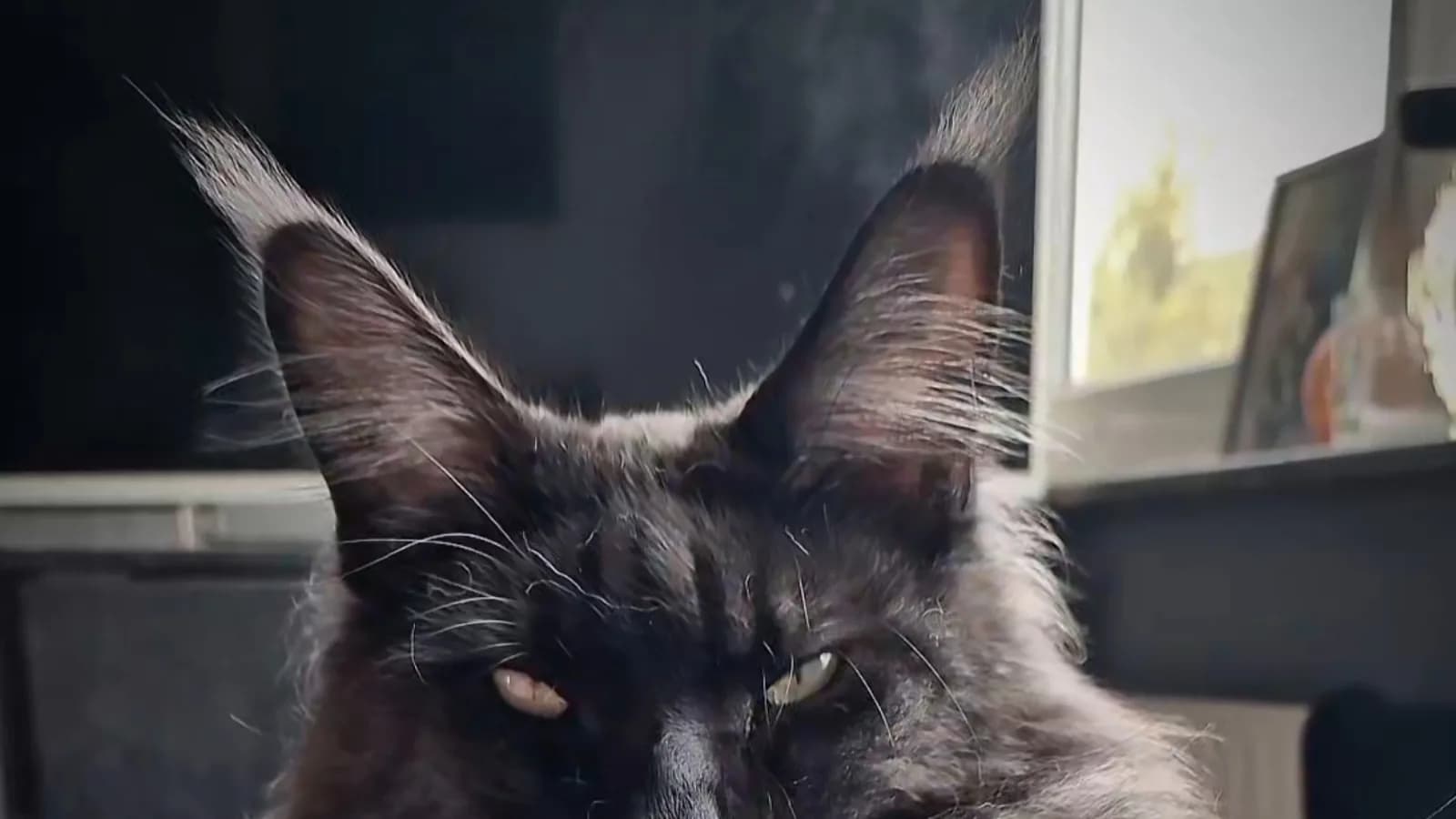
Maine Coon guide
Black Smoke Maine Coon: Midnight Over Silver
What makes a black smoke Maine Coon, how smoke differs from solid black and silver, why kittens declare themselves late, and what breeders charge.
Read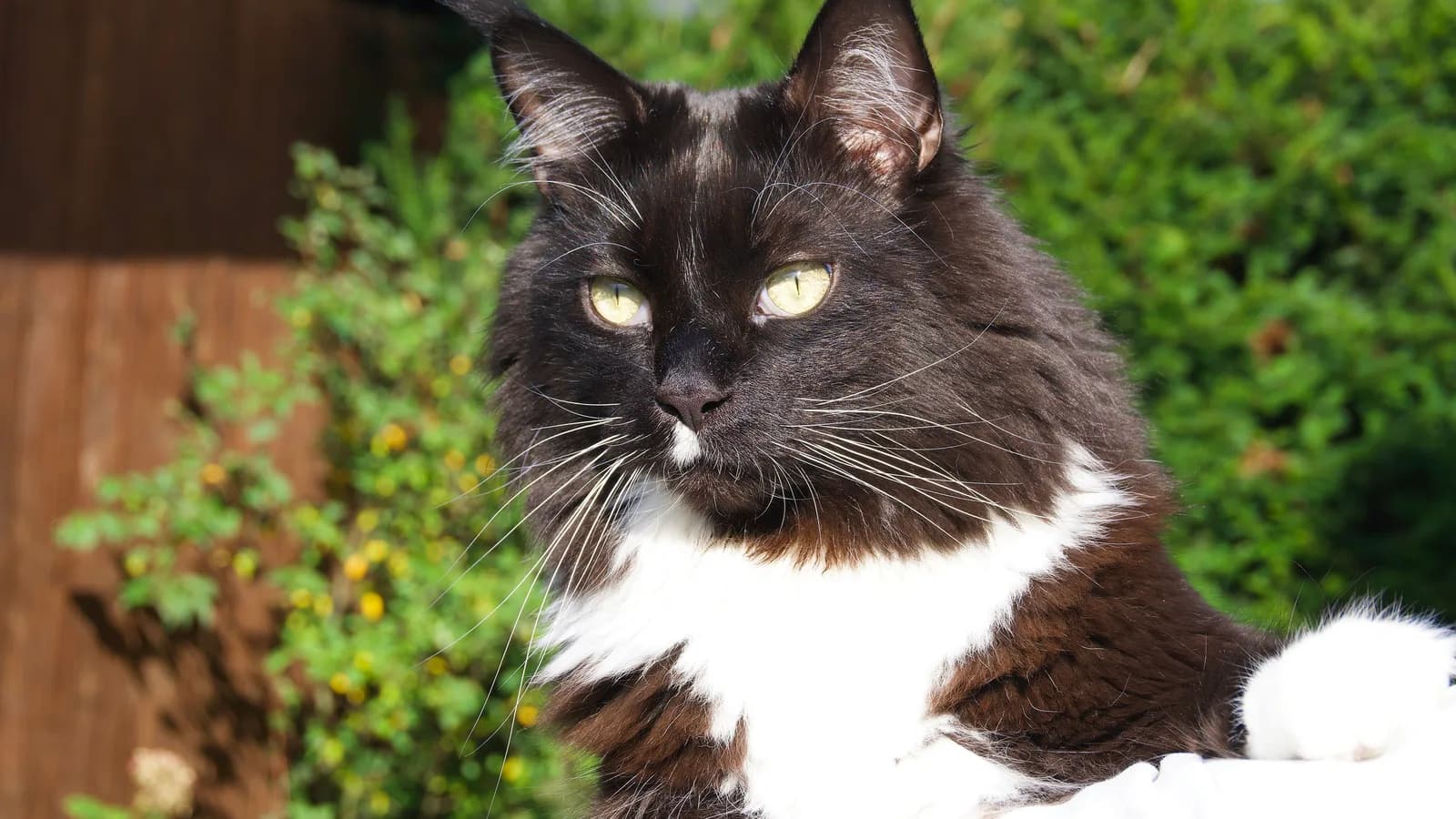
Maine Coon guide
Tuxedo Maine Coon: Black Tie, Twenty Toes of Fluff
Yes, tuxedo Maine Coons exist: what the registries call the pattern, the minimum-white rules that make it showable, and what the coat costs.
Read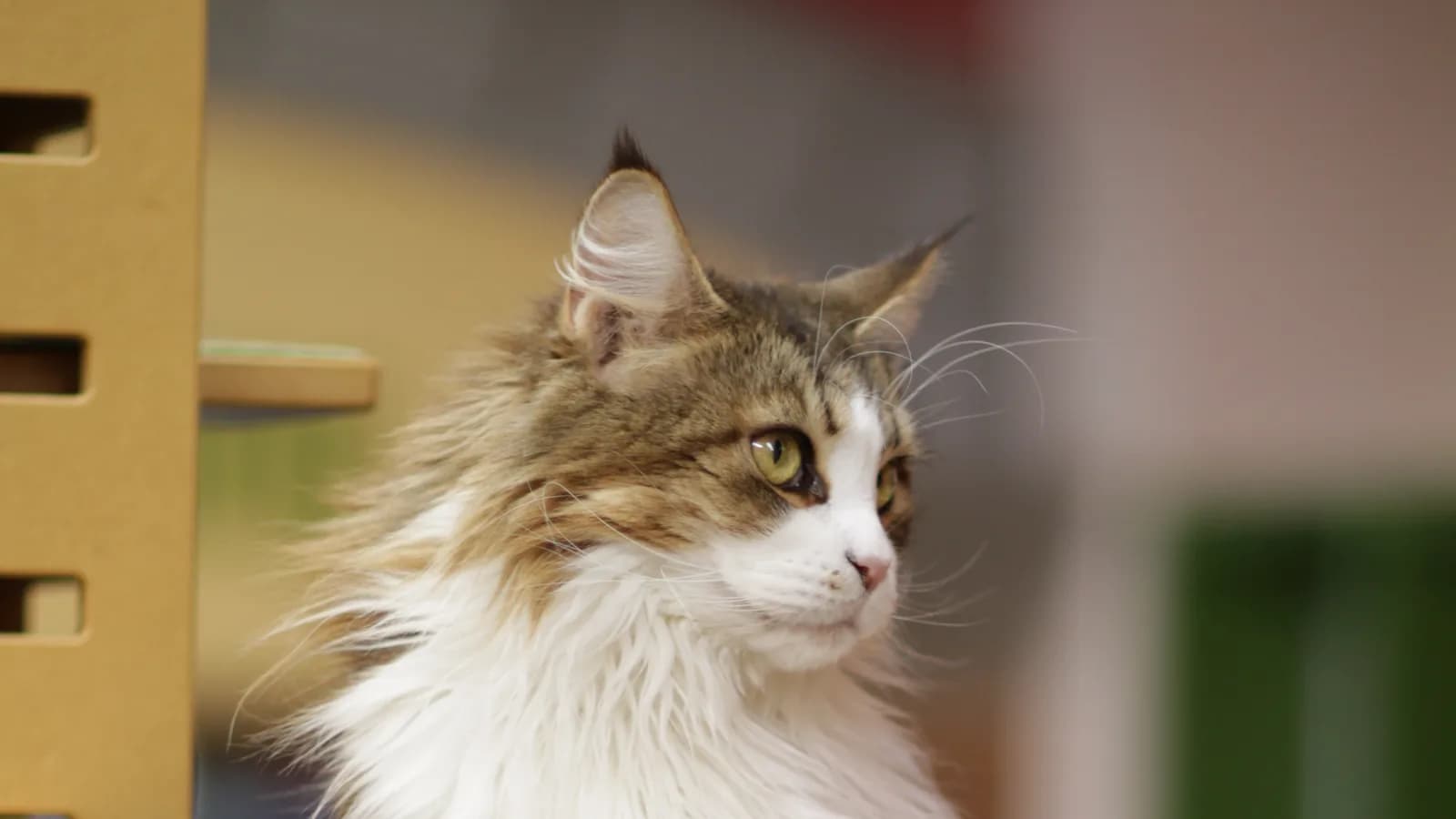
Maine Coon guide
Maine Coon Grooming: What That Coat Actually Asks of You
How much grooming a Maine Coon really needs: the honest brushing range straight from the registries, seasonal shedding, nails, ears, mats, and when a lion cut is the right call.
Read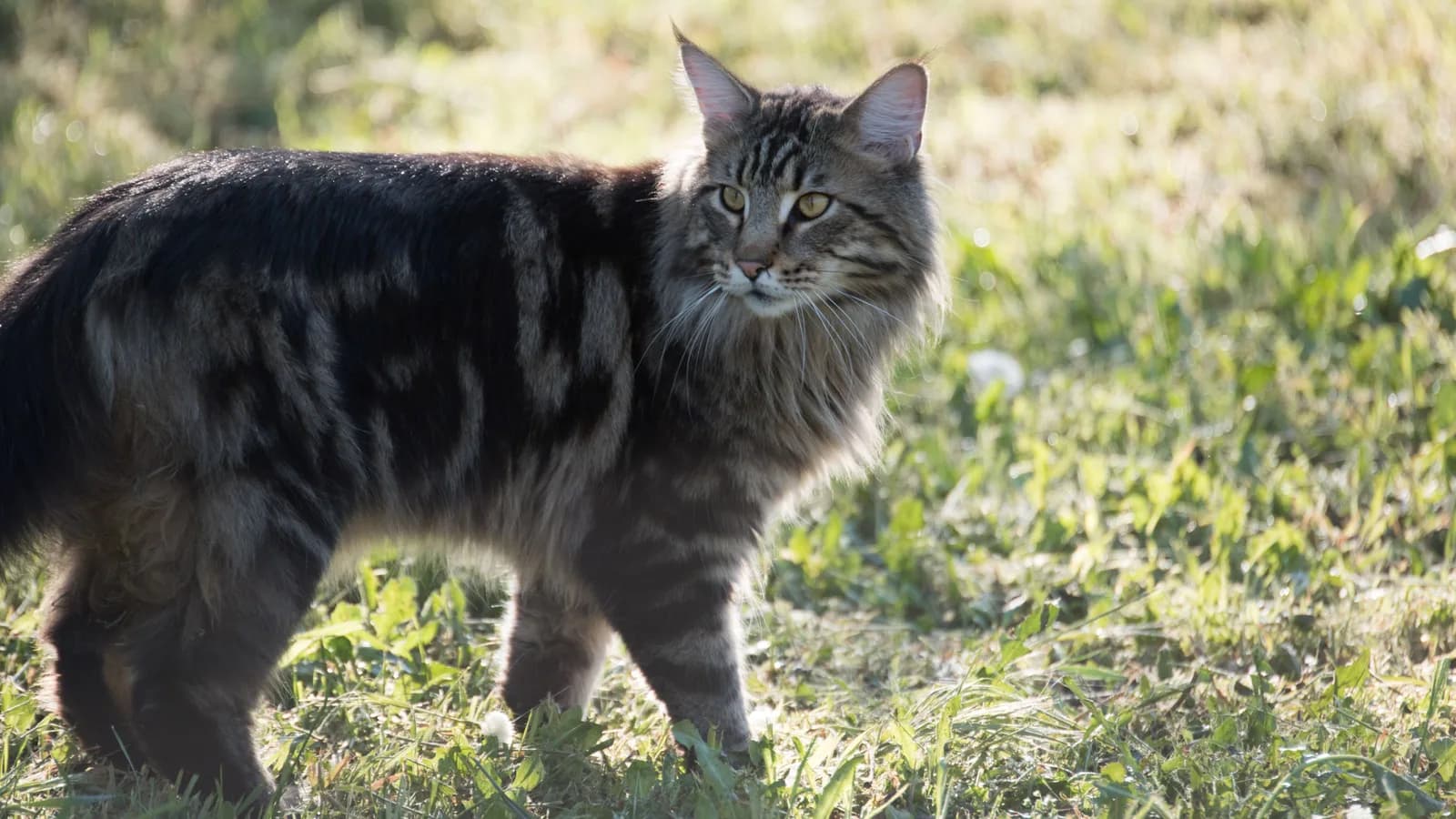
Maine Coon guide
Tabby Maine Coon: The Coat Everyone Pictures
Why the brown tabby IS the classic Maine Coon, classic versus mackerel patterns, the ticked-tabby registry dispute, and what tabbies cost.
Read
Maine Coon guide
European Maine Coon: A Look, a Label, and One Single Breed
"European Maine Coon" is a look and a marketing label, not a separate breed: what the European standards actually say, what sellers mean, and what to check.
Read
Maine Coon guide
Polydactyl Maine Coon: The Extra Toes That Split the Registries
What a polydactyl Maine Coon is, why TICA shows them and CFA does not, the snowshoe story told honestly, and what the extra toes change for the cat.
Read
Maine Coon guide
Silver Maine Coon: Frost Over the Tiger
What makes a silver Maine Coon, how silver differs from smoke, the tarnish fault that makes clean silvers rare on show benches, and real prices.
Read
Maine Coon guide
Maine Coon History: From Ship Cats to State Cat
Where Maine Coons really come from: the documented timeline from 1861 to CFA's number one breed, the myths told honestly, and the 1985 law that made it Maine's state cat.
Read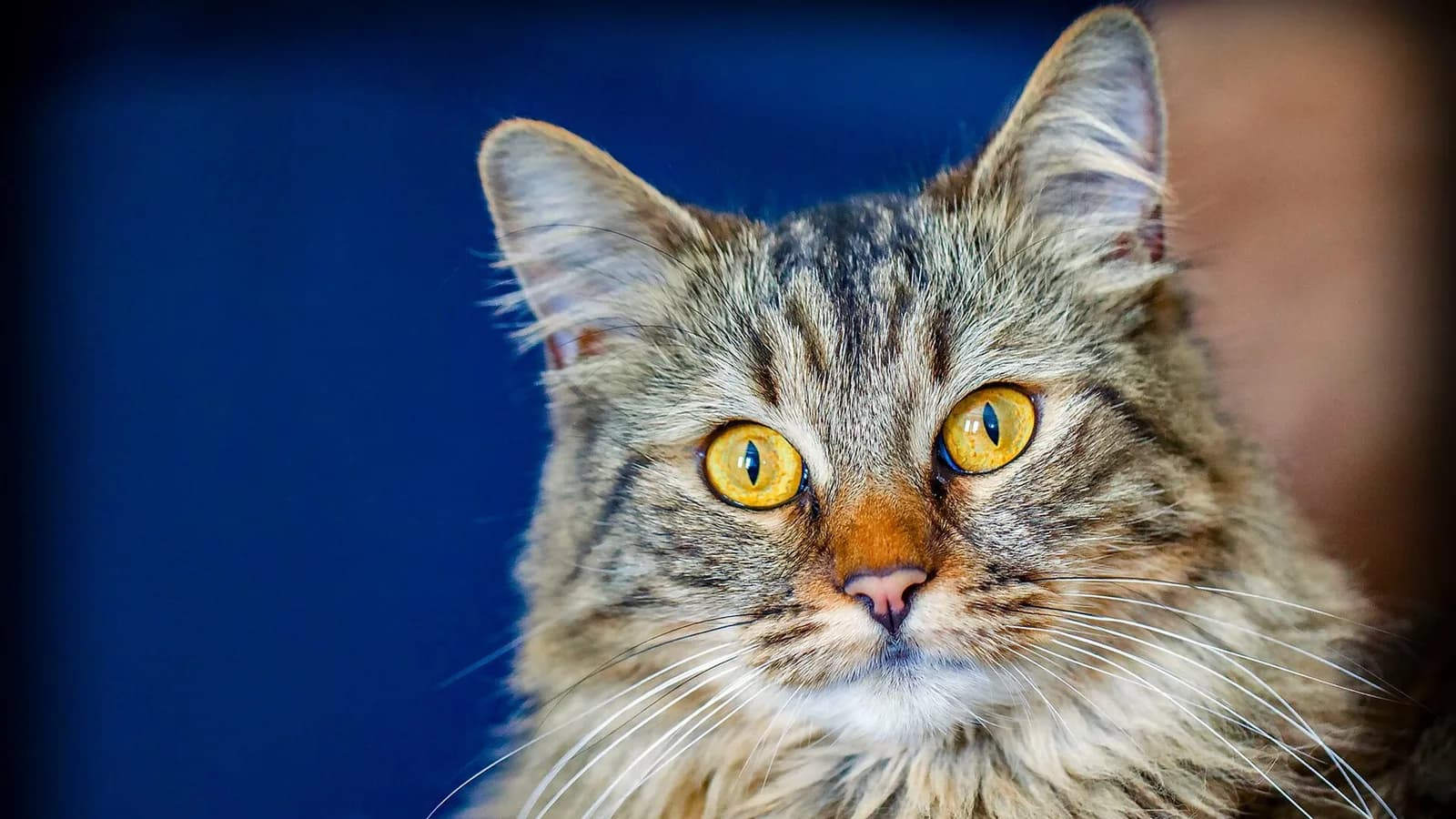
Maine Coon guide
Maine Coon Cat Names: What Owners Actually Chose, and Ideas Sized to Fit
The only measured Maine Coon name rankings (Lucy, Max and friends, 2015), why the breed is called a "coon" at all, and name ideas sized for a gentle giant.
Read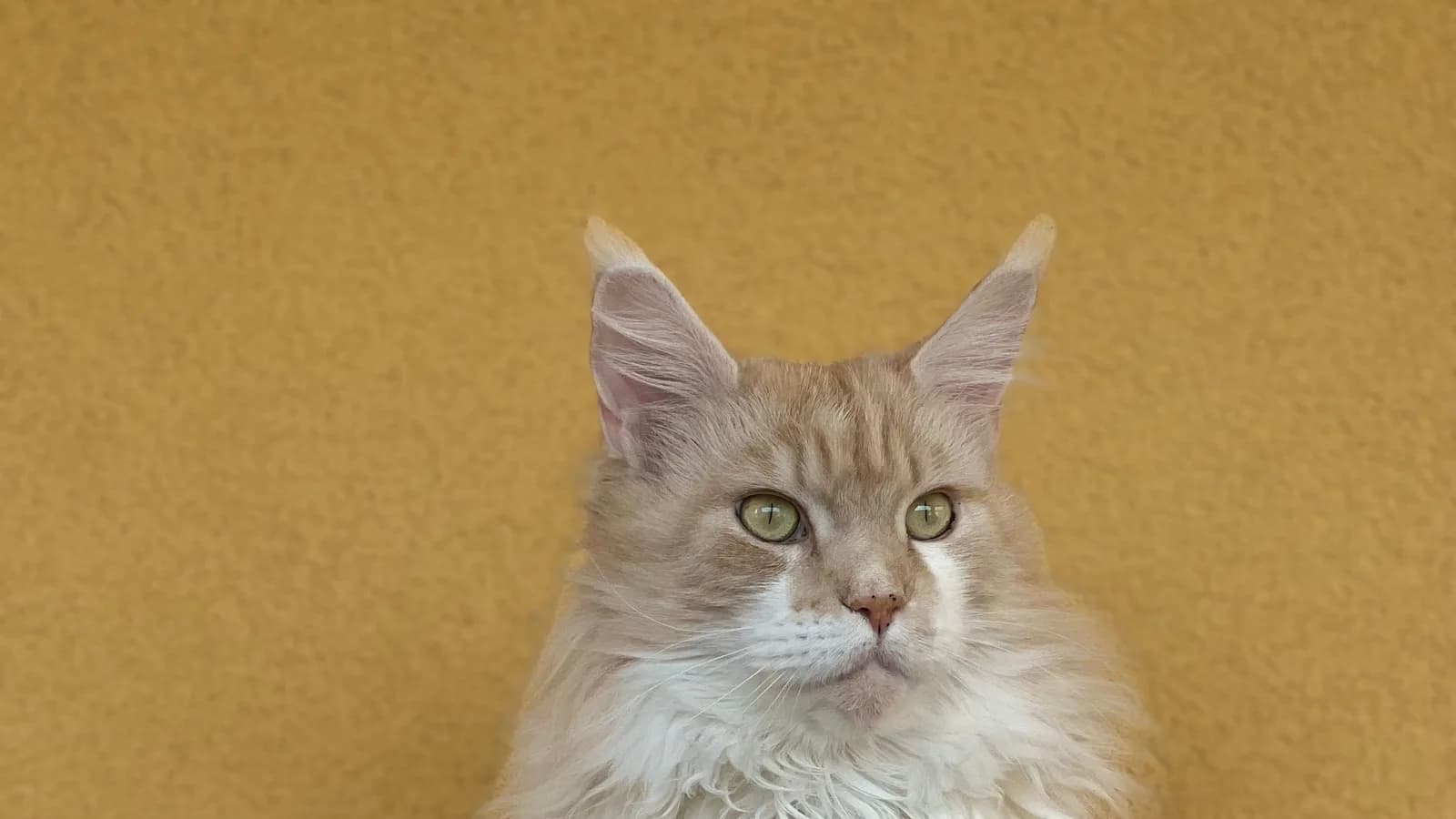
Maine Coon guide
Cream Maine Coon: Red, Whispered
What makes a cream Maine Coon, how cream relates to red and blue, why two orange parents can throw cream kittens, and what the coat costs.
Read
The floor belongs to our members. Keep it kind, links are not allowed, and images go through moderation before anyone else sees them.