

Black Sphynx Cat: What the Most-Searched Sphynx Color Actually Is
What a black Sphynx actually is: dark pigmented skin, a color no registry restricts or judges, a sun tan that is really a color shift, and the seal naming twist.

Published August 21, 2026 4 min read
Contents
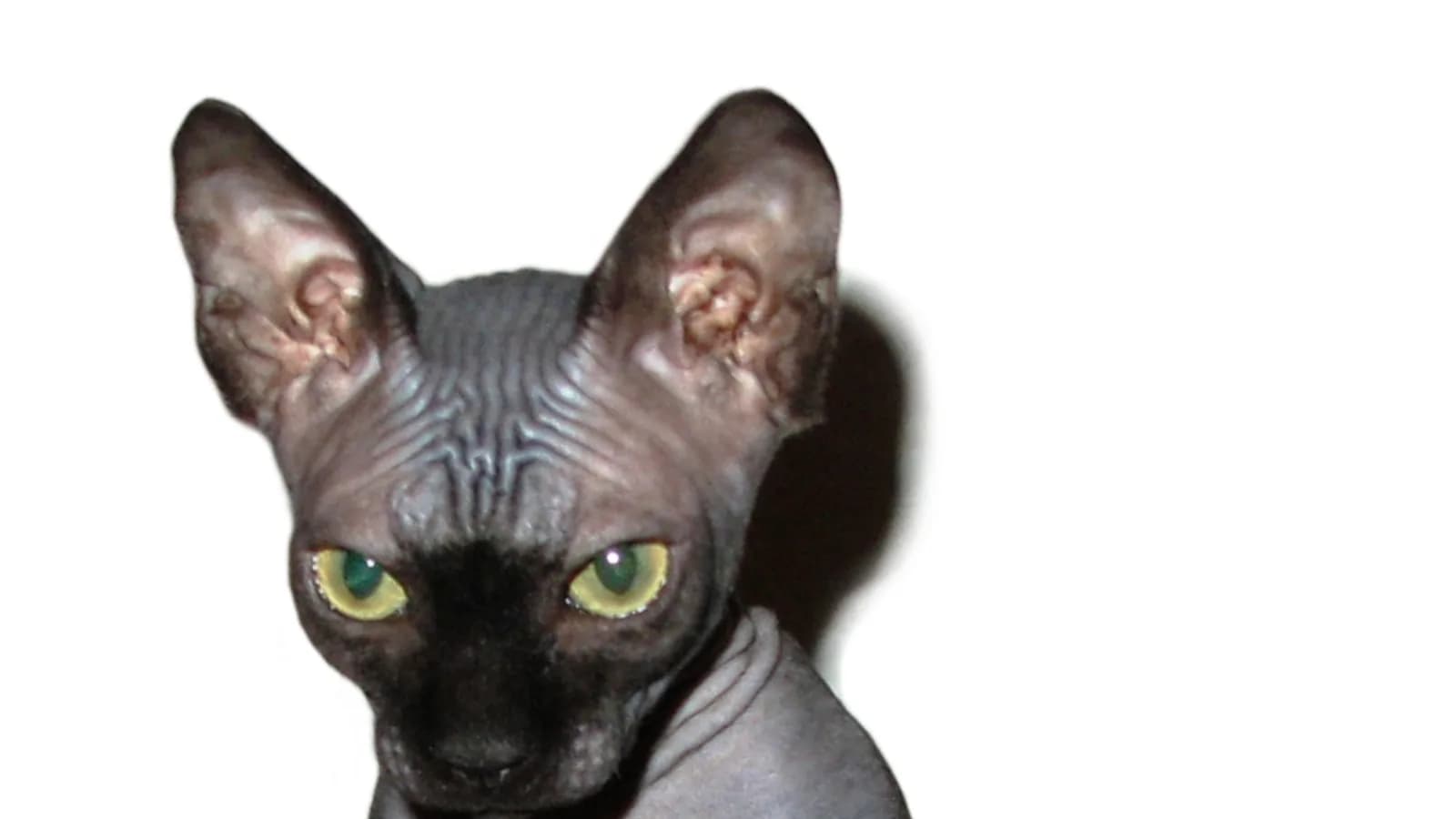
A black Sphynx is a cat whose SKIN carries the pigment its coat would have carried: charcoal to deep graphite, often with a soft sheen where the down catches light, paw pads and nose leather dark to match. It is the single most-searched Sphynx color in every market we cover, by roughly nine times over the general color query, and no registry anywhere restricts it: black is a named solid in 's own class table, and , and all admit every color without exception.
Reading black on skin, and getting it wrong
Here is the twist the search results never explain: on a hairless cat, even black is a judgment call. 's own judges' education material states that color on hairless cats "can be hard to determine", that creams can read blue, and that DNA testing is the recommended way to register a correct color. A very dark blue (the dilute of black) and a true black can be genuinely hard to separate on skin; the paw pads and nose leather are the practical tells the judging material offers. If the paperwork says blue and the cat looks black, the paperwork may simply be wrong, and the breed's own registry says so.
The sun tan that is really a color shift
Both documents carry the same line: "exposure to sun will intensify all colors." A black Sphynx that suns itself by a window visibly darkens, and patches under more exposure can outpace the rest. That is pigment chemistry, not damage in itself, but this breed's sun-safety rules still apply: bare skin burns, windows do not block the risk, and a black cat's darkening is the visible proof it is absorbing real exposure.
Seal: when a black Sphynx is not called black
One naming rule saves confusion at a breeder's price list. In the sepia and mink categories (the "temperature" genotypes this breed carries like any other), a genetically black cat is not registered as black: 's own appendix states "the Sepia and Mink equivalent of Black is SEAL." Same pigment gene, different category name. A "seal mink Sphynx" in an ad is a black cat in a mink genotype, not a rarer color deserving a premium.
Price: no black premium exists
No source in our four-market research prices black above any other color. The named premiums on this breed attach to EYE color (blue and odd eyes, $300 to $1,000 in the US, roughly $500 in Australia), not to coat color; one Australian cattery's live listing sold a black male at its standard flat price. If a seller quotes a "rare black" surcharge, the price page has the real market structure to compare against.
Reading a black Sphynx correctly
- Charcoal to graphite skin, often with a sheen where the down catches light
- Dark paw pads and nose leather: the practical tells 's judging material names
- A very dark BLUE (dilute) can pass for black by eye: DNA testing settles the registration
- In sepia or mink categories the same cat is registered SEAL, not black
- No rarity premium: the breed's real premiums attach to eye color, not coat color
 The vet's take

Veterinary review
Are you a vet?
Your professional read belongs here: every verified practitioner can leave a note, published once our editors have reviewed it.
Sign in and get your license number verified. We check it in the public register, we never ask for or keep a copy of your diploma, and your number is never published.
Frequently asked questions
Are black Sphynx cats rare?
No registry or cattery in our research treats black as rare or prices it above other colors: black is a standard named solid at CFA and unrestricted everywhere. The premiums on this breed attach to eye color, not coat color.
Do black Sphynx cats fade or change color?
They can visibly darken with sun exposure: CFA's own standard notes sun intensifies all colors on this breed. Indoor cats under a sunny window are not exempt, and the real concern is sunburn, not the shade.
How do I know my Sphynx is black and not dark blue?
Sometimes only a DNA test does: TICA's own judging material says hairless colors are hard to read by eye and recommends testing; dark paw pads and nose leather are the practical tells.
What is a seal Sphynx, and is it black?
Genetically yes: seal is the registry name for black in the sepia and mink categories, per CCA-AFC's own appendix. Same gene, different category label, no extra rarity.
 Community questions
Got a question this page doesn't cover? Ask it: the best ones get published here with their answer.
This is information, not veterinary advice, and it cannot tell you what is wrong with your cat. Our rule is a simple one: if something is wrong with your cat, call your vet, and call an emergency clinic if it is out of hours. Nothing you read here is a reason to wait.
Medical information applies to every reader. Prices, legal duties and common practice do not: unless stated otherwise, they are given for the United States, and they differ in the UK, Canada and Australia, and often between states or provinces. Check with your own vet and your own local authority.
Our sources

Worth keeping a paw on
Pin this guide
So you can find it the day you need it, and share it with someone whose cat does the same thing. One click and it sits in your board.
Pin it on Pinterest
 Purr or Pass
The cat newsletter
Our verified guides, no spam. Unsubscribe in one click.
More Sphynx guides
The Sphynx profile →
Sphynx guide
Sphynx Cat for Sale: What the Naked Cat Actually Costs
Named catteries in four countries, live marketplace samples, the eye-color premium, why an Elf costs more than a Sphynx, and what a cheap listing usually omits.
Read
Sphynx guide
Hairless Cat Breeds: The Family Tree Runs on Three Different Genes
Sphynx, Donskoy, Peterbald, Devon Rex and the designer crosses, sorted by what the genetics papers and the registries actually say, not by what the name suggests.
Read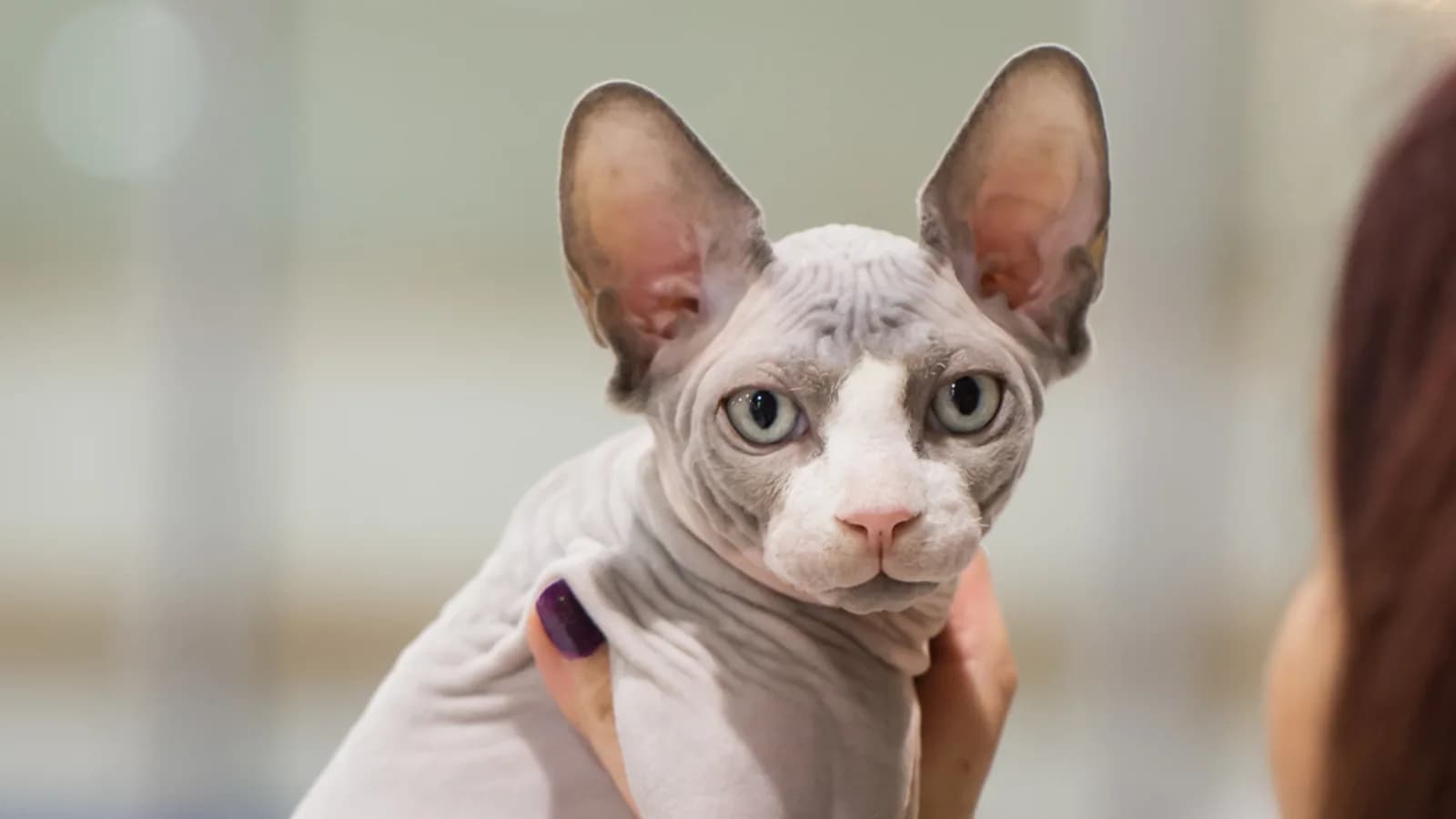
Sphynx guide
Are Sphynx Cats Hypoallergenic? Read the Registry's Own Hedge
No fur does not mean no allergen: Fel d 1 comes from skin and saliva. TICA's own hedge, the hairless cousins' own registry pages, and what actually helps.
Read
Sphynx guide
Sphynx Cat Grooming: You Traded the Brush for a Washcloth
No brush, no shedding: a skin-oil routine instead. What the yeast studies actually measured, the bathing-frequency fight, and the sunscreen ingredients that are genuinely dangerous.
Read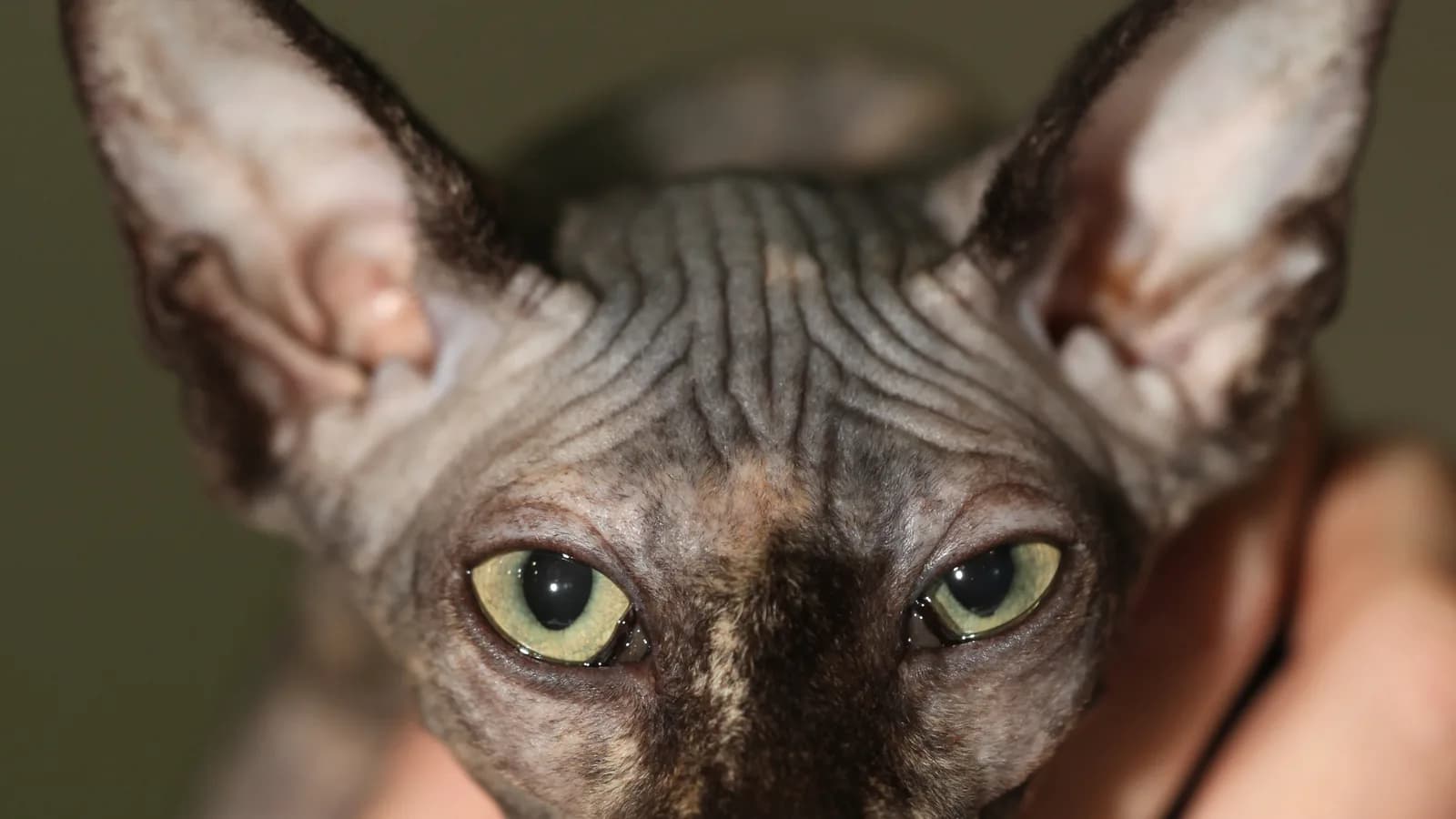
Sphynx guide
Sphynx Cat Colors: Every Color Allowed, None of Them Judged
Every color is allowed and none is judged: the registries' own words. How color reads on bare skin, why DNA testing beats eyeballing, and where black fits.
Read
The floor belongs to our members. Keep it kind, links are not allowed, and images go through moderation before anyone else sees them.