

Do Ragdoll Cats Shed? Yes. Here's What That Actually Looks Like
Ragdolls shed seasonally like every cat. What the registries actually say, the undercoat disagreement nobody mentions, and the weekly routine that keeps hair off your sofa.

Published August 20, 2026 5 min read
Contents
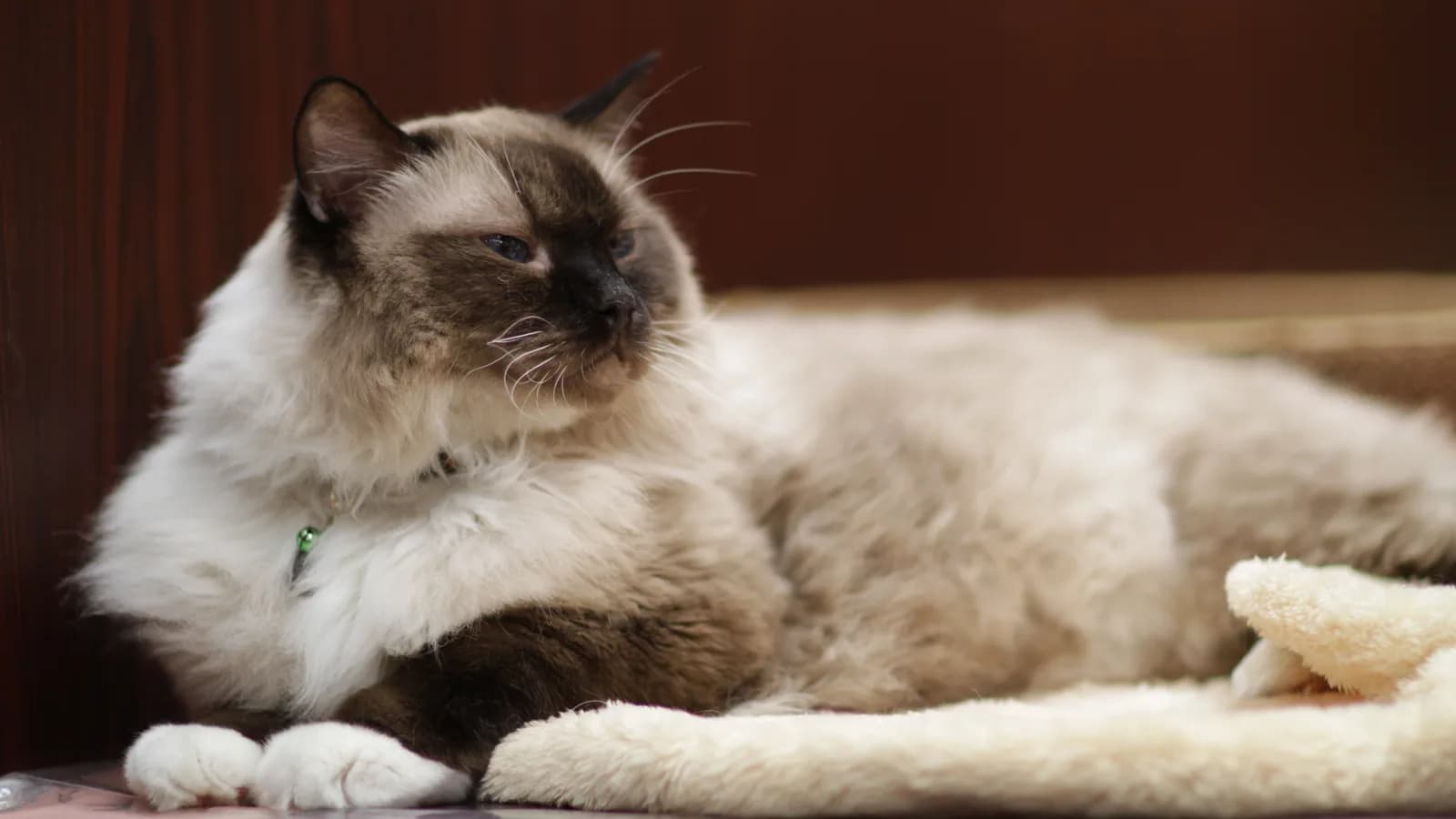
Straight answer: Ragdolls shed, and anyone selling you a shed-free semi-longhaired cat is selling. 's own breed page says it plainly: "Like all breeds of cats, Ragdoll will shed, usually with the change of seasons." describes a coat that "varies in length and density according to season," and confirms "they do moult so extra grooming during these periods is essential." What no registry gives is a shedding-intensity score, light, moderate or heavy. That rating simply does not exist officially. So every "Ragdolls are low-shedding!" chart you have seen was somebody's opinion in a table.
The good news: this coat is built easy
Where the Ragdoll genuinely earns its reputation is not the AMOUNT of hair but the EFFORT per week. The registries' own cadences, on one scale, with the general longhair guidance beside them:
"once a week or more", stainless steel or Greyhound comb, down to the skin
"once or twice a week with a steel comb"; credits the lack of a thick undercoat for reduced shedding and matting
weekly, with extra grooming during molts; "will mat if left unattended"
daily for longhaired cats as a category: the breed's advantage in one line
A longhaired look on a short-haired maintenance schedule. Keep the registry cadence as your floor, step up toward daily during the molt, and this coat stays genuinely easy.
The undercoat: two registries, two answers
Now the detail nobody else will tell you, because it requires reading the actual documents. Does the Ragdoll have an undercoat? says yes: its grooming guidance describes the coat as "silky, soft, and plush, with some undercoat." says the opposite: its standard wants "abundant guard hairs and minimal woolly undercoat," penalizes a thick undercoat in the ring, and its breed page credits "the absence of the thick, dense, insulating undercoats" for the reduced shedding.
, Canada's and Australia's take no position either way. Two major registries genuinely disagree about the same cat's anatomy. So when a cattery page states "Ragdolls have no undercoat" as fact, it is repeating one registry's half of an open disagreement. Practical upshot, regardless of who is right: comb to the skin, not over the top, because whatever is down there is where tangles start.
When and where they shed the most
Seasonal molts arrive around the coat changes. Registries say "change of seasons" without naming months; owners typically report spring and fall peaks, and indoor cats under artificial light can smear the pattern year-round. 's grooming tab names the spot where trouble starts first: "During shedding season, be sure to watch for some tangles under the armpits." That is the professional tell: armpits, behind the ears, the , everywhere friction lives. gives the deadline for procrastinators: "A Ragdoll's coat will mat if left unattended." judges actually deduct points for mats. Severe mats are a vet-team job (shaving, per iCatCare), not a scissors job at home.
The five-minute routine that beats the sofa
The whole toolkit, per the registries:
- A stainless steel or Greyhound-style comb: 's own recommendation.
- Once or twice a week, down to the skin, not over the top of the coat.
- Daily-ish during molts, armpits first: 's own trouble-spot tip.
- Treats attached so the cat opts in; notes most Ragdolls enjoy it.
- No mandatory baths: bathing can be taught and tolerated, but no registry requires it or gives an interval.
When shedding is a symptom, not a season
Two evidence-based thresholds, and this is where we stop being a grooming page. The / feline guidelines flag a CHANGE in grooming behavior, grooming much more or much less, as a signal worth a vet visit: either can accompany skin, pain or internal conditions. And Cornell's hairball guidance draws the line for a heavy-shedding season's side effect.
A cat that is lethargic, won't eat for more than a day or two, or retches repeatedly without producing anything should see a vet without delay. Patchy hair loss, bald spots or skin changes are the same category: not shedding, a symptom. Something wrong with your cat means call your vet, out of hours an emergency clinic.
 The vet's take

Veterinary review
Are you a vet?
Your professional read belongs here: every verified practitioner can leave a note, published once our editors have reviewed it.
Sign in and get your license number verified. We check it in the public register, we never ask for or keep a copy of your diploma, and your number is never published.
Frequently asked questions
Do Ragdoll cats shed a lot?
They shed like a normal cat with a semi-long coat: noticeably, seasonally, more during molts. No registry rates the breed's shedding intensity; the honest claim is "average shed, unusually easy coat care."
Do Ragdolls shed more than other cats?
No source measures breeds against each other. What the registries do say: the silky, guard-hair-dominant coat mats and holds less than a woolly double coat, so the same amount of shed hair costs you less effort.
When do Ragdolls shed the most?
At coat changes: the registries say "change of seasons," owners usually report spring and fall. Indoor living can flatten the peaks into a year-round trickle.
How do I reduce my Ragdoll's shedding?
You don't reduce shedding; you collect it before the sofa does. A steel comb once or twice a week, down to the skin, stepped up during molts. Armpits first: TICA's own tip.
Why is my Ragdoll suddenly shedding so much?
A season change is the usual answer, but a sudden change in coat or grooming behavior, especially with bald patches or skin changes, is a vet question per the AAHA/AAFP guidelines, not a brushing question.
Do Ragdoll kittens shed?
Less than adults, and the kitten coat itself is transitional: the adult coat and color keep developing for up to three years, so expect the shedding pattern to settle as the coat does.
 Community questions
Got a question this page doesn't cover? Ask it: the best ones get published here with their answer.
This is information, not veterinary advice, and it cannot tell you what is wrong with your cat. Our rule is a simple one: if something is wrong with your cat, call your vet, and call an emergency clinic if it is out of hours. Nothing you read here is a reason to wait.
Medical information applies to every reader. Prices, legal duties and common practice do not: unless stated otherwise, they are given for the United States, and they differ in the UK, Canada and Australia, and often between states or provinces. Check with your own vet and your own local authority.
Our sources
- TICA: Ragdoll breed page
- CFA: Ragdoll breed page
- CFA Ragdoll Show Standard (PDF)
- GCCF: Ragdoll breed page
- CCA-AFC Ragdoll breed standard (PDF)
- ACF Ragdoll standard (PDF, Australia)
- iCatCare: Grooming your cat
- Cornell Feline Health Center: The Danger of Hairballs
- 2021 AAHA/AAFP Feline Life Stage Guidelines (PDF)

Worth keeping a paw on
Pin this guide
So you can find it the day you need it, and share it with someone whose cat does the same thing. One click and it sits in your board.
Pin it on Pinterest
 Purr or Pass
The cat newsletter
Our verified guides, no spam. Unsubscribe in one click.
More Ragdoll guides
The Ragdoll profile →
Ragdoll guide
Ragdoll Cat Price: What Buyers Actually Paid For in August 2026
What Ragdoll kittens actually cost in the US, UK, Canada and Australia, from named catteries and live marketplace samples, with deposits, bundles and the under-$2,000 red flag.
Read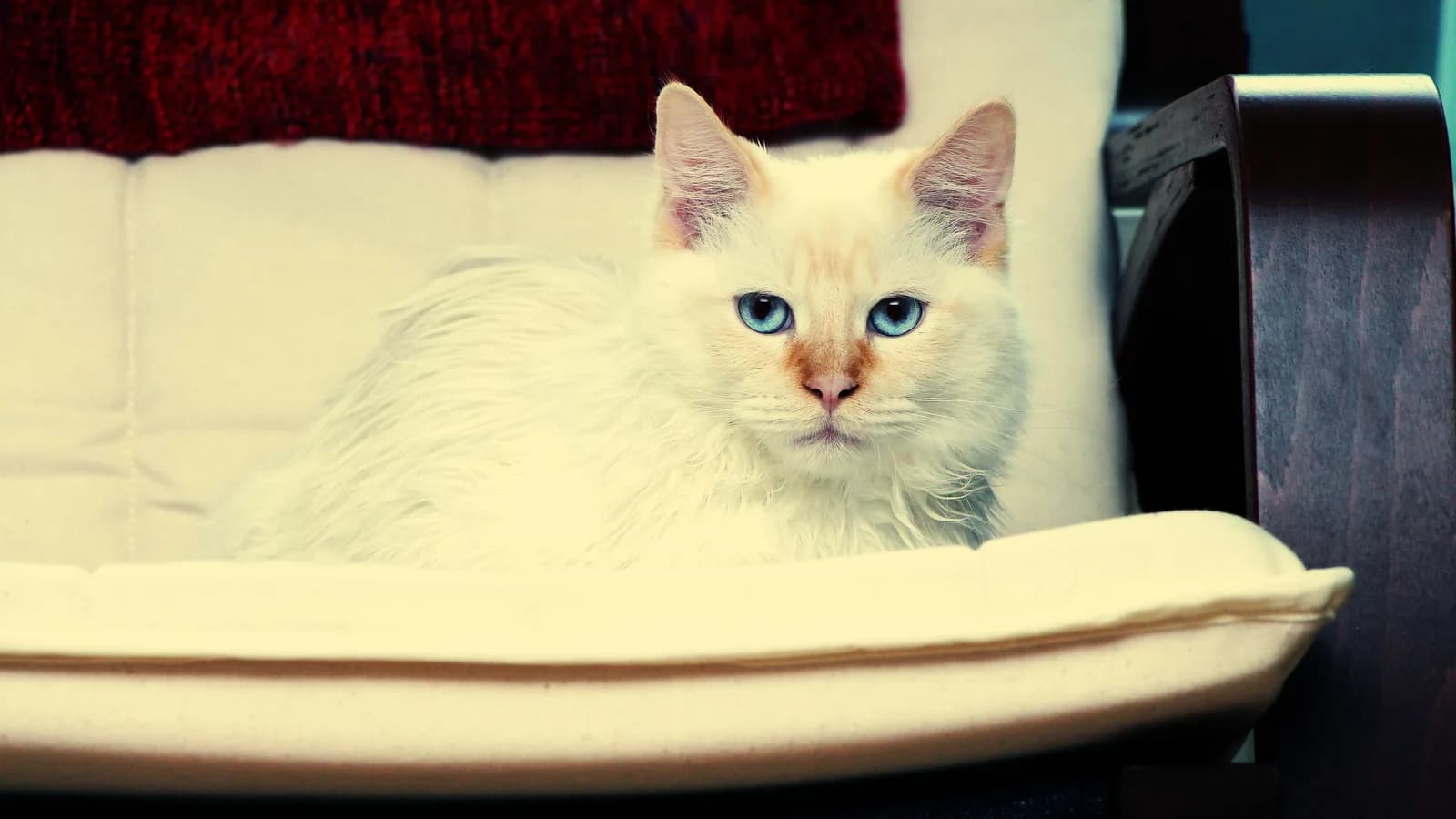
Ragdoll guide
Flame Point Ragdoll: The Orange One With Two Names
The orange Ragdoll explained: why registries write red, not flame, why most flame points are boys, and what the orange gene actually does.
Read
Ragdoll guide
Finding a Ragdoll Breeder: The Checks That Actually Protect You
The registry checklists that actually protect you, the UK's dated HCM-testing mandate, what "registered" means in each country, and the 6-to-8-week red flag.
Read
Ragdoll guide
Are Ragdoll Cats Hypoallergenic? No, and No Study Says Otherwise
No cat breed is hypoallergenic, and no study has ever measured the Ragdoll as lower-allergen. What Fel d 1 is, what the two veterinary reviews actually say, and what helps if you're allergic.
Read
Ragdoll guide
Seal Point Ragdoll: The Original Recipe
What seal point means, why the darkest Ragdolls read black in photos but never are, and the one registry that recognizes a genuinely solid black Ragdoll-type cat.
Read
Ragdoll guide
Ragdoll Colors and Patterns: The Real List, and Where Registries Disagree
All six Ragdoll point colors, the three patterns, and where the five registries genuinely disagree: minks, Cherubim, Van, and Australia's silver-and-smoke extension.
Read
Ragdoll guide
Ragdoll Cat Size: What the Scales Say vs What the Brochures Say
What Ragdolls actually weigh (204 measured cats say less than you think), what the registries claim, and why "one of the largest breeds" is a marketing sentence, not a measurement.
Read
Ragdoll guide
Chocolate Ragdoll: The Color Everyone Calls Brown
Searching for a brown Ragdoll? No registry has one. How to tell chocolate from a dark seal, and why the UK once rebuilt this color with Siamese and Persian outcrosses.
Read
Ragdoll guide
How Long Do Ragdoll Cats Live? 12.85 Years, Measured, and Rising
The largest Ragdoll study ever run puts median age at death at 12.85 years, higher than older studies said, and the reason why is the best story in cat statistics.
Read
Ragdoll guide
Lilac Ragdoll: The Palest of the Four
What a lilac Ragdoll actually looks like ("frosty grey with pinkish tinge" per the standard), how dilution builds it from chocolate, and the honest word on rarity pricing.
Read
Ragdoll guide
Blue Ragdoll: One Word, Two Questions
What a blue point Ragdoll is, why it is really a softened seal, and the answer to the question everyone asks: do all Ragdolls have blue eyes?
Read
Ragdoll guide
Ragdoll Mix: What Actually Identifies One (and What Never Does)
Is your cat part Ragdoll? What actually identifies the breed (points, patterns, papers), what a DNA test can say, and the disputed answer to what Ragdolls were mixed from.
Read
Ragdoll guide
Bicolor Ragdoll: One Gene, a White V, and a Sliding Scale
What makes a Ragdoll bicolor, how the same gene runs from a standard bicolour to an almost all-white cat, and why only one registry calls that extreme "Van".
Read
Ragdoll guide
Ragdoll Cat Names: What Owners Actually Chose, and Ideas That Fit
The only measured Ragdoll name rankings (Bella, Max and friends, 2015), the story behind the breed's own odd name, and name ideas that fit a cloud-colored, blue-eyed couch philosopher.
Read
Ragdoll guide
Cream Ragdoll: The Whisper Version of Orange
What a cream point Ragdoll is, how dilution turns red into cream, how to tell one from a pale flame point, and what the standards actually require.
Read
Ragdoll guide
Why Do Ragdoll Cats Go Limp? Mostly, They Don't
The famous Ragdoll flop traces to one cat, one breeder and a story from the 1960s. What the registries actually say, what research exists (none), and the child-safety correction that matters.
Read
Ragdoll guide
Maine Coon vs Ragdoll: Same Shortlist, Genuinely Different Cats
Which is bigger, which sheds more, which lives longer: the registry quotes and the measured studies, including the one sentence CFA copy-pasted between the two breeds.
Read
The floor belongs to our members. Keep it kind, links are not allowed, and images go through moderation before anyone else sees them.