

Seal Point Ragdoll: The Original Recipe
What seal point means, why the darkest Ragdolls read black in photos but never are, and the one registry that recognizes a genuinely solid black Ragdoll-type cat.

Published August 20, 2026 4 min read
Contents
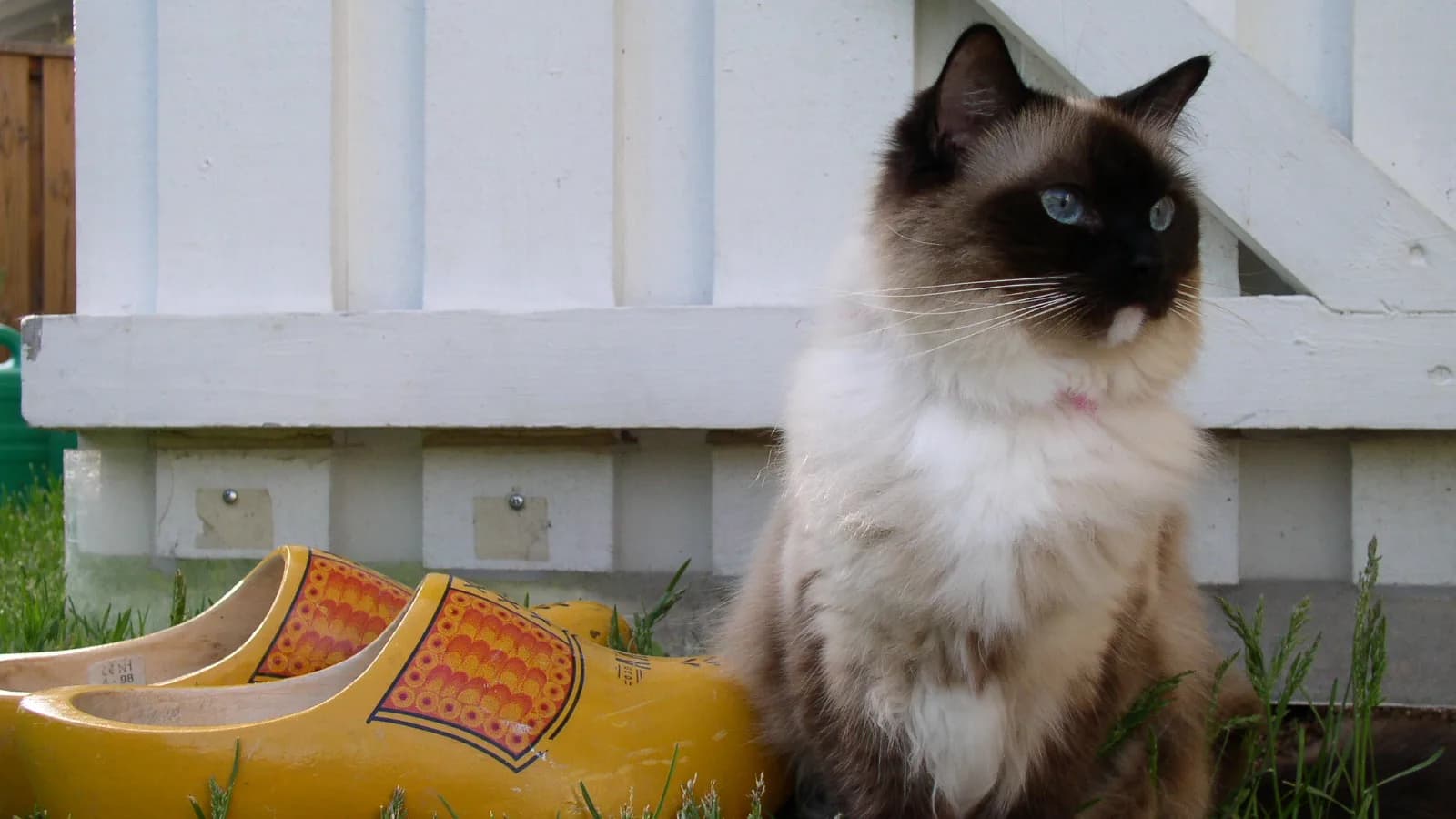
If the Ragdoll has a default setting, it is seal point: rich, dark brown points against a pale warm body. It is the highest-contrast combination in the breed, and the one in most of the photographs that made it famous. 's standard writes the spec plainly: body "even pale fawn to cream, warm in tone," points "deep seal brown," blue eyes, nose leather and paw pads the "same color as points." Seal is the undiluted, un-modified base color of the breed. Genetically, blue is this same cat with the dilution gene switched on. Like every Ragdoll color, seal comes , or bicolor, plus and versions.
"Black Ragdoll cat": what that search actually finds
US monthly searches for "black ragdoll cat"
4,400
nine times the volume of seal's own name
Standards using the word "black"
0
every registry defines seal as deep brown; says "not black" outright
Registry recognizing a solid black Ragdoll-type cat
1
, as , since May 2025
Four thousand four hundred people a month search "black ragdoll cat", nine times more than search for seal by name. The term does not exist in any registry document. We read all five standards: every seal description says brown. is the most explicit, "deep seal brown, not black." What the photos that trigger those searches usually show is a mature seal point at its darkest.
Points deepen with age in this breed, and a five-year-old seal boy photographed in low light genuinely reads black. So if a listing offers a "black Ragdoll kitten", ask one question. Seal point (a standard cat that will look near-black at maturity), or a genuinely unpointed solid black? The second exists, and it is a special case worth knowing about.
The solid black Ragdoll: real, historic, and recognized by exactly one registry
A genuinely solid black Ragdoll-type cat is not a scam and not a novelty. 's own Breeding Policy names "Buckwheat, a black self (solid)" among the three cats Ann Baker founded the breed on in 1963. What it is NOT, in four of the five registries, is a registrable Ragdoll: , GCCF, and have no category for it. became the exception on May 1, 2025, when its division gave mink, sepia and solid Ragdoll-type cats a registry name and a championship path. Full story on the colors hub. A buyer's translation: a solid black "Ragdoll" comes with TICA paperwork or with none.
The kitten that arrives white
Buy a seal point kitten, and the first surprise is how little seal there is. Pointed kittens are born nearly white, because the pointing gene only produces pigment in cool skin, and a womb has no cool spots. The mask, ears, legs and tail fill in over the first weeks and months. The full depth takes years: 's standard says full color "is not reached until 3 years old." The kitten you collect at twelve weeks is the lightest that cat will ever be. Worth remembering when comparing it to its parents' photos.
What a seal point costs
Seal is a baseline color, not a premium one: it anchors the standard tier on cattery cards. One dated example from our four-market research: an Ontario cattery's card (seen August 2026, marked revised January 2024) starts kittens at CA$1,675, with patterns, not colors, driving its upper tiers. Full four-market ranges: Ragdoll price page.
 The vet's take

Veterinary review
Are you a vet?
Your professional read belongs here: every verified practitioner can leave a note, published once our editors have reviewed it.
Sign in and get your license number verified. We check it in the public register, we never ask for or keep a copy of your diploma, and your number is never published.
Frequently asked questions
What is a seal point Ragdoll?
A Ragdoll with deep seal-brown points on a pale fawn-to-cream body, blue eyes, the breed's classic and most common color.
What does "seal" mean?
The cat fancy's word for the darkest brown point color, named for the rich brown of seal fur; on a pedigree it is the base, undiluted color of the breed.
Is there a black Ragdoll?
As a pointed cat, no: every standard defines the darkest color as seal brown, "not black" in GCCF's own words. Genuinely solid black Ragdoll-type cats exist and are recognized only by TICA, as Cherubim, since May 2025.
What is a seal lynx point Ragdoll?
A seal point with tabby striping in the points; "lynx" is the Ragdoll word for tabby markings, and it can overlay any pattern.
How much does a seal point Ragdoll cost?
Typically the standard tier of a cattery's card; one Ontario cattery starts colorpoints at CA$1,675. Market-by-market figures are on the price page.
Do seal points get darker?
Yes, points deepen for years and mature seals can read near-black in photos; the twelve-week kitten is the lightest version of the cat you will ever see.
 Community questions
Got a question this page doesn't cover? Ask it: the best ones get published here with their answer.
This is information, not veterinary advice, and it cannot tell you what is wrong with your cat. Our rule is a simple one: if something is wrong with your cat, call your vet, and call an emergency clinic if it is out of hours. Nothing you read here is a reason to wait.
Medical information applies to every reader. Prices, legal duties and common practice do not: unless stated otherwise, they are given for the United States, and they differ in the UK, Canada and Australia, and often between states or provinces. Check with your own vet and your own local authority.
Our sources

Worth keeping a paw on
Pin this guide
So you can find it the day you need it, and share it with someone whose cat does the same thing. One click and it sits in your board.
Pin it on Pinterest
 Purr or Pass
The cat newsletter
Our verified guides, no spam. Unsubscribe in one click.
More Ragdoll guides
The Ragdoll profile →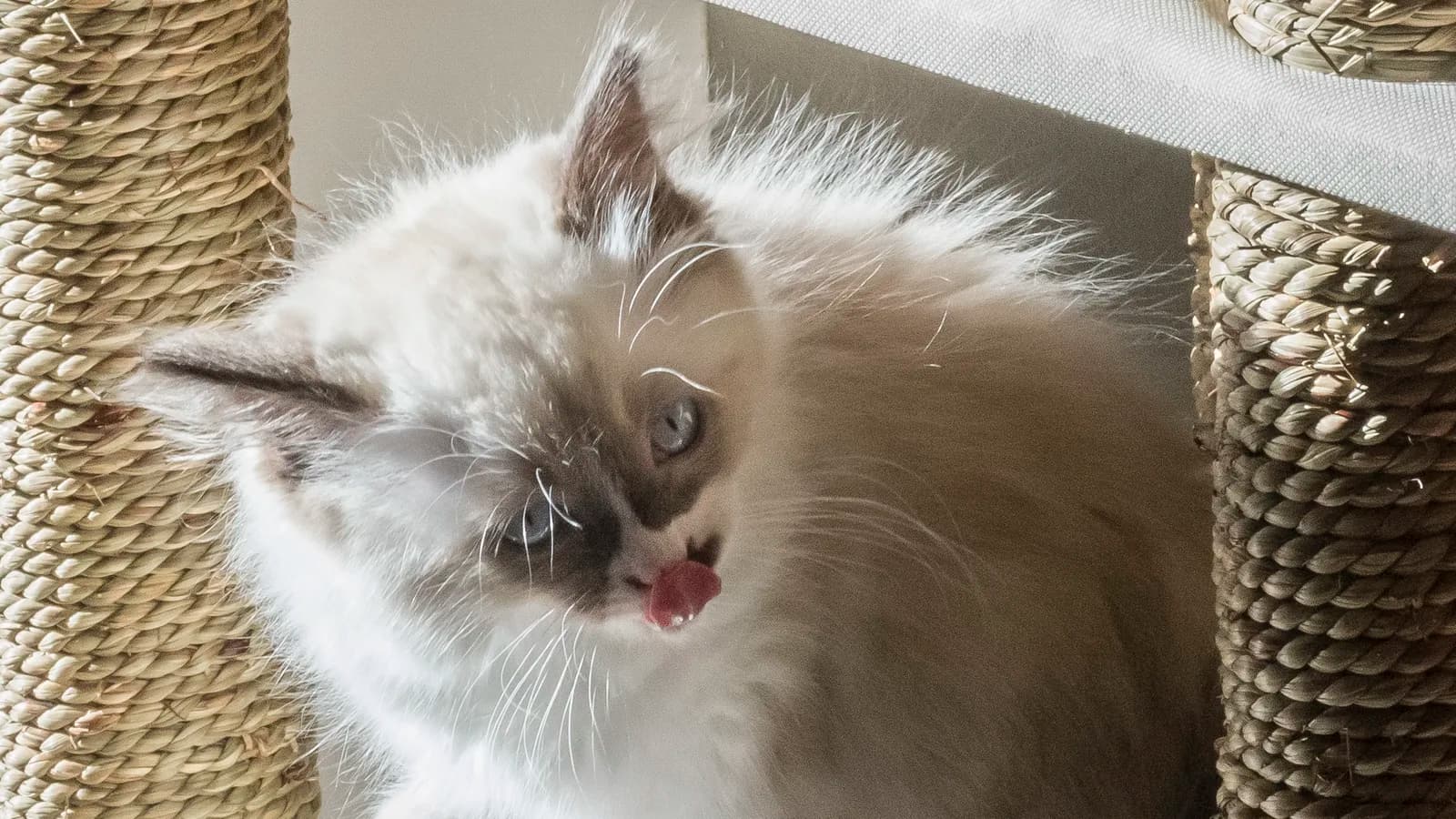
Ragdoll guide
Ragdoll Cat Price: What Buyers Actually Paid For in August 2026
What Ragdoll kittens actually cost in the US, UK, Canada and Australia, from named catteries and live marketplace samples, with deposits, bundles and the under-$2,000 red flag.
Read
Ragdoll guide
Flame Point Ragdoll: The Orange One With Two Names
The orange Ragdoll explained: why registries write red, not flame, why most flame points are boys, and what the orange gene actually does.
Read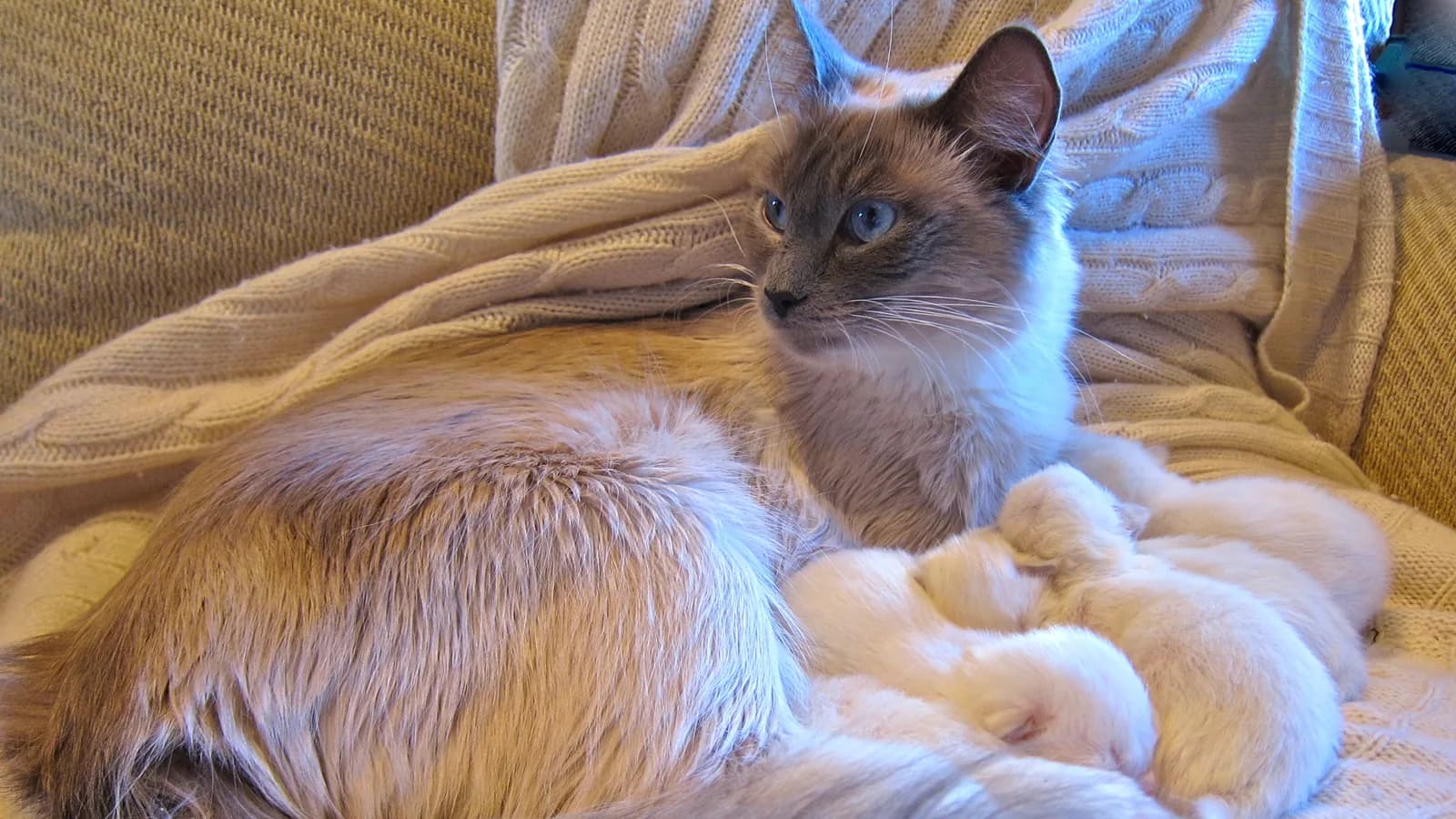
Ragdoll guide
Finding a Ragdoll Breeder: The Checks That Actually Protect You
The registry checklists that actually protect you, the UK's dated HCM-testing mandate, what "registered" means in each country, and the 6-to-8-week red flag.
Read
Ragdoll guide
Are Ragdoll Cats Hypoallergenic? No, and No Study Says Otherwise
No cat breed is hypoallergenic, and no study has ever measured the Ragdoll as lower-allergen. What Fel d 1 is, what the two veterinary reviews actually say, and what helps if you're allergic.
Read
Ragdoll guide
Ragdoll Colors and Patterns: The Real List, and Where Registries Disagree
All six Ragdoll point colors, the three patterns, and where the five registries genuinely disagree: minks, Cherubim, Van, and Australia's silver-and-smoke extension.
Read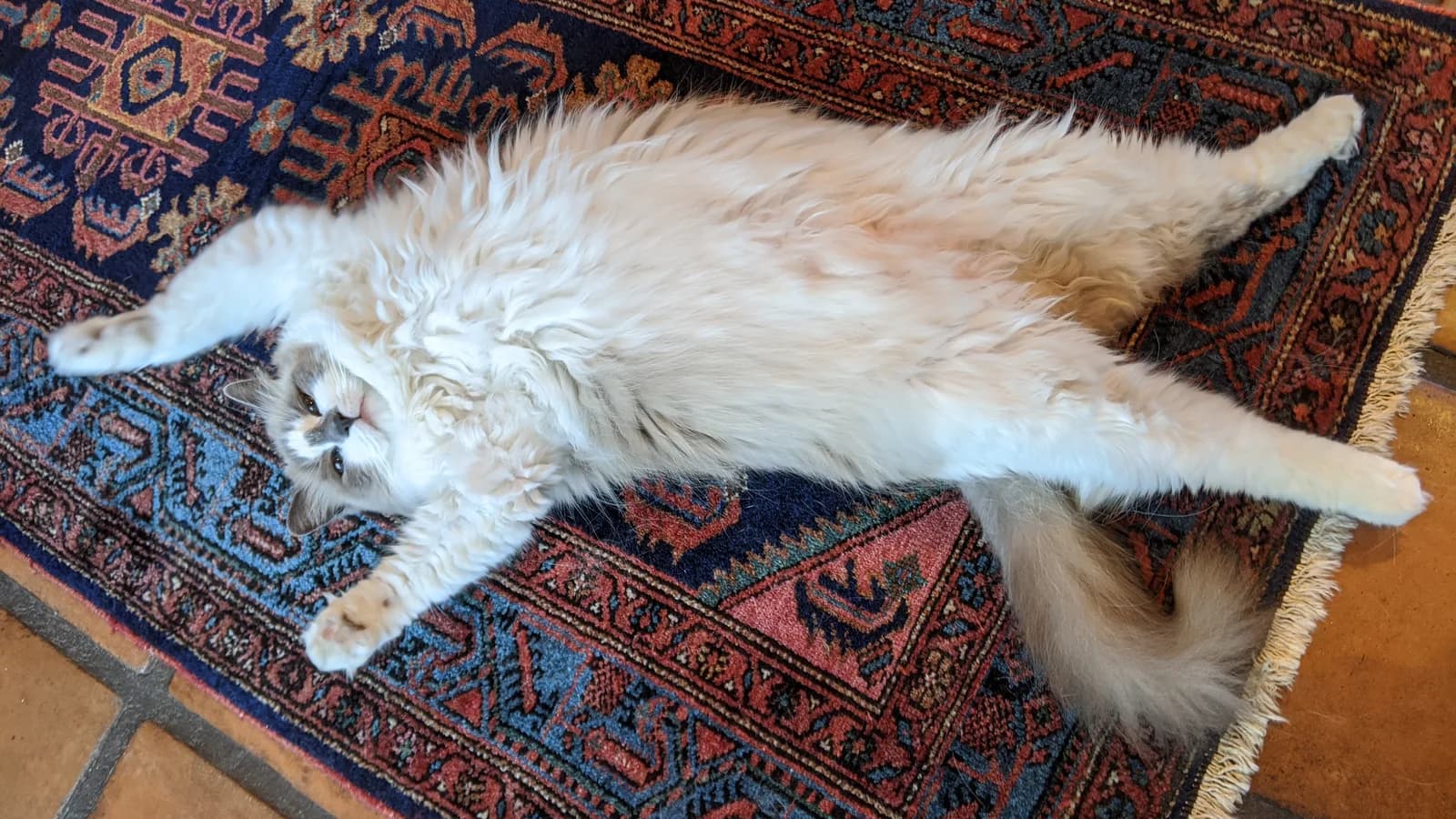
Ragdoll guide
Ragdoll Cat Size: What the Scales Say vs What the Brochures Say
What Ragdolls actually weigh (204 measured cats say less than you think), what the registries claim, and why "one of the largest breeds" is a marketing sentence, not a measurement.
Read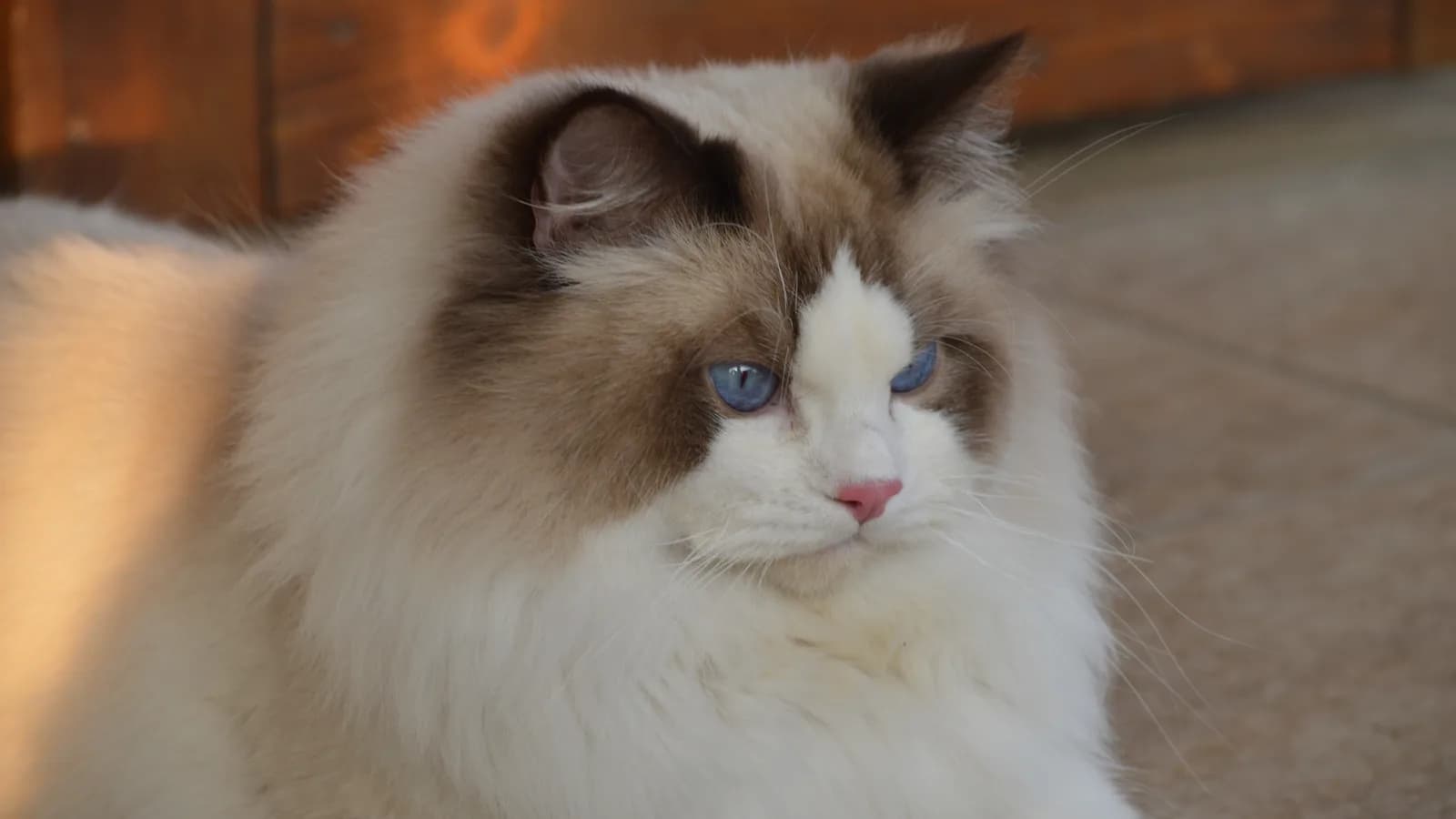
Ragdoll guide
Chocolate Ragdoll: The Color Everyone Calls Brown
Searching for a brown Ragdoll? No registry has one. How to tell chocolate from a dark seal, and why the UK once rebuilt this color with Siamese and Persian outcrosses.
Read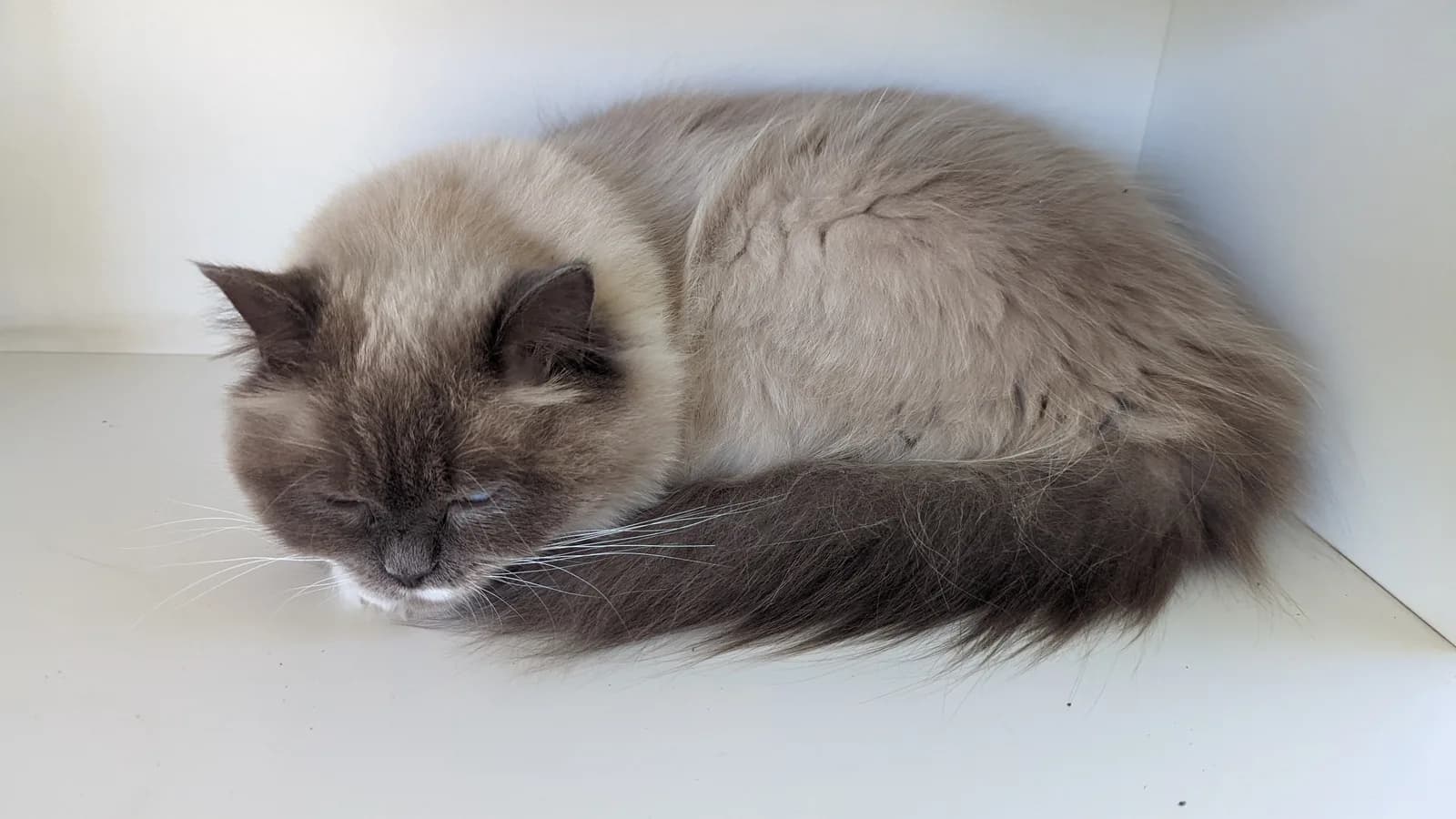
Ragdoll guide
How Long Do Ragdoll Cats Live? 12.85 Years, Measured, and Rising
The largest Ragdoll study ever run puts median age at death at 12.85 years, higher than older studies said, and the reason why is the best story in cat statistics.
Read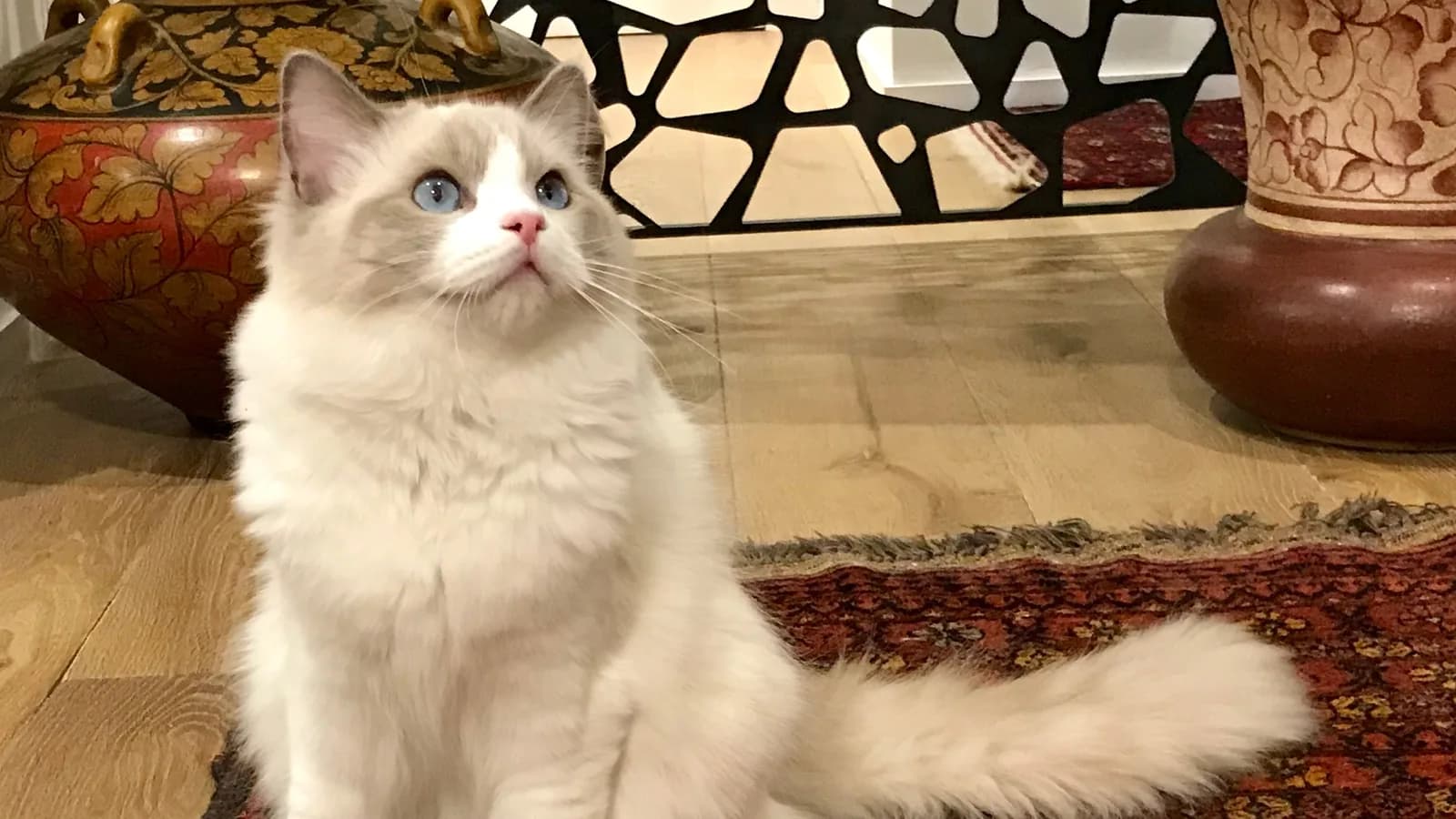
Ragdoll guide
Lilac Ragdoll: The Palest of the Four
What a lilac Ragdoll actually looks like ("frosty grey with pinkish tinge" per the standard), how dilution builds it from chocolate, and the honest word on rarity pricing.
Read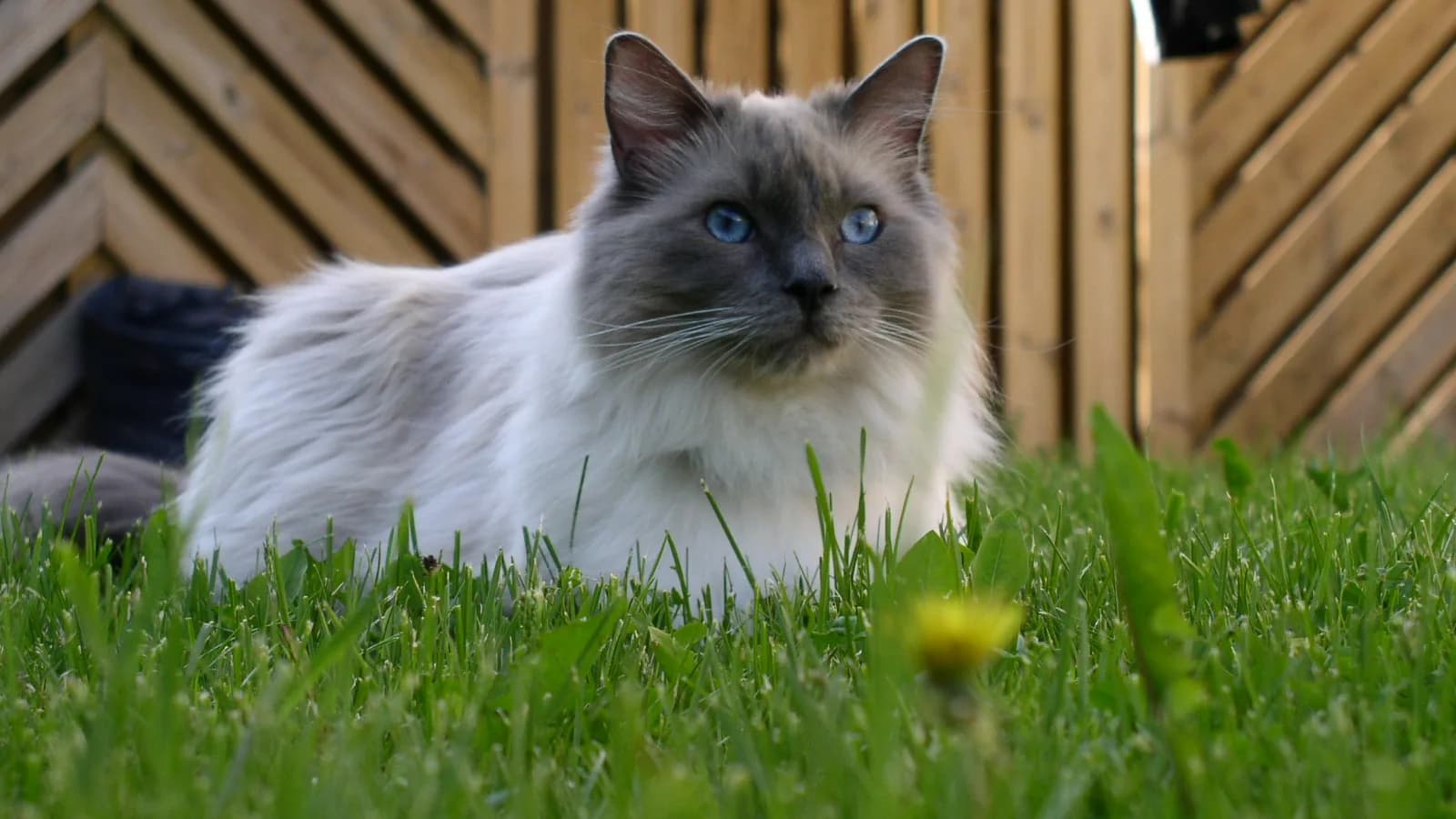
Ragdoll guide
Blue Ragdoll: One Word, Two Questions
What a blue point Ragdoll is, why it is really a softened seal, and the answer to the question everyone asks: do all Ragdolls have blue eyes?
Read
Ragdoll guide
Ragdoll Mix: What Actually Identifies One (and What Never Does)
Is your cat part Ragdoll? What actually identifies the breed (points, patterns, papers), what a DNA test can say, and the disputed answer to what Ragdolls were mixed from.
Read
Ragdoll guide
Bicolor Ragdoll: One Gene, a White V, and a Sliding Scale
What makes a Ragdoll bicolor, how the same gene runs from a standard bicolour to an almost all-white cat, and why only one registry calls that extreme "Van".
Read
Ragdoll guide
Do Ragdoll Cats Shed? Yes. Here's What That Actually Looks Like
Ragdolls shed seasonally like every cat. What the registries actually say, the undercoat disagreement nobody mentions, and the weekly routine that keeps hair off your sofa.
Read
Ragdoll guide
Ragdoll Cat Names: What Owners Actually Chose, and Ideas That Fit
The only measured Ragdoll name rankings (Bella, Max and friends, 2015), the story behind the breed's own odd name, and name ideas that fit a cloud-colored, blue-eyed couch philosopher.
Read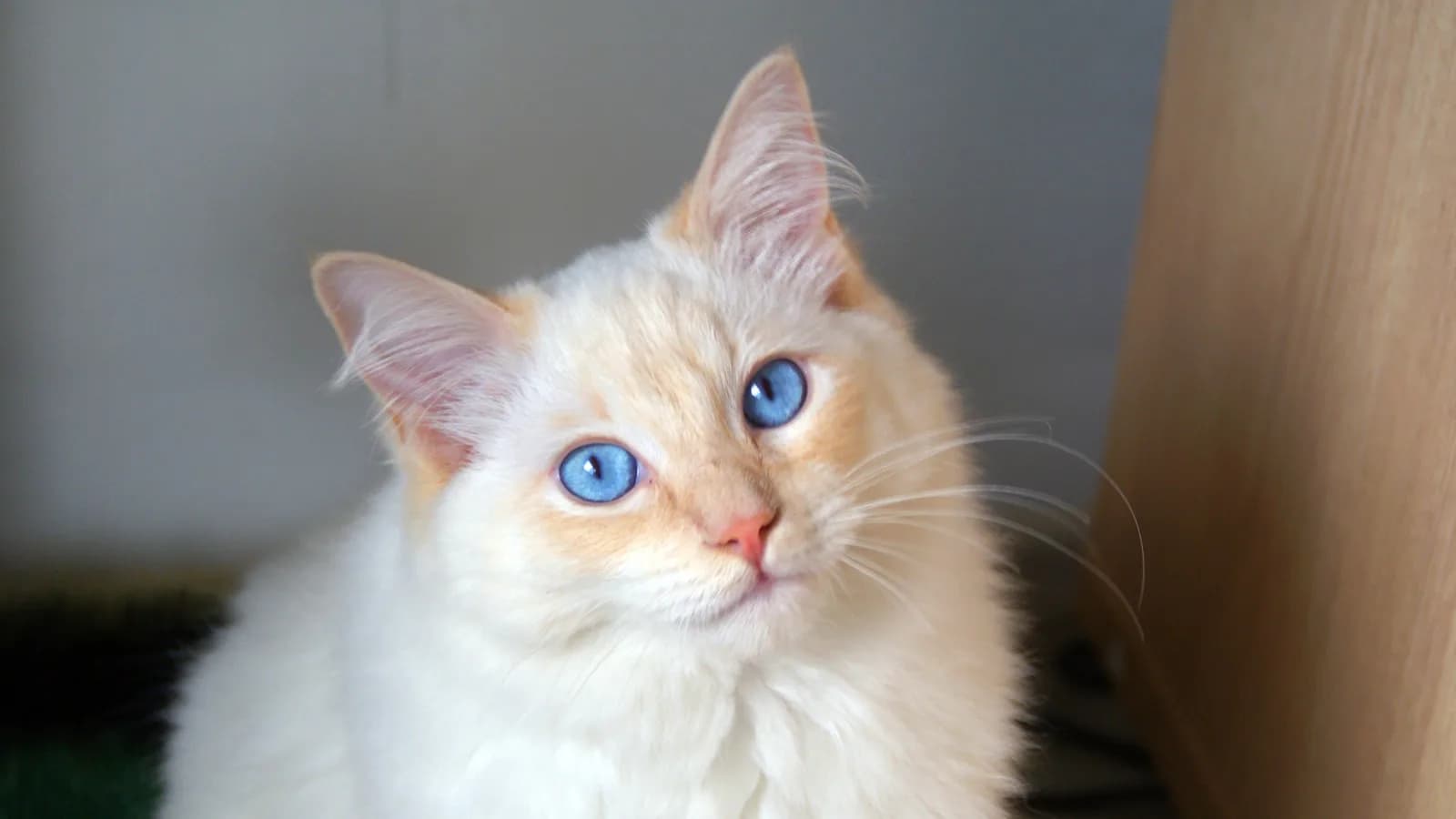
Ragdoll guide
Cream Ragdoll: The Whisper Version of Orange
What a cream point Ragdoll is, how dilution turns red into cream, how to tell one from a pale flame point, and what the standards actually require.
Read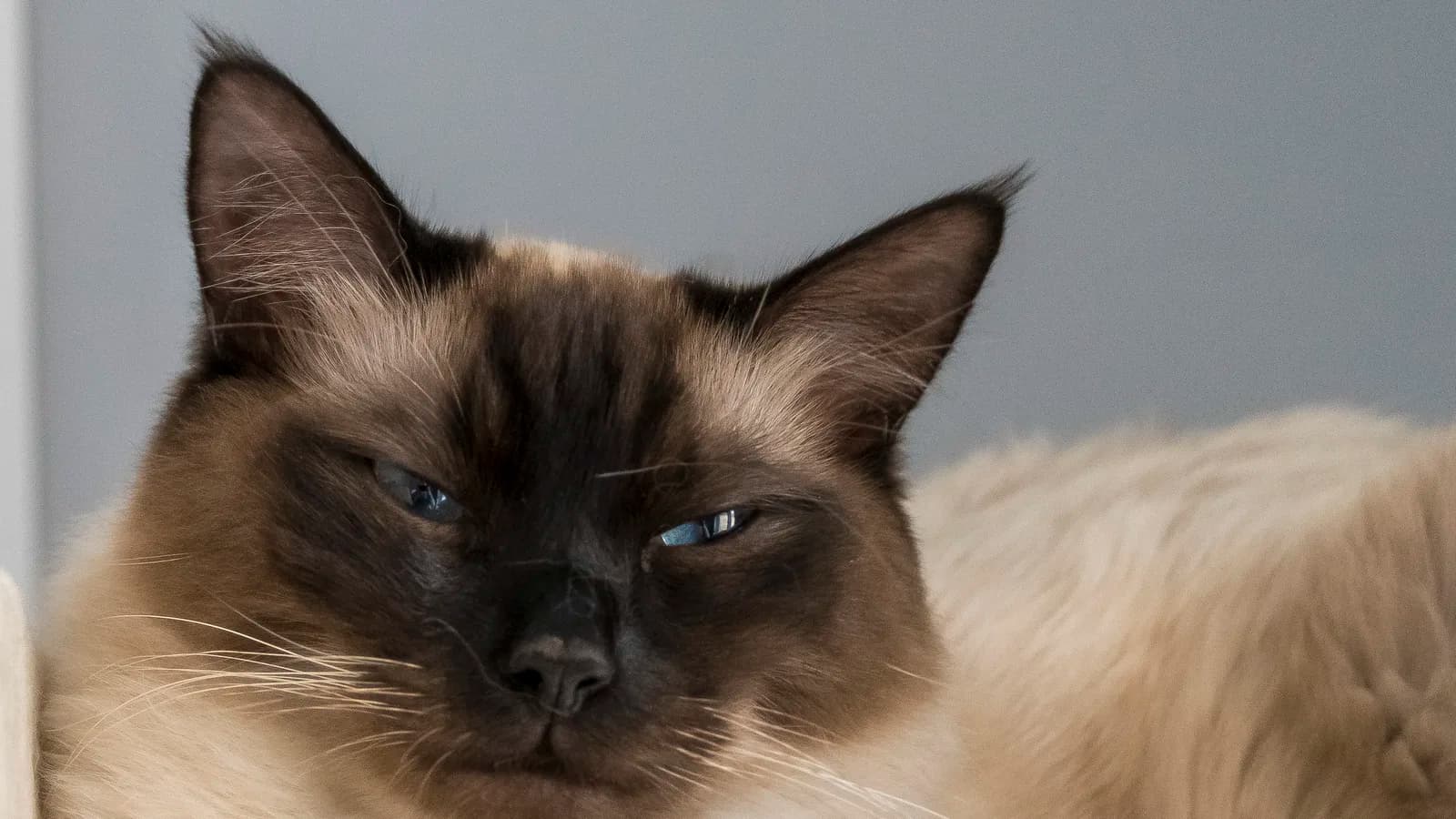
Ragdoll guide
Why Do Ragdoll Cats Go Limp? Mostly, They Don't
The famous Ragdoll flop traces to one cat, one breeder and a story from the 1960s. What the registries actually say, what research exists (none), and the child-safety correction that matters.
Read
Ragdoll guide
Maine Coon vs Ragdoll: Same Shortlist, Genuinely Different Cats
Which is bigger, which sheds more, which lives longer: the registry quotes and the measured studies, including the one sentence CFA copy-pasted between the two breeds.
Read
The floor belongs to our members. Keep it kind, links are not allowed, and images go through moderation before anyone else sees them.