

How Long Do Ragdoll Cats Live? 12.85 Years, Measured, and Rising
The largest Ragdoll study ever run puts median age at death at 12.85 years, higher than older studies said, and the reason why is the best story in cat statistics.

Published August 20, 2026 5 min read
Contents
Here is the most current, most Ragdoll-specific number that exists. A 2025 UK study built around this breed by name, drawing on 21,358 Ragdolls under veterinary care and 133 confirmed deaths, measured a median age at death of 12.85 years (interquartile range 5.71 to 16.11). The same paper's verdict on the breed: its life expectancy is "largely typical for purebred cats overall," with nothing Ragdoll-specific dragging it down. That is the headline. The story behind it is better.
Why older studies said 10 years, and why they weren't wrong
If you have read "Ragdolls live about 10 years" somewhere, that came from real research. A 2015 study measured a median of 10.1 years (from just 21 Ragdoll deaths), and a 2024 life-table analysis computed a life expectancy at birth of 10.31 years (69 deaths). The 2025 paper explains the gap instead of just outranking it. The Ragdoll's share of UK kitten births grew more than fivefold between 2005 and 2019 (0.70% to 3.72%).
A breed whose population is exploding is, on average, YOUNG. Sample "cats that have died so far" from a young population, and you disproportionately catch early, accidental deaths, understating how long the breed actually lives. As the population matures, the measured lifespan climbs toward the truth. No competitor page tells you this. It is the single most useful idea on this page for reading any breed's lifespan claims.
Where "12 to 17 years" comes from
The range you will meet everywhere is a convention, not a measurement. 's breed box prints "12 - 17 years" (its own narrative says "around 15"). The same uncited 12-17 appears verbatim on cattery and consumer sites, which makes it one echoed range, not several independent findings. prints no number at all, just "many Ragdolls live to their mid- or high teens," and publishes nothing. The honest summary: the convention (12-17) and the newest measurement (12.85 median) are compatible. The measurement is the one with 21,358 cats behind it.
What Ragdolls actually die of (and the HCM surprise)
The 2025 study's cause-of-death table holds a genuine surprise. The leading recorded causes, among the 85 deaths with a cause:
Kidney disorders
21.18%
the leading recorded cause, at the oldest ages; the same signal a Swedish insurance dataset ranked highest of any breed in its table
Poor quality of life
12.94%
Masses, cancers, respiratory disease, trauma
5.88% each
Heart disease as a named category
absent
despite being the breed's most publicised health risk
The two facts can coexist. A DNA test for the Ragdoll variant has existed since 2007. made testing mandatory for breeding cats in 2016, and screened-out disease stops appearing in death tables. The kidney signal, which repeats across datasets, is a pattern worth knowing about, not a diagnosis of your cat: something wrong with your cat means call your vet, out of hours an emergency clinic.
Do males and females differ? Indoor cats?
The 2025 study measured females at a median 13.72 years and males at 11.41. That gap did NOT reach statistical significance in its test, so the honest answer is "no proven sex difference in this breed's data." No study measured indoor versus outdoor Ragdolls separately. The general logic (traffic and trauma sit in every cause-of-death table, 5.88% here) favors indoor or supervised living, without needing a breed-specific citation. And no US, Canadian or Australian mortality dataset reports Ragdoll-specific figures at all (we checked the big US Banfield study directly: zero Ragdoll rows). So every figure on this page is UK or Swedish, and says so.
The record holders, checked
One cattery page claims Ragdolls "have been known to reach 18-20 years" (unsourced, but the 2025 study's oldest death at 21.51 years makes it plausible). The internet's favorite, Creme Puff, the Guinness "oldest cat ever" at 38 years, appears on no page we read as a Ragdoll: Guinness itself states no breed for her. And one warning for fellow fact-checkers. Wikipedia's Ragdoll health section currently cites a "78% survival to 10 years" figure to the Swedish study. We read that study's table directly, twice, and the Ragdoll cells say 62% and 63%. No cell says 78%.
 The vet's take

Veterinary review
Are you a vet?
Your professional read belongs here: every verified practitioner can leave a note, published once our editors have reviewed it.
Sign in and get your license number verified. We check it in the public register, we never ask for or keep a copy of your diploma, and your number is never published.
Frequently asked questions
How long do Ragdoll cats live?
Median 12.85 years in the largest, newest measured study (UK, 2025, 133 deaths among 21,358 Ragdolls); the commonly quoted "12 to 17 years" is an uncited convention that happens to bracket the measurement.
How long do indoor Ragdoll cats live?
No study splits Ragdolls by lifestyle. Trauma accounts for about 6% of recorded deaths in the 2025 data, which is the share an indoor life mostly removes.
Do male or female Ragdolls live longer?
The 2025 study measured females at 13.72 and males at 11.41 years median, but the difference was not statistically significant: no proven gap.
What do most Ragdolls die of?
In the 2025 UK data: kidney disorders lead (21.18% of recorded causes), then poor quality of life, with cancers, respiratory disease and trauma behind. Heart disease is not a named category in that table.
Can a Ragdoll live to 20?
The 2025 study's longest-lived cat died at 21.51 years, so yes, the tail is real; the median cat lives to about 13.
How old is the oldest Ragdoll ever?
No verified record exists: Guinness lists no Ragdoll longevity record, and Creme Puff (38, the all-breed record) has no stated breed on Guinness's own page.
 Community questions
Got a question this page doesn't cover? Ask it: the best ones get published here with their answer.
This is information, not veterinary advice, and it cannot tell you what is wrong with your cat. Our rule is a simple one: if something is wrong with your cat, call your vet, and call an emergency clinic if it is out of hours. Nothing you read here is a reason to wait.
Medical information applies to every reader. Prices, legal duties and common practice do not: unless stated otherwise, they are given for the United States, and they differ in the UK, Canada and Australia, and often between states or provinces. Check with your own vet and your own local authority.
Our sources
- O'Neill et al. 2025, VetCompass Ragdoll mortality study
- Teng et al. 2024, VetCompass feline life tables
- O'Neill et al. 2015, English primary-care longevity study
- Egenvall et al. 2009, Swedish insured-cat mortality
- Montoya et al. 2023, US Banfield lifespan study (no Ragdoll rows)
- TICA: Ragdoll breed page
- GCCF: Ragdoll breed page
- Guinness World Records: Oldest cat ever

Worth keeping a paw on
Pin this guide
So you can find it the day you need it, and share it with someone whose cat does the same thing. One click and it sits in your board.
Pin it on Pinterest
 Purr or Pass
The cat newsletter
Our verified guides, no spam. Unsubscribe in one click.
More Ragdoll guides
The Ragdoll profile →
Ragdoll guide
Ragdoll Cat Price: What Buyers Actually Paid For in August 2026
What Ragdoll kittens actually cost in the US, UK, Canada and Australia, from named catteries and live marketplace samples, with deposits, bundles and the under-$2,000 red flag.
Read
Ragdoll guide
Flame Point Ragdoll: The Orange One With Two Names
The orange Ragdoll explained: why registries write red, not flame, why most flame points are boys, and what the orange gene actually does.
Read
Ragdoll guide
Finding a Ragdoll Breeder: The Checks That Actually Protect You
The registry checklists that actually protect you, the UK's dated HCM-testing mandate, what "registered" means in each country, and the 6-to-8-week red flag.
Read
Ragdoll guide
Are Ragdoll Cats Hypoallergenic? No, and No Study Says Otherwise
No cat breed is hypoallergenic, and no study has ever measured the Ragdoll as lower-allergen. What Fel d 1 is, what the two veterinary reviews actually say, and what helps if you're allergic.
Read
Ragdoll guide
Seal Point Ragdoll: The Original Recipe
What seal point means, why the darkest Ragdolls read black in photos but never are, and the one registry that recognizes a genuinely solid black Ragdoll-type cat.
Read
Ragdoll guide
Ragdoll Colors and Patterns: The Real List, and Where Registries Disagree
All six Ragdoll point colors, the three patterns, and where the five registries genuinely disagree: minks, Cherubim, Van, and Australia's silver-and-smoke extension.
Read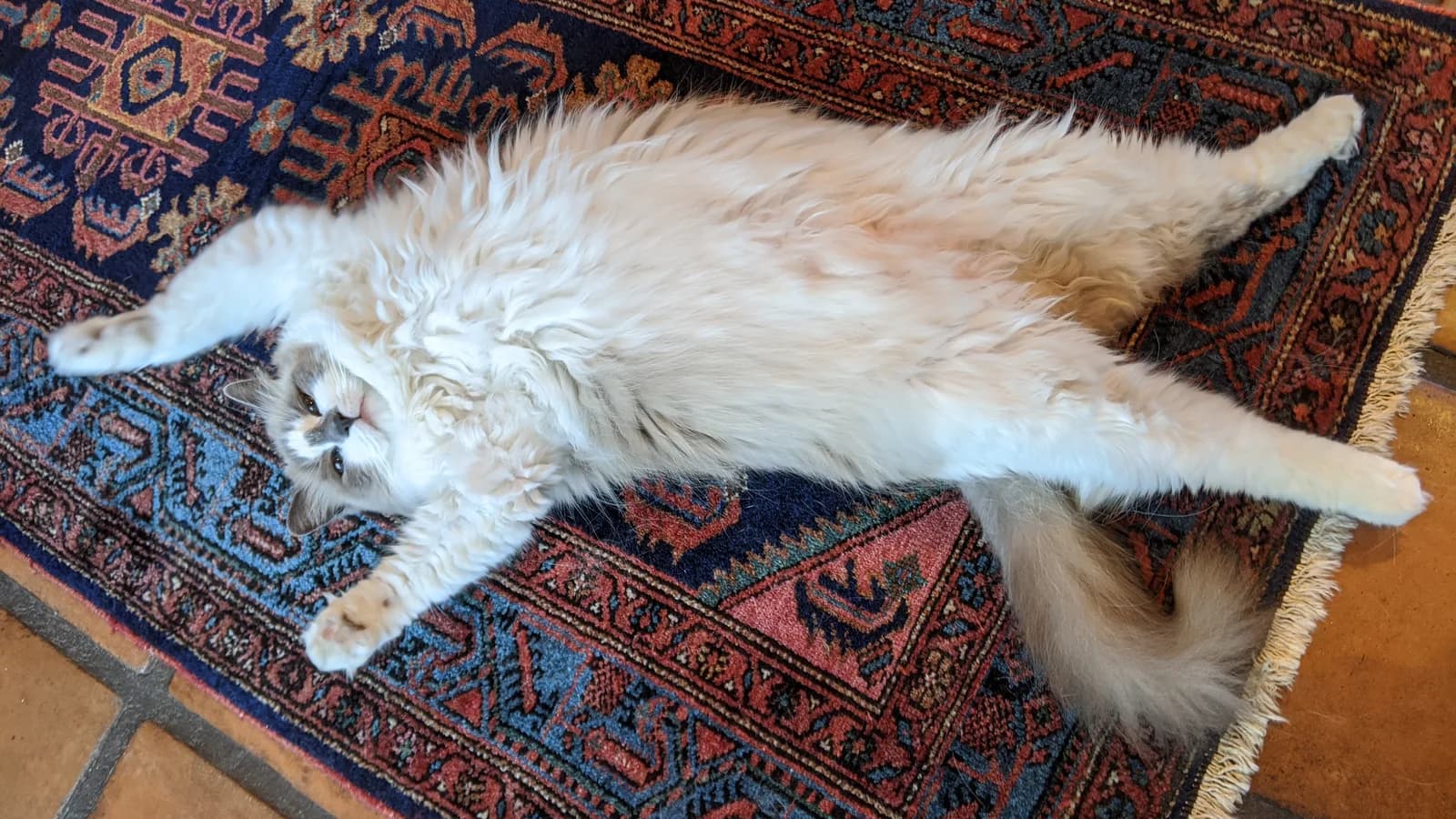
Ragdoll guide
Ragdoll Cat Size: What the Scales Say vs What the Brochures Say
What Ragdolls actually weigh (204 measured cats say less than you think), what the registries claim, and why "one of the largest breeds" is a marketing sentence, not a measurement.
Read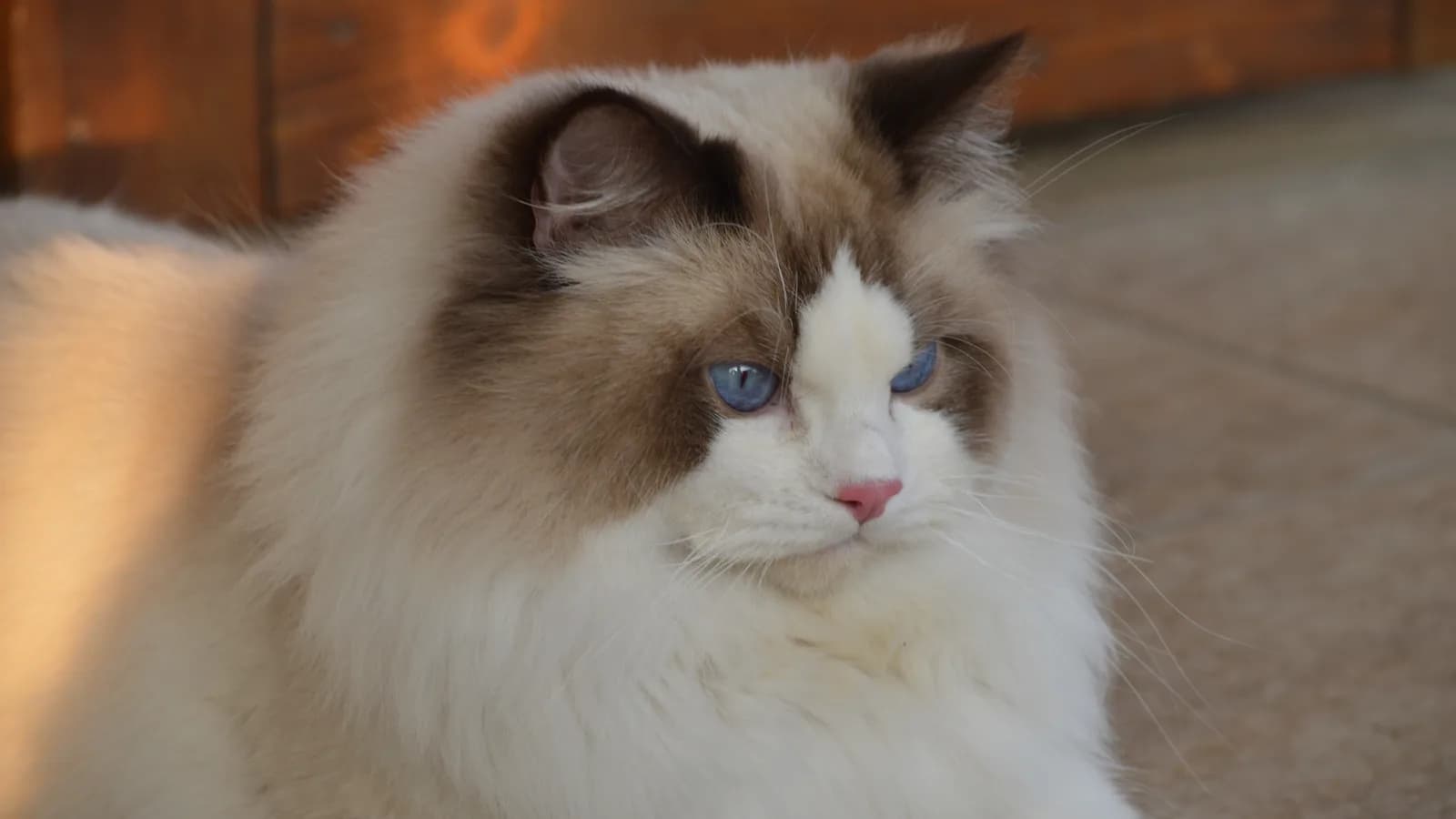
Ragdoll guide
Chocolate Ragdoll: The Color Everyone Calls Brown
Searching for a brown Ragdoll? No registry has one. How to tell chocolate from a dark seal, and why the UK once rebuilt this color with Siamese and Persian outcrosses.
Read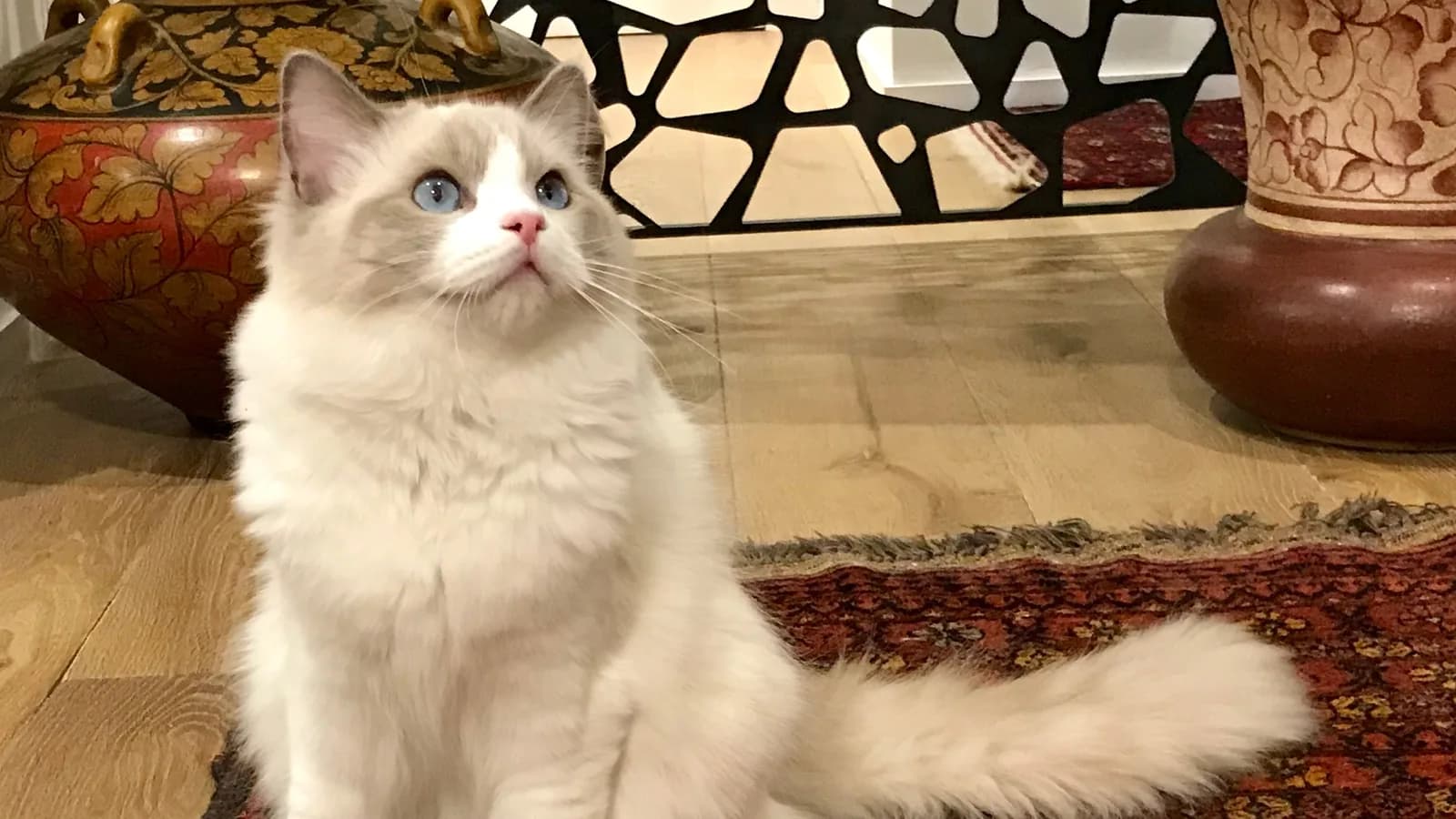
Ragdoll guide
Lilac Ragdoll: The Palest of the Four
What a lilac Ragdoll actually looks like ("frosty grey with pinkish tinge" per the standard), how dilution builds it from chocolate, and the honest word on rarity pricing.
Read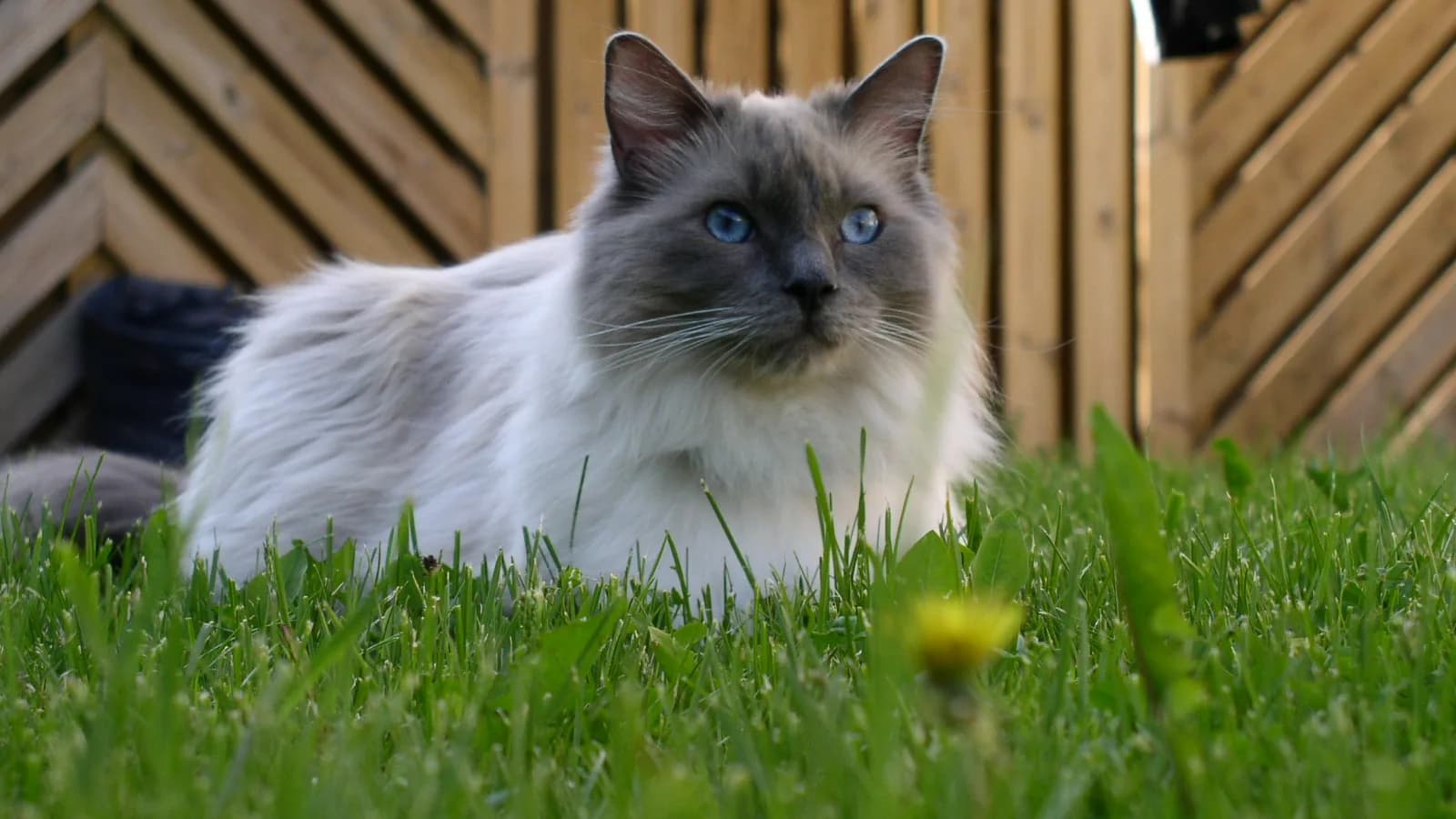
Ragdoll guide
Blue Ragdoll: One Word, Two Questions
What a blue point Ragdoll is, why it is really a softened seal, and the answer to the question everyone asks: do all Ragdolls have blue eyes?
Read
Ragdoll guide
Ragdoll Mix: What Actually Identifies One (and What Never Does)
Is your cat part Ragdoll? What actually identifies the breed (points, patterns, papers), what a DNA test can say, and the disputed answer to what Ragdolls were mixed from.
Read
Ragdoll guide
Bicolor Ragdoll: One Gene, a White V, and a Sliding Scale
What makes a Ragdoll bicolor, how the same gene runs from a standard bicolour to an almost all-white cat, and why only one registry calls that extreme "Van".
Read
Ragdoll guide
Do Ragdoll Cats Shed? Yes. Here's What That Actually Looks Like
Ragdolls shed seasonally like every cat. What the registries actually say, the undercoat disagreement nobody mentions, and the weekly routine that keeps hair off your sofa.
Read
Ragdoll guide
Ragdoll Cat Names: What Owners Actually Chose, and Ideas That Fit
The only measured Ragdoll name rankings (Bella, Max and friends, 2015), the story behind the breed's own odd name, and name ideas that fit a cloud-colored, blue-eyed couch philosopher.
Read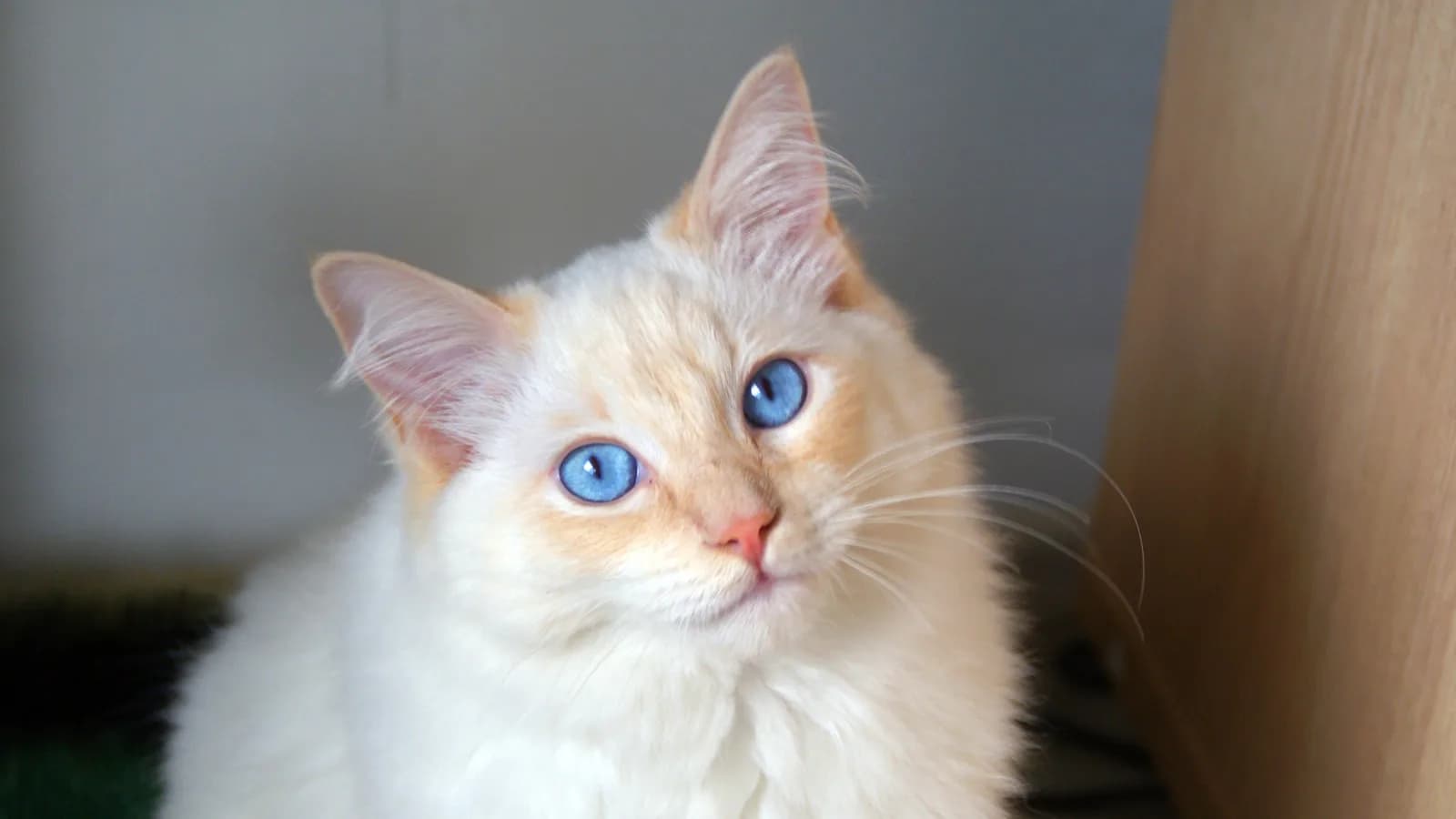
Ragdoll guide
Cream Ragdoll: The Whisper Version of Orange
What a cream point Ragdoll is, how dilution turns red into cream, how to tell one from a pale flame point, and what the standards actually require.
Read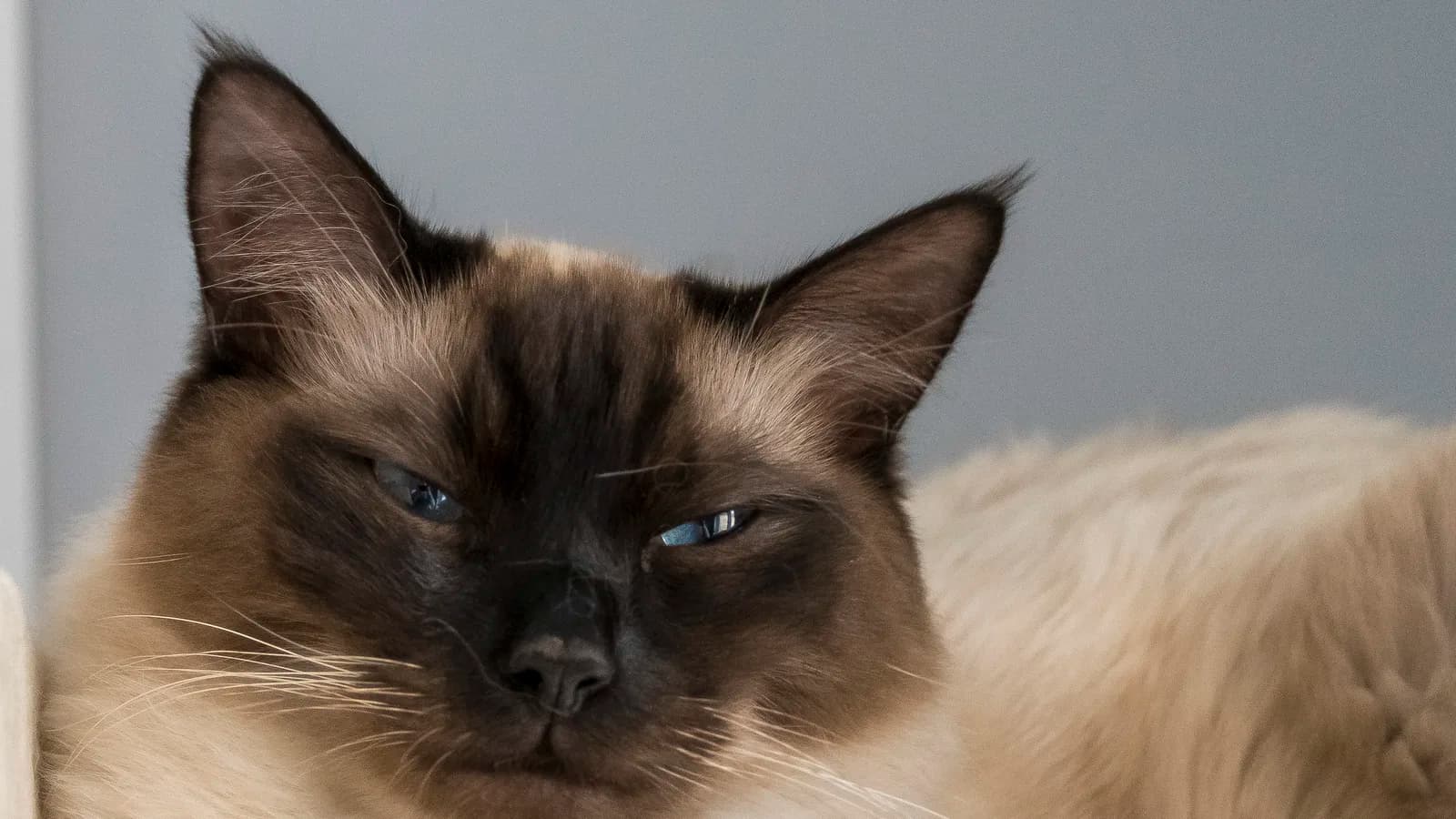
Ragdoll guide
Why Do Ragdoll Cats Go Limp? Mostly, They Don't
The famous Ragdoll flop traces to one cat, one breeder and a story from the 1960s. What the registries actually say, what research exists (none), and the child-safety correction that matters.
Read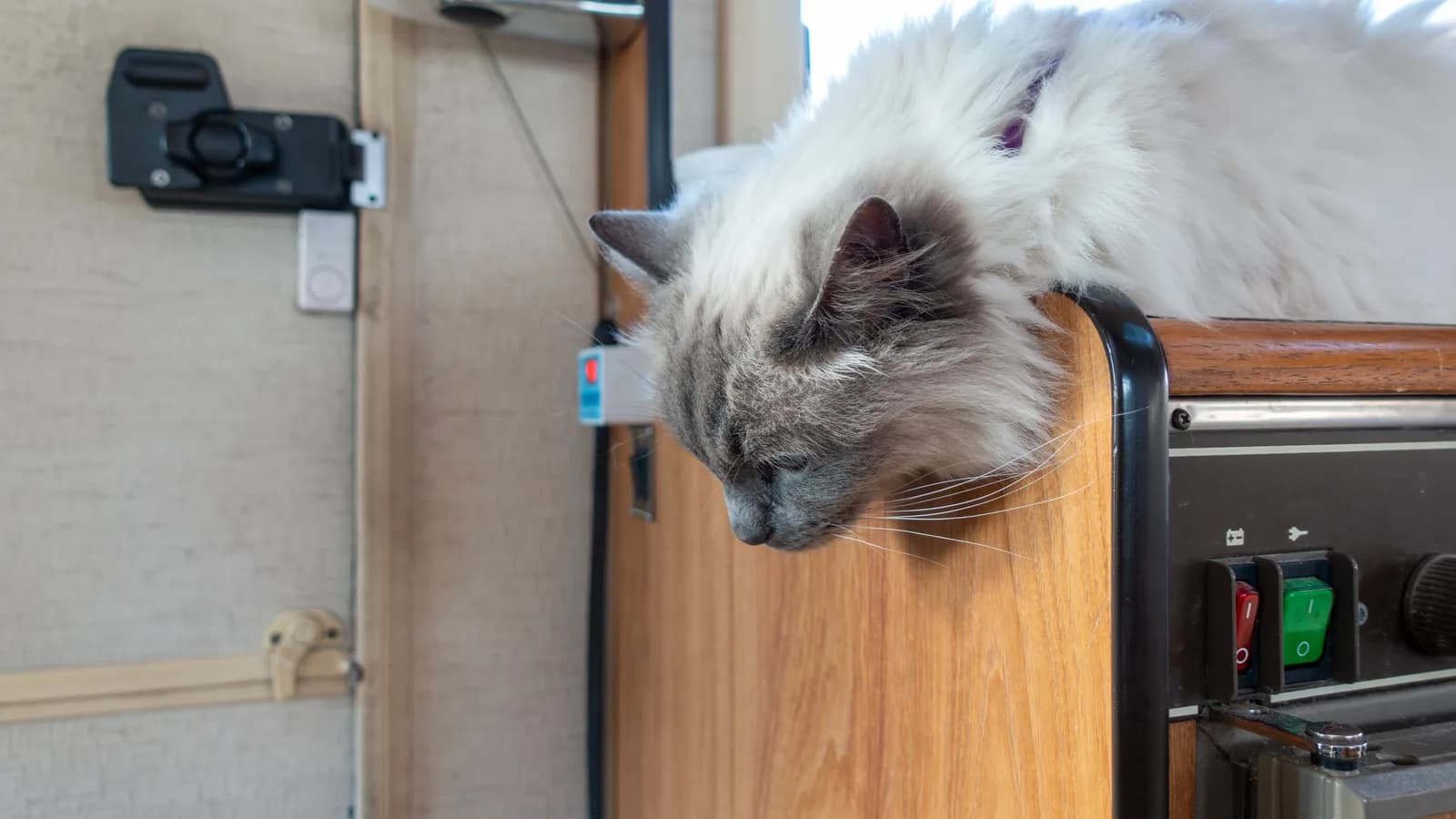
Ragdoll guide
Maine Coon vs Ragdoll: Same Shortlist, Genuinely Different Cats
Which is bigger, which sheds more, which lives longer: the registry quotes and the measured studies, including the one sentence CFA copy-pasted between the two breeds.
Read
The floor belongs to our members. Keep it kind, links are not allowed, and images go through moderation before anyone else sees them.