

Turkish Angora vs Turkish Van: Two Breeds, One Country, Zero Interchangeability
The ballerina and the swimmer: how Turkey's two famous breeds differ in build, coat rules and registry status, and the deafness sentence that must be said precisely.

Published August 21, 2026 4 min read
Contents
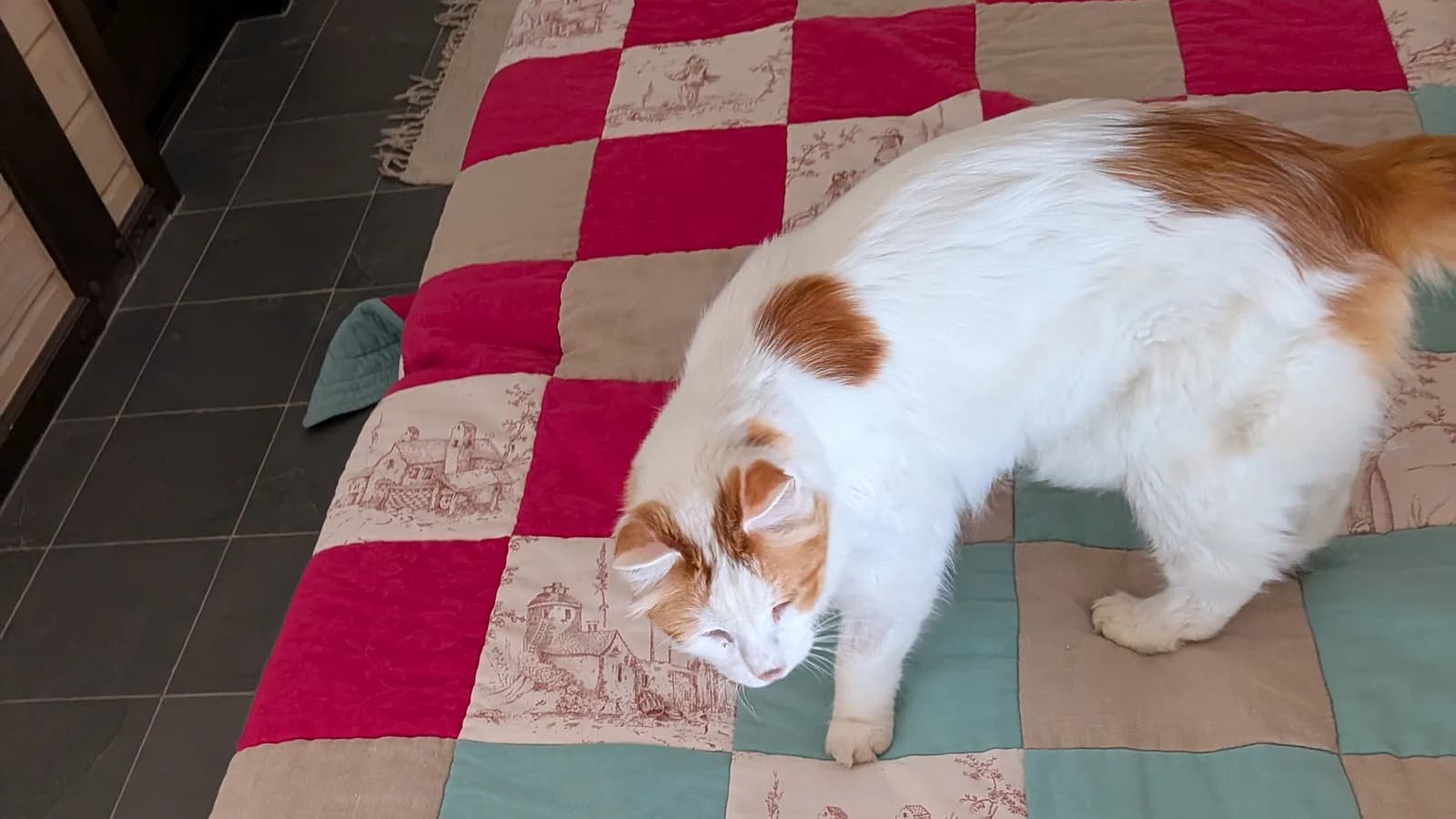
Two famous white-ish cats from Turkey, endlessly confused by name, genuinely easy to tell apart in person. The registries' own language does the work: describes the difference as "a ballerina against an Olympic swimming champion," and independently reaches for "ballerina" on its own Angora page. One is fine-boned elegance; the other is substance and shoulder.
| Turkish Angora | Turkish Van | |
|---|---|---|
| Build | Long, slender, narrow-chested: the ballerina | Full chest, substantial muscle: the swimmer |
| Colors | Open chart: white, black, blue, tabby, and more | White-based van pattern: color on head and tail only |
| Coat | Silky single coat | Semi-long, water-resistant, no woolly undercoat |
| Recognition | , , , (Canada's only pick) | , , , (Britain's favorite) |
| Water | Fascinated, per its registries | Fascinated, plus the lake and the nickname |
Build: the one-glance difference
The Turkish Angora is long, slender and narrow-chested in its standards' own scored language: a fine-boned, balletic cat under a silky single coat. The Turkish Van is the opposite brief: full chest, substantial musculature, "large and imposing," a broad swimmer's frame that takes three to five years to finish. Put a hand on each and the confusion ends permanently.
Coat and color: open chart versus one famous pattern
The Angora runs an OPEN color chart: whites yes, but also blacks, blues, tabbies, torties, the lot, as its own colors page documents. The Van is restricted to white-based, van-patterned divisions: color confined to the head and tail on a white body, the pattern that carries the breed's name into general cat vocabulary. One asymmetric wrinkle: alone also permits an all-white Van division, distinct from the -registered Vankedisi variant our dedicated page covers.
Recognition: not the mirror image you would expect
The registry map is asymmetric and worth stating registry by registry: , and Australia's recognize both breeds; Britain's strongly favours the Van (with its own dedicated Vankedisi paperwork); and Canada's recognizes only the Angora, so a Canadian Van buyer is in import territory. Neither breed is "the recognised one": it depends where you stand.
Water: a similarity wearing a difference's reputation
The Van's "swimming cat" fame is the greater, but water affinity is genuinely a SIMILARITY: both breeds' registry portraits describe fascination with water, taps and sinks. The Van merely has the lake, the landrace cousins and the nickname.
The deafness sentence, said precisely
This is the paragraph most comparisons get wrong, so here it is exactly. Congenital deafness risk in white cats travels with the solid Dominant White coat genetics. The ordinary van-PATTERNED coat sits on a different variant at the same gene family (the white-spotting side of ), so a classic auburn-headed Van does not carry the white-cat file. But a SOLID WHITE individual of either breed can: a Vankedisi carries the same structural risk a solid-white Angora does, which is why requires a hearing certificate before a Vankedisi can reach its Active Register, and why our Angora profile handles the same science with the same care. Never "the Van is safe because it is a different breed": the coat variant, not the breed name, is what the risk follows.
Choosing between them
Same country, adjacent legends, different cats to live with: the Angora offers fine-boned, busy elegance on an open color chart; the Van offers a big, slow-maturing, water-obsessed athlete in one iconic pattern, from a much thinner market (the honest price file). Both profiles carry the measured behaviour data; neither is a beginner's furniture ornament.
 The vet's take

Veterinary review
Are you a vet?
Your professional read belongs here: every verified practitioner can leave a note, published once our editors have reviewed it.
Sign in and get your license number verified. We check it in the public register, we never ask for or keep a copy of your diploma, and your number is never published.
Frequently asked questions
What is the difference between a Turkish Angora and a Turkish Van?
Build first: the Angora is long, slender and narrow-chested; the Van full-chested, muscular and imposing (the registries' own ballerina-versus-swimmer line). Then color: the Angora's chart is open, the Van's restricted to the white-bodied van pattern.
Which registries recognize which breed?
TICA, CFA and ACF recognize both; GCCF strongly favours the Van; Canada's CCA-AFC recognizes only the Angora. The asymmetry runs both ways, by market.
Do both breeds like water?
Yes: it is a genuine similarity, whatever the Van's nickname implies. Both registries' portraits describe the fascination.
Are Turkish Vans or Angoras deaf?
Precisely: the deafness association follows the solid Dominant White coat, not the breed name. A van-patterned Van is outside that file; a solid-white individual of either breed can carry it, which is why GCCF mandates a BAER certificate for Vankedisi registration.
Which is rarer?
The Van, by registration numbers (FIFe: 49 kittens in 2024, rank 40 of 54) and by its near-empty Western marketplaces, which our price page itemises.
 Community questions
Got a question this page doesn't cover? Ask it: the best ones get published here with their answer.
This is information, not veterinary advice, and it cannot tell you what is wrong with your cat. Our rule is a simple one: if something is wrong with your cat, call your vet, and call an emergency clinic if it is out of hours. Nothing you read here is a reason to wait.
Medical information applies to every reader. Prices, legal duties and common practice do not: unless stated otherwise, they are given for the United States, and they differ in the UK, Canada and Australia, and often between states or provinces. Check with your own vet and your own local authority.
Our sources
- CFA: Turkish Van breed page (the ballerina-vs-swimmer line)
- CFA Turkish Van standard (PDF)
- TICA: Turkish Van breed page
- TICA: Turkish Angora breed page
- GCCF: Turkish Van / Vankedisi page (the BAER rule's home)
- GCCF Vankedisi Registration Policy (PDF)
- David et al. 2014, KIT insertions determine white and white spotting (G3)

Worth keeping a paw on
Pin this guide
So you can find it the day you need it, and share it with someone whose cat does the same thing. One click and it sits in your board.
Pin it on Pinterest
 Purr or Pass
The cat newsletter
Our verified guides, no spam. Unsubscribe in one click.
More Turkish Van guides
The Turkish Van profile →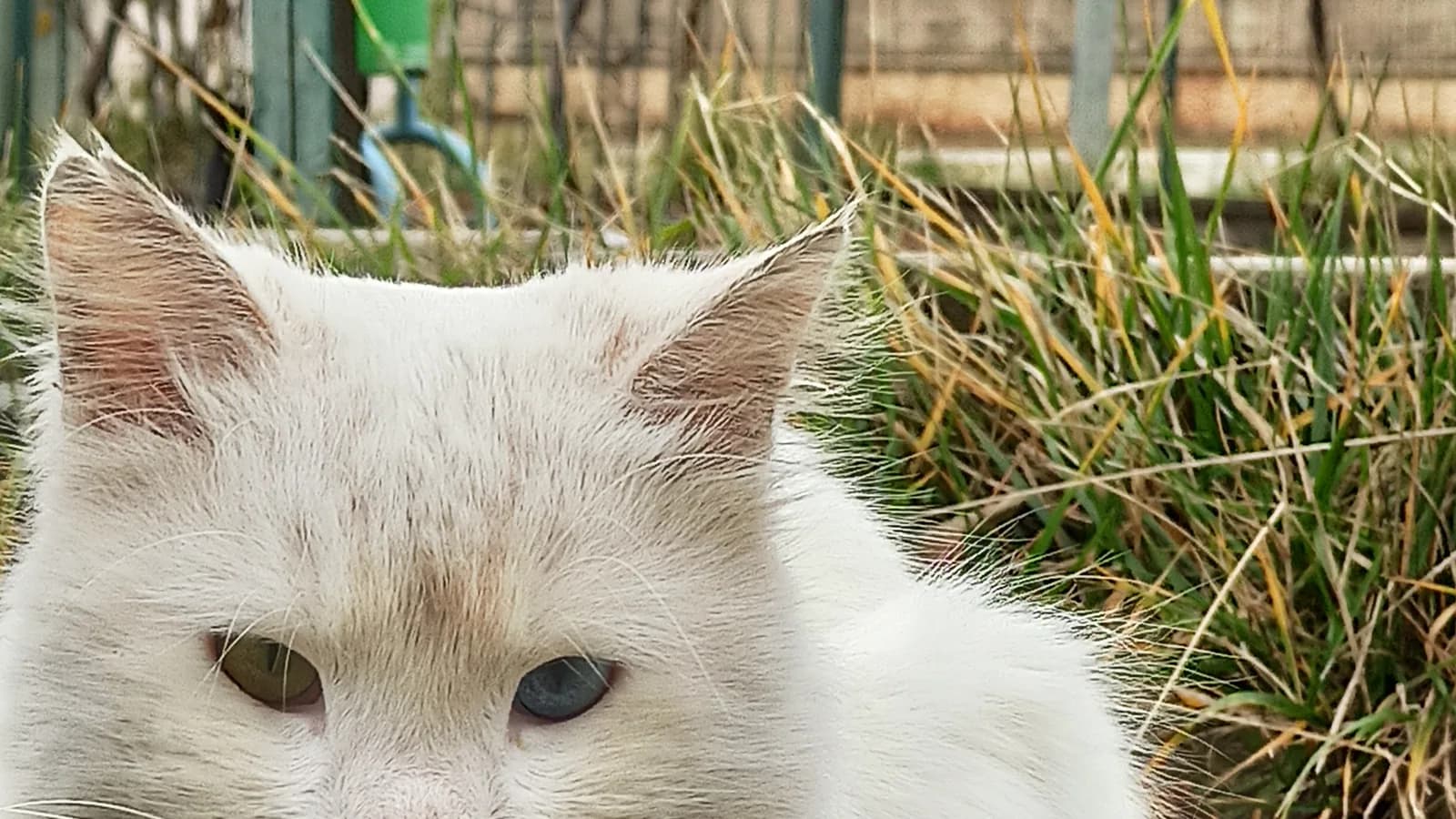
Turkish Van guide
Van Cats in Turkey: The Real Story of the Lake Van Cats
The white, odd-eyed Van cats of Lake Van are a protected Turkish landrace with a university conservation center, counted in the hundreds, and they are not the pedigree breed sold abroad.
Read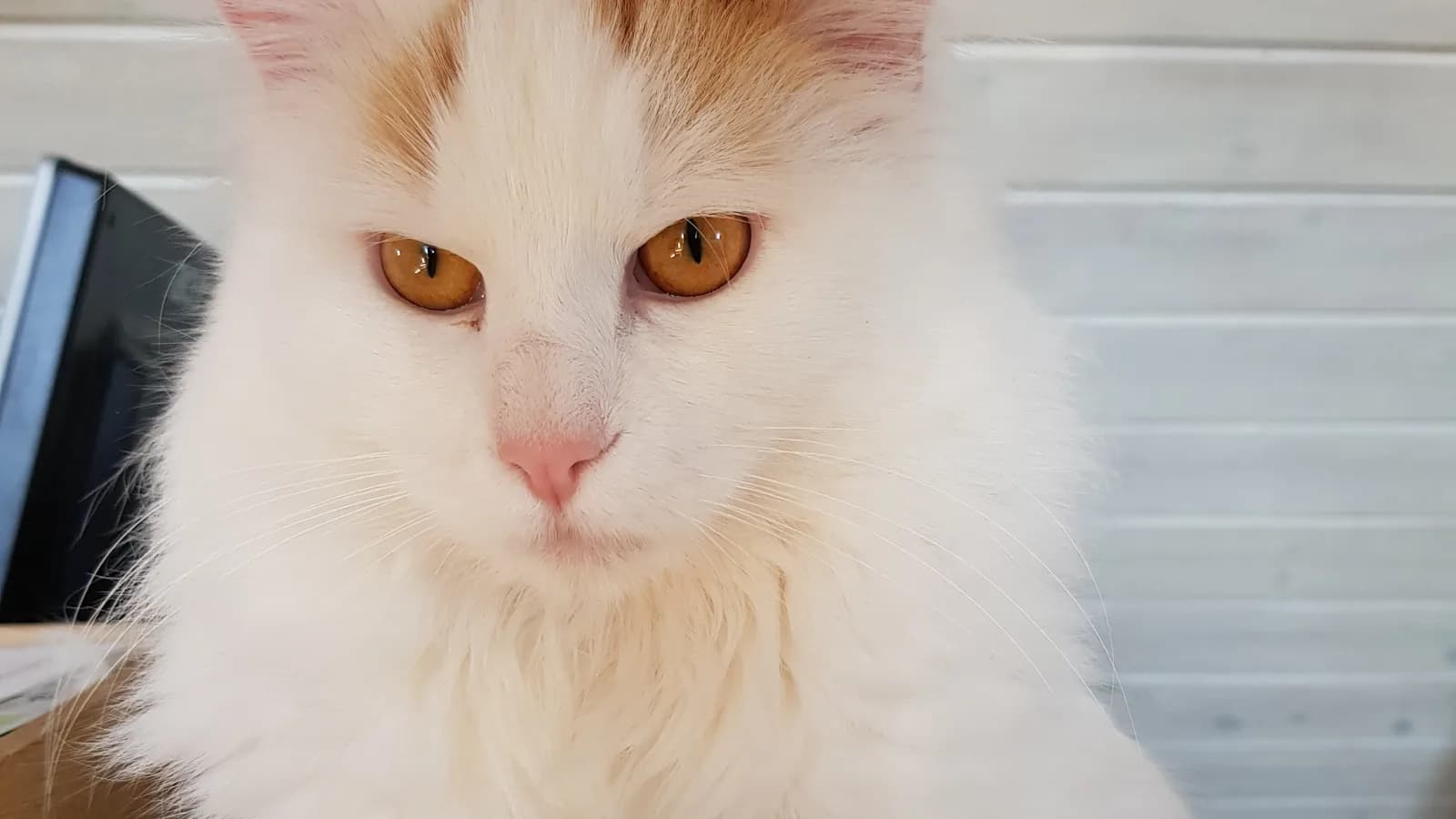
Turkish Van guide
Turkish Van Price: A Thin Market, Counted Honestly
The Turkish Van market is thin enough to itemise: two live US listings, five UK listings at £150-500, three Canadian ads and zero Australian listings. Every figure named and dated.
Read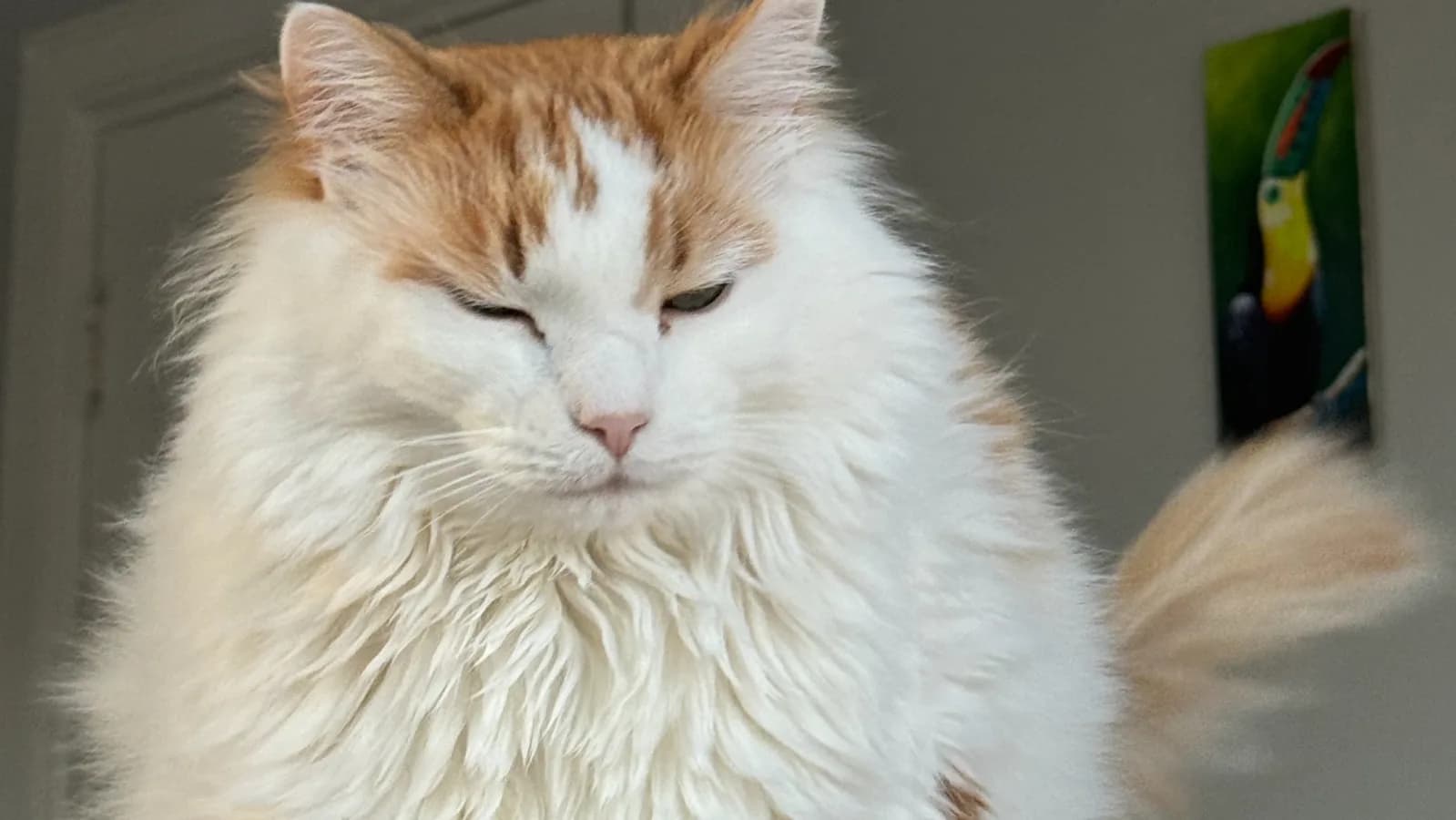
Turkish Van guide
Turkish Van Mix: Is My Cat Part Van?
True Turkish Van crosses barely exist: the Western breeding stock is tiny and deliberate crossbreeding is nearly unheard of. What a van-patterned coat really tells you about your cat.
Read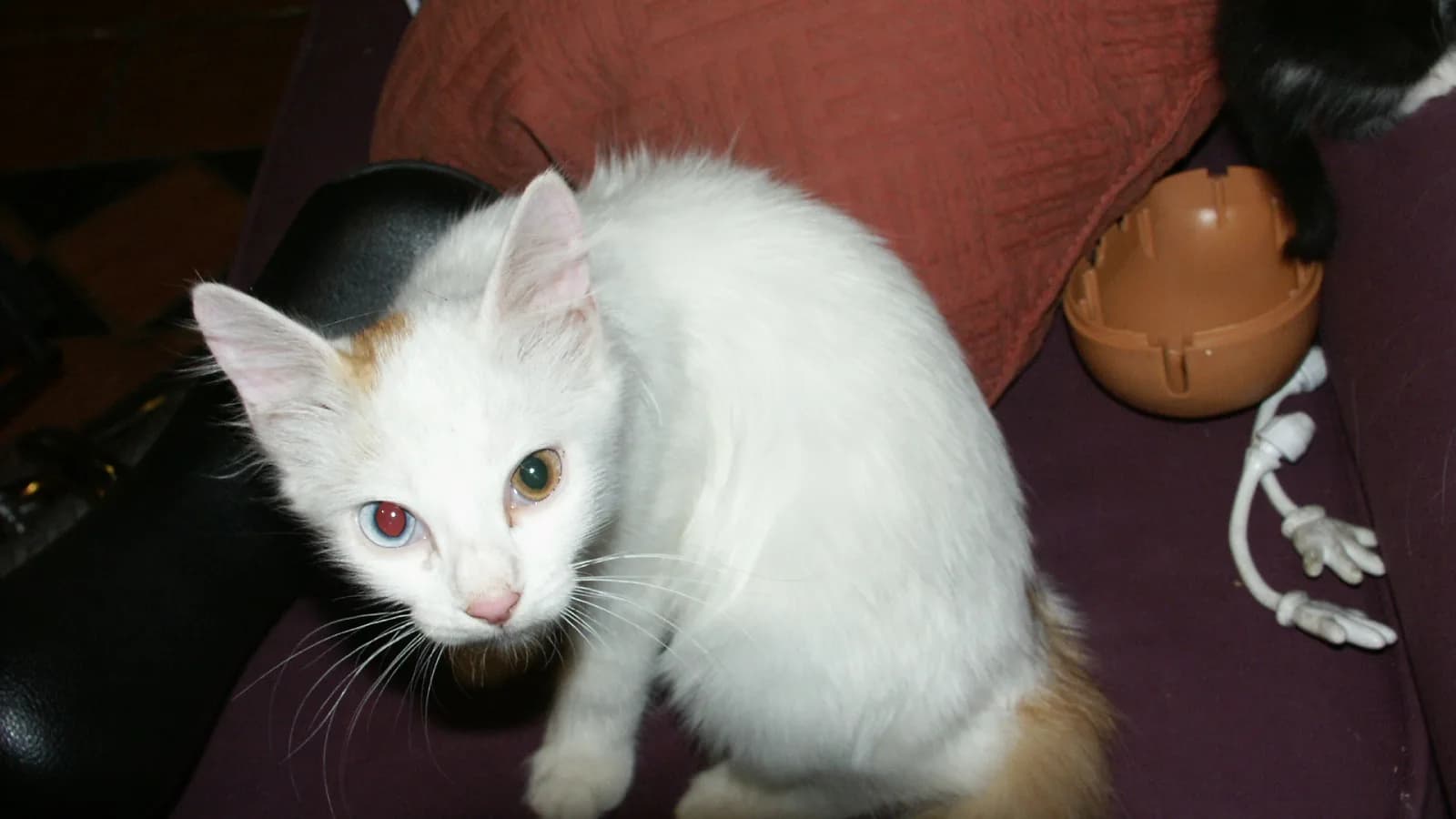
Turkish Van guide
Turkish Vankedisi: The All-White Van, Explained Precisely
The Vankedisi is the all-white variant of the registered Turkish Van breed, with three GCCF eye-color classes and a mandatory hearing test before breeding registration. The precise file.
Read
The floor belongs to our members. Keep it kind, links are not allowed, and images go through moderation before anyone else sees them.