

Turkish Van Mix: Is My Cat Part Van?
True Turkish Van crosses barely exist: the Western breeding stock is tiny and deliberate crossbreeding is nearly unheard of. What a van-patterned coat really tells you about your cat.

Published August 21, 2026 3 min read
Contents
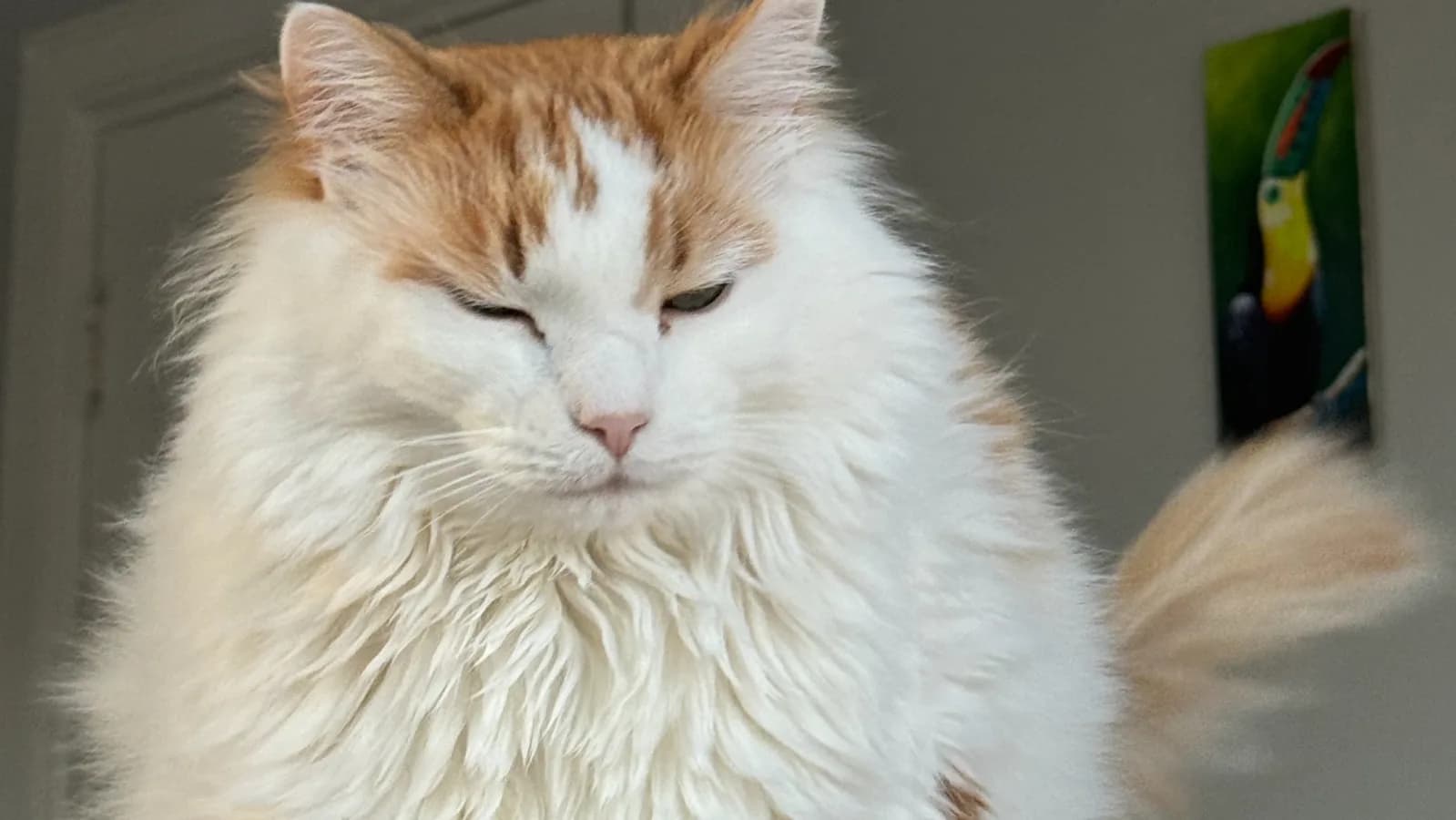
Your cat has a white body, a colored head, a colored tail, and you have a question. Here is the honest answer in three layers: the pattern is real, common, and named after the breed; the breed itself is so rare that genuine crosses are nearly nonexistent; and only paperwork ever settles ancestry. Now the details.
The short version
The van pattern is ordinary white-spotting genetics and appears across the whole cat population; the breed is tiny and true crosses are nearly unheard of. Only a registered Van parent on paper makes a mix.
Why genuine Van mixes barely exist
The entire Western pedigreed Turkish Van population traces to two cats imported in 1955, and the breed remains tiny today: roughly 100 Van kittens born in the US per year by the one published estimate (a single secondary source, reported as such), and registered 49 kittens across its whole system in 2024. Deliberate crossbreeding programs are, in that source's own words, pretty much unheard of, and no registry defines or registers any hybrid category under this breed's name. So the base rate matters: for a random cat, "part Turkish Van" is among the least likely explanations its pattern could have.
The pattern without the pedigree
The van pattern (color confined to the head and tail on a white body) is named AFTER the breed, but ordinary white-spotting genetics produce it across the entire cat population: high grades of white spotting leave color exactly where the Van wears it. Shelters fill with van-patterned domestic cats that have no ancestry whatsoever; the pattern is a genetic outcome, not a bloodline signature. The registry checklist (van pattern, restricted colors, the big slow-maturing frame, the semi-long single coat) describes what is CONSISTENT with the breed; consistency is not proof, and no feature on that list is exclusive to it.
What would actually establish it
One thing: papers, meaning a registered Turkish Van parent documented by a registry. Given the market (itemised honestly here: two live US listings, a handful of UK ones), a seller claiming "Van mix" should be able to name the registered parent and its registry in one sentence. If they cannot, you are buying a van-patterned domestic cat, which is a lovely thing sold under a borrowed name.
Enjoying the cat either way
A van-patterned domestic shares the look that made the breed famous, and sometimes the water fascination too, since that runs wider than any . Love the cat, run the comb weekly, and if you want the certified article, the breed's thin real market rewards patience over impulse. And if what you actually fell for is the all-white, look from the photographs of Turkey, that is a different story entirely.
 The vet's take

Veterinary review
Are you a vet?
Your professional read belongs here: every verified practitioner can leave a note, published once our editors have reviewed it.
Sign in and get your license number verified. We check it in the public register, we never ask for or keep a copy of your diploma, and your number is never published.
Frequently asked questions
How do I know if my cat is part Turkish Van?
Only papers can say: a registered Van parent on a registry document. The van pattern itself is produced by ordinary white-spotting genetics across the whole cat population and proves nothing about ancestry.
Are Turkish Van mixes rare?
Genuinely: the Western breed population is tiny (49 FIFe kittens in 2024; roughly 100 US births a year by the one published estimate), deliberate crossbreeding is nearly unheard of, and no registry recognizes a Van hybrid category.
My cat has a colored head and tail on a white body. What is it?
Most likely a van-patterned domestic cat: high-grade white spotting leaves color exactly there. It wears the breed's famous look without the breed's paperwork.
Do Turkish Van mixes like water?
Water-curious cats occur throughout the general population, so a van-patterned cat that loves the tap proves nothing either way. The trait is charming and unhelpful as evidence.
Should I pay more for a "Van mix" kitten?
Only if the seller documents the registered Van parent. Without that, you are paying a pedigree premium for a pattern the shelter gives away.
 Community questions
Got a question this page doesn't cover? Ask it: the best ones get published here with their answer.
This is information, not veterinary advice, and it cannot tell you what is wrong with your cat. Our rule is a simple one: if something is wrong with your cat, call your vet, and call an emergency clinic if it is out of hours. Nothing you read here is a reason to wait.
Medical information applies to every reader. Prices, legal duties and common practice do not: unless stated otherwise, they are given for the United States, and they differ in the UK, Canada and Australia, and often between states or provinces. Check with your own vet and your own local authority.
Our sources

Worth keeping a paw on
Pin this guide
So you can find it the day you need it, and share it with someone whose cat does the same thing. One click and it sits in your board.
Pin it on Pinterest
 Purr or Pass
The cat newsletter
Our verified guides, no spam. Unsubscribe in one click.
More Turkish Van guides
The Turkish Van profile →
Turkish Van guide
Van Cats in Turkey: The Real Story of the Lake Van Cats
The white, odd-eyed Van cats of Lake Van are a protected Turkish landrace with a university conservation center, counted in the hundreds, and they are not the pedigree breed sold abroad.
Read
Turkish Van guide
Turkish Van Price: A Thin Market, Counted Honestly
The Turkish Van market is thin enough to itemise: two live US listings, five UK listings at £150-500, three Canadian ads and zero Australian listings. Every figure named and dated.
Read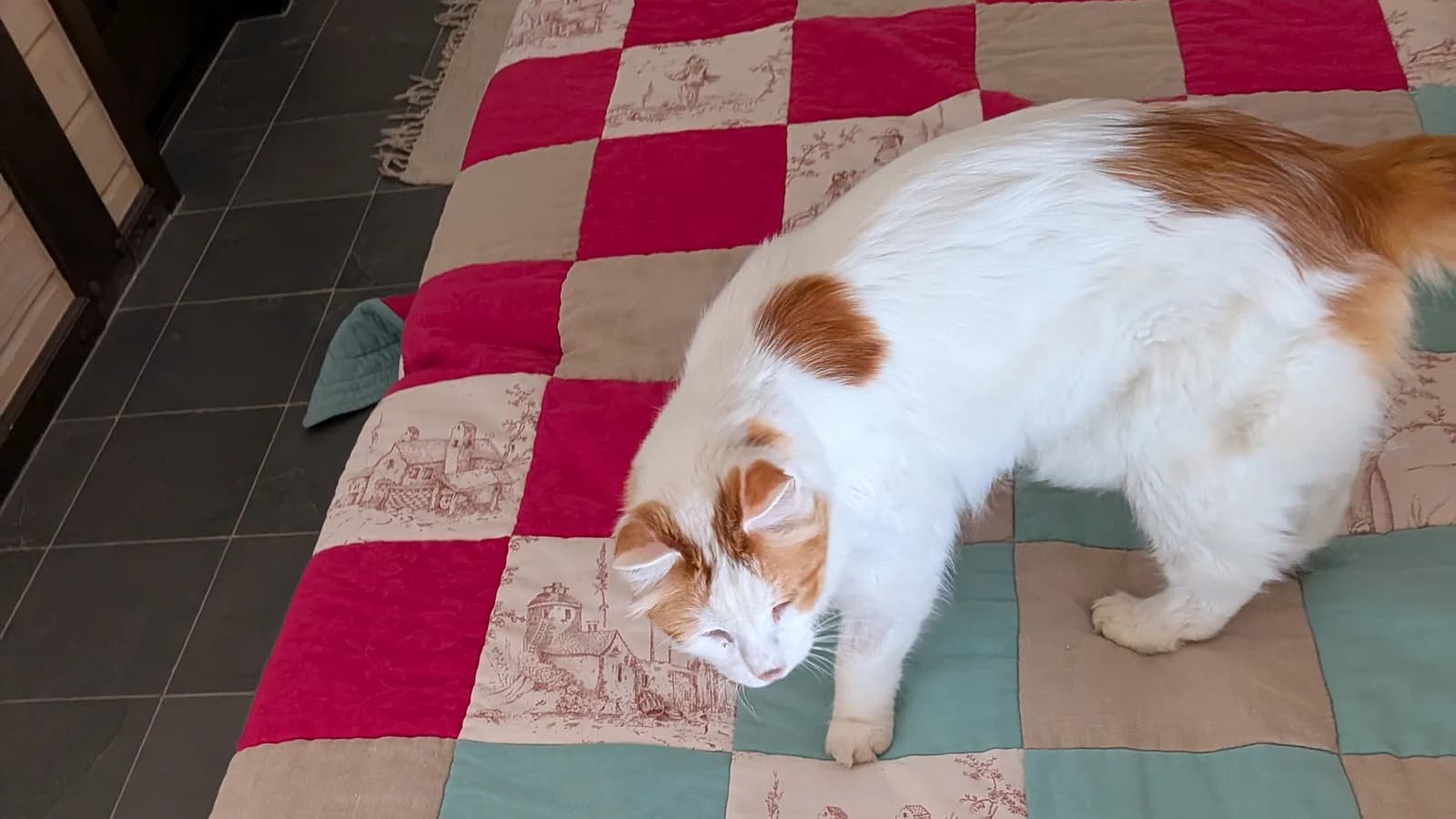
Turkish Van guide
Turkish Angora vs Turkish Van: Two Breeds, One Country, Zero Interchangeability
The ballerina and the swimmer: how Turkey's two famous breeds differ in build, coat rules and registry status, and the deafness sentence that must be said precisely.
Read
Turkish Van guide
Turkish Vankedisi: The All-White Van, Explained Precisely
The Vankedisi is the all-white variant of the registered Turkish Van breed, with three GCCF eye-color classes and a mandatory hearing test before breeding registration. The precise file.
Read
The floor belongs to our members. Keep it kind, links are not allowed, and images go through moderation before anyone else sees them.