

American Shorthair vs British Shorthair: One Registry Already Answered
TICA's own standard names the British Shorthair to explain what the American is not. Head shapes, flagship colors, and GCCF's own advice for UK readers.
Published August 21, 2026 5 min read
Contents
Start with a sentence no comparison blog can offer, because a registry wrote it. 's own American Shorthair standard summary says the breed "is not a large, heavy boned cat as is the British. It is a very balanced medium size, medium boned cat, with a firm muscular feel." A registry defining one breed by naming the other is as close as the cat fancy comes to doing this page's work for it. And the sentence is about BONE and FRAME, which matters, because the scales alone would mislead you.
The weights overlap; the frames do not
Neither breed's formal standard prints a single weight number anywhere (we searched both, in full). The consumer-page figures overlap heavily at the top. American Shorthair secondary sources cluster around 6-16 lb, while the British Shorthair's own registry consumer pages run males 9-17 lb. So a big male of either breed can out-weigh the other. What separates them is architecture: the American is a balanced, medium-boned working cat; the British is the heavy-boned, cobby one. Read 's sentence again, not the scale.
The head is the tell
Put the two side by side and look at the head, because this is the sharpest visual test. The American Shorthair's standards call for an oval head "slightly longer than it is wide," with well-developed cheeks. The British Shorthair's is famously the opposite: large, distinctly ROUND, short-muzzled, full-cheeked, with the neck so thick the head seems to sit directly on the shoulders. Oval and necked against round and neckless. If you can apply that one contrast, you can identify a photo of either breed.
Two flagship colors from two traditions
Each breed has a color that functions as its face. The American Shorthair's is the silver : bold black swirls on a pale silver ground, the coat its foundation show cats wore and the one its specialist catteries are named after (the full palette runs past 100 combinations by 's own count). The British Shorthair's is the solid "British Blue," so central that it doubles as the breed's alternate name. A patterned flagship against a solid one: even the two breeds' identities disagree in shape.
The coats are a similarity, honestly stated
Both breeds wear short, dense, weather-resistant coats built for outdoor working life. asks the American's coat to "stand up to rough weather, bushes and brambles," and the British wears its famous plush crispness. If you were hoping the coat would settle an identification, it will not; the head will.
Temperament: close cousins in character
Both registries describe calm, easygoing, independent cats, and we will not manufacture a contrast where the primary texts agree. The practical difference readers report is activity. notes the American Shorthair "likes to be active and play fetch" and keeps a working cat's interest in household insects. Breeder-adjacent sources describe the British as the more sedate of the two, and less fond of being picked up: a two-source combination, framed as such, not a registry's own head-to-head claim.
For UK readers: GCCF's own advice
Here is the paragraph that matters if you are choosing in Britain. The American Shorthair is not -recognized, and GCCF's own Unrecognised Breeds page explains why in the mildest terms it has: "Green" status, "Not applied, probable acceptance". Nobody has ever filed the application, and no health or welfare objection exists.
The same entry names its own recommended alternative for a UK reader, and it is the other half of this page: "Recommended Similar Breed: British Shorthair." So in the UK this comparison has an official answer. The British Shorthair is the registrable, show-able, locally bred option, and the American Shorthair is a rare import until someone files GCCF's paperwork.
The whole comparison on one card
| American Shorthair | British Shorthair | |
|---|---|---|
| Frame ('s own words) | Balanced, medium size, medium boned | Large, heavy boned |
| Head | Oval, slightly longer than wide | Round, full-cheeked, almost neckless |
| Flagship color | Silver | Solid British Blue |
| Coat | Short, dense, hard-textured | Short, dense, plush |
| Stated weights | Roughly 6-16 lb (secondary sources) | Males 9-17 lb (registry consumer pages) |
| UK registration | None: 'not applied, probable acceptance' | 's own founding breed |
 The vet's take
Veterinary review
Are you a vet?
Your professional read belongs here: every verified practitioner can leave a note, published once our editors have reviewed it.
Sign in and get your license number verified. We check it in the public register, we never ask for or keep a copy of your diploma, and your number is never published.
Frequently asked questions
What is the difference between an American Shorthair and a British Shorthair?
Frame and head, per the registries: the American is a balanced, medium-boned cat with an oval head slightly longer than wide; the British is heavy-boned and cobby with a distinctly round, almost neckless head. Weights overlap; shapes do not.
Which is bigger, an American or British Shorthair?
Their stated ranges overlap so much (roughly 6-16 lb vs 7-17 lb across sources) that weight cannot settle it. The British is the heavier-BONED cat, which is what TICA's own contrast sentence describes.
Are American Shorthairs and British Shorthairs related?
No source we reached states a shared ancestral population: the American descends from working cats brought by early settlers to North America, the British from Britain's own street and farm cats. The resemblance is two countries doing the same job with the same kind of cat.
Can I buy an American Shorthair in the UK?
With difficulty: no GCCF registration exists (nobody has applied, per GCCF's own page), and our UK market research found no named, registered cattery. GCCF itself points UK readers to the British Shorthair as the closest recognized equivalent.
 Community questions
Got a question this page doesn't cover? Ask it: the best ones get published here with their answer.
This is information, not veterinary advice, and it cannot tell you what is wrong with your cat. Our rule is a simple one: if something is wrong with your cat, call your vet, and call an emergency clinic if it is out of hours. Nothing you read here is a reason to wait.
Medical information applies to every reader. Prices, legal duties and common practice do not: unless stated otherwise, they are given for the United States, and they differ in the UK, Canada and Australia, and often between states or provinces. Check with your own vet and your own local authority.
Our sources

Worth keeping a paw on
Pin this guide
So you can find it the day you need it, and share it with someone whose cat does the same thing. One click and it sits in your board.
Pin it on Pinterest
 Purr or Pass
The cat newsletter
Our verified guides, no spam. Unsubscribe in one click.
More American Shorthair guides
The American Shorthair profile →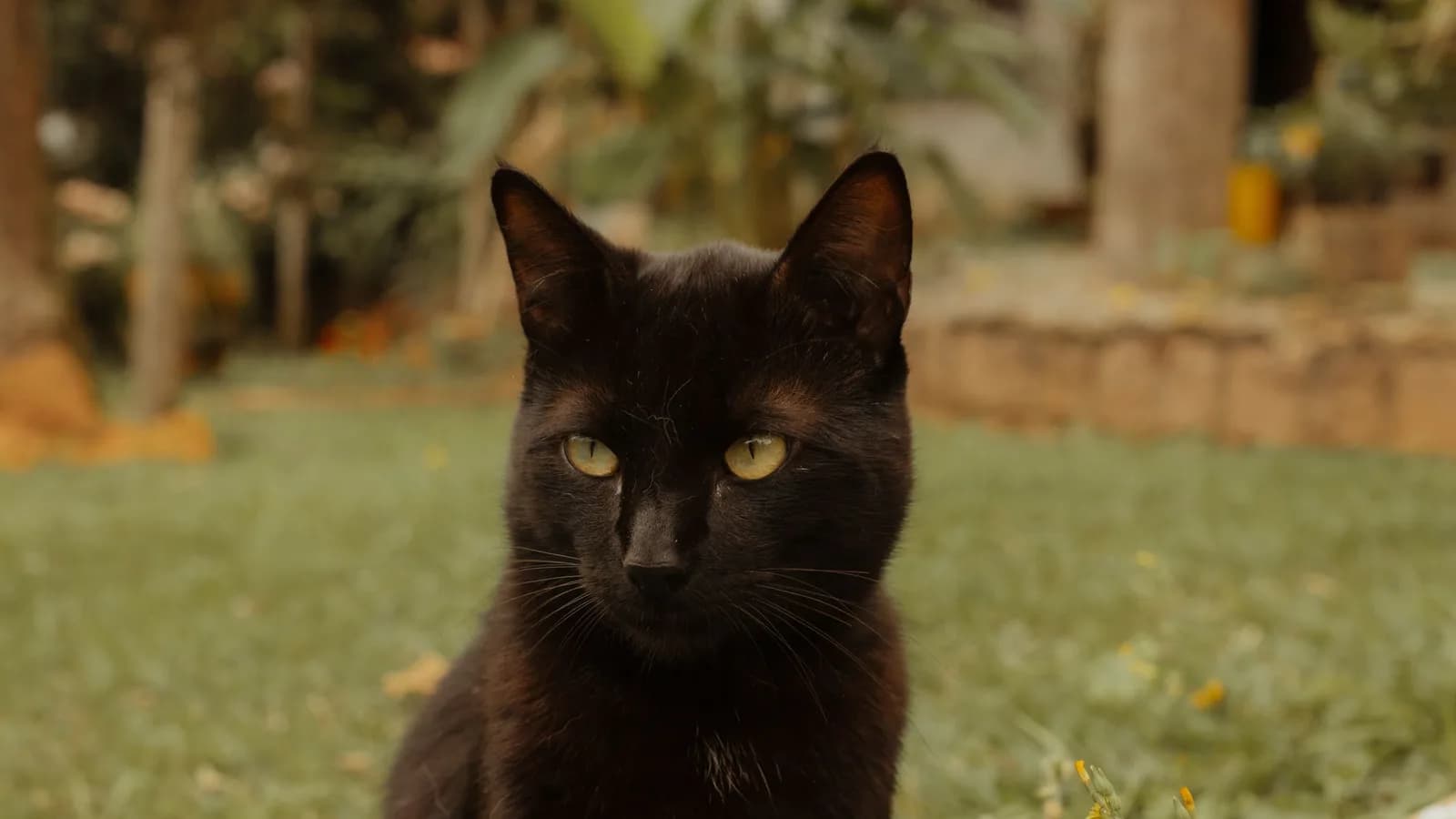
American Shorthair guide
Black American Shorthair: Fully Official, Frequently Confused
Fully recognized at every registry that prints a class list, never rare, never a Bombay. The exact standard wording, the gold-eye rule, and the buying reality.
Read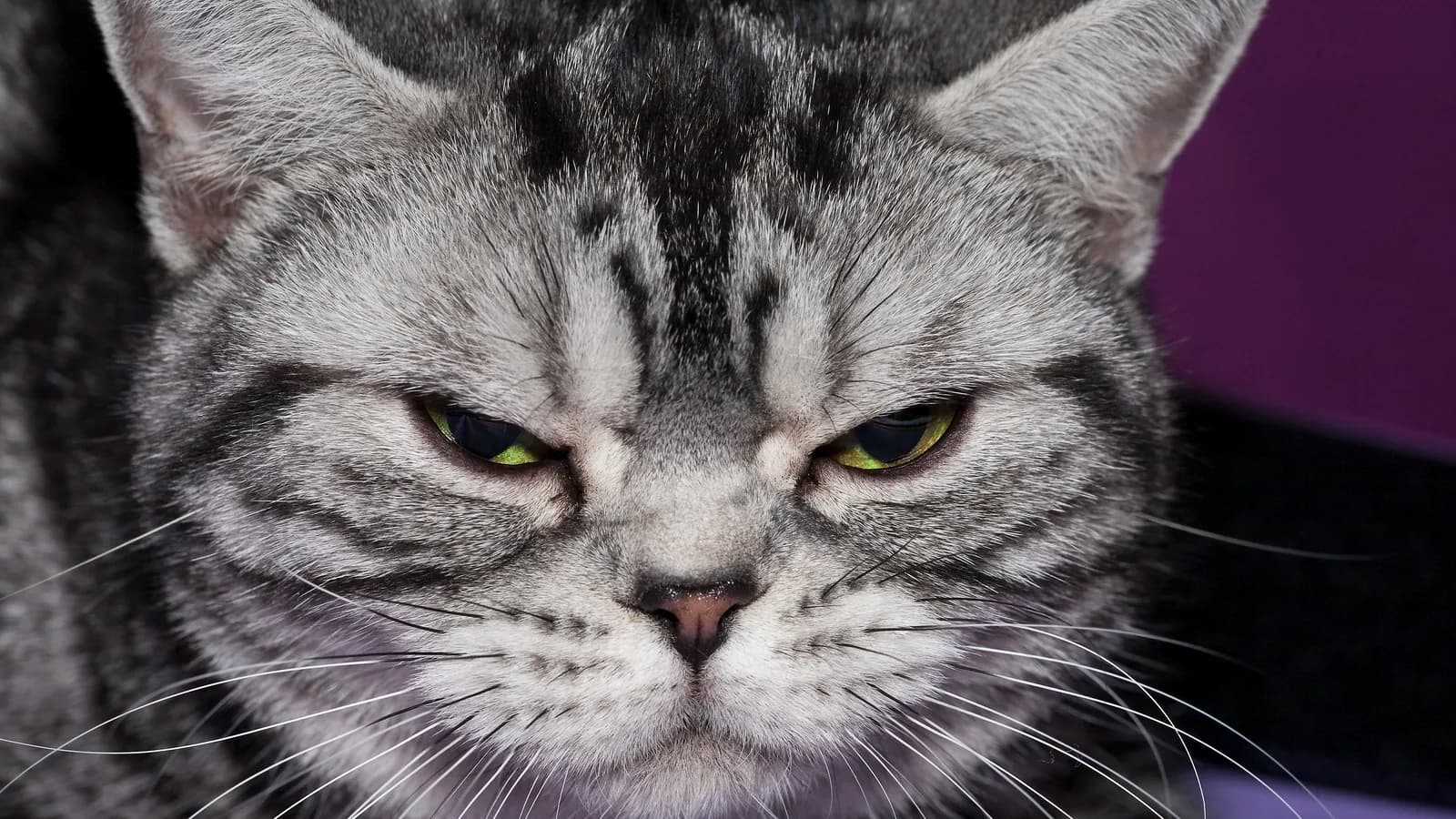
American Shorthair guide
American Shorthair Breeders and Registries: Where the Breed Actually Lives
A closed breed that seven other breeds borrow from, a UK gap with a polite official reason, and where real breeders actually are in all four markets.
Read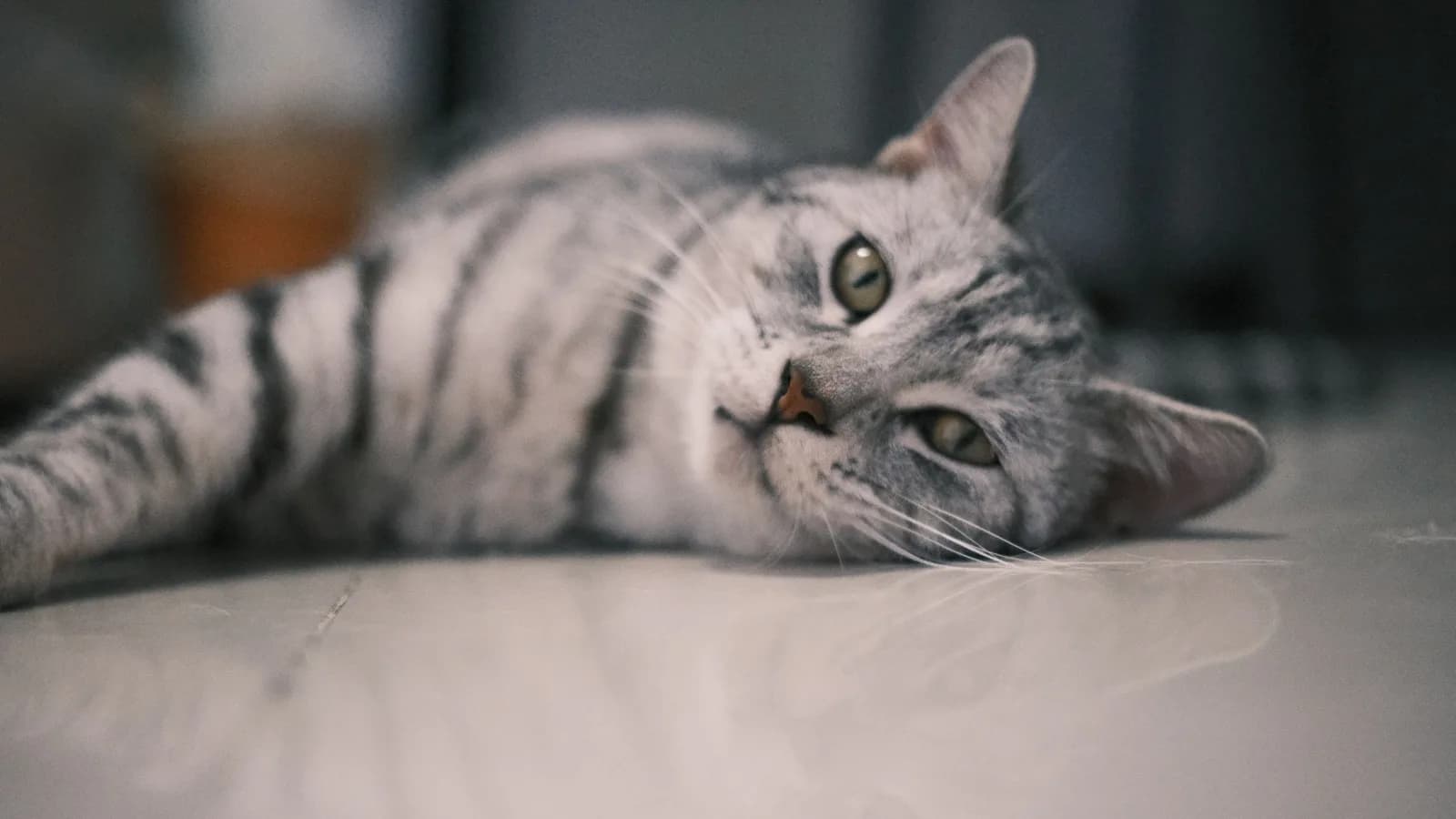
American Shorthair guide
American Shorthair vs Domestic Shorthair: Two Meanings Wearing One Name
One is a pedigreed breed, the other is what vets call roughly 95 percent of all cats. Why the same name covers both, and how to tell which one a listing means.
Read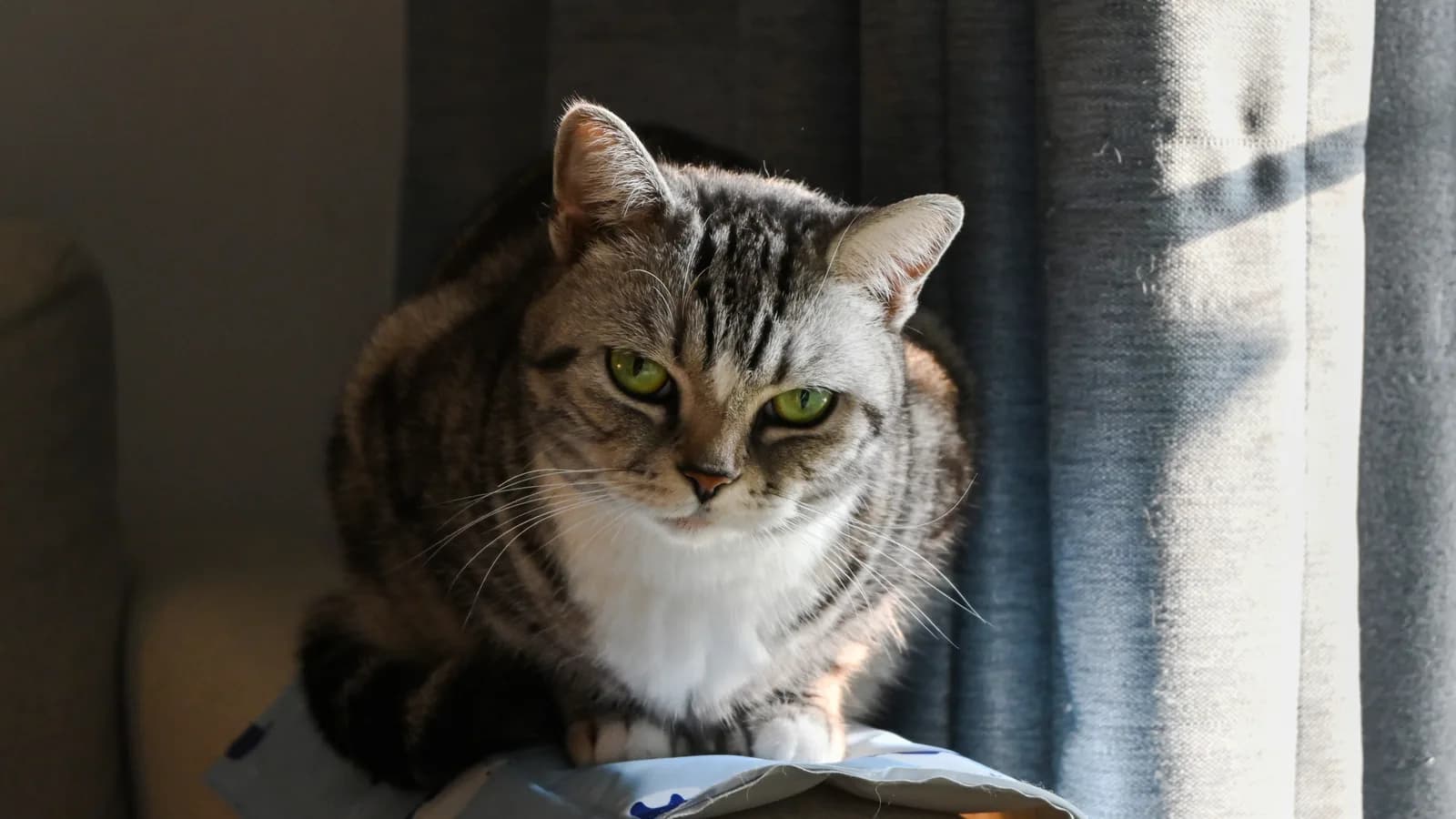
American Shorthair guide
American Shorthair Colors: More Than 100, Whatever the Internet Says
Every color family with its registry class named, the wrong "80" figure the whole internet copies, and the golden family only Canada shows.
Read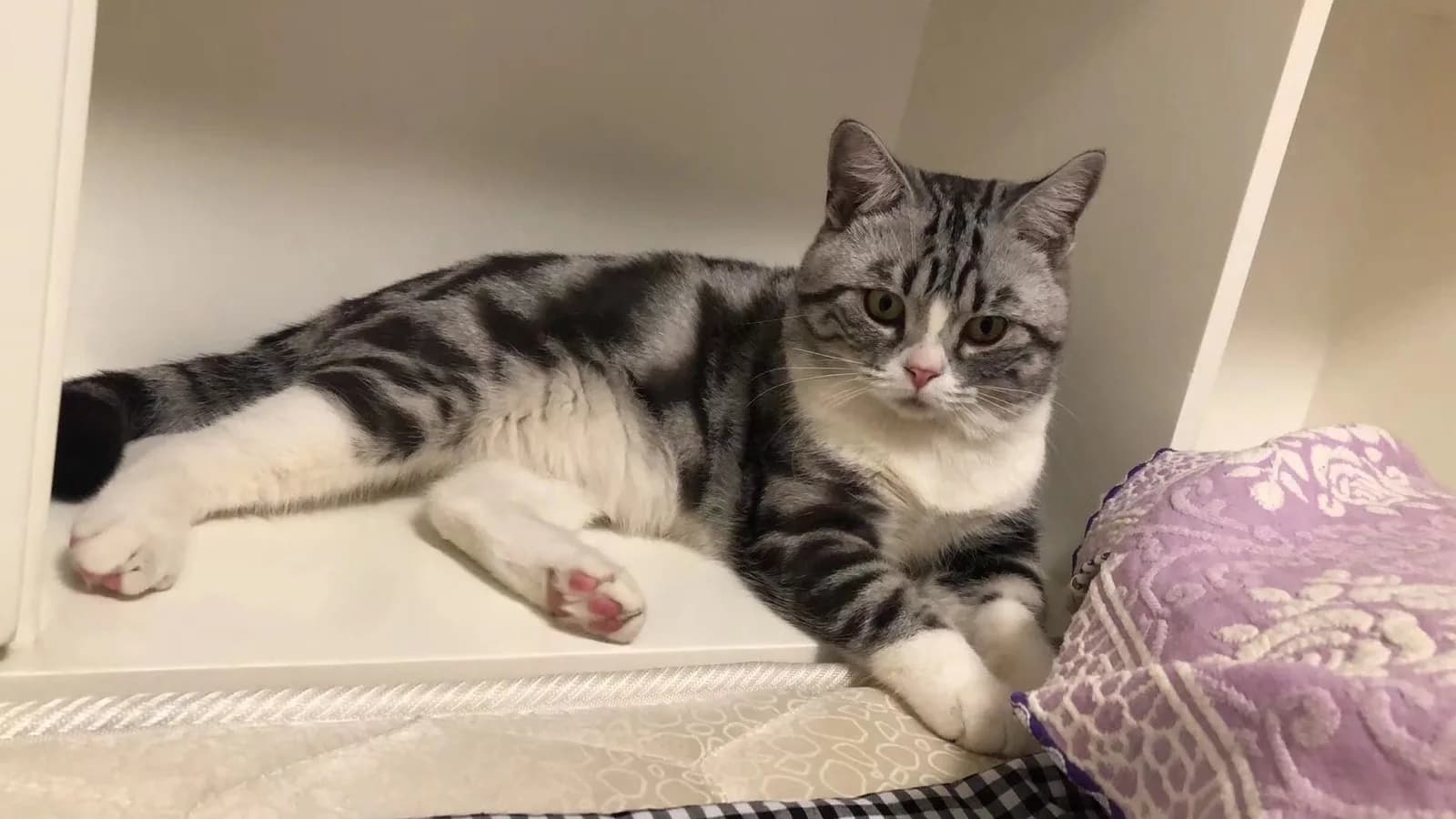
American Shorthair guide
American Shorthair Price: The Real Cards, and the Trap Around Them
Real rate cards from four named US catteries, why the $75 listings are not this breed, and the honest answer for UK, Canadian and Australian buyers.
Read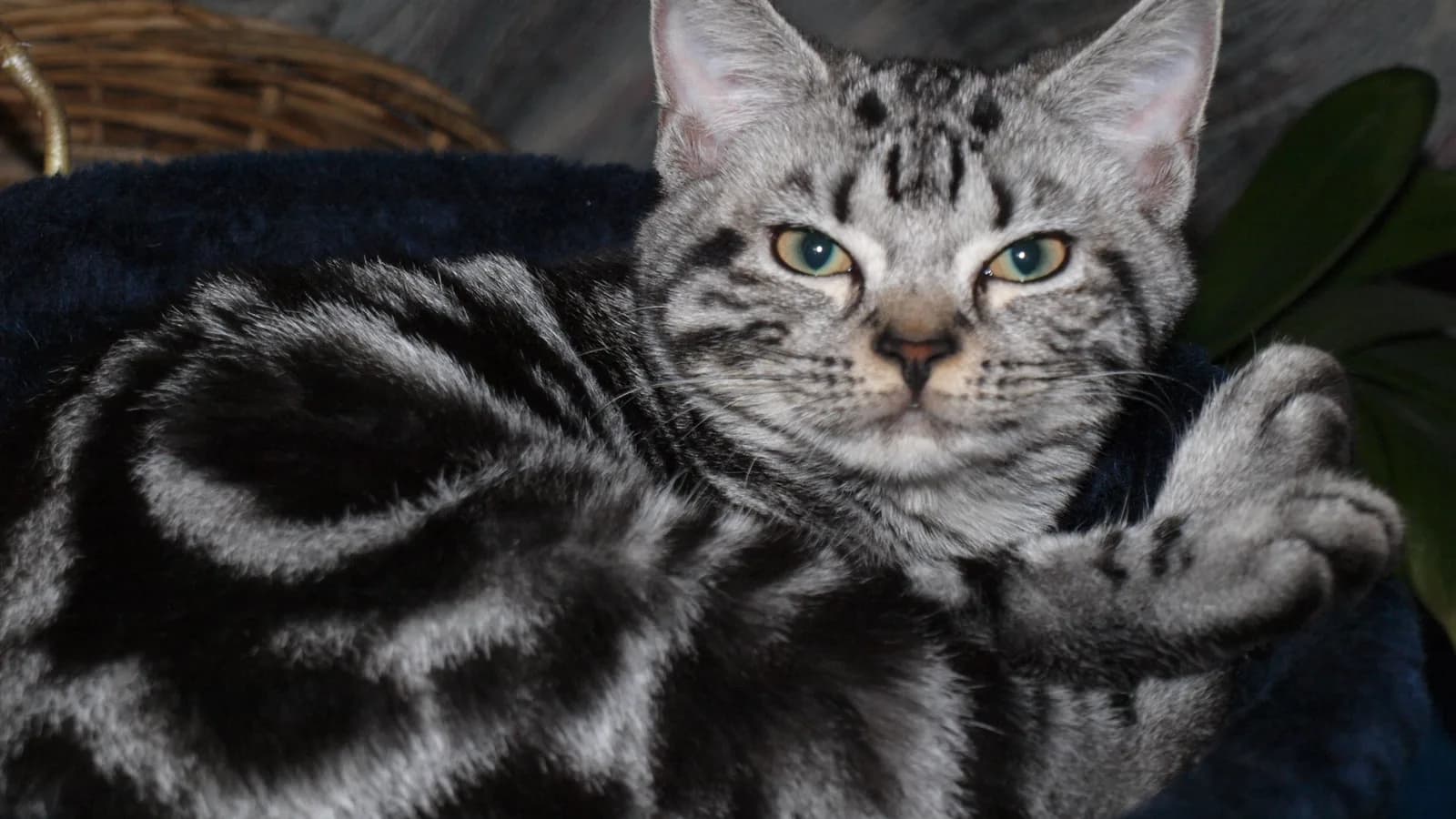
American Shorthair guide
Silver Tabby American Shorthair: How One Coat Became a Breed's Face
The silver classic tabby is the American Shorthair's show identity. The gene that builds it, the registry that actually prints the name, and the eye rule to check.
Read
The floor belongs to our members. Keep it kind, links are not allowed, and images go through moderation before anyone else sees them.