

American Shorthair Colors: More Than 100, Whatever the Internet Says
Every color family with its registry class named, the wrong "80" figure the whole internet copies, and the golden family only Canada shows.

Published August 21, 2026 5 min read
Contents
Start with a correction you can verify in two minutes. Nearly every color guide online says the American Shorthair comes in "over 80 colors," and at least one of those pages cites the breed standard as its source. CFA's own documents, the breed page and the judges' presentation alike, say the same thing twice: "over 100 different color combinations." We read the standard end to end: roughly 45 printed class-number rows, several bundling multiple variants each. CFA's own figure is the one this page uses. The "80" is a copy of a copy; nobody who repeats it says where it came from.
The palette, family by family
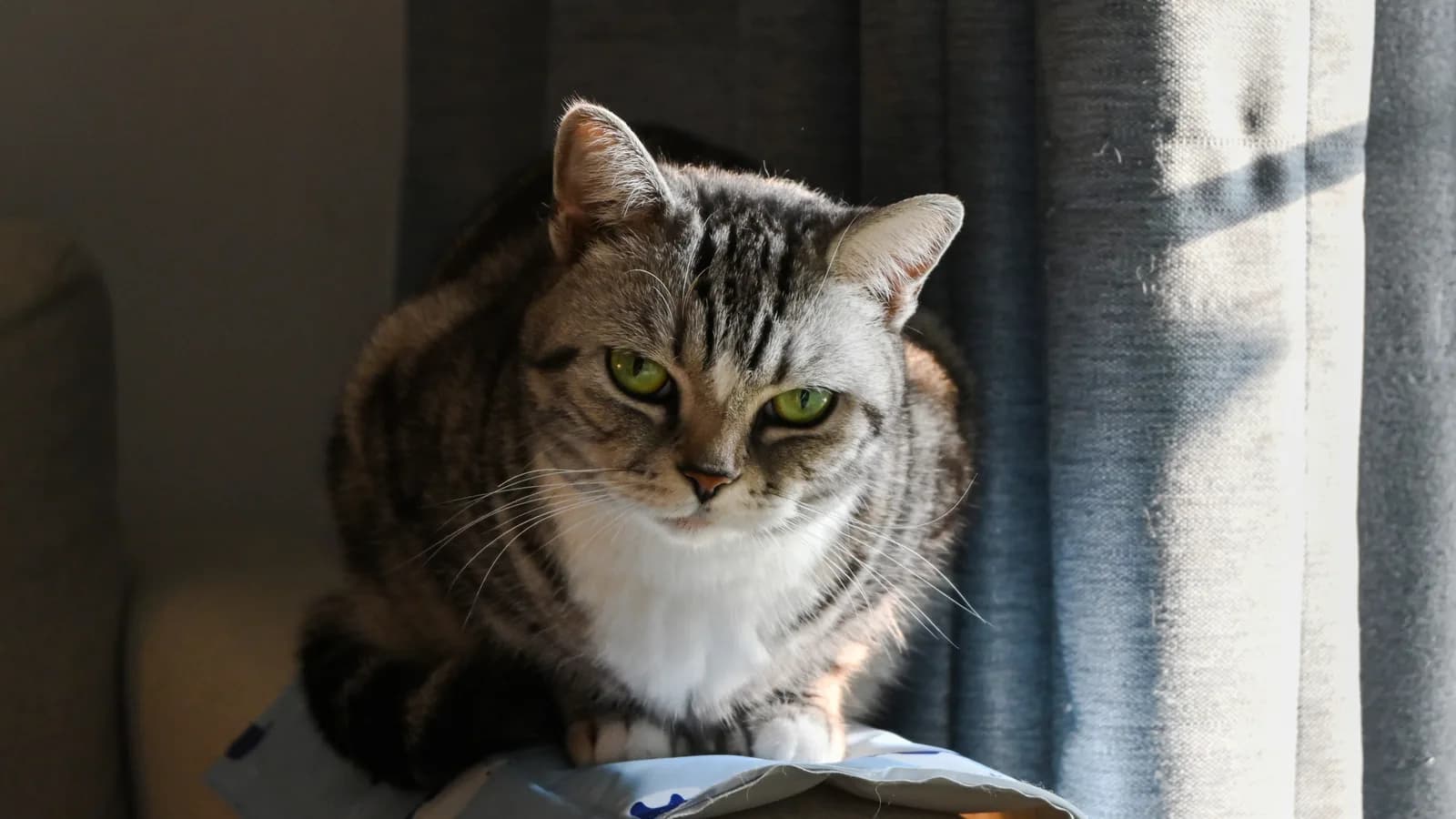
's standard groups the breed's coats into five families. Solids and parti-colors: white (with blue, gold or odd eyes), black, blue, red, cream, tortoiseshell and . Bi-color and calico, including the van pattern (color confined to head, tail and legs). The smoke family, where a white undercoat hides under solid-looking color. The shaded and chinchilla family: silver or cameo tipping over a pale base. And the tabbies, the breed's heartland: classic, mackerel and ticked patterns at CFA, each across silver, brown, blue, red, cream, cameo and their patched () versions. Canada's adds a fourth shown tabby pattern, spotted, which CFA does not list for this breed.
The two children of this page
Two coats earn their own full pages here. The silver tabby is the breed's face: the coat its foundation show cats wore, the one its specialist catteries are named for. The black American Shorthair is the raw search volume leader: a fully recognized solid class ("dense coal black, sound from roots to tip," gold eyes) that some guides treat as an afterthought. Identity and demand are different questions; we publish both.
The golden family only Canada names
's thirteen-page standard runs the most granular palette of the three registries we read. It includes a full GOLDEN family (Golden Shaded, Golden Chinchilla, Golden Tabby and variants) that appears nowhere in any or document for this breed, checked by direct text search across six registry documents. It is not a Canadian invention. TICA's own general genetics seminar explains the mechanism: the same wide-band gene that makes a chinchilla silver makes a golden when the silver inhibitor gene is absent. Canada is simply the only registry of the three that gives those cats their own American Shorthair show classes.
What the registries exclude, and the one that excludes nothing
disqualifies exactly one cluster, evidence of hybridization: "chocolate, sable, lavender, lilac, or point-restricted (i.e. Siamese-type markings)." 's list is the same idea in Canadian wording (chocolate, lilac, the Himalayan pattern). 's standard for this breed excludes nothing at all: "COLORS: All", no class list, no exclusions. A genuine registry difference, not a typo. One correction worth making explicit, because a competitor page states the opposite: pointed American Shorthairs are NOT a rare variety. They are a disqualification at both registries that publish a list. A "pointed American Shorthair" is, by the paperwork, evidence of crossbreeding.
Eye color follows coat color
All three registries converge on one rule stated three ways. Gold eyes are the default (black, blue, red, cream, coats). Green belongs to the silver and shaded family ("green preferred" in 's silver tabby class). White cats may carry deep blue, gold or odd eyes. 's judges are penalized-trained on exactly this: "eye color not completely green in silvers, nor gold in browns." One buyer-facing note on white and blue-eyed kittens: 's own standard acknowledges deafness can occur in white cats ("although undesirable is not penalized" at the show table).
No breed-specific rate exists, and we will not invent one. What exists is a hearing test () a breeder can arrange, worth asking about for a blue-eyed white kitten. Anything beyond that question is your vet's territory: something wrong with your cat means call your vet, out of hours an emergency clinic.
The words we checked so you don't have to
"American tabby" appears in none of the registry documents we read: both registries write "tabby" or the specific color ("Silver Tabby," "Brown Tabby"). And no registry ranks colors by rarity. Every "rarest American Shorthair color" list online is breeder or blog opinion, unbacked by any registration count we could find.
The palette at a glance
 The vet's take

Veterinary review
Are you a vet?
Your professional read belongs here: every verified practitioner can leave a note, published once our editors have reviewed it.
Sign in and get your license number verified. We check it in the public register, we never ask for or keep a copy of your diploma, and your number is never published.
Frequently asked questions
What colors do American Shorthairs come in?
More than 100 color and pattern combinations by CFA's own count: solids (white, black, blue, red, cream), tortoiseshell, bi-color and calico, smoke, shaded and chinchilla, and the tabby family in classic, mackerel and ticked patterns.
What is the most common American Shorthair color?
The silver classic tabby is the breed's signature and show identity; CFA's own page calls silver and brown classic tabbies the most popular. No registry publishes actual color-by-color counts.
Can American Shorthairs be pointed like a Siamese?
No: pointed coloring is a disqualification at CFA and CCA-AFC, treated as evidence of crossbreeding, not a rare variety, whatever some color lists claim.
Do American Shorthair colors affect eye color?
By rule, yes: gold eyes are the breed default, green goes with the silver and shaded coats, and white cats may have blue, gold or odd eyes.
 Community questions
Got a question this page doesn't cover? Ask it: the best ones get published here with their answer.
This is information, not veterinary advice, and it cannot tell you what is wrong with your cat. Our rule is a simple one: if something is wrong with your cat, call your vet, and call an emergency clinic if it is out of hours. Nothing you read here is a reason to wait.
Medical information applies to every reader. Prices, legal duties and common practice do not: unless stated otherwise, they are given for the United States, and they differ in the UK, Canada and Australia, and often between states or provinces. Check with your own vet and your own local authority.
Our sources

Worth keeping a paw on
Pin this guide
So you can find it the day you need it, and share it with someone whose cat does the same thing. One click and it sits in your board.
Pin it on Pinterest
 Purr or Pass
The cat newsletter
Our verified guides, no spam. Unsubscribe in one click.
More American Shorthair guides
The American Shorthair profile →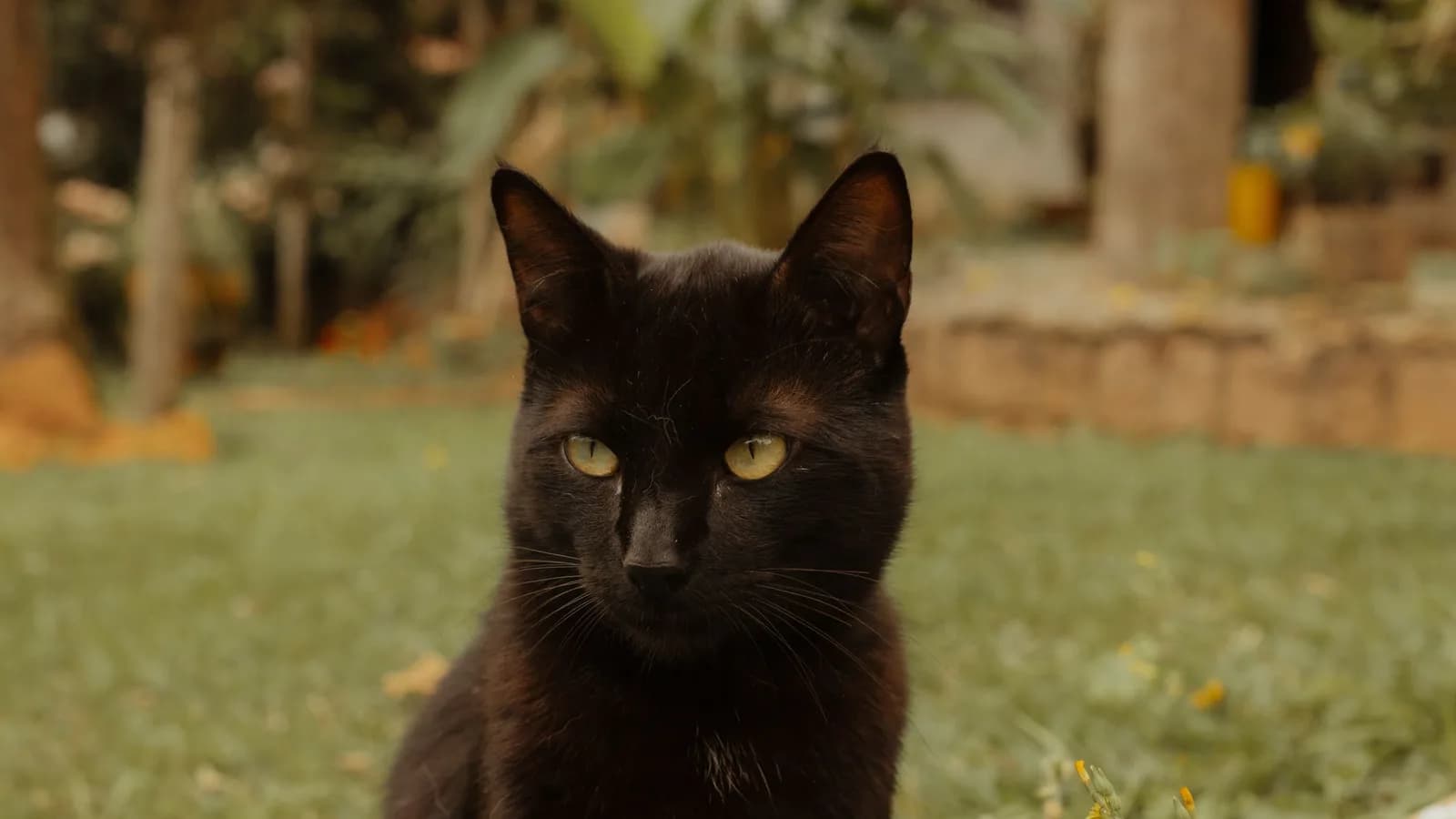
American Shorthair guide
Black American Shorthair: Fully Official, Frequently Confused
Fully recognized at every registry that prints a class list, never rare, never a Bombay. The exact standard wording, the gold-eye rule, and the buying reality.
Read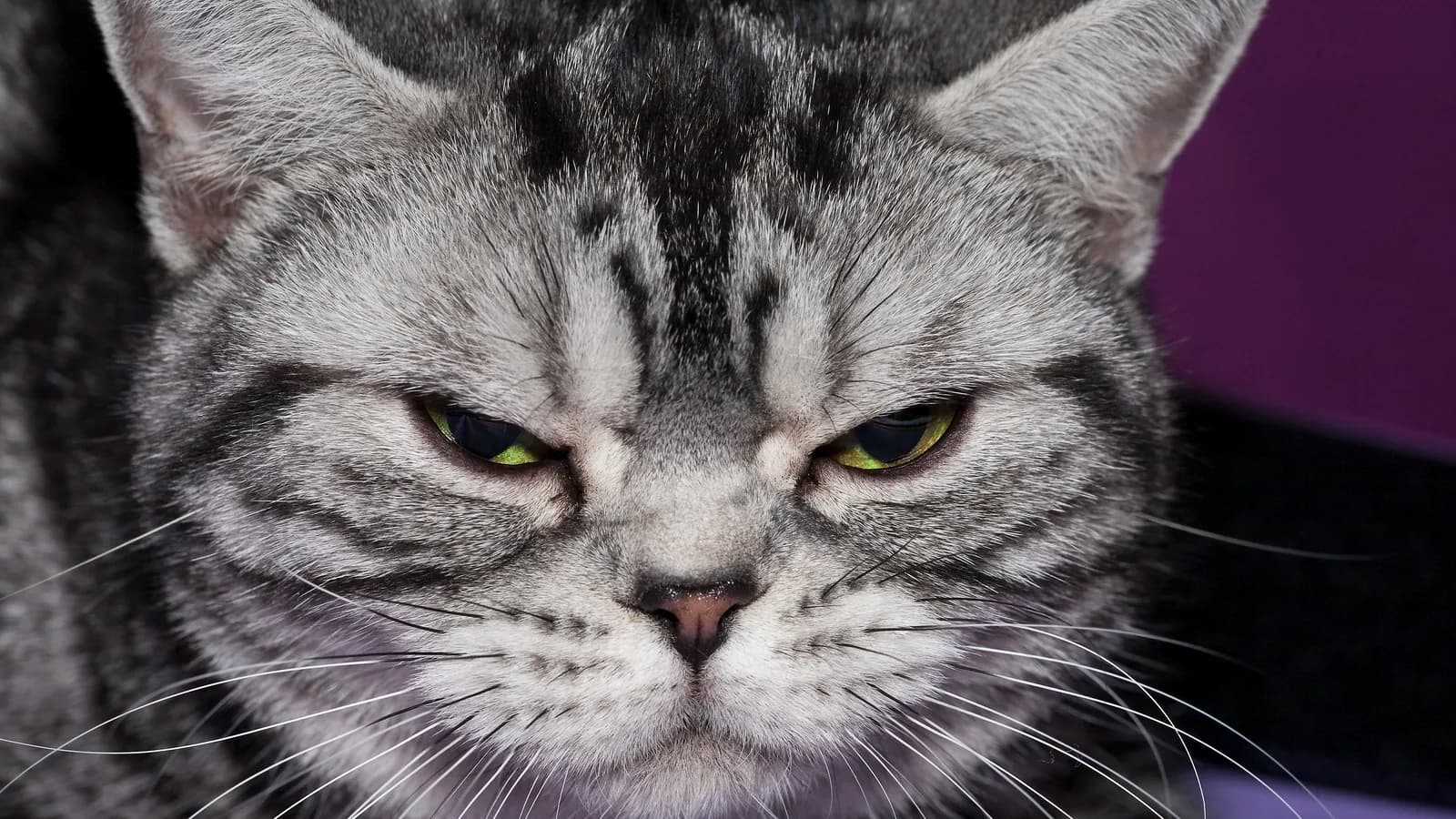
American Shorthair guide
American Shorthair Breeders and Registries: Where the Breed Actually Lives
A closed breed that seven other breeds borrow from, a UK gap with a polite official reason, and where real breeders actually are in all four markets.
Read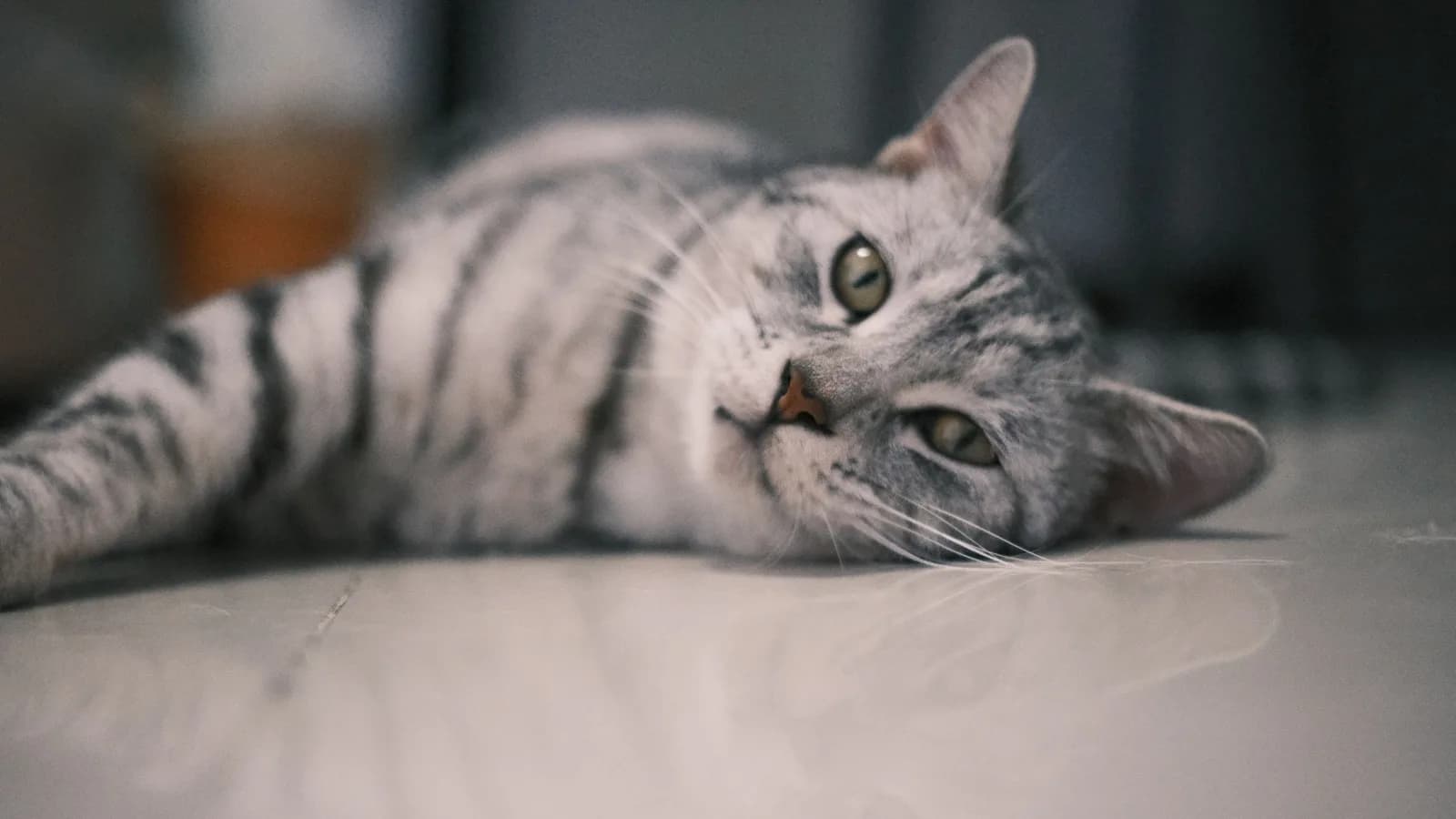
American Shorthair guide
American Shorthair vs Domestic Shorthair: Two Meanings Wearing One Name
One is a pedigreed breed, the other is what vets call roughly 95 percent of all cats. Why the same name covers both, and how to tell which one a listing means.
Read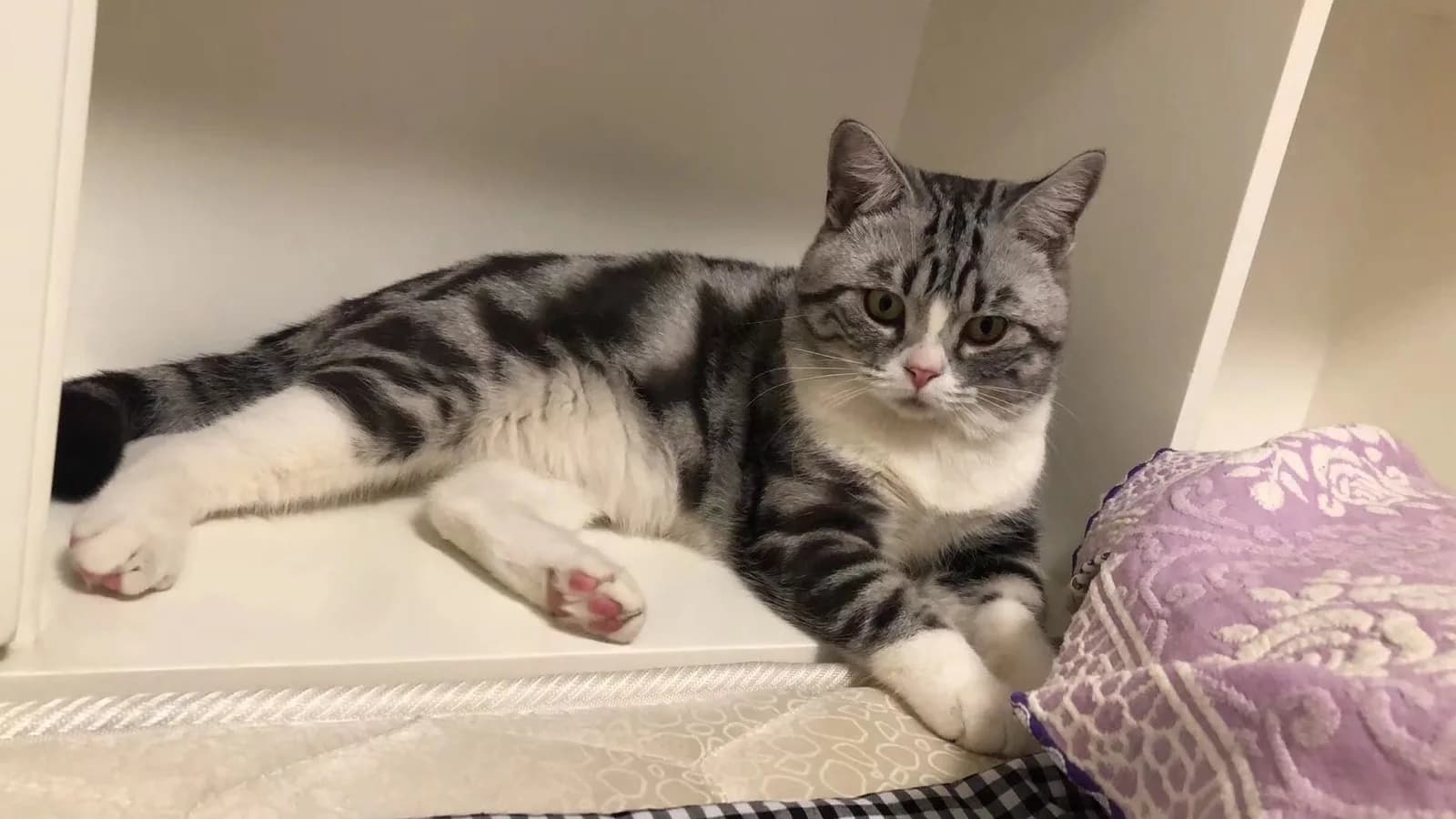
American Shorthair guide
American Shorthair Price: The Real Cards, and the Trap Around Them
Real rate cards from four named US catteries, why the $75 listings are not this breed, and the honest answer for UK, Canadian and Australian buyers.
Read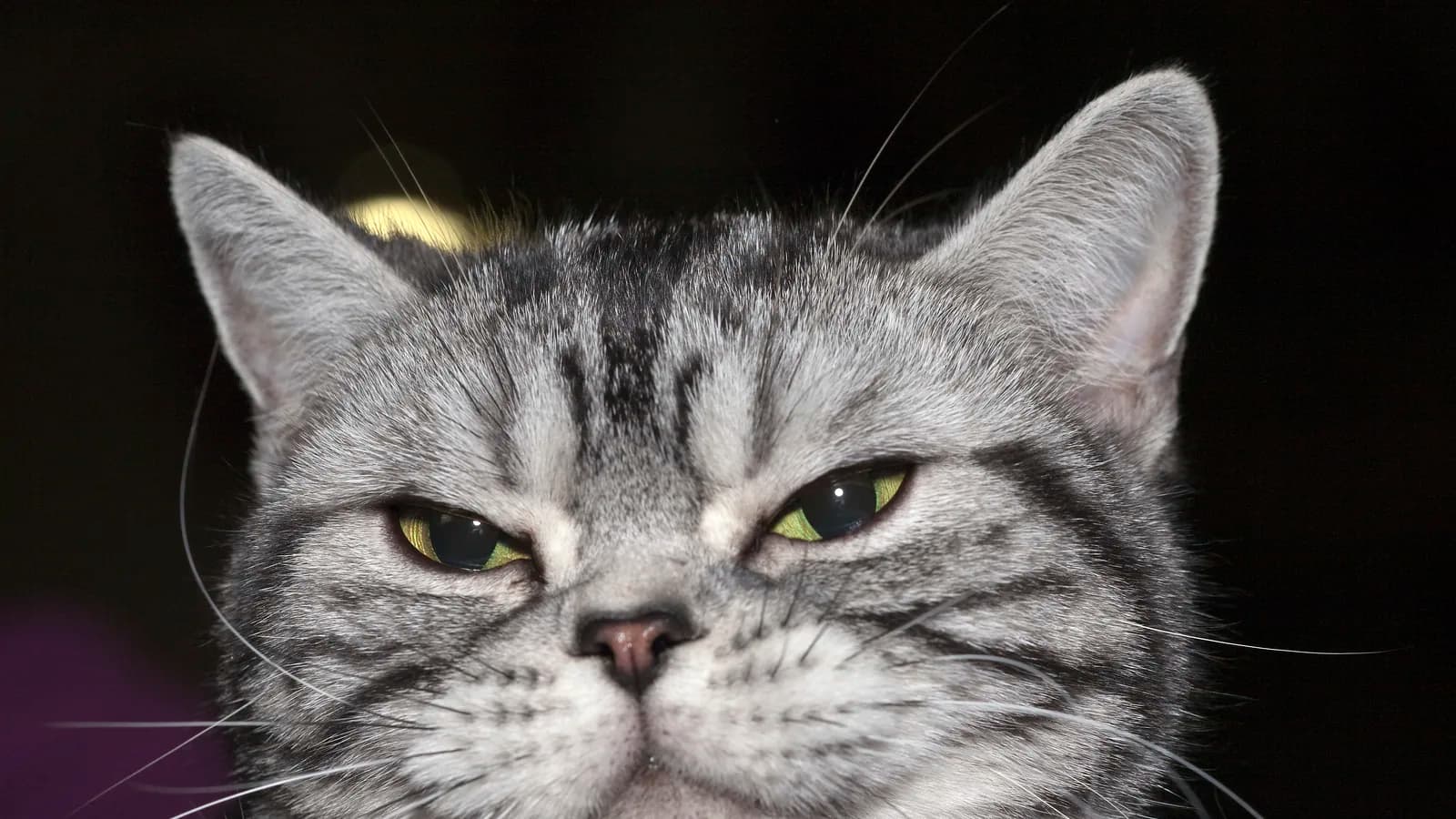
American Shorthair guide
American Shorthair vs British Shorthair: One Registry Already Answered
TICA's own standard names the British Shorthair to explain what the American is not. Head shapes, flagship colors, and GCCF's own advice for UK readers.
Read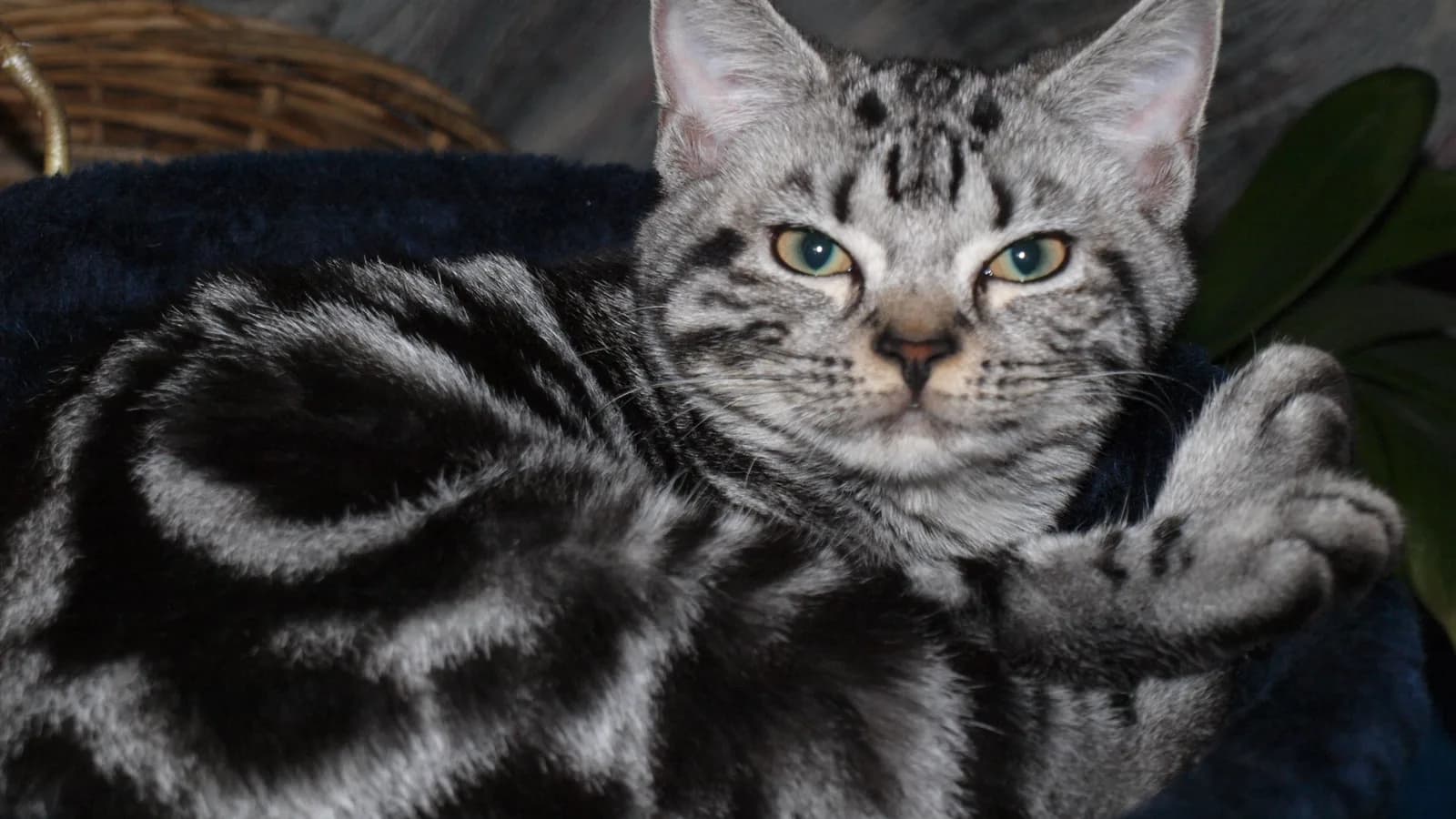
American Shorthair guide
Silver Tabby American Shorthair: How One Coat Became a Breed's Face
The silver classic tabby is the American Shorthair's show identity. The gene that builds it, the registry that actually prints the name, and the eye rule to check.
Read
The floor belongs to our members. Keep it kind, links are not allowed, and images go through moderation before anyone else sees them.