

American Shorthair vs Domestic Shorthair: Two Meanings Wearing One Name
One is a pedigreed breed, the other is what vets call roughly 95 percent of all cats. Why the same name covers both, and how to tell which one a listing means.

Published August 21, 2026 5 min read
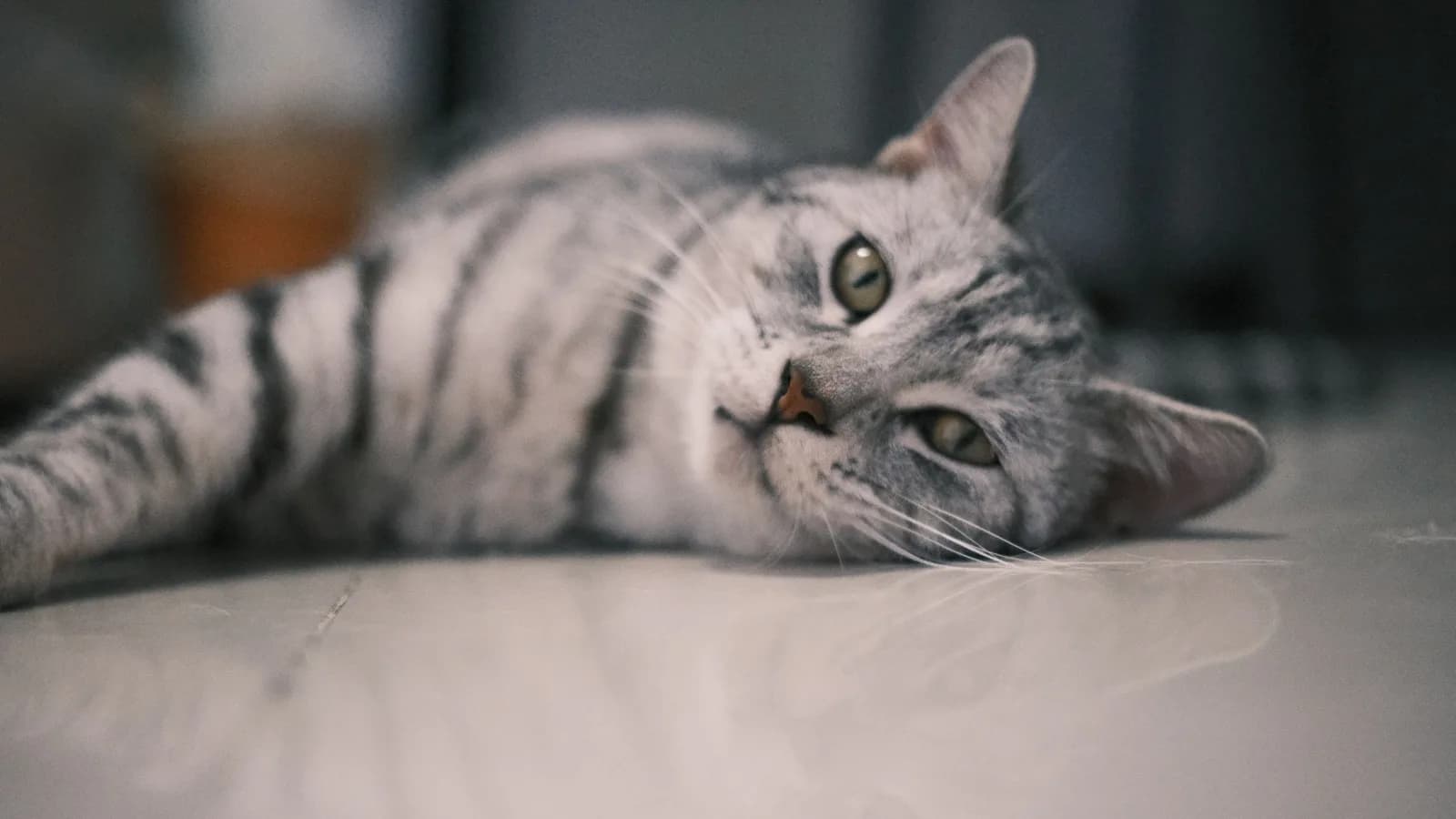
Contents
Look up "Domestic Shorthair" on Wikipedia and you will not find an article. You will find a disambiguation page, offering two meanings: the most common type of non-purebred house cat, or the American Shorthair, "a formal cat breed" for which "'Domestic Shorthair' was its original name." The encyclopedia's own structure is this whole page in miniature. One string, two referents, and a purchase decision that can go wrong in the gap between them.
What "Domestic Shorthair" actually means
Not a breed. Every institutional source we read says so in its own words. Chewy, quoting a veterinarian at the EveryCat Health Foundation: "a general term for any shorthair cat without a known family tree." The : "does not refer to an actual breed. These cats have mixed ancestry... not unlike Mixed Breed dogs or 'mutts.'" The numbers vary by source but agree on scale. Roughly 80 to 95 percent of pet cats are non-pedigreed shorthairs, depending on who is counting, and 's own show pages call the household-pet category "the class for the other 95%."
What an American Shorthair actually is
A pedigreed breed with a written standard, present at America's first cat show in 1895 and one of 's first five breeds at its 1906 founding. CFA's standard polices the boundary as a disqualification. Any appearance of hybridization, long fur, nose break, chocolate or pointed coloring, disqualifies a cat from competing as an American Shorthair. The line between the two populations is conformation and paperwork, judged at a show table.
Why they look alike (the arrow points backwards)
Here is the mechanism most readers assume in reverse. The American Shorthair was BRED FROM the working, unpedigreed shorthair population of North America. Breeders selected the best-typed cats out of exactly the population everyone now calls domestic shorthairs. So of course a shelter tabby can look like an American Shorthair: the breed is a refined, standardized sample of that larger population.
The resemblance flows from breed back to source, not the other way around. And the warning writes itself in institutional voices: the 's own page says "don't confuse Domestic Shorthairs with the American Shorthair cat... the American Shorthair is a recognized breed and does not have the same genetic composition."
The practical differences a buyer or adopter sees
Numbers first, with their honest labels. Weight: no registry prints a figure for the American Shorthair. Secondary sources cluster it at roughly 8-16 lb, while domestic shorthairs run wider and lower (6-16 lb across sources), the expected shape for an unselected population. Price is the giveaway. Named American Shorthair catteries charge four figures (the real range), while a domestic shorthair comes with a shelter adoption fee. A $75 "American Shorthair" listing and a $2,000 named-cattery kitten can both exist under the same search term, because only one of them is using the term as a breed name.
Can my non-pedigreed cat still be shown?
Yes, and this is the practical payoff of the whole distinction. 's Household Pet Class exists precisely for non-pedigreed cats. They are judged, in CFA's own words, on cleanliness, condition and "uniqueness, pleasing appearance, unusual markings, and sweet dispositions" rather than against a breed standard, because "Cats In This Class Have No Breed Standard To Be Judged Against." Titles and all. CFA even notes some entrants are pedigreed cats with a disqualifying fault or an unplanned litter behind them. The line is conformation and paperwork, never worthiness.
One honest health note
The one health-adjacent claim every source agrees on: the domestic shorthair's genetic diversity is generally good news, with a UC Davis geneticist noting free-breeding populations "retain a wide mix of traits." That is a population-level statement, never a prediction for one animal. And no cat's ancestry, pedigreed or not, replaces a veterinarian: something wrong with your cat means call your vet, out of hours an emergency clinic.
The two populations, side by side
| American Shorthair | Domestic Shorthair | |
|---|---|---|
| What it is | Pedigreed / breed, written standard | Catch-all for any non-pedigreed shorthair |
| Share of cats | A registered minority | Roughly 80-95% of pet cats, depending on the count |
| Proof | Registration papers | None exist, by definition |
| Price | $1,200-2,900 at named catteries | A shelter adoption fee |
| Cat shows | Breed classes, judged against the standard | Household Pet Class, judged on condition and charm |
 The vet's take

Veterinary review
Are you a vet?
Your professional read belongs here: every verified practitioner can leave a note, published once our editors have reviewed it.
Sign in and get your license number verified. We check it in the public register, we never ask for or keep a copy of your diploma, and your number is never published.
Frequently asked questions
Is an American Shorthair the same as a domestic shorthair?
No. The American Shorthair is a pedigreed CFA/TICA breed with a written standard; "domestic shorthair" is the catch-all term for any non-pedigreed shorthaired cat, which is most cats in the world.
How do I know if my cat is an American Shorthair?
Without registration papers from a pedigree registry, a cat is a domestic shorthair no matter how much it resembles the breed, and the resemblance is expected: the breed was developed from that same population. Papers, not looks, answer the question.
Why was the American Shorthair called Domestic Shorthair?
It was the breed's own earlier name: renamed to "Domestic Shorthair" around 1930 and then to "American Shorthair" in the mid-1960s, precisely to separate the pedigreed breed from the everyday cats sharing the old name.
Can a domestic shorthair compete in cat shows?
Yes: CFA's Household Pet Class is built for non-pedigreed cats, judged on condition and charm rather than a standard, with its own titles.
 Community questions
Got a question this page doesn't cover? Ask it: the best ones get published here with their answer.
This is information, not veterinary advice, and it cannot tell you what is wrong with your cat. Our rule is a simple one: if something is wrong with your cat, call your vet, and call an emergency clinic if it is out of hours. Nothing you read here is a reason to wait.
Medical information applies to every reader. Prices, legal duties and common practice do not: unless stated otherwise, they are given for the United States, and they differ in the UK, Canada and Australia, and often between states or provinces. Check with your own vet and your own local authority.
Our sources

Worth keeping a paw on
Pin this guide
So you can find it the day you need it, and share it with someone whose cat does the same thing. One click and it sits in your board.
Pin it on Pinterest
 Purr or Pass
The cat newsletter
Our verified guides, no spam. Unsubscribe in one click.
More American Shorthair guides
The American Shorthair profile →
American Shorthair guide
Black American Shorthair: Fully Official, Frequently Confused
Fully recognized at every registry that prints a class list, never rare, never a Bombay. The exact standard wording, the gold-eye rule, and the buying reality.
Read
American Shorthair guide
American Shorthair Breeders and Registries: Where the Breed Actually Lives
A closed breed that seven other breeds borrow from, a UK gap with a polite official reason, and where real breeders actually are in all four markets.
Read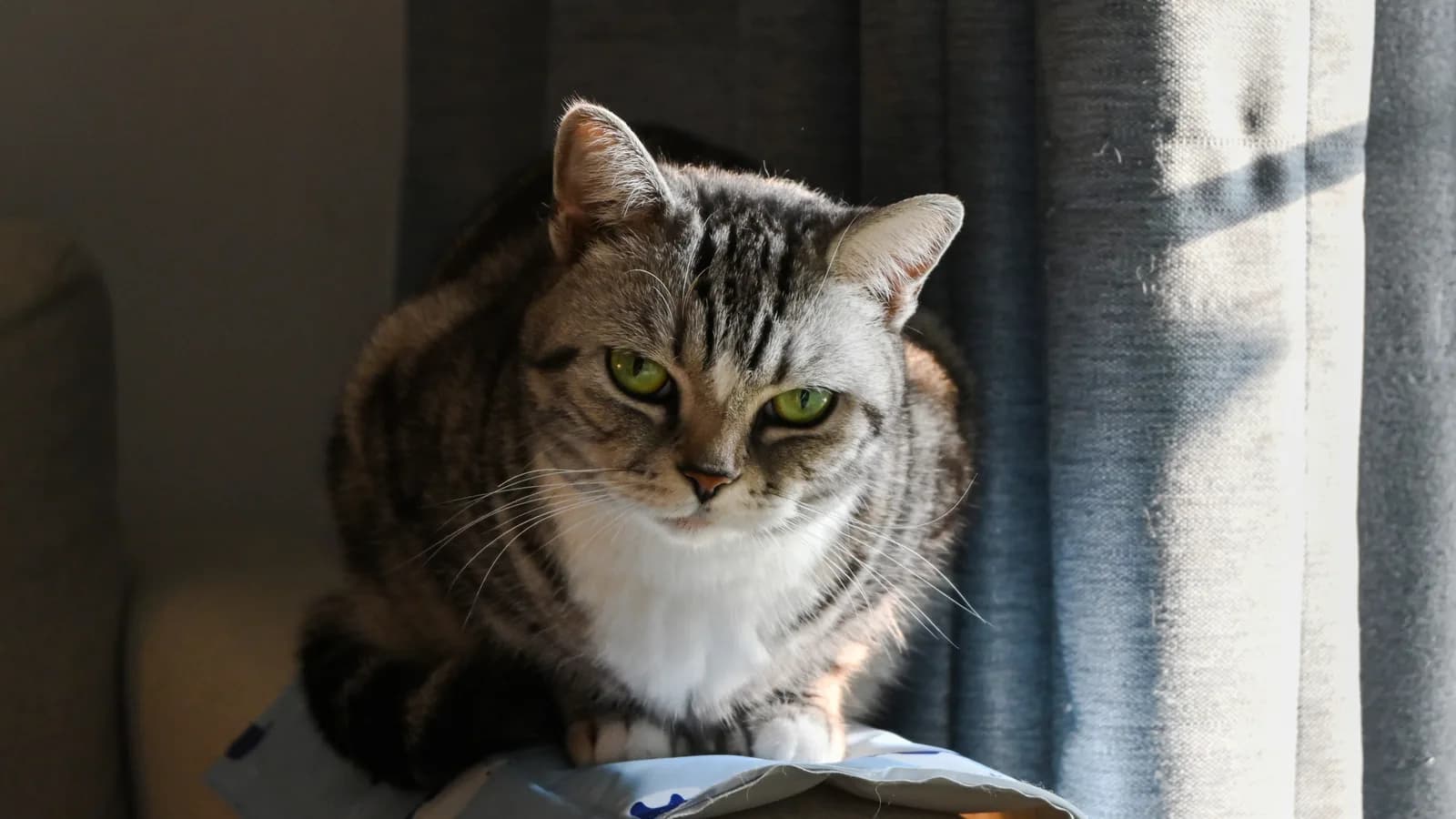
American Shorthair guide
American Shorthair Colors: More Than 100, Whatever the Internet Says
Every color family with its registry class named, the wrong "80" figure the whole internet copies, and the golden family only Canada shows.
Read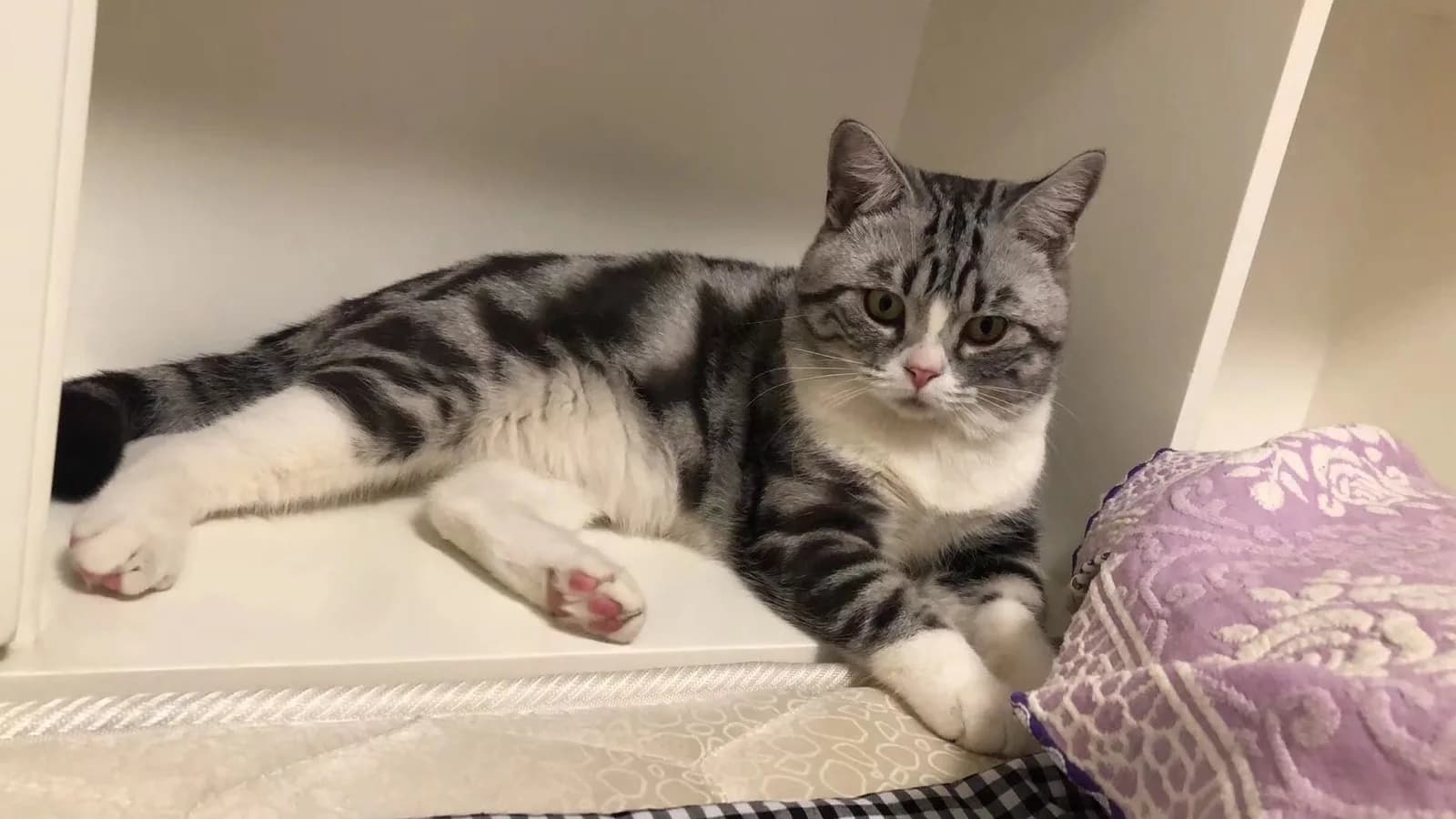
American Shorthair guide
American Shorthair Price: The Real Cards, and the Trap Around Them
Real rate cards from four named US catteries, why the $75 listings are not this breed, and the honest answer for UK, Canadian and Australian buyers.
Read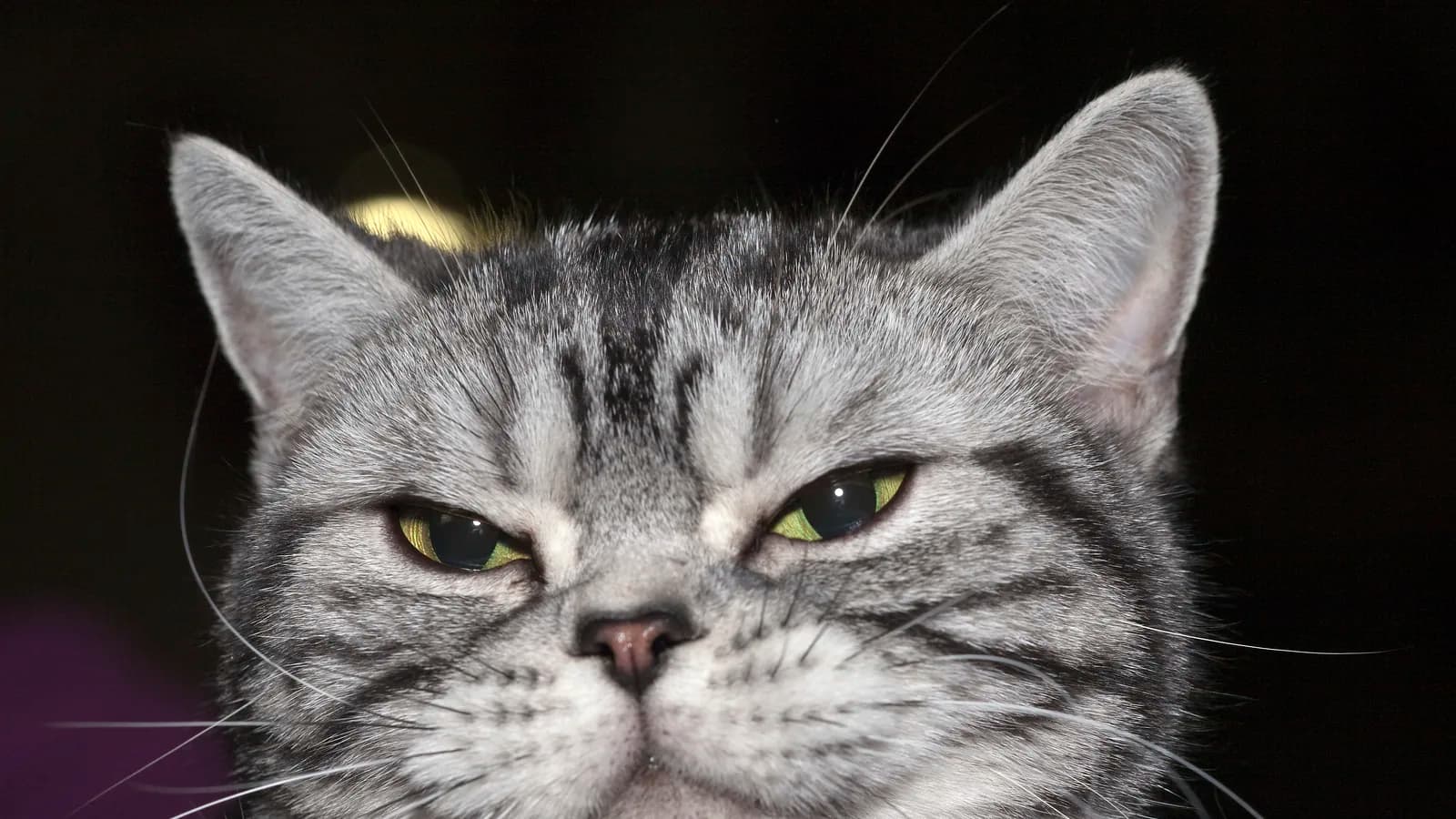
American Shorthair guide
American Shorthair vs British Shorthair: One Registry Already Answered
TICA's own standard names the British Shorthair to explain what the American is not. Head shapes, flagship colors, and GCCF's own advice for UK readers.
Read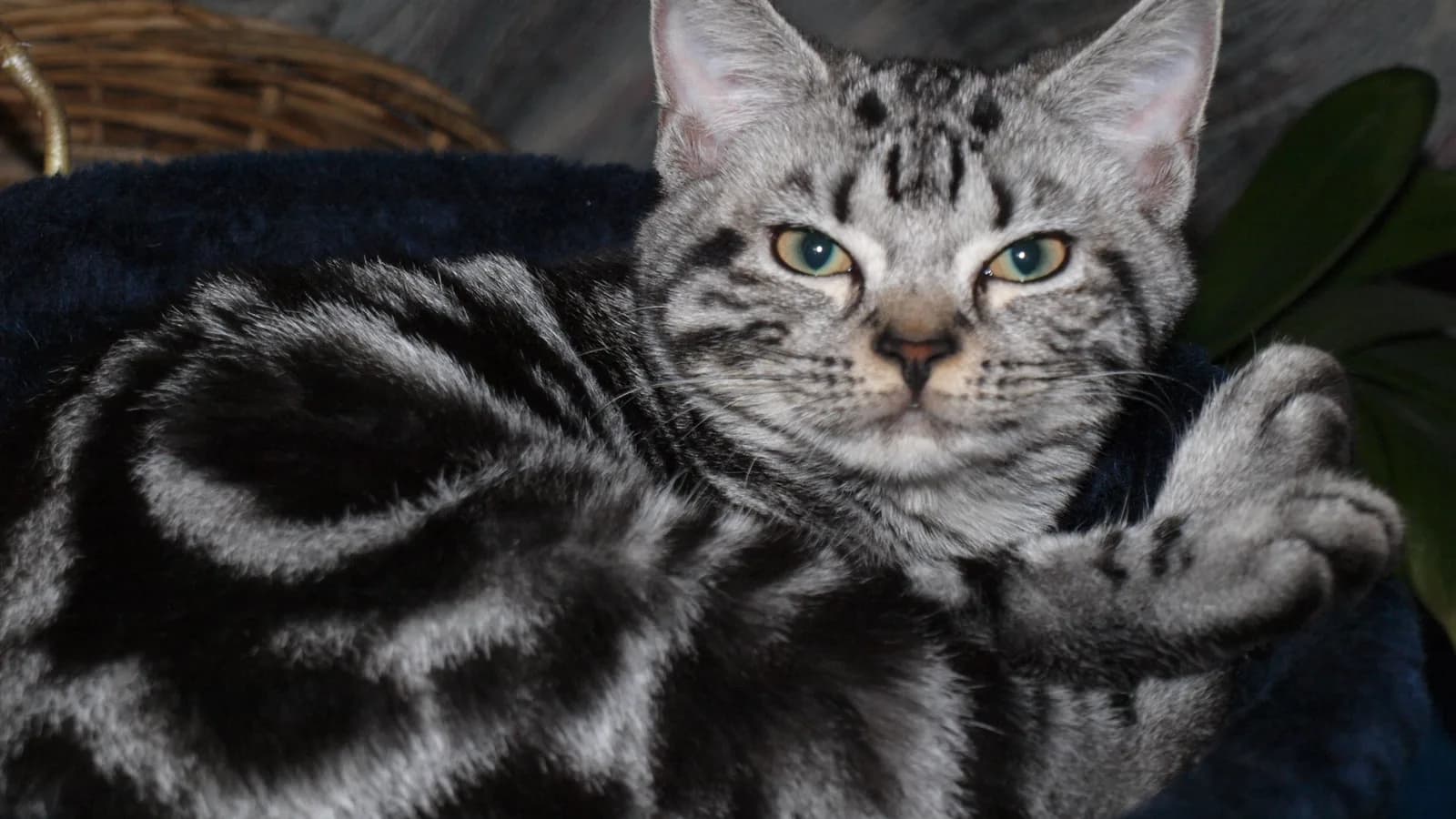
American Shorthair guide
Silver Tabby American Shorthair: How One Coat Became a Breed's Face
The silver classic tabby is the American Shorthair's show identity. The gene that builds it, the registry that actually prints the name, and the eye rule to check.
Read
The floor belongs to our members. Keep it kind, links are not allowed, and images go through moderation before anyone else sees them.