

Silver Tabby American Shorthair: How One Coat Became a Breed's Face
The silver classic tabby is the American Shorthair's show identity. The gene that builds it, the registry that actually prints the name, and the eye rule to check.

Published August 21, 2026 4 min read
Contents
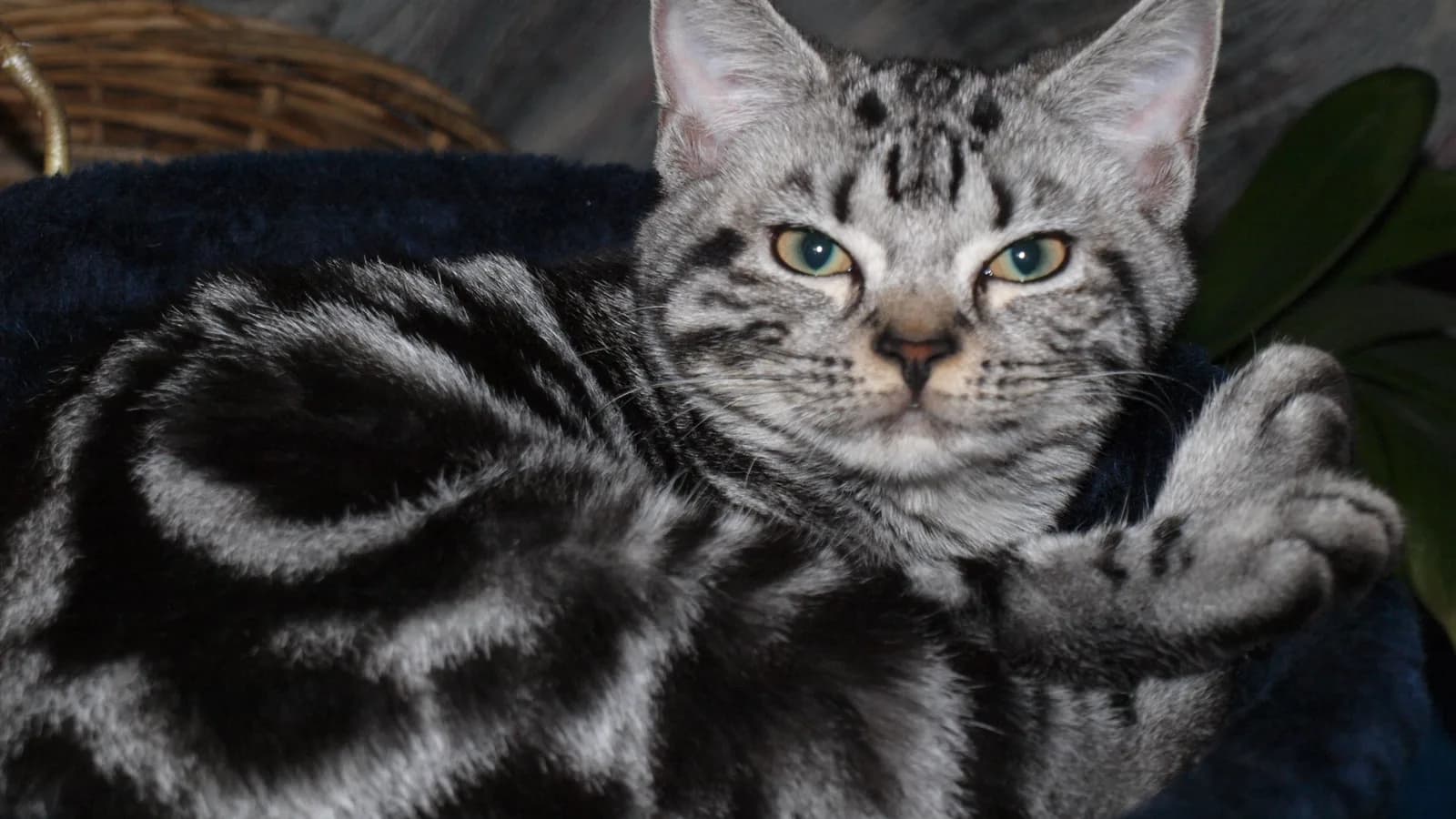
Ask someone to picture an American Shorthair and they will picture this cat: bold black swirls over a pale, clear silver ground, green eyes, the coat on the breed's foundation show cats and in half its catteries' names. This page tells the silver story precisely, because the name everyone uses for it is only exactly right at one registry.
Who actually prints the name
"Silver Classic Tabby" reads like the universal registry term. It is not. Canada's is the one registry of the three we read that prints it as a single class name, its own line in the tabby tables. recognizes the identical cat but splits the words. A color, "SILVER TABBY" ("ground color, including lips and chin, pale, clear silver. Markings dense black").
Plus a pattern, "CLASSIC TABBY" (the intricate forehead "M", the solid side blotch ringed by unbroken circles). And 's own judges call the classic pattern "plain Tabby." prints no class list for this breed at all: its standard says "COLORS: All," so there is no TICA phrase to quote. Use the compound name freely as breed vocabulary, as every cattery does. Just know its registry-exact home is Canadian.
The gene that builds silver
Silver is not a pigment added; it is yellow pigment REMOVED. The inhibitor gene (I locus) blocks warm pigment from depositing along the hair, leaving a silvery-white base under the black tabby markings. When the suppression is incomplete, judges see the warm "tarnish" they penalize. A second switch, the wide-band gene, decides how far up the hair the silver runs. Narrow-banded cats are the classic silver tabby. Wide-banded ones become the shaded and chinchilla silvers. And the same wide band WITHOUT the inhibitor gene builds the golden family, the classes only Canada names for this breed. Two genes, one whole corner of the palette.
The eye rule a buyer can use
Every registry that states a rule ties this coat to green. 's silver tabby class reads "green to hazel; green preferred." allows gold, green or hazel on silver tabbies but requires green on shaded and chinchilla silvers. 's judge notes penalize "eye color not completely green in silvers." Gold eyes belong to the brown tabbies and solids. Checking a kitten's likely adult eye color against its coat family is a real, standards-backed question to ask a breeder.
Why this coat, historically
The silver is the breed's show-ring signature: the coat of its celebrated early champions, the one specialist catteries (Silver Shorthairs and Silver Paws among the ones we read) are literally named after, and the reference type 's own judge training checks first. Silver also carries a price signal. One Oregon cattery's rate card places silver tabbies explicitly at the top of its band (the price page has the figures). Meanwhile the breed's raw search-volume leader is the black coat. Identity and demand are two different crowns, and this breed wears one on each ear.
One name, three registry realities
| Registry | What it prints |
|---|---|
| (Canada) | "SILVER CLASSIC TABBY": the literal, single class name |
| (US) | A color ("Silver Tabby") plus a pattern ("classic"), never fused |
| No class list at all: "COLORS: All" |
 The vet's take

Veterinary review
Are you a vet?
Your professional read belongs here: every verified practitioner can leave a note, published once our editors have reviewed it.
Sign in and get your license number verified. We check it in the public register, we never ask for or keep a copy of your diploma, and your number is never published.
Frequently asked questions
What is a silver tabby American Shorthair?
The breed's signature coat: dense black classic-tabby markings over a pale silver ground, built by the inhibitor gene stripping warm pigment from the hair base. "Silver Classic Tabby" is Canada's CCA-AFC class name; CFA lists the same cat as Silver Tabby in classic pattern.
Do silver tabby American Shorthairs have green eyes?
By standard, ideally yes: CFA says "green to hazel; green preferred" and TICA judges penalize silvers without complete green. Gold eyes are the default for the breed's other coats.
Are silver American Shorthairs rare?
No registry publishes color counts, so "rare" claims are breeder talk. What is documented: silver is the breed's most identity-defining coat, and at least one named cattery prices silver kittens at the top of its range.
What is the difference between a silver tabby and a chinchilla silver?
The wide-band gene: narrow band leaves full tabby markings (silver tabby), wide band pushes the color to the hair tips only (shaded and chinchilla), which is also why those classes require green eyes at every registry that states a rule.
 Community questions
Got a question this page doesn't cover? Ask it: the best ones get published here with their answer.
This is information, not veterinary advice, and it cannot tell you what is wrong with your cat. Our rule is a simple one: if something is wrong with your cat, call your vet, and call an emergency clinic if it is out of hours. Nothing you read here is a reason to wait.
Medical information applies to every reader. Prices, legal duties and common practice do not: unless stated otherwise, they are given for the United States, and they differ in the UK, Canada and Australia, and often between states or provinces. Check with your own vet and your own local authority.
Our sources

Worth keeping a paw on
Pin this guide
So you can find it the day you need it, and share it with someone whose cat does the same thing. One click and it sits in your board.
Pin it on Pinterest
 Purr or Pass
The cat newsletter
Our verified guides, no spam. Unsubscribe in one click.
More American Shorthair guides
The American Shorthair profile →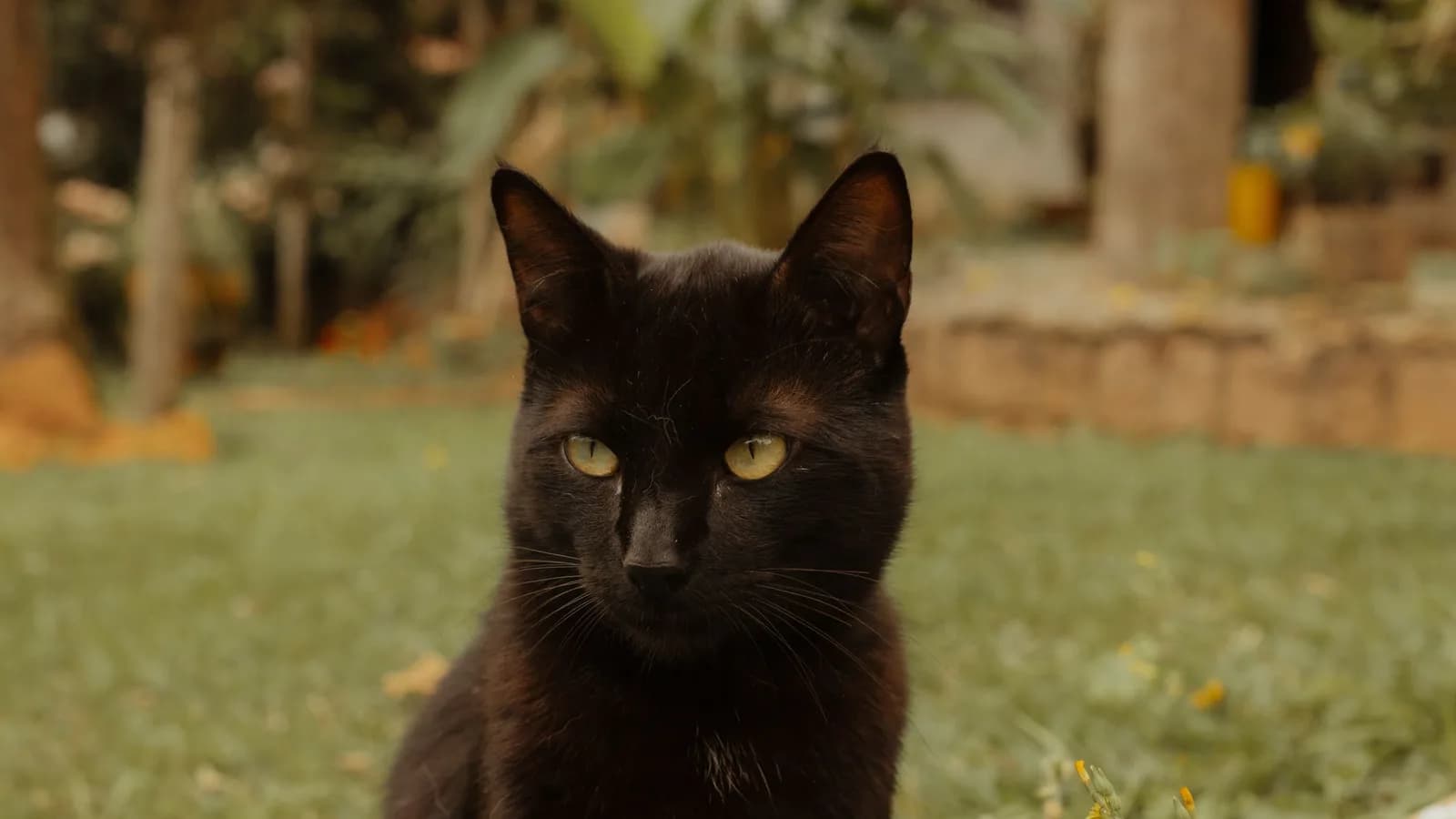
American Shorthair guide
Black American Shorthair: Fully Official, Frequently Confused
Fully recognized at every registry that prints a class list, never rare, never a Bombay. The exact standard wording, the gold-eye rule, and the buying reality.
Read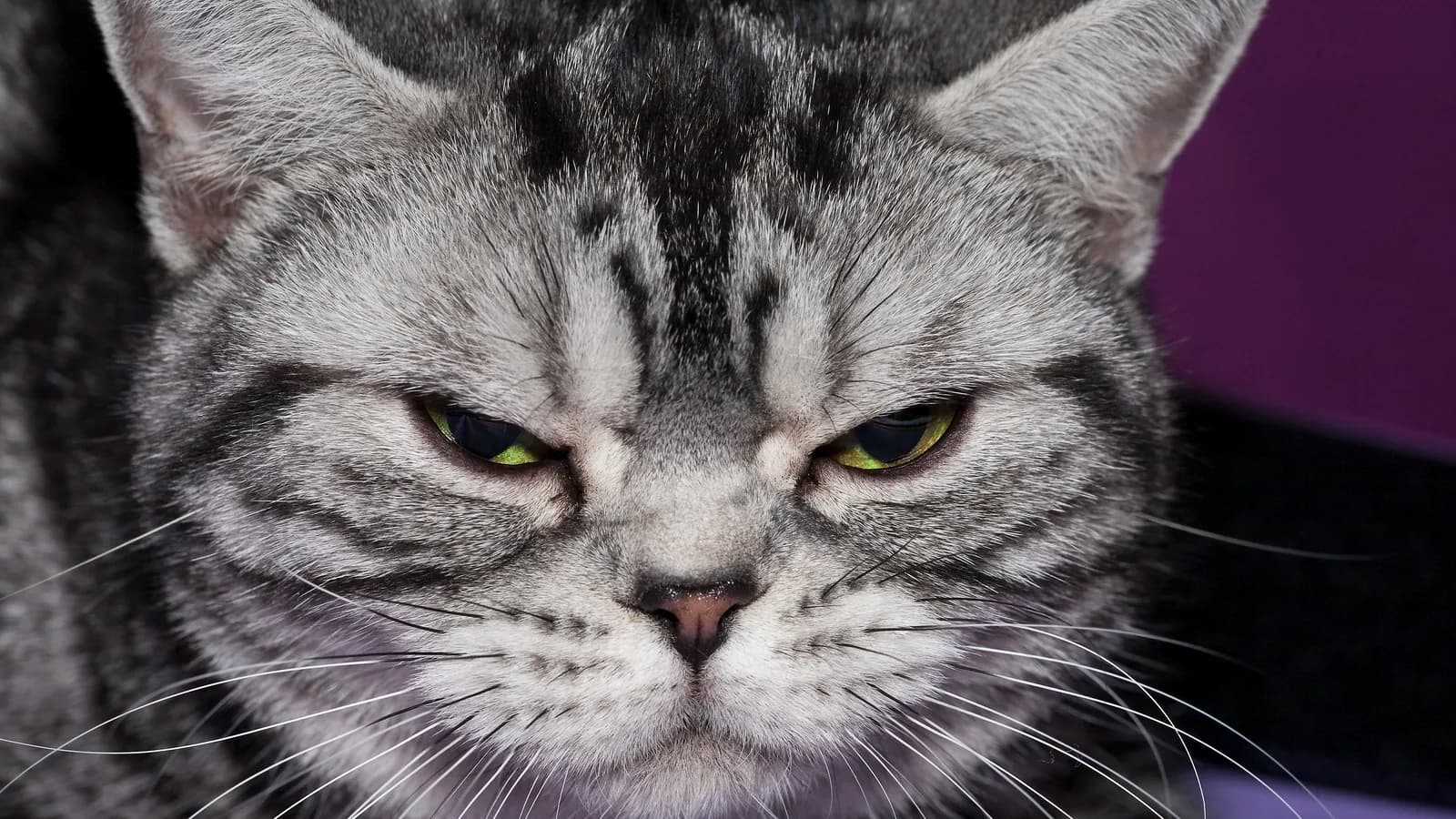
American Shorthair guide
American Shorthair Breeders and Registries: Where the Breed Actually Lives
A closed breed that seven other breeds borrow from, a UK gap with a polite official reason, and where real breeders actually are in all four markets.
Read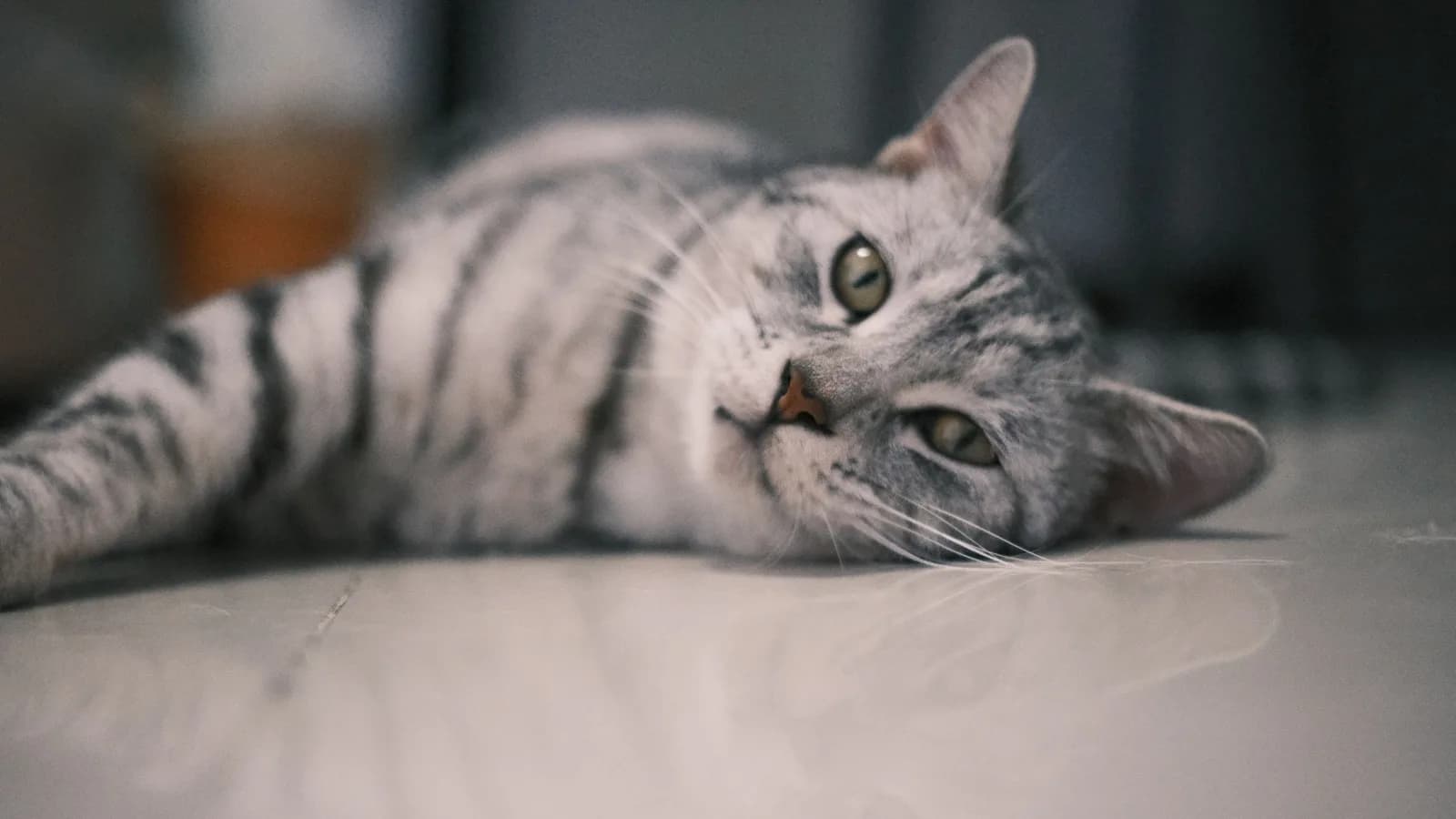
American Shorthair guide
American Shorthair vs Domestic Shorthair: Two Meanings Wearing One Name
One is a pedigreed breed, the other is what vets call roughly 95 percent of all cats. Why the same name covers both, and how to tell which one a listing means.
Read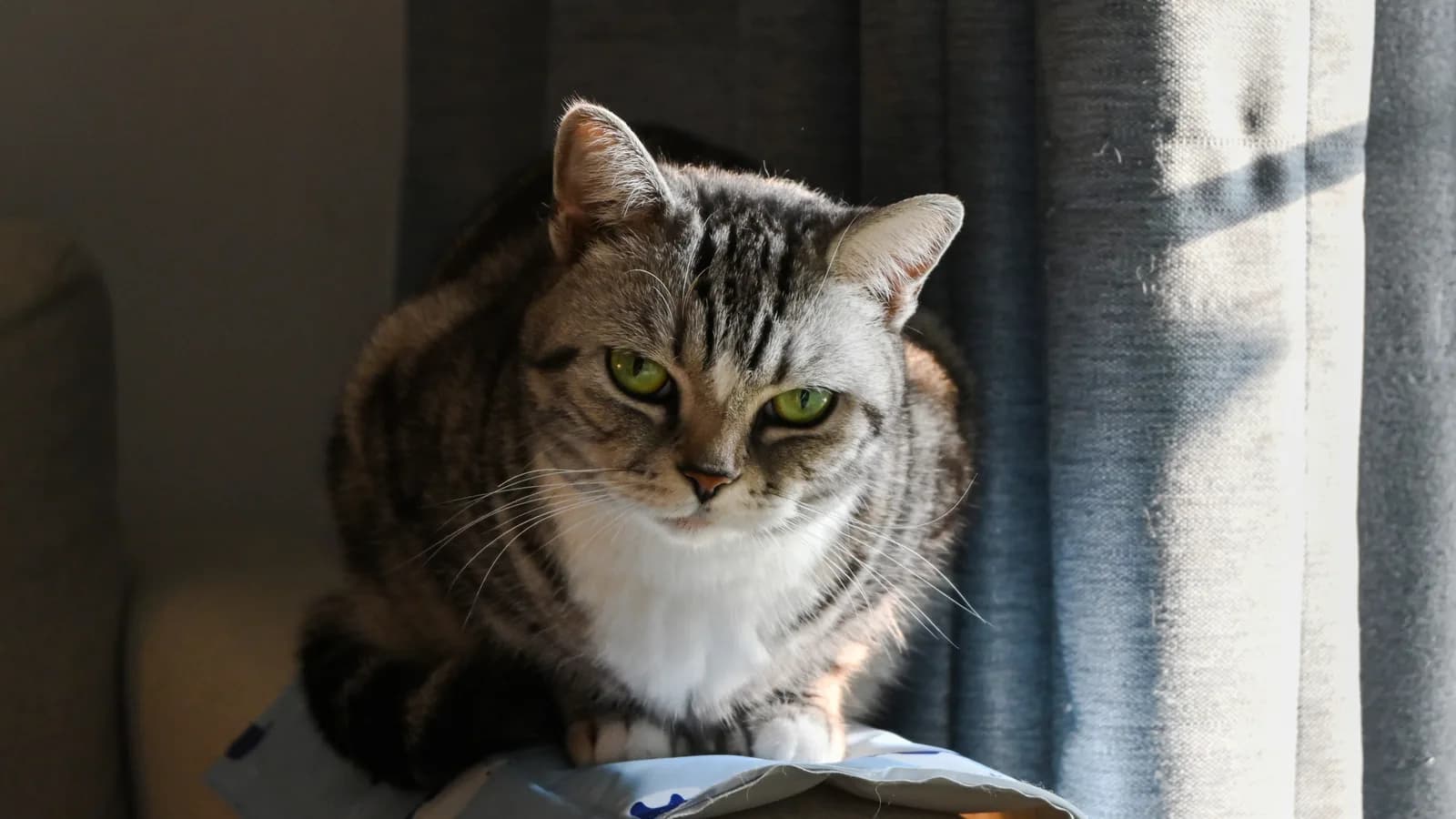
American Shorthair guide
American Shorthair Colors: More Than 100, Whatever the Internet Says
Every color family with its registry class named, the wrong "80" figure the whole internet copies, and the golden family only Canada shows.
Read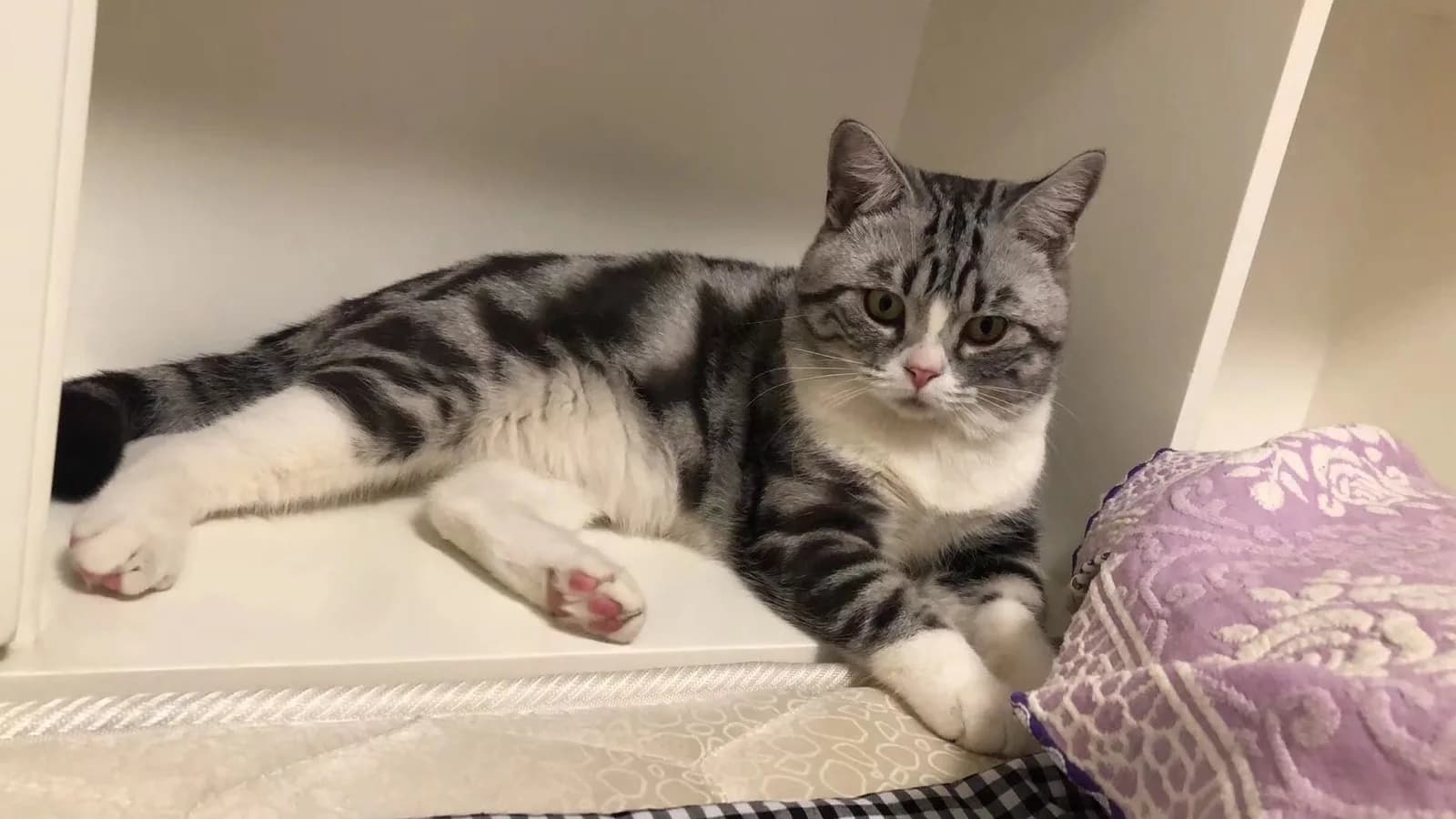
American Shorthair guide
American Shorthair Price: The Real Cards, and the Trap Around Them
Real rate cards from four named US catteries, why the $75 listings are not this breed, and the honest answer for UK, Canadian and Australian buyers.
Read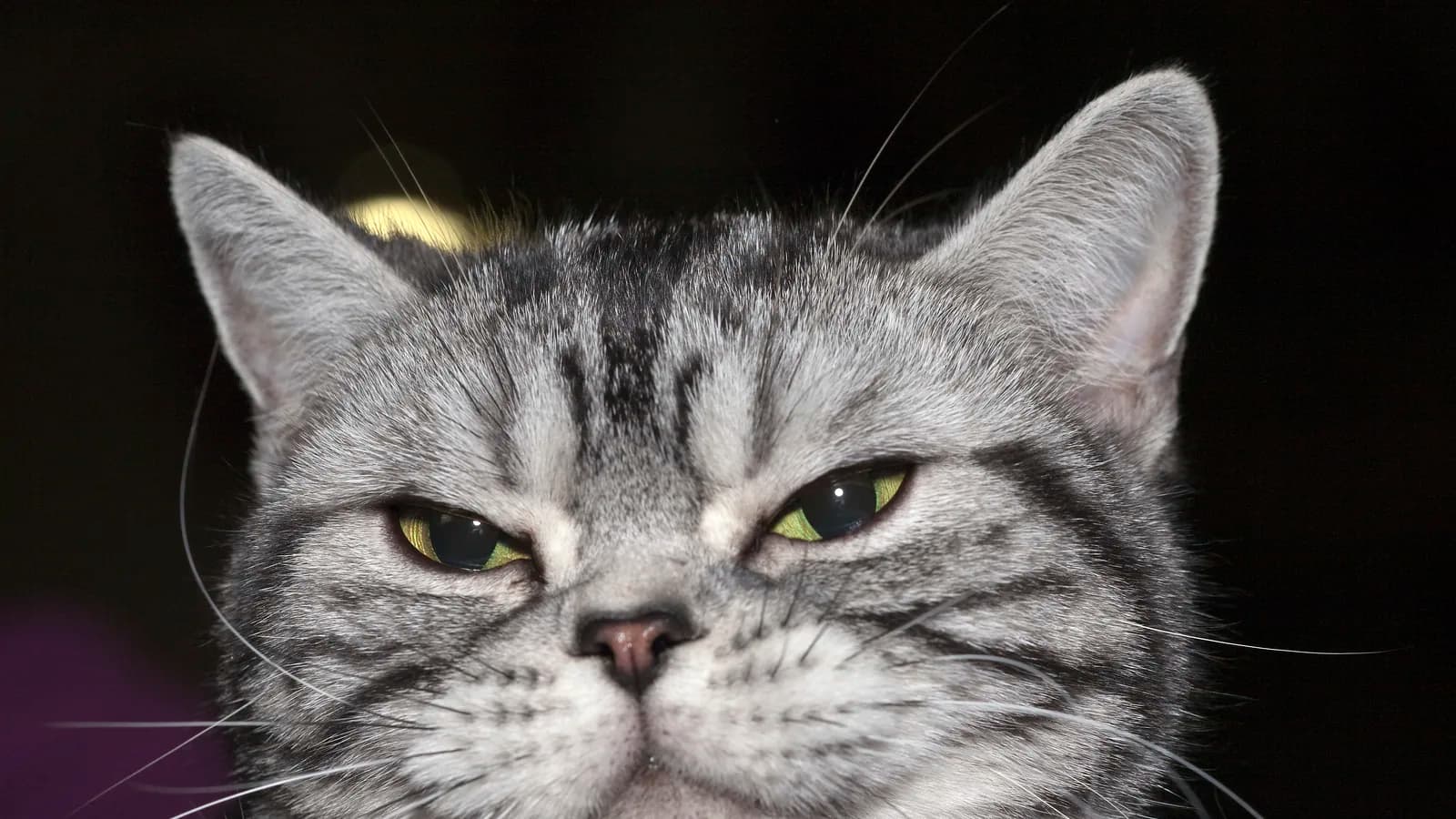
American Shorthair guide
American Shorthair vs British Shorthair: One Registry Already Answered
TICA's own standard names the British Shorthair to explain what the American is not. Head shapes, flagship colors, and GCCF's own advice for UK readers.
Read
The floor belongs to our members. Keep it kind, links are not allowed, and images go through moderation before anyone else sees them.