

Are Balinese Cats Hypoallergenic? The Claim Against the Evidence
No cat is allergen-free, and no study has ever measured Fel d 1 in the Balinese. What the single coat really does, what it does not do, and what to try before committing.

Published August 21, 2026 3 min read
Contents
The short answer, before anything else: no cat is hypoallergenic, the Balinese included. The major cat allergen, , is produced in a cat's salivary and skin glands and spread by grooming. The veterinary review literature states plainly that its production is not affected by hair length or coat type. A long-coated cat is not automatically worse for allergies. A "low-shedding" cat is not automatically better. The allergen is not the hair.
The short version
No cat is hypoallergenic, and no study has ever measured allergen levels in the Balinese. The single coat is a real grooming advantage, not an allergy guarantee.
What the science actually holds for this breed
For some breeds, at least a sliver of breed-specific research exists. For the Balinese there is none at all: a targeted search of the biomedical literature for any peer-reviewed measurement in this breed returns nothing. Every "the Balinese is hypoallergenic" claim you have read traces to breeder marketing and recycled listicles, not to a measured study. That is the same clean absence our research found for the Siamese, this breed's own closest relative. It is worth stating as the finding it is: the claim has never been tested, in either direction.
Our hypoallergenic cats page walks the full evidence ladder across every breed that carries the reputation; the Balinese sits in its largest tier, the breeds whose claim has simply never been measured.
What the single coat DOES do
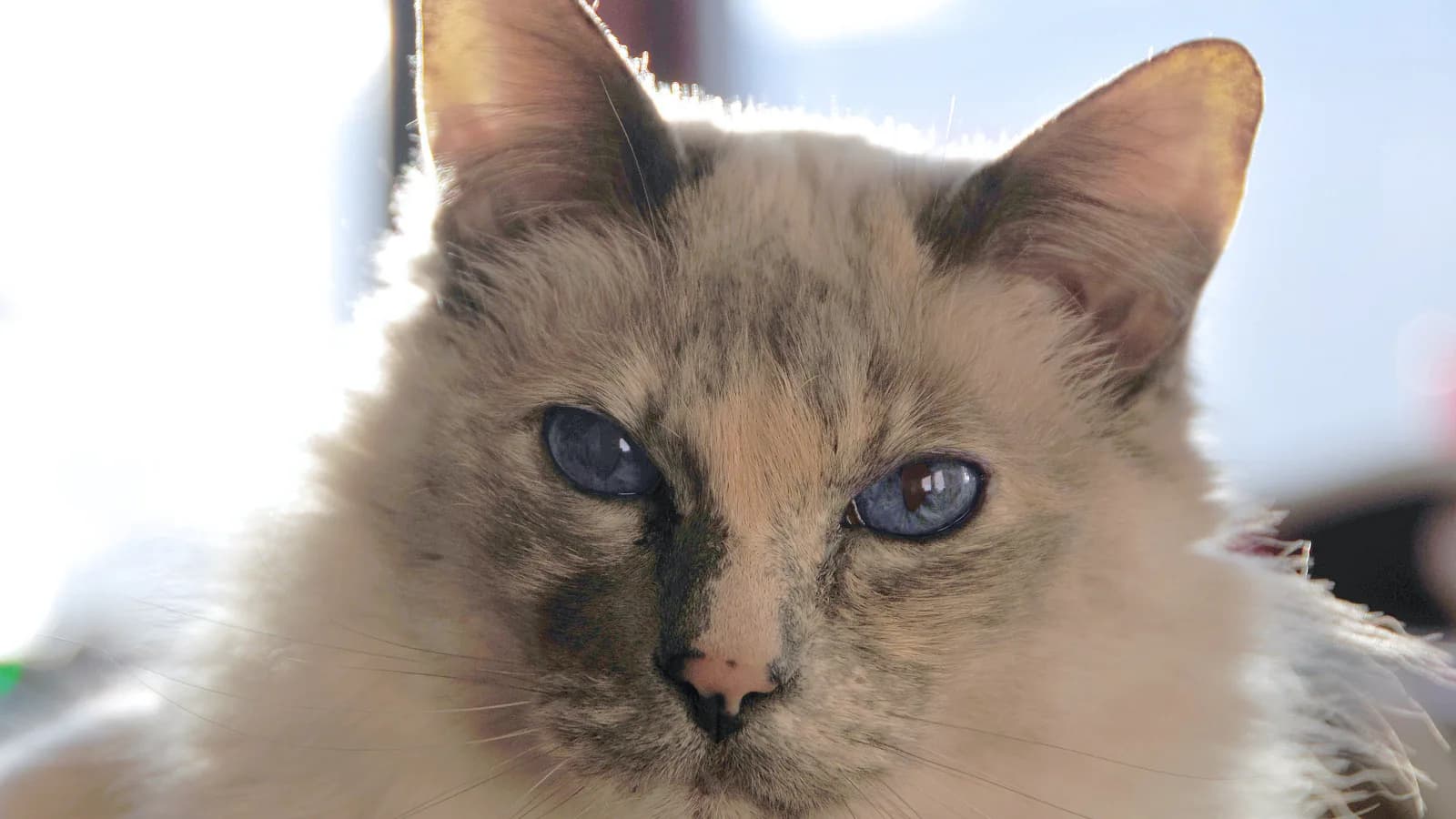
Here is the true fact hiding inside the myth, and it is a grooming fact, not an allergy fact. The Balinese wears a single, silky coat without a true undercoat. 's standard disqualifies a "definite double coat," 's standard of points says "without woolly undercoat," and 's says "without any undercoat." Less undercoat means less loose down working through your home. It also means notably less matting than most longhairs. If you want the flowing coat with the lightest grooming contract in the longhair world, that claim holds. It is simply a different claim from "safe for allergic households," and no registry document makes the second one.
If allergies are the deciding factor
The honest protocol does not change by breed. Spend real time with the specific cat you are considering, ideally several visits, before any commitment. Ask your allergist about testing before you fall in love. And treat any breeder's allergy guarantee as marketing until a study exists, because today none does. Allergic reactions are individual on both sides, human and cat, and a page cannot predict yours. Anything health-related about a cat already in your home, including a reaction you suspect it triggers, is a conversation for your doctor and your vet, not a webpage.
 The vet's take

Veterinary review
Are you a vet?
Your professional read belongs here: every verified practitioner can leave a note, published once our editors have reviewed it.
Sign in and get your license number verified. We check it in the public register, we never ask for or keep a copy of your diploma, and your number is never published.
Frequently asked questions
Are Balinese cats hypoallergenic?
No cat is: Fel d 1 is made in glands, not decided by coat, and no peer-reviewed study has ever measured allergen levels in the Balinese specifically. The claim is untested marketing, in either direction.
Do Balinese cats shed?
Less than most longhairs: the coat is single, without a true undercoat, per CFA's, GCCF's and ACF's own standards. That is a real grooming advantage and not an allergy statement.
Is the Balinese better than the Siamese for allergy sufferers?
No evidence supports ranking them: neither breed has a measured Fel d 1 study, and the allergen mechanism is identical. Our Balinese vs Siamese comparison covers what genuinely differs between them.
What should I do before adopting one if I have allergies?
Spend time with the actual cat, several visits if you can, and talk to your allergist first. No breed choice replaces that test, and no guarantee a seller offers is backed by published science.
 Community questions
Got a question this page doesn't cover? Ask it: the best ones get published here with their answer.
This is information, not veterinary advice, and it cannot tell you what is wrong with your cat. Our rule is a simple one: if something is wrong with your cat, call your vet, and call an emergency clinic if it is out of hours. Nothing you read here is a reason to wait.
Medical information applies to every reader. Prices, legal duties and common practice do not: unless stated otherwise, they are given for the United States, and they differ in the UK, Canada and Australia, and often between states or provinces. Check with your own vet and your own local authority.
Our sources
- Sparkes et al. 2021, Human allergy to cats: a review for veterinarians (J Feline Med Surg)
- Satyaraj et al. 2019, anti-Fel d 1 approaches (Immun Inflamm Dis): no Balinese measurement exists
- CFA Balinese standard (the definite-double-coat disqualification)
- GCCF: Balinese breed page
- TICA: Balinese breed page

Worth keeping a paw on
Pin this guide
So you can find it the day you need it, and share it with someone whose cat does the same thing. One click and it sits in your board.
Pin it on Pinterest
 Purr or Pass
The cat newsletter
Our verified guides, no spam. Unsubscribe in one click.
More Balinese guides
The Balinese profile →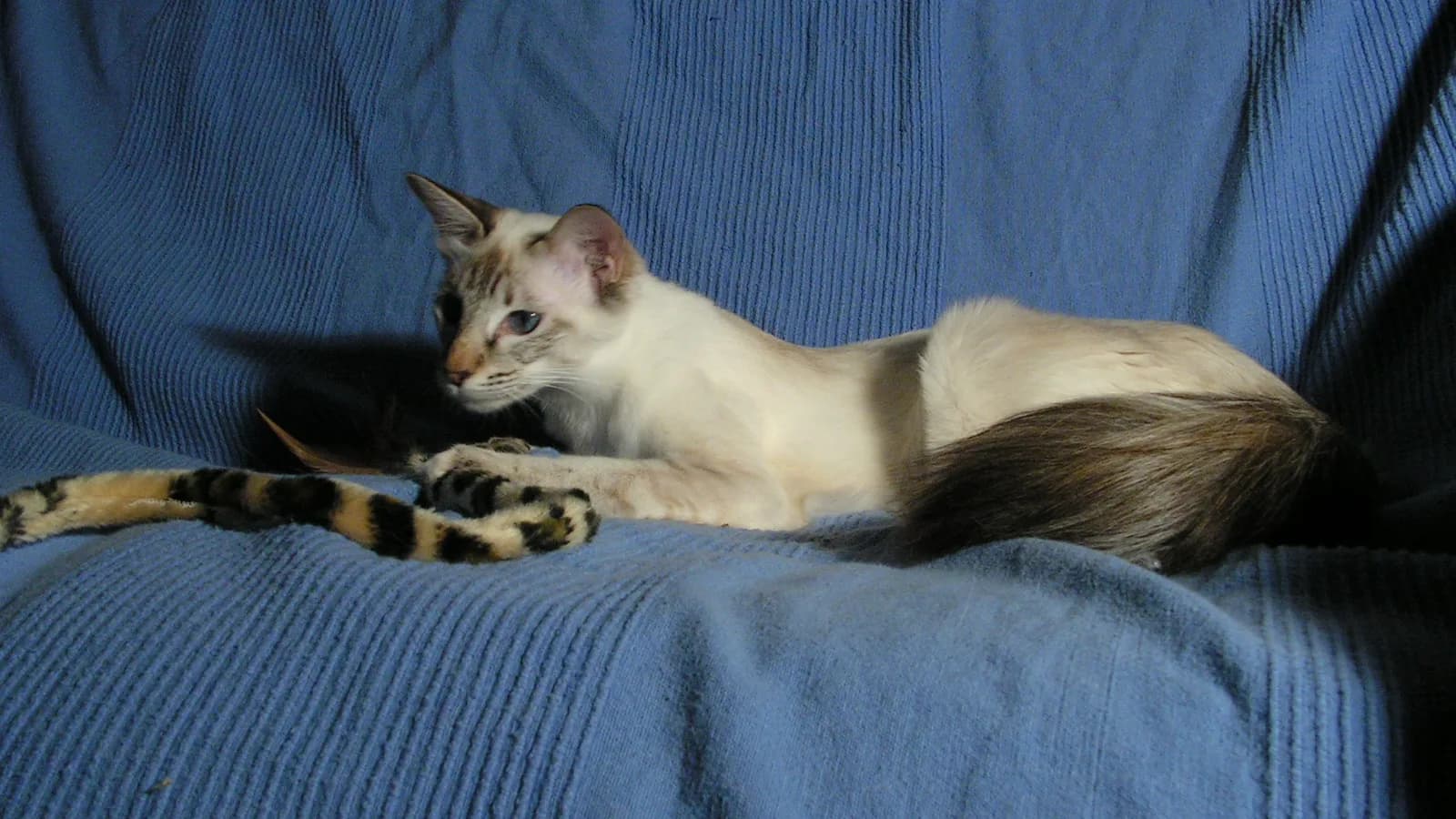
Balinese guide
The Javanese Cat: One Name, Two Entirely Different Cats
The Javanese is two different cats depending on the registry: CFA's extended-color Balinese division, or the Oriental Longhair under another name. Which is which, precisely.
Read
Balinese guide
Balinese Cat Price: What the Market Actually Charges, Market by Market
What a Balinese kitten actually costs: named US catteries from $400 to $2,500, the UK's one operator with three disagreeing figures, Canada's shared-list pattern, and Australia's honest gap.
Read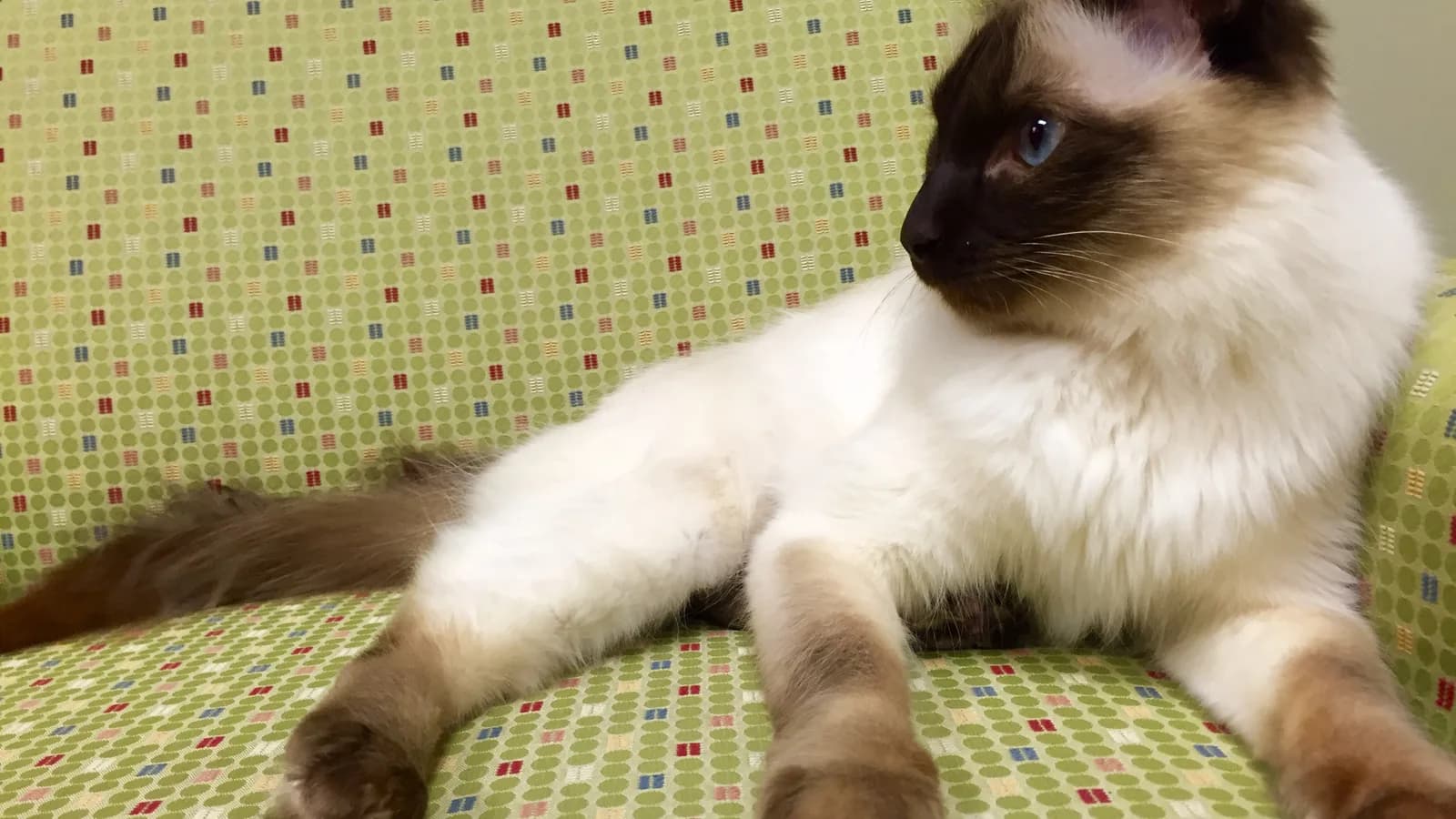
Balinese guide
Balinese vs Siamese: One Family, and What Actually Differs
Same family, one honest comparison: the coat, the volume dial, the weight figures the registries disagree on, and a genuine health divergence no flattened comparison mentions.
Read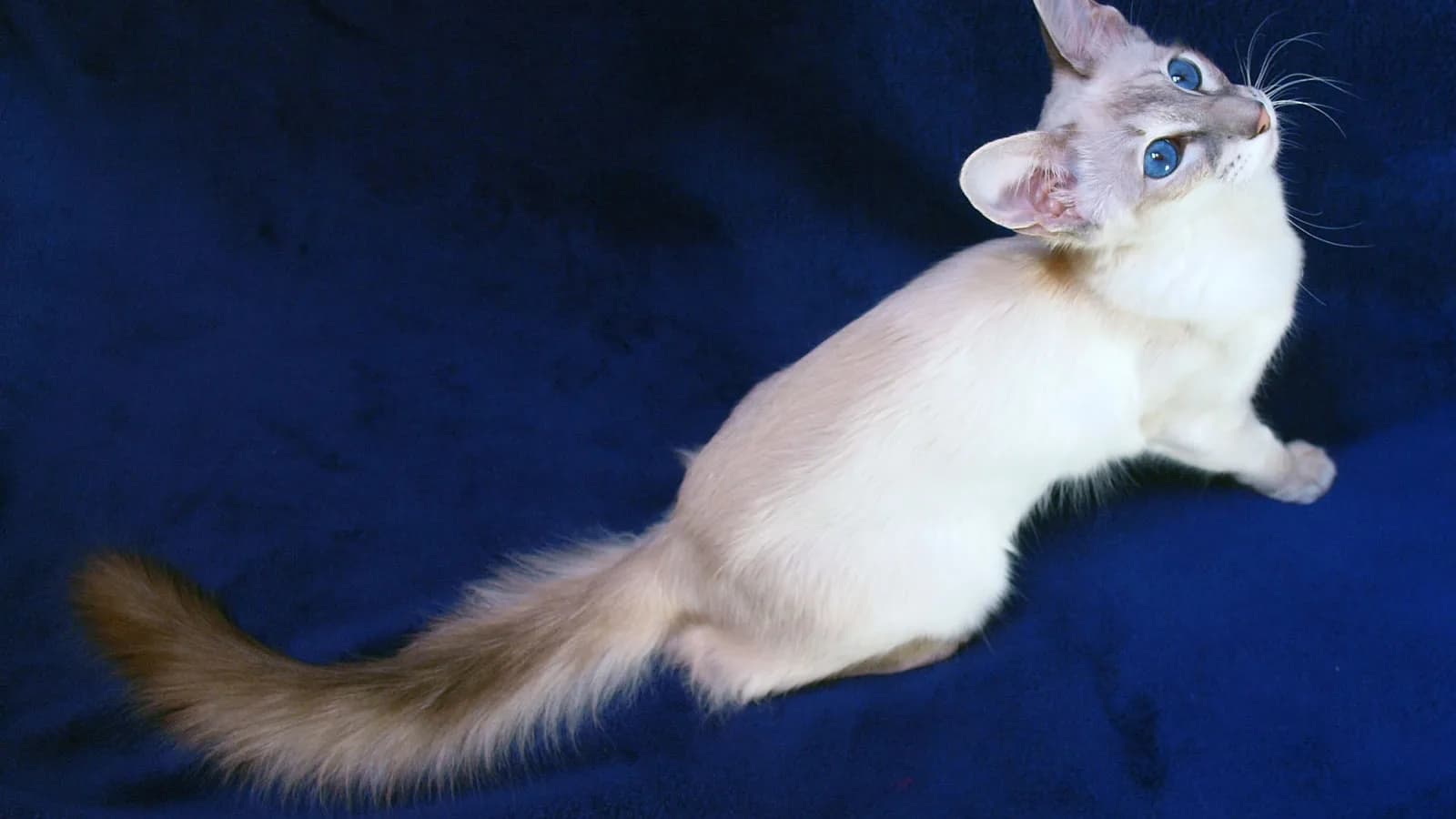
Balinese guide
Balinese Cat Colors: The Four Classics, and Five Registries That Count Differently
The Balinese color chart, honestly: the four classic points, the extended colors, and five registries giving three genuinely different answers to how many colors there are.
Read
The floor belongs to our members. Keep it kind, links are not allowed, and images go through moderation before anyone else sees them.