

Ocicat Colors: Twelve Coats, One Spotted Rule, and a British Surprise
The Ocicat's twelve colors, the four-way naming split between registries, why red and cream are banned five ways, and the UK's surprise: the classic-tabby Ocicat is a separate breed.

Published August 21, 2026 4 min read
Contents
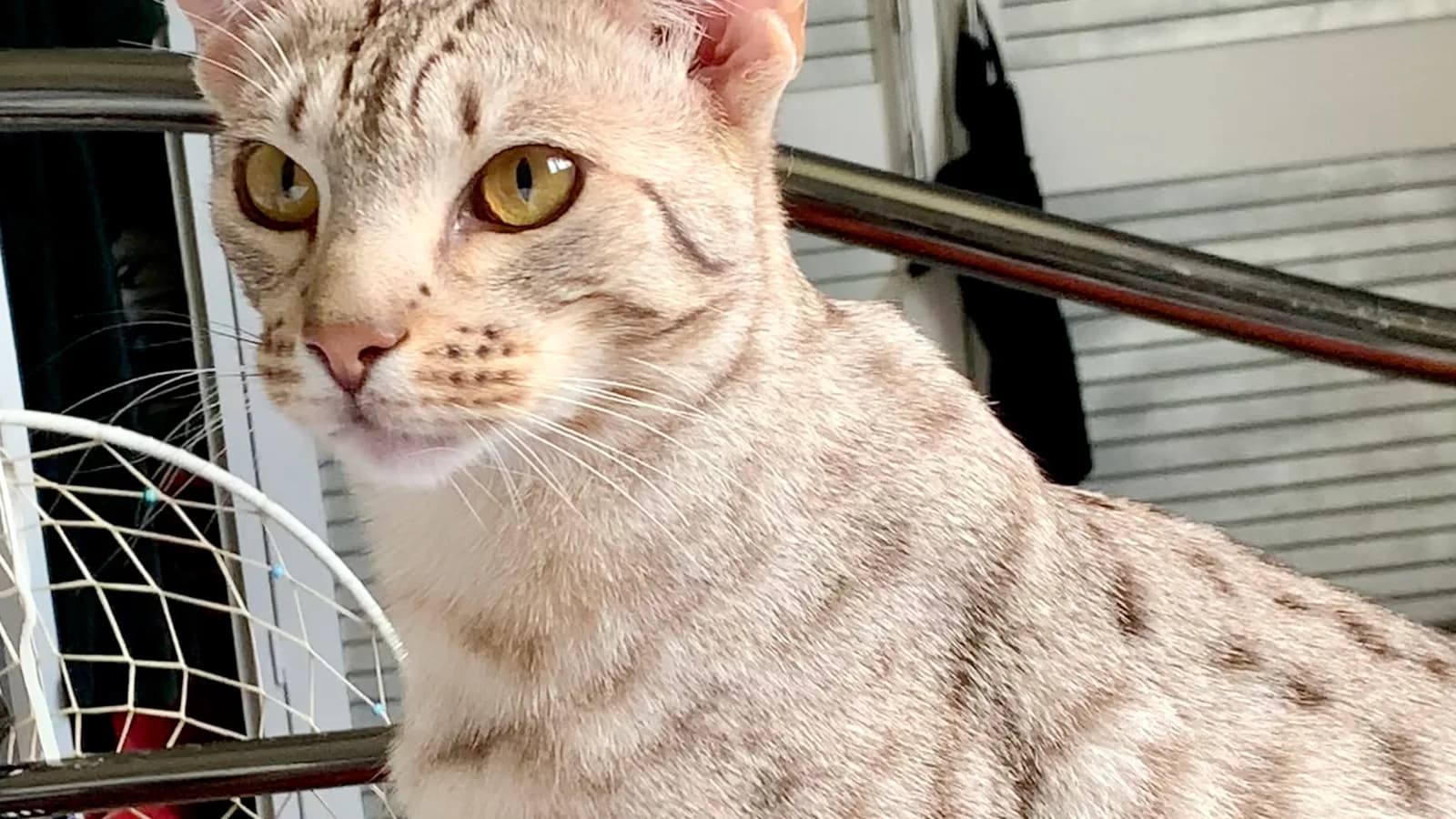
The Ocicat's chart is tidy on the surface: six base colors, each also available silvered, twelve coats in all, every one of them spotted. Underneath sit three genuinely good stories almost no color page tells. The registries cannot agree what to CALL two of the bases. Red and cream are banned by five registries for one shared genetic reason. And in Britain, the classic-tabby version is not a color class at all but a whole separate registered breed.
The twelve, and the naming split
The six bases: tawny (the founding brown-spotted look), chocolate, cinnamon, blue, lavender and fawn; add silver to each and the chart is complete. The naming split is real and citable, not a typo. What calls Lavender, calls Lilac. What one standard files as Ebony Silver, another calls Black Silver. And TICA's own chart carries the outlier label "Brown (Black)" for the tawny family. Registering the same cat in two registries can genuinely mean two color names on two documents.
Chocolate silver: the market's favorite, honestly labeled
`Chocolate-silver` is the single most searched Ocicat color, and here is the honest sentence behind the demand: no registry gives it any special status, and no color carries a registry-recognized premium (the price page has the market's real numbers). It is simply a spectacular coat, dark spots on cool silver. Popularity is allowed to be its own explanation.
How the spots are built
Every standard describes the same mechanism. The Ocicat is genetically an (banded-hair) : each hair carries multiple bands of color, with the spots formed where banding gives way to solid pigment. The correct term is "agouti and spotted": never "," which names a different, excluded pattern in this breed's own rulebooks. The spots themselves are thumbprint-shaped and solid, never a rosette with a lighter center and never a hollow ring. That is one of the fastest visual checks against the Bengal.
Why there is no red Ocicat
Five registries converge on the same exclusion: no red, no cream, no tortoiseshell, and their own documents share the genetic reasoning. Those colors ride the sex-linked O gene. It overrides the black-based pigments the Ocicat's chart is built on, and disrupts the clean spotted contrast the standards demand. It is the rare ban with a stated mechanism. The five-way agreement makes it one of the best-corroborated facts in the breed's file.
Britain's structural surprise: the Ocicat Classic
Elsewhere, a classic (marbled) tabby pattern in an Ocicat litter is simply outside the standard. took another route entirely. The Ocicat Classic is a FULL separate registered breed, championship-eligible, with its own standard of points. GCCF's registration paperwork even carries an overstamp mechanic, "Carries the Classic Pattern Gene," for spotted Ocicats that can produce Classic kittens. (For a few years the variant was even named the "Aztec," a chapter of registry history the pillar's story covers.) No other registry does anything like it, and no competitor color page we found states it.
 The vet's take

Veterinary review
Are you a vet?
Your professional read belongs here: every verified practitioner can leave a note, published once our editors have reviewed it.
Sign in and get your license number verified. We check it in the public register, we never ask for or keep a copy of your diploma, and your number is never published.
Frequently asked questions
What colors do Ocicats come in?
Twelve: tawny, chocolate, cinnamon, blue, lavender and fawn, each also available with silver. Every one is spotted; the pattern is the breed.
What is the rarest Ocicat color?
No registry publishes color-by-color registration counts, so honest ranking is impossible. The most SEARCHED color is chocolate silver, which carries no registry premium.
Why are there no red or cream Ocicats?
Five registries exclude red, cream and tortoiseshell for a shared, stated genetic reason: those colors ride the sex-linked O gene, which overrides the black-based palette and spoils the spotted contrast the standards demand.
Can an Ocicat be a classic (marbled) tabby?
Genetically yes, and in Britain that cat is its own registered breed, the Ocicat Classic, with its own standard. Elsewhere the pattern falls outside the Ocicat standard.
Do Ocicat colors affect price?
No registry recognizes any color premium, and the named catteries on our price page structure their prices by pet-versus-show quality, not by color.
 Community questions
Got a question this page doesn't cover? Ask it: the best ones get published here with their answer.
This is information, not veterinary advice, and it cannot tell you what is wrong with your cat. Our rule is a simple one: if something is wrong with your cat, call your vet, and call an emergency clinic if it is out of hours. Nothing you read here is a reason to wait.
Medical information applies to every reader. Prices, legal duties and common practice do not: unless stated otherwise, they are given for the United States, and they differ in the UK, Canada and Australia, and often between states or provinces. Check with your own vet and your own local authority.
Our sources
- TICA: Ocicat breed page (the color chart, incl. the Brown (Black) outlier label)
- CFA: Ocicat breed page
- GCCF: Ocicat breed page (the Ocicat Classic as a separate breed)
- GCCF Ocicat registration policy 2024 (PDF, the Classic overstamp mechanic)
- GCCF Ocicat & Aztec breeding policy (PDF, the Aztec naming history)
- ACF Ocicat standard (PDF, 2020)
- CCA-AFC Ocicat standard (PDF)

Worth keeping a paw on
Pin this guide
So you can find it the day you need it, and share it with someone whose cat does the same thing. One click and it sits in your board.
Pin it on Pinterest
 Purr or Pass
The cat newsletter
Our verified guides, no spam. Unsubscribe in one click.
More Ocicat guides
The Ocicat profile →
Ocicat guide
Ocicat vs Ocelot: The Wild Lookalike With Zero Wild DNA
Yes, there is a domestic cat that looks like an ocelot: the Ocicat, with no wild ancestry at all. And the reason no ocelot hybrid has ever existed is a chromosome count.
Read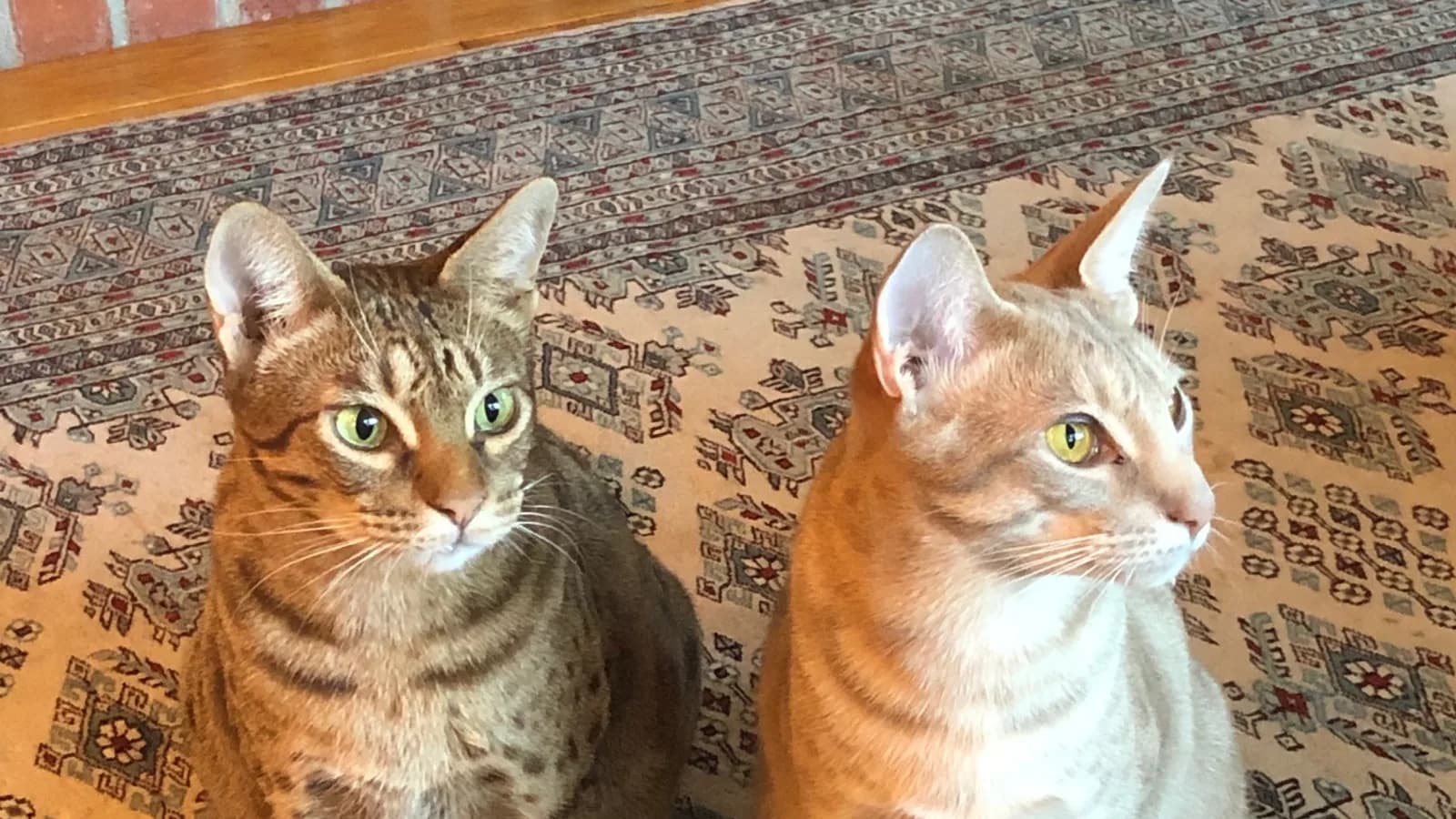
Ocicat guide
Ocicat Price and Breeders: What Four Markets Actually Charge
Ocicat prices from named catteries: $700 to $1,700 across four US states, Britain's waiting-list market, Canada's one cattery at CA$2,500, and Australia's two named breeders.
Read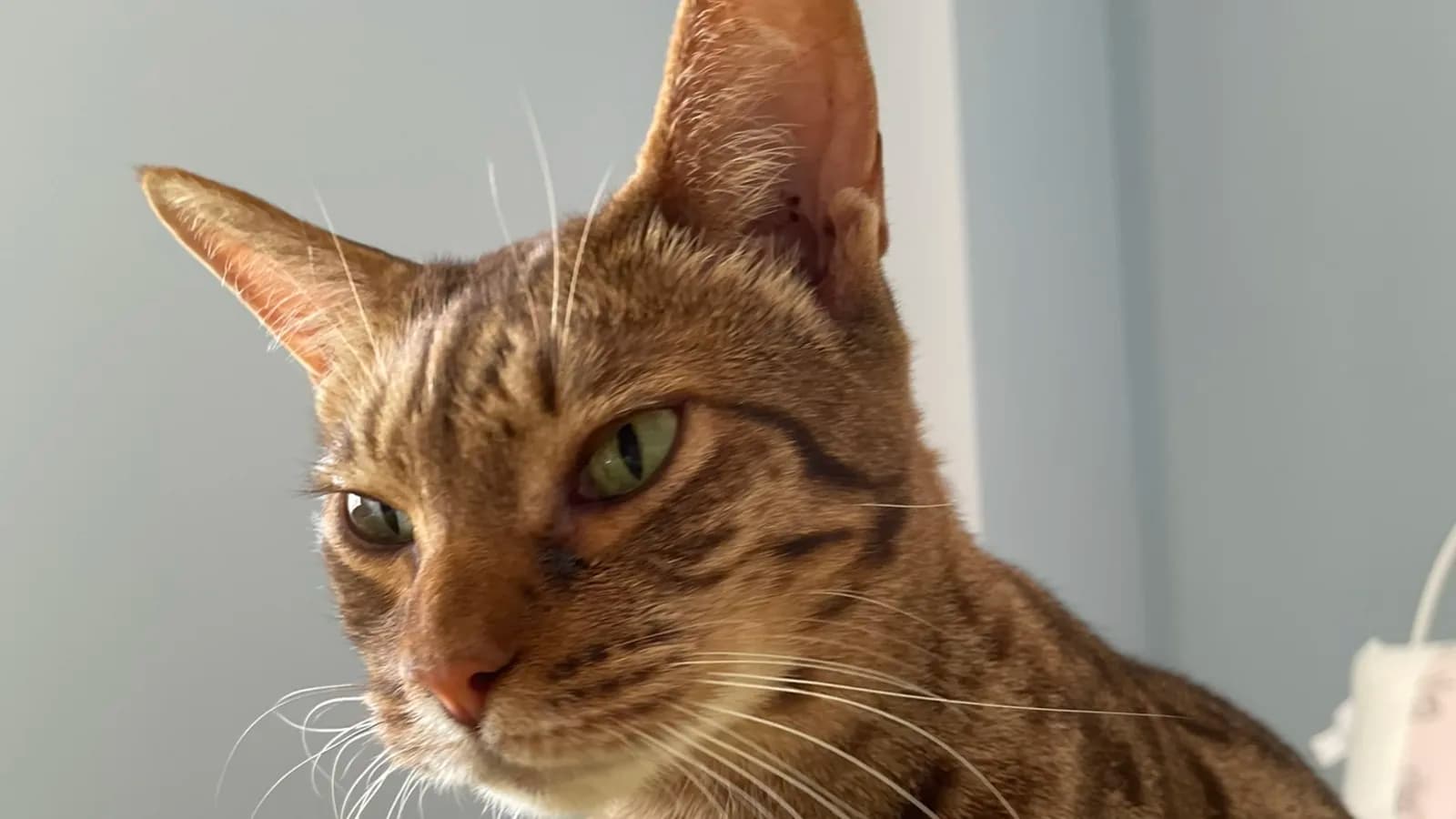
Ocicat guide
Ocicat vs Bengal: Two Wild Looks, Only One Wild Pedigree
Both wear the jungle; only one carries it. The Ocicat has zero wild ancestry, the Bengal a real leopard-cat founder, and that difference decides the law, the spots and the history.
Read
The floor belongs to our members. Keep it kind, links are not allowed, and images go through moderation before anyone else sees them.