

Devon Rex Colors: The Registries Wrote a Blank Cheque
TICA says all, CFA says any genetically possible color, GCCF scores color at zero points. Why the Devon Rex palette is wide open, and what is actually judged instead.

Published August 21, 2026 3 min read
Contents
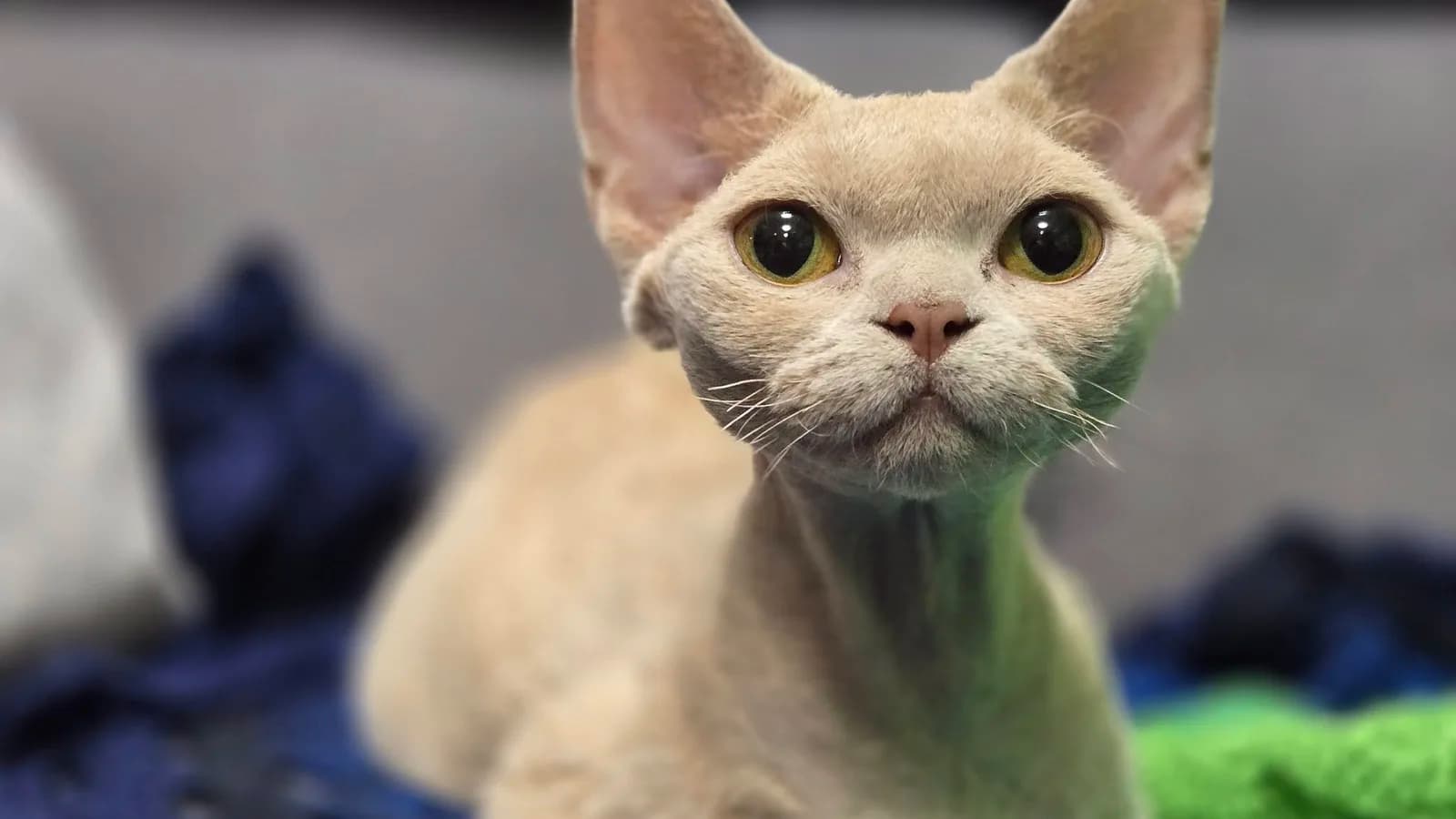
Most breed color pages are lists of what is allowed. This breed's five registry documents agree on something rarer: essentially everything is. 's standard states its colors in one word: "All." accepts "any genetically possible color and pattern." 's Standard of Points goes furthest of any registry document we have read on this site: color carries NO points at all in judging. admits "all colours and patterns." And Australia's allows all colors with exactly ONE named exception, amber (the same single exclusion its Munchkin standard carries). Among every breed researched on this site so far, only the Munchkin matches this openness.
What gets judged instead: the coat itself
If color scores nothing, what does? Texture. The wave, the coverage and the condition of the rexed coat carry the points. The standards are specific that BALDNESS or bare patches are judged as a coat-texture fault at and , never as a color problem. A reader searching "Devon Rex colors" because their cat has thin patches is really asking a coat question. The answer lives in the breed's KRT71 coat genetics on the profile, not in any color rule.
The eye-color footnote
states no eye-color disqualification at all for this breed. and both disqualify blue or odd eyes, but only on a cat that is not white, , or pointed, where those eyes belong genetically. In practice: eye color follows coat genetics, and no registry polices it beyond that.
The palette in practice
Solids (white through black), every dilute, and calico mosaics, tabby in all its patterns, bicolours, smoke and shaded coats, and the pointed series (yes, a colourpoint Devon Rex is legal everywhere we read): the palette is the whole feline deck expressed on a wavy coat.
One US breeder's own estimate puts it at "about 1,900 different colors and patterns." That is a breeder's arithmetic, and we pass it on as such, since no registry counts. And no registry publishes a rarity ranking of Devon Rex colors: we checked all five documents directly. Where the internet says a color is "rare," ask for the source; our black Devon Rex page takes the biggest such claim apart.
Color and money
No named cattery in any of our four markets with an explicit color policy charges by color. Two US catteries and one Australian cattery state FLAT prices in their own words. The Australian one explicitly declines premiums for blue eyes, points, lilac, cinnamon or white. That is the opposite of the color-tiered rate cards we found on Bengal and Persian: the price page carries the details.
Five registries on one card
| Registry | Its color rule, in its own register |
|---|---|
| COLORS: All | |
| Any genetically possible color and pattern | |
| Color carries NO points in judging (the most permissive statement we have read) | |
| All colors and patterns | |
| All colors allowed, ONE named exception: amber |
 The vet's take

Veterinary review
Are you a vet?
Your professional read belongs here: every verified practitioner can leave a note, published once our editors have reviewed it.
Sign in and get your license number verified. We check it in the public register, we never ask for or keep a copy of your diploma, and your number is never published.
Frequently asked questions
What colors do Devon Rex cats come in?
Effectively all of them: TICA says "All," CFA "any genetically possible color and pattern," GCCF scores color at zero points, CCA-AFC admits everything, and ACF names one single exclusion (amber). Solids, torties, tabbies, bicolours, smokes and points all show legally.
Are any Devon Rex colors rare?
No registry publishes a rarity ranking: we checked all five documents. The most-searched "rare" claim (black and white) is contradicted by CFA's own show results.
Do Devon Rex colors affect price?
Not at any named cattery we read with a stated color policy: flat pricing in the US and Australia, in the breeders' own words.
Why does my Devon Rex have bare patches?
That is a coat-texture question, not a color one: thin coverage is judged as a texture fault and traces to the breed's KRT71 coat genetics. A sudden coat CHANGE, though, is a vet question.
 Community questions
Got a question this page doesn't cover? Ask it: the best ones get published here with their answer.
This is information, not veterinary advice, and it cannot tell you what is wrong with your cat. Our rule is a simple one: if something is wrong with your cat, call your vet, and call an emergency clinic if it is out of hours. Nothing you read here is a reason to wait.
Medical information applies to every reader. Prices, legal duties and common practice do not: unless stated otherwise, they are given for the United States, and they differ in the UK, Canada and Australia, and often between states or provinces. Check with your own vet and your own local authority.
Our sources

Worth keeping a paw on
Pin this guide
So you can find it the day you need it, and share it with someone whose cat does the same thing. One click and it sits in your board.
Pin it on Pinterest
 Purr or Pass
The cat newsletter
Our verified guides, no spam. Unsubscribe in one click.
More Devon Rex guides
The Devon Rex profile →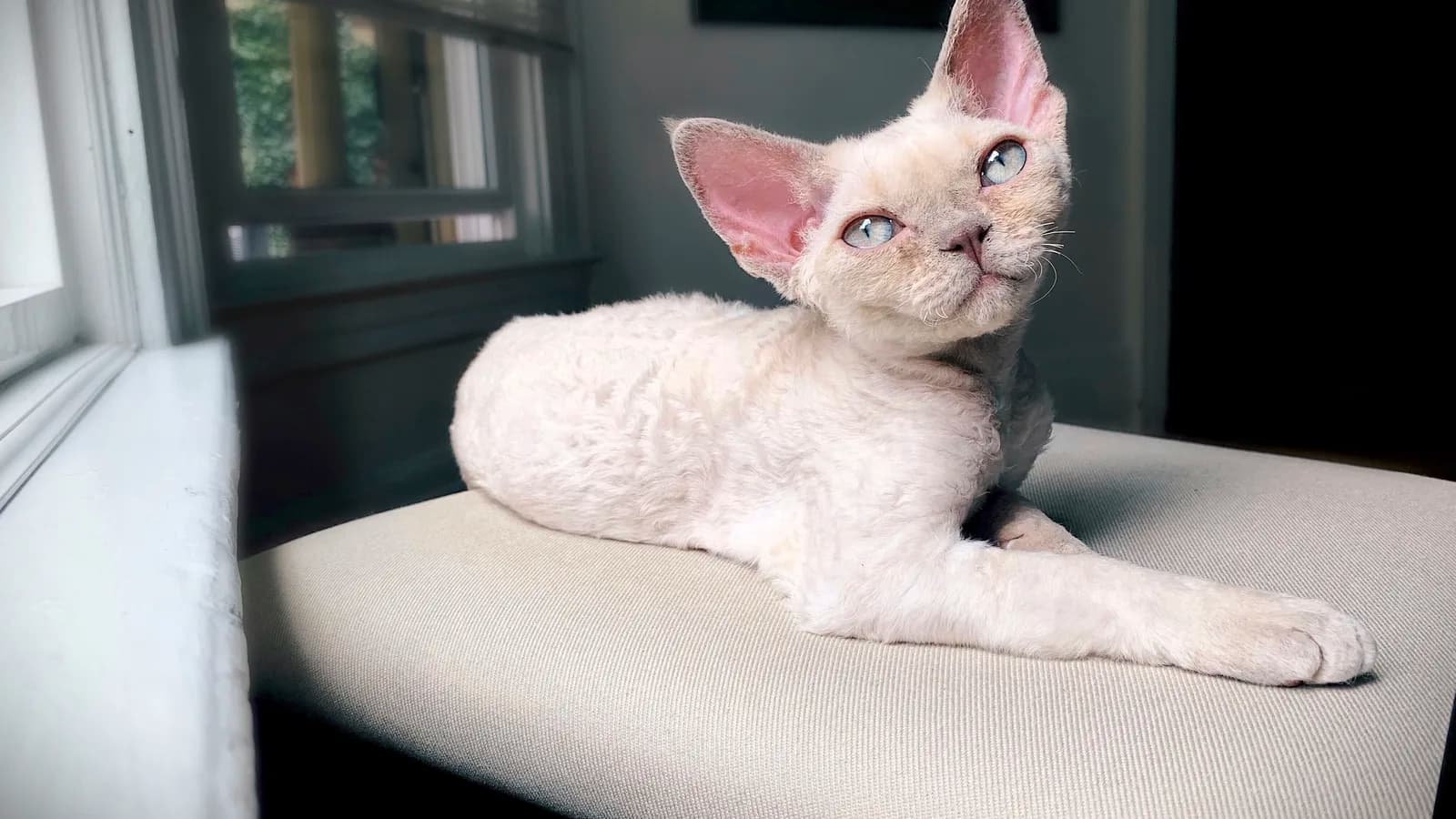
Devon Rex guide
Devon Rex Price: What the Sellers Actually Publish
US named catteries cluster $2,700-3,700 flat, the UK's live listings beat the guide figures, Canada publishes deposits but never totals, and Australia splits $1,450 against $2,800.
Read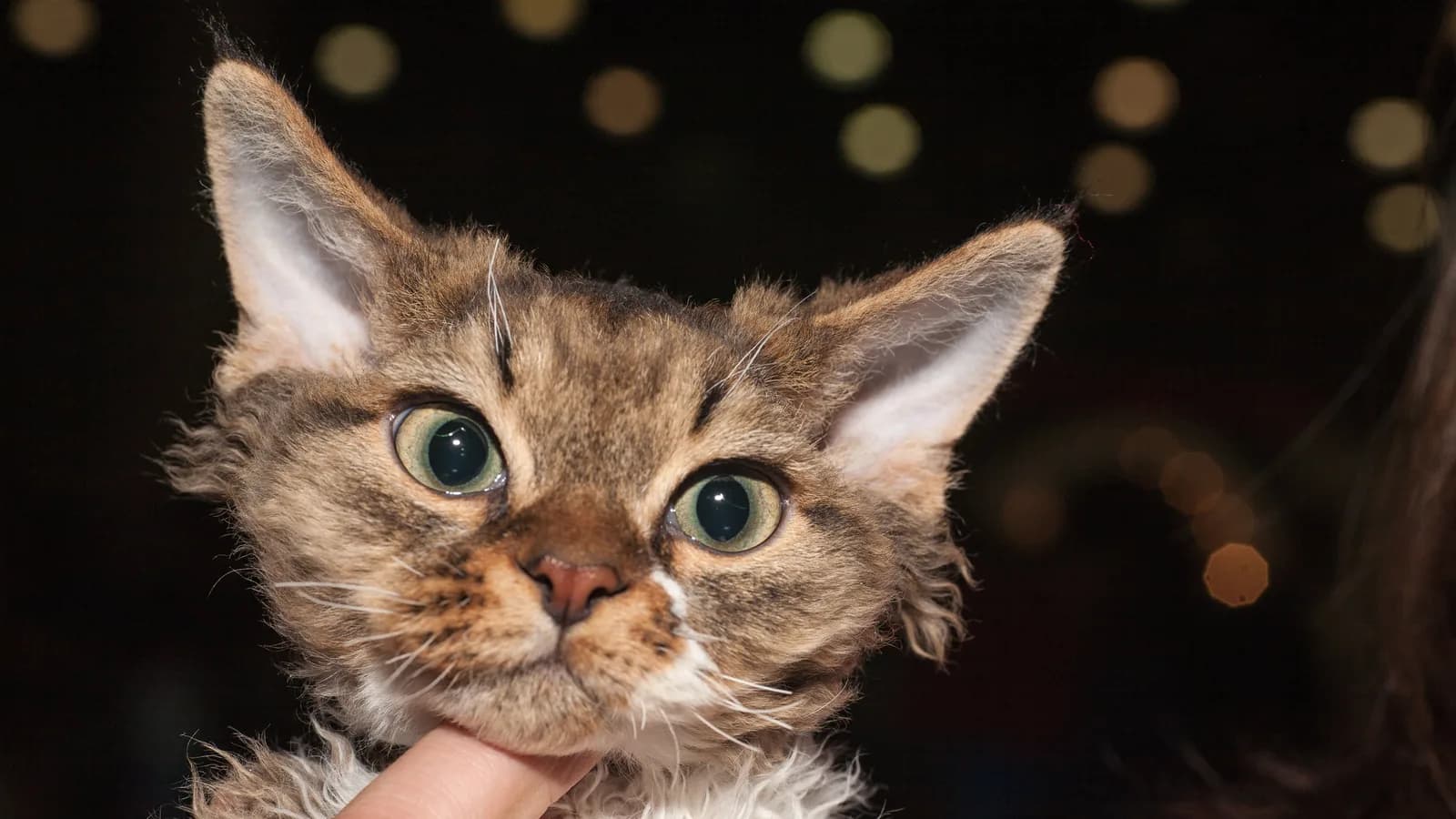
Devon Rex guide
Devon Rex Breeders: One Breed, Five Rulebooks
Five registries, five different outcross policies, one reasoned ban, and the two questions that sort Devon Rex breeders: the COLQ test and blood typing.
Read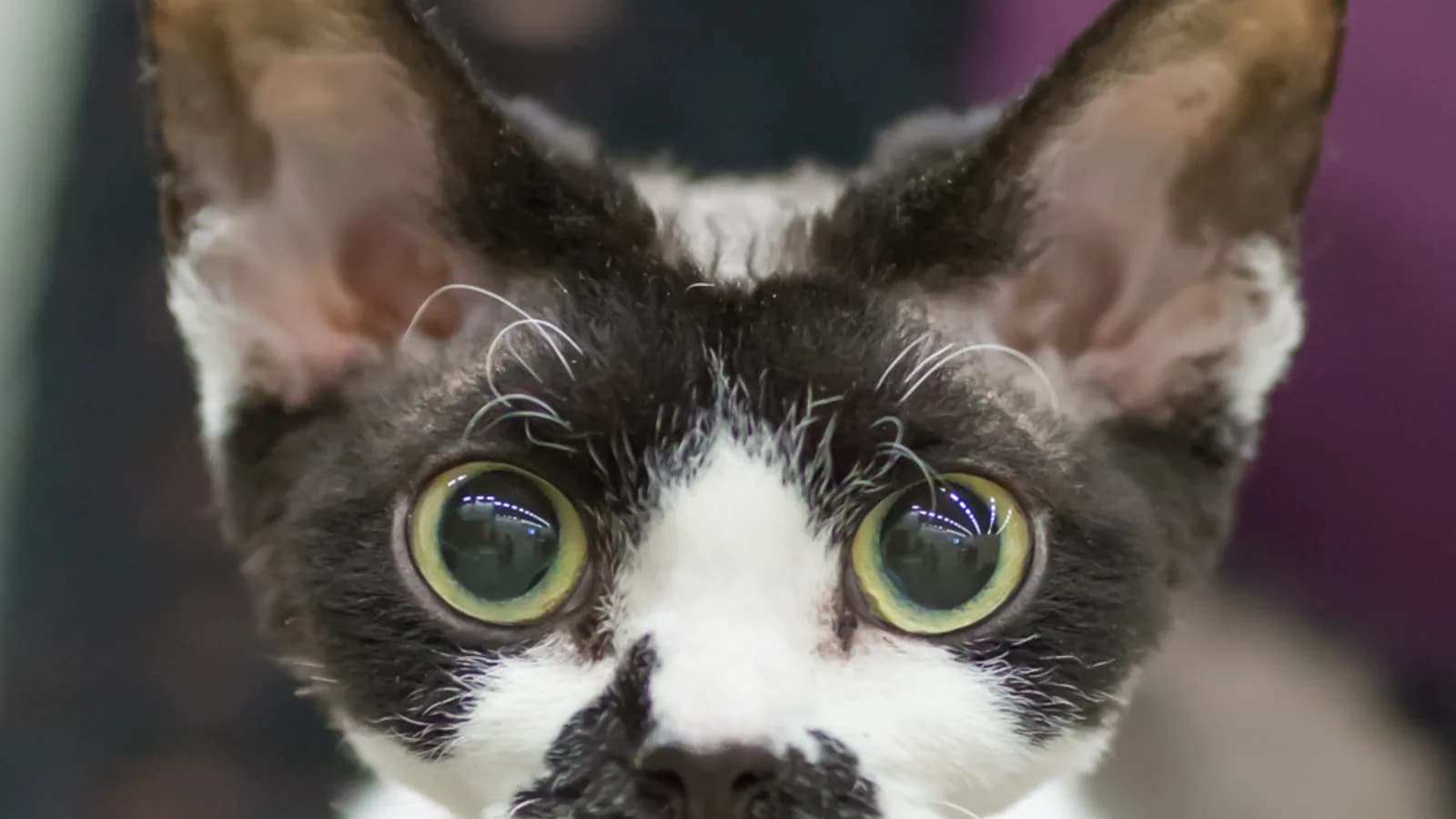
Devon Rex guide
Black Devon Rex: The "Rare" Color That Keeps Winning Shows
The internet sells black-and-white Devon Rex as rare. CFA's own show results say otherwise, eight seasons running: the receipts, and the breed's dark-coated founder.
Read
Devon Rex guide
Are Devon Rex Cats Hypoallergenic? No, Say the People Who Register Them
TICA, GCCF and CFA all deny it in their own words. What the low-shedding coat actually changes, what nobody has measured, and the 24-hour test the registries themselves recommend.
Read
The floor belongs to our members. Keep it kind, links are not allowed, and images go through moderation before anyone else sees them.