

Are Cornish Rex Cats Hypoallergenic? The Honest Answer
No cat is hypoallergenic, and no study has measured the Cornish Rex's allergen levels. What the curly coat actually changes, and the yeast myth the science reverses.

Published August 21, 2026 4 min read
Contents
Short version: no cat is hypoallergenic, the Cornish Rex included, and nobody has ever measured this breed's allergen output. What the breed actually offers allergy-prone homes is a different, humbler thing: a coat that drops less hair around the house. Here is the honest version of the whole story, including one piece of Cornish Rex science that says the opposite of what the folklore predicts.
The allergen is not the hair
Cat allergy is a protein story: , made in the skin and saliva of every cat, curly, straight or bald. A low-shedding coat spreads less allergen-carrying hair around your home, which some allergic owners find makes a practical difference; it does not make the cat's allergen go away. And the specific measurement you would want, Fel d 1 levels in Cornish Rex compared with other cats, does not exist: our sweep found no Cornish-Rex-specific allergen study anywhere. Every site answering "yes, hypoallergenic!" is answering without data, because there is none.
What the curly coat really changes
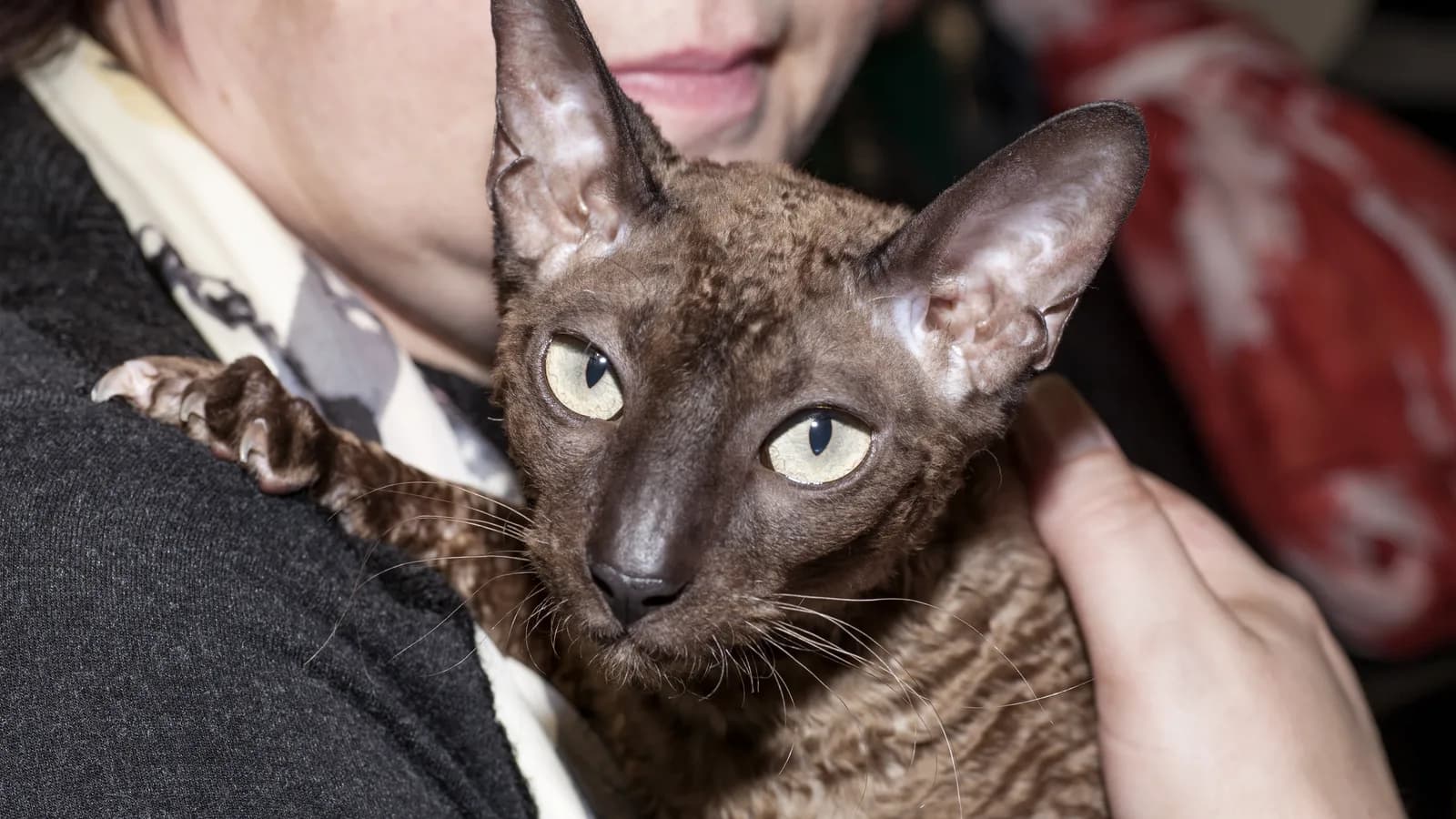
The Cornish Rex coat is genuinely unusual, and the mechanism is known precisely: a mutation in the LPAR6 gene leaves the breed's coat without normal guard hairs, the stiff outer layer most cats carry. What remains is the soft, marcel-waved undercoat the breed is famous for: less hair mass, shed in smaller amounts. For an allergic household that reacts mostly to hair-borne dander around the home, that can be a real, manageable difference. For one that reacts to the cat herself, on contact, in the lap, it usually is not: the protein is still there, made at full strength.
The greasy-rex myth runs backwards on this breed
Bond 2008: the LOW-yeast rex
the everyday baseline
the breed the stereotype actually fits
Folklore says rex coats are greasy, yeasty, problem skin. For the Cornish Rex the one measured study says the opposite: a 2008 survey cultured Malassezia yeast (the skin yeast behind that theory) from only 39 percent of Cornish Rex, statistically comparable to ordinary domestic shorthairs at 50 percent, and far below the Devon Rex's 90 percent. The Cornish Rex is NOT the yeasty rex of the stereotype, and its skin file is closer to an ordinary cat's than to its Devon cousin's. If you are choosing between the two rex breeds partly on skin-maintenance grounds, this is the measured fact to know, and almost no competing page carries it.
An honest protocol for allergic homes
The advice every allergist and cattery agrees on: spend real time with the actual cat before committing, ideally more than once, since individual reactions vary hugely cat to cat. Keep the bedroom cat-free, filter the air, wash hands after handling. And treat any breeder marketing "hypoallergenic Cornish Rex kittens" as making a claim no study supports: the breed's own honest pitch, less shed hair, is good enough not to need inflating. If your allergy is severe, talk to your doctor before any cat, this breed included: nothing on this page measures your immune system.
 The vet's take

Veterinary review
Are you a vet?
Your professional read belongs here: every verified practitioner can leave a note, published once our editors have reviewed it.
Sign in and get your license number verified. We check it in the public register, we never ask for or keep a copy of your diploma, and your number is never published.
Frequently asked questions
Are Cornish Rex cats hypoallergenic?
No cat is, and no study has measured Fel d 1 in this breed at all. The Cornish Rex sheds less hair than most cats, which some allergic owners find helps in practice; the allergen itself is produced normally.
Do Cornish Rex cats shed?
Yes, less than most: the LPAR6 mutation removes the guard-hair layer, so there is simply less coat to drop, and what sheds is the fine wavy undercoat. Less is not none.
Are Cornish Rex good for allergy sufferers?
Sometimes, individually: homes that react to hair and dander spread may notice a difference; contact allergies usually persist. Spend time with the specific cat before deciding, and involve your doctor if the allergy is serious.
Is the Cornish Rex coat greasy or yeasty?
The measured answer is no: 39 percent Malassezia carriage in the one study, comparable to ordinary shorthairs (50 percent) and far below the Devon Rex (90 percent). The greasy-rex stereotype does not fit this breed.
 Community questions
Got a question this page doesn't cover? Ask it: the best ones get published here with their answer.
This is information, not veterinary advice, and it cannot tell you what is wrong with your cat. Our rule is a simple one: if something is wrong with your cat, call your vet, and call an emergency clinic if it is out of hours. Nothing you read here is a reason to wait.
Medical information applies to every reader. Prices, legal duties and common practice do not: unless stated otherwise, they are given for the United States, and they differ in the UK, Canada and Australia, and often between states or provinces. Check with your own vet and your own local authority.
Our sources

Worth keeping a paw on
Pin this guide
So you can find it the day you need it, and share it with someone whose cat does the same thing. One click and it sits in your board.
Pin it on Pinterest
 Purr or Pass
The cat newsletter
Our verified guides, no spam. Unsubscribe in one click.
More Cornish Rex guides
The Cornish Rex profile →
Cornish Rex guide
Cornish Rex Kittens for Sale: What They Cost in Four Markets
What a Cornish Rex actually costs in the US, UK, Canada and Australia, from named catteries and live listings: flat prices, tiered prices, and one market that publishes none at all.
Read
Cornish Rex guide
Cornish Rex vs Devon Rex: Two Curls That Are Not Related
The two curly Rex breeds are not genetic siblings: different genes, different mechanisms, proven twice since 1961. What the standards themselves prioritize, and which cat fits which home.
Read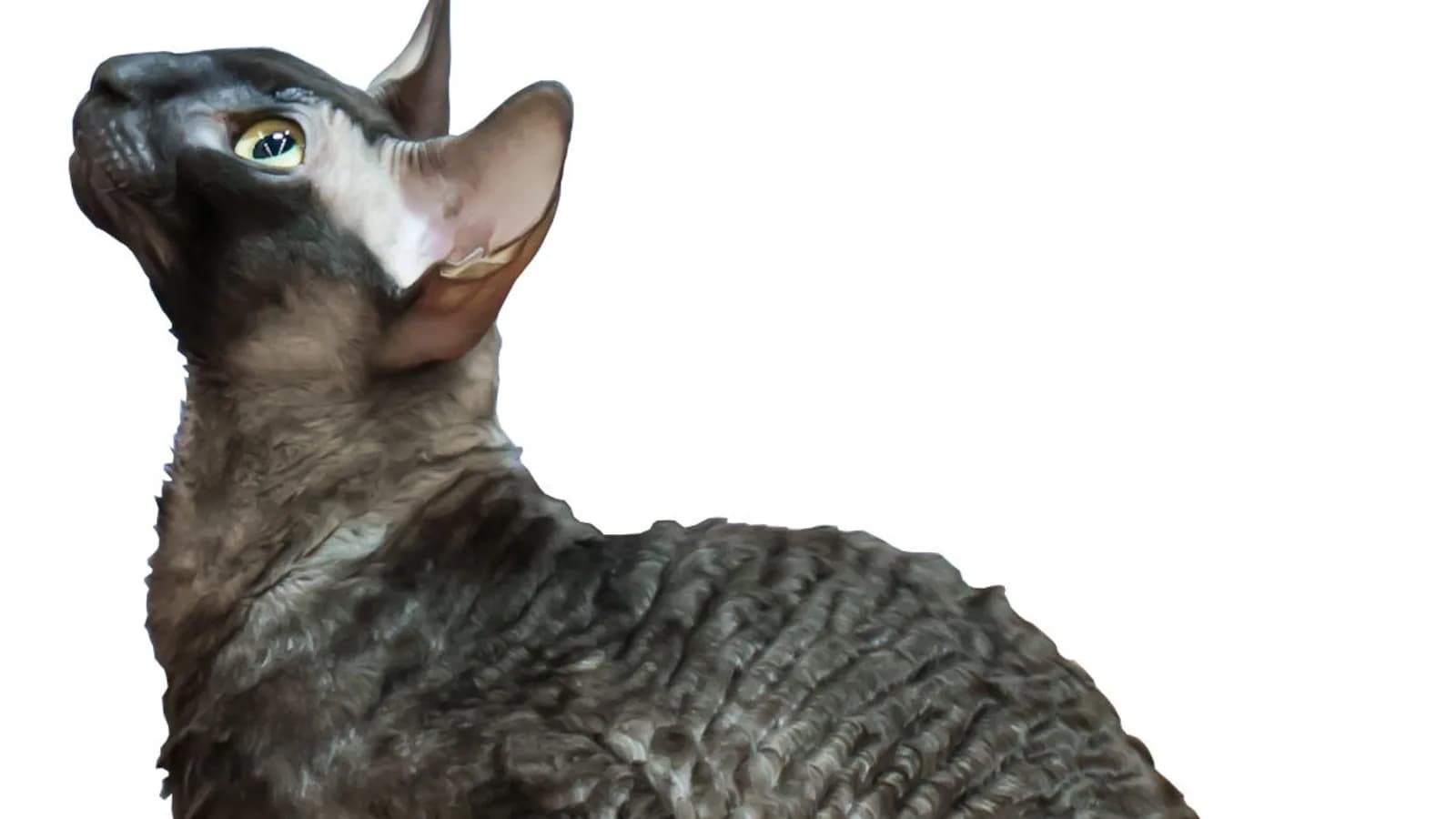
Cornish Rex guide
Cornish Rex Colors: All of Them (and the Black Rarity Myth, Counted)
Every registry accepts every Cornish Rex color (one odd exception aside). We counted CFA's own show record to test the "black is rare" claim, and it fell over.
Read
The floor belongs to our members. Keep it kind, links are not allowed, and images go through moderation before anyone else sees them.