

Himalayan vs Siamese: Two Opposites Painted by One Gene
A flat-faced, long-haired, placid cat and a wedge-faced, short-haired, talkative one share the exact mutation that paints them both. The mechanism, and the family history.

Published August 21, 2026 3 min read
Contents
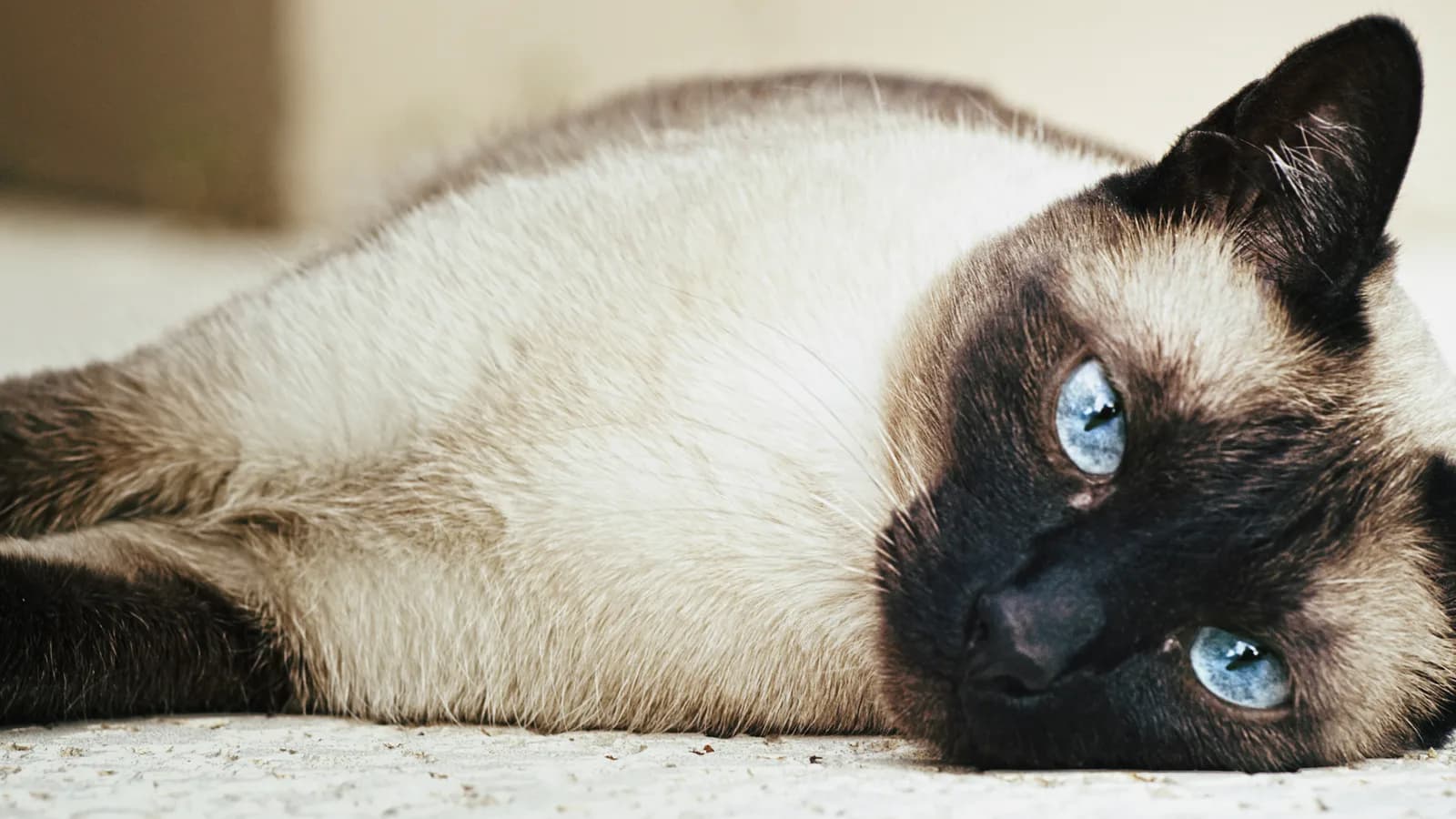
Put the two cats side by side and almost nothing matches. The Himalayan is long-haired, flat-faced and placid; the Siamese is short-haired, wedge-faced and famously vocal. 's own Himalayan page files Siamese under "Opposite Breeds." And yet the thing everyone notices FIRST about both cats, the dark points and the blue eyes, is the same mutation in both breeds. 's own genetics documents name it identically, the "Himalayan (Siamese) gene (cs)": a temperature-sensitive tyrosinase mutation that lets pigment develop only on the body's cool extremities. The molecular work that pinned it down was even tested against a of Himalayan (pointed) Persians. Same paint, opposite canvases.
The bodies: everything else diverges
The Himalayan carries the full Persian Breed Group standard: brachycephalic, round-faced, a long thick coat standing off the body, and the DAILY grooming contract that comes with it. The Siamese carries the opposite blueprint: a long tapering wedge, large flared ears, a short fine coat its registries call low-maintenance (weekly combing), and a body boxes at just 5-12 lb. One cat presides; the other participates loudly. The choice between them is really a choice between two entire lifestyles. That is why no "which is better" verdict makes sense.
The family history explains the shared gene
The resemblance in the points is not coincidence: the Himalayan was BUILT from the Siamese. 's own history credits Virginia Cobb and Dr. Clyde Keeler's experimental Persian-by-Siamese crosses (from 1931) with producing the first Himalayan kitten. 's own hosted history confirms the method in its own words: "The first step in working toward a Persian was to cross the Siamese and the Persian." The Siamese donated the pointing gene and the blue eyes; the Persian side donated everything else. (A third breed, the Ragdoll, carries the same cs allele by its own route: that page tells the three-breed story.)
Choosing between them, honestly
Noise tolerance: the Siamese talks, the Himalayan does not; three registries document the Siamese voice. Grooming budget: daily comb and eye-wipe for the Himalayan, weekly comb for the Siamese. Face file: the Himalayan carries the brachycephalic health considerations of its Persian family; the Siamese carries its own distinct file (its profile covers it). Both breeds are devoted companions. They are simply devoted at very different volumes and coat lengths.
The whole comparison on one card
| Himalayan | Siamese | |
|---|---|---|
| The points and blue eyes | The cs gene | The SAME cs gene: one mutation, two breeds |
| Coat | Long, daily comb | Short, weekly comb |
| Face | Flat (Persian Breed Group) | Long tapering wedge |
| Voice | Gentle and quiet () | Vocal by three registries' own words |
| Family tree | BUILT from Persian-by-Siamese crosses (1931 onward) | The donor of the gene |
 The vet's take

Veterinary review
Are you a vet?
Your professional read belongs here: every verified practitioner can leave a note, published once our editors have reviewed it.
Sign in and get your license number verified. We check it in the public register, we never ask for or keep a copy of your diploma, and your number is never published.
Frequently asked questions
Are Himalayan and Siamese cats related?
Directly: the Himalayan was created from Persian-by-Siamese crosses beginning in the 1930s, per both TICA's and CFA's own histories. The Siamese contributed the pointing gene and blue eyes.
Why do Himalayans and Siamese have the same colors?
One gene: the temperature-sensitive cs (Himalayan/Siamese) tyrosinase mutation, named identically in both breeds' GCCF genetics documents. Pigment develops only where the body runs cool: mask, ears, legs, tail.
Which is calmer, a Himalayan or a Siamese?
The Himalayan, by both breeds' own registry language: gentle, quiet and easygoing, against the Siamese's documented, three-registry talkativeness.
Which needs more grooming?
The Himalayan, by far: a daily comb and daily eye care against the Siamese's weekly once-over on a short coat.
 Community questions
Got a question this page doesn't cover? Ask it: the best ones get published here with their answer.
This is information, not veterinary advice, and it cannot tell you what is wrong with your cat. Our rule is a simple one: if something is wrong with your cat, call your vet, and call an emergency clinic if it is out of hours. Nothing you read here is a reason to wait.
Medical information applies to every reader. Prices, legal duties and common practice do not: unless stated otherwise, they are given for the United States, and they differ in the UK, Canada and Australia, and often between states or provinces. Check with your own vet and your own local authority.
Our sources

Worth keeping a paw on
Pin this guide
So you can find it the day you need it, and share it with someone whose cat does the same thing. One click and it sits in your board.
Pin it on Pinterest
 Purr or Pass
The cat newsletter
Our verified guides, no spam. Unsubscribe in one click.
More Siamese guides
The Siamese profile →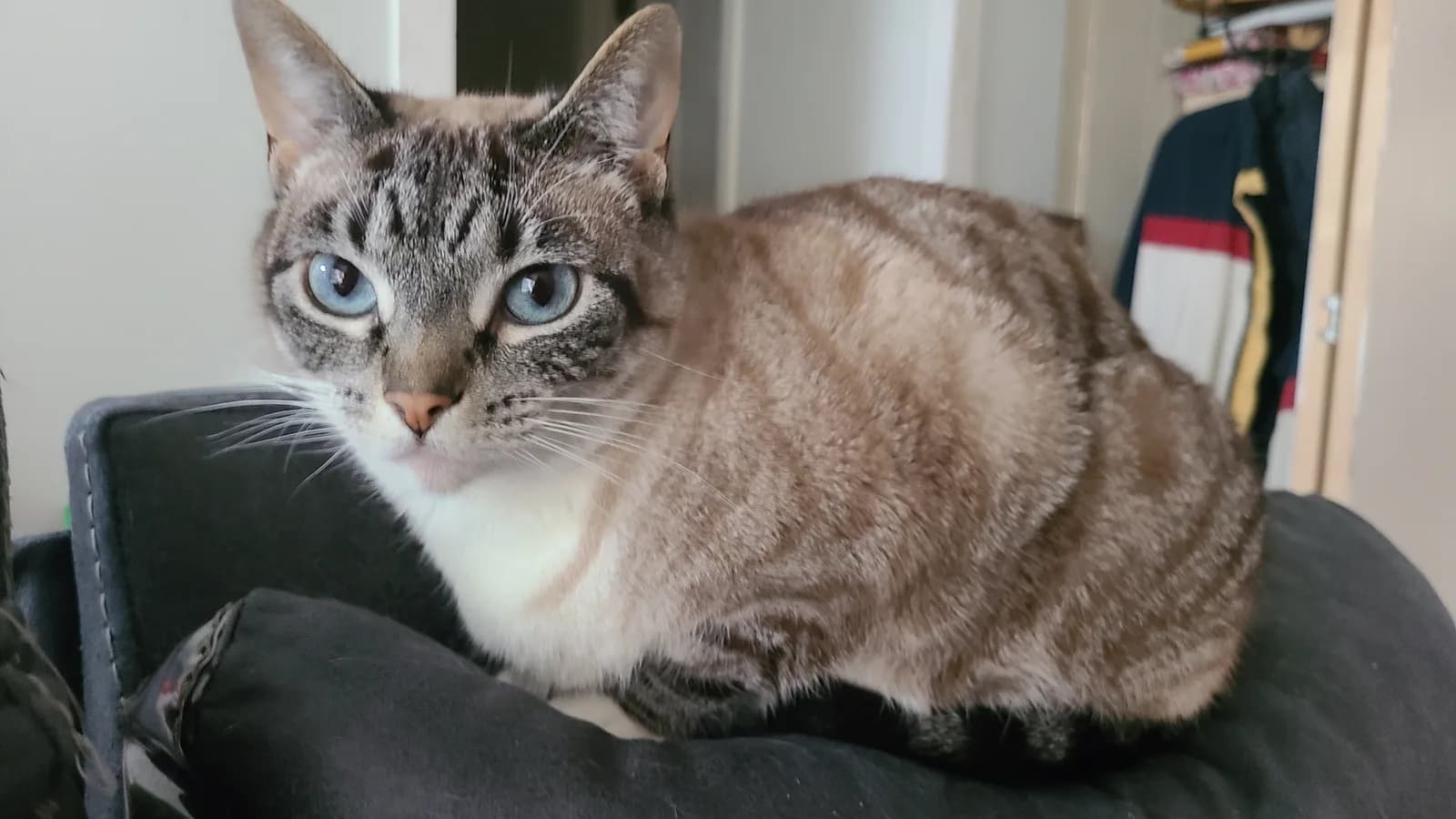
Siamese guide
Lynx Point Siamese: The Tabby Who Joined the Aristocracy
Tabby-striped points, an M on the forehead, and two official names: Lynx Point in TICA, CFA and Canada, Tabby Point in the UK's GCCF and Australia's ACF. The whole file, by registry.
Read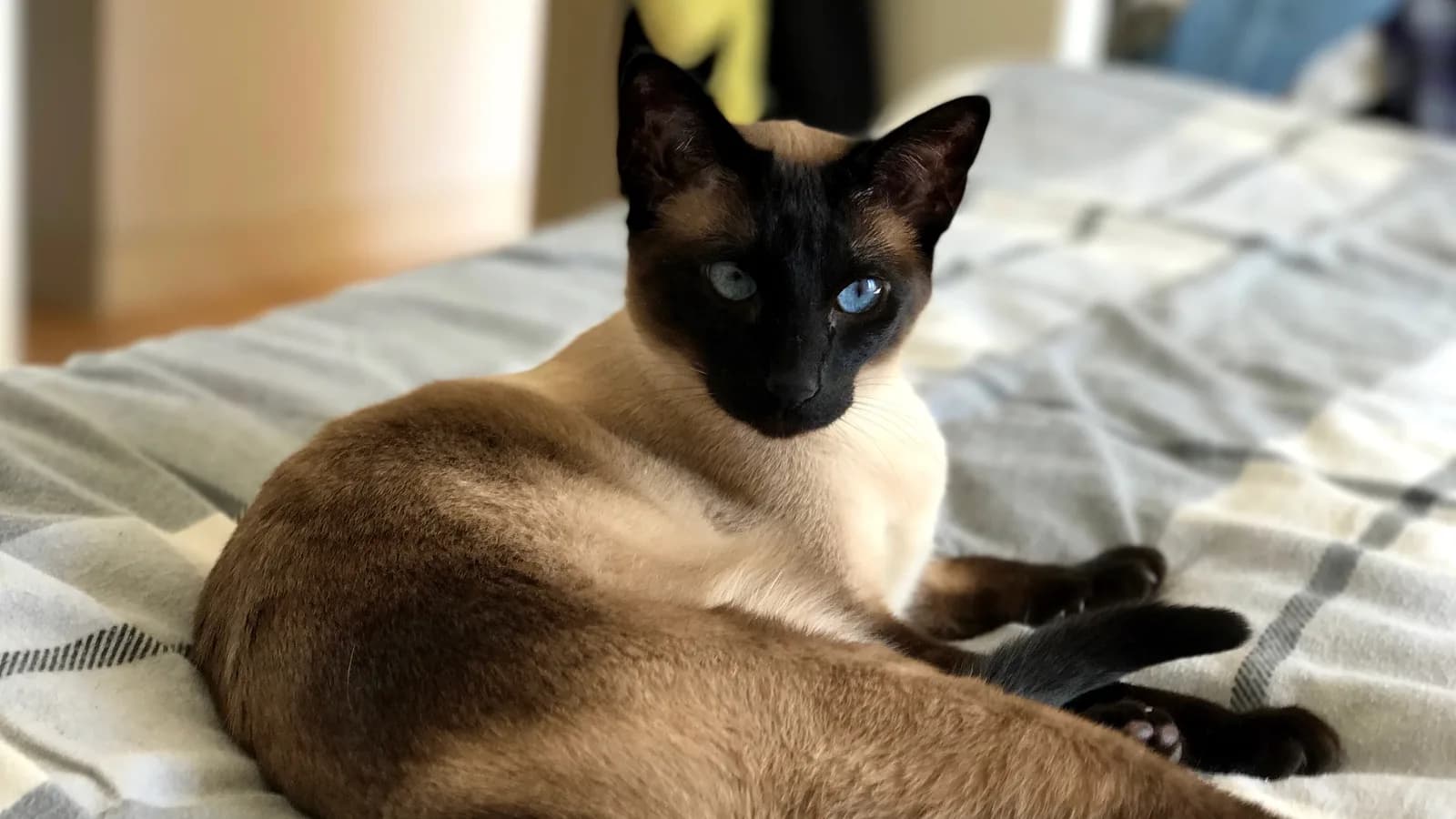
Siamese guide
Seal Point Siamese: The Color the Breed Arrived In
Deep seal-brown points on a warm cream body: the color the 1871 Crystal Palace cats wore, and the one definition all five registries still agree on, word for word close.
Read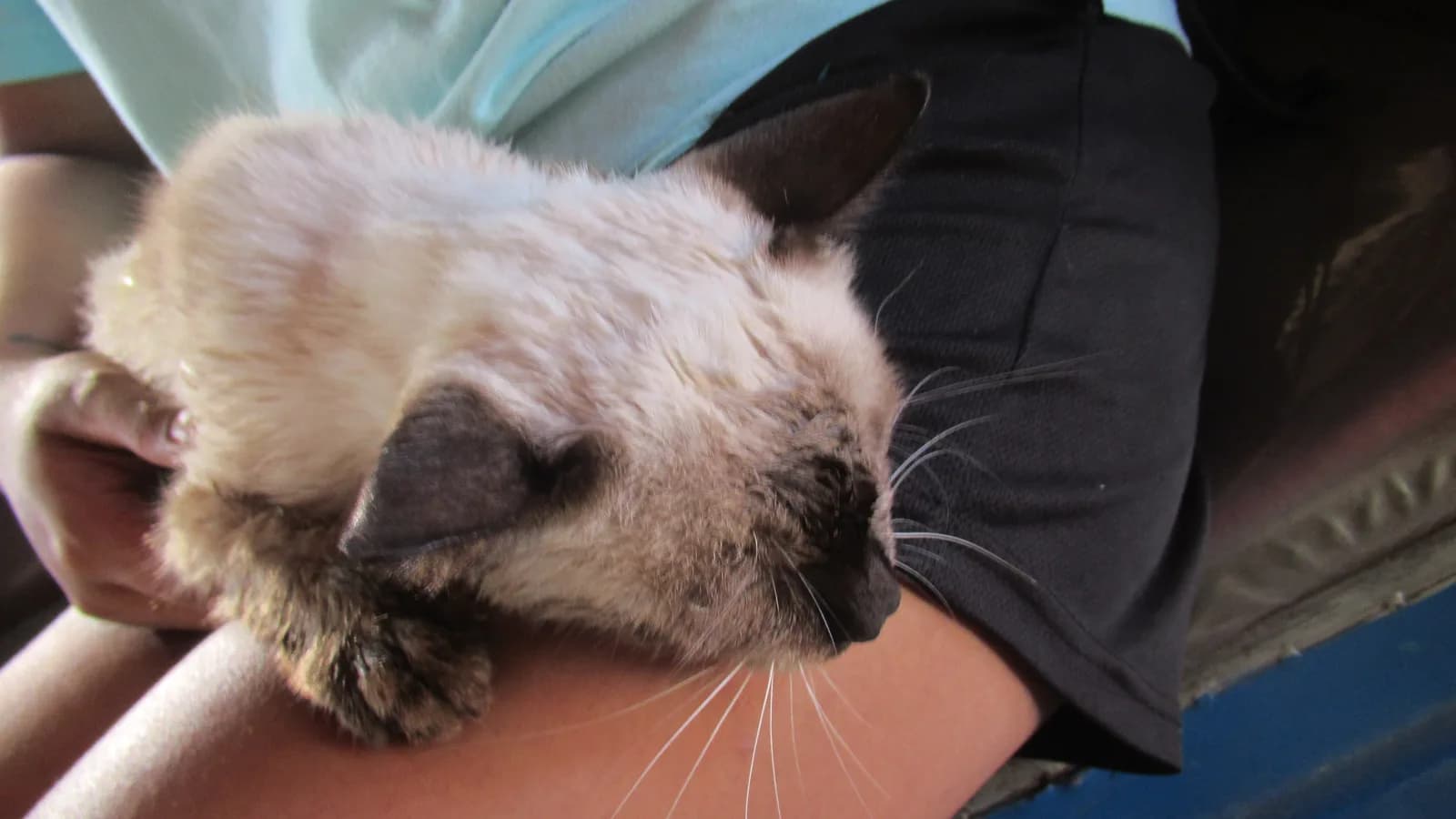
Siamese guide
Siamese Cat Price: What the Sellers Publish, Market by Market
US catteries run flat $1,000-3,500, UK registered listings cluster £500-1,300, Canada spreads $450-1,600, and Australia publishes exactly one price. Read August 2026.
Read
Siamese guide
Blue Point Siamese: The Cool One
Deep blue points on a bluish-white body, slate nose leather, blue eyes by rule: the dilute of seal, defined the same way by all five registries.
Read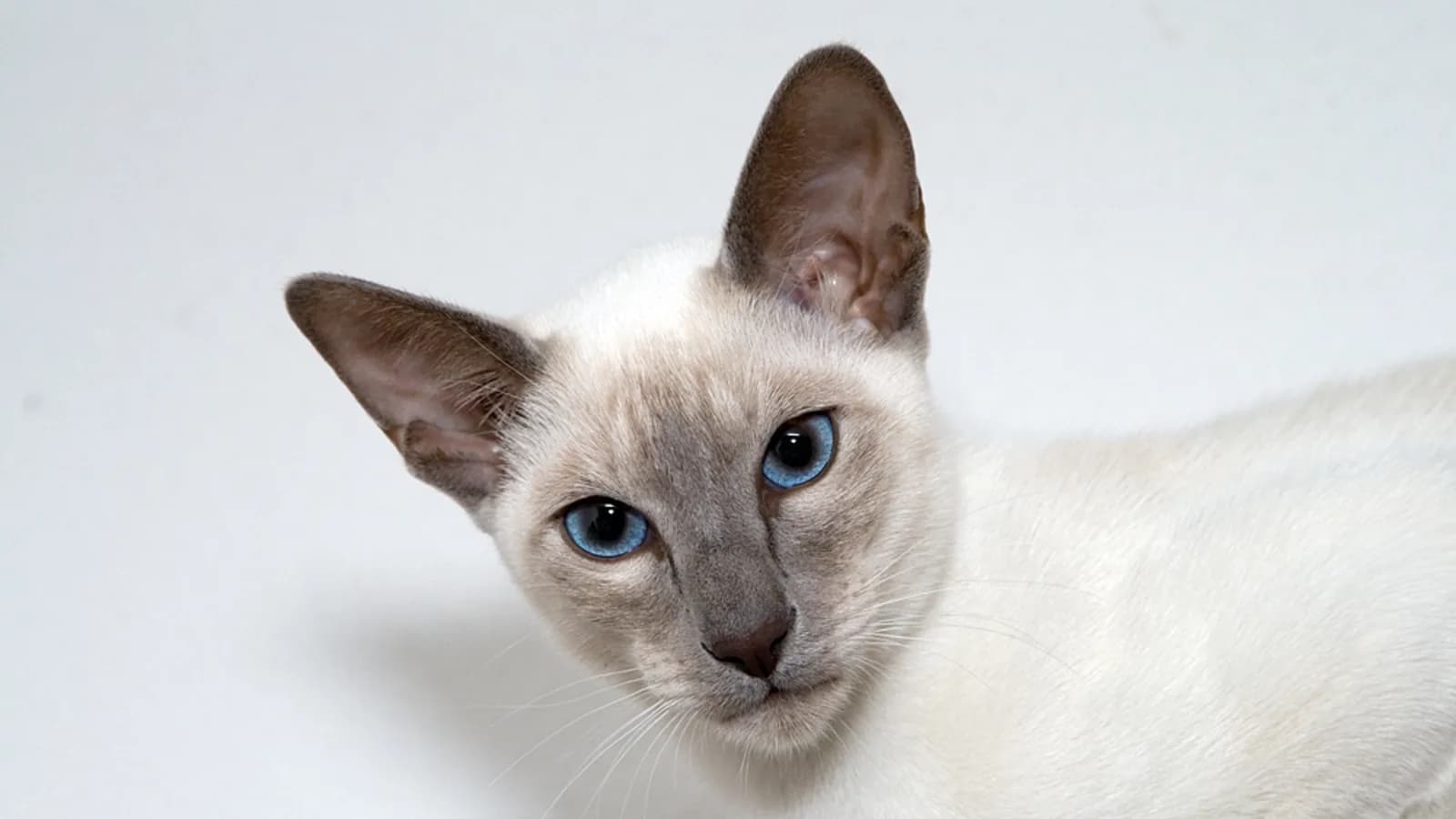
Siamese guide
Lilac Point Siamese: Frost With a Pink Cast
Frosty grey points with a pinkish tone on a glacial white body, lavender-pink nose leather: the double-dilute color, defined identically by five registries.
Read
Siamese guide
Red Point Siamese: The Flame Point With Two Sets of Papers
Red-gold points on a warm white body, and a paperwork puzzle: three registries call this cat a Siamese, two register the identical animal as a different breed.
Read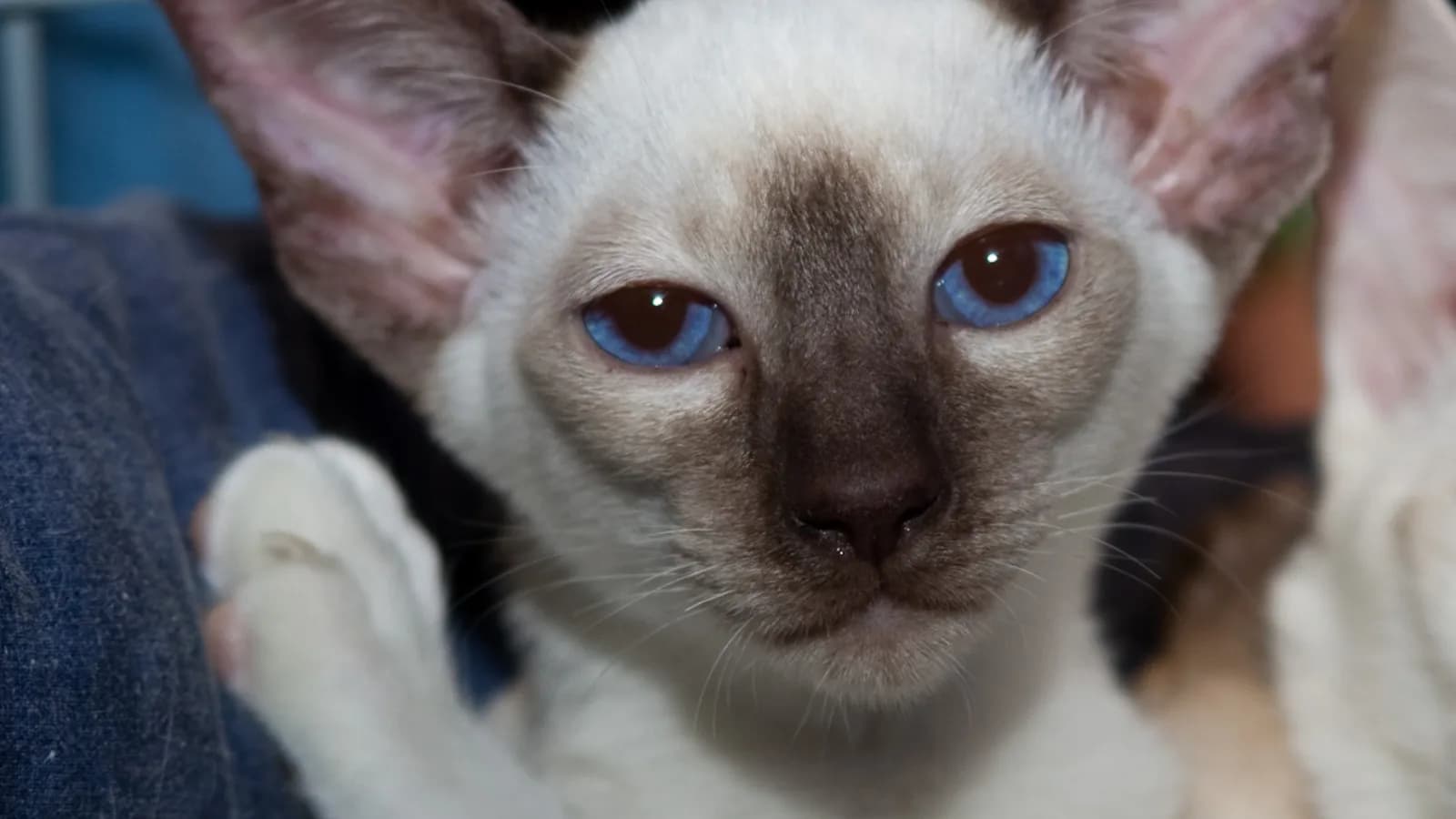
Siamese guide
Chocolate Point Siamese: Warmer Than Seal, Paler Than It Looks
Warm milk-chocolate points on an unshaded ivory body, cinnamon-pink nose leather: the classic-four color buyers mistake for seal, and how the standards separate the two.
Read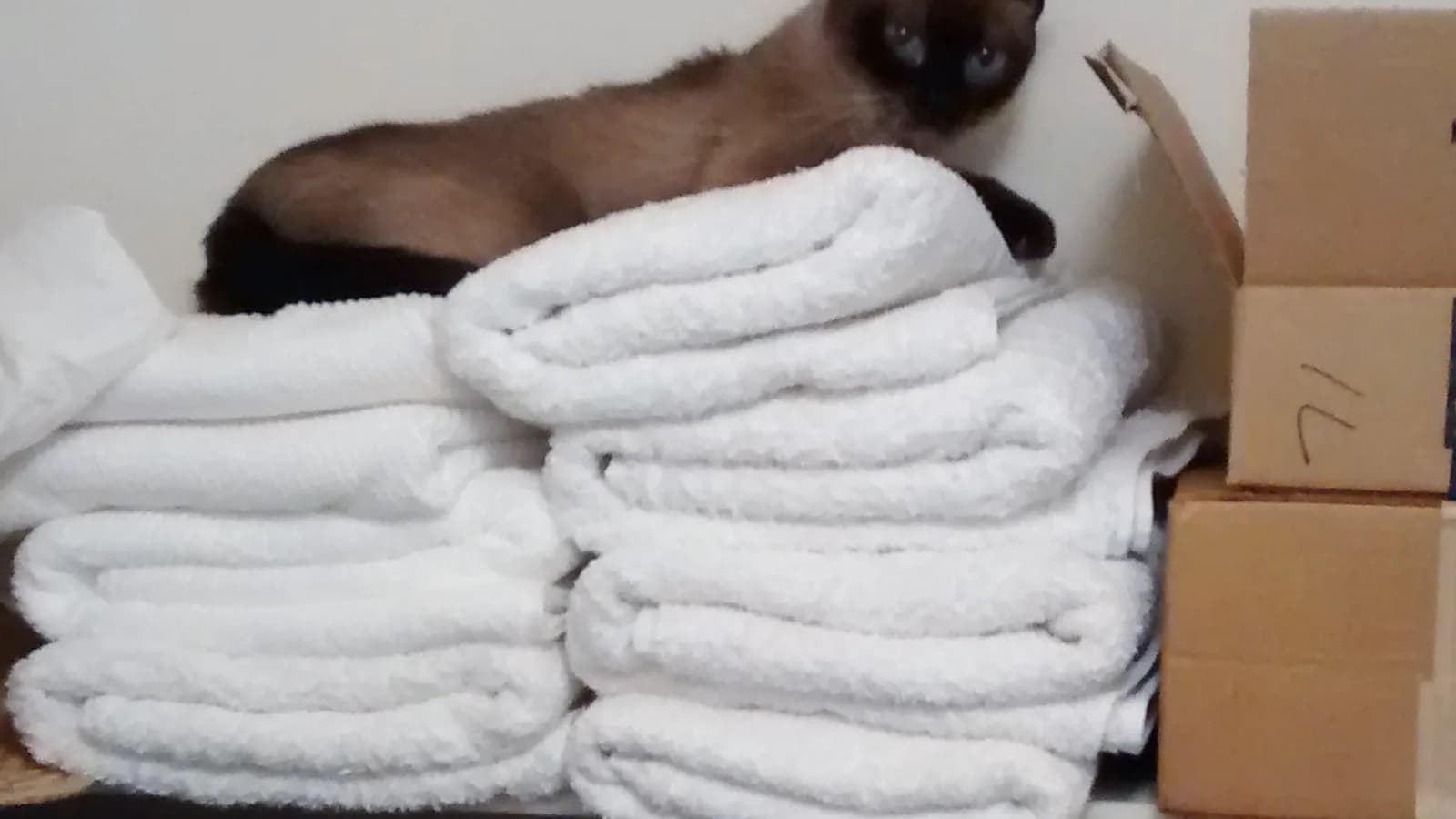
Siamese guide
Are Siamese Cats Hypoallergenic? No, With Unusually Good Sources
Two peer-reviewed reviews, the breed's own leading registry, and zero studies on the other side: the Siamese is not hypoallergenic, and the short coat never mattered.
Read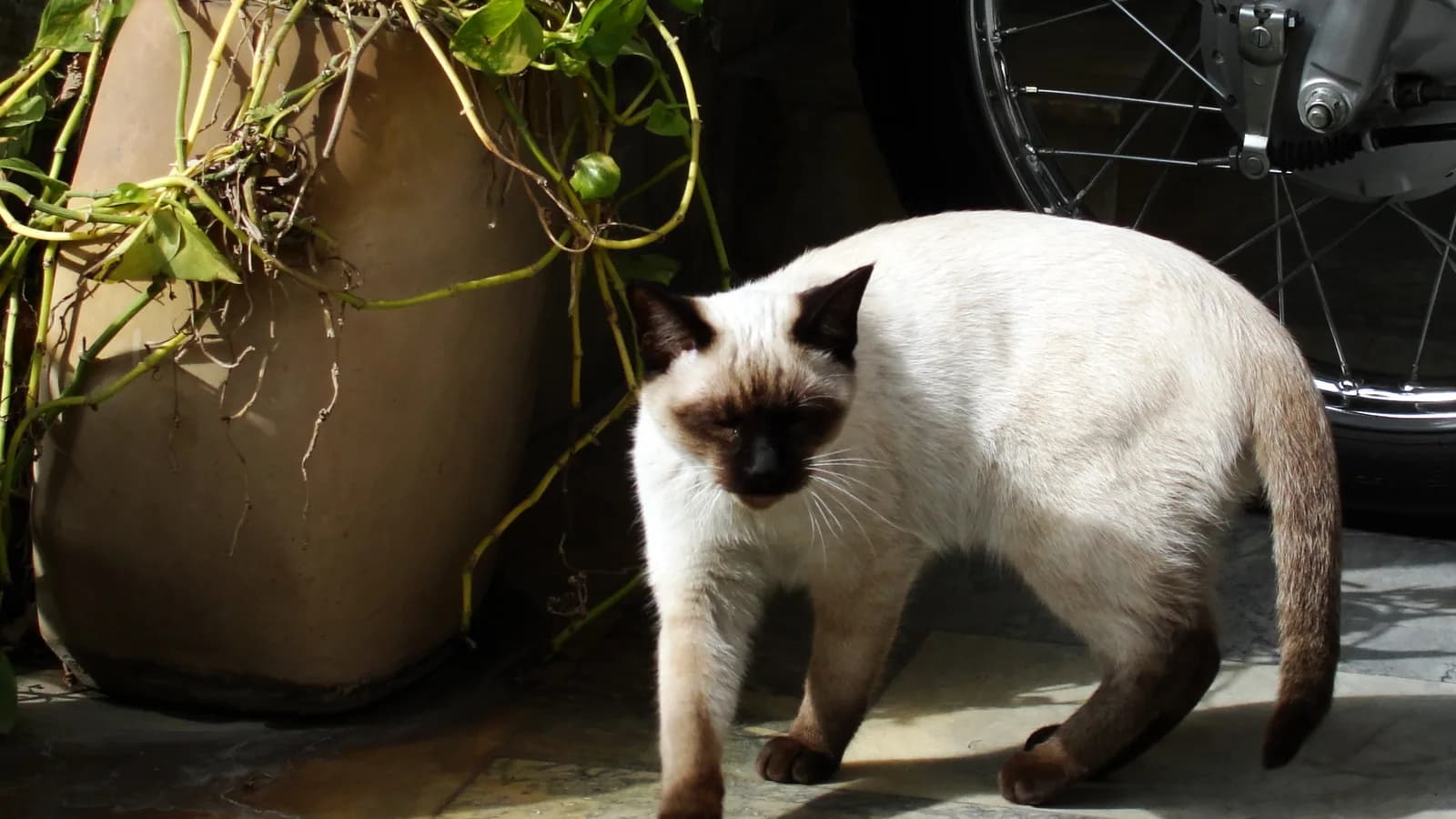
Siamese guide
Applehead vs Modern Siamese: The Same Passport, Different Faces
The round-headed traditional Siamese, the wedge-headed show type, and the Thai, the separate breed most pages confuse with both. Who registers what, precisely.
Read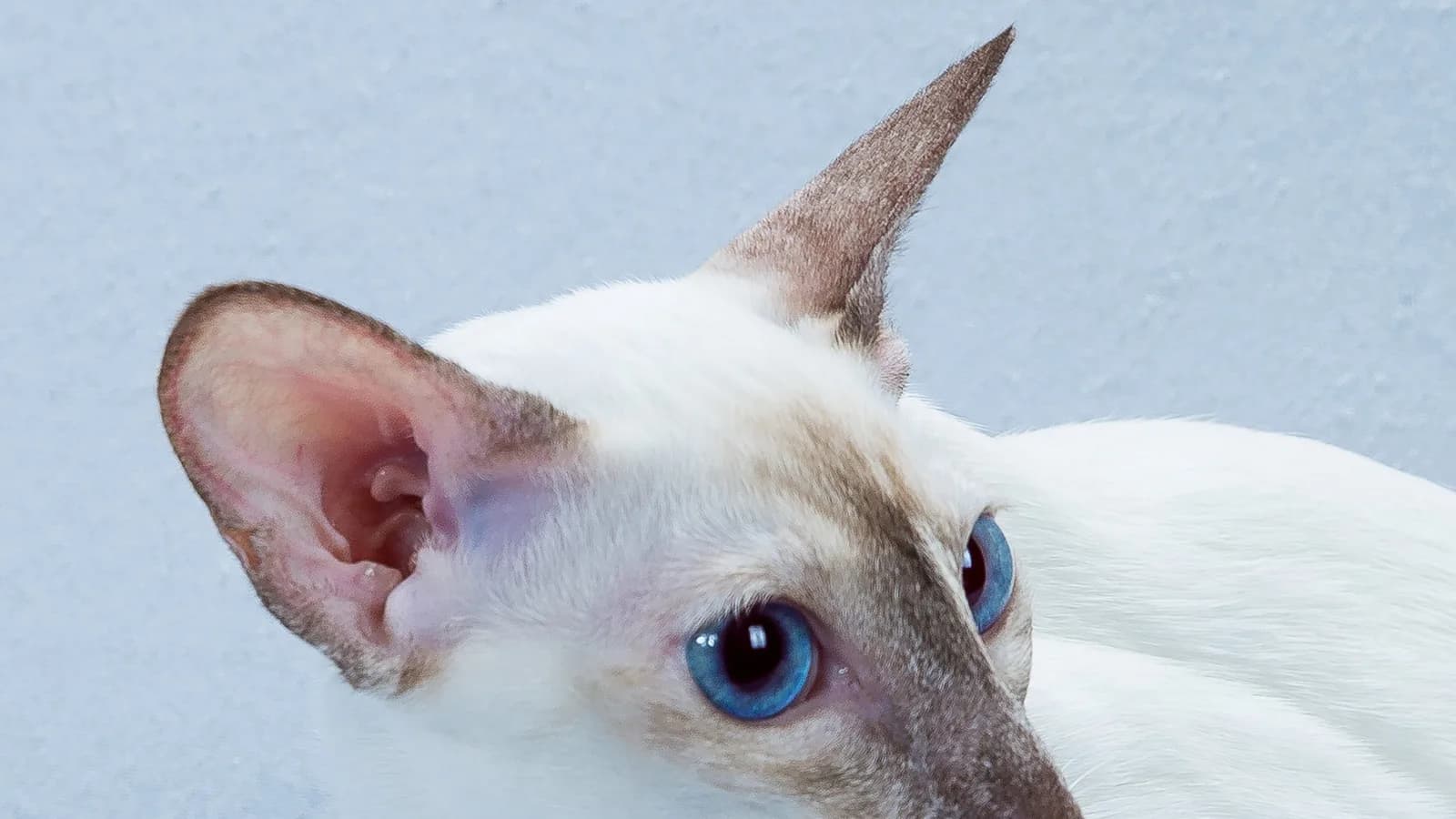
Siamese guide
Tortie Point Siamese: Two Colors Fighting Over Four Paws
Red and cream broken through the points, almost always female, and registered three different ways depending on the registry. The tortie point, sourced.
Read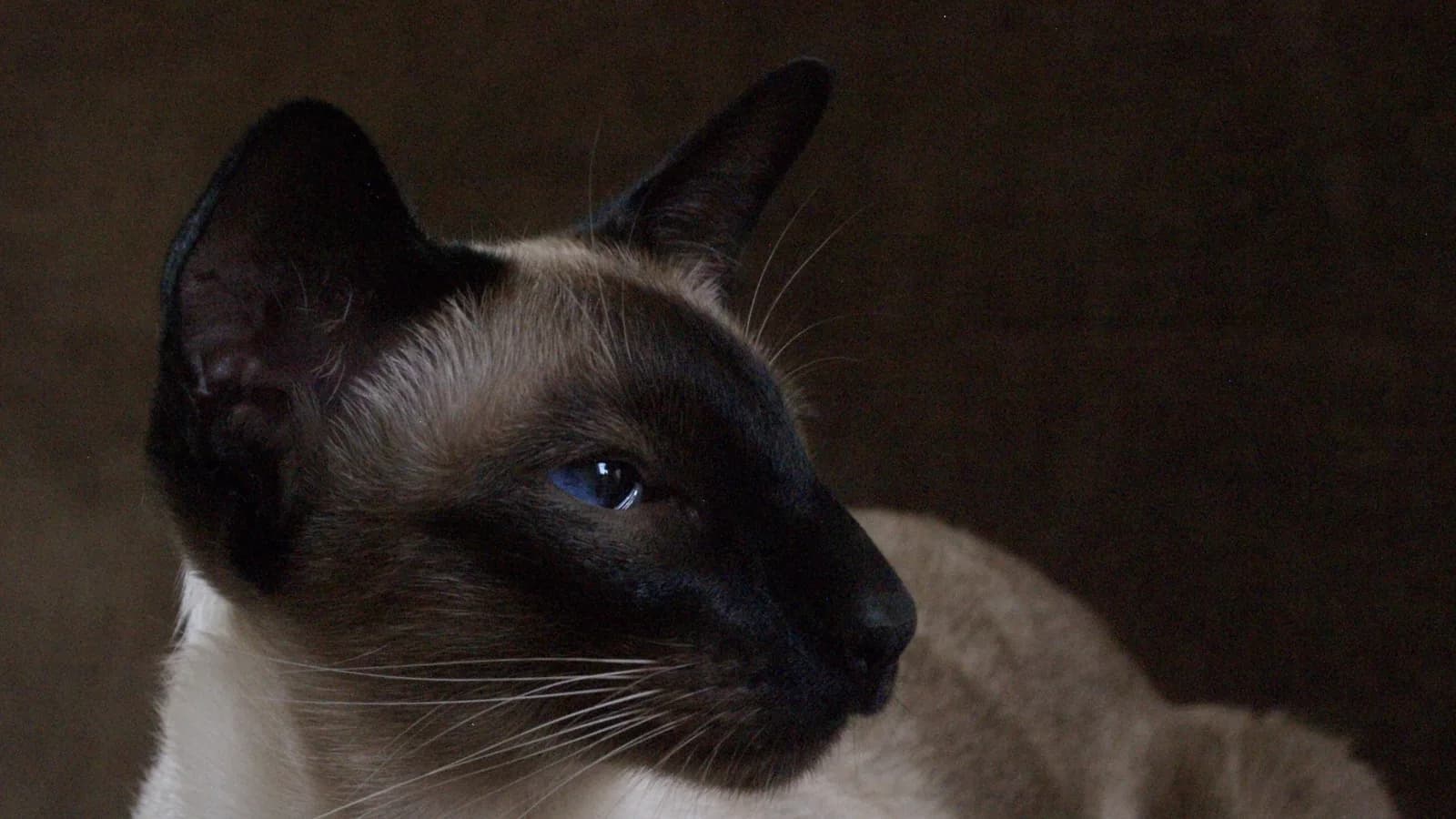
Siamese guide
Siamese vs Ragdoll: Opposites That Both Want Your Lap
The fancy's chattiest breed against one of its quietest, a 5-12 lb cat against a 10-20 lb one, and a coat contrast with no loser. Registry-sourced, both sides.
Read
The floor belongs to our members. Keep it kind, links are not allowed, and images go through moderation before anyone else sees them.